Best of the Year 11 results Smart Home AI Tools

Popular AI tools in the Smart Home field include eightsleep、Enabot、Petcube、kamihome、Vitruvianform、Zerofy、Bottomless、CuboAi、ibobi, etc., helping you quickly improve efficiency.

Vitruvianform

Vitruvianform

Vitruvianform is an AI-powered smart home gym system, the Trainer+, that offers adaptive digital weight up to 200kg …

48.7K
CuboAi

CuboAi

CuboAi is an AI-powered smart baby monitor designed to give parents peace of mind. It proactively detects safety …

16.7K
Zerofy

Zerofy

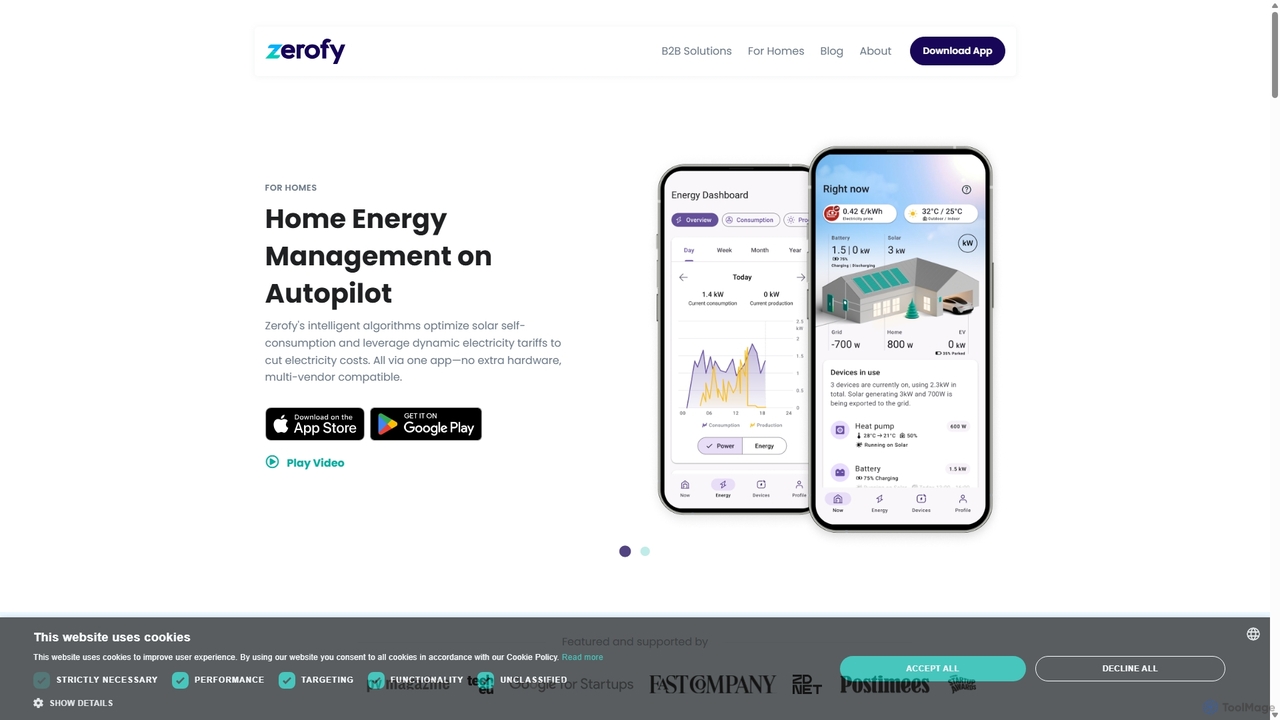
Zerofy is an AI-powered Home Energy Management System (HEMS) that intelligently optimizes your home's energy use. By connecting …

29.9K
CuboAi

CuboAi

CuboAi is an award-winning smart baby monitor that uses AI to provide parents with peace of mind. It …

8.2K
ibobi

ibobi

ibobi is the world's first video chatbot device powered by ChatGPT with vision. It functions as a personal …

2.8K
eightsleep

eightsleep

eightsleep is an AI-powered smart bed system designed to optimize sleep through dynamic temperature regulation. Its hydro-powered technology …

992.3K
Bottomless

Bottomless

Bottomless is an AI-powered subscription service that uses a smart WiFi scale to automatically reorder products like coffee …

16.8K
Petcube

Petcube

Petcube offers a suite of smart pet products, including AI-powered interactive cameras, GPS trackers, and smart fountains. It …

122.5K
kamihome

kamihome

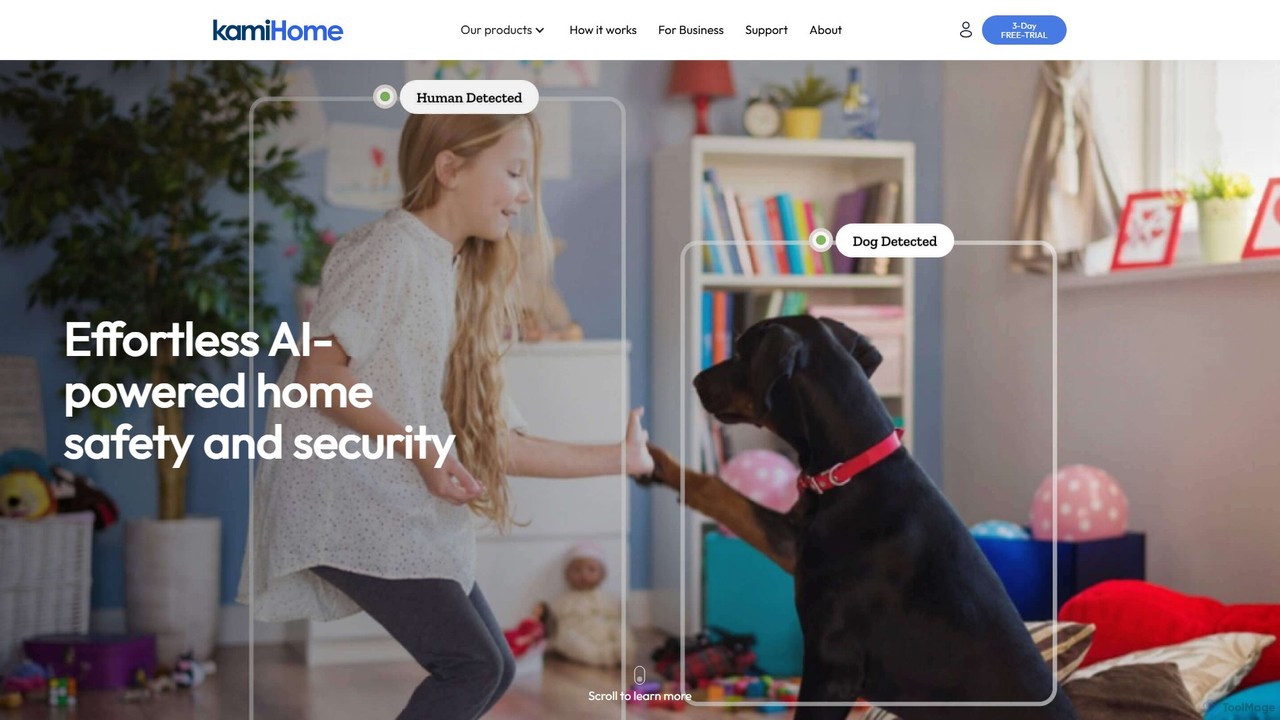
Kami Home is an AI-powered home security platform that acts as a co-pilot for your safety. It offers …

59.6K
wequ

wequ

wequ (Mysterious Duck) is a powerful platform that connects your mobile voice assistants (like Siri, Google Assistant) and …

2.7K
Enabot

Enabot

Enabot develops AI-powered companion robots for family and pets. Products like the EBO and ROLA series offer mobile …

136.8K

About Smart Home

Smart Home AI tools are systems and devices that use artificial intelligence to automate, control, and optimize household functions. They leverage machine learning algorithms to analyze data from sensors, user habits, and external sources, enabling them to make predictive decisions. This technology transforms a connected home into a responsive environment that enhances convenience, improves energy efficiency, and strengthens security. These tools move beyond simple pre-programmed commands to create a truly adaptive and personalized living experience.

Core Features

  • Predictive Automation: Learns user routines to proactively adjust lighting, climate, and appliances without manual input.
  • Advanced Voice Control: Utilizes Natural Language Processing (NLP) to understand complex, conversational commands and context.
  • Anomaly Detection: Identifies unusual patterns in activity, sound, or energy usage to alert homeowners to potential security threats or maintenance issues.
  • Energy Optimization: Analyzes real-time utility rates, weather forecasts, and occupancy patterns to minimize electricity and gas consumption.
  • Personalized Ambiance Control: Creates and suggests custom scenes by combining lighting, music, and temperature based on the time of day or detected user activity.

Use Cases

These tools are primarily used in residential settings by homeowners and renters seeking greater convenience and efficiency. They are also increasingly applied in property management for automating multi-unit dwellings and in assisted living facilities to provide non-intrusive monitoring and support for residents. For example, a system can learn a family's schedule to optimize heating, or help an elderly person by automatically turning on lights at night.

How to Choose

When selecting a Smart Home AI tool, first consider its ecosystem compatibility (e.g., Google Home, Amazon Alexa, Apple HomeKit, Matter). Evaluate the depth of its learning capabilities—does it truly adapt or just follow complex rules? Scrutinize the provider's data privacy and security policies to understand how your information is handled. Finally, assess its scalability and ability to integrate with a wide range of third-party devices to ensure future-proof functionality.

Smart HomeUse Cases

1

Automating a Dynamic Morning Routine

For a busy professional, an AI smart home system can create a seamless morning experience. The AI learns their typical wake-up time and patterns, even adjusting for calendar events like early meetings. Before the alarm sounds, it can slowly raise the smart blinds, gradually increase the room temperature, and start brewing coffee. Upon waking, a voice assistant can provide a summary of the day's schedule, weather, and traffic conditions. This predictive automation eliminates multiple manual tasks, saving valuable time and reducing morning stress, allowing the user to start their day more efficiently and calmly.

2

Intelligent Home Security Monitoring

Homeowners can leverage AI to create a smarter security system. Unlike traditional systems that trigger alerts for any motion, AI-powered cameras can differentiate between people, animals, and vehicles. The system can learn the faces of family members and frequent visitors, sending alerts only for unrecognized individuals. It can also detect specific sounds like breaking glass or a smoke alarm and automatically notify the owner and emergency services. When the user is away, the AI can simulate presence by turning lights and TVs on and off at random, learned intervals, providing a powerful deterrent to potential intruders.

3

Optimizing Home Energy Consumption

For an environmentally conscious family, an AI smart home system can significantly reduce their carbon footprint and utility bills. The AI connects to the HVAC system, smart appliances, and even solar panel inverters. It analyzes weather forecasts, time-of-day electricity pricing, and the family's historical energy usage patterns. Based on this data, it can pre-cool the house during off-peak hours, decide the optimal time to run the dishwasher, and maximize the use of solar power. This goes beyond simple scheduling, creating a dynamic energy management plan that adapts in real-time to achieve maximum efficiency, potentially saving 15-20% on energy costs.

4

Providing Assisted Living Support

For families caring for elderly relatives, AI smart home tools offer peace of mind and enhance safety. The system uses passive sensors to learn the resident's daily activity patterns. It can detect deviations, such as a lack of movement for an extended period, which could indicate a fall, and automatically alert caregivers or emergency services. It can also provide voice-activated reminders for medication, appointments, and meals. Smart lighting can automatically illuminate pathways at night to prevent trips, and voice commands can control the TV, thermostat, and locks, increasing independence for individuals with mobility challenges.

5

Creating Personalized Entertainment Experiences

An AI-powered smart home can transform how users interact with their entertainment systems. For a movie enthusiast, a single voice command like "Start movie night" can trigger a complex sequence of actions. The AI dims the main lights, activates accent lighting, lowers the projector screen, turns on the AV receiver, and sets the volume to a preferred level. The system can also learn viewing preferences and suggest new movies or shows from various streaming services. For music, it can create dynamic playlists based on the time of day, current activity (like cooking or working out), or even the number of people in the room, ensuring the perfect soundtrack for any moment.

6

Intelligent Kitchen and Cooking Assistance

Home cooks can benefit from AI integrated into smart kitchen appliances. A smart refrigerator can track inventory, suggest recipes based on available ingredients, and automatically add items to a shopping list when they run low. An AI-powered oven can identify the food placed inside it using a camera, then recommend and execute the optimal cooking program for perfect results. Voice assistants can provide step-by-step recipe instructions, convert measurements, and set multiple timers, allowing for a hands-free and more streamlined cooking process. This level of assistance helps reduce food waste, simplifies meal planning, and empowers users to try new dishes with confidence.

Smart HomeFrequently Asked Questions