Social & Community Best in category 3 results Virtual Worlds AI Tool

Popular AI tools in the Virtual Worlds field of Social & Community include Rooms、Hyper Online、Herewe, etc., helping you quickly improve efficiency.

Hyper Online

Hyper Online

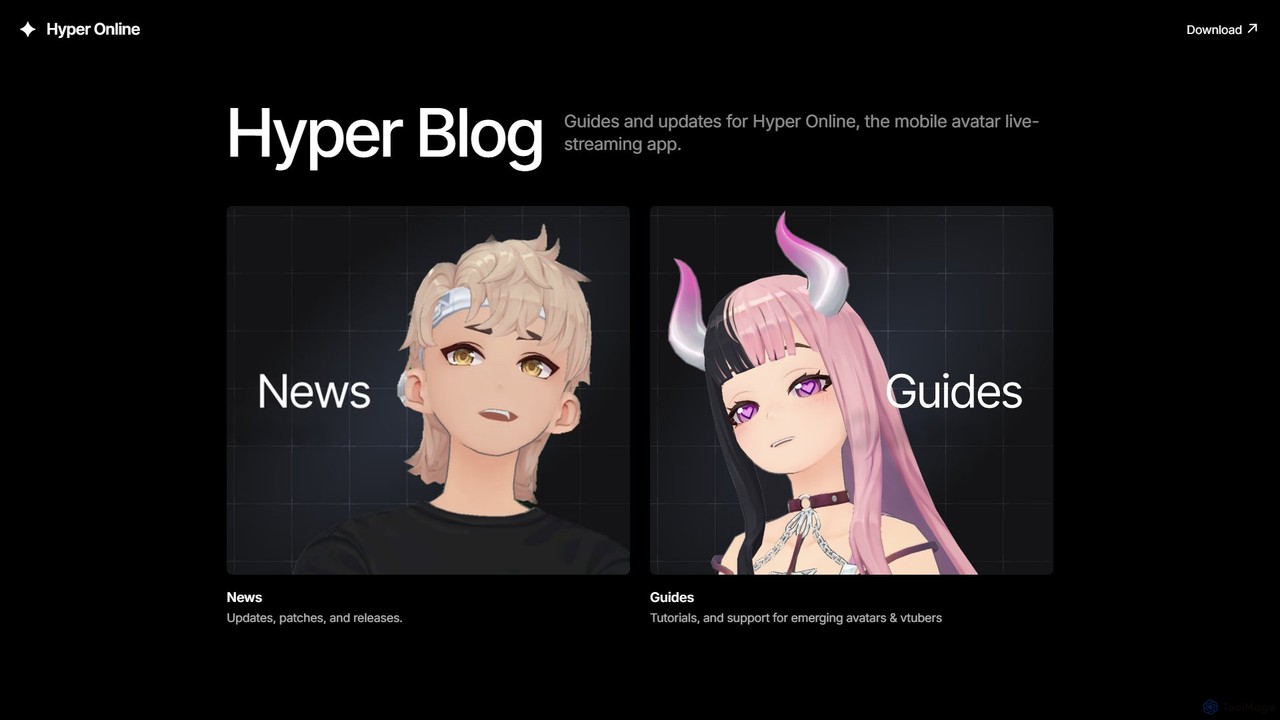
Hyper Online is a comprehensive platform for VTubers and virtual content creators. It provides powerful tools to easily …

3.5K
Herewe

Herewe

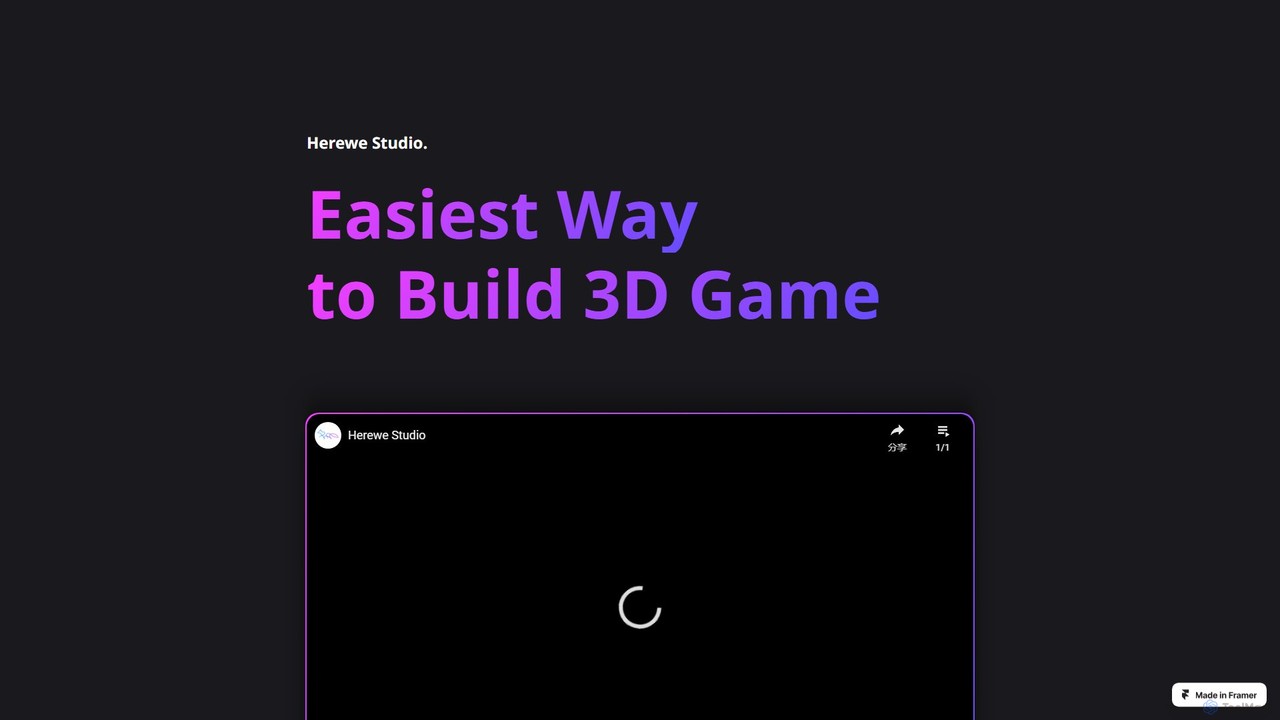
Herewe is a web-based, AI-powered platform for easily creating 3D games and metaverse experiences. With its intuitive 3D …

3.2K
Rooms

Rooms

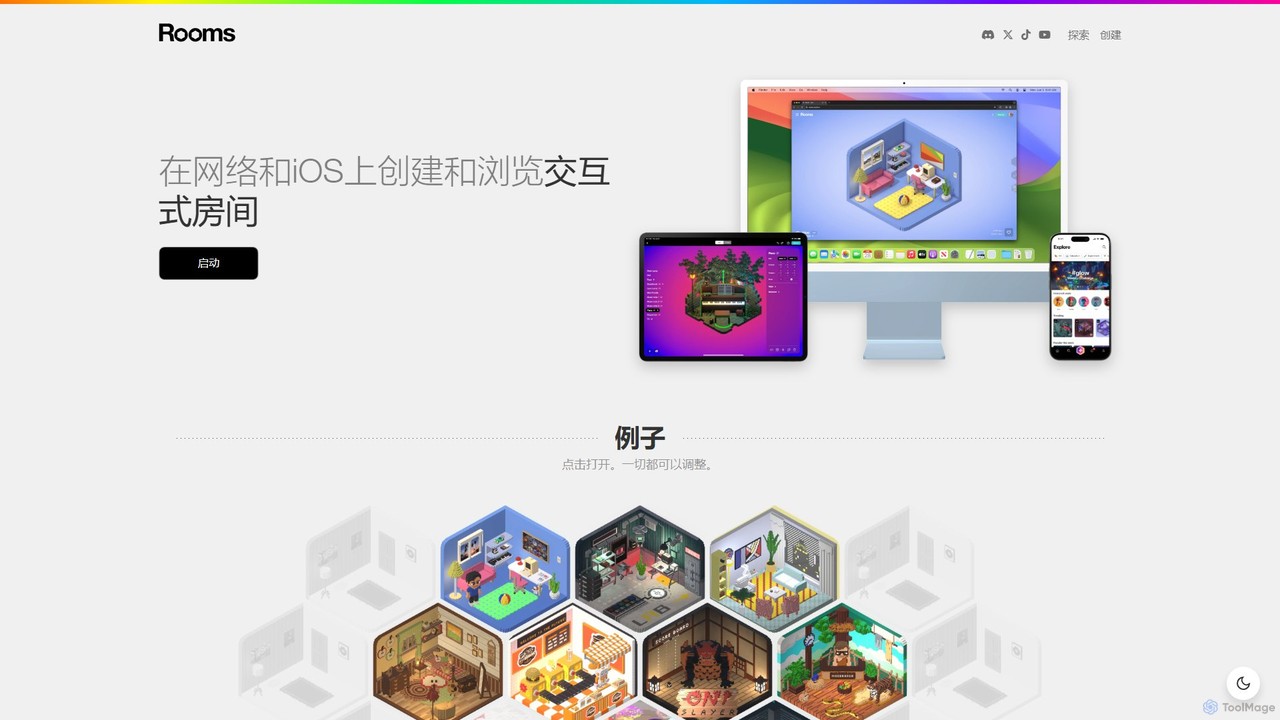
Rooms is a creative platform for building and exploring interactive 3D web-based rooms. With an intuitive editor, users …

210.7K

About Virtual Worlds

Virtual Worlds are AI-powered platforms that create immersive, interactive digital environments for users to socialize, collaborate, and experience simulated realities. These tools leverage advanced AI for dynamic content generation, realistic avatar behaviors, and intelligent NPC interactions, fostering deeper engagement than traditional online communities. They offer persistent, evolving spaces where users can build, explore, and participate in a shared digital existence.

Core Features

  • AI-driven Environment Generation: Automatically creates diverse landscapes, structures, and objects based on user prompts or predefined themes.
  • Intelligent NPCs & Avatars: Powers non-player characters with dynamic personalities, conversational abilities, and realistic movements, enhancing immersion.
  • Real-time Interaction & Communication: Facilitates seamless voice, text, and gesture-based communication between users and AI entities within the virtual space.
  • Dynamic Content & Event Management: Enables the creation and scheduling of AI-generated events, quests, and narratives that adapt to user actions.
  • Personalized Experiences: Tailors virtual environments, recommendations, and interactions based on individual user preferences and historical behavior.

Use Cases

These platforms are used in gaming for next-generation immersive experiences, in education for interactive learning simulations, and in enterprise for virtual collaboration spaces and digital twin applications.

How to Choose

When selecting a Virtual Worlds platform, consider the level of immersion and realism required, the extent of AI-driven content generation capabilities, the ease of user interaction and customization, and the scalability for concurrent users. Evaluate the platform's community features, development tools, and integration potential with other digital assets.

Virtual WorldsUse Cases

1

Designing Immersive Educational Simulations

Educators and training professionals utilize AI virtual worlds to create interactive learning environments. Students can explore historical events, conduct virtual science experiments, or practice complex procedures in a safe, simulated space, enhancing engagement and retention through hands-on experience and AI-guided feedback.

2

Developing Next-Generation Gaming Experiences

Game developers leverage virtual world AI to generate vast, dynamic open worlds, populate them with intelligent NPCs, and craft adaptive storylines. This allows for infinitely replayable content, personalized quests, and emergent gameplay, offering players unique and deeply immersive adventures that evolve with their choices.

3

Facilitating Global Virtual Collaboration

Enterprises and remote teams use virtual worlds to establish persistent digital offices or meeting spaces. Employees can interact as avatars, conduct presentations, brainstorm on virtual whiteboards, and engage in team-building activities, fostering a sense of presence and community that transcends geographical boundaries.

4

Creating Personalized Brand Experiences & Events

Marketing and event organizers deploy virtual worlds to host interactive product launches, concerts, or conferences. Brands can build custom virtual showrooms, offer personalized avatar interactions with AI assistants, and create memorable, immersive experiences that engage a global audience beyond physical limitations.

5

Simulating Urban Planning & Architectural Design

Urban planners and architects employ virtual worlds to model and visualize future cityscapes or building designs. Stakeholders can walk through proposed structures, test environmental impacts, and gather feedback in a realistic, interactive 3D environment, allowing for iterative design and informed decision-making before physical construction.

6

Building Digital Twin Replicas for Industrial Operations

Industrial engineers and facility managers use virtual worlds to create digital twins of physical assets, factories, or supply chains. This enables real-time monitoring, predictive maintenance, and simulation of operational changes in a risk-free virtual environment, optimizing efficiency and preventing costly downtime.

Virtual WorldsFrequently Asked Questions