Startup Best in category 2 results Market Research AI Tool

Popular AI tools in the Market Research field of Startup include Bunzee、CheckFast, etc., helping you quickly improve efficiency.

Bunzee

Bunzee

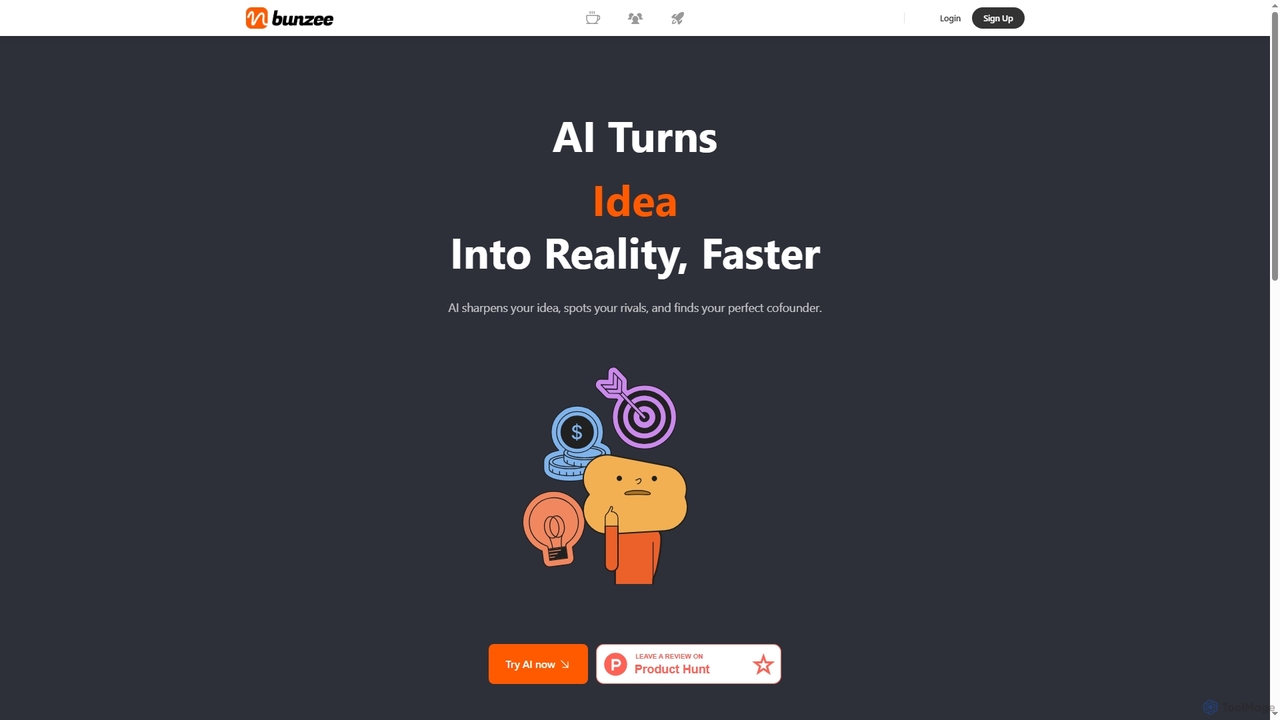
Bunzee is an AI-powered platform designed to help entrepreneurs and innovators validate ideas, build strong teams, and successfully …

3.1K
CheckFast

CheckFast

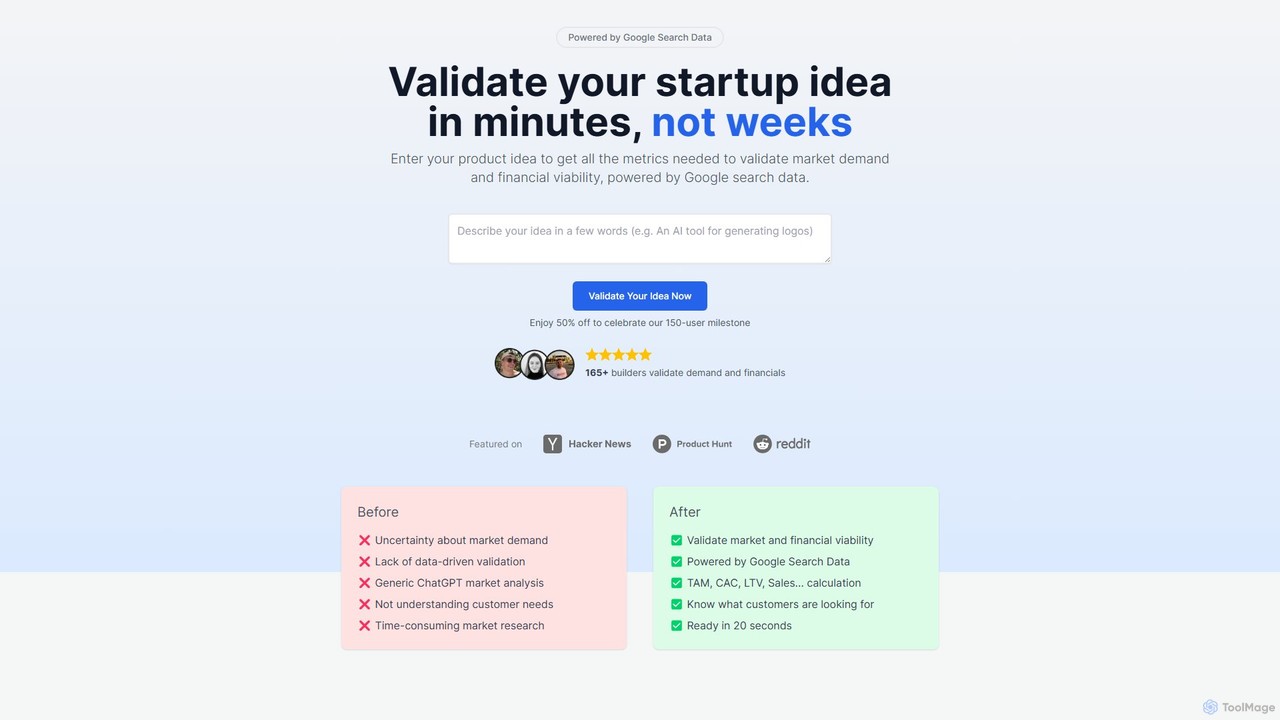
CheckFast is an AI-powered tool for entrepreneurs and founders to instantly validate product ideas. By analyzing Google Search …

3.1K

About Market Research

AI Market Research tools are a class of software that uses artificial intelligence to automate the collection, analysis, and interpretation of market data. These platforms leverage machine learning and natural language processing (NLP) to analyze vast datasets from sources like social media, news, and customer reviews. They provide startups with actionable insights into consumer behavior, competitive landscapes, and emerging trends, enabling data-driven decision-making. This approach offers a significant speed and scale advantage over traditional manual research methods.

Core Features

  • Trend Analysis & Forecasting: Identifies and predicts market trends by analyzing patterns in historical and real-time data.
  • Competitor Intelligence: Automatically tracks and analyzes competitors' marketing campaigns, pricing, and customer sentiment.
  • Consumer Sentiment Analysis: Gauges public opinion and emotion towards brands, products, or topics by processing text data.
  • Automated Data Aggregation: Gathers relevant data from diverse online sources, including forums, blogs, and news sites.
  • Audience Segmentation: Discovers and profiles distinct customer segments based on demographics, behavior, and interests.

Use Cases

These tools are essential for startup founders, product managers, and marketing teams. They are used to validate new business ideas by assessing market demand, identify underserved niches for market entry, and monitor brand perception after a product launch. For instance, a team can analyze online conversations to understand feature requests before development begins.

How to Choose

When selecting an AI Market Research tool, consider the scope of data sources it covers—ensure it aligns with your target audience's platforms. Evaluate the depth of its analytical capabilities, such as sentiment accuracy and predictive modeling. Also, assess its integration options with other startup tools like CRMs and its overall ease of use, especially for teams without dedicated data analysts.

Market ResearchUse Cases

1

Validate a New Product Idea

A startup founder wants to build a new project management app for remote teams. Before investing in development, they use an AI market research tool to analyze thousands of online discussions on platforms like Reddit, Twitter, and software review sites. The tool identifies the most frequently mentioned pain points with existing tools, such as poor integration capabilities and complex user interfaces. This data validates the market need and provides a clear roadmap for features that will give their product a competitive edge, significantly reducing the risk of building something nobody wants.

2

Analyze the Competitive Landscape

A marketing manager at a B2B SaaS startup needs to differentiate their product in a crowded market. They use an AI tool to continuously monitor competitors' online activities. The system tracks changes in pricing on competitors' websites, analyzes the sentiment of customer reviews for rival products, and identifies the key themes in their content marketing. The manager receives a weekly dashboard showing that a major competitor is receiving negative feedback about customer support. They use this insight to launch a marketing campaign highlighting their own company's award-winning support, successfully capturing market share.

3

Identify Emerging Consumer Trends

A product team at a direct-to-consumer (DTC) startup in the wellness industry wants to develop their next product line. They use an AI research tool to scan millions of blog posts, social media updates, and news articles related to health and wellness. The AI identifies a rapidly growing conversation around 'adaptogenic mushrooms' and their cognitive benefits. It also segments the audience interested in this topic, revealing they are primarily millennials interested in natural productivity enhancers. Armed with this data, the team confidently decides to develop a mushroom-based coffee alternative, knowing there is a pre-existing, engaged audience.

4

Optimize Marketing Campaign Messaging

A content strategist for a fintech startup is planning a campaign for a new investment feature. Using an AI market research tool, they analyze how their target audience (young professionals) discusses investing online. The tool reveals that this demographic responds more positively to messaging focused on 'financial wellness' and 'long-term goals' rather than 'high returns' and 'beating the market'. It also identifies popular finance influencers they follow. The strategist uses these insights to craft ad copy, blog posts, and social media content that resonates deeply with the audience, leading to a 40% higher engagement rate than previous campaigns.

5

Find Underserved Niche Markets

An e-commerce startup specializing in outdoor gear wants to expand its product line. Instead of guessing, they use an AI tool to analyze niche online communities, such as forums for 'ultralight backpacking' and 'winter camping'. The AI identifies a recurring theme: a lack of durable, lightweight cooking gear specifically designed for solo female hikers. It highlights specific feature requests and price sensitivity within this group. This allows the startup to bypass the saturated general market and develop a highly targeted product line for an underserved niche, ensuring a higher probability of successful market entry and customer loyalty.

6

Monitor Brand Perception and Reputation

After launching its initial product, a cybersecurity startup needs to track how it's being perceived by early adopters. An AI market research tool is set up to monitor brand mentions across tech blogs, developer forums, and social media. The tool's sentiment analysis algorithm flags a rising trend of negative comments related to a complex onboarding process. The product team is immediately alerted, allowing them to quickly release a patch and publish a step-by-step tutorial video. This proactive response turns negative sentiment into positive feedback, demonstrating responsiveness and building trust with their nascent user base.

Market ResearchFrequently Asked Questions