EcoSemantic
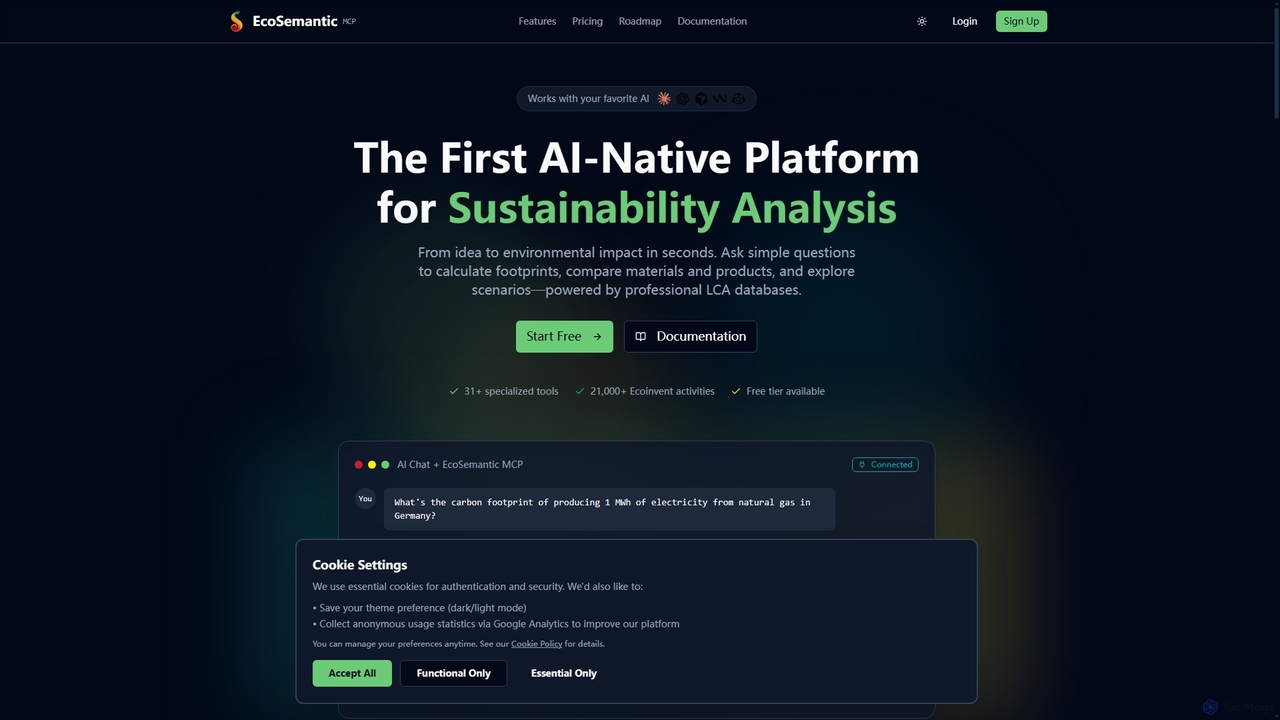
EcoSemantic is an AI-native platform that transforms complex Life Cycle Assessment (LCA) analysis into a conversational experience. It …
EcoSemantic is an AI-native platform that transforms complex Life Cycle Assessment (LCA) analysis into a conversational experience. It allows users to query professional environmental data from Ecoinvent databases using natural language, calculate footprints, compare materials, and explore sustainability scenarios in seconds.

EcoSort
EcoSort is a mobile application designed to simplify waste recycling by providing immediate, localized sorting instructions. Users can …
EcoSort is a mobile application designed to simplify waste recycling by providing immediate, localized sorting instructions. Users can scan product packaging to receive clear guidance on where to dispose of items, eliminating confusion about local rules and bin types. It aims to make eco-friendly waste management effortless and accessible for everyone.
iFixit
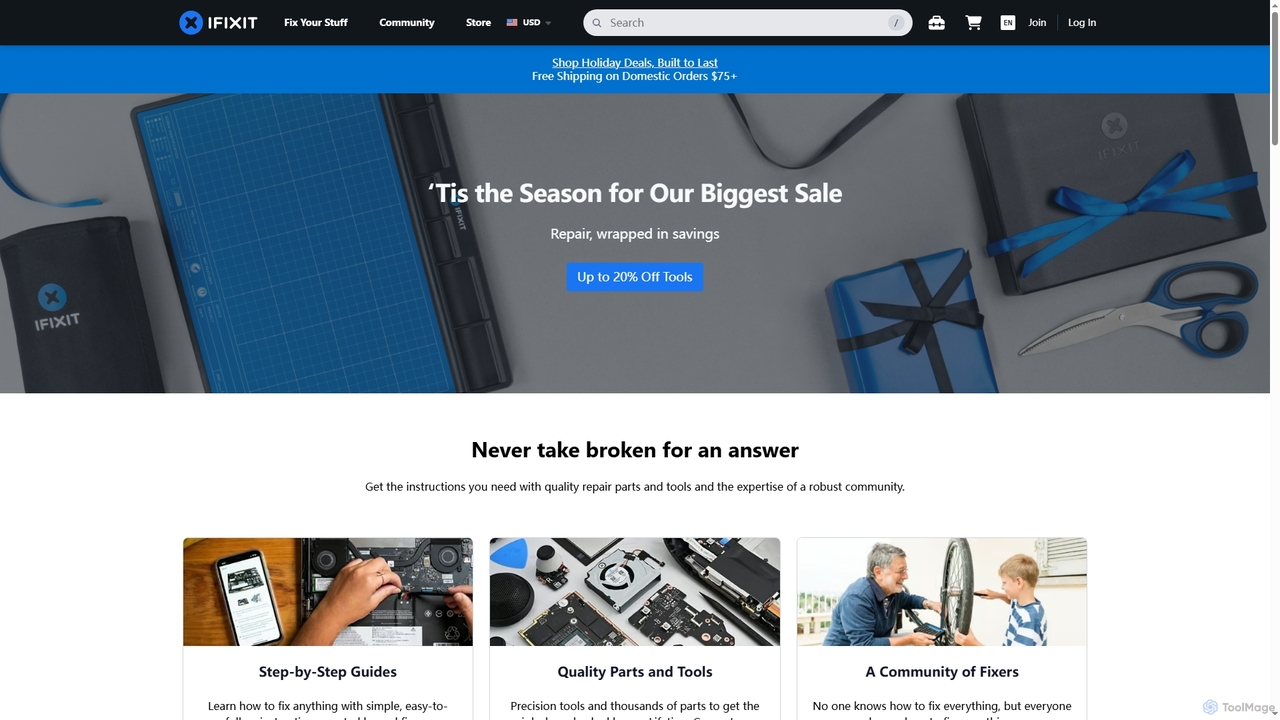
iFixit is the world's largest online repair community, providing free, step-by-step repair manuals, quality replacement parts, and precision …
iFixit is the world's largest online repair community, providing free, step-by-step repair manuals, quality replacement parts, and precision tools. It empowers individuals to fix their own devices, from electronics to appliances, and actively advocates for the Right to Repair movement, fostering a more sustainable and repairable future for all.
Data 4 Decarbonization
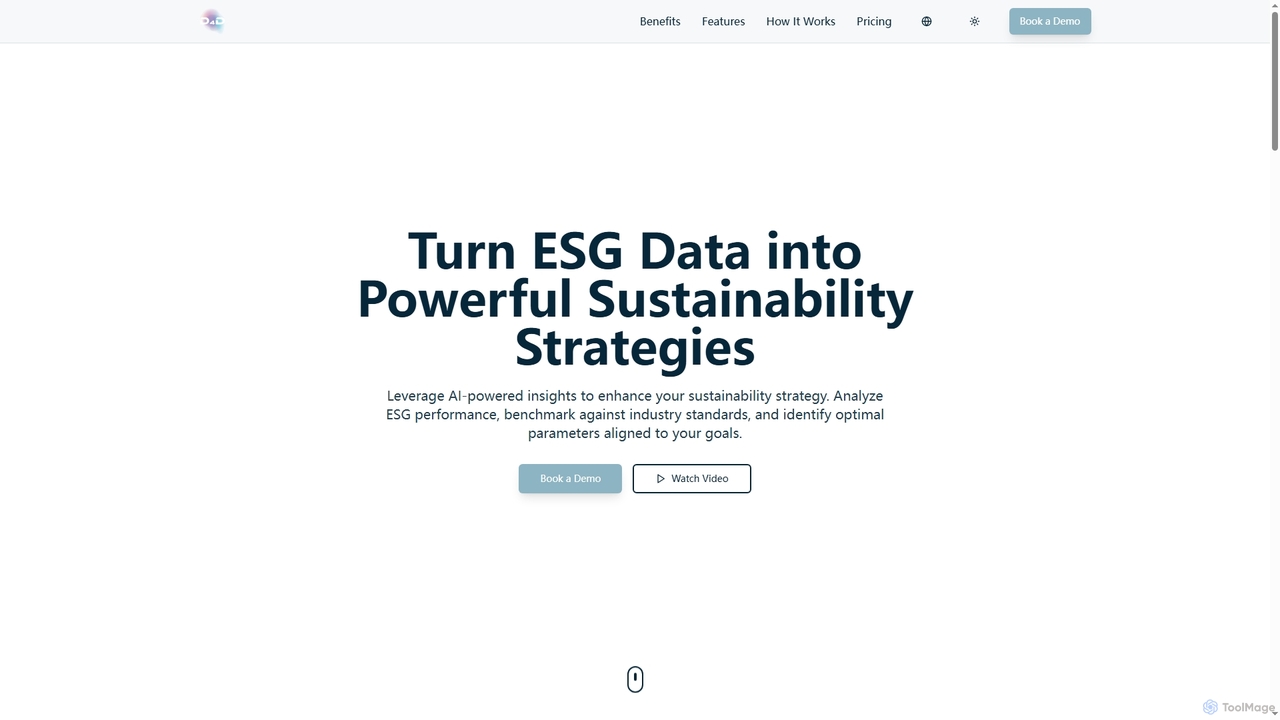
Data 4 Decarbonization is an AI-powered ESG analytics platform designed to transform sustainability strategies. It leverages advanced algorithms …
Data 4 Decarbonization is an AI-powered ESG analytics platform designed to transform sustainability strategies. It leverages advanced algorithms to analyze sustainability reports, benchmark performance against industry standards, and forecast scenarios for achieving ESG goals, empowering businesses to make data-driven decisions for a greener future.

CookMate AI
CookMate AI is an intelligent platform that provides personalized recipe suggestions based on your cravings, available ingredients, and …
CookMate AI is an intelligent platform that provides personalized recipe suggestions based on your cravings, available ingredients, and dietary preferences. Utilizing AI, it helps users cook smarter, reduce food waste by transforming leftovers, and plan meals efficiently. It supports both text and voice input, ingredient photo uploads, and features a digital pantry to track items and suggest future meals.

Picterra
Picterra is a GeoAI platform that transforms satellite and aerial imagery into actionable environmental intelligence. It enables sustainability, …
Picterra is a GeoAI platform that transforms satellite and aerial imagery into actionable environmental intelligence. It enables sustainability, agriculture, and compliance teams to monitor global operations, detect risks like deforestation, and verify land use at scale. With its no-code interface, users can build custom AI models to automate analysis and make data-driven decisions for ESG reporting, supply chain management, and climate resilience.

Quensus
Quensus is an AI-powered intelligent water management and leak prevention system for commercial and residential properties. It combines …
Quensus is an AI-powered intelligent water management and leak prevention system for commercial and residential properties. It combines smart hardware with machine learning software to monitor water usage in real-time, detect leaks and anomalies, and automatically shut off the water supply to prevent costly damage. The system helps reduce water bills, ensure regulatory compliance (BREEAM, JCoP), and promote sustainability.
PantryLab
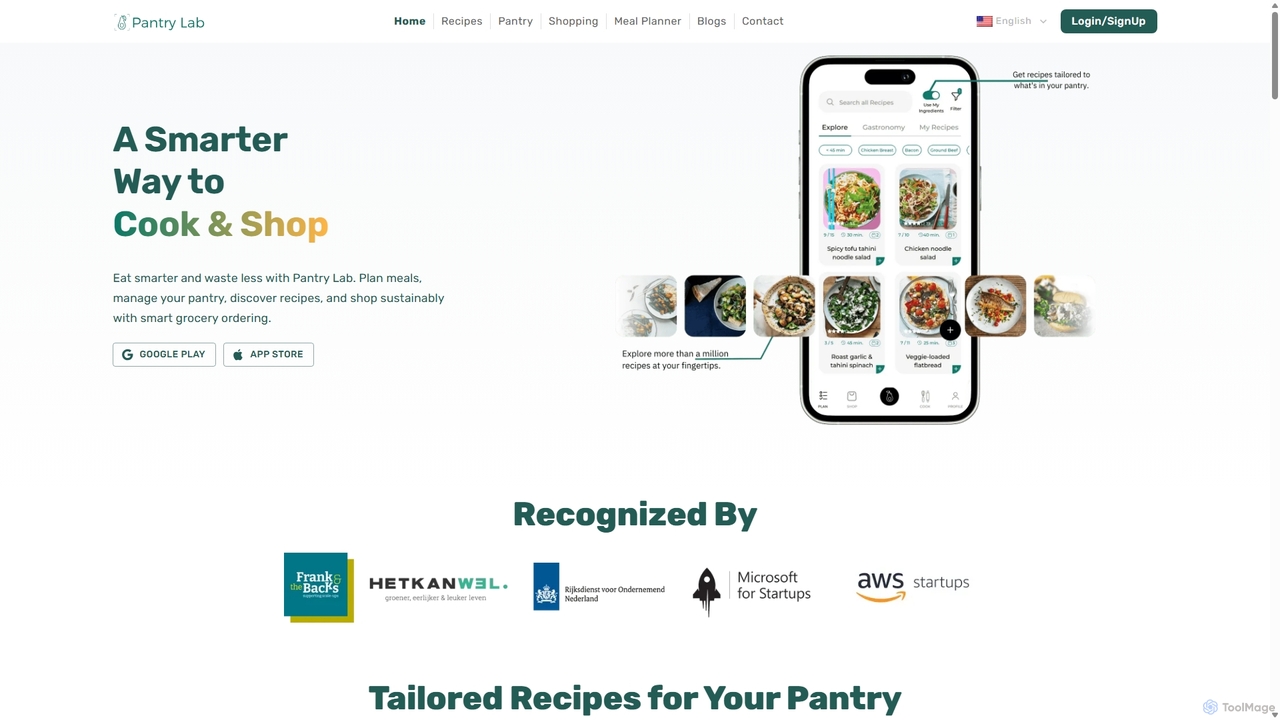
PantryLab is an AI-powered mobile app designed to combat food waste. It intelligently manages your pantry inventory, suggests …
PantryLab is an AI-powered mobile app designed to combat food waste. It intelligently manages your pantry inventory, suggests personalized recipes based on ingredients you already have, creates smart shopping lists, and helps with meal planning. Eat smarter, save money, and contribute to a more sustainable future.
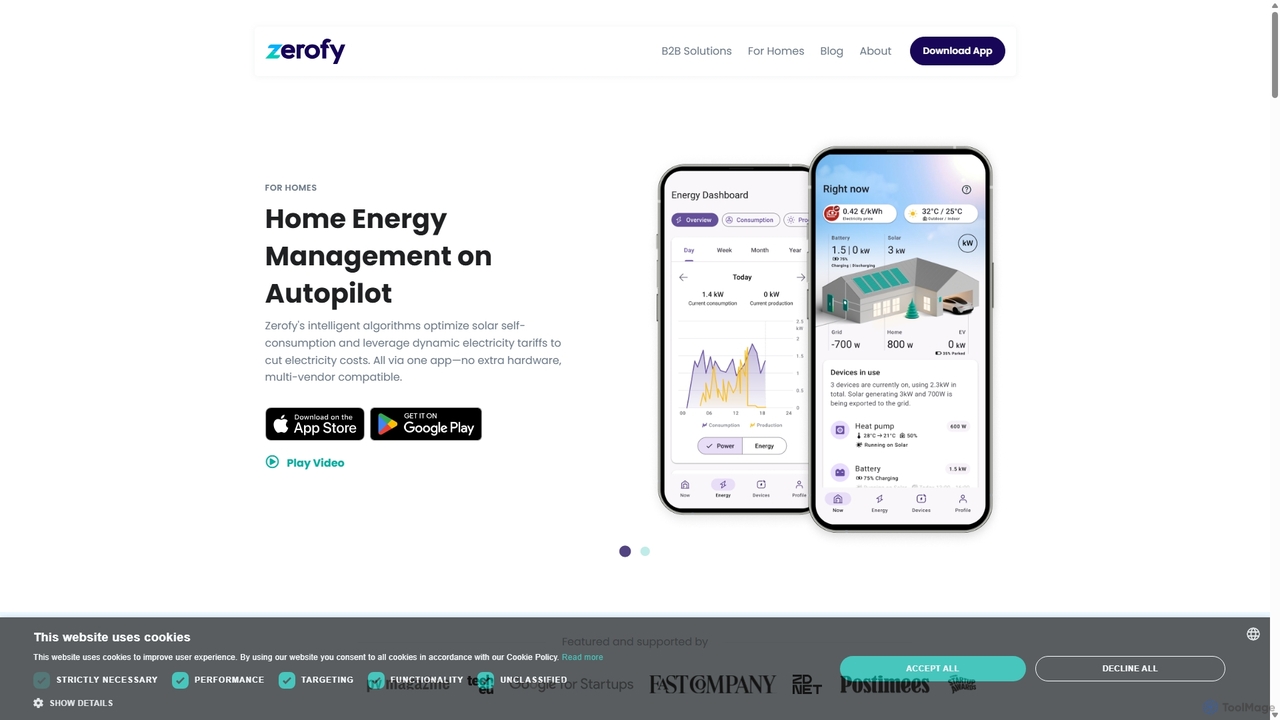
Zerofy
Zerofy is an AI-powered Home Energy Management System (HEMS) that intelligently optimizes your home's energy use. By connecting …
Zerofy is an AI-powered Home Energy Management System (HEMS) that intelligently optimizes your home's energy use. By connecting your solar panels, EV charger, heat pump, and smart appliances in a single app, Zerofy's algorithms automatically reduce electricity costs and maximize solar self-consumption, all without extra hardware. It's smart energy management on autopilot for a sustainable, cost-effective home.

Design Sparks
Design Sparks is an AI-powered ideation tool for designers and creators. It uses advanced AI and creative problem-solving …
Design Sparks is an AI-powered ideation tool for designers and creators. It uses advanced AI and creative problem-solving techniques to generate innovative ideas, or "sparks," for any design challenge. Input your problem via text, URL, or PDF to overcome creative blocks, explore new perspectives, and foster sustainable, circular design thinking.
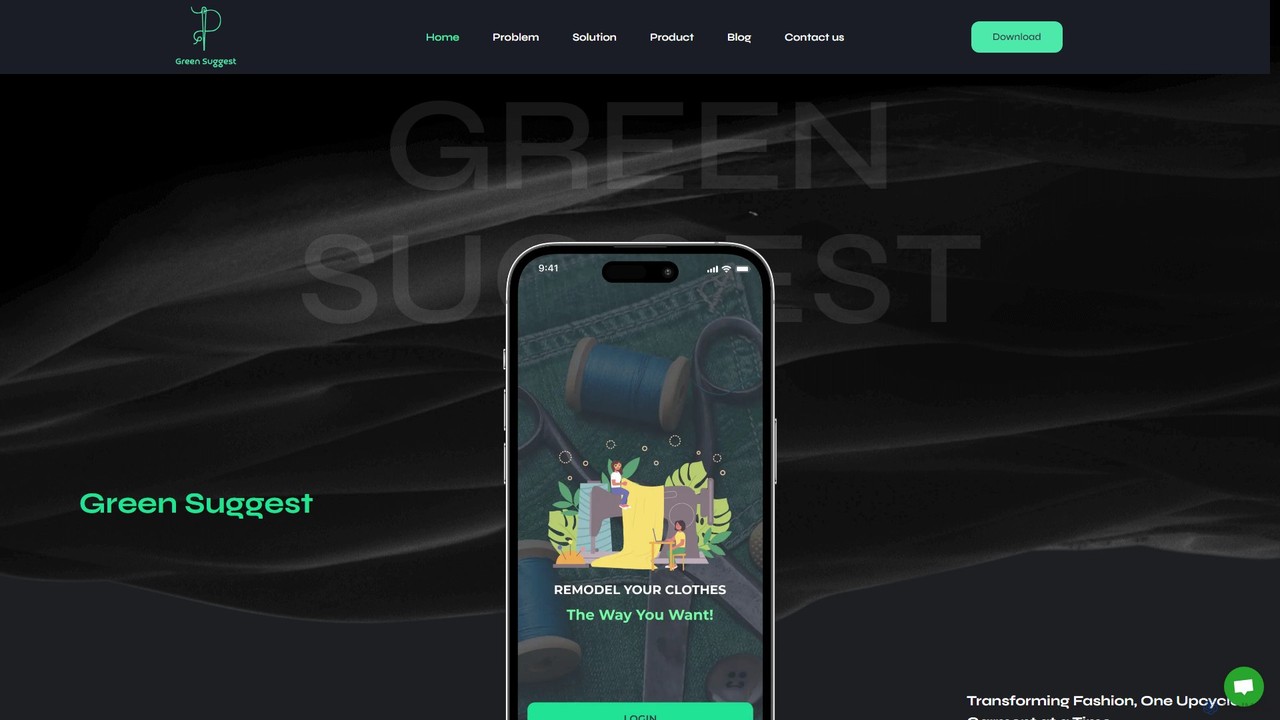
greensuggest
greensuggest is an AI-powered platform dedicated to sustainable fashion. It helps users transform old or out-of-style clothing into …
greensuggest is an AI-powered platform dedicated to sustainable fashion. It helps users transform old or out-of-style clothing into new, stylish garments. Get personalized upcycling ideas by uploading a photo, follow detailed DIY tutorials, or use their professional pickup and transformation service. It's a hub for eco-conscious individuals and creative designers to reduce textile waste and embrace circular fashion.

Cladwell
Cladwell is an AI-powered personal stylist and smart closet app designed to simplify your life with a capsule …
Cladwell is an AI-powered personal stylist and smart closet app designed to simplify your life with a capsule wardrobe. It helps you organize your clothes, provides daily outfit recommendations based on your style and the weather, and offers personalized fashion advice. By focusing on using what you already own, Cladwell promotes sustainable fashion, saves you money, and makes getting dressed effortless and enjoyable.

Skipped
Skipped is an AI-powered collaborative commerce platform that connects brands and retailers in a shared fulfillment network. It …
Skipped is an AI-powered collaborative commerce platform that connects brands and retailers in a shared fulfillment network. It enables businesses to sell products even when they are out-of-stock by routing orders to a partner with available inventory. This maximizes sales, reduces overstock, and promotes a more sustainable e-commerce ecosystem.

frigo_app
frigo_app is an AI-powered kitchen assistant designed to reduce food waste and save you money. Simply snap a …
frigo_app is an AI-powered kitchen assistant designed to reduce food waste and save you money. Simply snap a photo of your fridge or pantry, and the app's advanced image recognition identifies your ingredients. It then generates delicious, personalized recipes based on what you have, your dietary preferences, and helps you plan meals for the week.

Mill
Mill is an intelligent, odorless food recycler for your kitchen. It automatically dries, shrinks, and grinds your food …
Mill is an intelligent, odorless food recycler for your kitchen. It automatically dries, shrinks, and grinds your food scraps overnight, reducing their volume by 80%. The resulting nutrient-rich grounds can be used for your garden, as chicken feed, or sent back to Mill to nourish partner farms. It's a smart, sustainable solution to eliminate kitchen waste, smells, and pests.
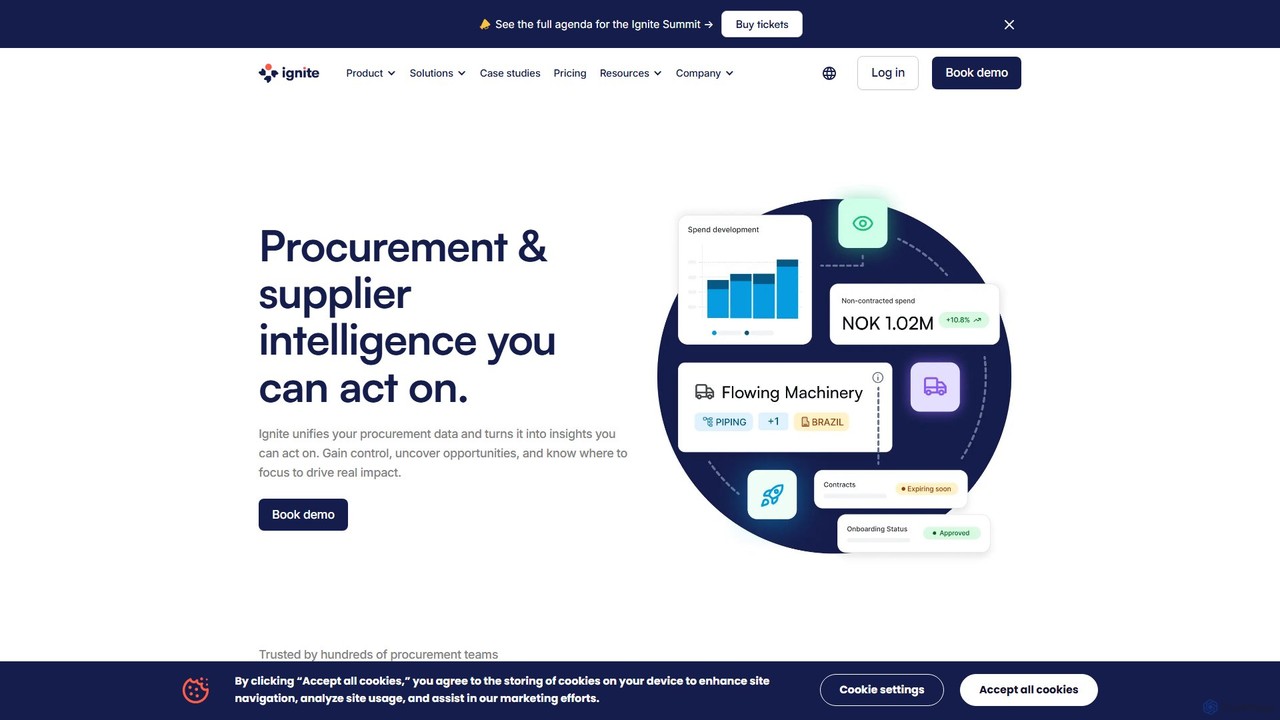
Ignite
Ignite is an AI-powered platform for procurement and supplier intelligence. It unifies all procurement data into a single …
Ignite is an AI-powered platform for procurement and supplier intelligence. It unifies all procurement data into a single hub, providing actionable insights to optimize costs, manage supplier risks, and streamline ESG reporting. Gain full transparency and drive measurable impact within 30 days.
About Sustainability
Sustainability AI tools are a class of software that leverages artificial intelligence to help organizations monitor, manage, and improve their environmental and social impact. They process vast datasets from supply chains, energy consumption, and emissions to provide actionable insights for sustainable operations. These tools are instrumental for achieving Environmental, Social, and Governance (ESG) goals, optimizing resource efficiency, and complying with evolving regulatory standards. By automating data collection and analysis, they enable businesses to make informed decisions that balance profitability with planetary responsibility.
Core Features
- ESG Data Management: Automates the collection, consolidation, and analysis of Environmental, Social, and Governance data for reporting.
- Carbon Accounting: Calculates and tracks greenhouse gas (GHG) emissions across Scopes 1, 2, and 3 in compliance with global standards.
- Resource Optimization: Uses AI models to analyze energy, water, and material usage, identifying opportunities for reduction and cost savings.
- Supply Chain Risk Analysis: Assesses suppliers for sustainability risks, including deforestation, labor practices, and carbon intensity.
- Climate Risk Modeling: Simulates the potential financial and operational impacts of various climate change scenarios on business assets.
Use Cases
These tools are primarily used by sustainability officers, compliance managers, and operations teams in sectors like manufacturing, logistics, energy, and finance. They are essential for preparing annual sustainability reports, managing supply chain compliance, and developing corporate decarbonization strategies. Financial institutions also use them to assess the climate risk of their investment portfolios.
How to Choose
When selecting a Sustainability AI tool, evaluate its support for specific reporting frameworks (e.g., GRI, SASB, TCFD). Assess its data integration capabilities with your existing systems like ERP and IoT sensors. Consider the sophistication of its analytics, such as predictive modeling and scenario analysis. Finally, review the platform's scalability to accommodate your company's growth and expanding sustainability commitments.
SustainabilityUse Cases
Automate Corporate ESG Reporting
A sustainability manager at a multinational corporation is tasked with compiling the annual Environmental, Social, and Governance (ESG) report. Instead of manually collecting data from dozens of spreadsheets and departmental systems, they use an AI sustainability platform. The tool automatically integrates with ERP, HR, and utility billing systems to pull relevant data points. It then structures this information according to the Global Reporting Initiative (GRI) framework, calculates key performance indicators, and generates draft narratives. This process reduces the reporting cycle from three months to three weeks, ensuring accuracy and freeing up the team to focus on strategic initiatives.
Optimize Energy Consumption in Manufacturing
A plant manager for a large manufacturing facility aims to reduce operational costs and carbon emissions. They deploy an AI sustainability tool connected to IoT sensors on heavy machinery and HVAC systems. The AI analyzes real-time energy consumption patterns, weather forecasts, and production schedules. It identifies periods of inefficient energy use, such as machines idling unnecessarily or suboptimal climate control settings. The system provides actionable recommendations, like adjusting production schedules to off-peak electricity hours, resulting in a 15% reduction in energy costs and a significant decrease in the facility's Scope 2 emissions.
Assess Climate Risk for Financial Investments
An investment analyst at a large asset management firm needs to evaluate the climate risk across their portfolio. They use an AI-powered sustainability platform that aggregates data on companies' physical assets, supply chain locations, and carbon policies. The AI models various climate scenarios (e.g., rising sea levels, increased frequency of wildfires) to quantify the potential financial impact on each holding. The platform flags high-risk assets, such as coastal real estate or companies heavily reliant on water in drought-prone regions. This analysis informs their investment strategy, helping them divest from vulnerable assets and reallocate capital towards more climate-resilient companies.
Ensure Sustainable Supply Chain Sourcing
A procurement manager for a global apparel brand is responsible for ensuring their suppliers meet ethical and environmental standards. They use an AI sustainability tool to continuously monitor thousands of suppliers. The platform analyzes satellite imagery to detect deforestation near supplier facilities, scrapes public records for labor violation reports, and tracks suppliers' self-reported emissions data. When the AI flags a high-risk supplier, it sends an alert to the manager, who can then initiate an audit or switch to a more compliant alternative. This proactive approach helps the brand maintain its reputation and avoid regulatory fines associated with supply chain negligence.
Calculate a Product's Carbon Footprint
A product development team at a consumer electronics company wants to create a new carbon-neutral device. They use an AI sustainability tool for Life Cycle Assessment (LCA). The team inputs data about the product's materials, manufacturing processes, transportation logistics, expected energy use during its lifetime, and end-of-life disposal plans. The AI platform calculates the total carbon footprint across all stages, highlighting the most carbon-intensive components, such as the battery and microchips. This allows the team to experiment with alternative materials and suppliers in the design phase to systematically reduce the product's overall environmental impact before it ever goes into production.
Manage Waste Reduction in Retail
An operations manager for a national grocery chain is focused on reducing food waste. They implement an AI sustainability platform that analyzes sales data, inventory levels, and expiration dates for perishable goods at each store. The AI predicts demand with high accuracy and provides dynamic pricing recommendations for items nearing their expiration date to encourage sales. It also optimizes ordering to prevent overstocking. As a result, the chain reduces its food waste by 30%, leading to significant cost savings and a reduction in methane emissions from landfills, contributing positively to their corporate sustainability goals.