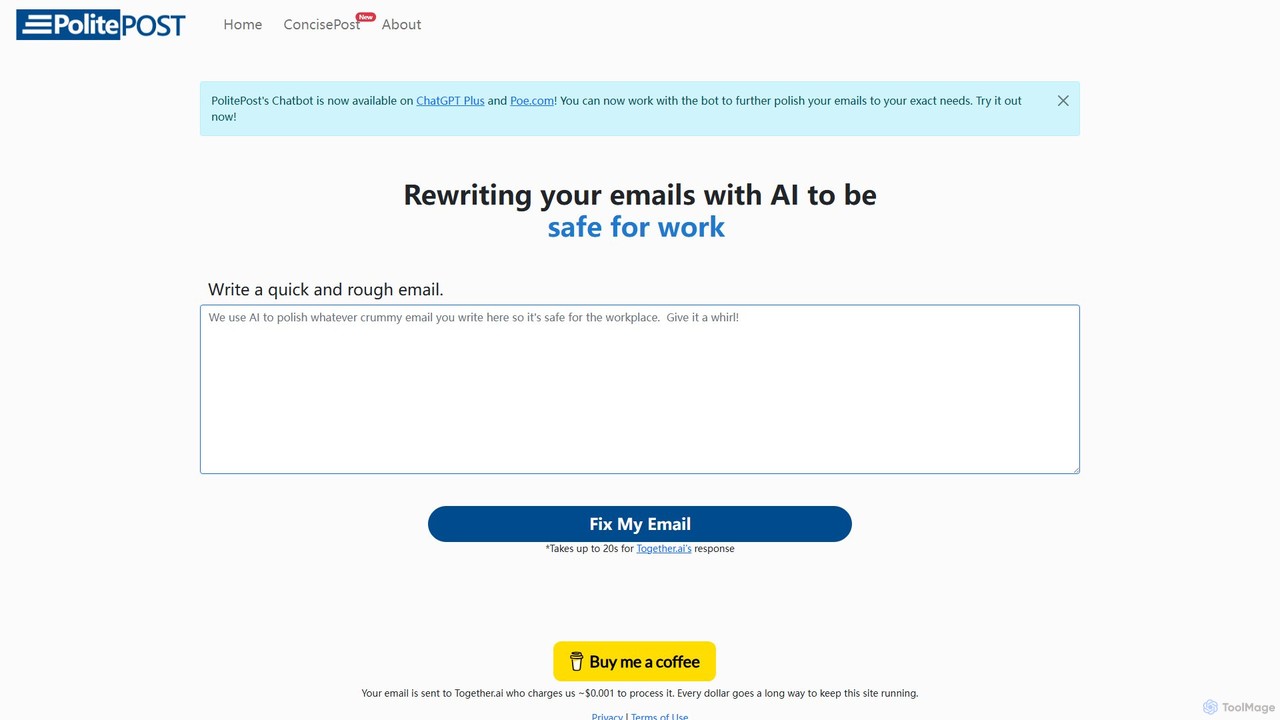
Text Rewriter tools are AI-powered applications designed to rephrase, paraphrase, or restructure existing text while preserving its original meaning. Leveraging advanced Natural Language Processing (NLP) models, these tools can generate multiple variations of sentences, paragraphs, or entire articles, offering fresh perspectives and improved clarity. They are invaluable for content creators, students, and professionals seeking to enhance writing quality, avoid plagiarism, or adapt content for different audiences within the broader category of AI utilities.
Core Features
- Paraphrasing: Rewrites sentences or paragraphs to express the same idea using different words and sentence structures.
- Tone Adjustment: Modifies the emotional tone of the text, such as making it more formal, casual, persuasive, or objective.
- Plagiarism Avoidance: Generates unique versions of text to help users avoid unintentional plagiarism in academic or professional writing.
- Readability Enhancement: Simplifies complex sentences or jargon to improve the overall clarity and comprehension of the content.
- Content Expansion/Condensation: Can either elaborate on a brief idea or summarize lengthy passages while maintaining core information.
Use Cases
Text Rewriter tools are widely used across various sectors. Content marketers utilize them to quickly generate multiple versions of ad copy or social media posts from a single source. Students and researchers employ these tools to rephrase sources for essays and papers, ensuring originality and proper citation. Business professionals use them to refine reports, emails, or presentations, making their communication more impactful and tailored to specific audiences.
How to Choose
When selecting a Text Rewriter, consider the quality of its output, which should be natural and coherent, not robotic. Look for tools offering diverse rewriting modes (e.g., formal, creative, academic) and language support. Evaluate its integration capabilities with other writing platforms and its pricing model, whether subscription-based or pay-per-use. Finally, assess the user interface for ease of use and the availability of features like grammar checking or plagiarism detection.