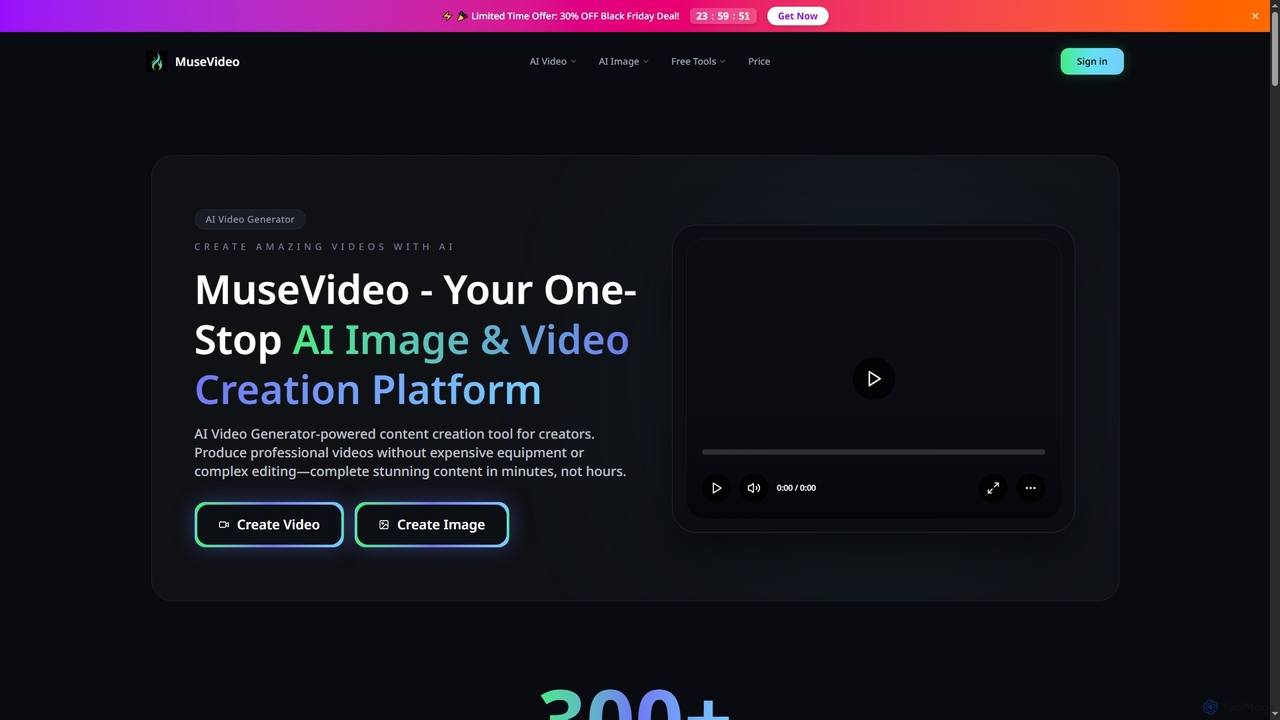
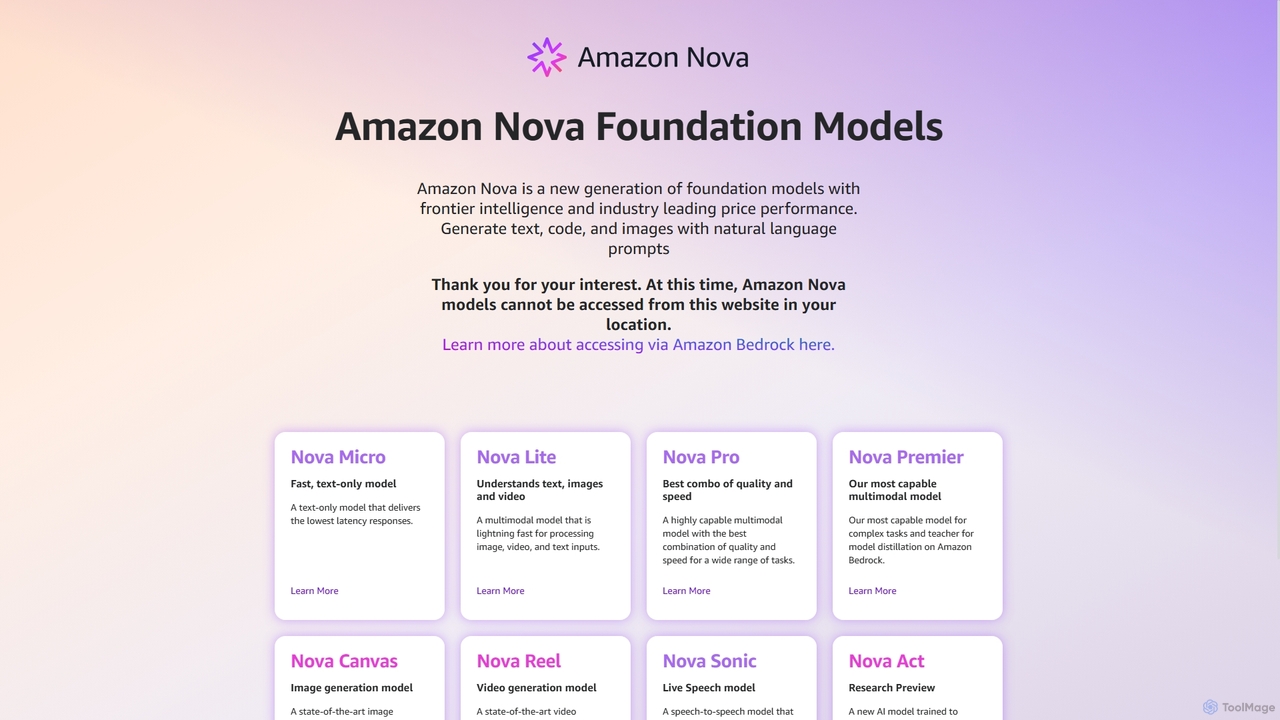
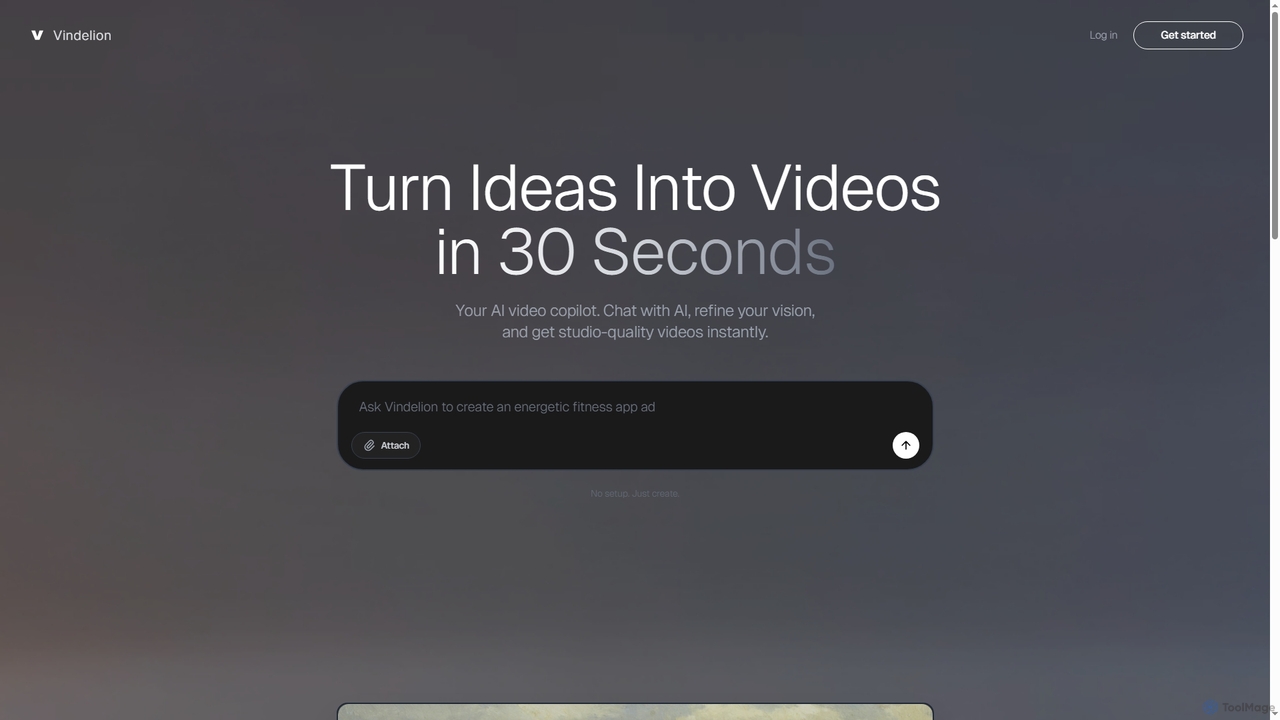
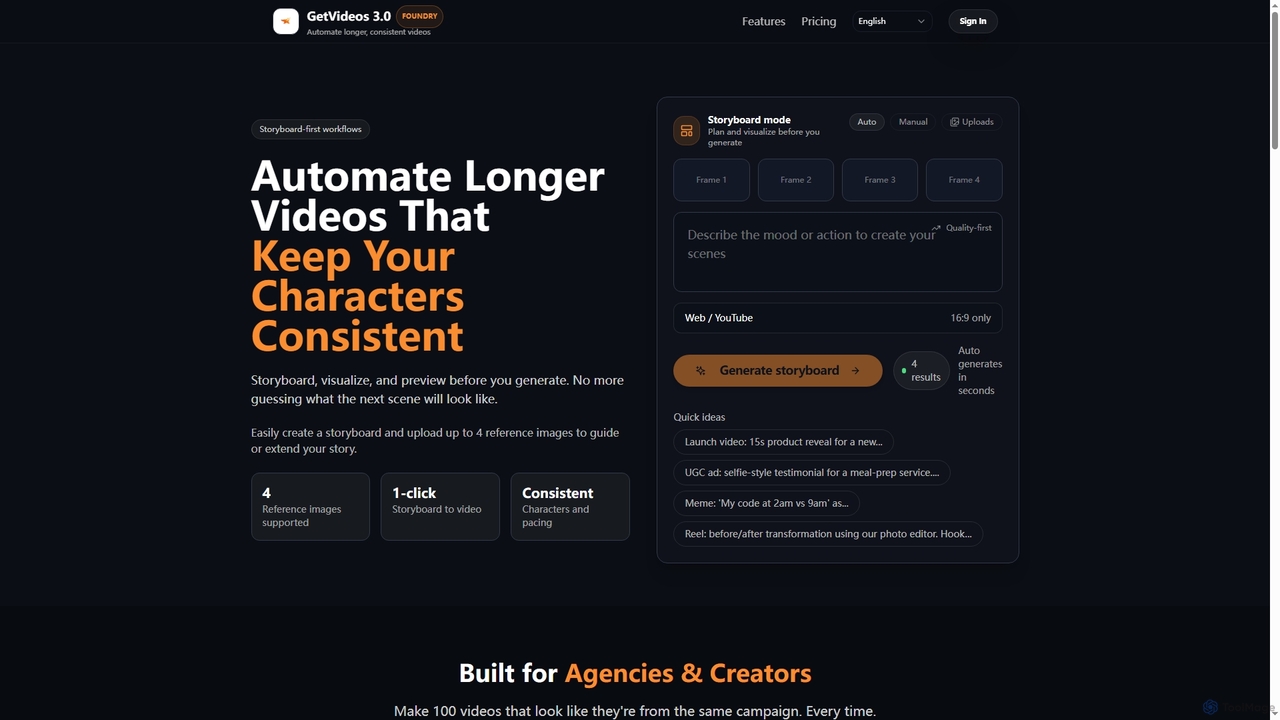
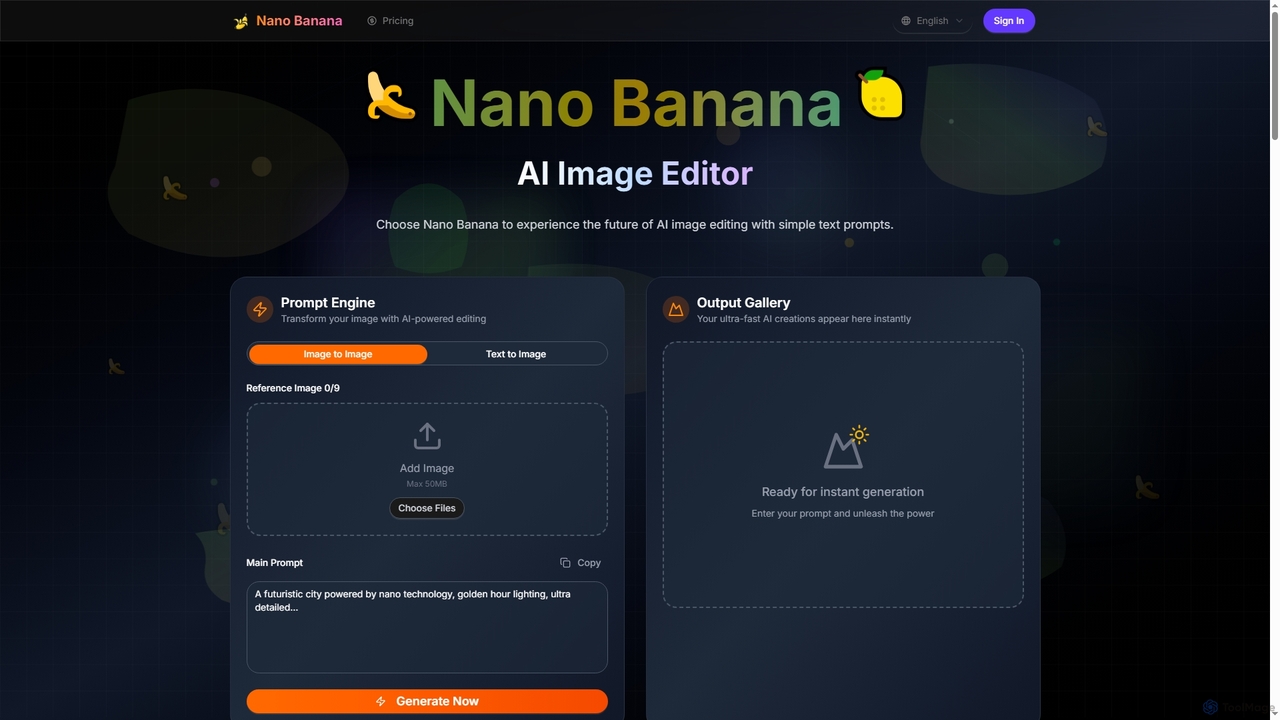
Video Generation tools are AI-powered platforms that automatically create videos from various inputs like text, images, or audio. Leveraging advanced machine learning models, these tools transform static content or simple prompts into dynamic visual narratives, significantly reducing the time and resources traditionally required for video production. They offer a revolutionary way to produce engaging video content quickly and at scale, democratizing video creation for individuals, marketers, and businesses alike, making complex video production accessible to everyone.
Core Features
- Text-to-Video Conversion: Automatically transforms written scripts, articles, or simple text prompts into complete video clips, often including scene transitions, background music, and AI-generated voiceovers.
- Image & Asset Animation: Animates static images, logos, or sequences of visual assets, adding dynamic motion, camera movements, and visual effects to bring them to life.
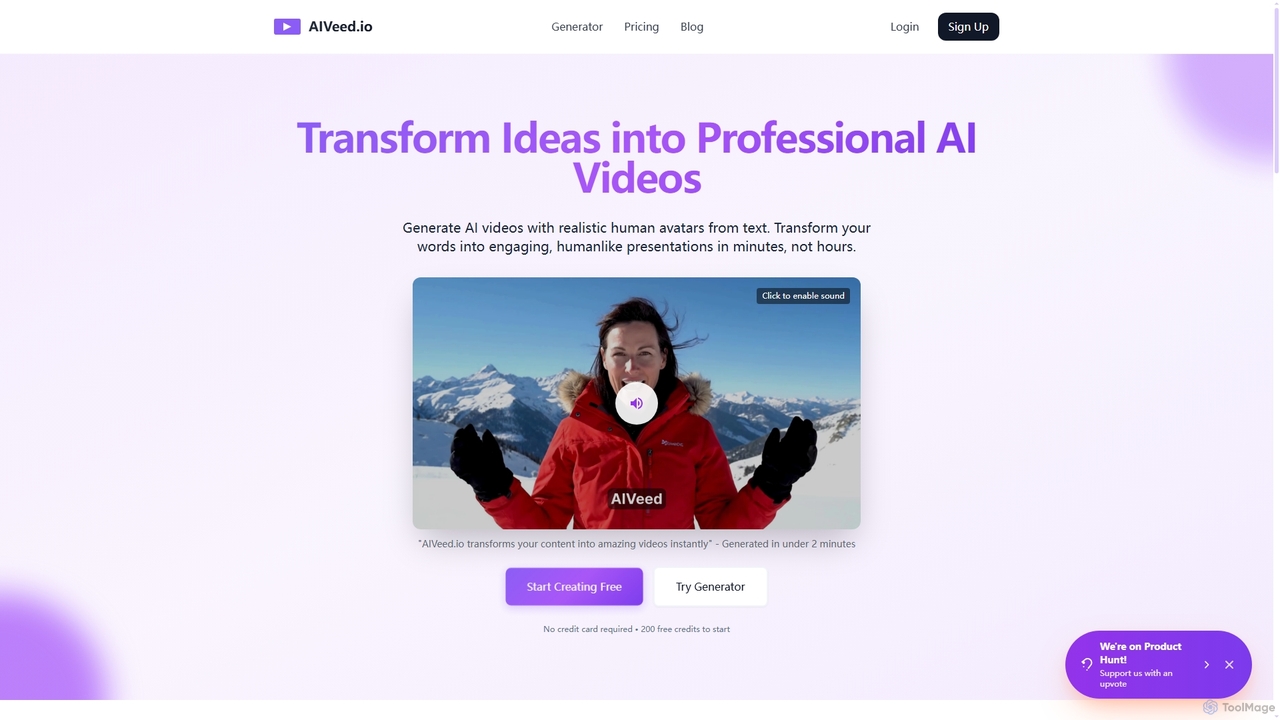
- AI Avatar & Voice Synthesis: Generates realistic or stylized AI avatars that can lip-sync to generated or uploaded audio, alongside synthetic voices that narrate content in various tones and languages.
- Style & Template Customization: Provides a rich library of pre-designed templates, visual styles, and customization options for fonts, colors, and layouts, allowing users to align videos with brand guidelines.
- Multi-language & Localization: Supports the creation of videos with narration, subtitles, and on-screen text in multiple languages, enabling global content reach and localized campaigns.
Use Cases
Content creators can rapidly produce social media videos, engaging explainer videos, or targeted marketing ads without needing extensive video editing skills or expensive equipment. Businesses utilize these tools for creating personalized product demonstrations, internal training materials, or automated news updates, streamlining their communication efforts. Educators can transform static lesson plans or research papers into dynamic, animated video lectures, enhancing student engagement and comprehension.
How to Choose
When selecting a video generation tool, consider the range of input options it supports (text, image, audio, data), the quality and realism of the generated video output, and the depth of customization features available for branding and style. Evaluate the ease of use, the speed of video rendering, and the pricing models, which often include subscription tiers, credit-based systems, or usage limits. Additionally, assess its compatibility with existing content workflows, integration capabilities with other platforms, and the availability of multi-language support for diverse audiences.