ToolMage
Sign in

Best 5 Prompt Engineering AI tools for Writing

Popular Prompt Engineering AI tools in Writing include ChatPlayground AI, OpenGPT, Sophos, SubSync, and Third Garden, helping you work more efficiently.

SubSync

SubSync

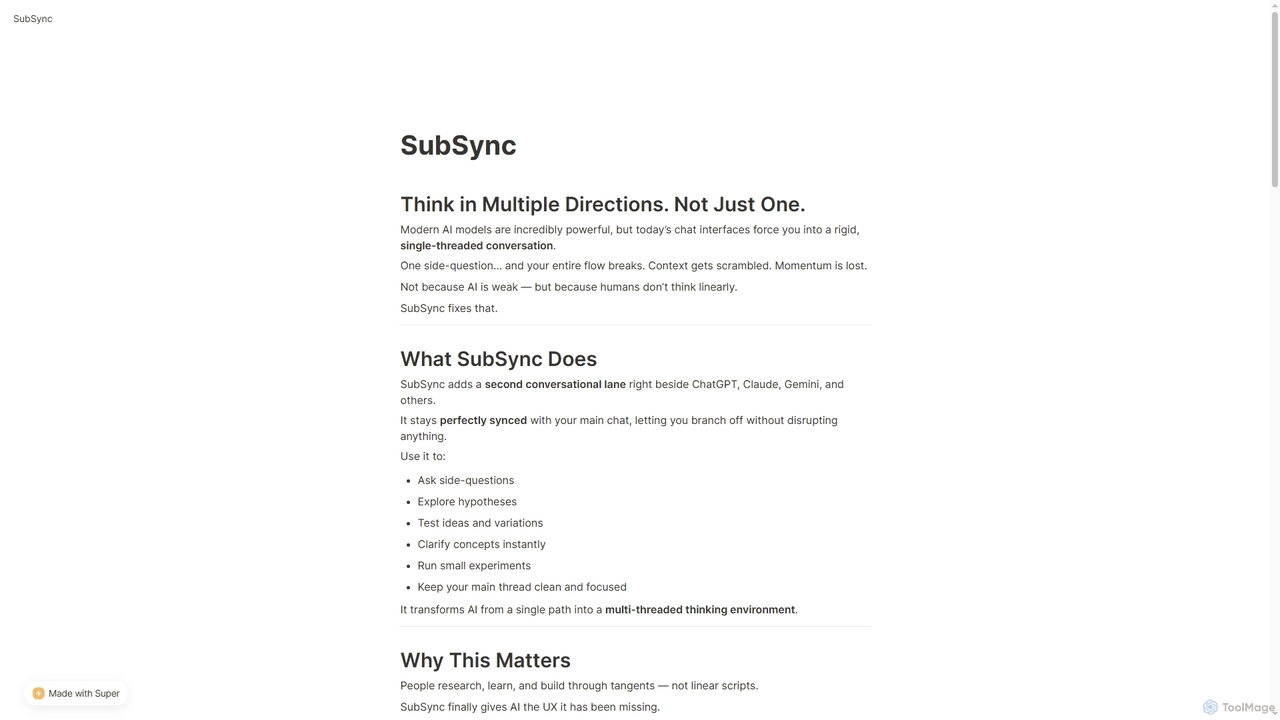
SubSync is a Chrome sidebar extension that revolutionizes AI conversations by introducing a multi-threaded thinking environment. It allows users to branch off into parallel discussions with AI models like ChatGPT or Claude, while keeping the main chat context intact. This innovative approach supports non-linear thinking, enabling deeper exploration, rapid experimentation, and more effective AI utilization for professionals.

Ai Assistant
Visits 5.2KFavorites 32Likes 28
Sophos

Sophos

Sophos is an advanced UI frontend designed for power users of Large Language Models (LLMs). It enhances the user experience with quality-of-life improvements, allowing users to interact with leading AI engines through a modern, organized interface. Key features include chat organization, prompt assistance, and enhanced navigation.

Workflow Management
Visits 5.2KFavorites 155Likes 165
Third Garden
Free

Third Garden

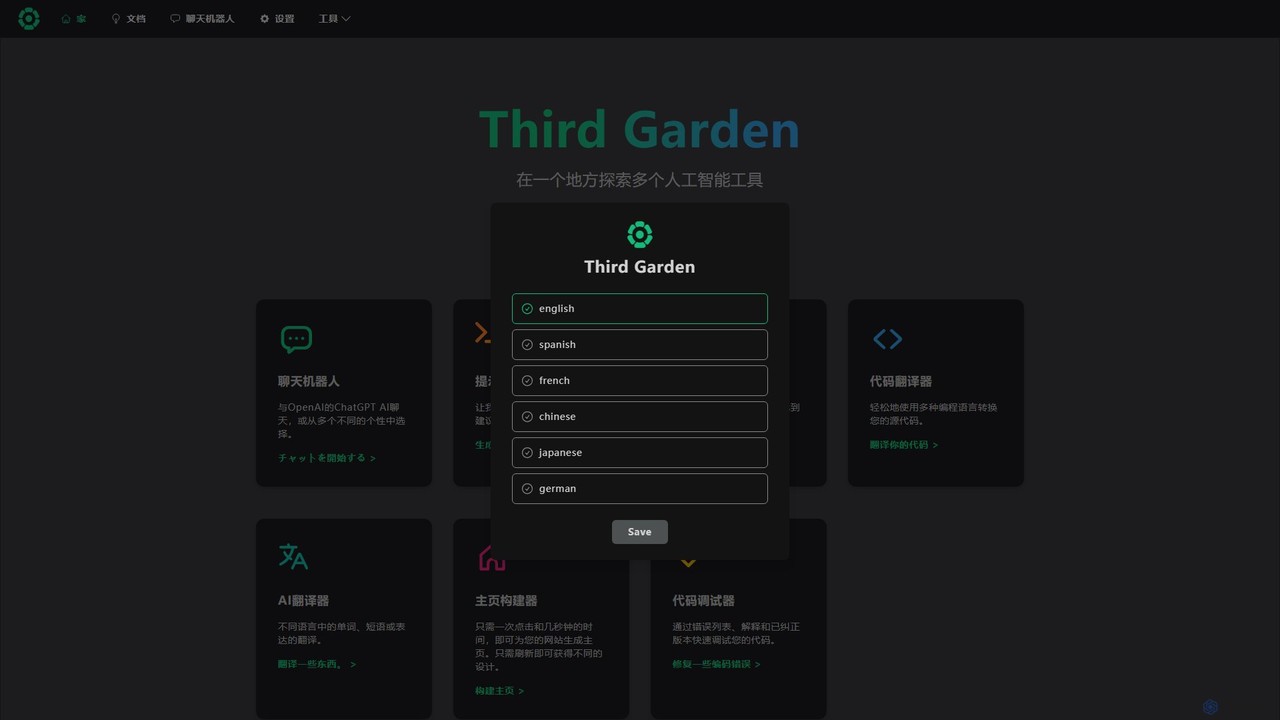
Third Garden is a versatile, all-in-one AI platform offering a suite of powerful tools in a single, user-friendly interface. It consolidates functionalities like an advanced chatbot, a prompt generator, a code translator and debugger, an AI-powered web search, a language translator, and a one-click homepage builder. Designed for developers, writers, and general users, it streamlines various tasks, from coding and content creation to web design and research, making advanced AI accessible and efficient for everyone.

Code Assistant
Visits 5.1KFavorites 118Likes 123
OpenGPT
Freemium

OpenGPT

OpenGPT is an all-in-one AI ecosystem and community platform. It features a comprehensive GPTs Store for custom AI applications, a Prompt Marketplace for creators, and direct access to leading models like Gemini Pro, ChatGPT-4, DALL-E 3, and Imagen 2 for chat, image, and video generation.

Marketplace
Visits 5.8KFavorites 137Likes 129
ChatPlayground AI
Freemium

ChatPlayground AI

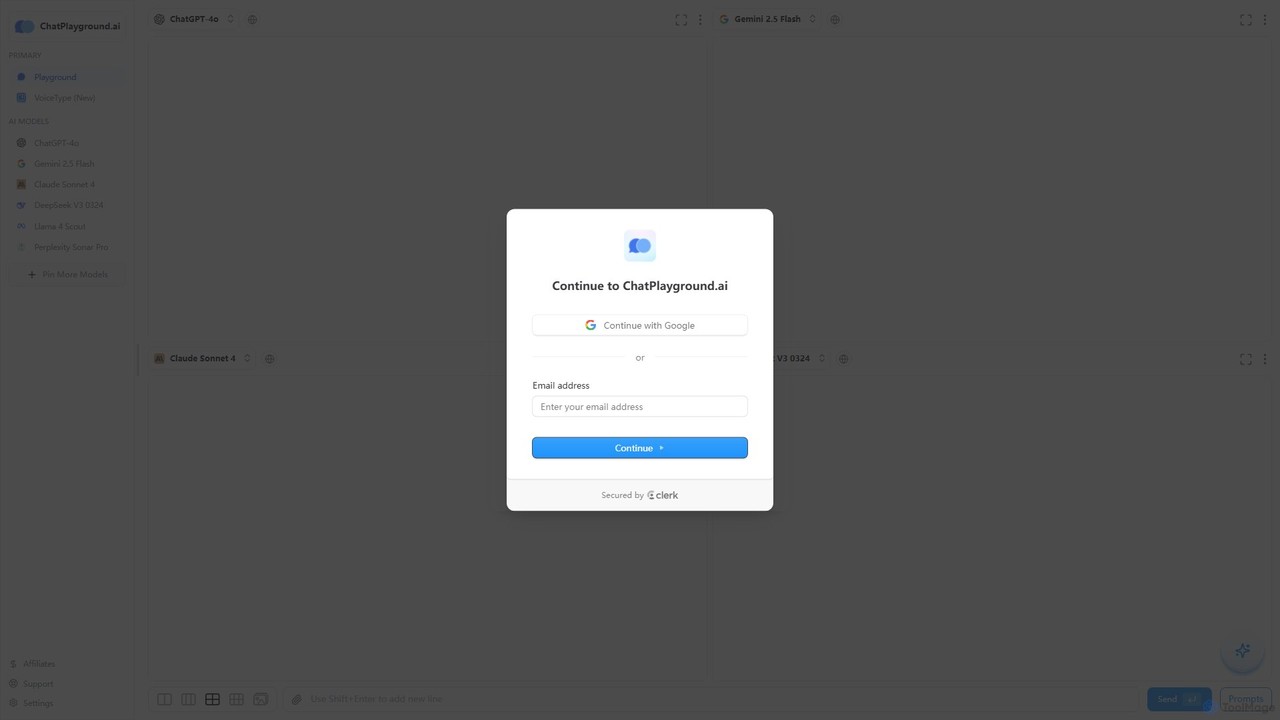
The ultimate platform for comparing leading AI language models side-by-side. Test prompts on GPT-4o, Gemini, Claude, Llama, and more in a single, intuitive interface to find the best model for your needs.

Api Aggregator
Visits 116.6KFavorites 145Likes 126

About Prompt Engineering

Prompt Engineering refers to the specialized discipline of designing, refining, and optimizing inputs (prompts) for large language models (LLMs) and other generative AI systems. This field focuses on crafting precise instructions and contexts to guide AI in generating desired, high-quality, and relevant outputs. It is crucial for maximizing the effectiveness of AI tools in various applications, ensuring clarity, accuracy, and creativity in AI-generated content.

Core Features

  • Prompt Design & Optimization: Crafting and iteratively improving prompts to achieve specific AI responses.
  • Contextual Guidance: Providing clear background information and constraints to steer AI generation.
  • Output Control: Techniques to manage AI's tone, style, format, and content relevance.
  • Error Reduction: Strategies to minimize irrelevant, inaccurate, or harmful AI outputs.
  • Template Creation: Developing reusable prompt structures for consistent results across tasks.

Use Cases

Prompt Engineering is vital for content creators seeking specific article structures, developers aiming for precise code generation, and marketers needing tailored ad copy. It enables researchers to extract accurate summaries from complex texts and educators to create customized learning materials, ensuring AI tools deliver targeted and effective results.

How to Choose

When selecting Prompt Engineering resources or tools, consider the complexity of your AI tasks, the specific LLM you are using, and the level of control you need over AI outputs. Look for platforms offering prompt libraries, iterative testing environments, and clear documentation on best practices to effectively refine your AI interactions.

Prompt Engineering use cases

1

Generating Niche Content with Specific Tone

A content marketer needs to produce blog posts for a highly specialized industry, maintaining an expert yet engaging tone. By applying prompt engineering techniques, they can craft detailed prompts that specify target audience, desired tone (e.g., authoritative, humorous), key concepts to cover, and even negative constraints (e.g., "avoid jargon"). This ensures the AI generates content that is not only accurate but also perfectly aligned with brand voice and audience expectations, significantly reducing editing time.

2

Optimizing AI for Complex Data Analysis

A data analyst aims to extract specific insights from a vast unstructured dataset, such as customer feedback or research papers. Through prompt engineering, they can design prompts that instruct the AI to identify patterns, summarize key themes, perform sentiment analysis, or even generate hypotheses based on the data. This involves breaking down complex queries into smaller, manageable prompts and refining them to ensure the AI focuses on relevant information, leading to more accurate and actionable analytical reports.

3

Enhancing AI Chatbot Customer Support

A customer service team wants to improve the accuracy and helpfulness of their AI chatbot for handling diverse customer inquiries. Prompt engineers can design and test prompts that guide the chatbot to understand nuanced questions, access relevant knowledge bases, provide step-by-step solutions, and escalate issues appropriately. By refining prompts based on common customer pain points and desired outcomes, the chatbot can deliver more personalized and effective support, reducing resolution times and improving customer satisfaction.

4

Accelerating Software Development with AI

A software developer needs assistance in generating code snippets, debugging existing code, or understanding complex API documentation. Through precise prompt engineering, they can instruct an AI to write code in a specific language and framework, explain error messages, or even refactor code for better performance. This involves providing clear requirements, examples, and constraints within the prompt, allowing the AI to act as an intelligent coding assistant and significantly speed up development cycles.

5

Crafting Engaging Educational Materials

An educator wants to create customized learning content, such as quizzes, summaries, or explanations, for students with varying comprehension levels. By employing prompt engineering, they can design prompts that specify the topic, target age group, desired format (e.g., multiple-choice, essay), and complexity level. This enables the AI to generate highly relevant and pedagogically sound materials, adapting to individual student needs and making learning more accessible and effective.

6

Guiding AI in Creative Storytelling

A fiction writer seeks AI assistance in brainstorming plot ideas, developing character backstories, or generating dialogue for a novel. Prompt engineering allows them to guide the AI through iterative prompts, specifying genre, character traits, plot points, and desired emotional arcs. By refining these prompts, the writer can leverage AI as a creative partner, exploring diverse narrative possibilities and overcoming writer's block, ultimately enriching their storytelling process.

Prompt Engineering FAQ

What is Prompt Engineering?

Prompt Engineering is the art and science of designing and refining inputs (prompts) for generative AI models, especially large language models (LLMs), to achieve desired and optimal outputs. It involves understanding how AI models process information and crafting instructions that effectively guide their generation process. The goal is to maximize the relevance, accuracy, and quality of AI-generated content, moving beyond simple queries to sophisticated, structured commands.

How can I become proficient in Prompt Engineering?

Proficiency in Prompt Engineering requires a combination of understanding AI model capabilities, iterative experimentation, and continuous learning. Start by familiarizing yourself with different prompt structures (e.g., few-shot, chain-of-thought), then practice crafting prompts for various tasks. Analyze AI outputs, identify areas for improvement, and refine your prompts accordingly. Engaging with online communities, tutorials, and specialized courses can also significantly accelerate your learning curve in this evolving field.

What's the difference between writing a prompt and Prompt Engineering?

Writing a prompt is the act of providing an initial instruction to an AI model, which can be a simple question or command. Prompt Engineering, however, is a more systematic and iterative discipline. It involves not just writing a prompt, but also strategically designing, testing, analyzing, and optimizing it to consistently achieve specific, high-quality results. It's about understanding the AI's underlying mechanisms to engineer the most effective input, rather than just a casual query.

What are the key principles of effective Prompt Engineering?

Effective Prompt Engineering relies on several key principles. Clarity and specificity are paramount: prompts should be unambiguous and detailed. Contextual relevance ensures the AI has enough background information. Iteration and refinement are crucial for improving outputs over time. Providing examples (few-shot learning) can significantly guide the AI. Finally, understanding the AI's limitations and biases helps in crafting realistic and ethical prompts, leading to more reliable and useful results.

Who benefits most from Prompt Engineering?

A wide range of professionals benefits significantly from Prompt Engineering. Content creators, marketers, and copywriters use it to generate tailored text, ideas, and campaigns. Developers leverage it for code generation, debugging, and documentation. Researchers apply it for data extraction and summarization. Educators utilize it for creating customized learning materials. Essentially, anyone regularly interacting with generative AI models to produce specific, high-quality outputs will find Prompt Engineering indispensable for maximizing AI's potential.