ToolMage
Sign in
Airtable
Project Management · 26.6M monthly visits

Airtable is an AI-native app building platform for enterprises, combining the flexibility of a spreadsheet with the power of a database. It enables teams to create custom applications, automate complex workflows, and deploy intelligent AI agents without writing code, transforming critical data into actionable insights and streamlined operations.

VS
Backengine
Api · 3.4K monthly visits

Backengine is a platform that enables developers to build and deploy scalable, LLM-powered backend APIs in minutes. Define your API logic using natural language prompts and let Backengine handle the entire serverless infrastructure, from deployment to auto-scaling.

Airtable vs Backengine: pricing, features, traffic, and use cases

Compare Airtable and Backengine across positioning, pricing, traffic, and user feedback using structured factual data.

Updated Aug 5, 2026

Product overview

Airtable Product overview

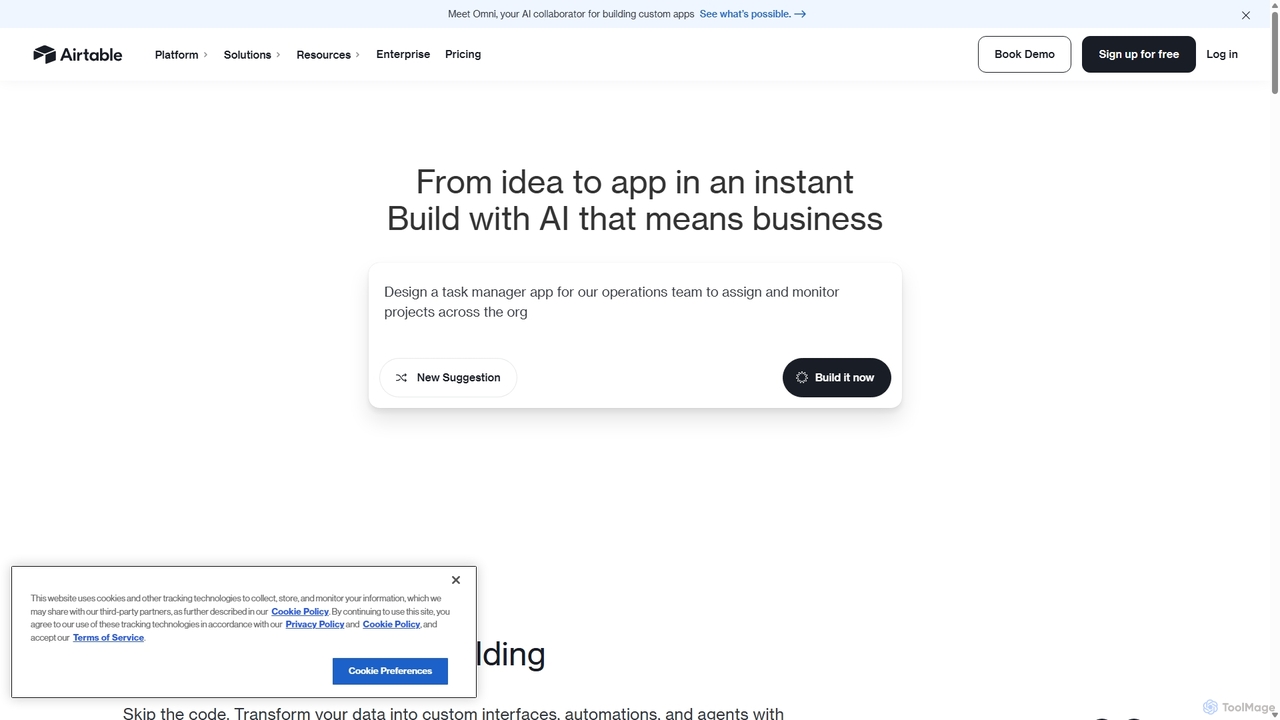
Airtable is an AI-native app building platform for enterprises, combining the flexibility of a spreadsheet with the power of a database. It enables teams to create custom applications, automate complex workflows, and deploy intelligent AI agents without writing code, transforming critical data into actionable insights and streamlined operations.
Preview

Backengine Product overview

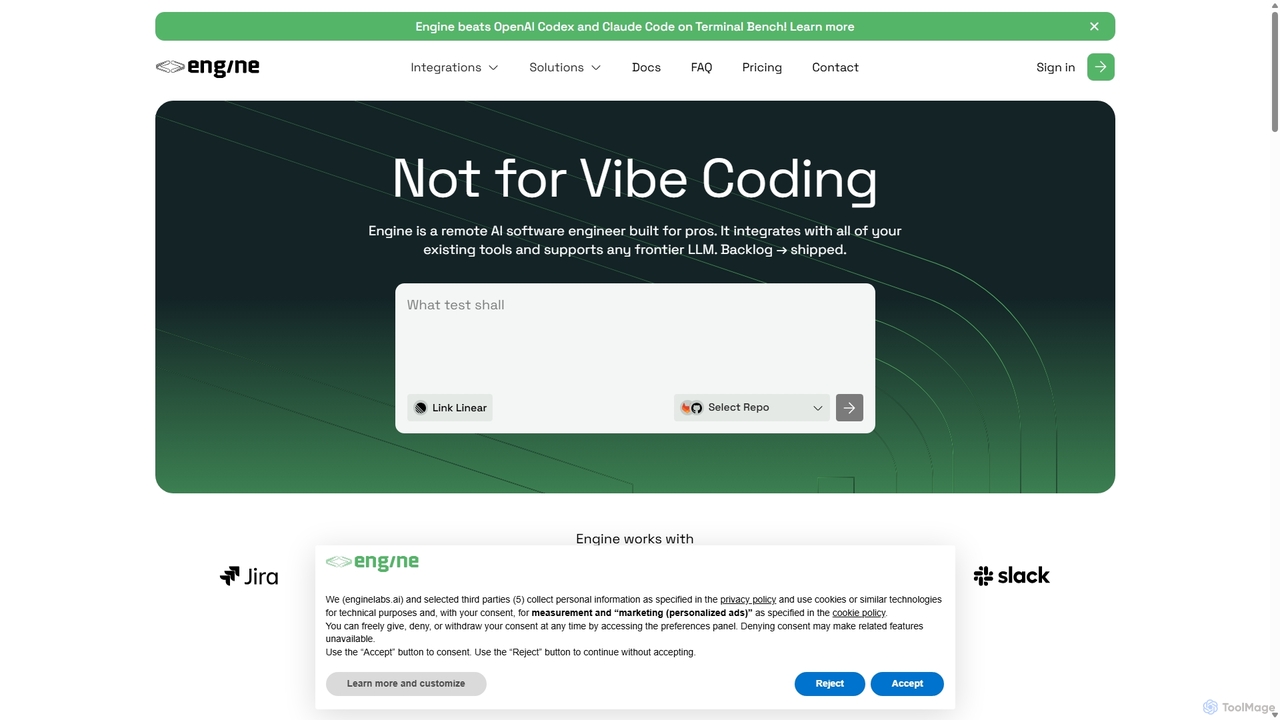
Backengine is a platform that enables developers to build and deploy scalable, LLM-powered backend APIs in minutes. Define your API logic using natural language prompts and let Backengine handle the entire serverless infrastructure, from deployment to auto-scaling.

Preview

Detailed feature comparison

FeatureAirtableBackengine
Primary categoryProject ManagementApi
Added2025-09-182025-09-12
PricingFreemiumFreemium
Official websiteairtable.combackengine.dev
Product typeWebsiteWebsite
Performance data
User ratingNot verifiedNot verified
Comments00
Monthly visits26.6M3.4K
Monthly growth0.5%Not verified
Favorites131112
DetailsView detailsView details

Airtable vs Backengine monthly traffic

Compare Airtable and Backengine by monthly reach, traffic trend, visit depth, top regions, and acquisition sources.

How to interpret the traffic data

In the Airtable vs Backengine monthly traffic comparison, Airtable currently shows 26.6M visits and Backengine shows 3.4K; Airtable has about 7,932.5 times the visible traffic of Backengine, an absolute difference of about 26.6M visits. This reflects visible reach, not feature quality or paid users.

Only Airtable has complete third-party traffic details; Backengine uses visits recorded inside ToolMage. These scopes cannot estimate market share directly, and on-site views should not be treated as the product’s total website traffic.

Airtable monthly traffic:

Latest traffic

Monthly visits
26.6M
Avg. visit duration
8:38
Pages per visit
7.39
Bounce rate
37.67%
Data updated 2026-06-15

Monthly traffic trend

  • 2025/9: 24.5M Monthly visits
  • 2026/1: 24.6M Monthly visits
  • 2026/2: 24.2M Monthly visits
  • 2026/3: 26.7M Monthly visits
  • 2026/4: 26.5M Monthly visits
  • 2026/5: 26.6M Monthly visits

Top regions

Top 5 countries/regions
Country/regionPercentageTraffic
🇺🇸United States74.16%19.7M
🇬🇧United Kingdom7.78%2.1M
🇵🇭Philippines6.15%1.6M
🇫🇷France5.98%1.6M
🇮🇳India5.93%1.6M

Traffic sources

Source typePercentageTraffic
Direct86.16%22.9M
Referral8.26%2.2M
Email5.58%1.5M

Search keywords

air tableairtableairtable apiairtable loginairtable pricing

Backengine monthly traffic:

Latest traffic

Monthly visits
3.4K
Traffic-based selection guidance: The current traffic scope is not sufficient for a reliable product ranking. Treat monthly visits as a market-interest signal, then decide using taxonomy, use cases, pricing, and a like-for-like trial rather than reading exposure as product capability.

Usage comparison

Compare the core capabilities of Airtable and Backengine

Airtable Core features

No Code & Low Code
Project Management
Database & Analytics
Workflow Automation

Backengine Core features

No Code & Low Code
Api
Backend

Use cases

Airtable Use cases

low-code
no-code
AI agent
app builder
collaboration
CRM
database
data visualization
enterprise software
project management
spreadsheet
workflow automation

Backengine Use cases

low-code
no-code
AI developer
API
API development
backend
deployment
generative AI
llm
serverless

Best suited roles

Airtable Best suited roles

Product Manager
Software Developer
Business Owner
Content Creator
Data Analyst
HR Manager
Marketing Manager
Operations Manager
Project Manager
Sales Representative

Backengine Best suited roles

Product Manager
Software Developer
AI Engineer
Backend Developer
Full-Stack Developer
Startup Founder

Airtable vs Backengine:In-depth comparison and selection guidance

First decide whether the products solve the same kind of need

This in-depth Airtable vs Backengine comparison uses only the product records, taxonomy, audience, traffic, and community signals available on this page. Airtable is primarily listed under “Project Management”, while Backengine is primarily listed under “Api”, so the first decision is whether your actual task matches their recorded scope.

The structured fields currently show these decision-relevant differences: Primary category (Airtable: Project Management; Backengine: Api); Monthly visits (Airtable: 26.6M; Backengine: 3.4K); Favorites (Airtable: 131; Backengine: 112); Website (Airtable: airtable.com; Backengine: backengine.dev); Added (Airtable: 2025-09-18; Backengine: 2025-09-12). These facts are more useful for selection than brand visibility alone.

What market visibility and monthly traffic mean

In the Airtable vs Backengine monthly traffic comparison, Airtable currently shows 26.6M visits and Backengine shows 3.4K; Airtable has about 7,932.5 times the visible traffic of Backengine, an absolute difference of about 26.6M visits. This reflects visible reach, not feature quality or paid users.

Only Airtable has complete third-party traffic details; Backengine uses visits recorded inside ToolMage. These scopes cannot estimate market share directly, and on-site views should not be treated as the product’s total website traffic.

The current traffic scope is not sufficient for a reliable product ranking. Treat monthly visits as a market-interest signal, then decide using taxonomy, use cases, pricing, and a like-for-like trial rather than reading exposure as product capability.

Product positioning, use cases, and roles

Airtable and Backengine currently overlap in shared categories: No Code & Low Code; shared tags: low-code and no-code; shared roles: Product Manager and Software Developer. This can place both on the same shortlist, but it does not prove equal implementation, depth, or cost.

Airtable's unique categories/tags are Project Management, Database & Analytics, Workflow Automation, AI agent, app builder, collaboration, CRM, and database; Backengine's are Api, Backend, AI developer, API, API development, backend, deployment, and generative AI. These unique fields are the strongest differentiators: validate the product whose recorded scope matches the task instead of following traffic alone.

What ratings, comments, and favorites can tell you

Airtable has no verified rating, 0 comments, 131 favorites, and 138 likes;Backengine has no verified rating, 0 comments, 112 favorites, and 99 likes。

Neither product has enough rating or comment samples for a credible reputation ranking.

Selection guidance by actual need

When to evaluate Airtable first

Put Airtable on the priority trial list when the task aligns with “Project Management” and especially Project Management, Database & Analytics, Workflow Automation, AI agent, app builder, and collaboration, or the users include Business Owner, Content Creator, Data Analyst, and HR Manager. This follows recorded positioning and does not imply unlisted capabilities are absent.

Airtable also currently records: pricing is freemium, product type is website, 26.6M verified monthly visits, no verified user rating. Verify any hard requirement around price, platform, or reach before trial, and do not let sparse review data substitute for testing.

When to evaluate Backengine first

Put Backengine on the priority trial list when the task aligns with “Api” and especially Api, Backend, AI developer, API, API development, and backend, or the users include AI Engineer, Backend Developer, Full-Stack Developer, and Startup Founder. This follows recorded positioning and does not imply unlisted capabilities are absent.

Backengine also currently records: pricing is freemium, product type is website, 3.4K on-site monthly views, no verified user rating. Verify any hard requirement around price, platform, or reach before trial, and do not let sparse review data substitute for testing.

How to validate the recommendation before deciding

The available data describes positioning, public visibility, and community signals, but it cannot prove output quality, speed, integration effort, privacy, or long-term cost in your workflow. Before deciding, run the same representative tasks in Airtable and Backengine, then record completion time, accuracy, manual corrections, and the real paid threshold. A like-for-like trial turns this comparison into a defensible adoption decision.

Comparison FAQ

How should I choose between Airtable and Backengine?
Compare positioning, pricing, taxonomy, and traffic maturity, then verify the latest details on each official website.
Where does this comparison data come from?
The factual baseline is derived from product, taxonomy, traffic, and community data. Reviewed editorial conclusions show their source and verification date.
What do unknown fields mean?
Unknown means there is not enough reliable evidence; the page does not fill gaps with assumptions.

Related AI tools

Feishu Base
Freemium

Feishu Base

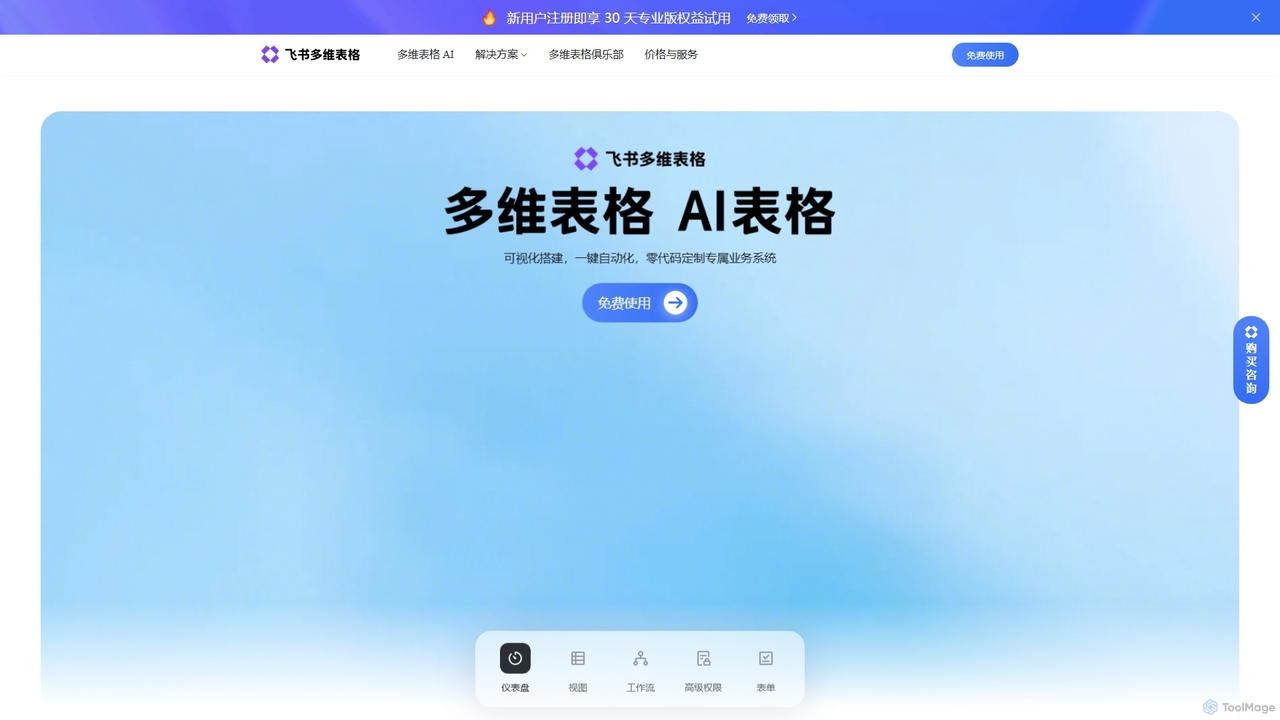
Feishu Base is an AI-powered no-code platform that combines the flexibility of a spreadsheet with the power of a database. It enables teams to build custom business systems, automate workflows, and analyze data through intuitive dashboards without writing any code. It's designed for seamless collaboration and data management.

Data Analysis
Visits 38.3KFavorites 75Likes 76
Kadabra
Freemium

Kadabra

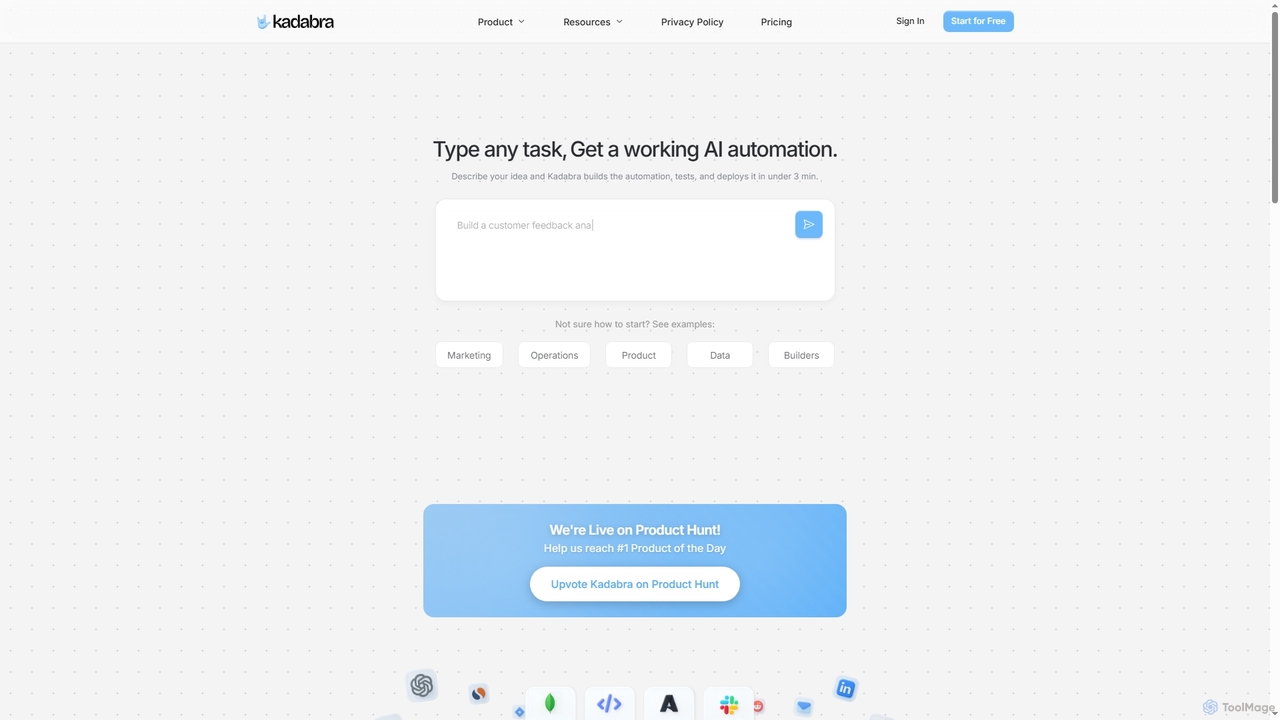
Kadabra is an AI-powered platform that transforms plain English descriptions into functional, deployable business and data automations. It allows users to build, test, and deploy complex workflows visually in minutes, integrating with a wide range of popular tools to streamline operations and enhance productivity.

Operations Management
Visits 4.1KFavorites 115Likes 111
Abacus.AI
Freemium

Abacus.AI

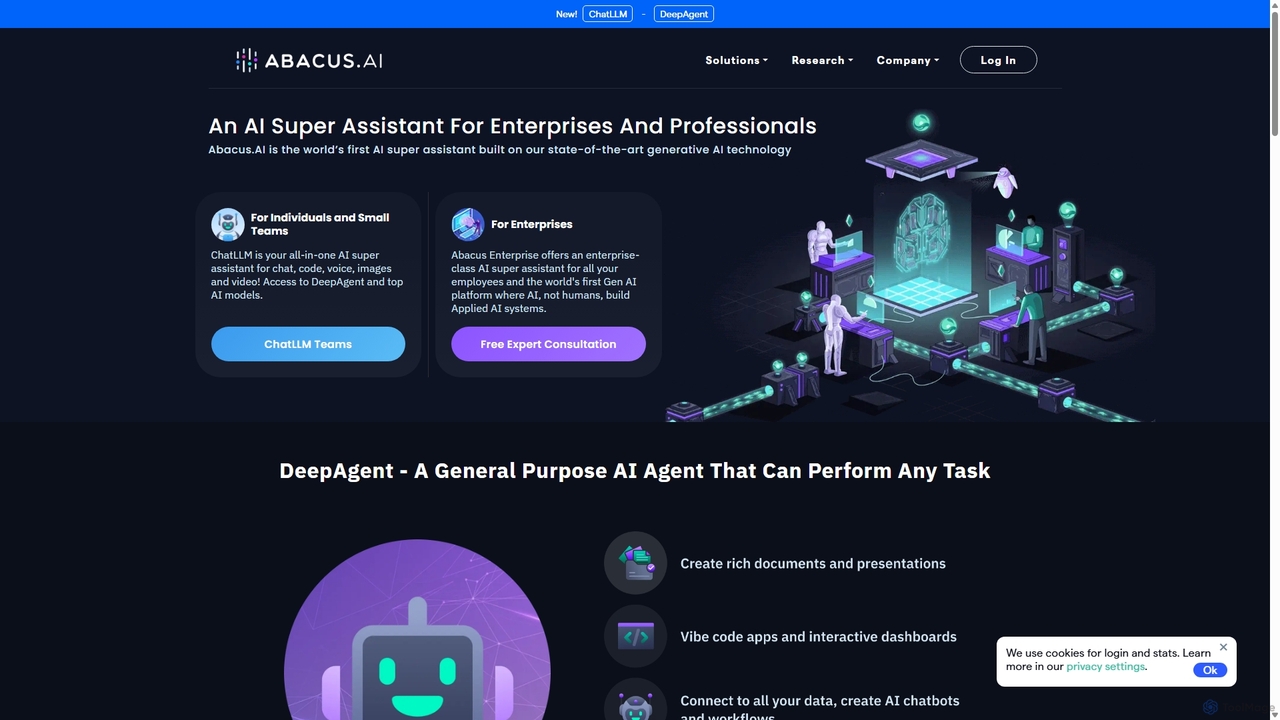
Abacus.AI is an advanced AI super assistant and generative AI platform designed for both enterprises and individuals. It enables the creation of AI agents, custom chatbots, and automated workflows to enhance productivity, analyze data, and build applied AI systems with minimal human intervention.

Chatbot
Visits 4.3MFavorites 105Likes 98
Zapier
Freemium

Zapier

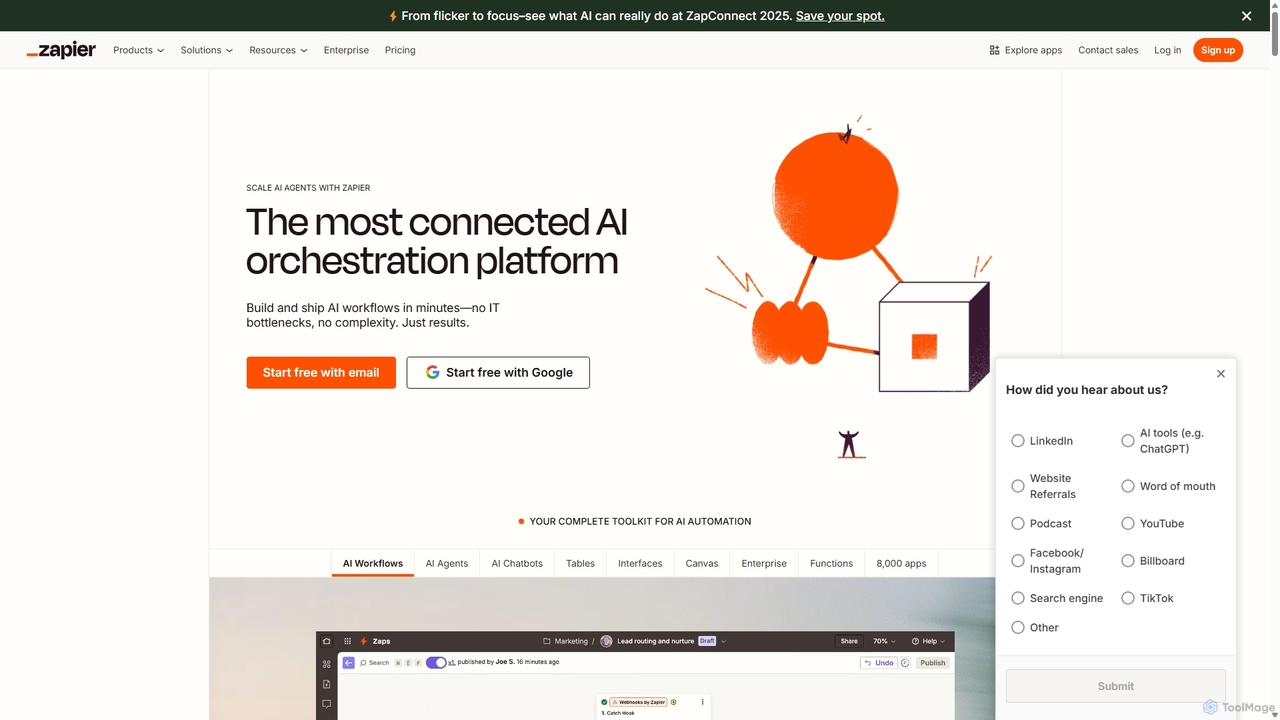
Zapier is a leading no-code automation platform that empowers you to connect over 8,000 web apps. It now features a powerful AI toolkit, allowing you to build custom AI workflows, agents, and chatbots to automate tasks, streamline processes, and scale your business operations without writing a single line of code. From simple two-step integrations to complex, multi-step AI-powered workflows, Zapier makes automation accessible to everyone.

Ai Agent Builder
Visits 6MFavorites 108Likes 100
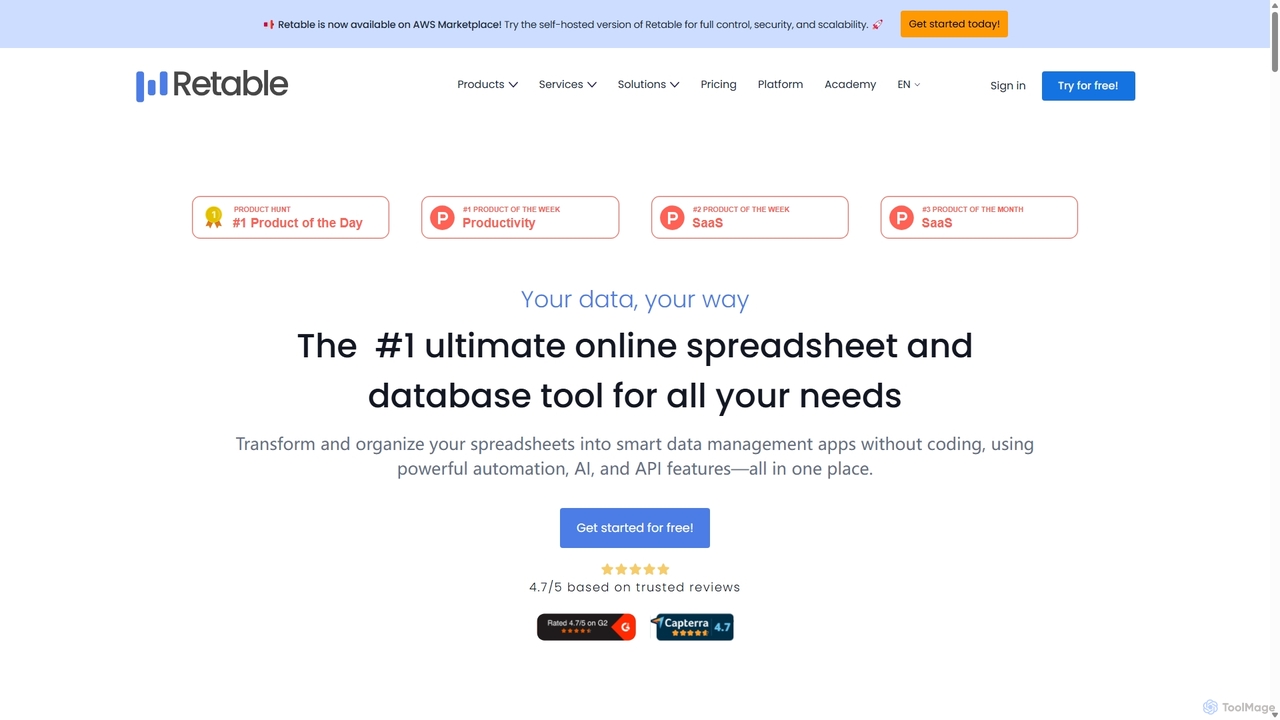
Retable
Freemium

Retable

Retable is a powerful no-code online spreadsheet and database solution. It transforms your data into smart, collaborative applications with features like AI integration, multiple data views, and workflow automation, making it an ideal Airtable alternative for teams of all sizes.

Project Management
Visits 36.2KFavorites 115Likes 100
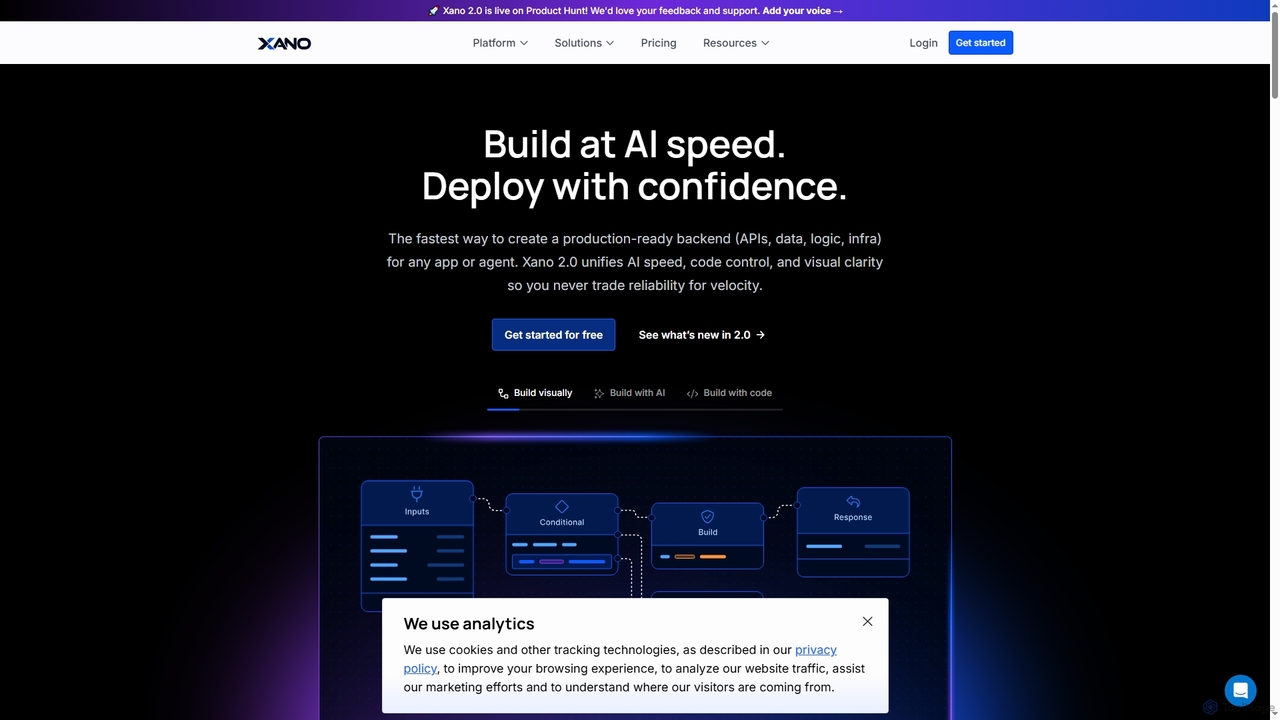
Xano
Freemium

Xano

Xano is a scalable no-code backend platform that empowers developers and teams to build production-ready applications and AI agents at speed. It provides a unified solution for APIs, a managed Postgres database, visual logic, and auto-scaling infrastructure, eliminating the need for complex DevOps.

Agent Building
Visits 175.4KFavorites 137Likes 140
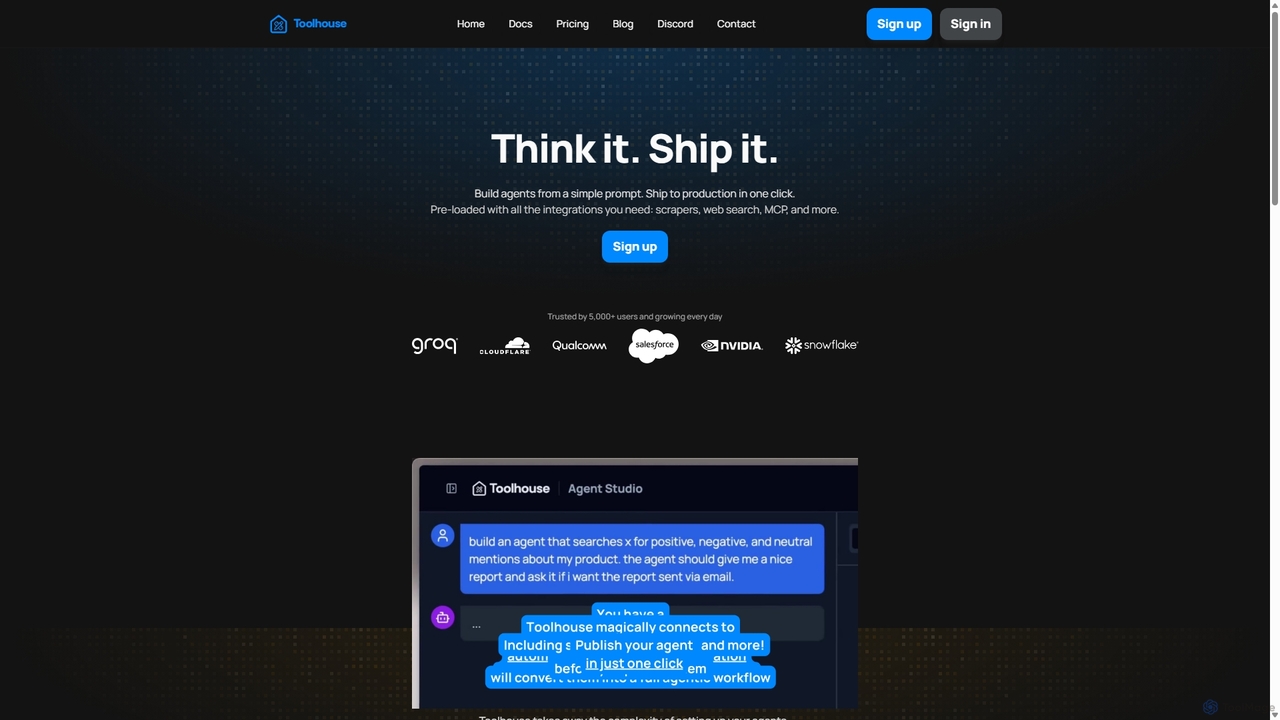
Toolhouse
Freemium

Toolhouse

Toolhouse is a no-code/low-code platform that democratizes AI agent creation. It allows developers to build, deploy, and manage production-grade AI agents from simple prompts. With pre-built integrations for web scraping, search, RAG, and databases, Toolhouse abstracts away the complexity of infrastructure, enabling one-click deployment of agents as scalable APIs. It's designed to empower developers of all skill levels to ship AI-powered applications quickly.

Agent Development
Visits 8.4KFavorites 114Likes 119
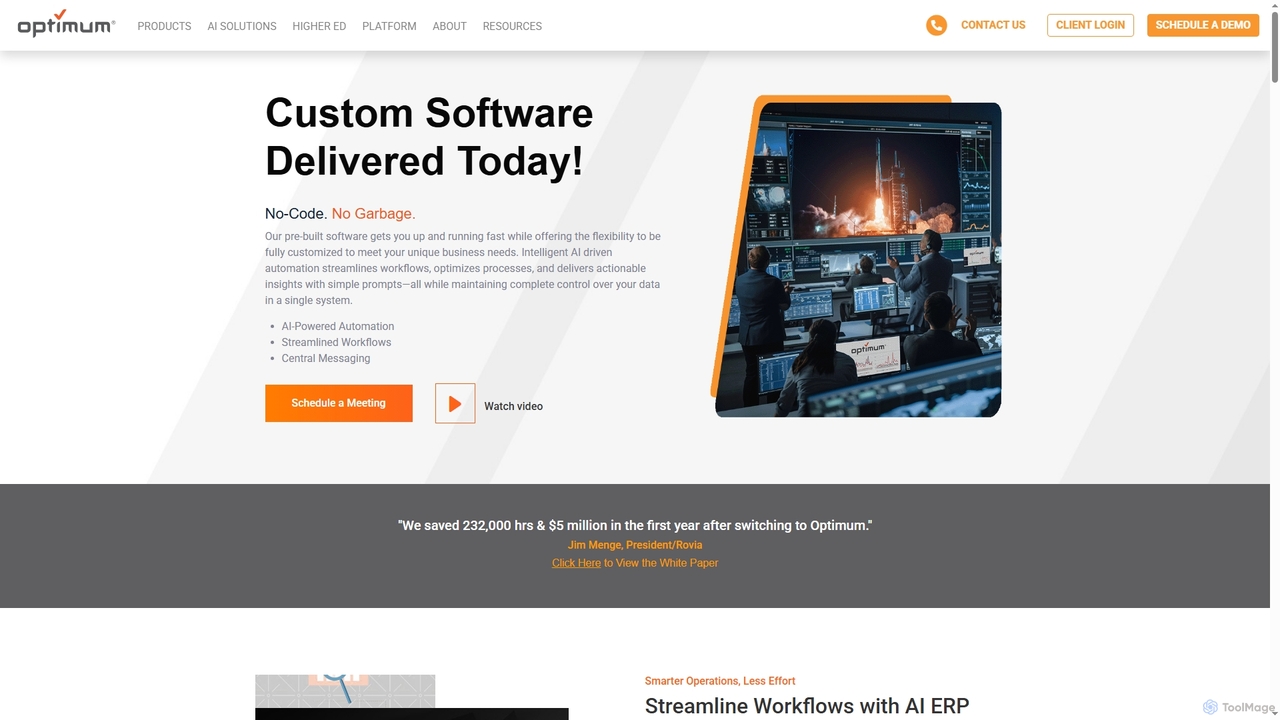
OptimumHQ
Paid

OptimumHQ

OptimumHQ is a no-code adaptive software platform that empowers businesses to rapidly create custom solutions, leveraging AI-driven automation for streamlined workflows, optimized processes, and actionable insights across ERP, CRM, messaging, and digital forms.

3D
Visits 41.1KFavorites 134Likes 137
Gradientj
Freemium

Gradientj

Gradientj is a powerful platform for developers and businesses to build, test, and deploy autonomous AI agents. It provides a comprehensive suite of tools, including a reasoning engine, pre-built components, and seamless integrations, to transform complex workflows into intelligent, automated processes from prompt to production.

Intelligence
Visits 4.4KFavorites 106Likes 126
Jyek
AD

Jyek

Jyek is an AI agent platform that understands objectives, creates execution plans, uses tools, and delivers verifiable results for complex, multi-step tasks.

Automation
Visits 1.8KFavorites 1Likes 1
UBOS
Freemium

UBOS

UBOS is a low-code AI orchestration platform for enterprises to build, deploy, and scale multi-agent AI workflows. It offers a marketplace of customizable templates, supports any LLM, and enables one-click deployment to cloud or on-premise. UBOS simplifies creating complex AI solutions like chatbots and data analysis tools, empowering businesses to become AI-first organizations with full data ownership.

Orchestration
Visits 51.5KFavorites 112Likes 119
Wordware
Freemium

Wordware

Wordware is a no-code platform that transforms plain English descriptions into powerful AI workflows. It connects with over 2,000 applications, enabling users to automate complex tasks, build custom AI agents, and power entire products without writing a single line of code. It's designed for both individual makers and enterprise teams to innovate and improve efficiency.

Workflow Management
Visits 44.8KFavorites 135Likes 151
Xunfei Spark Agent Development Platform
Freemium

Xunfei Spark Agent Development Platform

A comprehensive, one-stop platform by iFlytek for building, debugging, and deploying AI agents. Powered by the Spark Large Language Model, it enables developers to create intelligent applications through a low-code interface, an extensive plugin marketplace, and robust management tools, covering the entire agent lifecycle.

Agent Builder
Visits 97.4KFavorites 96Likes 97
Skyvern
Freemium

Skyvern

Skyvern is an AI-powered browser automation platform that uses computer vision and natural language to automate complex web workflows. It can handle data extraction, form submissions, invoice retrieval, and more on any website, adapting dynamically to changes without traditional scripting.

Api
Visits 95.2KFavorites 111Likes 117
Coze
Free

Coze

A next-generation, no-code AI application development platform that allows users to quickly build, debug, and deploy AI chatbots. Integrate powerful LLMs, plugins, and knowledge bases to create custom AI agents for various platforms like Discord, Telegram, and websites.

Bot Builder
Visits 693KFavorites 86Likes 95