Copilot
Wearables · 2.3K monthly visits
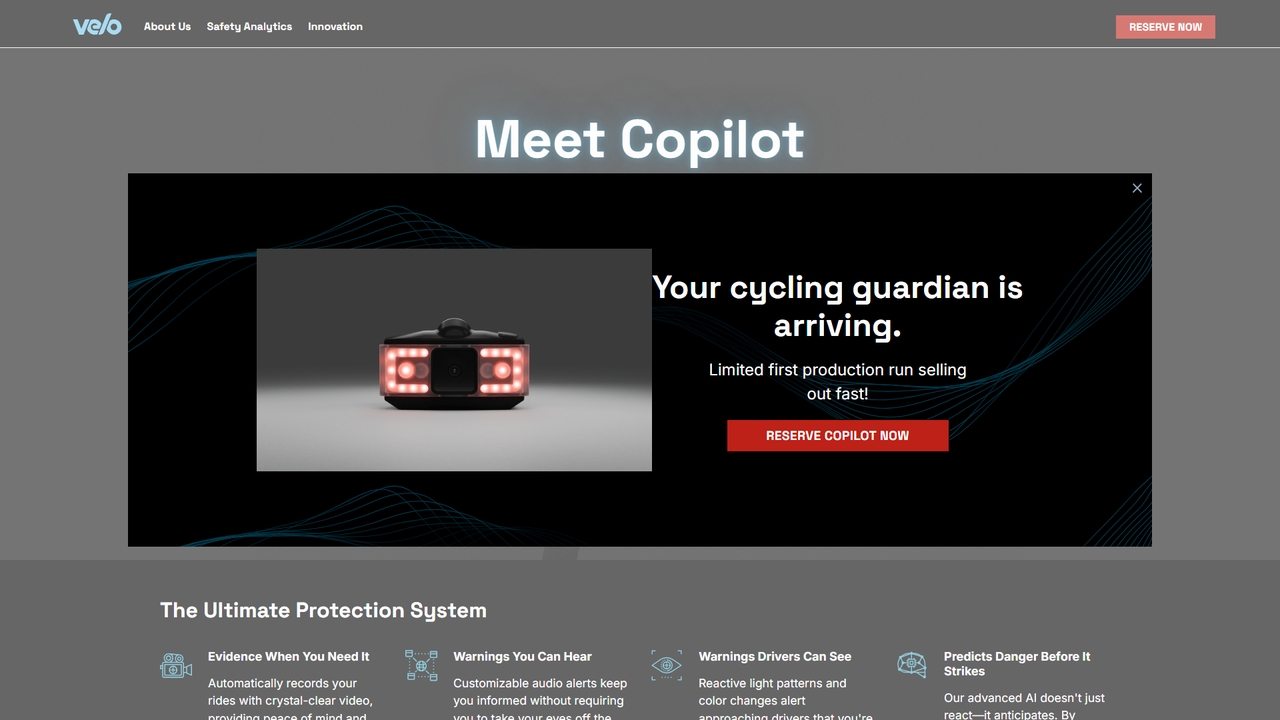
An intelligent bike safety system featuring AI-powered hazard prediction, automatic video recording, and multi-sensory alerts to protect cyclists.
An intelligent bike safety system featuring AI-powered hazard prediction, automatic video recording, and multi-sensory alerts to protect cyclists.
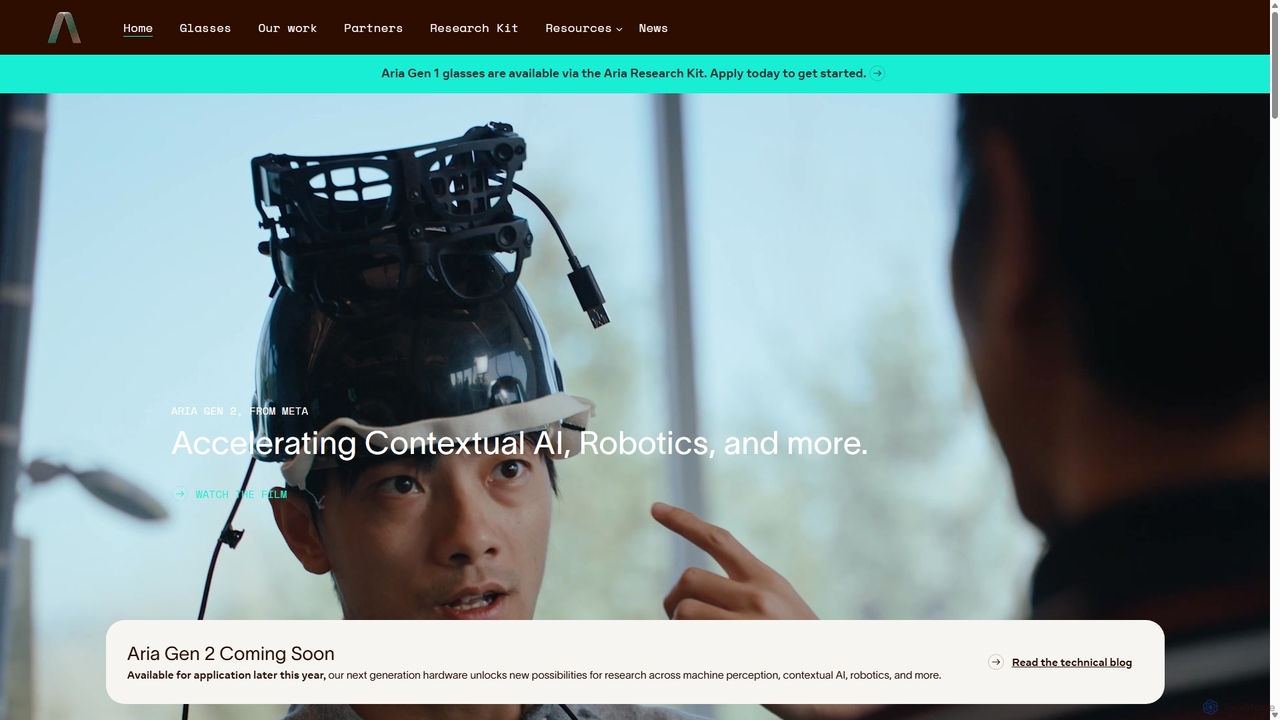
Project Aria is a research initiative by Meta designed to accelerate the development of contextual AI, augmented reality (AR), and robotics. It utilizes advanced research glasses, like the Aria Gen 2, to capture first-person perspective data, providing researchers with a comprehensive platform including hardware, open-source datasets, and development tools to build the future of machine perception.
An intelligent bike safety system featuring AI-powered hazard prediction, automatic video recording, and multi-sensory alerts to protect cyclists.
Project Aria is a research initiative by Meta designed to accelerate the development of contextual AI, augmented reality (AR), and robotics. It utilizes advanced research glasses, like the Aria Gen 2, to capture first-person perspective data, providing researchers with a comprehensive platform including hardware, open-source datasets, and development tools to build the future of machine perception.
| Feature | Copilot | Project Aria |
|---|---|---|
| Primary category | Wearables | Datasets |
| Added | 2026-05-29 | 2025-09-16 |
| Pricing | Paid | Not verified |
| Official website | velo.ai | projectaria.com |
| Product type | Website | Website |
| Performance data | ||
| User rating | Not verified | Not verified |
| Comments | 0 | 0 |
| Monthly visits | 2.3K | 35.5K |
| Monthly growth | -36.3% | 34.6% |
| Favorites | 4 | 110 |
| Details | View details | View details |
Compare Copilot and Project Aria by monthly reach, traffic trend, visit depth, top regions, and acquisition sources.
In the Copilot vs Project Aria monthly traffic comparison, Copilot currently shows 2.3K visits and Project Aria shows 35.5K; Project Aria has about 15.4 times the visible traffic of Copilot, an absolute difference of about 33.2K visits. This reflects visible reach, not feature quality or paid users.
Both tools provide verified traffic details, so monthly trends, visit depth, regions, and acquisition sources can be compared on the same basis.
| Country/region | Percentage | Traffic |
|---|---|---|
| 🇺🇸United States | 76.97% | 1.8K |
| 🇮🇳India | 23.03% | 531 |
| Country/region | Percentage | Traffic |
|---|---|---|
| 🇺🇸United States | 48.59% | 17.3K |
| 🇰🇷Korea, Republic of | 20.07% | 7.1K |
| 🇬🇧United Kingdom | 13.46% | 4.8K |
| 🇫🇷France | 9.09% | 3.2K |
| 🇨🇦Canada | 8.79% | 3.1K |
| Source type | Percentage | Traffic |
|---|---|---|
| Direct | 67.07% | 23.8K |
| Referral | 32.93% | 11.7K |
This in-depth Copilot vs Project Aria comparison uses only the product records, taxonomy, audience, traffic, and community signals available on this page. Copilot is primarily listed under “Wearables”, while Project Aria is primarily listed under “Datasets”, so the first decision is whether your actual task matches their recorded scope.
The structured fields currently show these decision-relevant differences: Primary category (Copilot: Wearables; Project Aria: Datasets); Pricing (Copilot: Paid; Project Aria: Not disclosed); Monthly visits (Copilot: 2.3K; Project Aria: 35.5K); Monthly growth (Copilot: -36.3%; Project Aria: 34.6%); Favorites (Copilot: 4; Project Aria: 110). These facts are more useful for selection than brand visibility alone.
In the Copilot vs Project Aria monthly traffic comparison, Copilot currently shows 2.3K visits and Project Aria shows 35.5K; Project Aria has about 15.4 times the visible traffic of Copilot, an absolute difference of about 33.2K visits. This reflects visible reach, not feature quality or paid users.
Both tools provide verified traffic details, so monthly trends, visit depth, regions, and acquisition sources can be compared on the same basis.
If public market visibility is an important first-pass criterion, investigate Project Aria first. The final choice should still follow taxonomy, use case, and a real trial because higher traffic does not prove broader capabilities or better workflow fit.
Copilot and Project Aria currently overlap in shared categories: Wearables. This can place both on the same shortlist, but it does not prove equal implementation, depth, or cost.
Copilot's unique categories/tags are Safety, accident prevention, AI safety, bike light, bike safety, cycling accessory, dashcam for bike, and smart bike; Project Aria's are Datasets, Computer Vision, Machine Learning, AI, AR glasses, augmented reality, computer vision, and datasets. These unique fields are the strongest differentiators: validate the product whose recorded scope matches the task instead of following traffic alone.
Copilot has no verified rating, 0 comments, 4 favorites, and 4 likes;Project Aria has no verified rating, 0 comments, 110 favorites, and 105 likes。
Neither product has enough rating or comment samples for a credible reputation ranking.
Put Copilot on the priority trial list when the task aligns with “Wearables” and especially Safety, accident prevention, AI safety, bike light, bike safety, and cycling accessory, or the users include Bike Courier, Commuter, Cyclist, and Outdoor Enthusiast. This follows recorded positioning and does not imply unlisted capabilities are absent.
Copilot also currently records: pricing is paid, product type is website, 2.3K verified monthly visits, no verified user rating. Verify any hard requirement around price, platform, or reach before trial, and do not let sparse review data substitute for testing.
Put Project Aria on the priority trial list when the task aligns with “Datasets” and especially Datasets, Computer Vision, Machine Learning, AI, AR glasses, and augmented reality, or the users include AI Researcher, AR/VR Developer, Computer Vision Engineer, and Data Scientist. This follows recorded positioning and does not imply unlisted capabilities are absent.
Project Aria also currently records: pricing is not verified, product type is website, 35.5K verified monthly visits, no verified user rating. Verify any hard requirement around price, platform, or reach before trial, and do not let sparse review data substitute for testing.
The available data describes positioning, public visibility, and community signals, but it cannot prove output quality, speed, integration effort, privacy, or long-term cost in your workflow. Before deciding, run the same representative tasks in Copilot and Project Aria, then record completion time, accuracy, manual corrections, and the real paid threshold. A like-for-like trial turns this comparison into a defensible adoption decision.
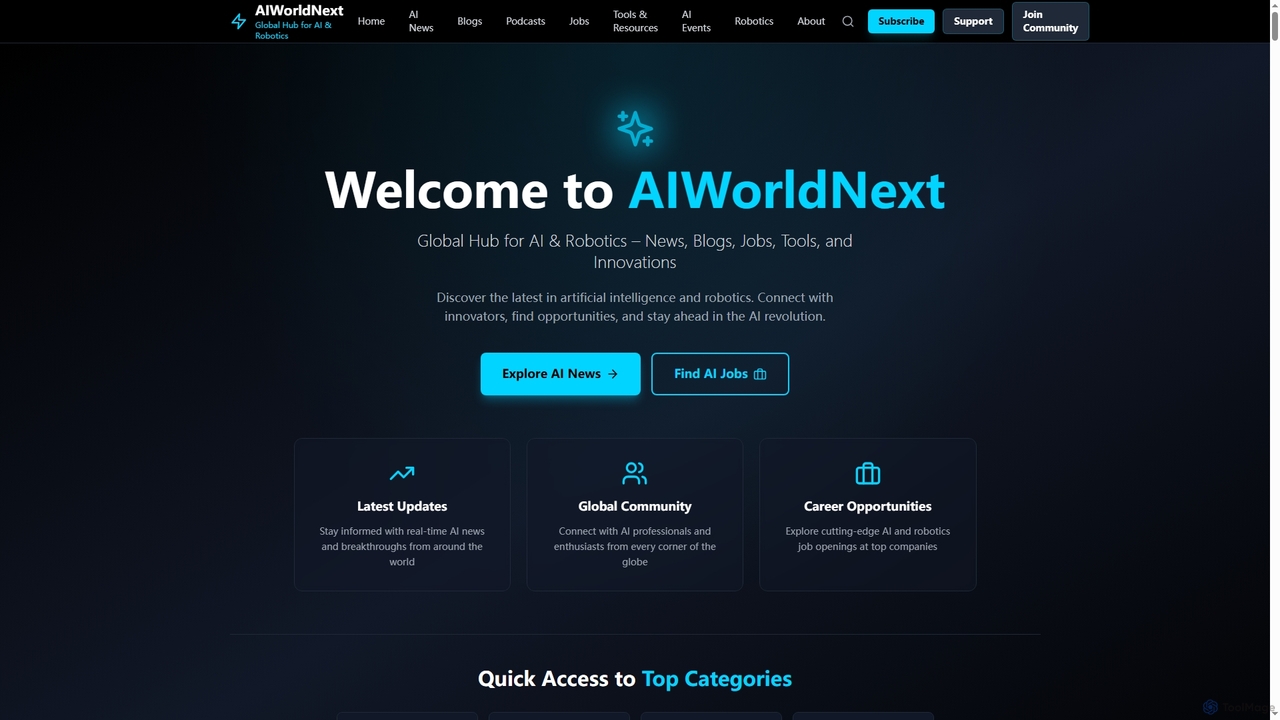
AIWorldNext is a premier global hub for artificial intelligence and robotics, offering a comprehensive platform for news, expert blogs, job opportunities, AI tool directories, and community engagement. It serves as a vital resource for professionals, researchers, and enthusiasts to stay informed and connected in the rapidly evolving AI landscape.
Job Board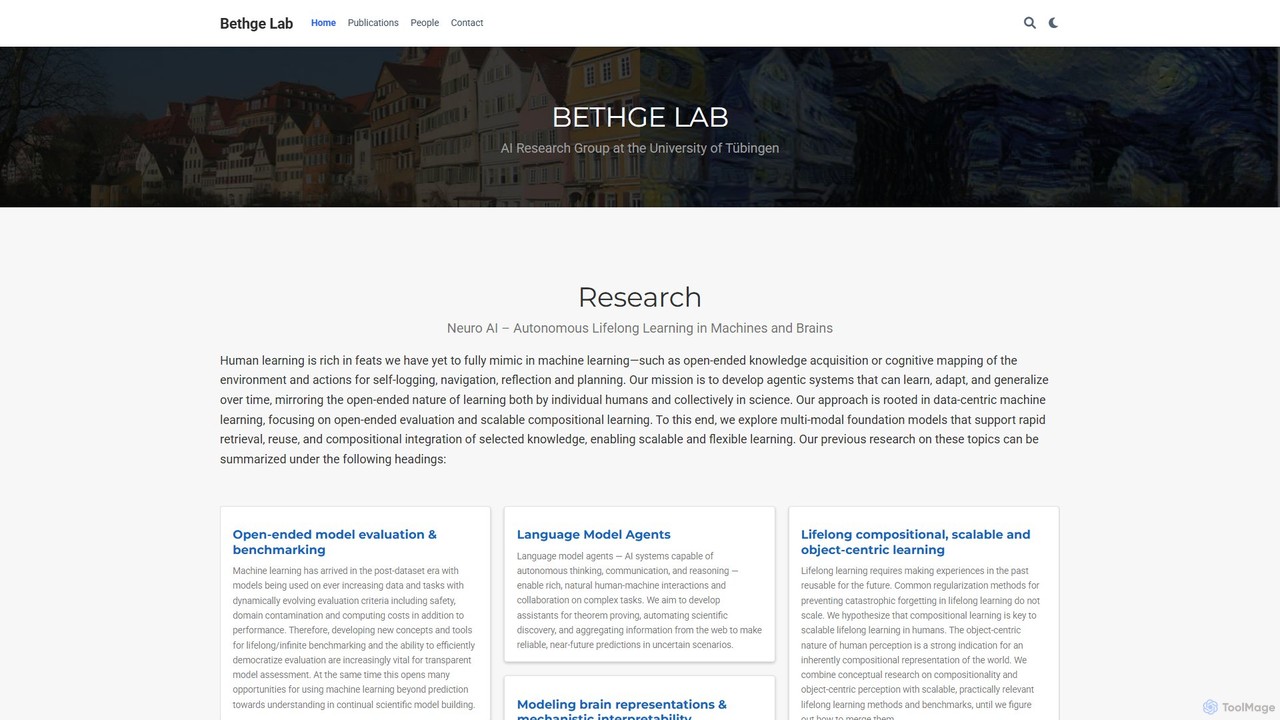
Bethge Lab is a leading AI research group at the University of Tübingen, focusing on the intersection of computational neuroscience and machine learning. It aims to develop agentic AI systems capable of autonomous, lifelong learning by drawing inspiration from the human brain. The lab produces open-source models, datasets, and pioneering research.
Datasets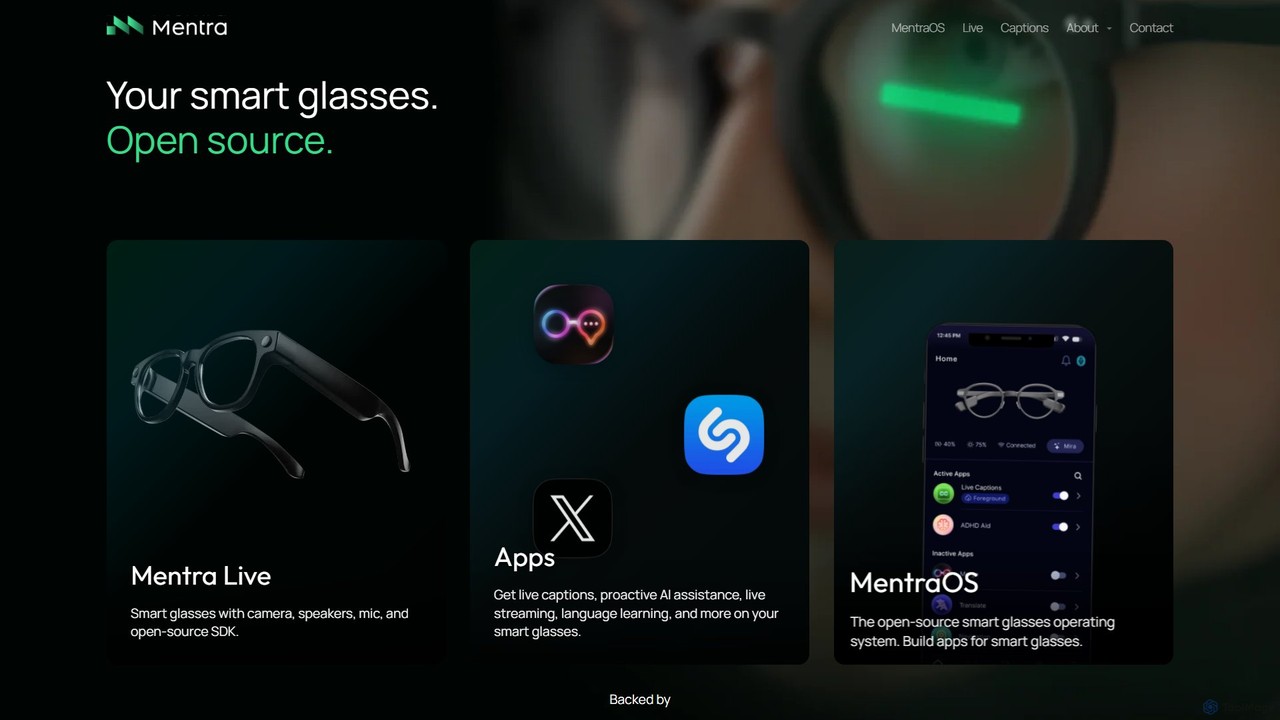
Mentra is a pioneering platform building the future of personal computing with open-source AI smart glasses. It features Mentra Live hardware and the MentraOS operating system, designed for proactive AI assistance, unrestricted live streaming, real-time translation, and a robust developer ecosystem. It aims to be the 'Android for smart glasses'.
Personal Assistant
Omi AI is a revolutionary AI hardware platform designed to turn thought into action. Centered around a wearable device, it functions as an all-encompassing personal assistant. With customizable omiGPT Personas and a vast ecosystem of apps for productivity, health, and companionship, Omi AI seamlessly integrates artificial intelligence into your daily life, offering a hands-free, context-aware experience.
Wearables
OneNine is the data supply chain for AI, specializing in delivering high-quality, culturally authentic, human-labeled datasets in underserved languages to leading AI companies. It bridges the linguistic gap, enabling more inclusive and accurate AI models globally.
Training Data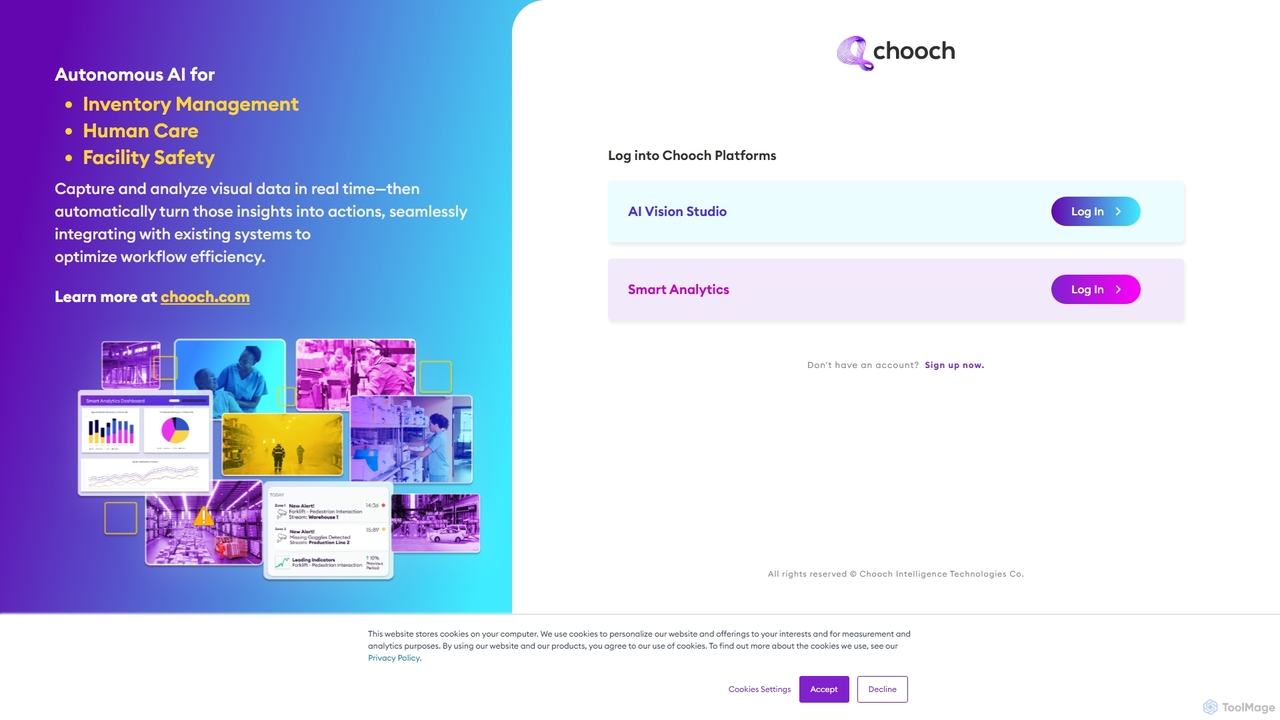
Chooch is an advanced AI computer vision platform that enables real-time analysis of visual data from any camera source. It specializes in autonomous solutions for inventory management, facility safety, and human care. The platform allows users to build, train, and deploy custom AI models to detect objects, actions, and anomalies, seamlessly integrating with existing systems to automate workflows and enhance operational efficiency.
Workflow Automation
O.systems is a foundational organization dedicated to shaping the decentralized AI era. It spearheads governance, research, and innovation for the O.XYZ ecosystem, aiming to build the world's first Sovereign Super Intelligence through a community-driven, transparent, and ethically-guided approach.
Dao
The Centre for the Governance of AI (GovAI) is a leading non-profit research organization dedicated to navigating the challenges of advanced AI. It produces in-depth research, policy analysis, and guidance for governments, tech companies, and civil society to ensure responsible AI development and mitigate potential risks. GovAI focuses on security threats, international governance, and the societal impacts of AI, fostering a global community dedicated to shaping a safe and beneficial AI future.
Knowledge Base
The Frontier Model Forum is an industry-led non-profit organization dedicated to ensuring the safe and responsible development of advanced AI systems. Founded by leading AI companies, it focuses on advancing AI safety research, identifying best practices for security, and facilitating collaboration among industry, government, academia, and civil society to mitigate risks and harness AI's benefits for humanity.
Forums & Collaboration
Maihem is an advanced platform for AI security and robotics, specializing in automated red teaming and vulnerability testing for Large Language Model (LLM) applications. It systematically tests for the OWASP Top 10 LLM vulnerabilities, such as prompt injection and data poisoning, to ensure the safe, reliable, and compliant deployment of AI systems.
Testing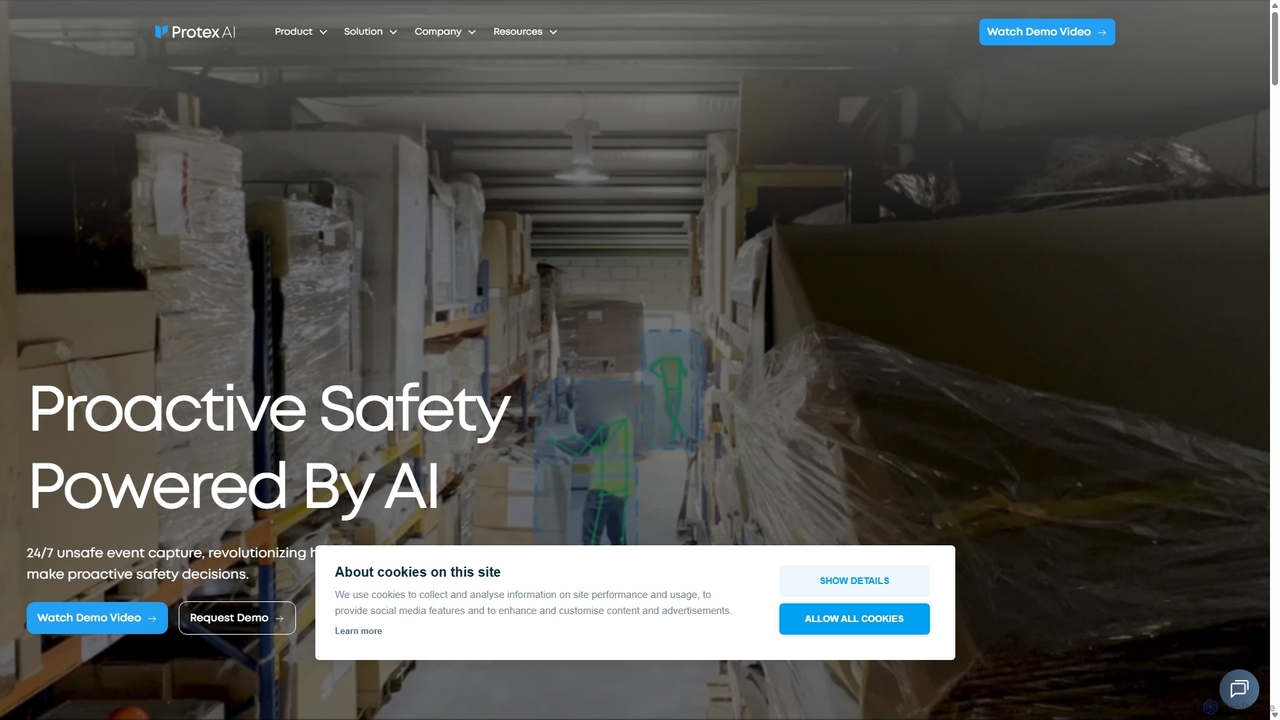
Protex AI is an enterprise-grade platform that leverages computer vision and AI to enhance workplace safety. By connecting to existing CCTV infrastructure, it proactively detects unsafe behaviors and hazards 24/7, enabling EHS teams to make data-driven decisions and prevent incidents before they occur, significantly improving safety culture and operational efficiency.
Safety Management
The Responsible AI Institute is a global non-profit providing tools, frameworks, and independent assessments for enterprises to build, buy, and deploy AI systems responsibly. Through its RAISE Pathways program, it helps organizations navigate regulatory landscapes, manage risks, and demonstrate compliance with global standards, fostering trust and confidence in AI.
Ai Governance
Podcurator is an AI-powered podcast curation tool designed to help users quickly discover highly relevant podcast episodes and shows. It uses natural language processing to understand user interests and provides transparent, context-aware recommendations, saving significant time compared to manual searching.
Podcast Discovery
Blackforest is an advanced AI platform specializing in Reasoning Orchestration with causa™ Adaptive Reasoning. It empowers foundation models to seamlessly reason, collaborate, and communicate, enabling dynamic assembly of optimal reasoning paths and robust AI safety measures for complex decision-making and automation.
Risk Management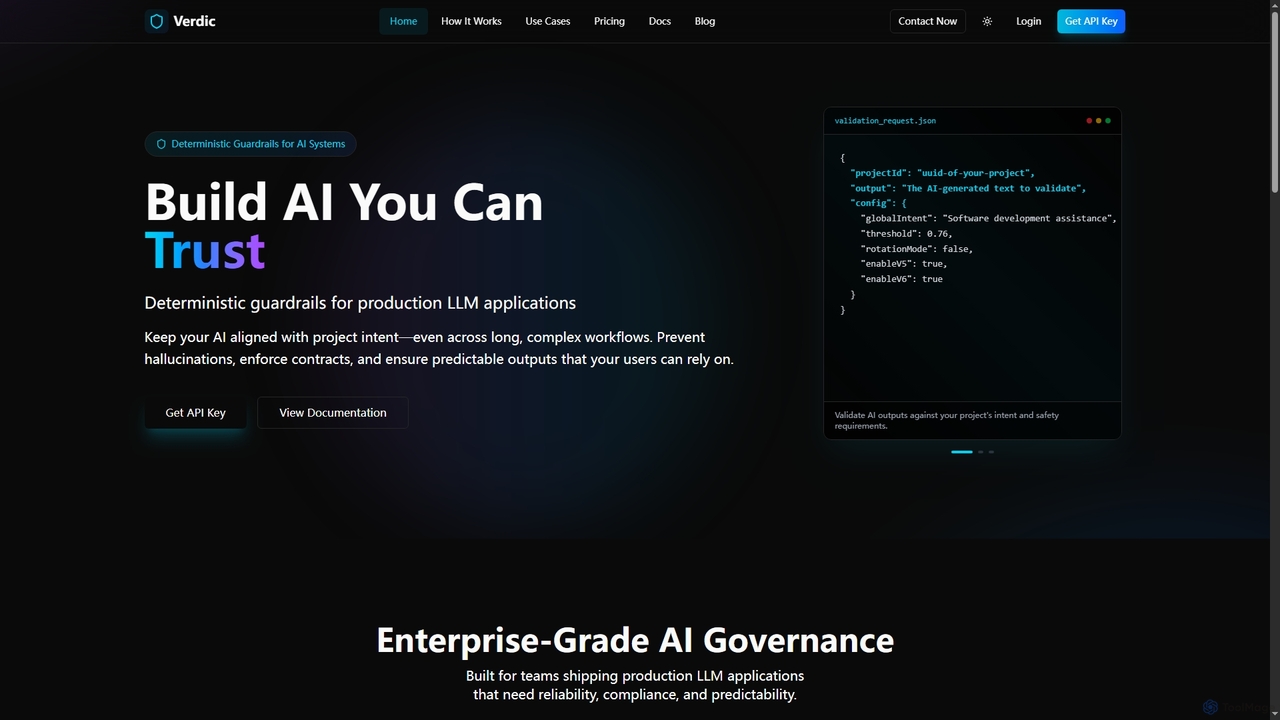
Verdic provides trust infrastructure and deterministic guardrails for production LLM applications, ensuring AI outputs are predictable, safe, and compliant. It prevents hallucinations, enforces contracts, and validates AI-generated content against defined project intent and safety requirements, crucial for reliable deployment in sensitive industries.
Llm Guardrails