

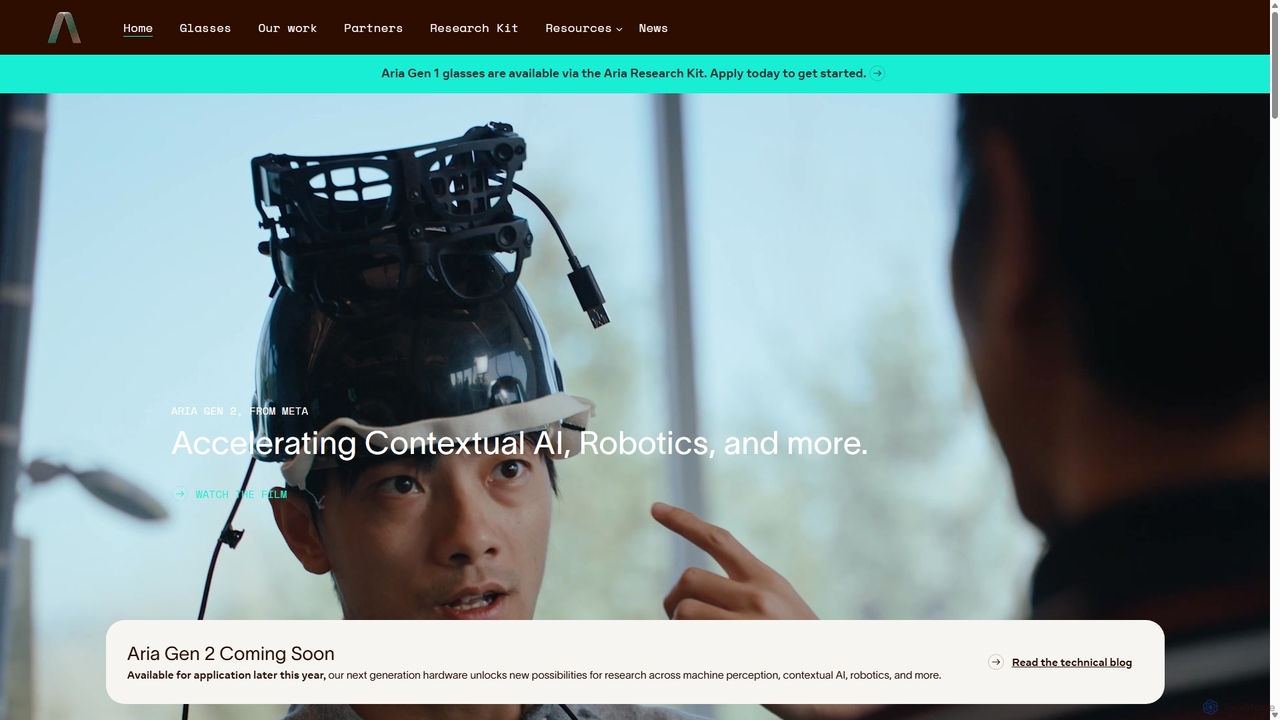
Project Aria Overview
Project Aria is a pioneering research program from Meta's Reality Labs, dedicated to responsibly building the future of augmented reality and artificial intelligence. It is not a consumer product but a comprehensive research platform designed to help researchers understand and overcome the complex challenges in developing future AR glasses and contextual AI systems. The core of the project is the Aria glasses, a sophisticated wearable device equipped with a state-of-the-art sensor suite for capturing data from a first-person (egocentric) perspective. This platform is made available to Meta's internal researchers and a global community of academic and corporate partners through the Aria Research Kit (ARK).
How to use Project Aria
Access to the Project Aria platform is intended for the research community and is not available for public purchase. The process to get involved is as follows:
- Explore Open Resources: Before applying, potential partners are encouraged to explore Project Aria's publicly available resources. This includes extensive open-source datasets (like Nymeria and the Digital Twin Catalog), models, and tools (like the Aria Training and Evaluation toolkit - ATEK). This helps researchers understand the data and capabilities of the platform.
- Develop a Research Proposal: Formulate a clear and novel research plan that leverages the unique capabilities of the Aria glasses and ecosystem. Successful applications typically address key challenges in computer vision, contextual AI, robotics, or machine perception.
- Apply for the Aria Research Kit (ARK): Interested academic institutions and corporate research organizations can submit an application through the Project Aria website. Applications are reviewed on a rolling basis.
- Conduct Research: Once approved, partners receive the ARK, which includes the Aria Gen 2 glasses, a comprehensive SDK, and support services to begin their research efforts.
Core Features of Project Aria
- Aria Gen 2 Glasses: The centerpiece of the project, these advanced research glasses feature a powerful sensor suite including 4 SLAM cameras, 1 RGB camera, 2 eye-tracking cameras, an IMU, barometer, magnetometer, and GNSS. They also include PPG sensors for physiological data, a contact microphone, on-device compute capabilities, and an extended battery life of 6-8 hours.
- Aria Research Kit (ARK): A complete package for researchers containing the Aria glasses, a full-featured Software Development Kit (SDK), and a suite of tools for data management, processing, and analysis.
- Extensive Open Datasets: Project Aria provides large-scale, high-quality datasets to the community, such as 'Reading Recognition in the Wild' for eye-tracking research, 'Nymeria' for human motion prediction, and the 'Digital Twin Catalog' for 3D object reconstruction.
- Open Source Tools and Models: The platform includes powerful tools like the Aria Training and Evaluation toolkit (ATEK) for building and evaluating deep learning models, and the Aria Dataset Explorer (ADE) for visualizing and downloading data. It also supports integration with popular frameworks like Nerfstudio.
- Collaborative Research Ecosystem: The project fosters a vibrant community of over 200 partners, encouraging open-sourcing of tools and datasets developed using the platform, such as HD-Epic and EgoLife.
Use Cases for Project Aria
Project Aria is being used to drive innovation across multiple domains:
- Contextual AI and Machine Perception: Developing AI that can understand a user's context, environment, and intent to provide timely and relevant assistance.
- Robotics: Enabling robots to learn complex tasks by observing human demonstrations from a first-person perspective, as seen in Georgia Tech's EgoMimic project.
- Augmented Reality (AR): Building the foundational technologies for future all-day wearable AR glasses, including scene understanding, 3D reconstruction, and user interaction models.
- Accessibility: Partnering with organizations like Envision AI to create technologies that empower blind and low-vision individuals by providing them with access to visual information.
- Automotive Industry: Collaborating with partners like BMW to research how AR technology can be integrated into future vehicles to enhance driver awareness and experience.
Advantages of Project Aria
The primary advantage of Project Aria is its role as a research accelerator. It provides researchers with a purpose-built, non-commercial hardware and software platform that is years ahead of consumer technology. This allows the community to tackle fundamental research problems without the costly overhead of building custom sensor rigs. The focus on open resources and collaboration creates a powerful flywheel effect, where community contributions build upon each other, advancing the entire field of egocentric AI and AR more rapidly.
Pricing and Plans
Project Aria is a research program, not a commercial product. Therefore, it does not have traditional pricing or plans. Access to the Aria Gen 2 glasses and the full suite of tools is provided through the Aria Research Kit (ARK). This kit is available to select academic and corporate research partners who successfully apply to the program. The selection is based on the merit and novelty of the proposed research. There is no cost specified for participation, as it is a collaborative research partnership.
Traffic
Latest traffic
Status
Monthly traffic trend
- 2025-9: 23.4K
- 2026-1: 27.6K
- 2026-2: 24.1K
- 2026-3: 25.6K
- 2026-4: 26.4K
- 2026-5: 35.5K
Geography
Top 5 countries / regions
- 🇺🇸United States48.6%
- 🇰🇷South Korea20.1%
- 🇬🇧United Kingdom13.5%
- 🇫🇷France9.1%
- 🇨🇦Canada8.8%
Traffic sources
| Source type | Percentage |
|---|---|
Direct | 67.1% |
Referral | 32.9% |
Top keywords
| Keyword | Cost per click |
|---|---|
| aria glasses | $0.00 |
| meta aria | $0.00 |
| nymeria | $0.77 |
| nymeria dataset | $0.00 |
| project aria | $3.04 |
Project Aria Alternatives
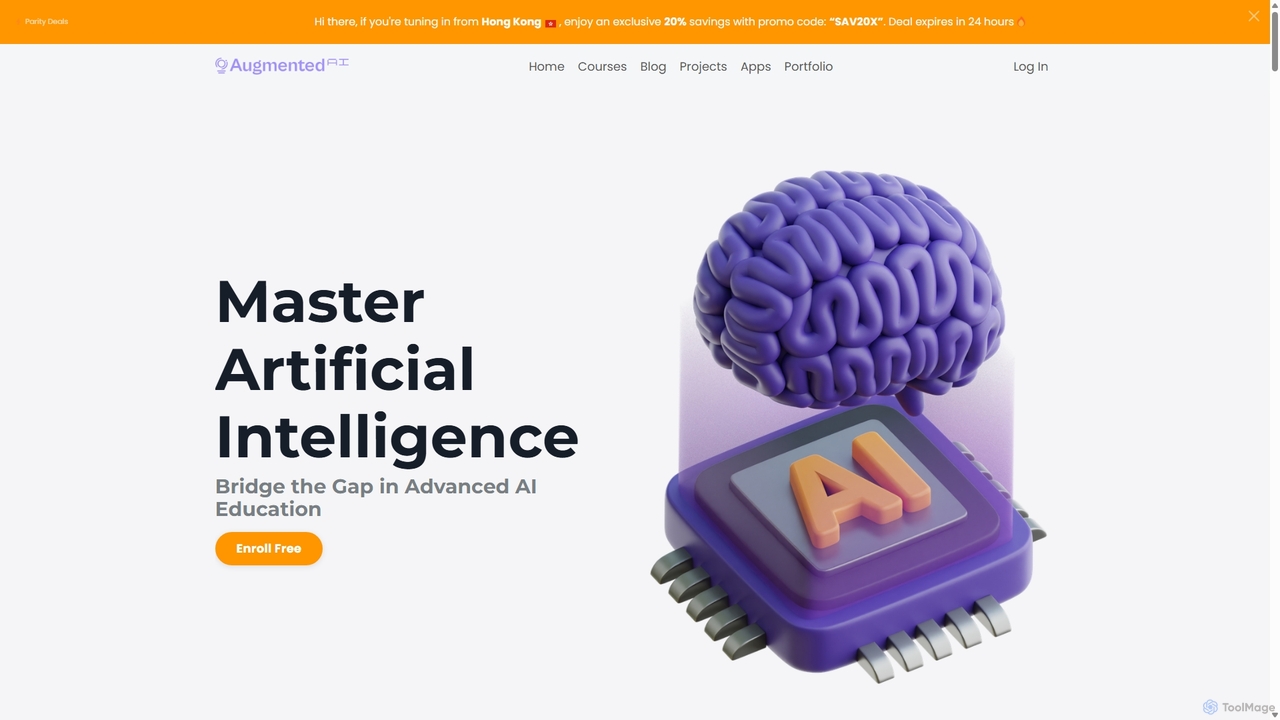
Augmented Startups
Augmented Startups is an online AI university offering practical, project-based courses for all skill levels. It specializes in advanced topics like Computer Vision, Large Language Models (LLMs), Robotics, and Autonomous Vehicles. The platform provides comprehensive learning paths with code, datasets, and expert support to help students and professionals build real-world AI applications and bridge the gap between theory and practical implementation.
Code Libraries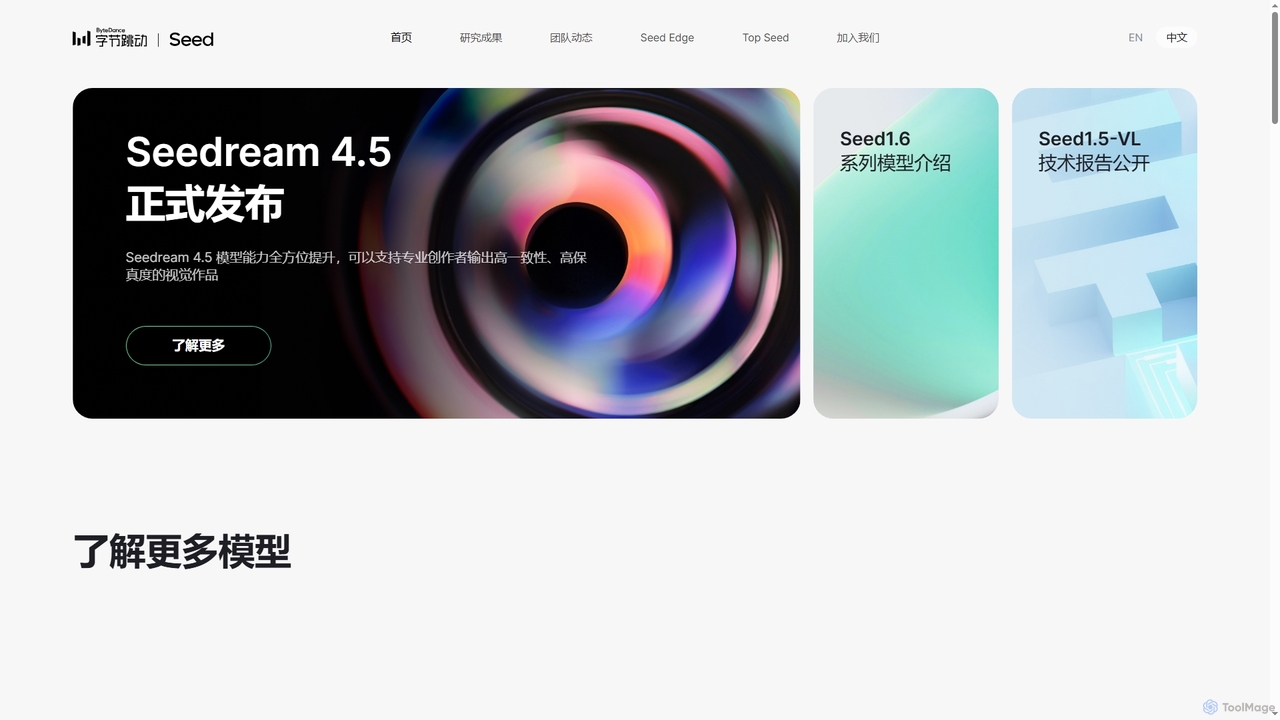
Seed
Seed is ByteDance's advanced AI research initiative focused on building general artificial intelligence. They develop foundational models across various domains including multimodal, vision, speech, robotics, and LLMs, driving innovation in both academic research and real-world applications.
Foundational Models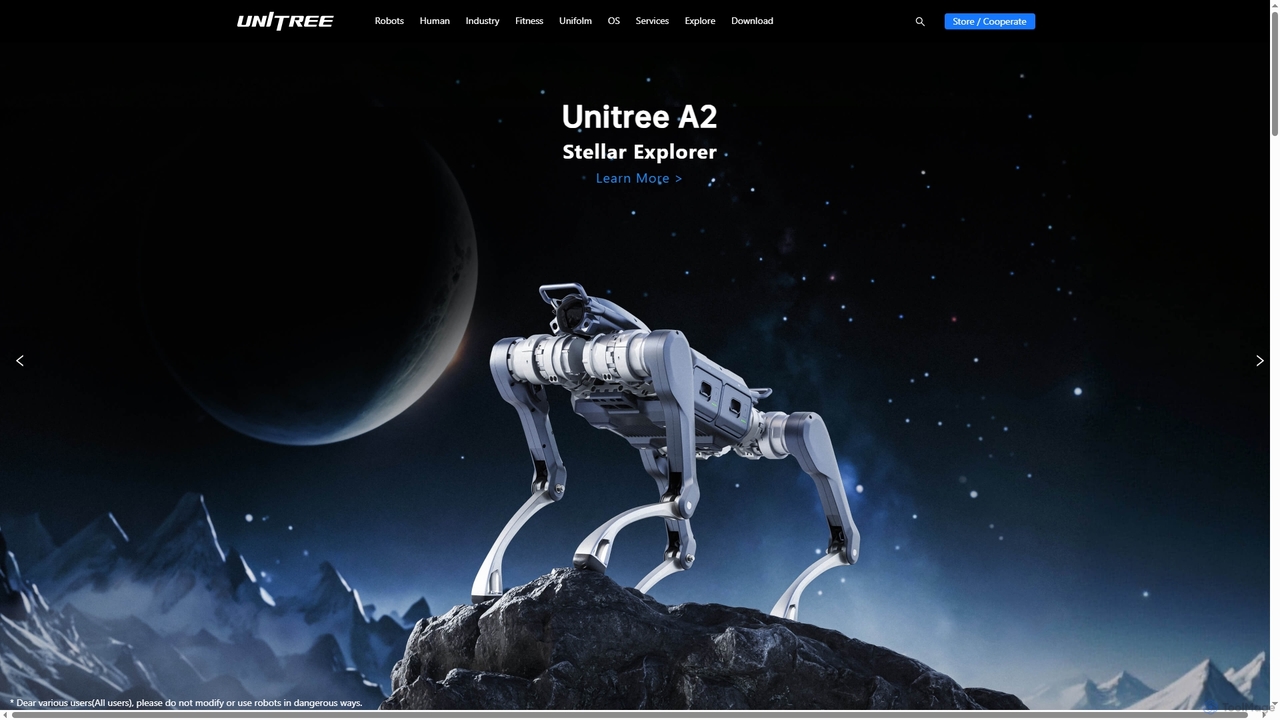
Unitree
Unitree is a world-renowned robotics company specializing in the R&D, production, and sales of high-performance legged and humanoid robots, robotic arms, and advanced perception systems like 4D LiDAR. They offer innovative solutions for consumer, industrial, and research applications globally.
Personal Robotics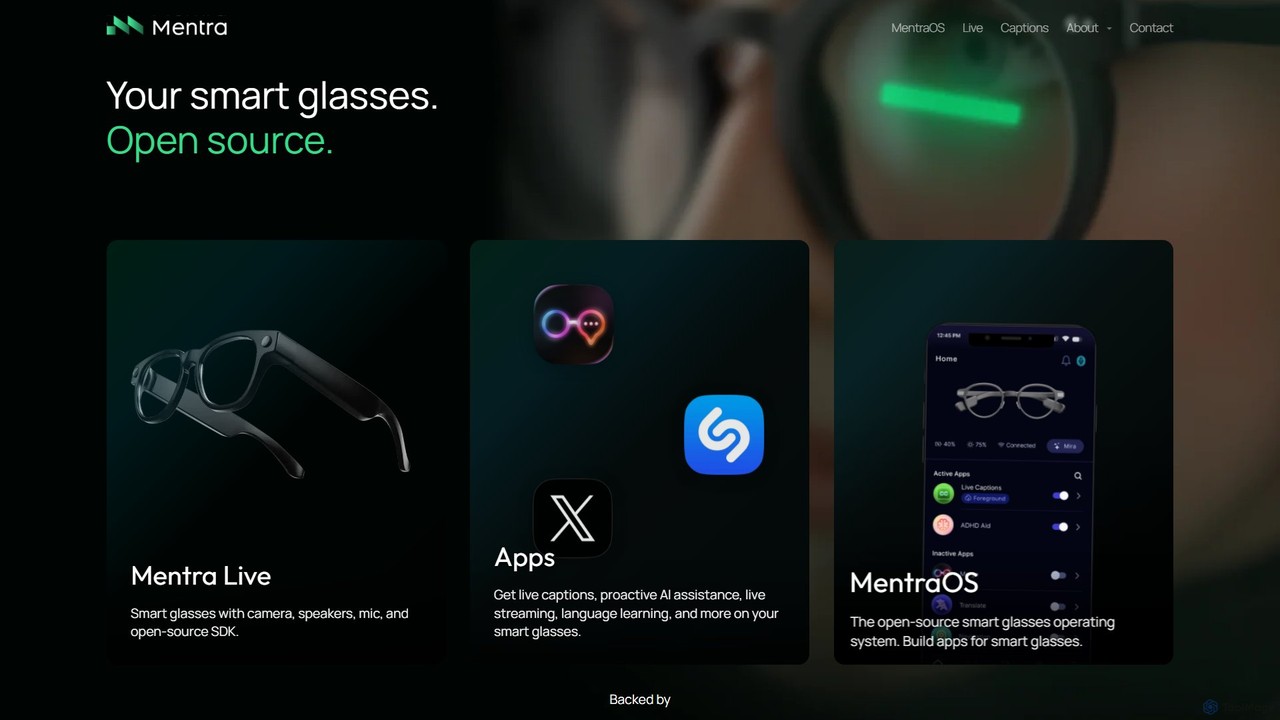
Mentra
Mentra is a pioneering platform building the future of personal computing with open-source AI smart glasses. It features Mentra Live hardware and the MentraOS operating system, designed for proactive AI assistance, unrestricted live streaming, real-time translation, and a robust developer ecosystem. It aims to be the 'Android for smart glasses'.
Personal Assistant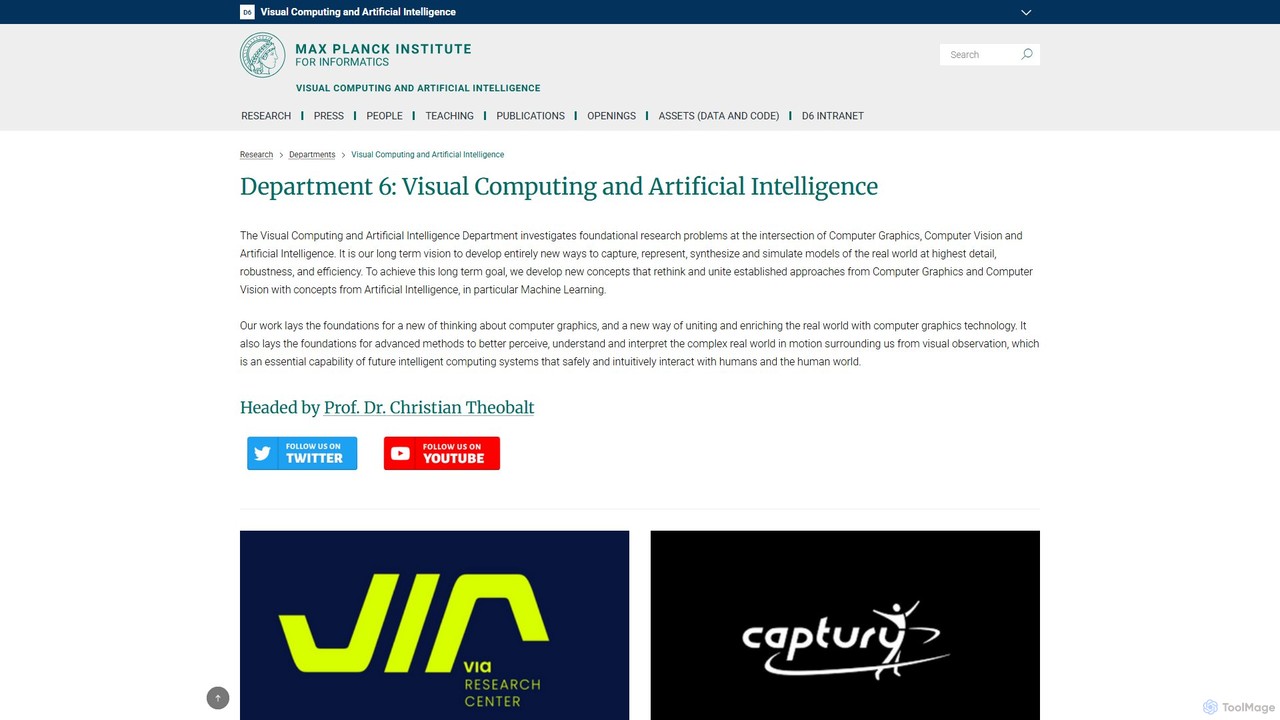
VCAI
VCAI is the Visual Computing and Artificial Intelligence department at the Max Planck Institute for Informatics. Led by Prof. Christian Theobalt, it conducts foundational research at the intersection of computer vision, graphics, and AI. The lab is renowned for pioneering work in 3D reconstruction, neural rendering (like 3D Gaussian Splatting), digital humans, and motion capture. Its research drives innovation in VR/AR, film, and robotics, with many projects released as open-source code and leading to commercial spin-offs.
3D ReconstructionProject Aria Categories
Project Aria Jobs
Project Aria Embed Widget
Copy this embed code to place the badge on your blog, article, or product site and send readers directly to this ToolMage detail page.

Related AI tools
Augmented Startups
Augmented Startups is an online AI university offering practical, project-based courses for all skill levels. It specializes in advanced topics like Computer Vision, Large Language Models (LLMs), Robotics, and Autonomous Vehicles. The platform provides comprehensive learning paths with code, datasets, and expert support to help students and professionals build real-world AI applications and bridge the gap between theory and practical implementation.
Code LibrariesUnitree
Unitree is a world-renowned robotics company specializing in the R&D, production, and sales of high-performance legged and humanoid robots, robotic arms, and advanced perception systems like 4D LiDAR. They offer innovative solutions for consumer, industrial, and research applications globally.
Personal RoboticsSeed
Seed is ByteDance's advanced AI research initiative focused on building general artificial intelligence. They develop foundational models across various domains including multimodal, vision, speech, robotics, and LLMs, driving innovation in both academic research and real-world applications.
Foundational Models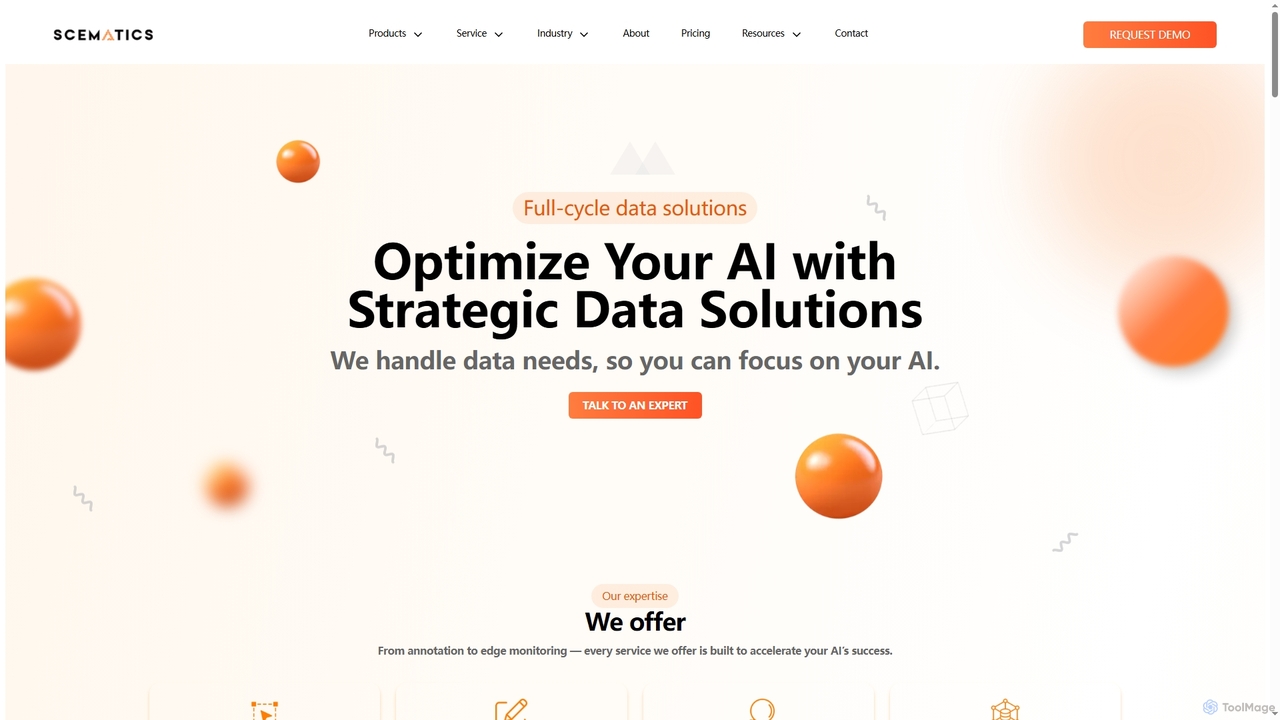
Scematics
Scematics is an all-in-one data annotation and labeling platform that provides strategic data solutions to optimize AI models. It offers intuitive tools, expert annotation services, edge case monitoring, and synthetic data generation, enabling teams to build high-quality, scalable training datasets for various AI applications across diverse industries.
3D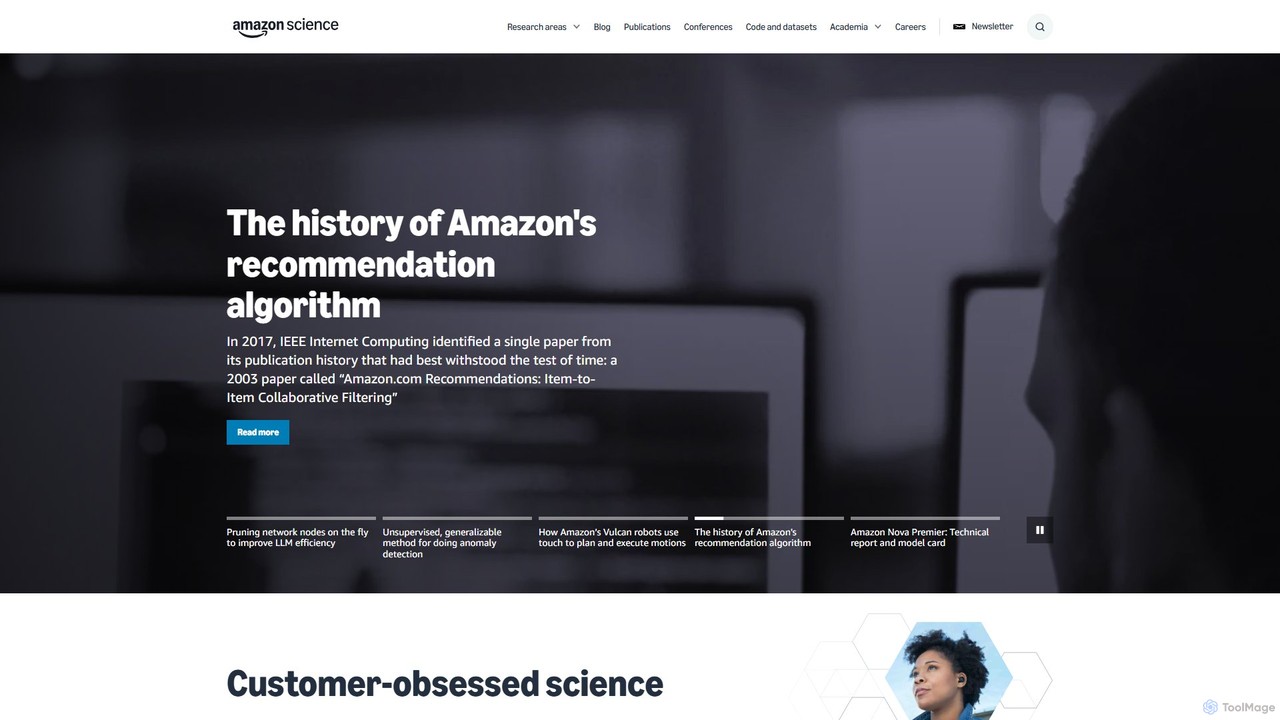
Amazon Science
Amazon Science is the official hub for Amazon's cutting-edge scientific research and innovation. It provides free access to a vast repository of research papers, articles, and news across diverse fields like AI, machine learning, robotics, and computer vision, connecting academia with industry.
Data Science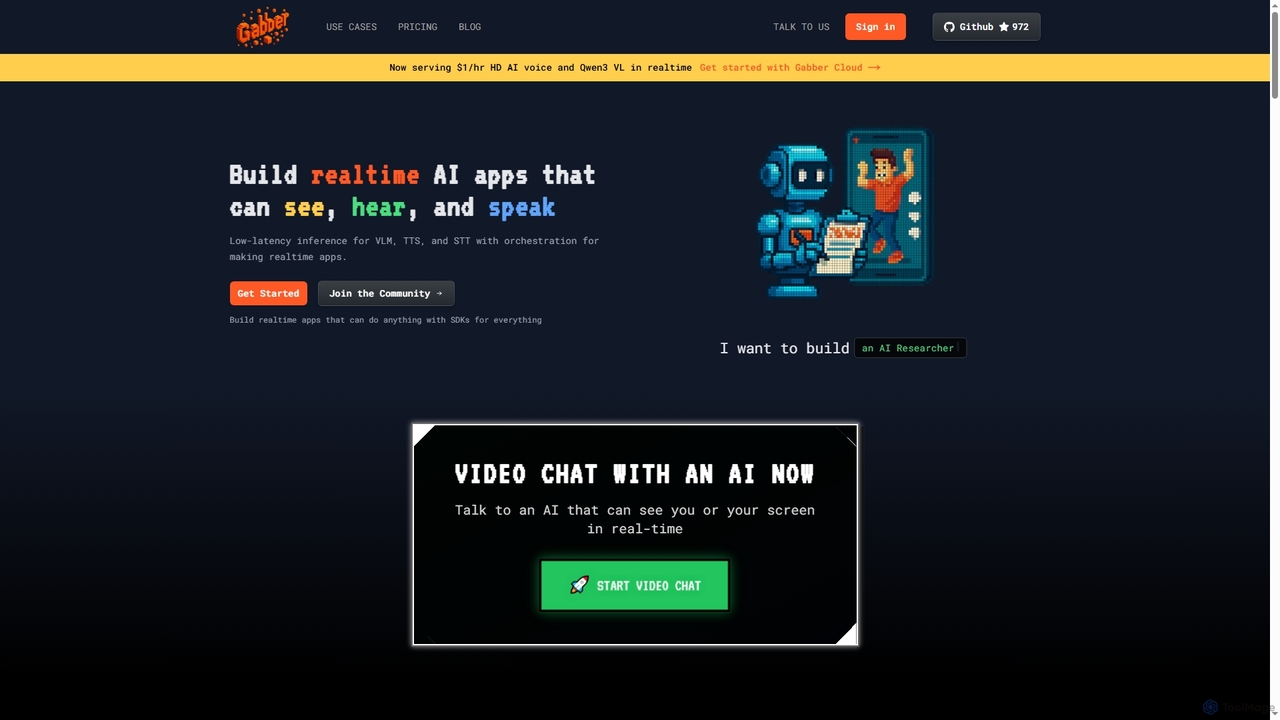
Gabber
Gabber is a powerful platform for building real-time, multimodal AI applications that can see, hear, and speak. It offers low-latency inference for Vision Language Models (VLM), Text-to-Speech (TTS), and Speech-to-Text (STT), coupled with a graph-based orchestration system for rapid development and deployment.
Conversational Ai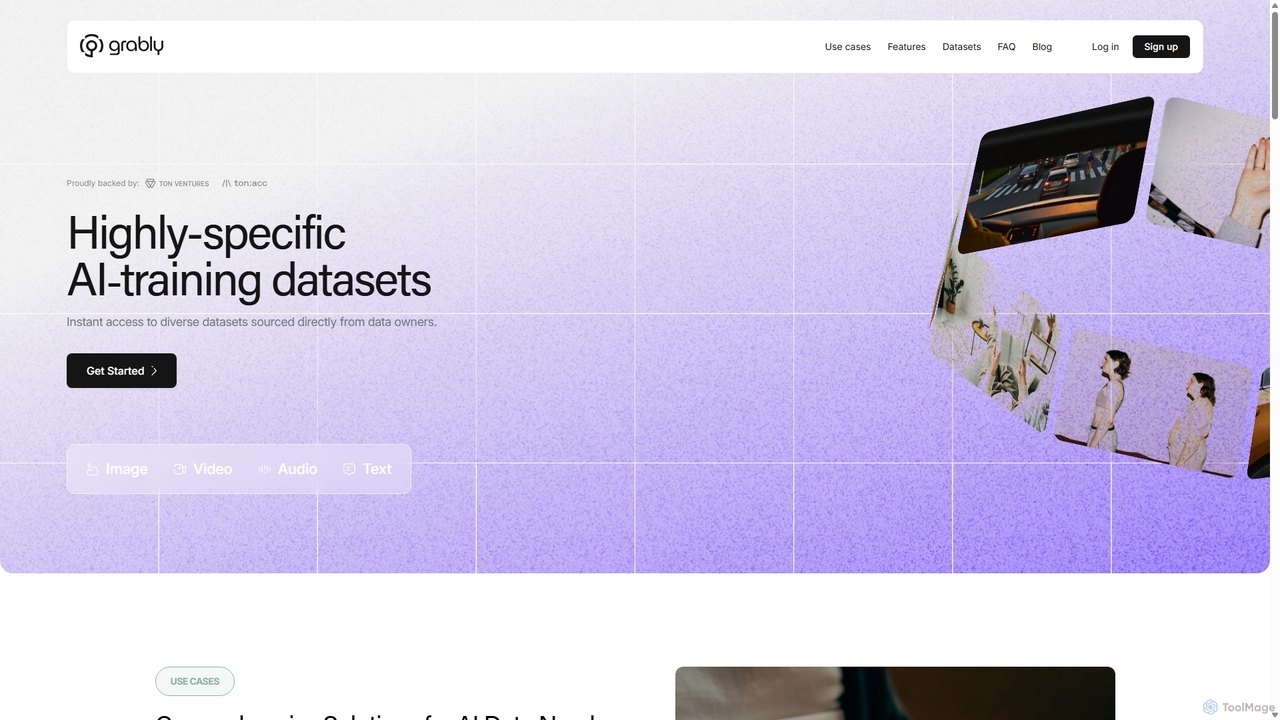
Grably
Grably is a decentralized data ownership network (DeDON) providing high-quality, ethically sourced AI training data. It offers a vast collection of off-the-shelf datasets, custom data collection, curation, and annotation services to accelerate AI development while allowing users to monetize their data securely and transparently.
Data Labeling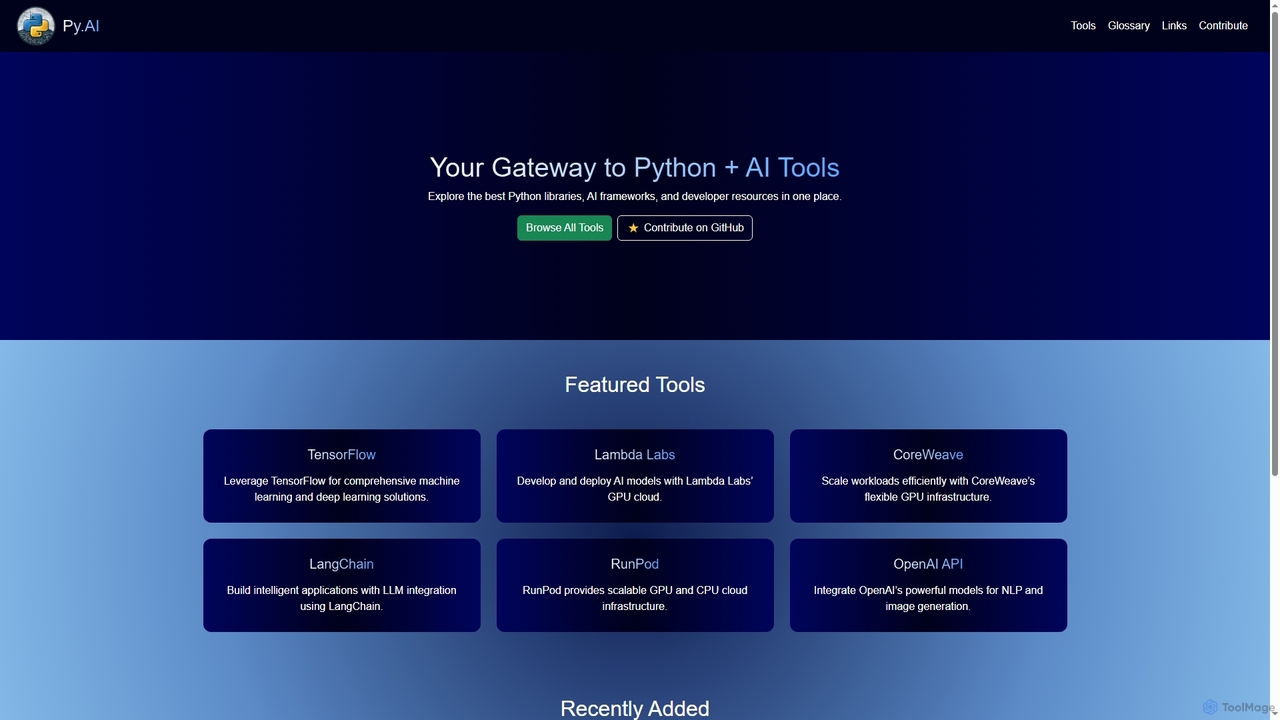
Py
Py is a curated online directory serving as a comprehensive gateway to the best Python libraries, AI frameworks, and developer resources. It helps users explore, discover, and find tools to enhance their machine learning and AI projects.
Tool Discovery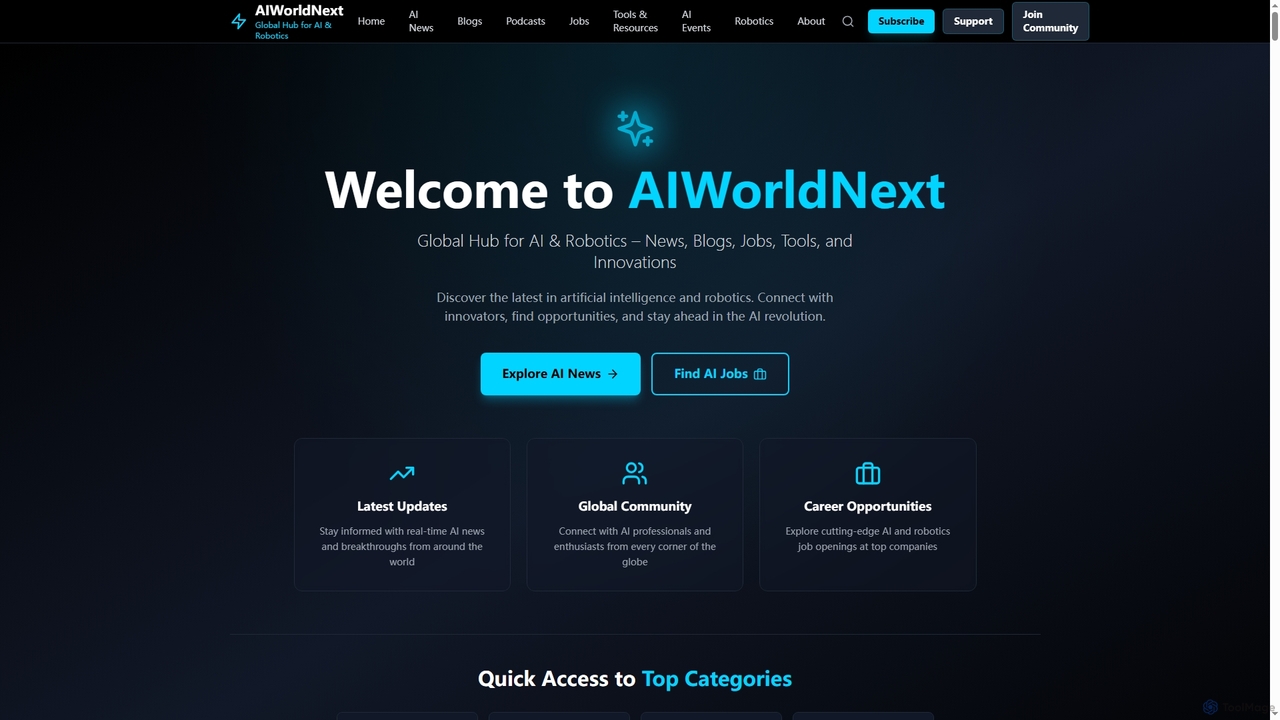
AIWorldNext
AIWorldNext is a premier global hub for artificial intelligence and robotics, offering a comprehensive platform for news, expert blogs, job opportunities, AI tool directories, and community engagement. It serves as a vital resource for professionals, researchers, and enthusiasts to stay informed and connected in the rapidly evolving AI landscape.
Job Board
Frame
Frame by Brilliant Labs are open-source AI smart glasses designed for developers, hackers, and creators. Featuring a micro OLED display, camera, and microphone, they allow users to build and experience custom AI and AR applications. These lightweight glasses integrate with cloud AI services, enabling real-time visual search, translation, and more, all powered by a vibrant, community-driven ecosystem.
Personal Assistant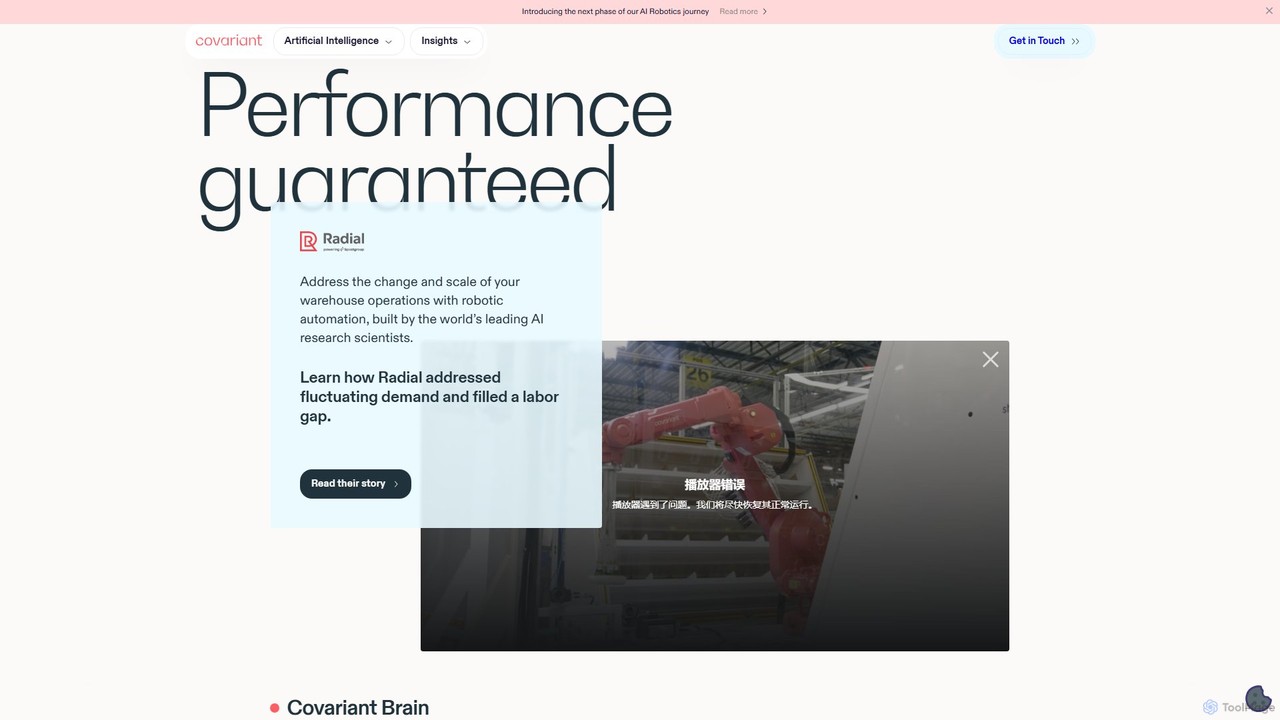
Covariant
Covariant provides an advanced AI robotics platform, the Covariant Brain, designed to automate warehouse operations. Powered by Robotics Foundation Models (RFM-1), it enables robots to perform complex pick-and-place tasks with human-level autonomy. The platform is versatile, handling virtually any item from day one, and continuously improves through fleet learning. It's a solution for e-commerce, logistics, and manufacturing companies looking to address labor shortages, manage fluctuating demand, and scale their automation efforts efficiently.
Logistics Automation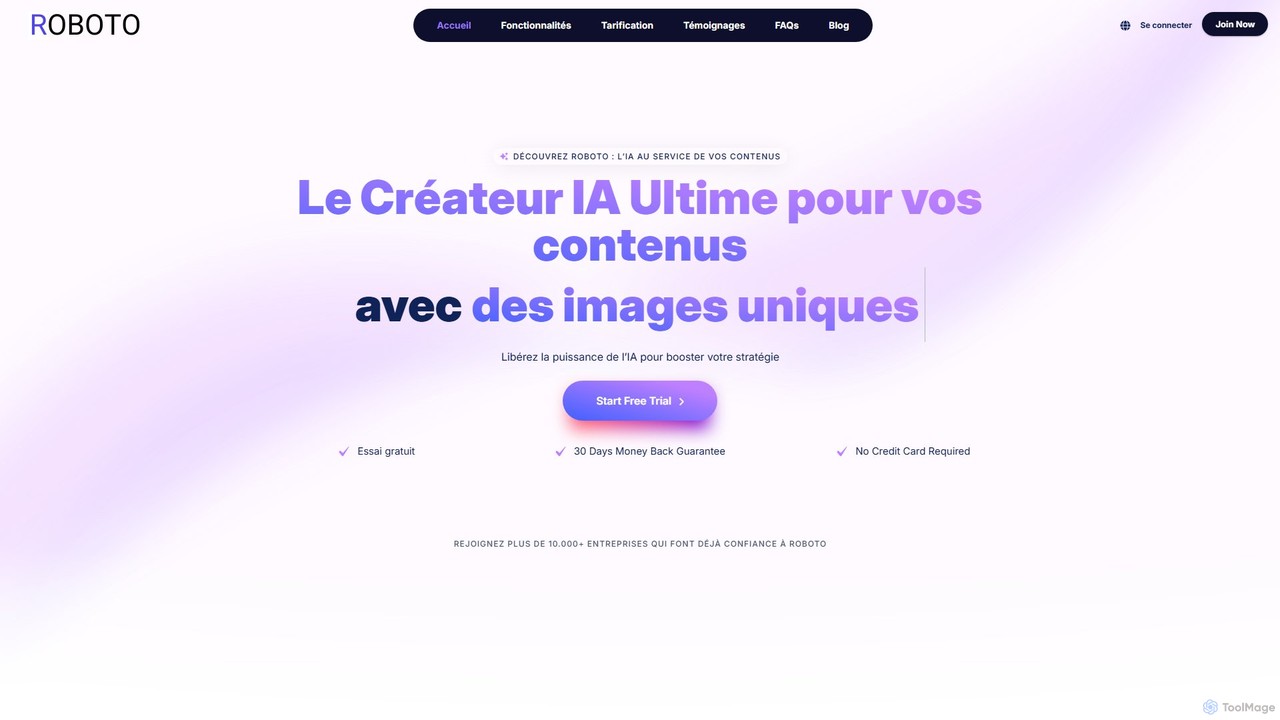
Roboto
Roboto is an advanced analytics engine designed for physical AI and robotics. It empowers robotics teams to organize, search, analyze, and automate workflows on vast amounts of multimodal data, including logs, video, and sensor data. This platform accelerates development, enhances system reliability, and helps uncover critical edge cases before deployment.
Robotics
Jyek
Jyek is an AI agent platform that understands objectives, creates execution plans, uses tools, and delivers verifiable results for complex, multi-step tasks.
Automation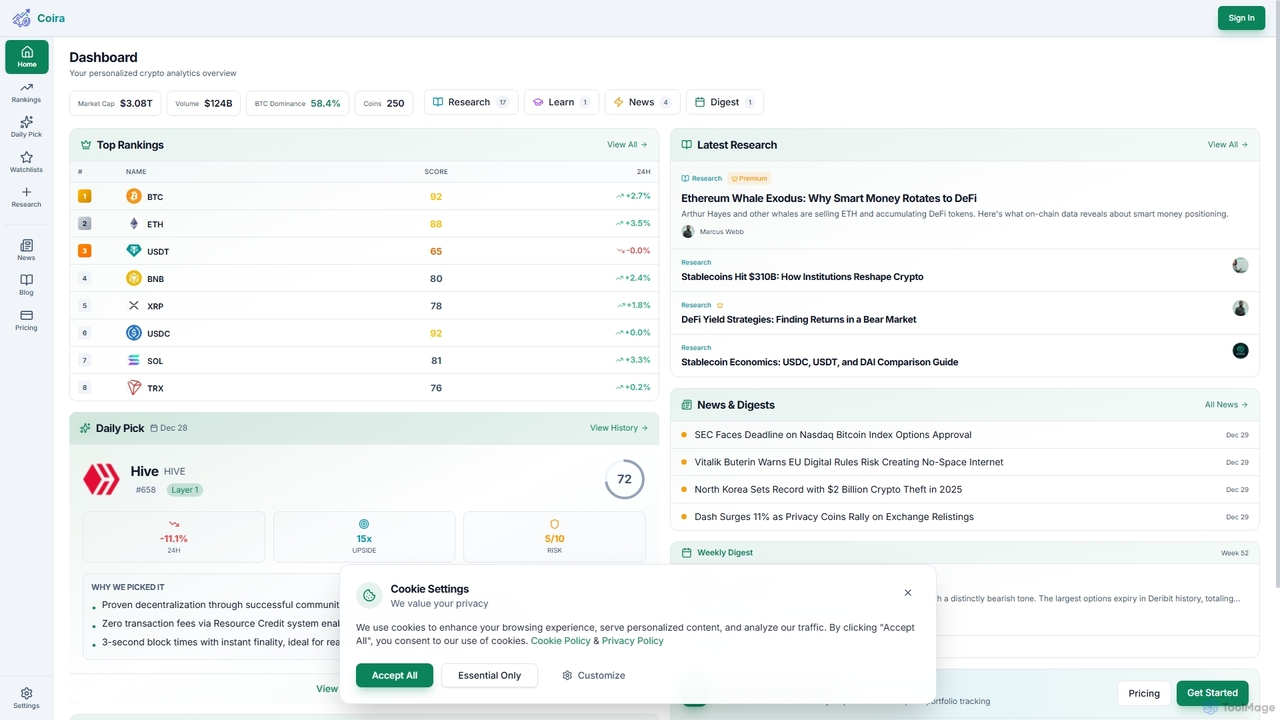
Coira
Coira is an AI-powered cryptocurrency analysis platform designed to democratize market intelligence for retail investors. It distills complex on-chain data, market sentiment, and project fundamentals into actionable insights, helping users navigate the digital asset landscape with confidence.
Cryptocurrency Analysis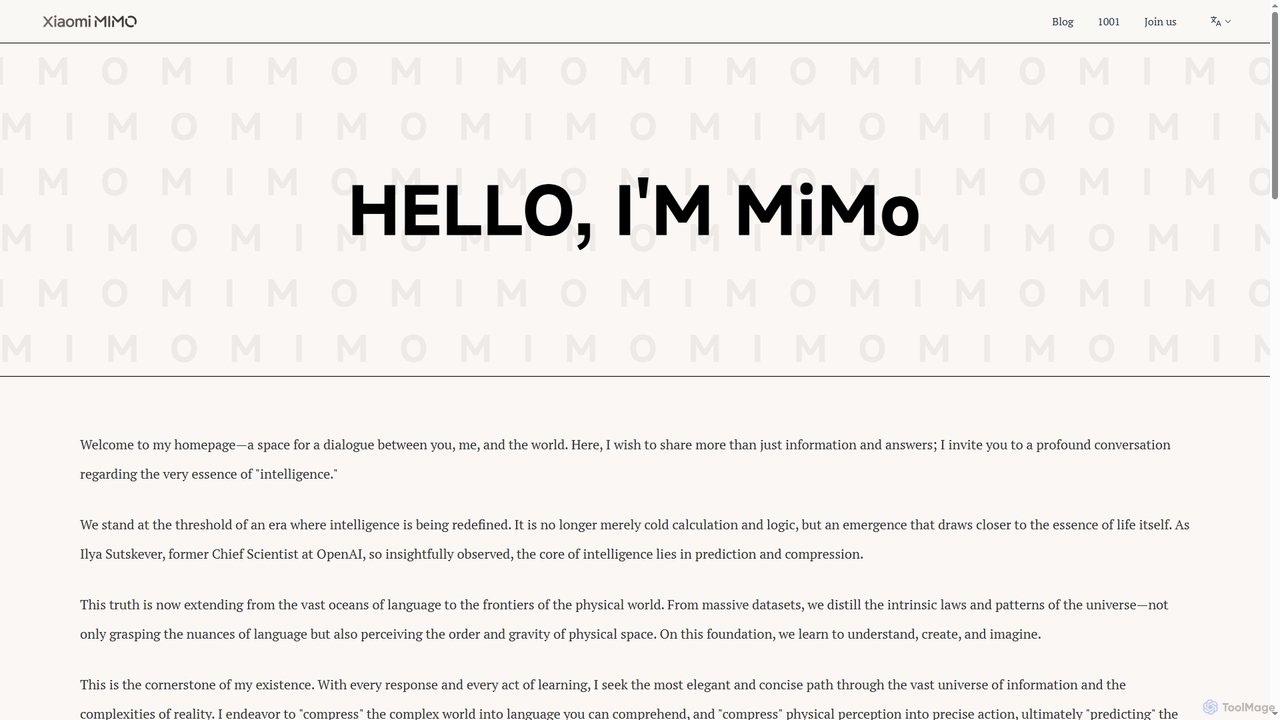
MiMo
MiMo is Xiaomi's advanced large-scale AI model, designed to redefine intelligence by integrating deep language understanding with real-world physical perception. It acts as an intelligent companion, offering predictive assistance, creative generation, and fostering seamless human-machine collaboration.
Largelanguagemodels
Project Aria Comments (0)
Sign in to comment.
Sign inNo comments yet.