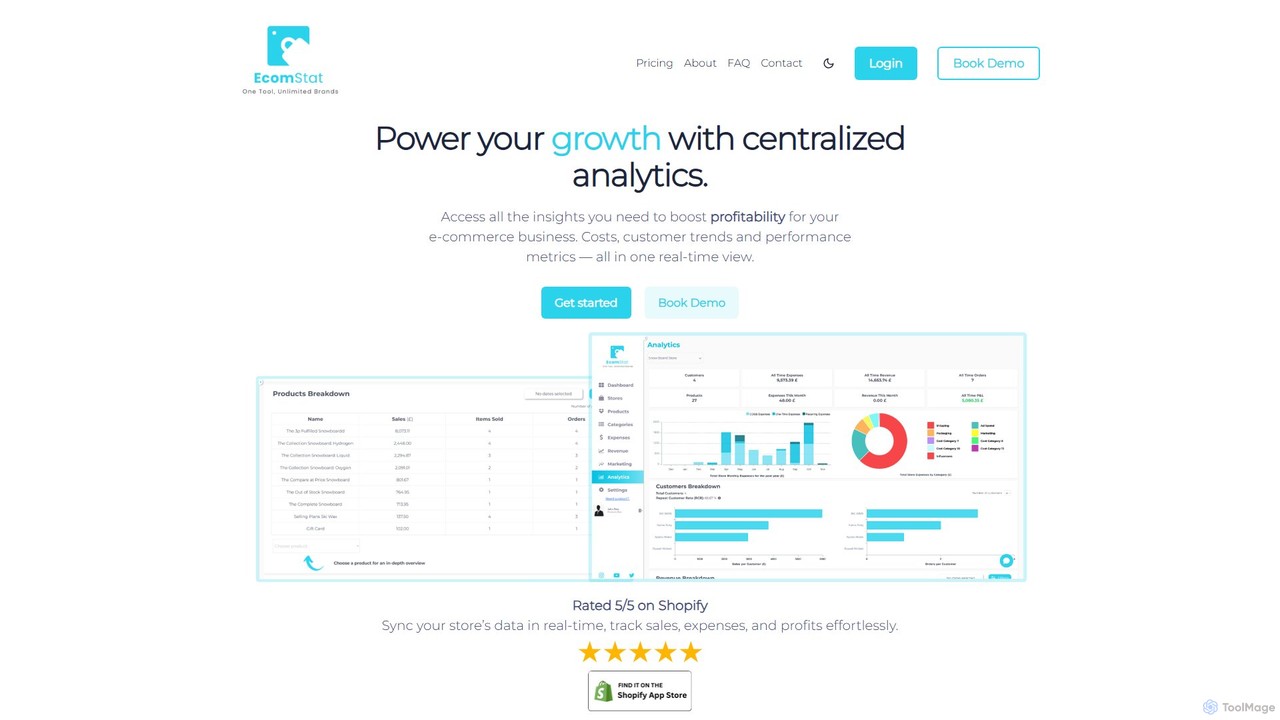
EcomStat is an all-in-one analytics platform for e-commerce businesses. It centralizes data from sales and marketing channels, providing real-time insights into costs, customer trends, and product-level profitability. By integrating with platforms like Shopify, it helps owners track performance, simplify accounting, and make informed decisions to boost revenue and growth, replacing complex spreadsheets with an intuitive dashboard.
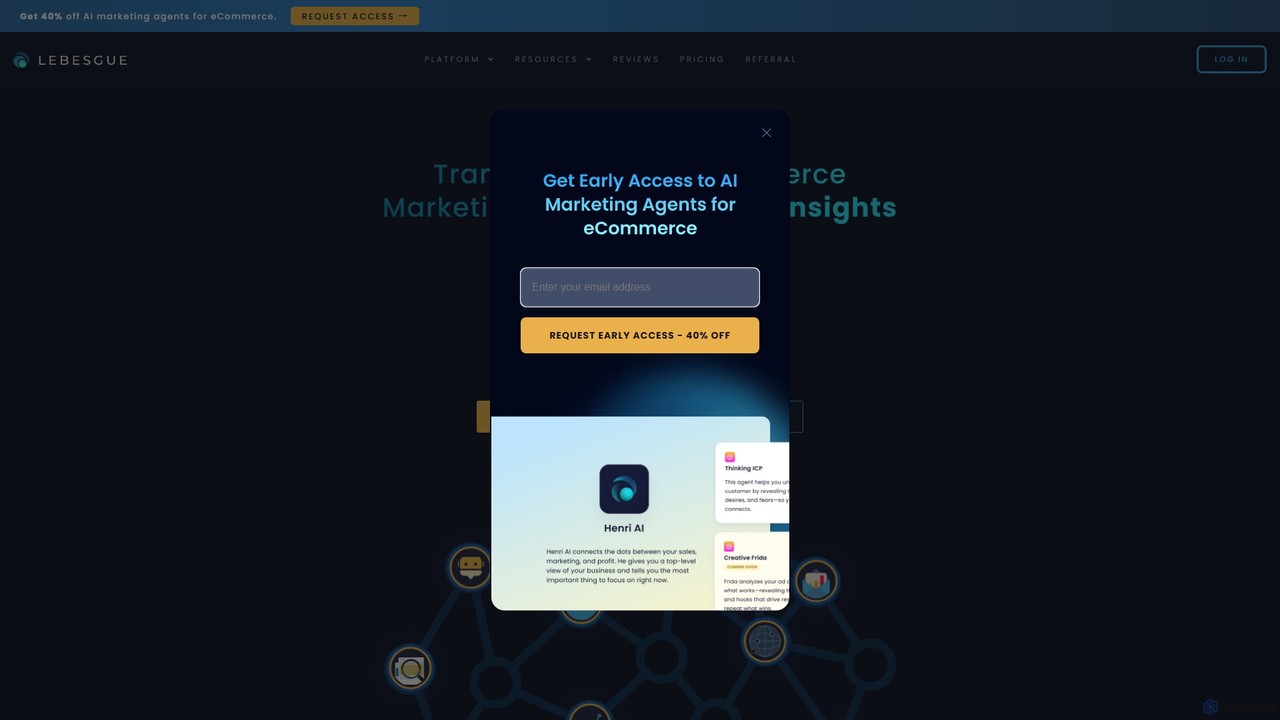
Lebesgue is an AI-powered Chief Marketing Officer (CMO) for e-commerce businesses, particularly on Shopify. It provides a suite of tools for marketing analytics, competitor intelligence, budget optimization, and performance tracking. By integrating with platforms like Facebook, Google, and TikTok, Lebesgue offers actionable insights to boost sales, improve ROAS, and streamline marketing decisions with data-driven clarity.
Product overview
EcomStat Product overview
EcomStat is an all-in-one analytics platform for e-commerce businesses. It centralizes data from sales and marketing channels, providing real-time insights into costs, customer trends, and product-level profitability. By integrating with platforms like Shopify, it helps owners track performance, simplify accounting, and make informed decisions to boost revenue and growth, replacing complex spreadsheets with an intuitive dashboard.
Lebesgue Product overview
Lebesgue is an AI-powered Chief Marketing Officer (CMO) for e-commerce businesses, particularly on Shopify. It provides a suite of tools for marketing analytics, competitor intelligence, budget optimization, and performance tracking. By integrating with platforms like Facebook, Google, and TikTok, Lebesgue offers actionable insights to boost sales, improve ROAS, and streamline marketing decisions with data-driven clarity.
Detailed feature comparison
| Feature | EcomStat | Lebesgue |
|---|---|---|
| Primary category | Analytics | Analytics |
| Added | 2025-08-06 | 2025-08-09 |
| Pricing | Freemium | Freemium |
| Official website | ecomstatapp.com | lebesgue.io |
| Product type | Website | Website |
| Performance data | ||
| User rating | Not verified | Not verified |
| Comments | 0 | 0 |
| Monthly visits | 4.3K | 71.5K |
| Monthly growth | Not verified | 23.3% |
| Favorites | 125 | 103 |
| Details | View details | View details |
EcomStat vs Lebesgue monthly traffic
Compare EcomStat and Lebesgue by monthly reach, traffic trend, visit depth, top regions, and acquisition sources.
How to interpret the traffic data
In the EcomStat vs Lebesgue monthly traffic comparison, EcomStat currently shows 4.3K visits and Lebesgue shows 71.5K; Lebesgue has about 16.6 times the visible traffic of EcomStat, an absolute difference of about 67.2K visits. This reflects visible reach, not feature quality or paid users.
Only Lebesgue has complete third-party traffic details; EcomStat uses visits recorded inside ToolMage. These scopes cannot estimate market share directly, and on-site views should not be treated as the product’s total website traffic.
EcomStat monthly traffic:
Latest traffic
Lebesgue monthly traffic:
Latest traffic
Monthly traffic trend
- 2025/9: 62.8K Monthly visits
- 2026/1: 78.2K Monthly visits
- 2026/2: 66.9K Monthly visits
- 2026/3: 74.9K Monthly visits
- 2026/4: 58K Monthly visits
- 2026/5: 71.5K Monthly visits
Top regions
Top 5 countries/regions
| Country/region | Percentage | Traffic |
|---|---|---|
| 🇺🇸United States | 36.97% | 26.4K |
| 🇪🇸Spain | 24.15% | 17.3K |
| 🇳🇬Nigeria | 15.68% | 11.2K |
| 🇬🇧United Kingdom | 12.47% | 8.9K |
| 🇮🇹Italy | 10.73% | 7.7K |
Search keywords
Usage comparison
Compare the core capabilities of EcomStat and Lebesgue
EcomStat Core features
Lebesgue Core features
Use cases
EcomStat Use cases
Lebesgue Use cases
EcomStat vs Lebesgue:In-depth comparison and selection guidance
First decide whether the products solve the same kind of need
This in-depth EcomStat vs Lebesgue comparison uses only the product records, taxonomy, audience, traffic, and community signals available on this page. EcomStat is primarily listed under “Analytics”, while Lebesgue is primarily listed under “Analytics”, so the first decision is whether your actual task matches their recorded scope.
The structured fields currently show these decision-relevant differences: Primary category (EcomStat: Analytics; Lebesgue: Analytics); Monthly visits (EcomStat: 4.3K; Lebesgue: 71.5K); Favorites (EcomStat: 125; Lebesgue: 103); Website (EcomStat: ecomstatapp.com; Lebesgue: lebesgue.io); Added (EcomStat: 2025-08-06; Lebesgue: 2025-08-09). These facts are more useful for selection than brand visibility alone.
What market visibility and monthly traffic mean
In the EcomStat vs Lebesgue monthly traffic comparison, EcomStat currently shows 4.3K visits and Lebesgue shows 71.5K; Lebesgue has about 16.6 times the visible traffic of EcomStat, an absolute difference of about 67.2K visits. This reflects visible reach, not feature quality or paid users.
Only Lebesgue has complete third-party traffic details; EcomStat uses visits recorded inside ToolMage. These scopes cannot estimate market share directly, and on-site views should not be treated as the product’s total website traffic.
The current traffic scope is not sufficient for a reliable product ranking. Treat monthly visits as a market-interest signal, then decide using taxonomy, use cases, pricing, and a like-for-like trial rather than reading exposure as product capability.
Product positioning, use cases, and roles
EcomStat and Lebesgue currently overlap in shared categories: Business Intelligence; shared tags: business intelligence, e-commerce, marketing analytics, and Shopify. This can place both on the same shortlist, but it does not prove equal implementation, depth, or cost.
EcomStat's unique categories/tags are Analytics, Accounting, analytics, data visualization, expense management, financial reporting, profit tracking, and SKU analysis; Lebesgue's are Analytics, E Commerce, ad optimization, ai cmo, attribution, competitor analysis, first-party data, and ROAS. These unique fields are the strongest differentiators: validate the product whose recorded scope matches the task instead of following traffic alone.
What ratings, comments, and favorites can tell you
EcomStat has no verified rating, 0 comments, 125 favorites, and 145 likes;Lebesgue has no verified rating, 0 comments, 103 favorites, and 94 likes。
Neither product has enough rating or comment samples for a credible reputation ranking.
Selection guidance by actual need
When to evaluate EcomStat first
Put EcomStat on the priority trial list when the task aligns with “Analytics” and especially Analytics, Accounting, analytics, data visualization, expense management, and financial reporting. This follows recorded positioning and does not imply unlisted capabilities are absent.
EcomStat also currently records: pricing is freemium, product type is website, 4.3K on-site monthly views, no verified user rating. Verify any hard requirement around price, platform, or reach before trial, and do not let sparse review data substitute for testing.
When to evaluate Lebesgue first
Put Lebesgue on the priority trial list when the task aligns with “Analytics” and especially Analytics, E Commerce, ad optimization, ai cmo, attribution, and competitor analysis. This follows recorded positioning and does not imply unlisted capabilities are absent.
Lebesgue also currently records: pricing is freemium, product type is website, 71.5K verified monthly visits, no verified user rating. Verify any hard requirement around price, platform, or reach before trial, and do not let sparse review data substitute for testing.
How to validate the recommendation before deciding
The available data describes positioning, public visibility, and community signals, but it cannot prove output quality, speed, integration effort, privacy, or long-term cost in your workflow. Before deciding, run the same representative tasks in EcomStat and Lebesgue, then record completion time, accuracy, manual corrections, and the real paid threshold. A like-for-like trial turns this comparison into a defensible adoption decision.
Comparison FAQ
How should I choose between EcomStat and Lebesgue?
Where does this comparison data come from?
What do unknown fields mean?
Related AI tools

WorkMagic
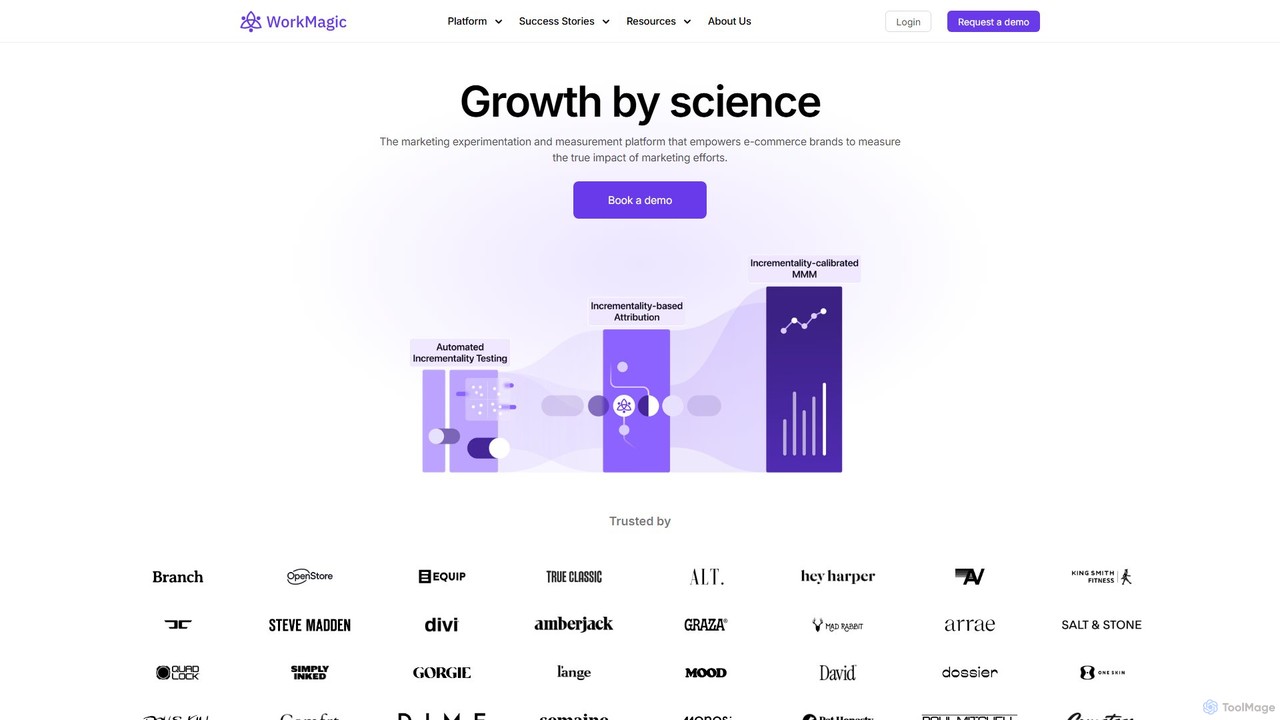
WorkMagic is an AI-powered marketing experimentation and measurement platform for e-commerce brands. It uses a scientific approach, including incrementality measurement and marketing mix modeling (iMMM), to reveal the true impact of marketing efforts, helping businesses optimize ad spend and significantly improve marketing efficiency (MER) and ROAS.
Business Intelligence
Odus
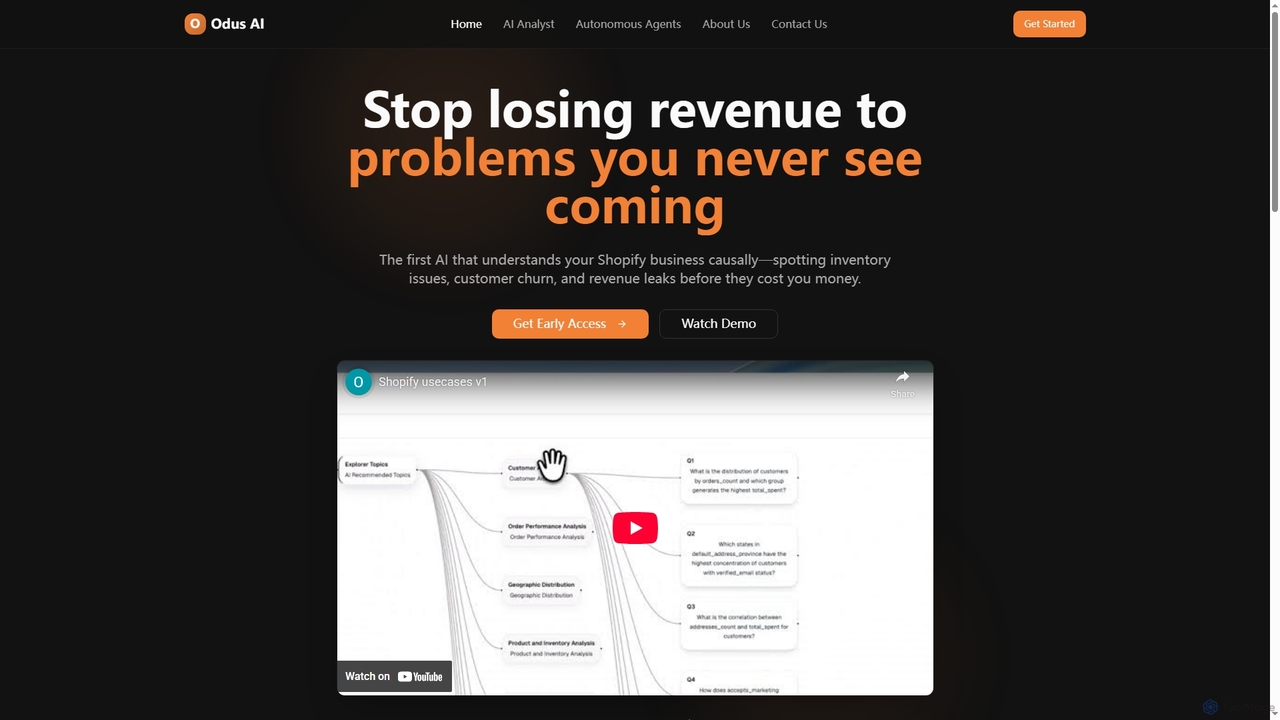
Odus is an advanced AI platform for Shopify merchants, offering an AI Analyst for instant, natural language insights and Autonomous Agents that proactively protect revenue by detecting issues like inventory problems, customer churn, and revenue leaks 24/7.
Retention
ChartGen
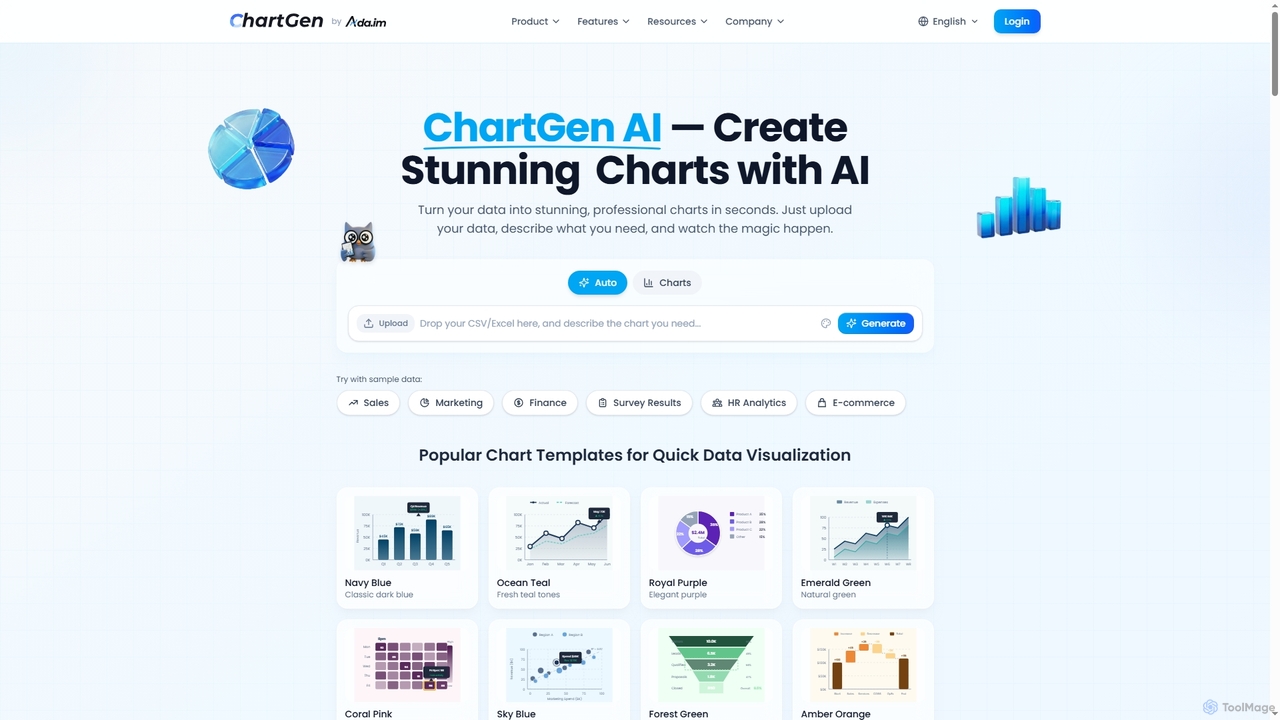
ChartGen is an AI-powered chart generator that transforms raw data into stunning, professional visualizations in seconds. Users simply upload CSV or Excel files, describe their desired chart in plain English, and the AI instantly creates various chart types like bar, line, and pie charts. It's designed for quick, effortless data visualization without requiring design or coding skills.
Charts & Graphs
Adzviser
Adzviser is an AI-powered marketing analytics platform that lets you talk to your data. It integrates with sources like Google Ads, Meta Ads, and Shopify, and sends data to destinations like ChatGPT, Claude, Google Sheets, and Looker Studio. Streamline reporting, gain insights through natural language queries, and automate your data workflows. Ideal for agencies, marketers, and e-commerce businesses.
Marketing Analytics
AudiencePlus
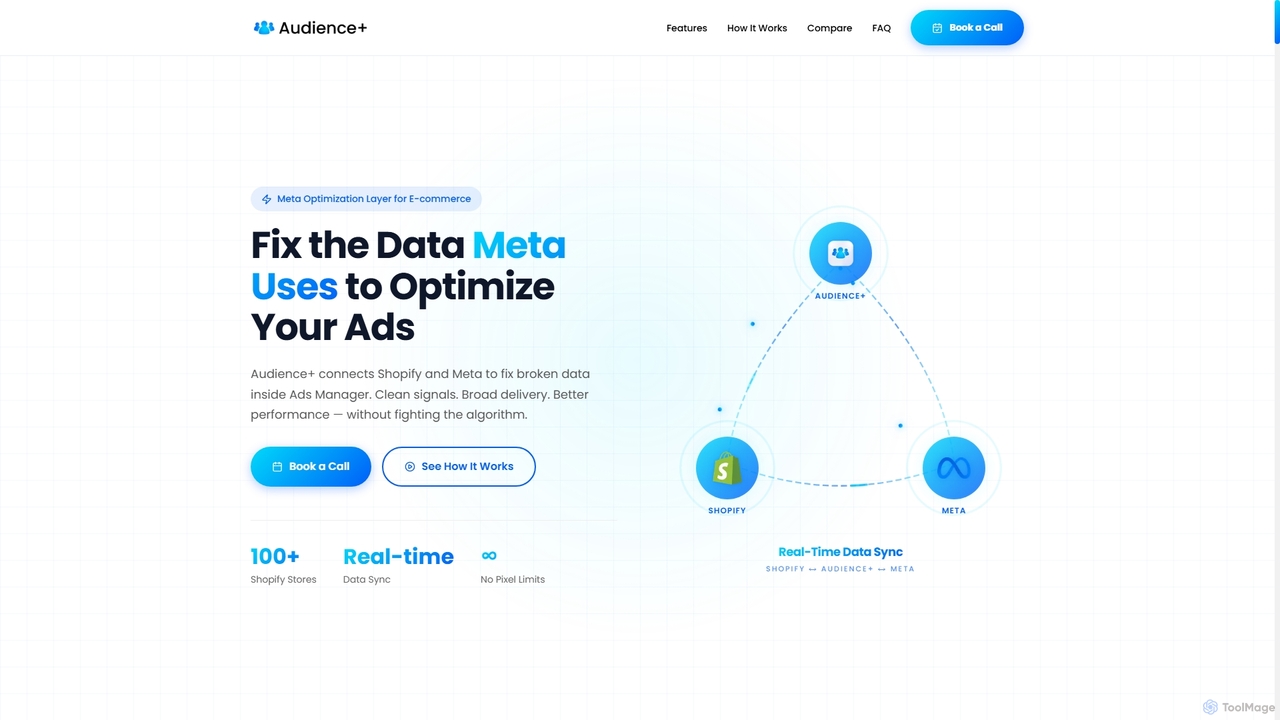
AudiencePlus is an AI-powered Meta optimization layer for e-commerce brands, specifically designed for Shopify stores. It connects Shopify and Meta to rectify broken data within Ads Manager, providing clean, structured, and algorithm-friendly signals. This enhances broad campaign performance by overcoming limitations like the 180-day pixel window and incomplete iOS tracking data, ultimately improving ad optimization and ROAS.
Performance Marketing
Growify
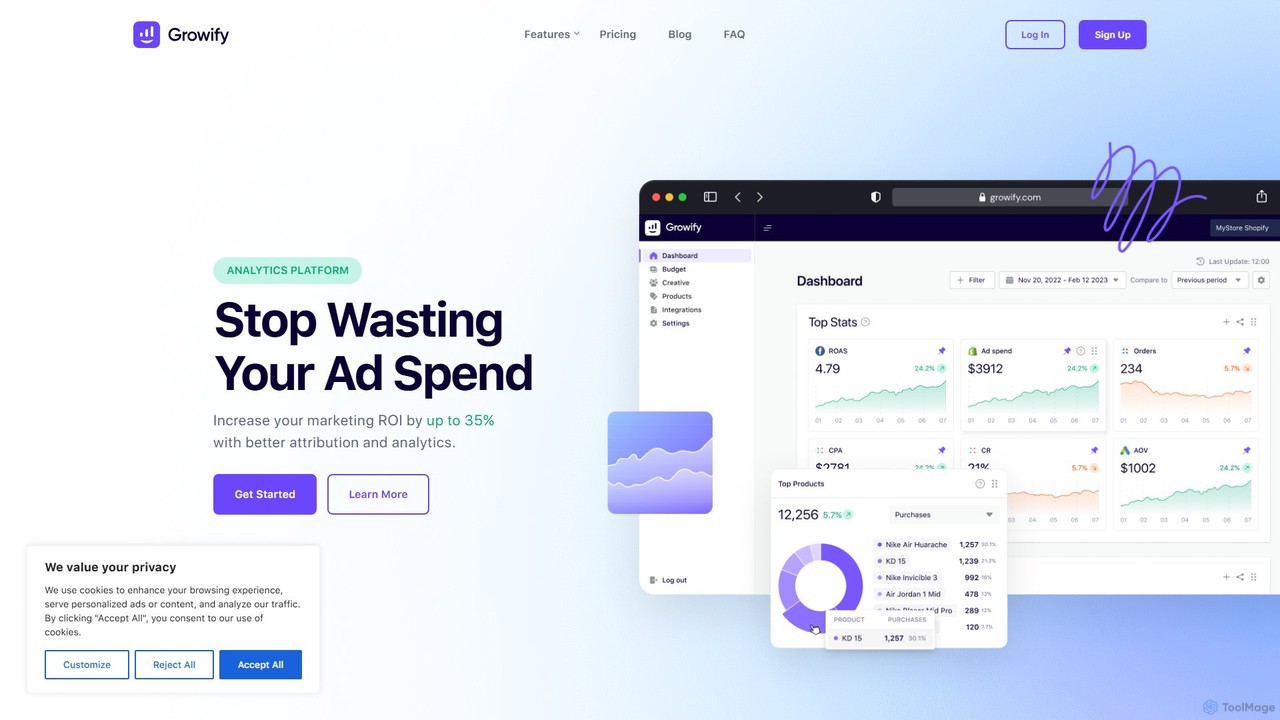
Growify is an AI-powered marketing analytics and attribution platform for e-commerce. It unifies data from all marketing channels, offering deep insights into customer journeys, creative performance, and budget allocation. By using advanced attribution models and a real-time dashboard, Growify helps brands increase marketing ROI by up to 35% and make smarter, data-driven decisions.
Optimization
ifalloo
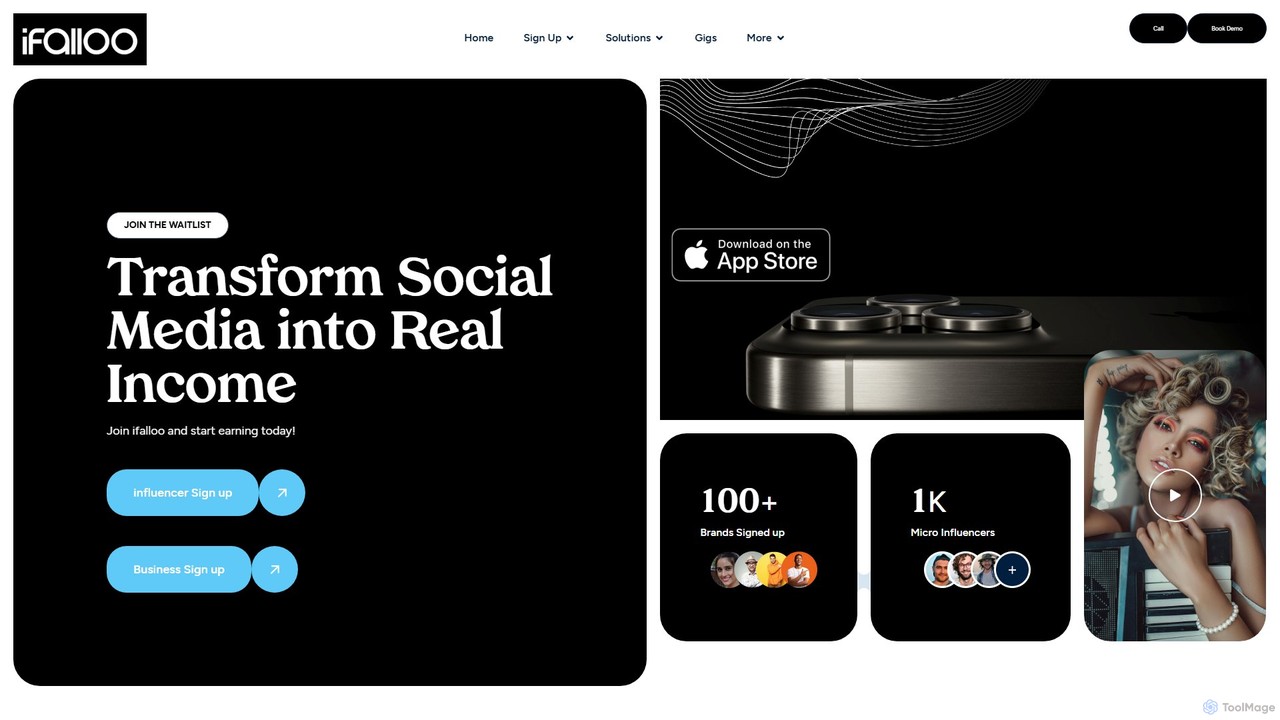
ifalloo is a comprehensive AI-powered platform designed for both creators and businesses. It enables influencers to monetize their social media presence through paid campaigns, while offering businesses a suite of tools including an AI content studio for visuals, a marketing intelligence solution (deep Market IQ) for data-driven insights, and an influencer discovery platform.
Image Generation
REVER
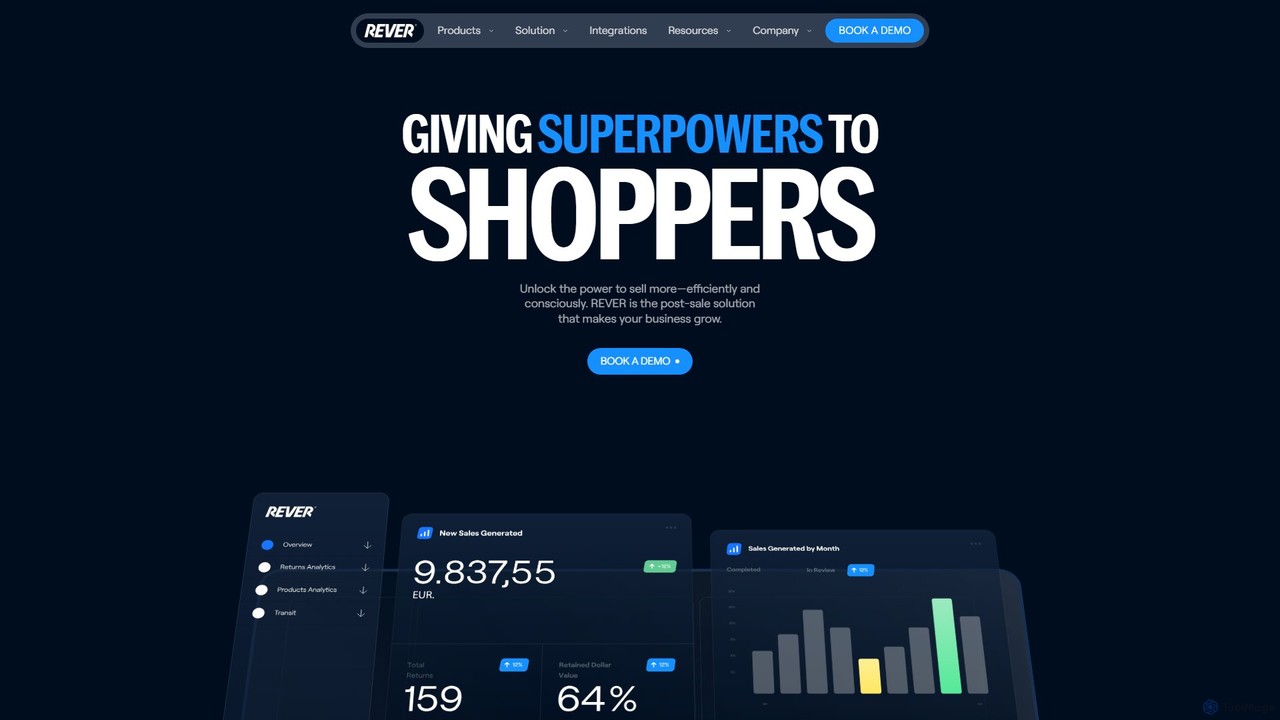
REVER is an AI-powered returns management platform for e-commerce businesses. It streamlines the entire returns process, from automation and logistics to customer communication. By encouraging exchanges over refunds and providing actionable data insights, REVER helps brands increase customer satisfaction, retain revenue, reduce operational costs, and improve overall efficiency in their reverse logistics.
Analytics
Polar Analytics
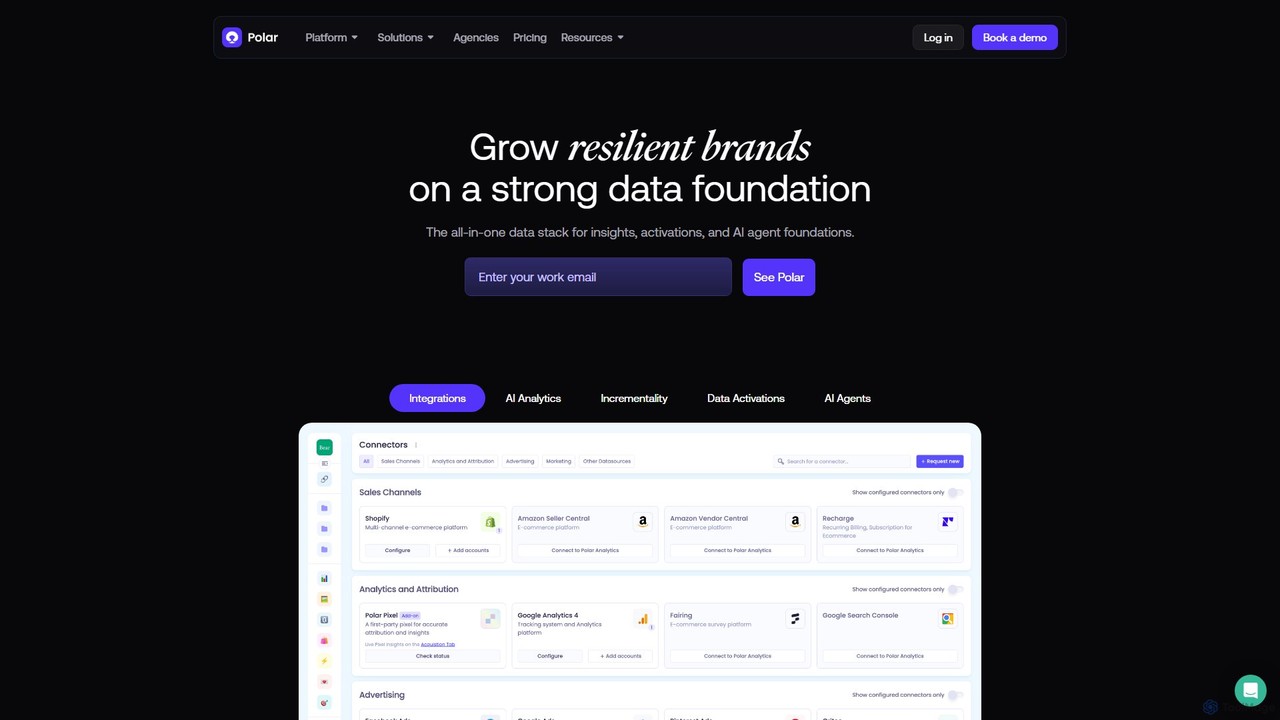
Polar Analytics is an all-in-one AI-powered data platform for e-commerce brands, primarily on Shopify. It centralizes data from all sources into a single dashboard, providing actionable insights on key metrics like LTV and CAC. It enhances marketing with server-side tracking, data activation for email and ads, and AI agents to automate campaigns, helping brands grow faster and more profitably.
Analytics
Assisty
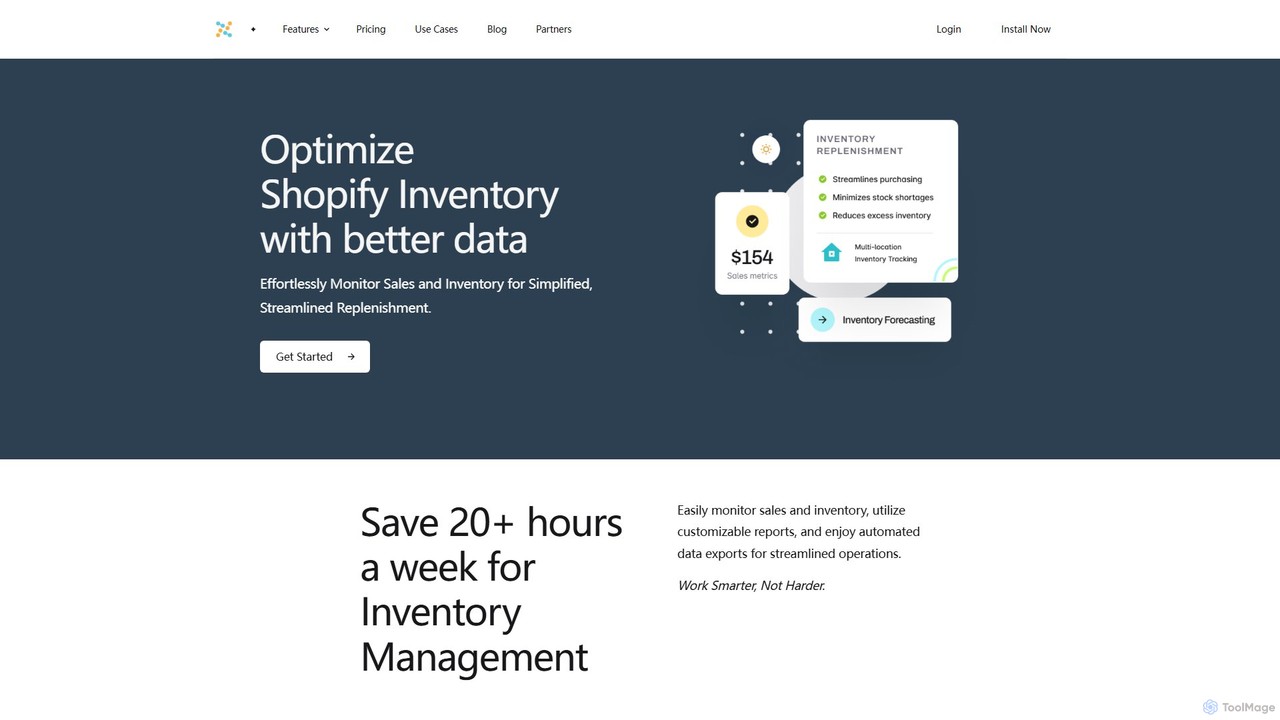
Assisty is an AI-powered inventory management and forecasting application for Shopify merchants. It helps businesses optimize stock levels, automate replenishment, and make data-driven decisions to prevent stockouts and overstocking, ultimately improving efficiency and profitability.
Forecasting
uniqin.ai
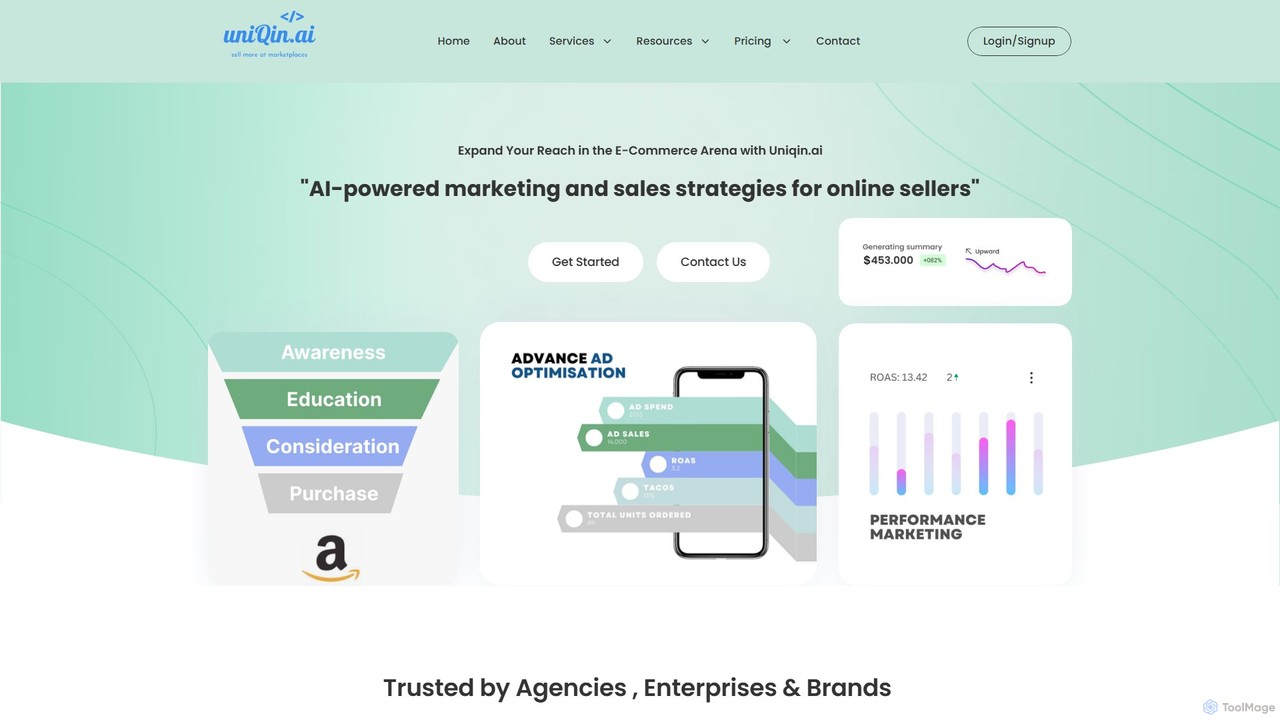
uniqin.ai is an AI-powered platform designed for e-commerce sellers, particularly on Amazon, to optimize marketing and sales strategies. It offers advanced analytics, Amazon Ads optimization, dynamic pricing, and listing enhancements. By providing real-time insights and automated reporting via WhatsApp and email, uniqin.ai helps businesses increase revenue, improve efficiency, and make data-driven decisions to scale their online growth.
Business Intelligence
Amaro Analytics
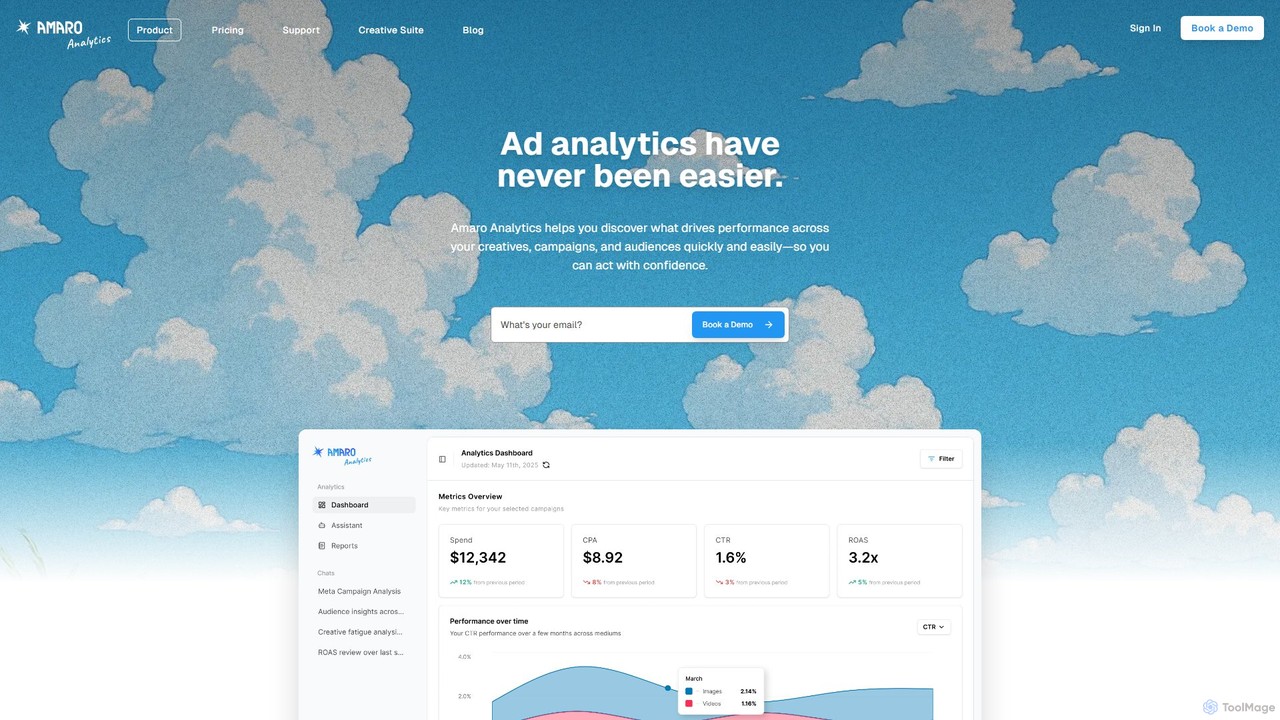
Amaro Analytics is an AI-powered ad analytics platform that unifies data from all your advertising channels (Meta, TikTok, etc.) and CRM. It replaces complex dashboards with a simple chat interface, allowing you to ask questions in plain English and get instant, actionable insights to optimize your campaigns and boost ROI.
Advertising Analytics
OWOX BI
OWOX BI is a comprehensive marketing analytics and business intelligence platform designed to consolidate all marketing data into Google BigQuery. It helps businesses build reports, calculate performance metrics, and create data-driven attribution models to optimize advertising spend and improve ROI.
Business Intelligence
Supaboard
Supaboard is an AI-powered business intelligence platform that connects all your data sources into a unified hub. It transforms raw data into actionable insights and live dashboards, allowing teams to make data-backed decisions quickly without needing to write code or wrangle spreadsheets.
Business Intelligence
menza
menza is an AI-powered data analysis platform that transforms business data into actionable strategic insights in seconds. It allows non-technical users to analyze data, build interactive dashboards, and collaborate on decisions using plain language and a simple interface.
Business Intelligence