
Elementy
vs
Syntux
A comprehensive comparison of the core features, performance, user experience, and pricing strategies of two excellent AI tools
Providing objective and detailed selection advice based on real data and user feedback
Overview
Elementy Overview
Instantly generate production-ready UI components with Elementy's AI. Accelerate React development, eliminate boilerplate, and customize clean, modern interfaces with ease.
Syntux Overview
Syntux is an AI-powered developer tool for building generative web UIs. Accelerate front-end development, prototype rapidly, and automate UI creation with its powerful command-line interface.
Detailed Feature Comparison
Comprehensive comparison of the core features and characteristics of two AI tools
| Features | Elementy | Syntux |
|---|---|---|
| Main Categories | Ui Design | Front End Development |
| Inclusion Date | 2026-01-13 | 2026-01-12 |
| Pricing Type | Freemium | Is Paid |
| Official Website | https://elementy.io/ | https://www.getsyntux.com/ |
| Tool Type | Website | Website |
| Performance Data | ||
| User Rating | No Rating Yet | No Rating Yet |
| User Reviews | 0 reviews | 0 reviews |
| Monthly Visits | 1.4K | 2.7K |
| Details | View Details | View Details |
Compare Traffic / Monthly Visits
Elementy's traffic
Elementy Current monthly visible visits are 1.4K.
Latest Traffic
Monthly Traffic Trend
Geography
Top 5 Countries/Regions
| Country/Region | Percentage | Traffic |
|---|---|---|
|
🇺🇸
United States
|
100.00% | 1.4K |
Popular Keywords
Syntux's traffic
Syntux Current monthly visible visits are 2.7K. This value comes from on-site visit statistics, with no complete third-party traffic analysis available.
Latest Traffic
Usage Comparison
Compare Elementy and Syntux 's Advantages
Elementy's Core Features
Syntux's Core Features
Use Cases
Understand the specific application scenarios and functional characteristics of the two AI tools
Elementy Use Cases
Syntux Use Cases
Applicable Job
Learn which professions and roles are suitable for using these two AI tools
Elementy Applicable Job
Syntux Applicable Job
Elementy vs Syntux:In-depth Comparison Analysis and Selection Recommendations
Comprehensive comparison and evaluation based on real data and user feedback
Market Performance and User Preference Analysis
- Core positioning: Elementy leans more toward Ui Design, while Syntux leans more toward Front End Development.
- Traffic Signal: Syntux currently has higher monthly traffic, serving as a reference for market attention.
- Neither tool has reviewed ratings yet; it is recommended to prioritize comparing functional positioning, price, and actual trial experience.
Syntux has about 2.7K monthly visits, higher than Elementy at 1.4K. Use this as a signal of market attention, not as product quality by itself.
In-depth Analysis of User Engagement
Elementy has relatively complete traffic analysis records, while Syntux currently uses on-platform monthly visits as the primary reference.
User Reviews vs. Community Feedback
Elementy has no reviewed ratings yet. Syntux has no reviewed ratings yet.
Product Positioning and Application Scenario Analysis
Elementy is in Ui Design with a Freemium pricing model; Syntux is in Front End Development with a Unknown pricing model. Prioritize fit for your specific tasks rather than traffic or default ratings alone.
Frequently Asked Questions
FAQs about these two tools to help you better understand their features and differences
What are the biggest differences between the two?
Elementy is primarily positioned in Ui Design, while Syntux is primarily positioned in Front End Development. Which one suits you depends on which type of use case and workflow you need more.
Which tool is better to try first?
Syntux currently has higher market attention, making it suitable for initial understanding; the final decision should still be based on specific functional needs after trial.
How should ratings and traffic data be interpreted?
Ratings only count reviewed user comments; no default 5-star rating is given when there are no comments. Traffic is used to gauge market attention but cannot solely represent product quality.
Related Tool Recommendations
Discover more excellent AI tools of the same kind
v0
v0 is an AI agent by Vercel that helps anyone create real code, full-stack apps, and intelligent agents …
v0 is an AI agent by Vercel that helps anyone create real code, full-stack apps, and intelligent agents from natural language prompts, enabling rapid prototyping and deployment.
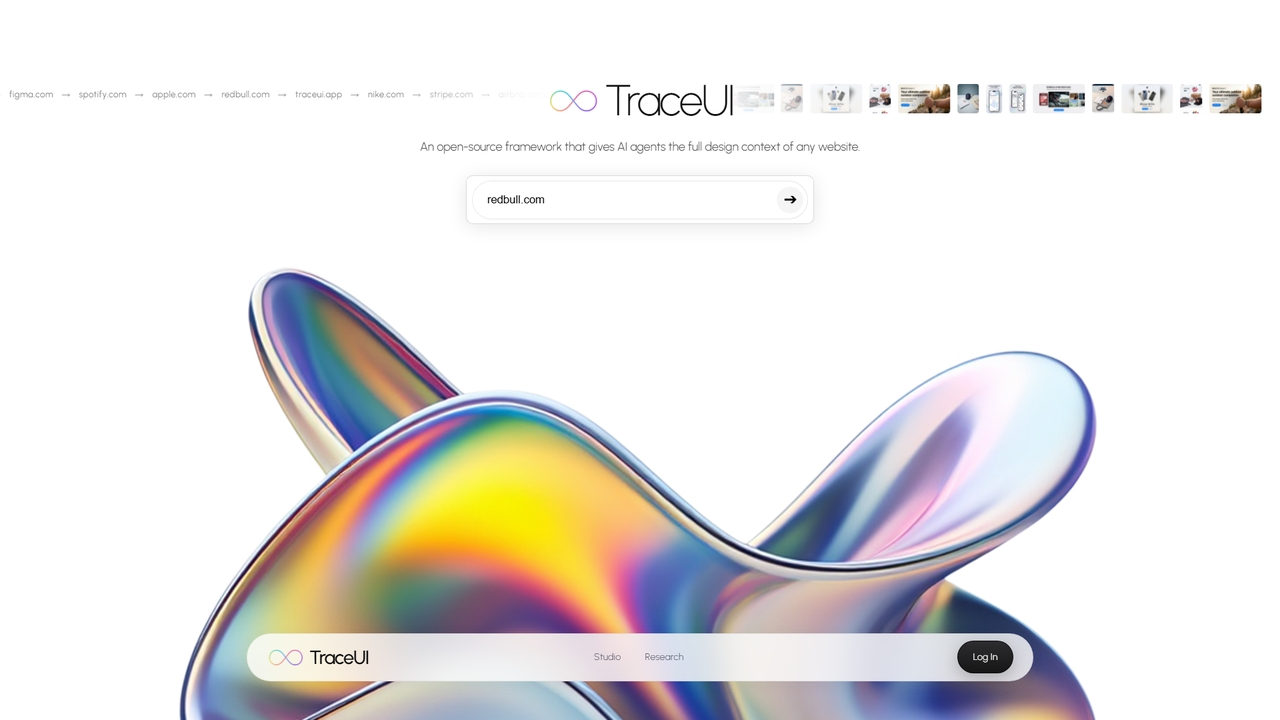
TraceUI
An open-source framework that gives AI agents the full design context of any website, enabling brand-consistent ad generation …
An open-source framework that gives AI agents the full design context of any website, enabling brand-consistent ad generation and mockup creation.

Pi
A minimal, highly customizable terminal coding agent that adapts to your workflows. Pi leverages multiple AI providers and …
A minimal, highly customizable terminal coding agent that adapts to your workflows. Pi leverages multiple AI providers and models, offers extensive extension capabilities, and provides various interaction modes for developers.
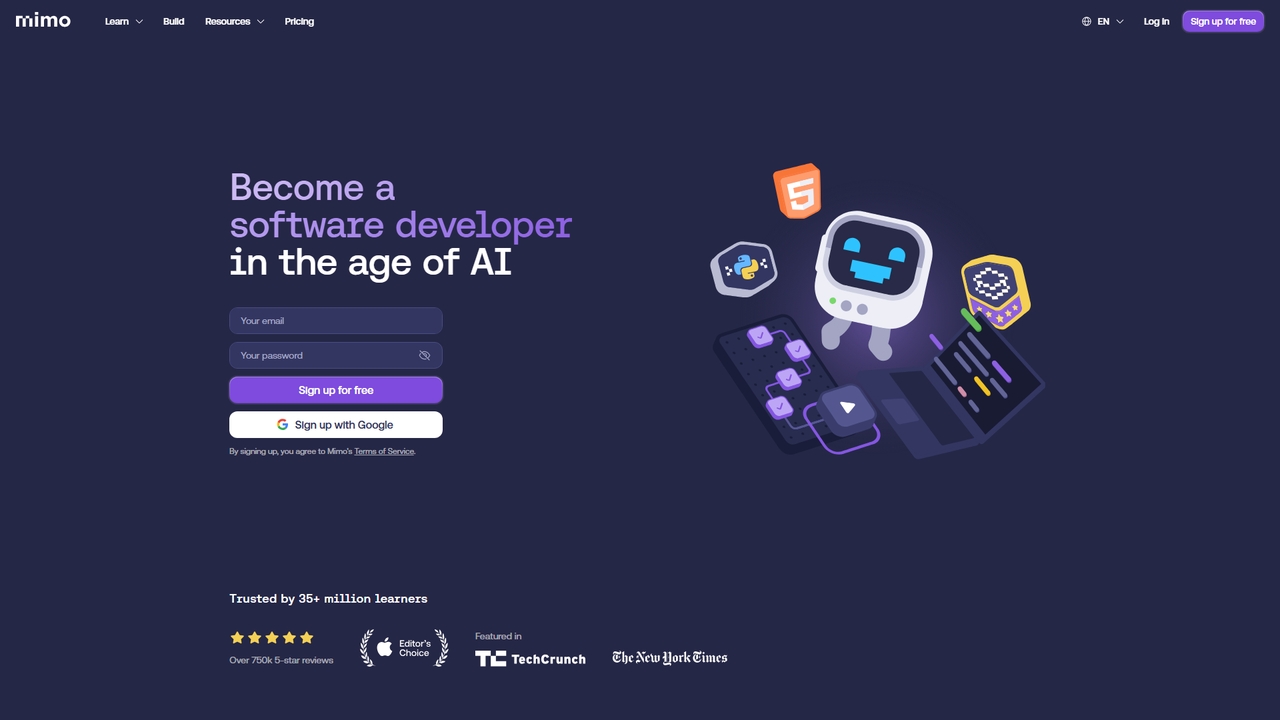
Mimo
An interactive, AI-powered coding learning platform trusted by over 35 million learners. It offers structured career paths in …
An interactive, AI-powered coding learning platform trusted by over 35 million learners. It offers structured career paths in full-stack, Python, front-end, and back-end development through step-by-step lessons, hands-on practice, and real-world projects.
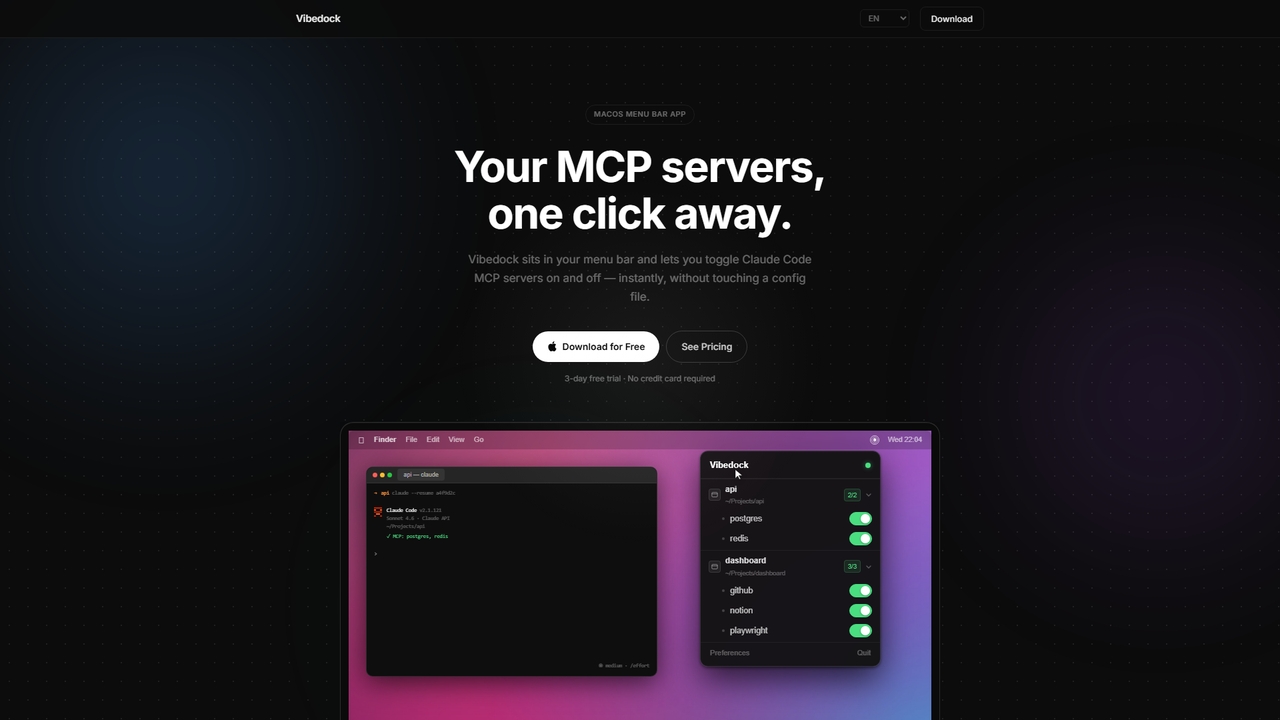
Vibedock
A macOS menu bar application for developers to instantly toggle Claude MCP servers on or off per project, …
A macOS menu bar application for developers to instantly toggle Claude MCP servers on or off per project, saving context window tokens and eliminating manual config file editing.
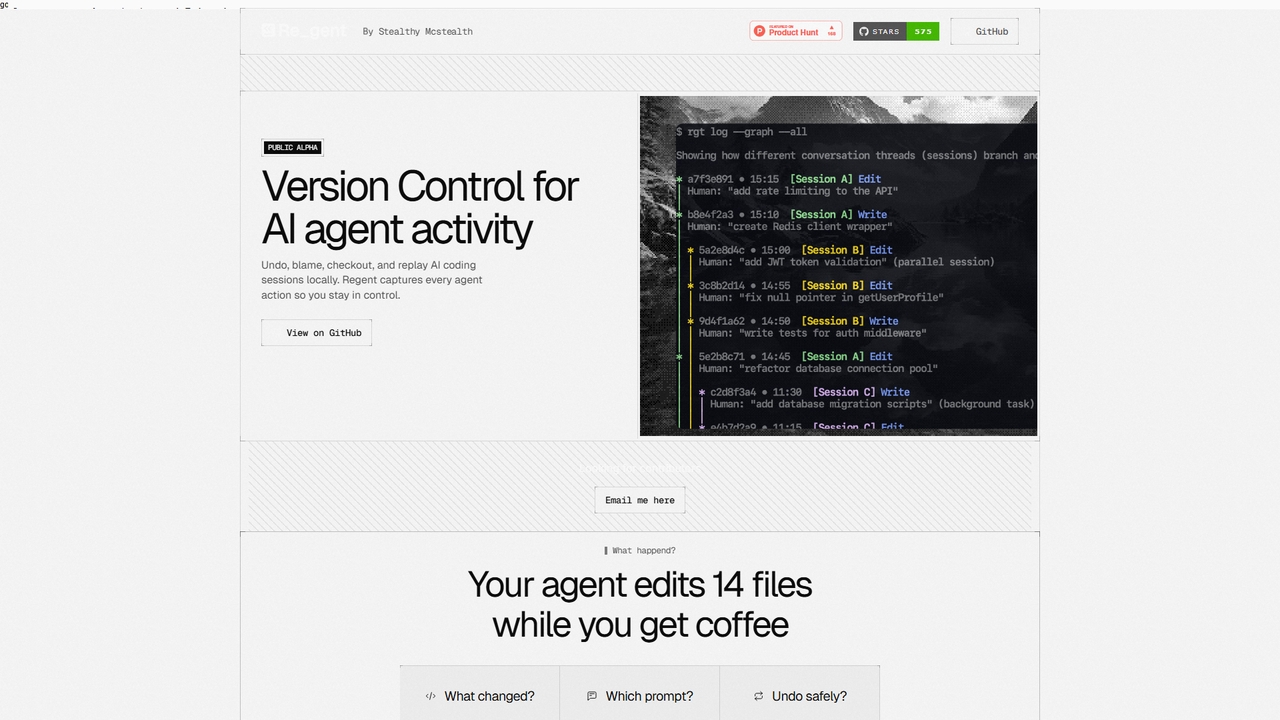
Regent
Regent is a version control system specifically designed for AI coding agents. It tracks every action, prompt, and …
Regent is a version control system specifically designed for AI coding agents. It tracks every action, prompt, and change made by agents like Claude Code and Codex, allowing you to audit, blame, undo, and replay agent sessions locally, providing an essential layer of oversight for AI-driven development.
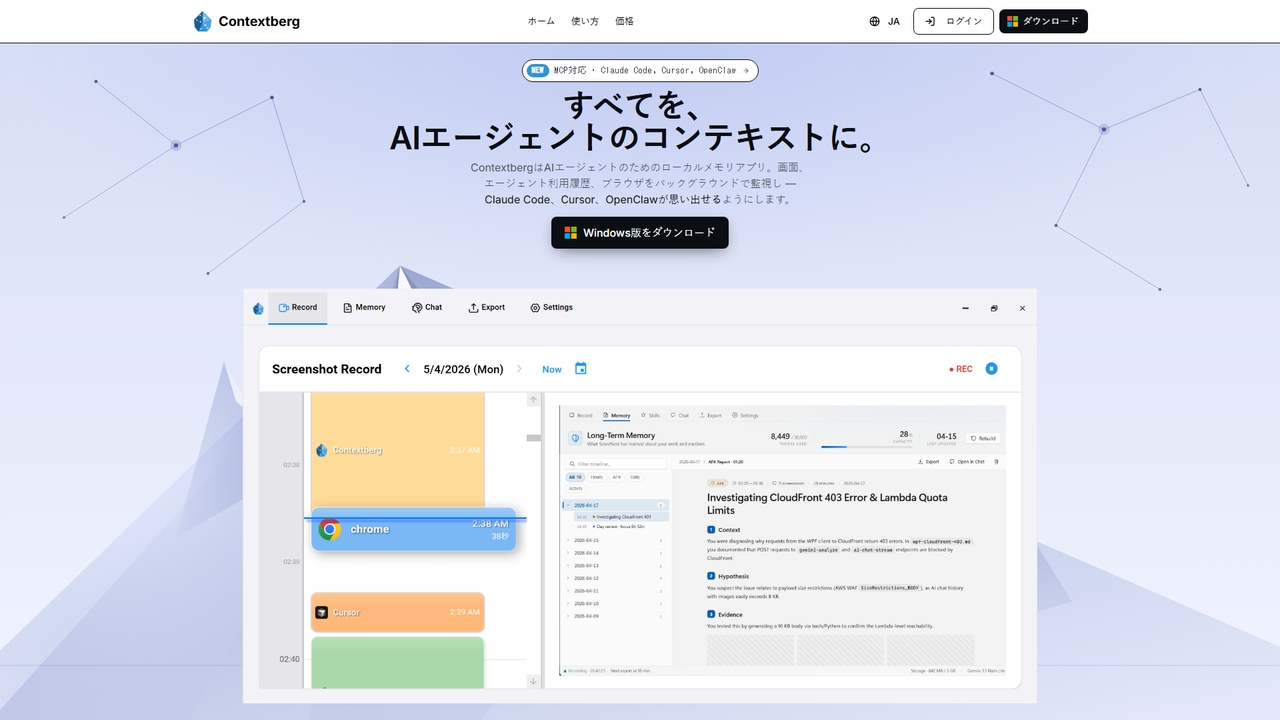
Contextberg
A local-first memory application for AI agents. It monitors screen activity, inputs, and browser usage in the background …
A local-first memory application for AI agents. It monitors screen activity, inputs, and browser usage in the background to provide context via MCP to coding agents like Claude Code, Cursor, and OpenClaw, enhancing productivity by eliminating repetitive re-entry.
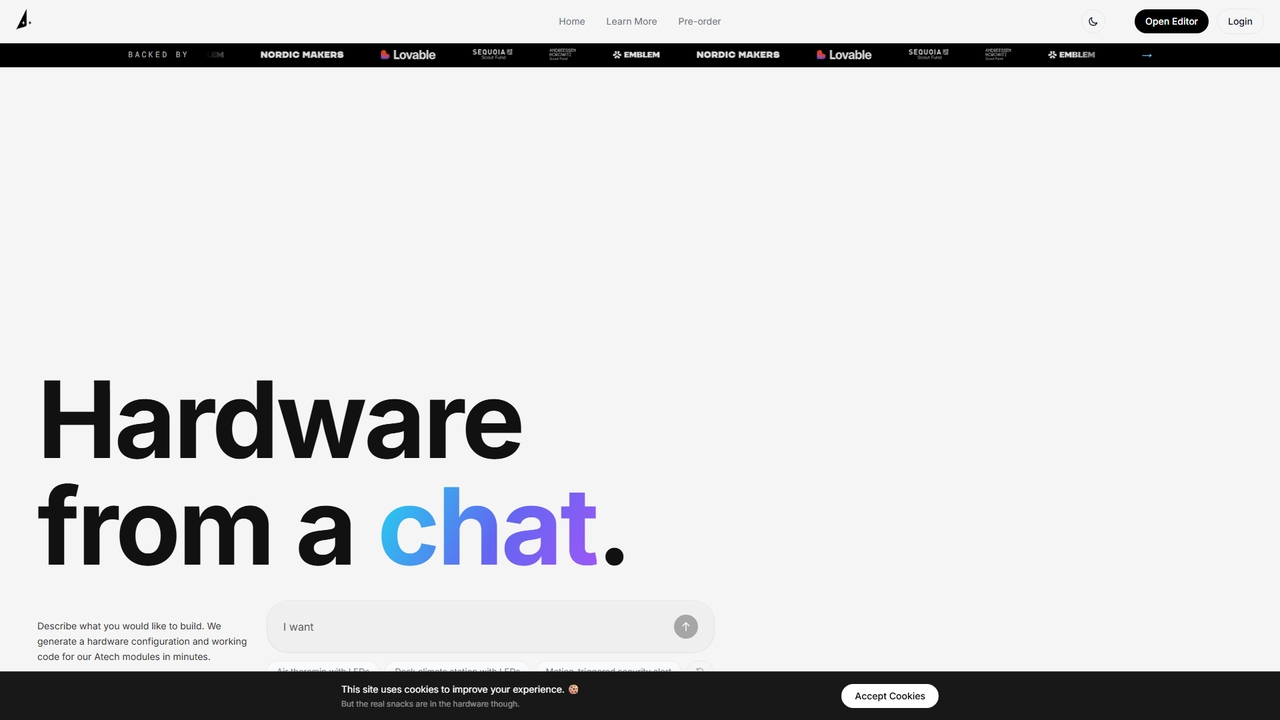
Atech
Atech turns plain-text hardware descriptions into a complete hardware configuration and working ESP32 firmware. Snap pre-built modules onto …
Atech turns plain-text hardware descriptions into a complete hardware configuration and working ESP32 firmware. Snap pre-built modules onto a motherboard without soldering.
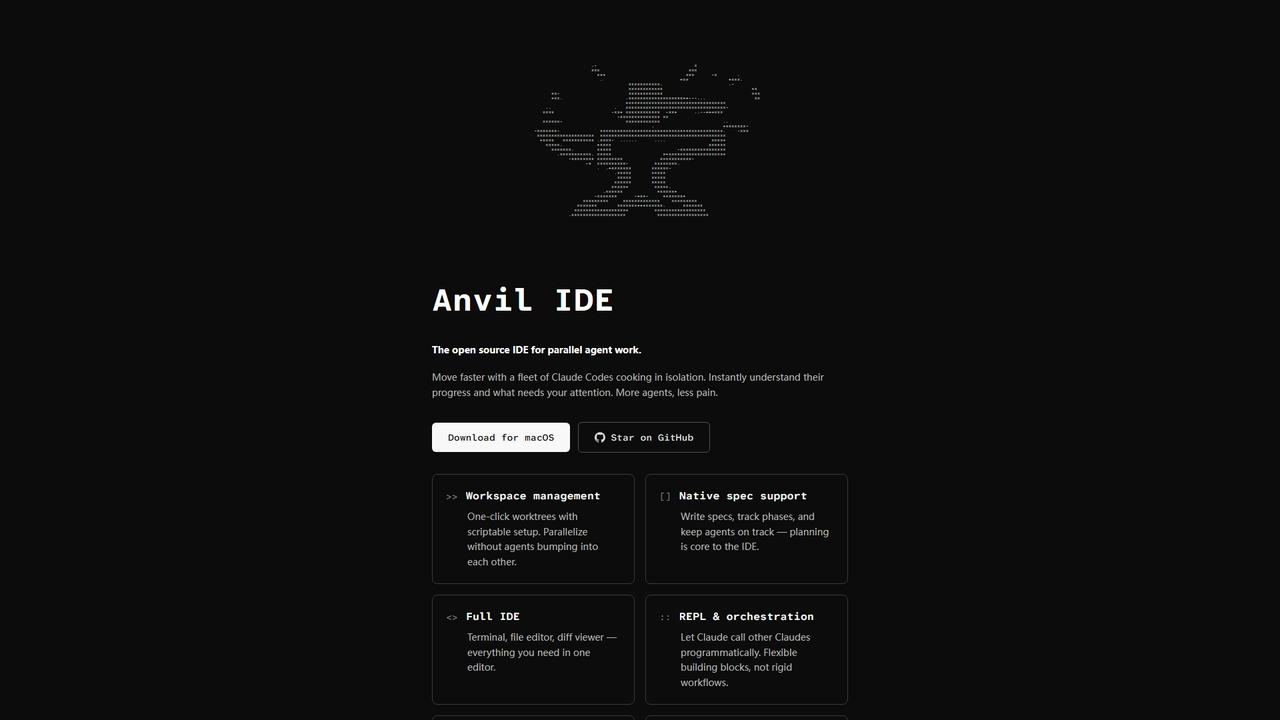
Anvil IDE
Anvil IDE is an open-source integrated development environment specifically designed for orchestrating and managing parallel AI agent workflows. …
Anvil IDE is an open-source integrated development environment specifically designed for orchestrating and managing parallel AI agent workflows. It centralizes control over multiple Claude Code agents working in isolated workspaces, providing real-time progress visibility, native planning tools, and a full-featured editor to accelerate complex AI-assisted development tasks.
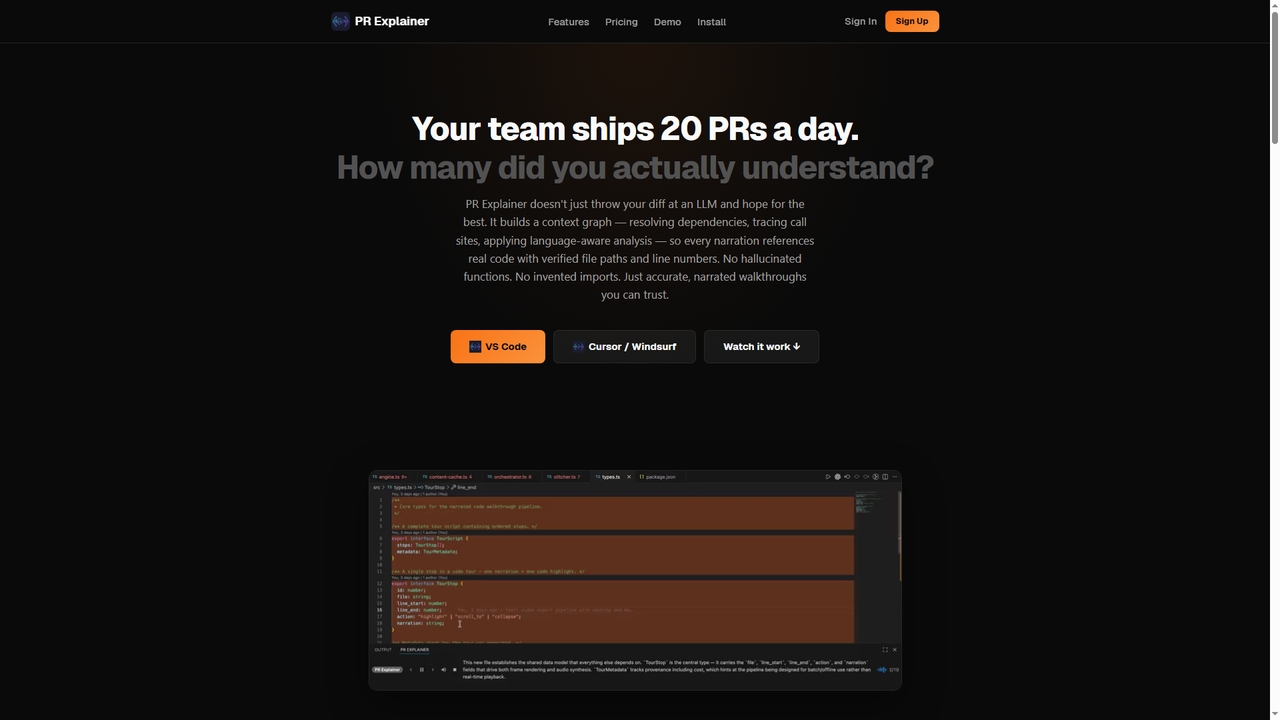
Prexplainer
Prexplainer is an AI-powered developer tool that automatically generates narrated code walkthroughs for pull requests (PRs). It transforms …
Prexplainer is an AI-powered developer tool that automatically generates narrated code walkthroughs for pull requests (PRs). It transforms code diffs into engaging audio-visual tours with synchronized highlighting, helping teams understand changes faster without context switching.
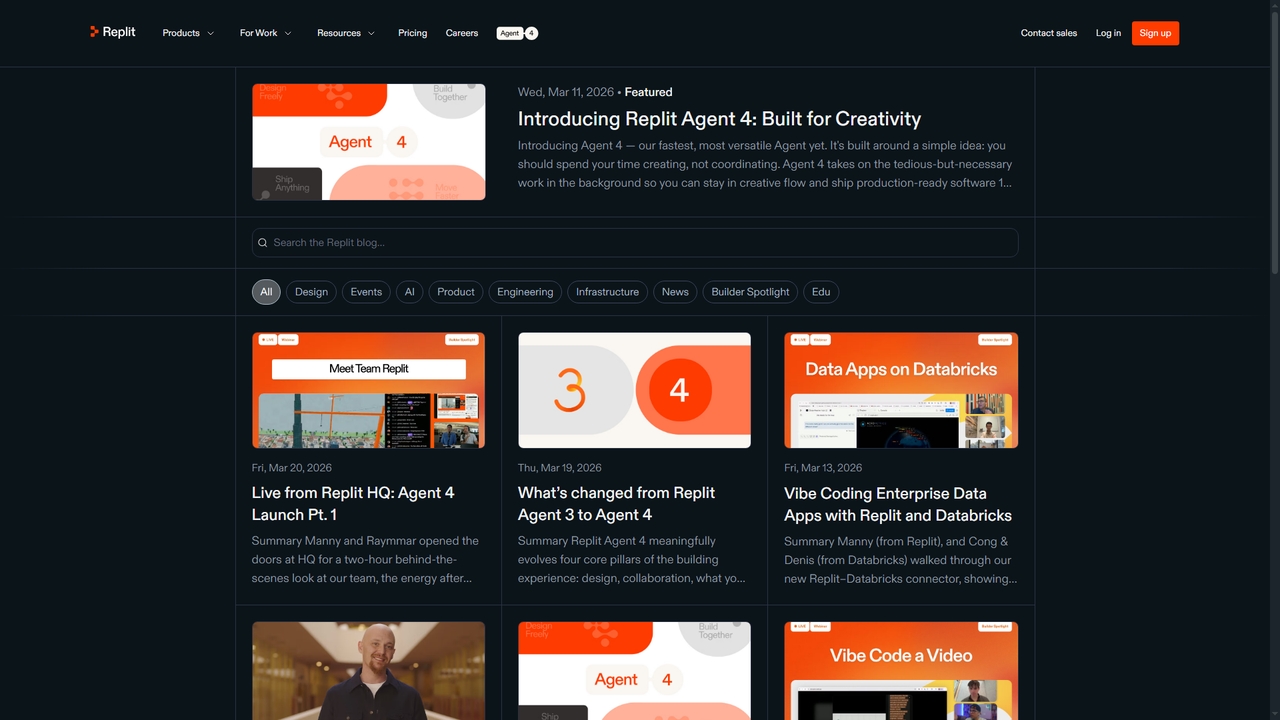
Replit
Replit is an integrated development platform powered by AI that enables developers and creators to build, run, and …
Replit is an integrated development platform powered by AI that enables developers and creators to build, run, and ship software applications all in one place. Its flagship feature, Replit Agent, assists with coding, design, and deployment through natural language interaction, significantly accelerating development workflows.

Lokuma Designer Agent
Lokuma Designer Agent is an AI-powered design intelligence layer that transforms raw, unstructured output from coding AI agents …
Lokuma Designer Agent is an AI-powered design intelligence layer that transforms raw, unstructured output from coding AI agents (like Cursor, Claude Code) into professionally structured and visually balanced designs. It acts as a built-in designer for your AI, automating layout composition, typography refinement, and visual consistency for web pages and digital interfaces.
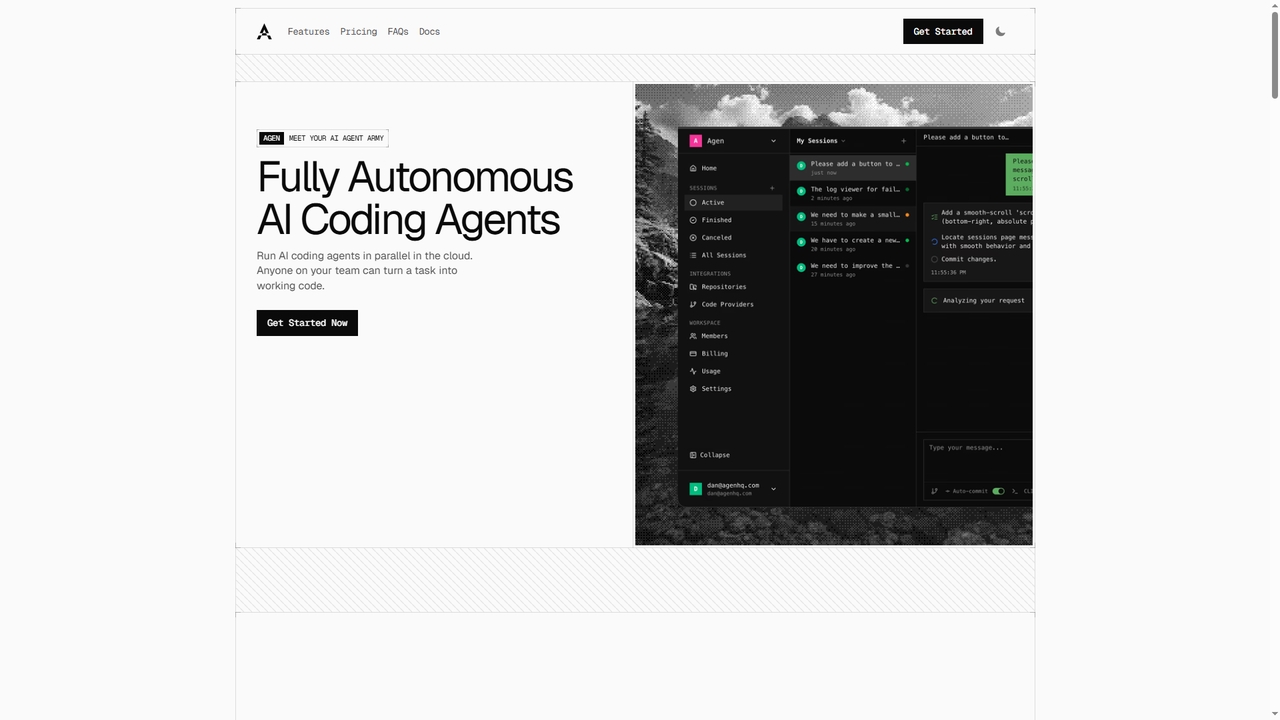
Agen
Agen is a cloud-based platform that deploys fully autonomous AI coding agents. It enables developers and teams to …
Agen is a cloud-based platform that deploys fully autonomous AI coding agents. It enables developers and teams to assign software development tasks via prompts. The agents independently clone repositories, analyze codebases, edit files, run builds and tests in isolated sandboxes, and prepare merge requests, streamlining the development workflow from idea to production-ready code.
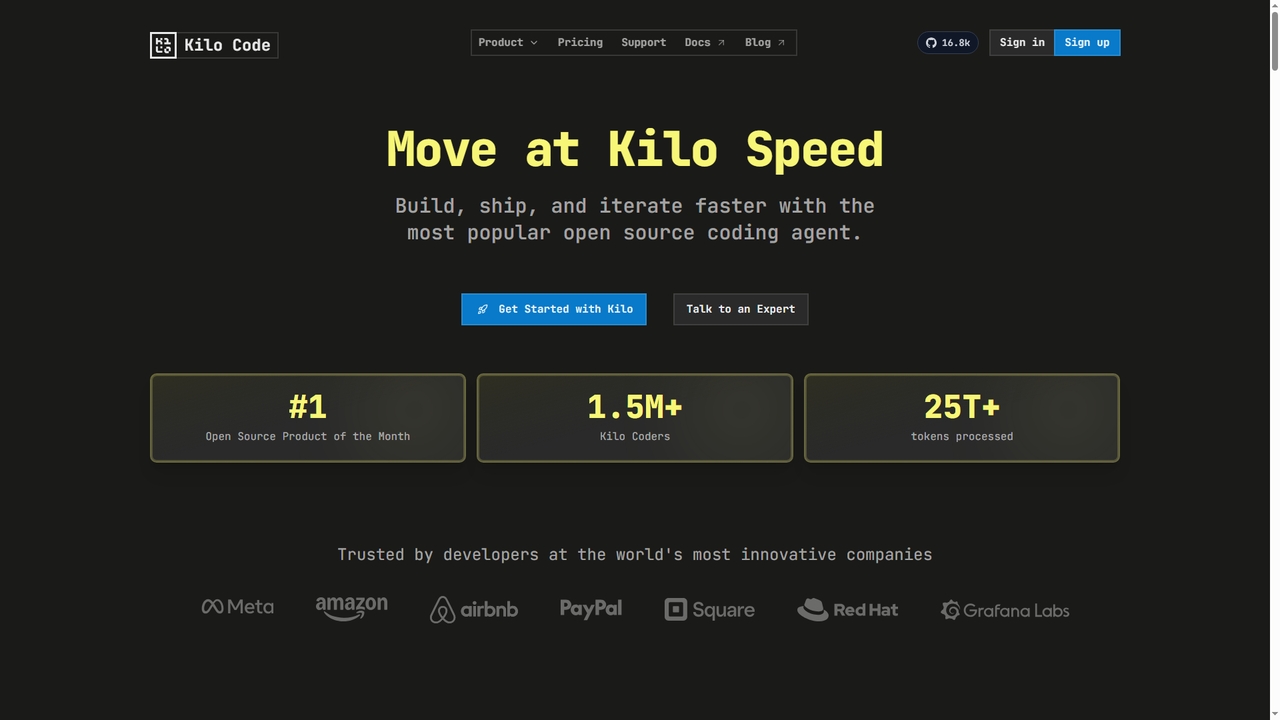
Kilo
Kilo is an open-source, all-in-one AI coding agent and orchestration platform designed to accelerate software development. It integrates …
Kilo is an open-source, all-in-one AI coding agent and orchestration platform designed to accelerate software development. It integrates seamlessly into your workflow via VS Code, JetBrains IDEs, and the CLI, offering access to 500+ AI models, automated code reviews, cloud agents, and deployment tools—all while emphasizing transparency, control, and developer productivity.
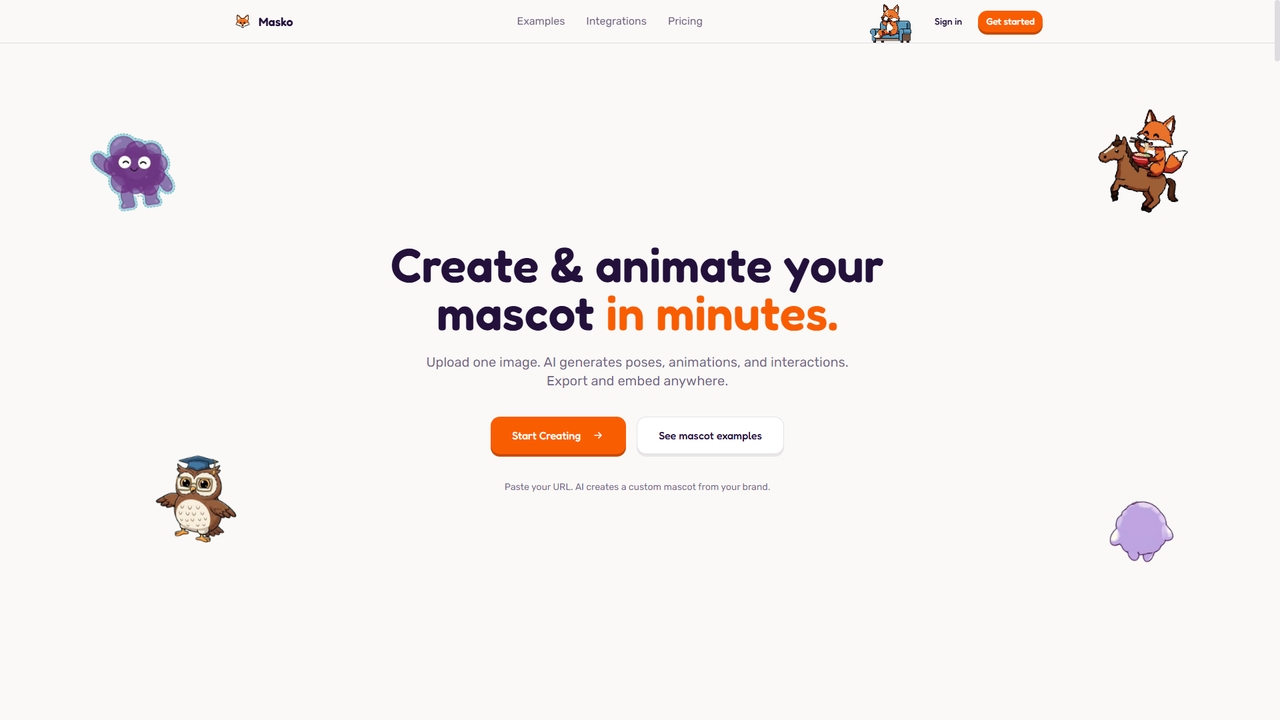
Masko
Masko is an AI-powered platform that allows you to generate unique, animated mascot characters, logos, and marketing assets …
Masko is an AI-powered platform that allows you to generate unique, animated mascot characters, logos, and marketing assets from simple text descriptions or uploaded images. It simplifies brand identity creation by producing transparent videos and images ready for web, mobile, and app integration, drastically reducing the time and cost compared to traditional design methods.