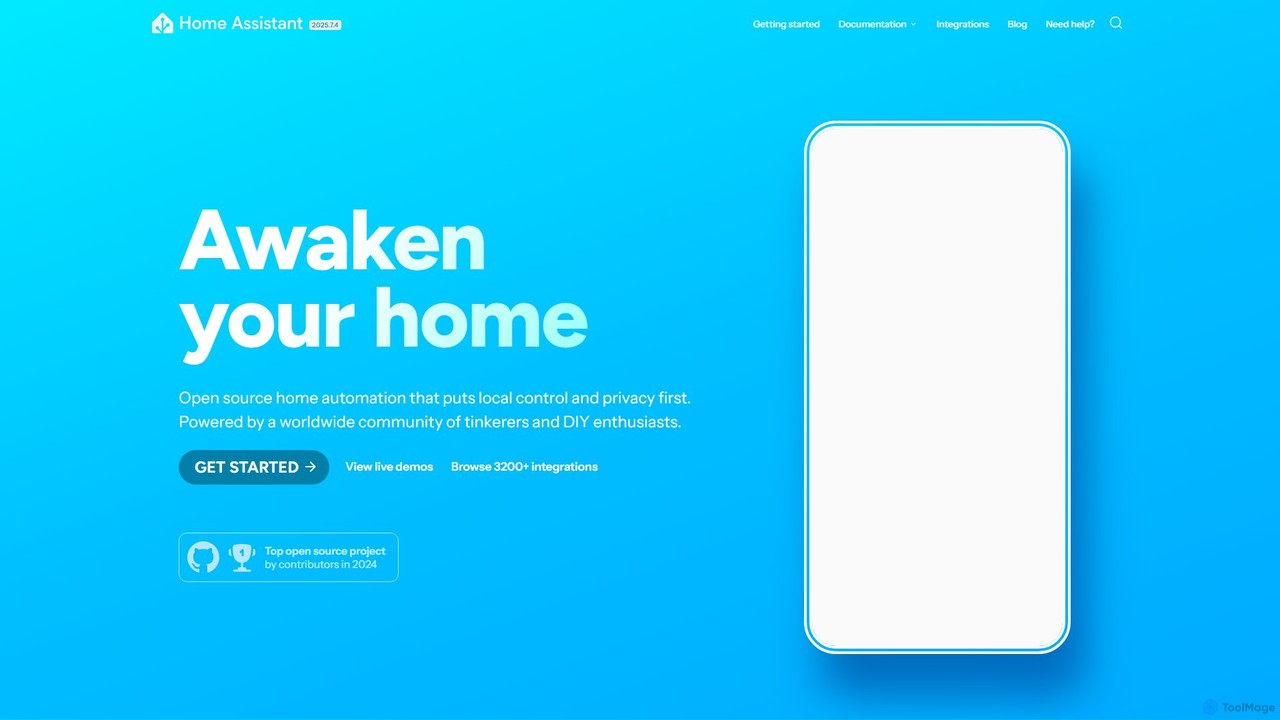
Home Assistant is a powerful, open-source home automation platform that prioritizes local control and user privacy. It integrates with thousands of smart devices and services, allowing you to create powerful automations, custom dashboards, and even use a private, local voice assistant. Powered by a global community, it puts you in complete control of your smart home data.
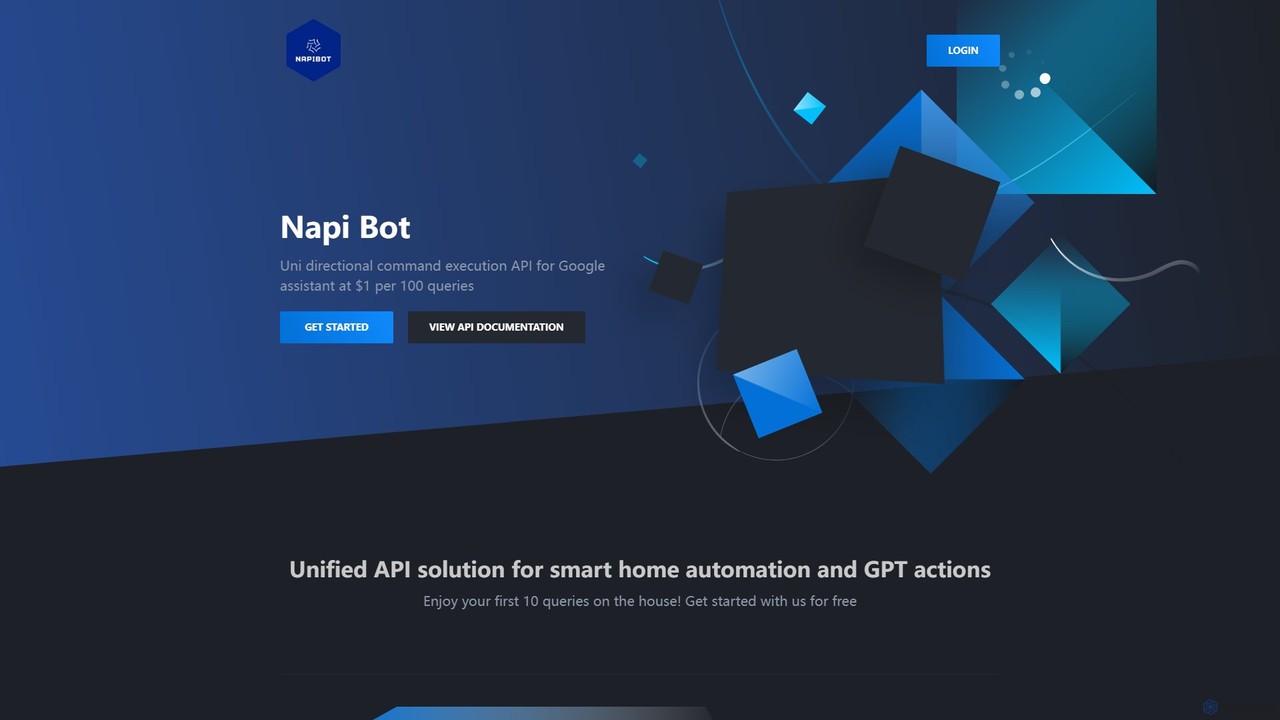
Napi Bot is a developer-focused API that enables unidirectional command execution for Google Assistant. It provides a unified, simple solution for triggering smart home automation and advanced GPT-powered actions, allowing you to programmatically control your Google Assistant ecosystem. Ideal for developers, hobbyists, and IoT enthusiasts.
Product overview
Home Assistant Product overview
Home Assistant is a powerful, open-source home automation platform that prioritizes local control and user privacy. It integrates with thousands of smart devices and services, allowing you to create powerful automations, custom dashboards, and even use a private, local voice assistant. Powered by a global community, it puts you in complete control of your smart home data.
Napi Bot Product overview
Napi Bot is a developer-focused API that enables unidirectional command execution for Google Assistant. It provides a unified, simple solution for triggering smart home automation and advanced GPT-powered actions, allowing you to programmatically control your Google Assistant ecosystem. Ideal for developers, hobbyists, and IoT enthusiasts.
Detailed feature comparison
| Feature | Home Assistant | Napi Bot |
|---|---|---|
| Primary category | Open Source | Api |
| Added | 2025-08-07 | 2025-08-15 |
| Pricing | Freemium | Freemium |
| Official website | www.home-assistant.io | napibot.com |
| Product type | Website | Website |
| Performance data | ||
| User rating | Not verified | Not verified |
| Comments | 0 | 0 |
| Monthly visits | 5.7M | 4.7K |
| Monthly growth | 0.3% | Not verified |
| Favorites | 86 | 143 |
| Details | View details | View details |
Home Assistant vs Napi Bot monthly traffic
Compare Home Assistant and Napi Bot by monthly reach, traffic trend, visit depth, top regions, and acquisition sources.
How to interpret the traffic data
In the Home Assistant vs Napi Bot monthly traffic comparison, Home Assistant currently shows 5.7M visits and Napi Bot shows 4.7K; Home Assistant has about 1,224.4 times the visible traffic of Napi Bot, an absolute difference of about 5.7M visits. This reflects visible reach, not feature quality or paid users.
Only Home Assistant has complete third-party traffic details; Napi Bot uses visits recorded inside ToolMage. These scopes cannot estimate market share directly, and on-site views should not be treated as the product’s total website traffic.
Home Assistant monthly traffic:
Latest traffic
Monthly traffic trend
- 2025/9: 5.9M Monthly visits
- 2026/1: 8M Monthly visits
- 2026/2: 6.5M Monthly visits
- 2026/3: 6.3M Monthly visits
- 2026/4: 5.7M Monthly visits
- 2026/5: 5.7M Monthly visits
Top regions
Top 5 countries/regions
| Country/region | Percentage | Traffic |
|---|---|---|
| 🇺🇸United States | 38.45% | 2.2M |
| 🇩🇪Germany | 36.9% | 2.1M |
| 🇳🇱Netherlands | 8.93% | 513.1K |
| 🇬🇧United Kingdom | 8.54% | 490.7K |
| 🇫🇷France | 7.18% | 412.6K |
Traffic sources
| Source type | Percentage | Traffic |
|---|---|---|
| Direct | 74.78% | 4.3M |
| Referral | 24.28% | 1.4M |
| 0.94% | 54K |
Search keywords
Napi Bot monthly traffic:
Latest traffic
Usage comparison
Compare the core capabilities of Home Assistant and Napi Bot
Home Assistant Core features
Napi Bot Core features
Use cases
Home Assistant Use cases
Napi Bot Use cases
Home Assistant vs Napi Bot:In-depth comparison and selection guidance
First decide whether the products solve the same kind of need
This in-depth Home Assistant vs Napi Bot comparison uses only the product records, taxonomy, audience, traffic, and community signals available on this page. Home Assistant is primarily listed under “Open Source”, while Napi Bot is primarily listed under “Api”, so the first decision is whether your actual task matches their recorded scope.
The structured fields currently show these decision-relevant differences: Primary category (Home Assistant: Open Source; Napi Bot: Api); Monthly visits (Home Assistant: 5.7M; Napi Bot: 4.7K); Favorites (Home Assistant: 86; Napi Bot: 143); Website (Home Assistant: www.home-assistant.io; Napi Bot: napibot.com); Added (Home Assistant: 2025-08-07; Napi Bot: 2025-08-15). These facts are more useful for selection than brand visibility alone.
What market visibility and monthly traffic mean
In the Home Assistant vs Napi Bot monthly traffic comparison, Home Assistant currently shows 5.7M visits and Napi Bot shows 4.7K; Home Assistant has about 1,224.4 times the visible traffic of Napi Bot, an absolute difference of about 5.7M visits. This reflects visible reach, not feature quality or paid users.
Only Home Assistant has complete third-party traffic details; Napi Bot uses visits recorded inside ToolMage. These scopes cannot estimate market share directly, and on-site views should not be treated as the product’s total website traffic.
The current traffic scope is not sufficient for a reliable product ranking. Treat monthly visits as a market-interest signal, then decide using taxonomy, use cases, pricing, and a like-for-like trial rather than reading exposure as product capability.
Product positioning, use cases, and roles
Home Assistant and Napi Bot currently overlap in shared categories: Smart Home and Automation; shared tags: automation, IoT, and smart home. This can place both on the same shortlist, but it does not prove equal implementation, depth, or cost.
Home Assistant's unique categories/tags are Open Source, custom dashboard, energy management, home automation, local control, open source, privacy, and Raspberry Pi; Napi Bot's are Api, API, command execution, developer tools, google assistant, gpt, and voice commands. These unique fields are the strongest differentiators: validate the product whose recorded scope matches the task instead of following traffic alone.
What ratings, comments, and favorites can tell you
Home Assistant has no verified rating, 0 comments, 86 favorites, and 79 likes;Napi Bot has no verified rating, 0 comments, 143 favorites, and 117 likes。
Neither product has enough rating or comment samples for a credible reputation ranking.
Selection guidance by actual need
When to evaluate Home Assistant first
Put Home Assistant on the priority trial list when the task aligns with “Open Source” and especially Open Source, custom dashboard, energy management, home automation, local control, and open source. This follows recorded positioning and does not imply unlisted capabilities are absent.
Home Assistant also currently records: pricing is freemium, product type is website, 5.7M verified monthly visits, no verified user rating. Verify any hard requirement around price, platform, or reach before trial, and do not let sparse review data substitute for testing.
When to evaluate Napi Bot first
Put Napi Bot on the priority trial list when the task aligns with “Api” and especially Api, API, command execution, developer tools, google assistant, and gpt. This follows recorded positioning and does not imply unlisted capabilities are absent.
Napi Bot also currently records: pricing is freemium, product type is website, 4.7K on-site monthly views, no verified user rating. Verify any hard requirement around price, platform, or reach before trial, and do not let sparse review data substitute for testing.
How to validate the recommendation before deciding
The available data describes positioning, public visibility, and community signals, but it cannot prove output quality, speed, integration effort, privacy, or long-term cost in your workflow. Before deciding, run the same representative tasks in Home Assistant and Napi Bot, then record completion time, accuracy, manual corrections, and the real paid threshold. A like-for-like trial turns this comparison into a defensible adoption decision.
Comparison FAQ
How should I choose between Home Assistant and Napi Bot?
Where does this comparison data come from?
What do unknown fields mean?
Related AI tools

wequ
wequ (Mysterious Duck) is a powerful platform that connects your mobile voice assistants (like Siri, Google Assistant) and smart speakers to your PC and IoT devices, enabling you to control them with voice commands. It offers deep customization through scripts and an open API.
Api
Devath
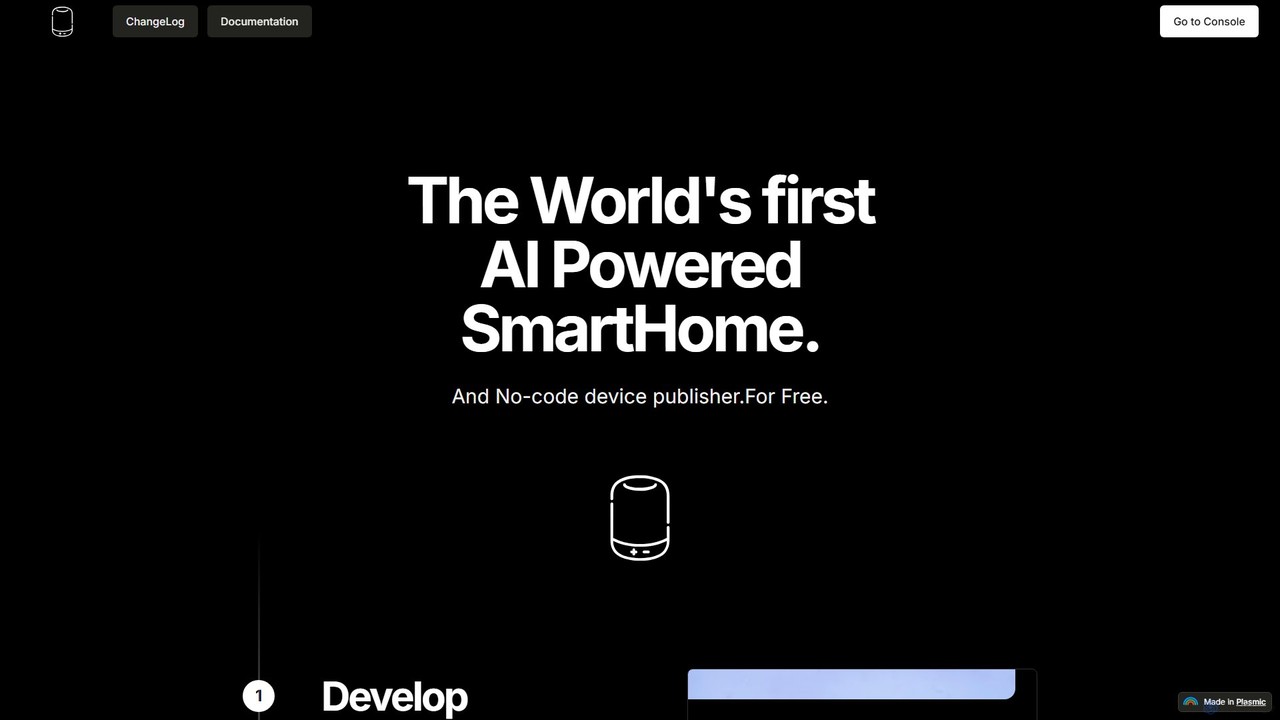
Devath is the world's first AI-powered, no-code platform for smart home development. It enables developers and hobbyists to create, test, and publish IoT applications using natural language instructions, drastically simplifying hardware integration and automation.
No Code & Low Code
Actcast
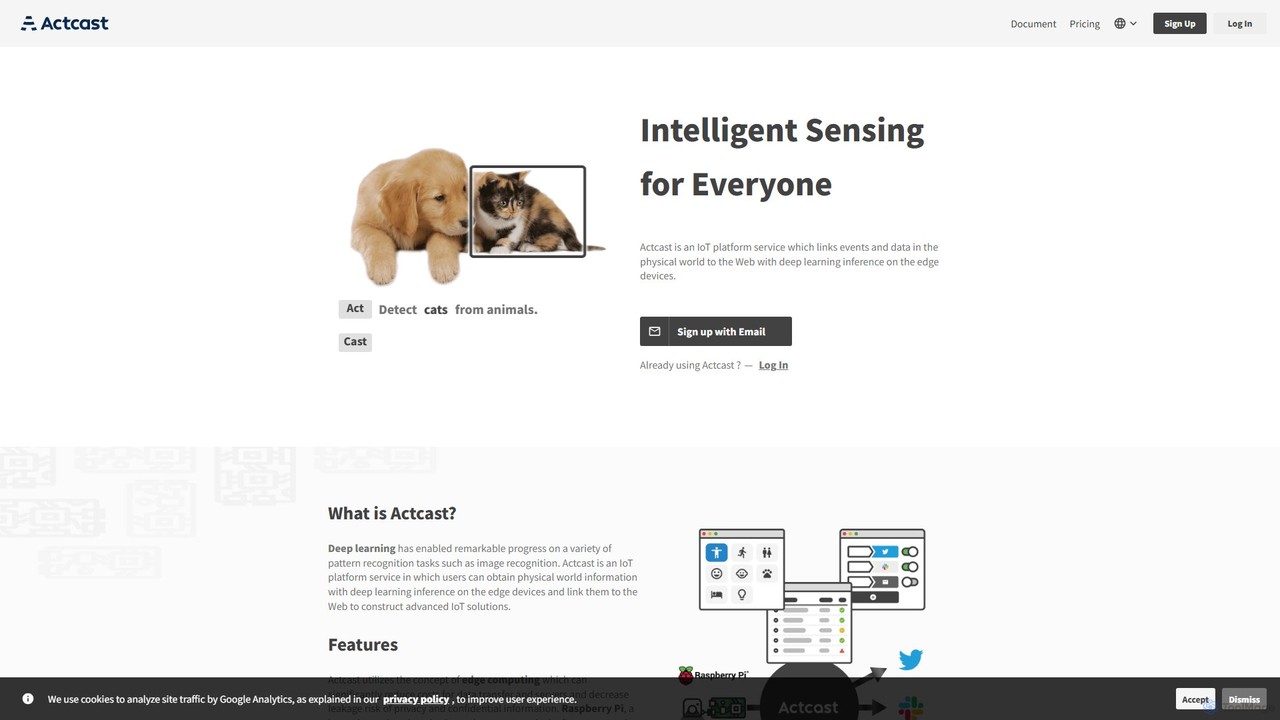
Actcast is an IoT platform service that enables developers to deploy deep learning models on edge devices like Raspberry Pi. It connects physical world events to web services through on-device AI inference, focusing on edge computing to reduce costs, lower latency, and enhance data privacy.
Edge Computing
vocode
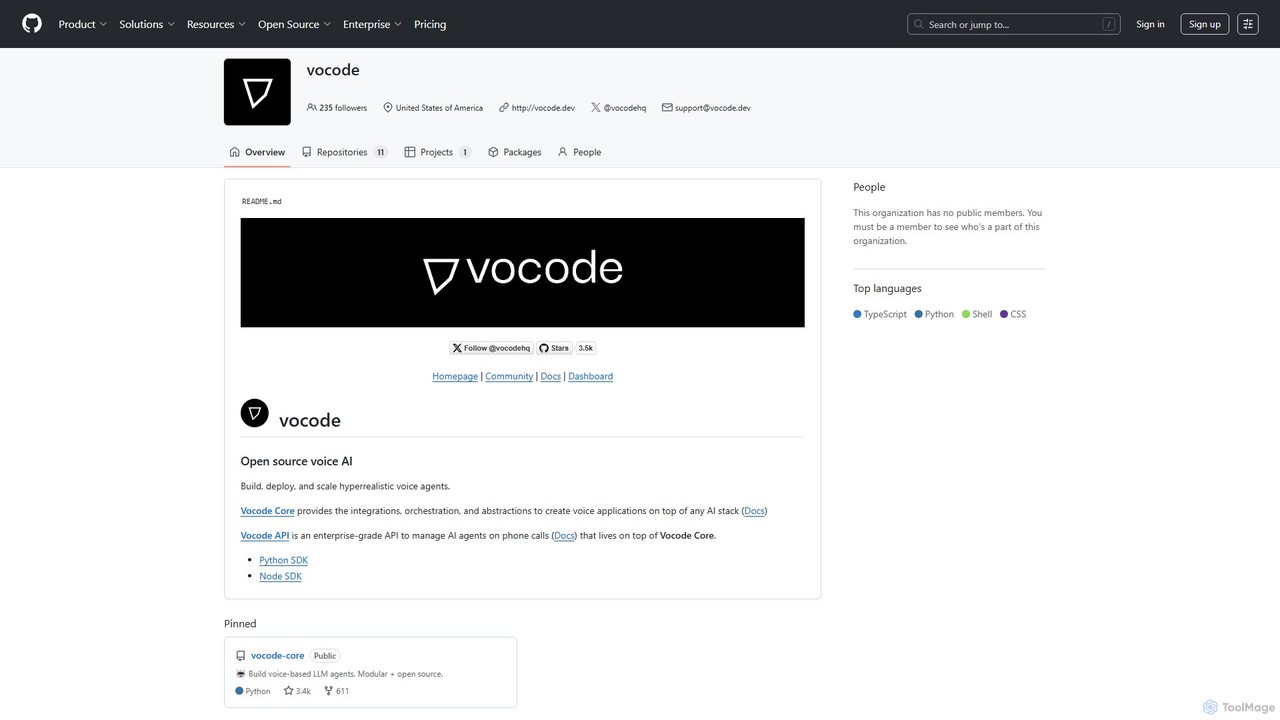
Vocode is an open-source platform for building, deploying, and scaling hyperrealistic voice AI agents. It provides developers with a core framework and an enterprise-grade API to create sophisticated voice-based LLM applications for tasks like automated customer service, sales calls, and interactive voice response (IVR) systems.
Voicebot
UIB
UIB is an enterprise-grade omnichannel messaging and conversational AI platform. It simplifies human-to-machine communication by unifying over 50 channels like WhatsApp and Messenger via a single API (UnificationEngine®). It also offers a white-label, NLP-agnostic chatbot builder (Unified AI®) and an integration marketplace (H2X®) for IoT and cloud services, enabling seamless, scalable customer experiences.
Chatbot
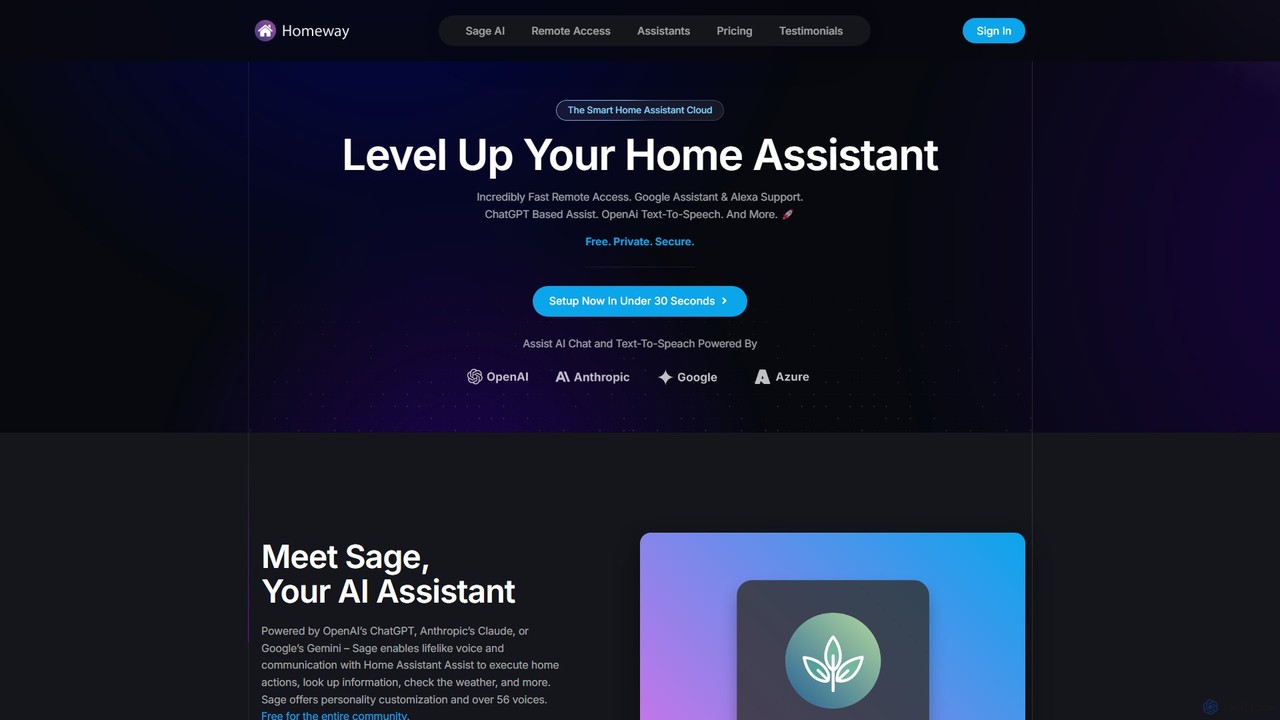
Homeway
Homeway enhances your Home Assistant experience with free, secure, and incredibly fast remote access. It features Sage, a powerful AI assistant powered by models like ChatGPT, Claude, and Gemini, enabling natural voice commands for home control, information retrieval, and more. With easy 30-second setup, Google Assistant/Alexa integration, and customizable text-to-speech voices, Homeway is the ultimate cloud upgrade for your smart home.
Voice Assistant
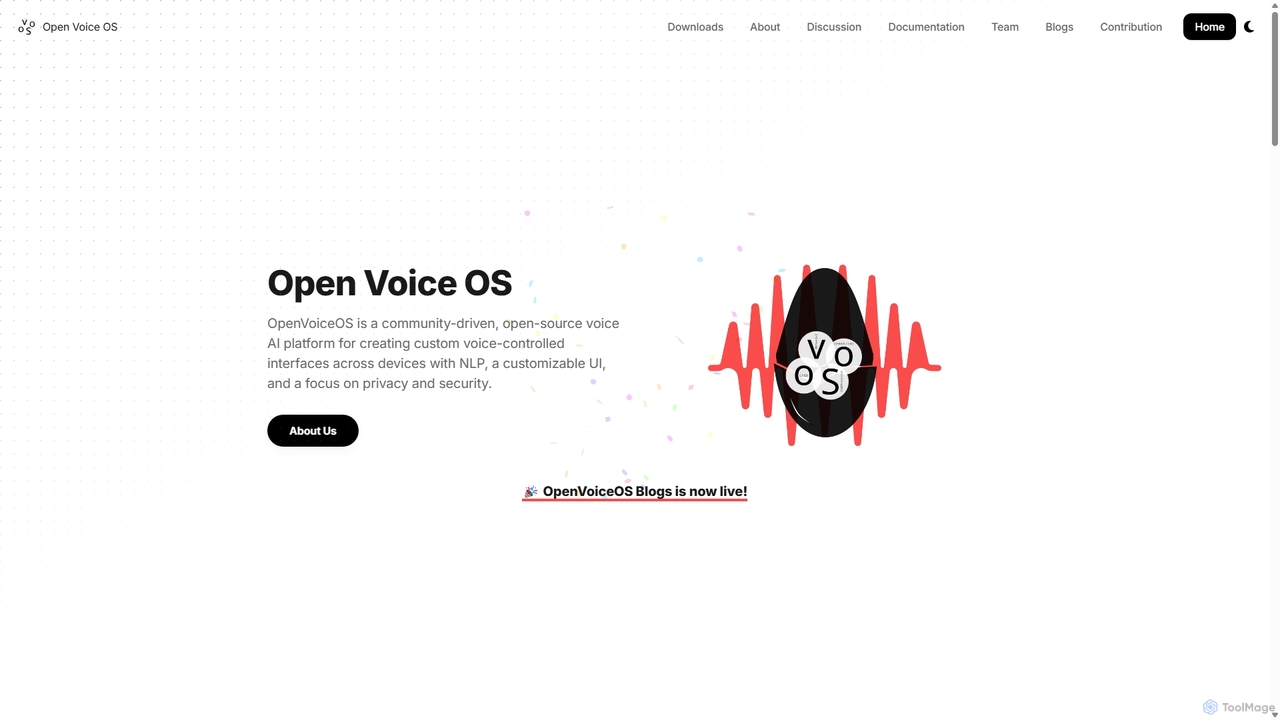
OpenVoiceOS
OpenVoiceOS is a community-driven, open-source voice AI platform for creating custom, private, and secure voice-controlled interfaces. It runs on various hardware like Raspberry Pi and Linux desktops, offering a flexible, plugin-based architecture for developers and DIY enthusiasts.
Voice & Speech
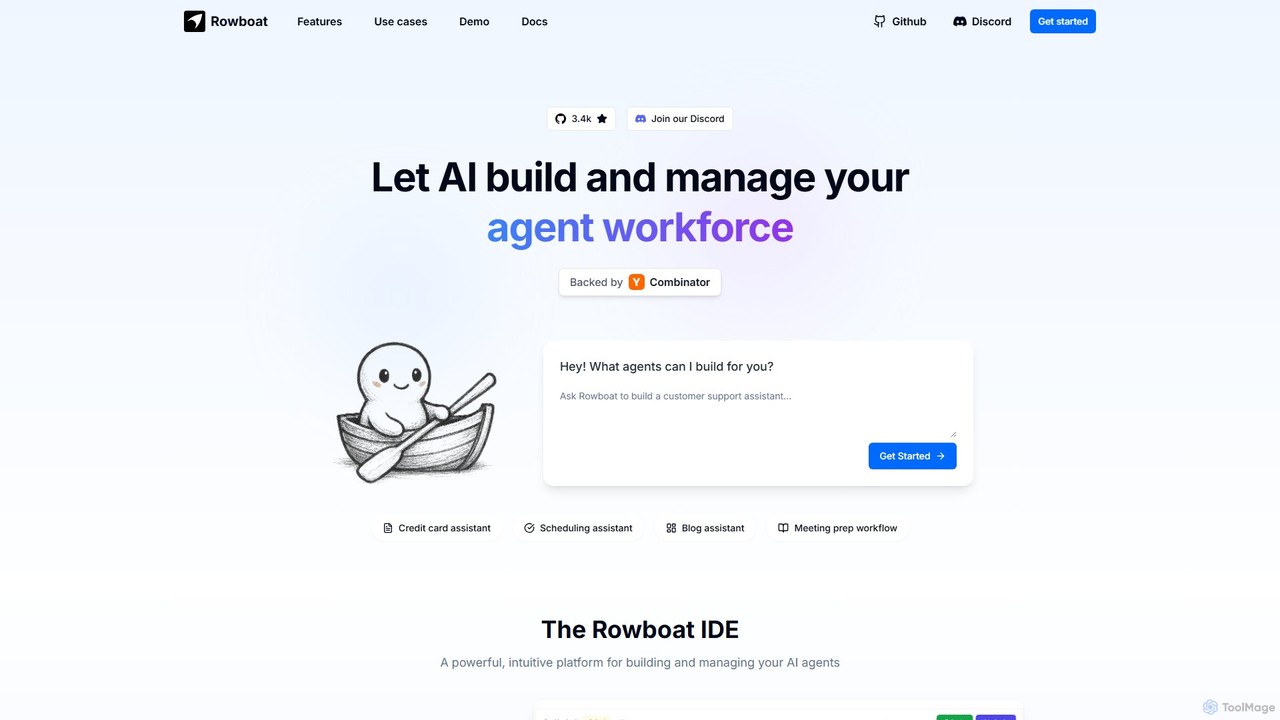
Rowboat
Rowboat is a powerful, AI-powered IDE for building, managing, and deploying complex multi-agent systems. Backed by Y Combinator, it allows users to describe workflows in plain English, and its AI copilot automatically generates the entire agent graph, including roles, prompts, and tool integrations. It's designed to simplify the creation of robust, real-world AI agents for productivity, e-commerce, support, and more, with features like open-source flexibility and support for over 100 LLMs.
Agent Builder
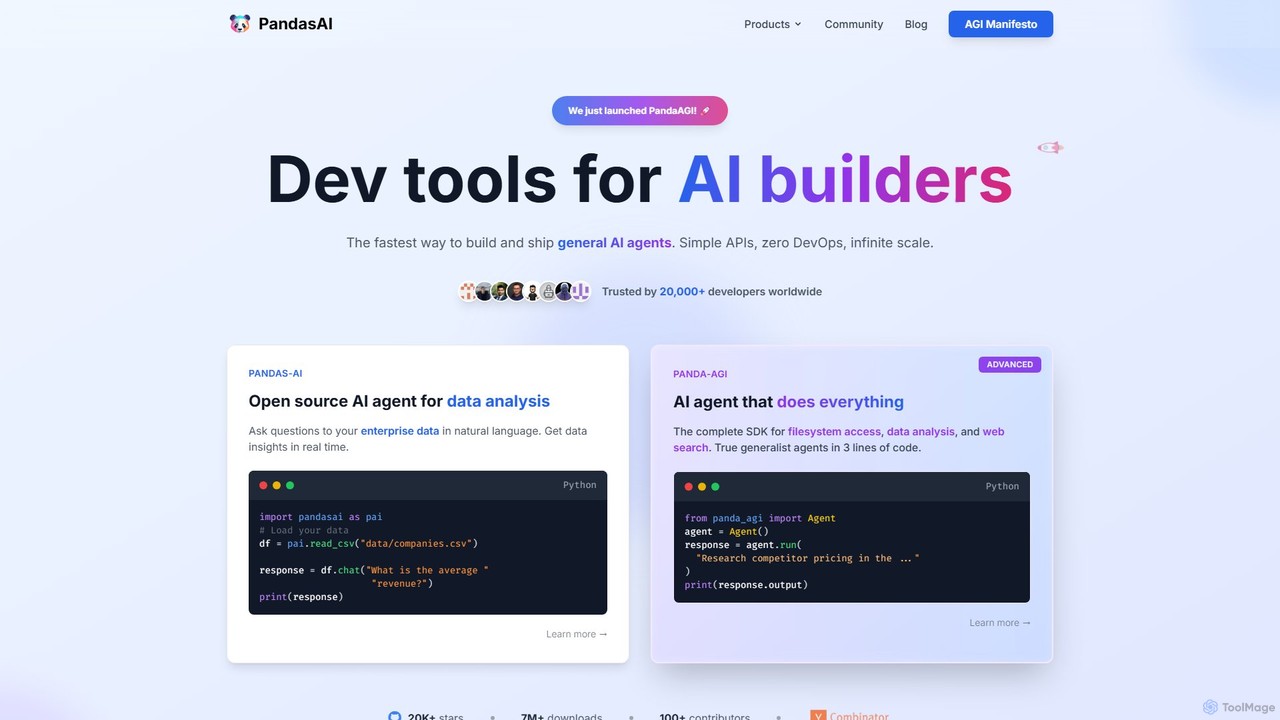
PandasAI
PandasAI offers a suite of developer tools for building AI applications. It features an open-source library for conversational data analysis using natural language and PandaAGI, an advanced SDK for creating generalist AI agents that can perform complex tasks like web searches and filesystem access.
Data Analysis
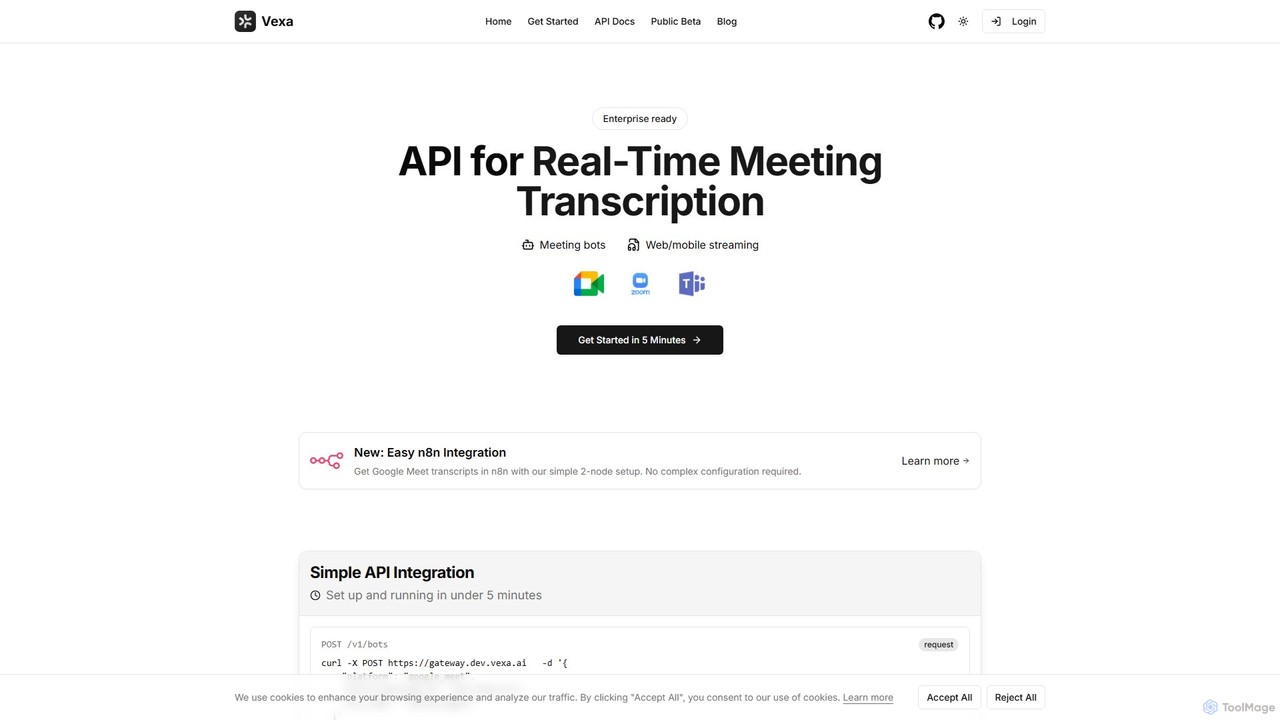
Vexa
Vexa is a developer-focused, open-source API for real-time meeting transcription and translation. It deploys bots into meetings on platforms like Google Meet to capture live, multilingual conversations, enabling seamless integration with automation workflows and business applications.
Speech To Text
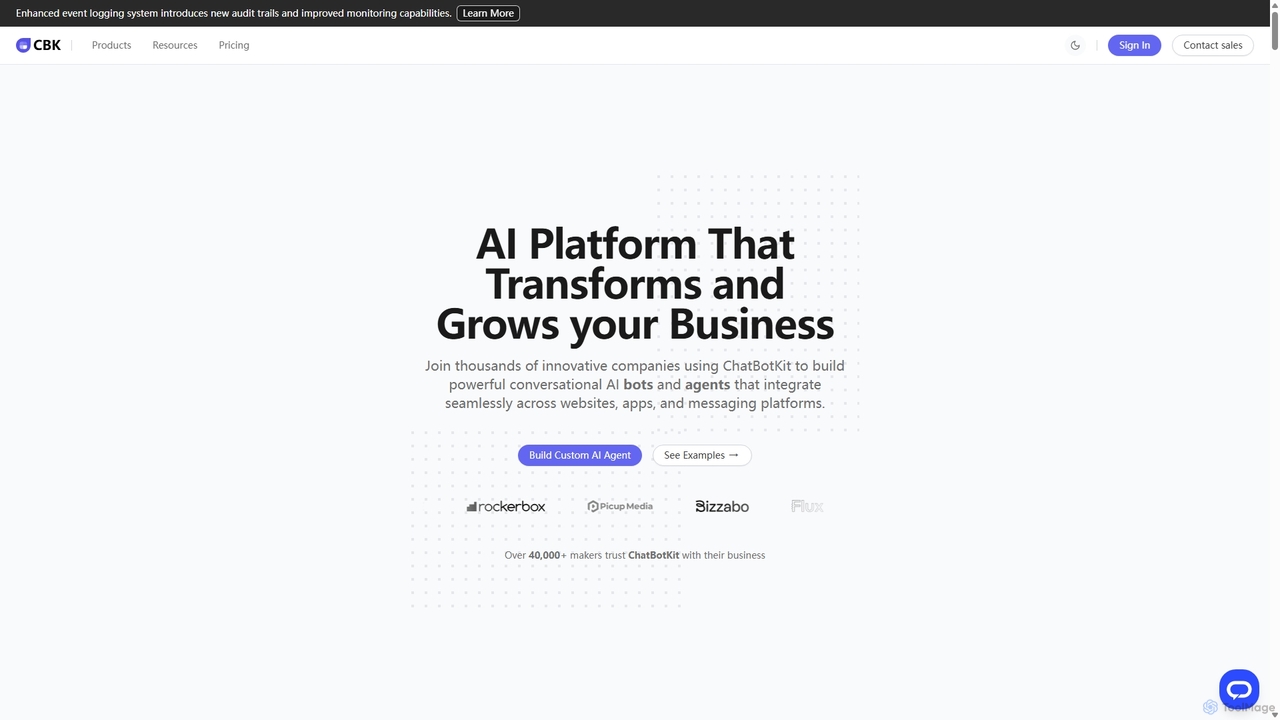
ChatBotKit
ChatBotKit is a comprehensive conversational AI platform for building, deploying, and managing custom AI bots and agents. It offers a suite of modular tools, seamless integrations with websites and messaging apps like Slack and WhatsApp, and intuitive templates for rapid development. Ideal for businesses seeking to enhance customer engagement, automate tasks, and streamline workflows with powerful, customizable AI solutions.
Chatbots
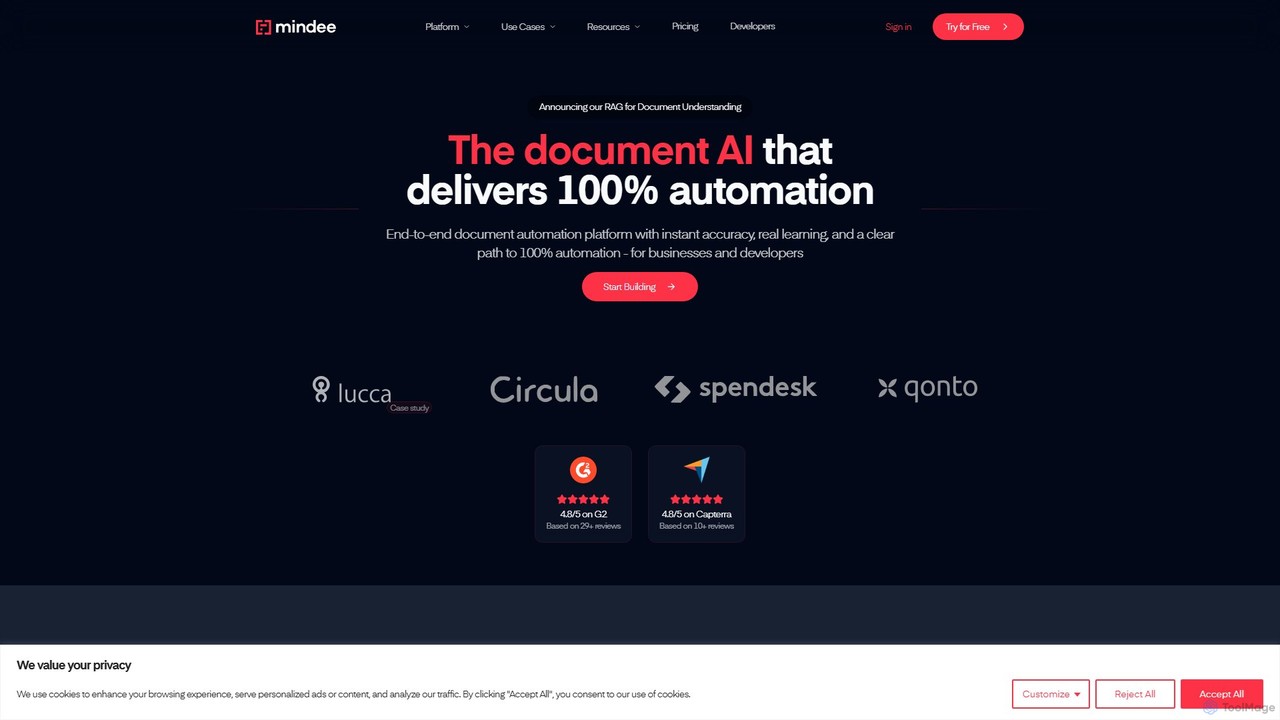
Mindee
Mindee is an AI-powered OCR and data extraction API for developers. It automates data entry by instantly parsing and structuring information from various documents like invoices, receipts, and passports. It provides structured JSON data, eliminating manual work and improving accuracy.
Document Management
Robolly
Robolly is an all-in-one platform for automated visual content generation. Design a template once and use its API and bulk generation tools to create millions of personalized images, videos, and PDFs on-demand. It's ideal for marketers, developers, and businesses looking to scale their content production efficiently.
Image Generation
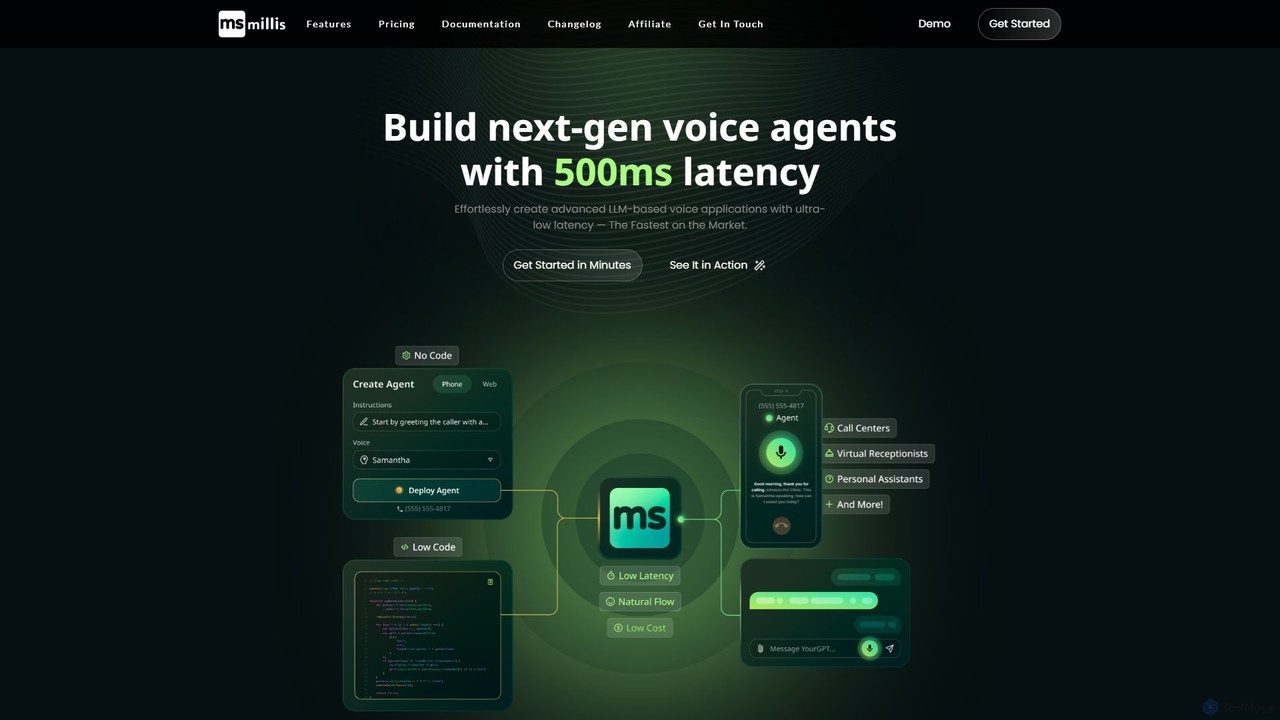
Millis AI
Millis AI is a platform for building next-generation voice agents with ultra-low 600ms latency. It enables both developers and non-technical users to create and deploy human-like, affordable voice agents for inbound and outbound calls in minutes, with easy integration capabilities.
Voice Agents
accelbooks
accelbooks (now Open Ledger) is an AI-powered embedded accounting API for SaaS platforms. It enables you to integrate a complete, white-labeled accounting system directly into your product, offering your SMB customers features like automated bookkeeping, transaction categorization, and financial reporting, all powered by advanced LLMs.
Api