Mancia
Mancia provides AI-powered automation solutions designed to streamline and optimize business processes, enhancing efficiency and productivity for various operational needs.
Workflow ManagementVisits 6.7KFavorites 123Likes 126
Popular No Code & Low Code AI tools in Developer Tools include Coze, aiflow.ai, flowith, Workato, Taktile, Mazaal AI, String, GoInsight.AI, Mindflow, and jestor, helping you work more efficiently.
Mancia provides AI-powered automation solutions designed to streamline and optimize business processes, enhancing efficiency and productivity for various operational needs.
Workflow Management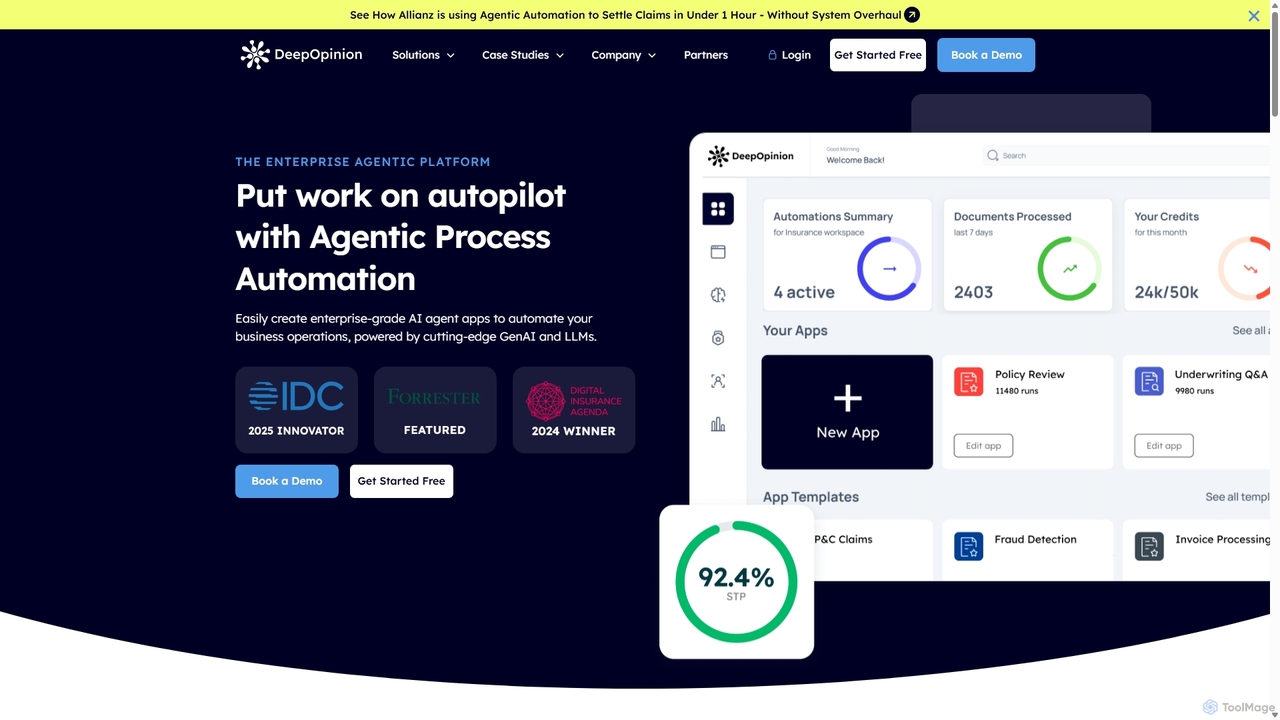
DeepOpinion is an enterprise-grade Agentic Process Automation (APA) platform that uses Generative AI and LLMs to automate complex business operations. It provides a no-code/low-code environment for building autonomous AI agents that can process unstructured data from documents and emails with high accuracy, streamlining workflows in sectors like insurance, finance, and manufacturing.
Process Automation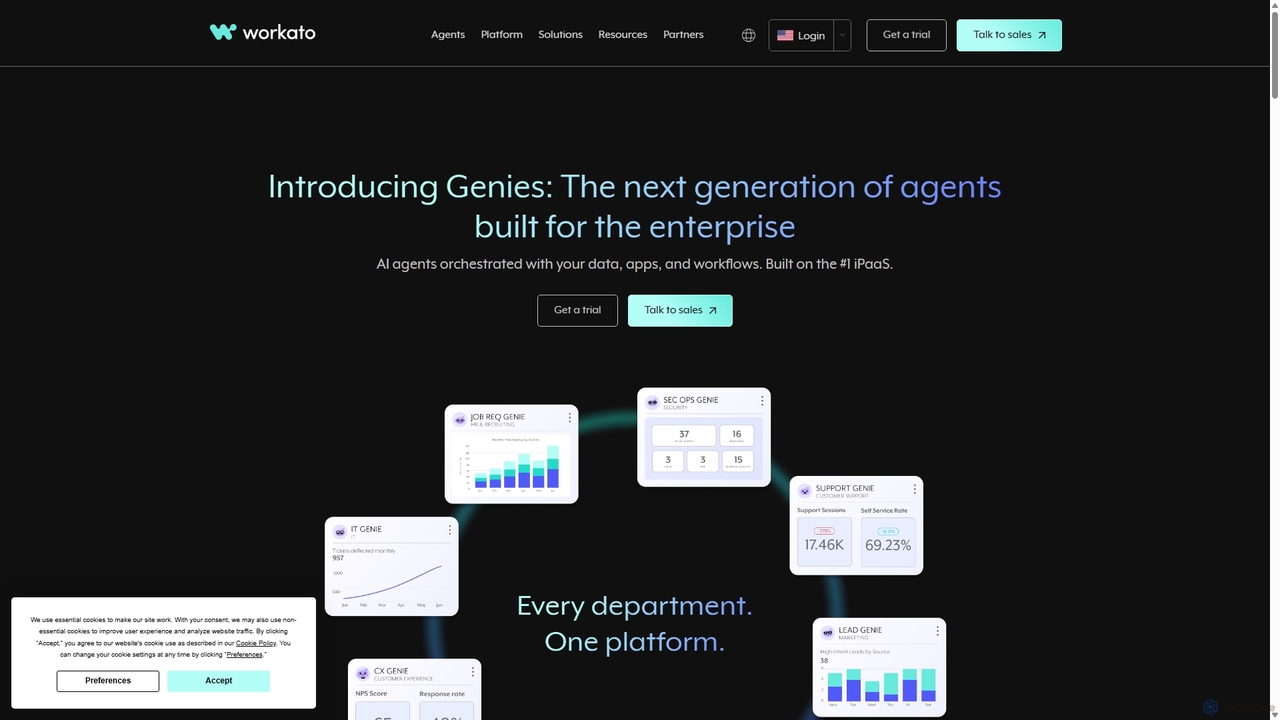
Workato is a leading AI-powered enterprise automation platform (iPaaS) that enables businesses to integrate applications, automate complex workflows, and deploy AI agents. Its low-code/no-code interface empowers both business and IT users to connect over 1,200 apps and build powerful automations, breaking down data silos and boosting operational efficiency across all departments.
Integration Platform As A Service (Ipaas)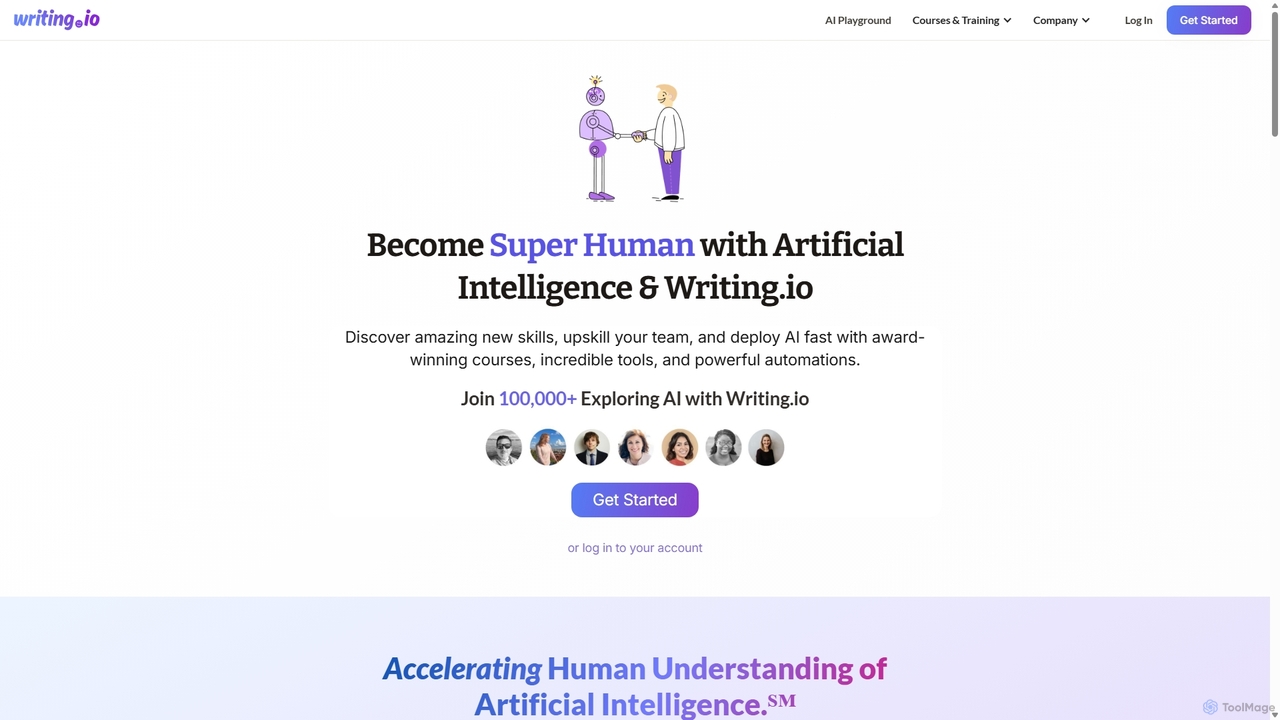
Writing.io is a comprehensive AI education and deployment platform. It offers award-winning courses and certifications to upskill individuals and teams in artificial intelligence. The platform also includes a suite of powerful AI tools for content creation, audience management, and building custom AI applications, all powered by leading models like GPT-4o and Claude.
No Code & Low Code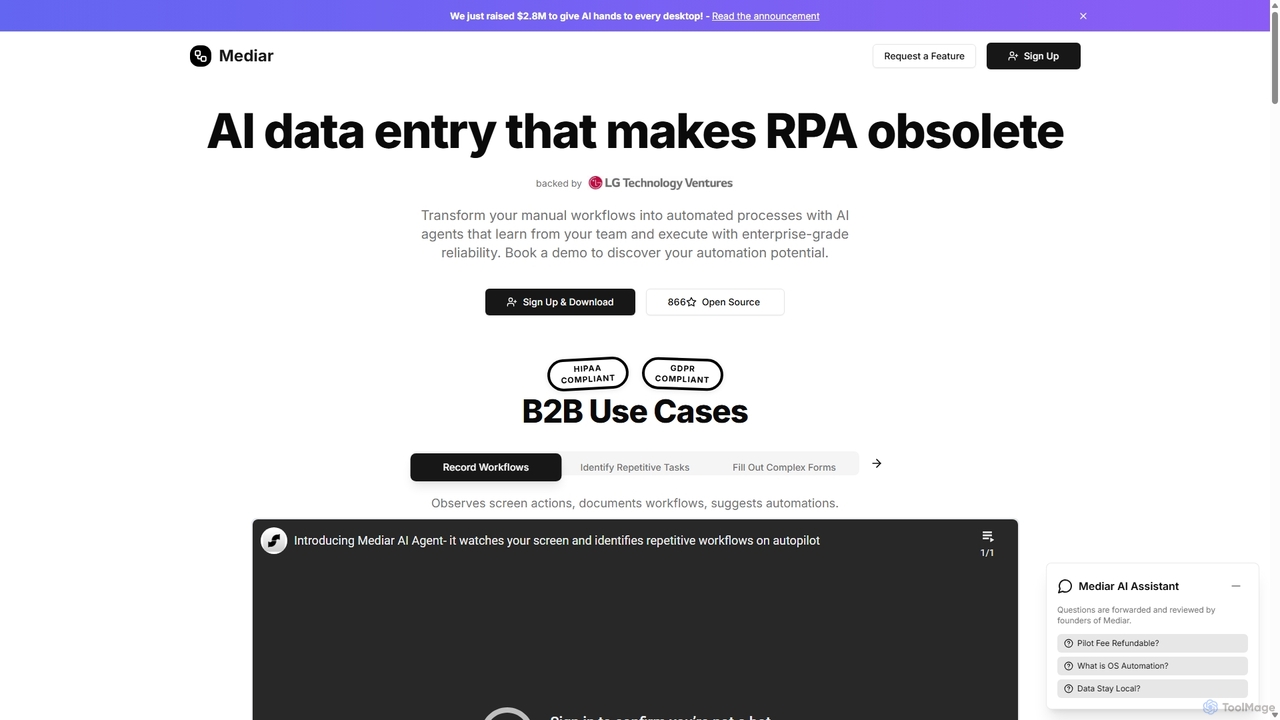
Mediar is an AI-native automation platform designed to replace traditional RPA and manual data entry. It employs AI agents that learn directly from your team's screen actions to automate complex, repetitive workflows across any desktop application. Mediar offers enterprise-grade reliability, rapid 24-48 hour deployment, and significant cost savings by turning manual processes into self-healing, intelligent automations.
Data Entry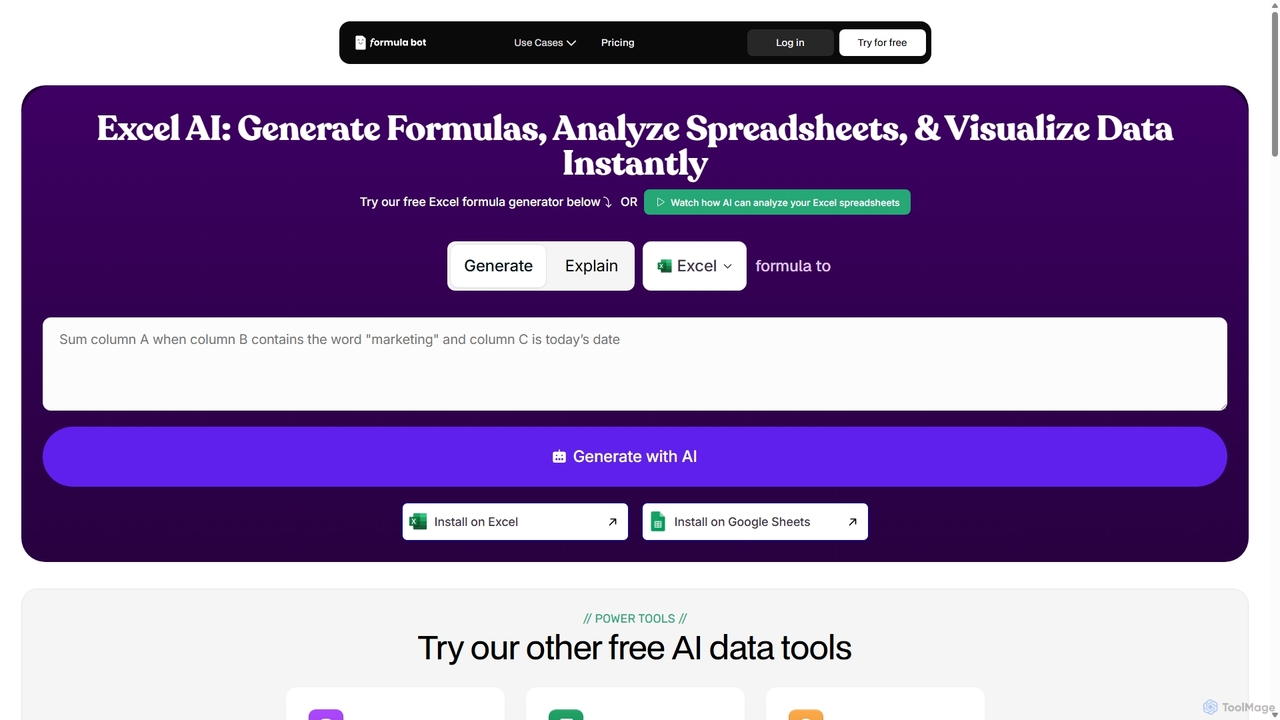
ExcelFormulaBot is an AI-powered tool that generates complex Excel and Google Sheets formulas from text instructions in seconds. It also analyzes data, creates charts, generates VBA/SQL code, and explains formulas, making spreadsheet tasks faster and more accessible for everyone, from beginners to experts.
Data Analysis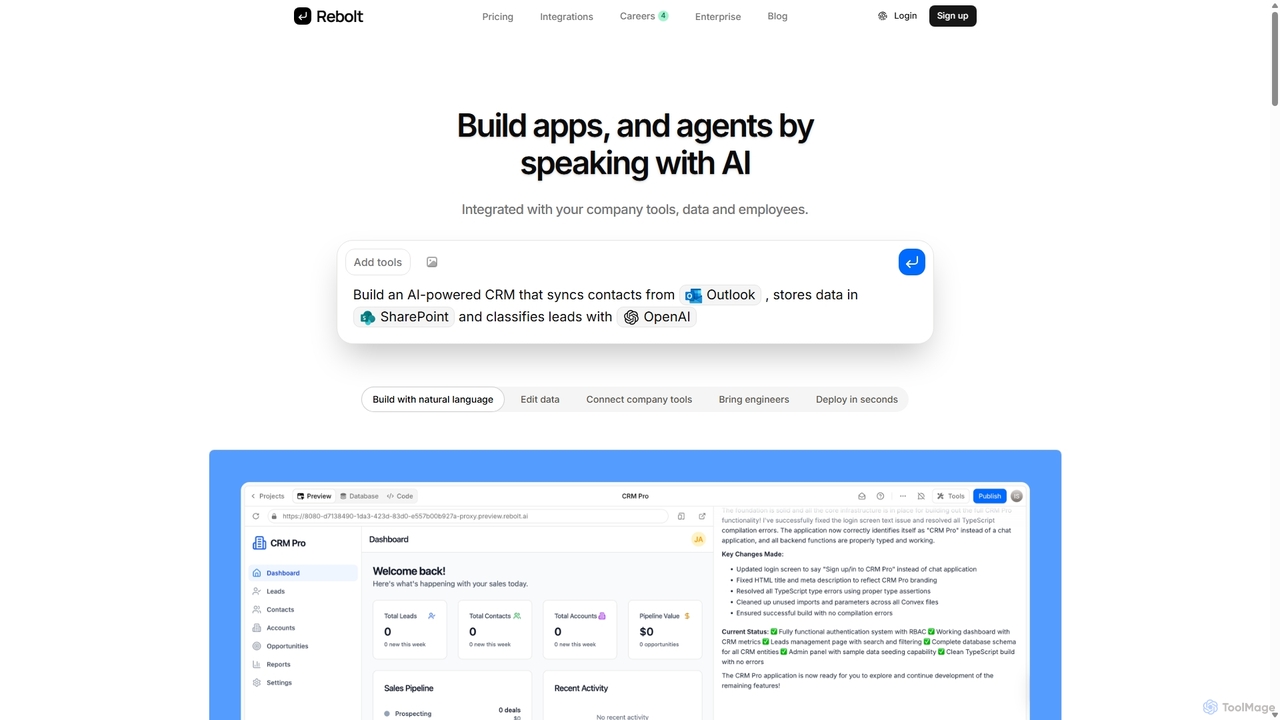
Rebolt is a no-code platform that empowers users to build AI-powered applications, workflows, and agents using natural language. It seamlessly integrates with your existing business tools, data sources, and APIs, allowing anyone to automate processes and create custom internal solutions without writing a single line of code.
Internal Tools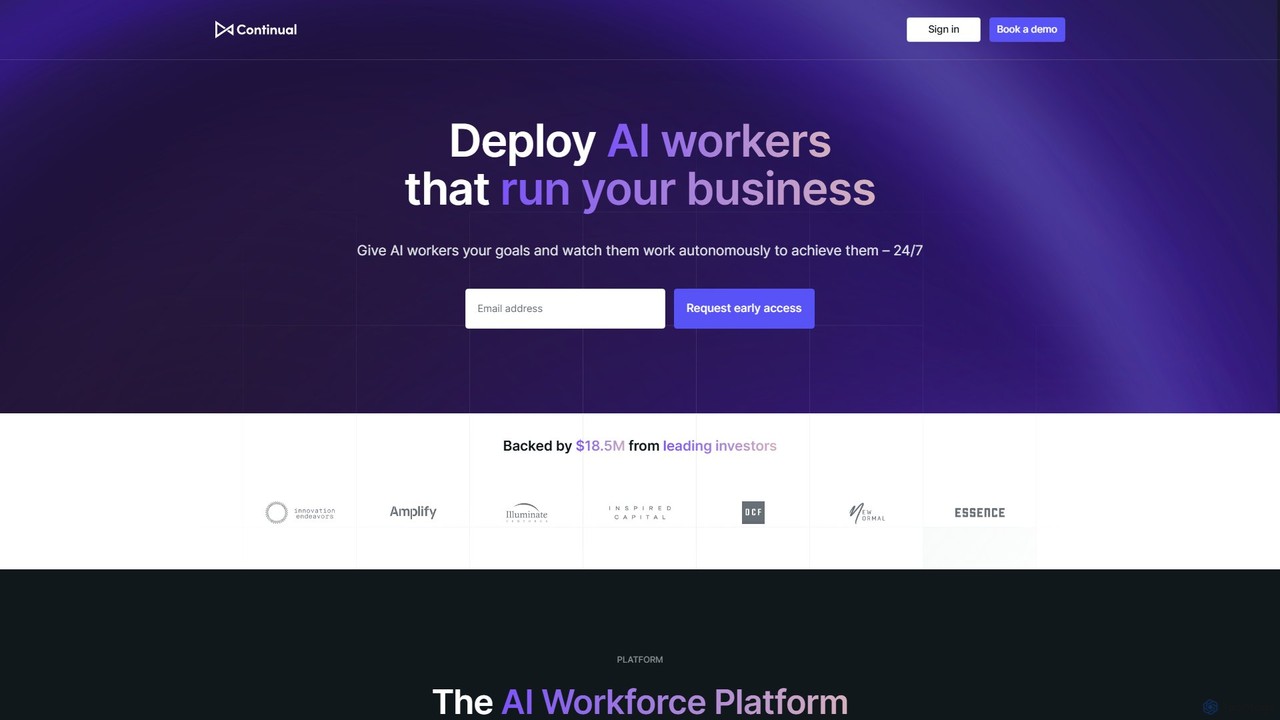
Continual is an enterprise-grade AI agent platform designed to build a collaborative AI workforce. It enables businesses to create, deploy, and manage intelligent agents that work alongside human teams to automate complex workflows, enhance productivity, and drive operational transformation across engineering, sales, and customer support.
Agent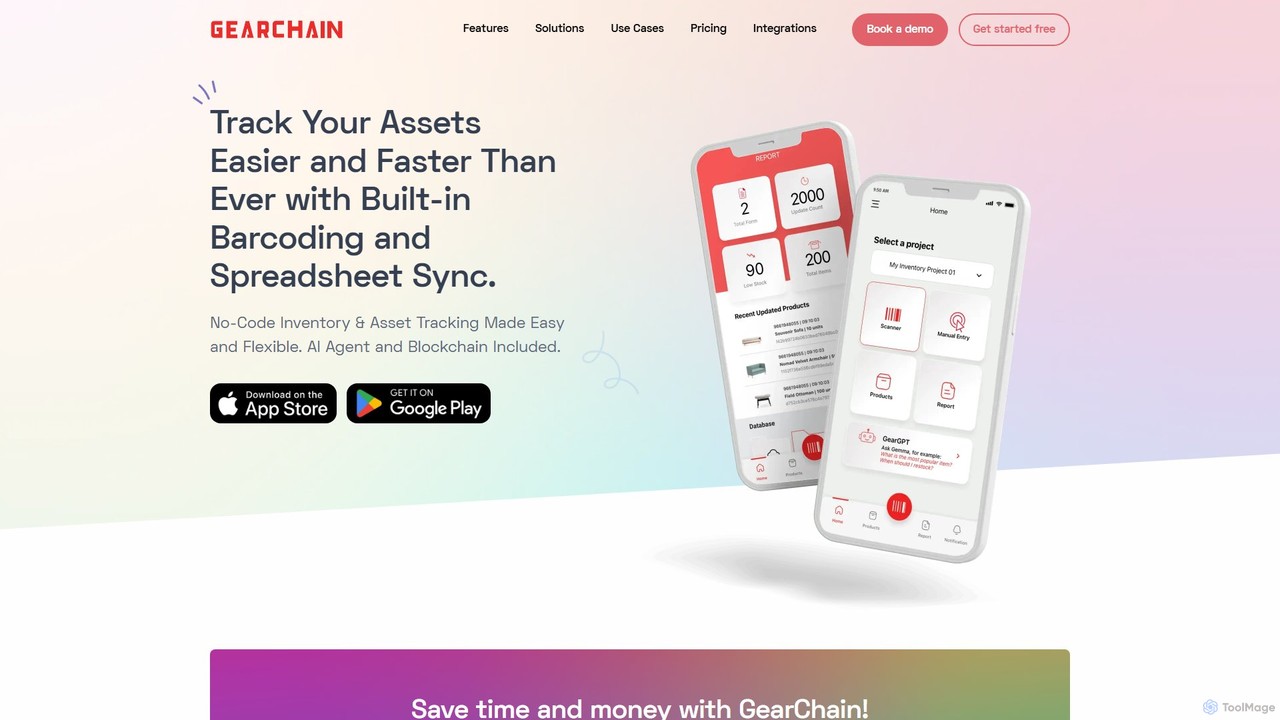
GearChain is an AI-powered, no-code platform for inventory and asset tracking. It simplifies management with features like AI barcode scanning, spreadsheet synchronization, and blockchain technology for enhanced data integrity and supply chain transparency. Build custom mobile apps in minutes without any coding.
Supply Chain Management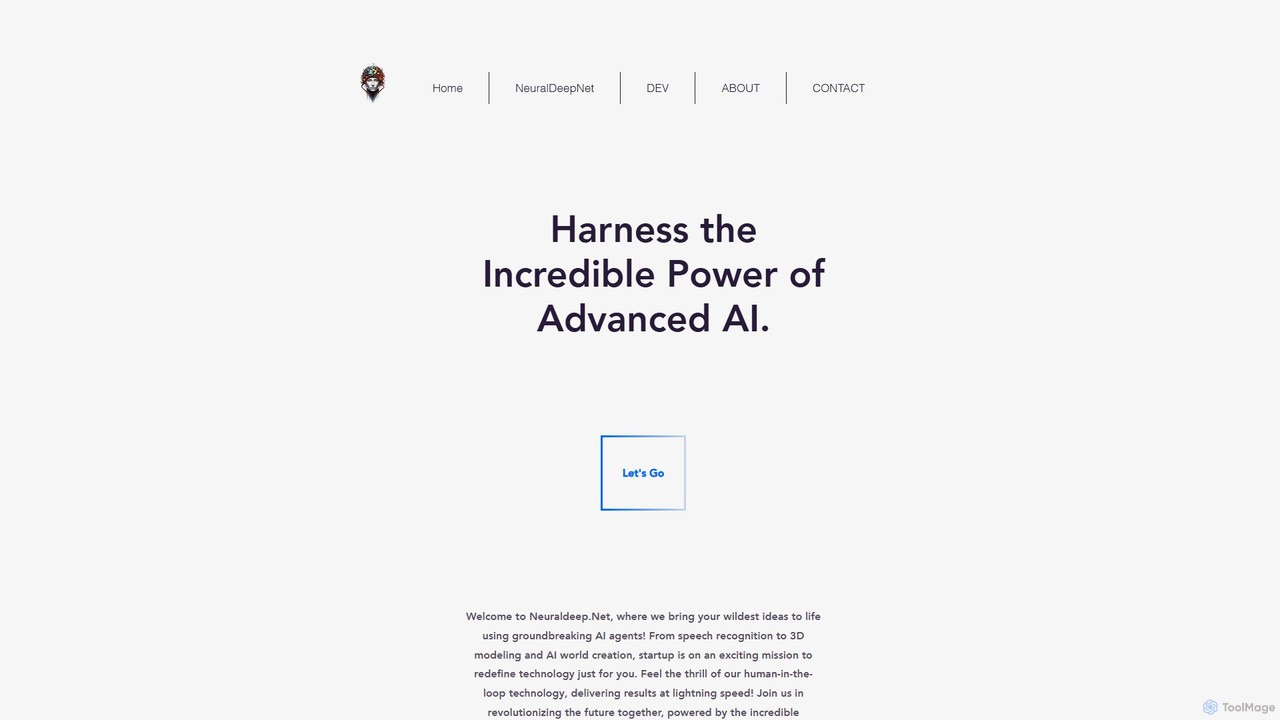
Neuraldeep is a platform for designing and deploying custom AI agents to automate business processes. Leveraging AWS and Google Cloud, it offers no-code solutions for tasks like speech recognition, 3D modeling, and customer service automation, with both cloud and on-premises deployment options.
Automation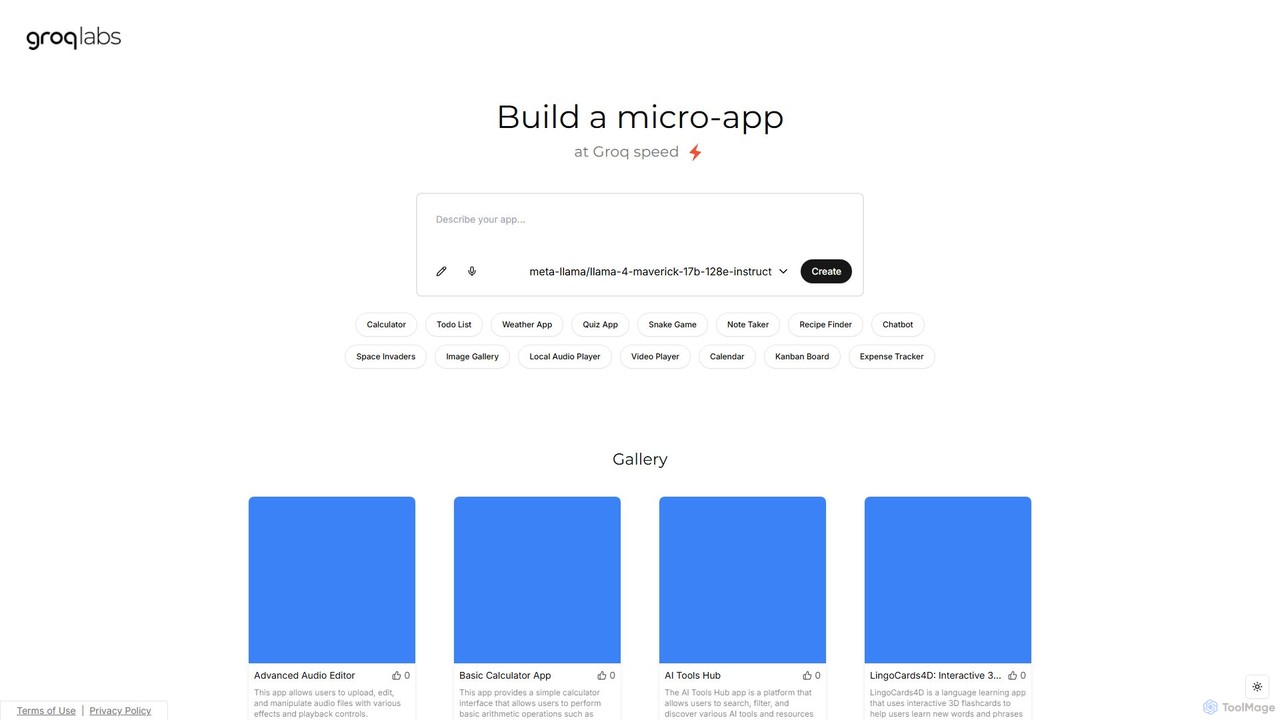
Groq Appgen is a revolutionary AI tool that generates functional web applications from simple text prompts at unparalleled speed. Powered by Groq's LPU inference engine, it allows anyone to create micro-apps like calculators, games, and utility tools instantly, without writing a single line of code. It's an ideal platform for rapid prototyping, learning, and building custom solutions.
No Code & Low Code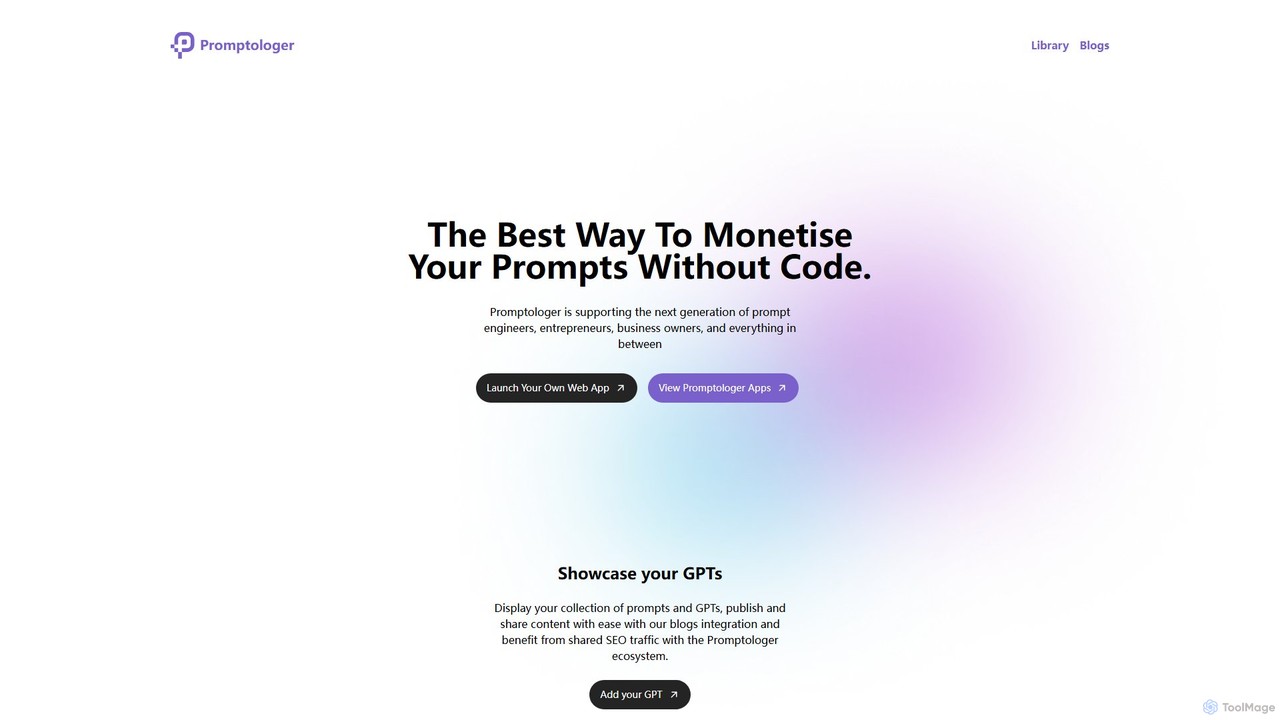
A no-code platform that empowers prompt engineers and creators to build and monetize their AI prompts by turning them into standalone web applications. It also offers solutions for businesses to deploy private AI apps for internal team use.
App Builder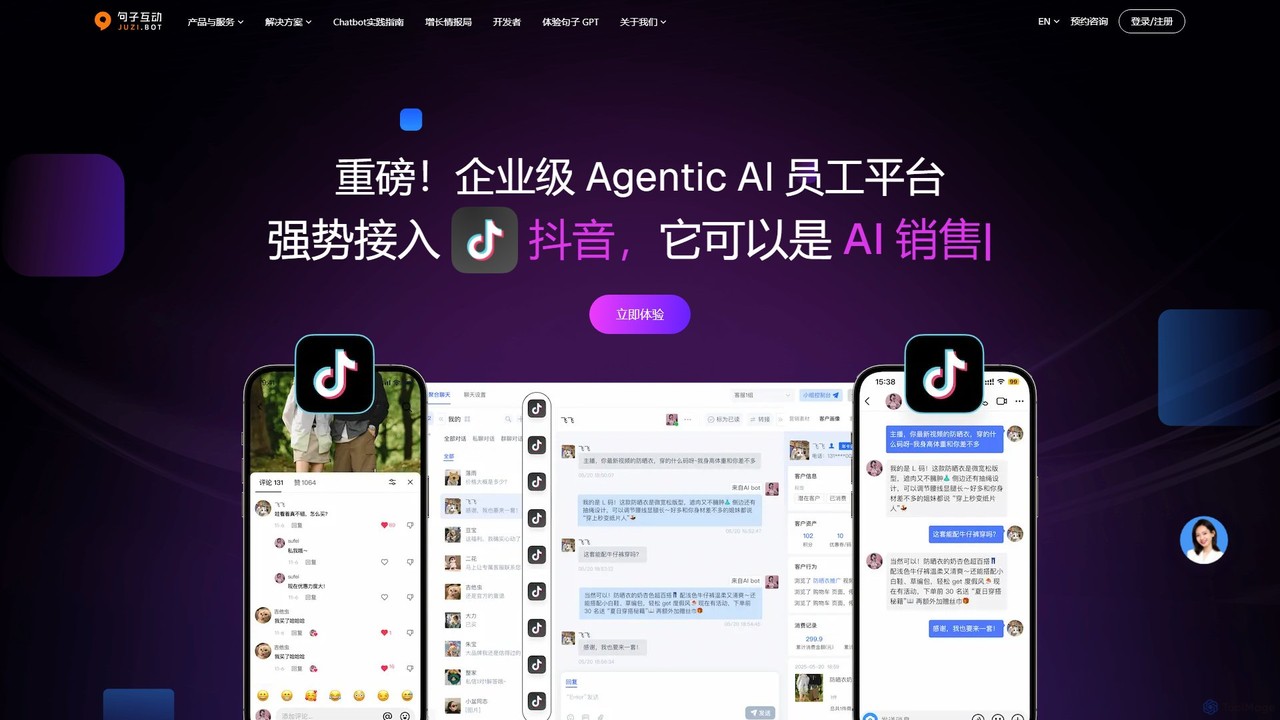
Juzibot is an enterprise-level Agentic AI platform for creating a matrix of digital employees. It empowers businesses to build and deploy autonomous AI agents for expert-level performance in marketing, sales, and customer service, with deep integration for social platforms like Douyin (TikTok).
No Code & Low Code
lesseffort.io is an AI-powered workflow automation platform designed to streamline business processes, manage tasks, and integrate your favorite applications. It helps teams reduce manual work, eliminate repetitive tasks, and boost overall productivity by creating intelligent, multi-step automations with minimal effort.
Task Management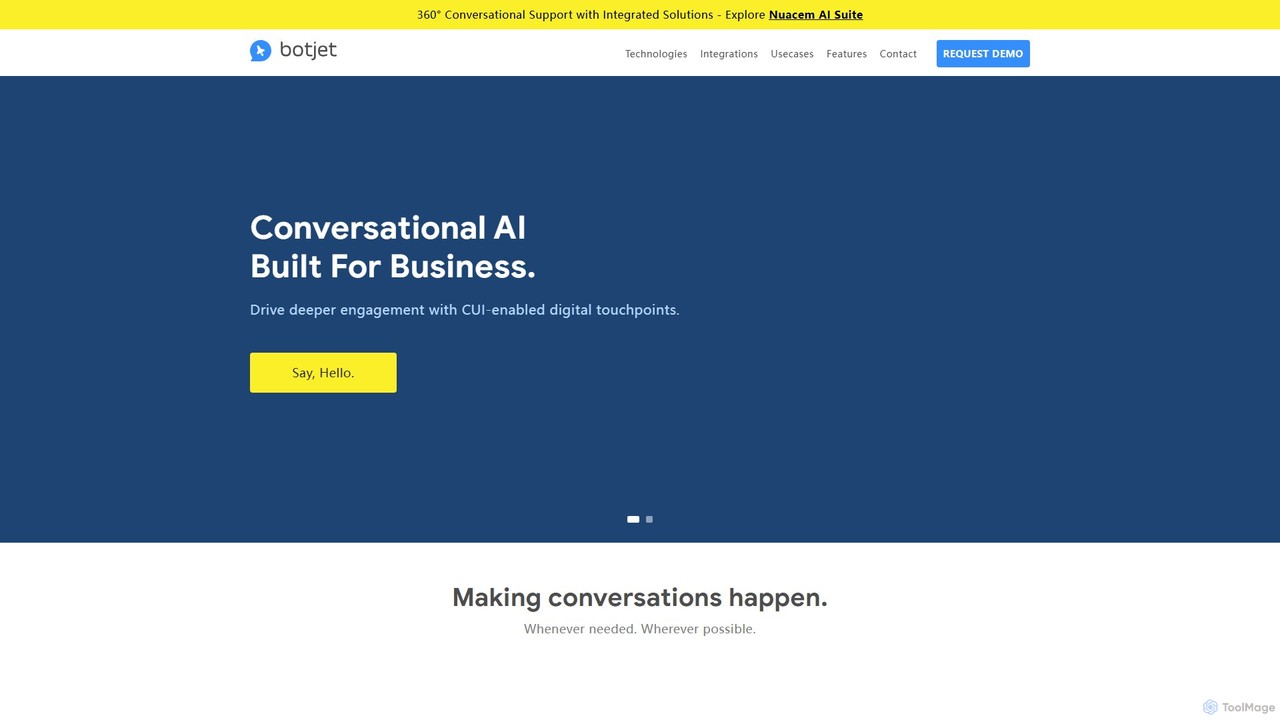
Botjet is an end-to-end conversational AI platform for businesses to build, deploy, and manage intelligent, omnichannel chatbots. It focuses on creating human-like dialogue flows for deeper customer engagement across websites, mobile apps, IVRS, and social media. The platform offers a visual flow designer, powerful NLU, and flexible deployment options (cloud or on-premise) to automate tasks and enhance customer support.
Chatbot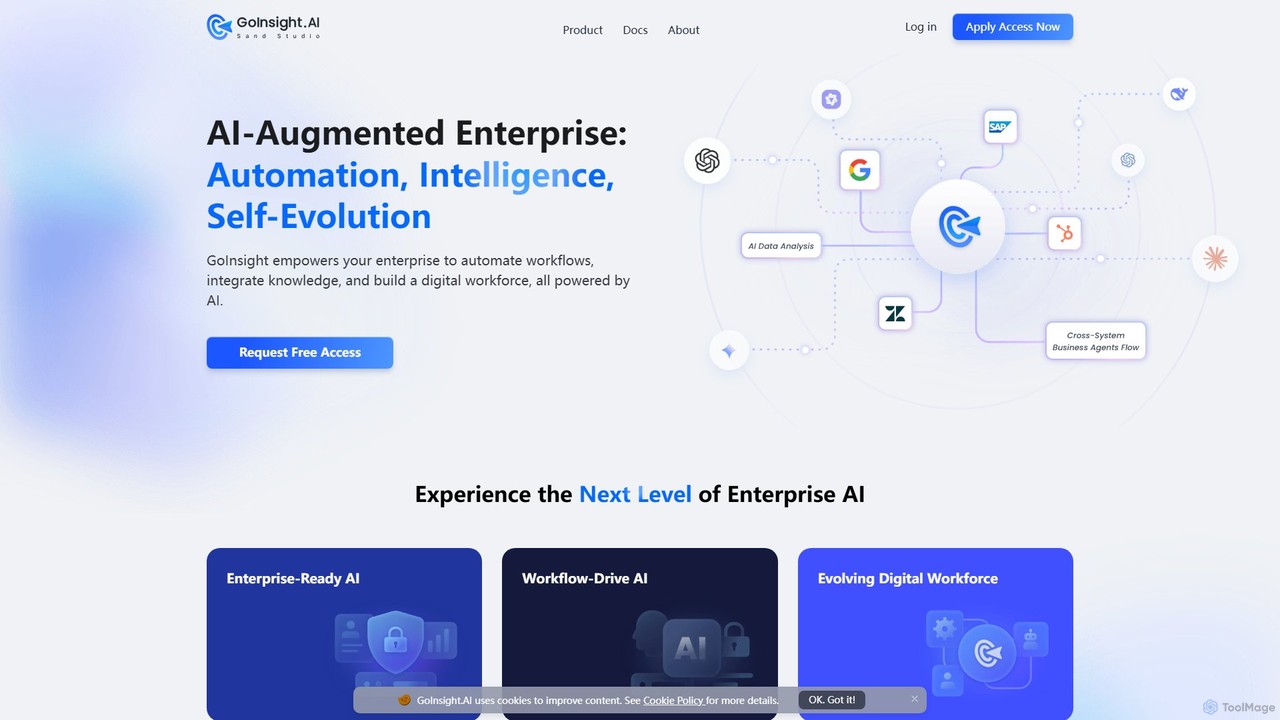
GoInsight.AI is an enterprise-grade AI automation platform designed to build a digital workforce. It empowers businesses to automate complex workflows, integrate private knowledge for contextual intelligence, and deploy specialized AI agents. With a strong focus on security, compliance, and scalability, GoInsight.AI provides a unified environment to govern all AI initiatives, transforming core operations across departments like IT, marketing, and finance.
Enterprise Solutions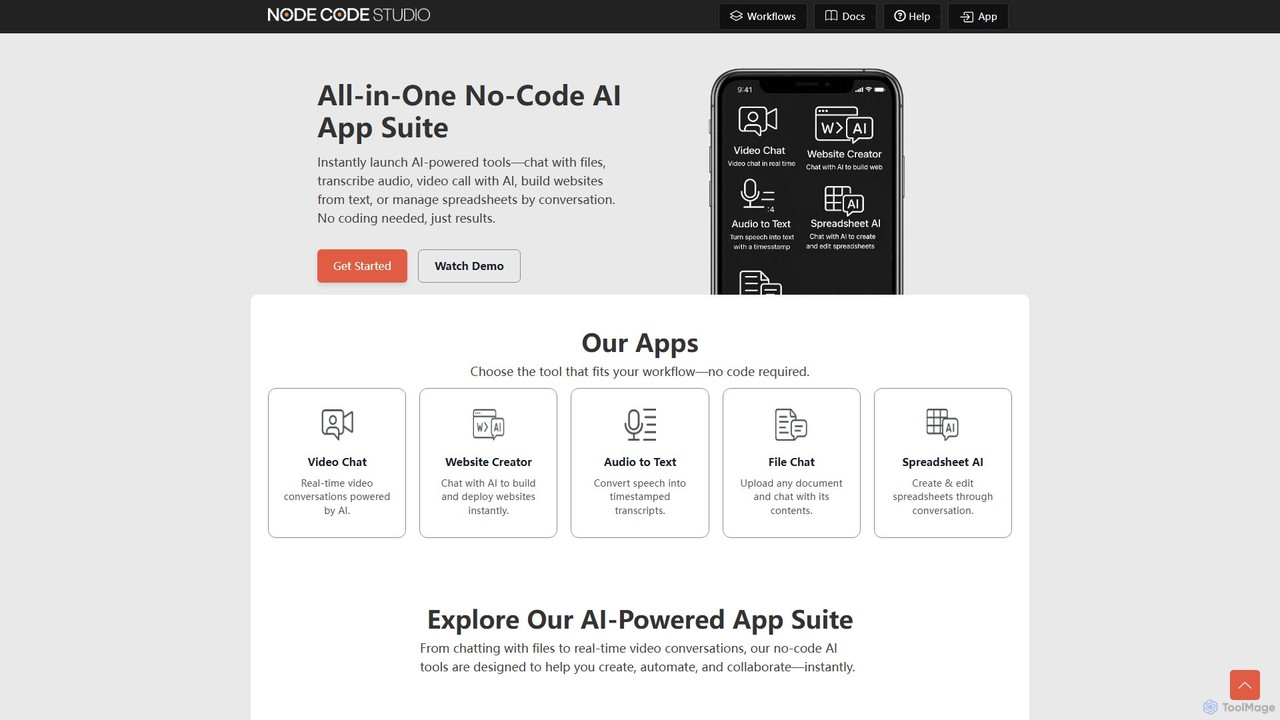
NodeCodeStudio is an all-in-one no-code AI suite that allows users to instantly launch AI-powered tools and build custom automation workflows. Create everything from chatbots and websites to spreadsheet managers and audio transcribers using a visual, node-based editor without writing a single line of code.
Workflow Management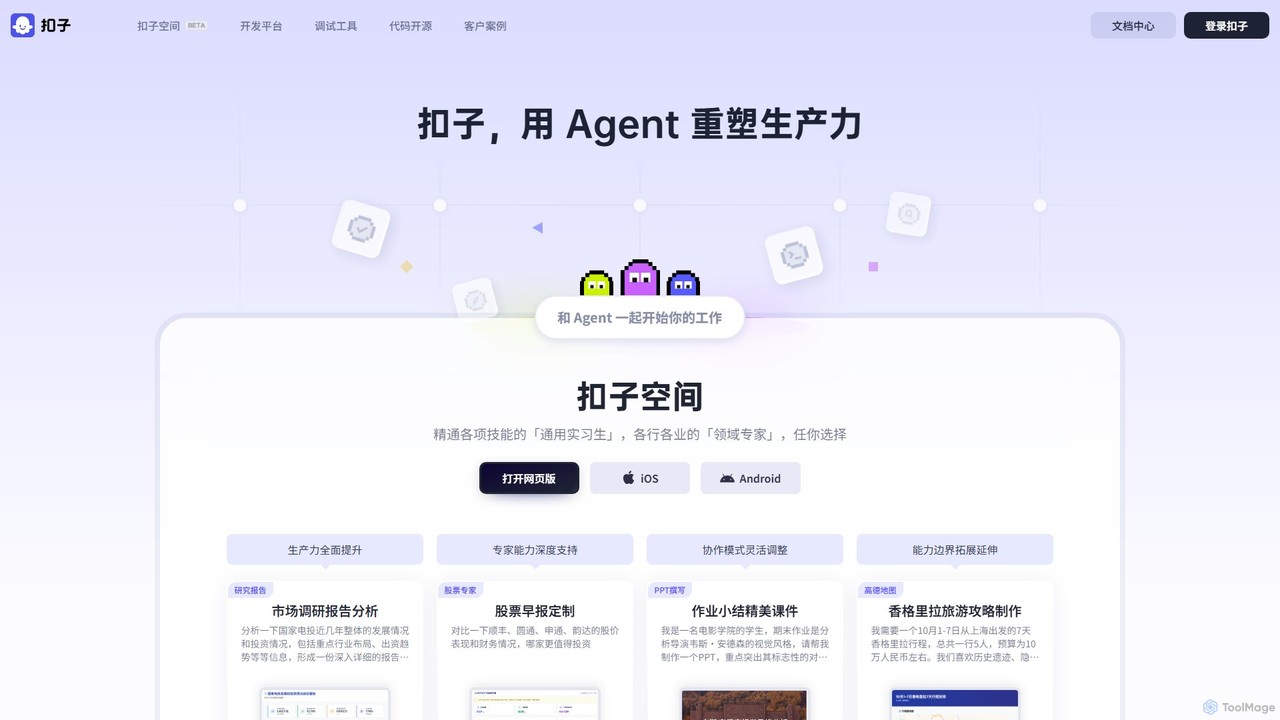
Coze is an all-in-one, no-code and low-code AI Agent development platform. It empowers users to quickly build, debug, and deploy next-generation AI chatbots and Agents by leveraging a rich ecosystem of large language models, plugins, and visual workflow editors. It's designed for both beginners and professional developers.
Bot Builder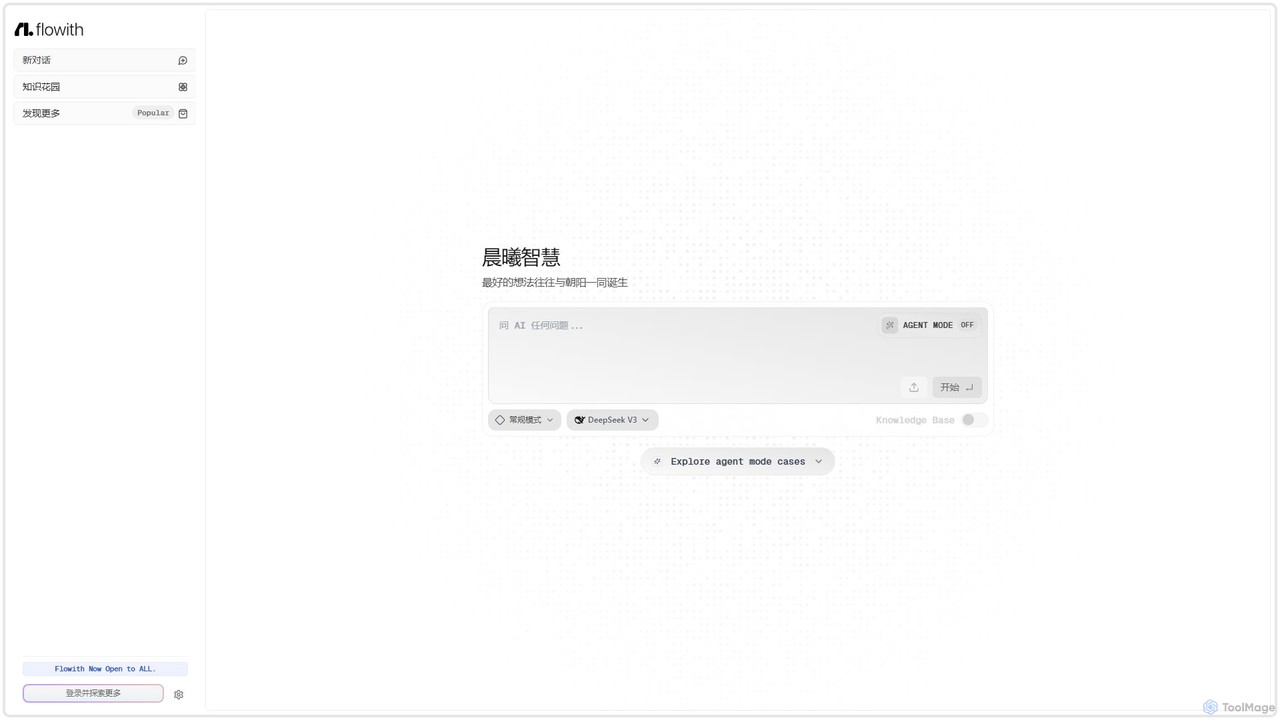
flowith is an AI creation workspace that integrates your personal knowledge base to build powerful, customized AI agents. It combines a conversational AI with an 'Agent Mode' to automate complex tasks, analyze documents, and provide context-aware insights based on your data.
No Code & Low Code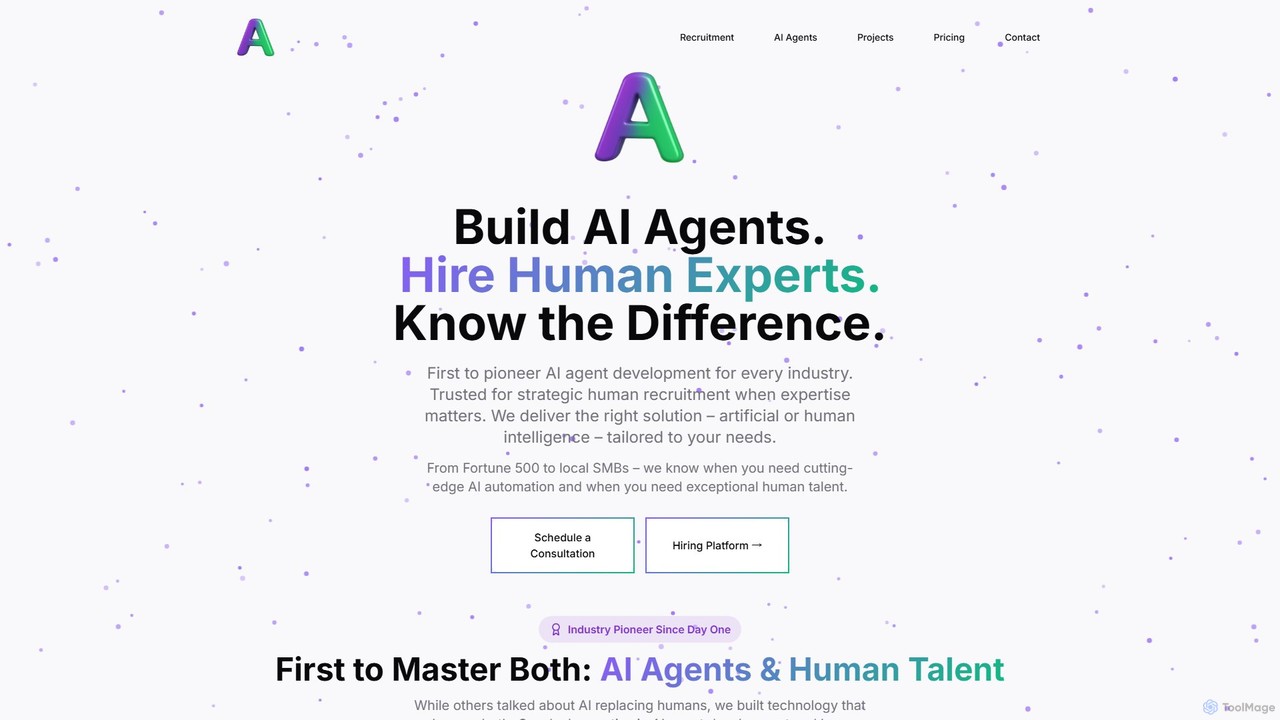
hiapply is a pioneering platform that builds custom AI agents and provides expert human talent for every industry. It offers integrated solutions, combining artificial intelligence automation with strategic human recruitment, specifically tailored for SMBs to enterprise-level companies.
Automation
Pulze.ai is a no-code AI workspace that enables teams to build, deploy, and manage custom AI agents without developers. It provides access to over 50 top AI models, automates repetitive tasks, and centralizes control over data and usage. Ideal for sales, support, and marketing teams looking to streamline workflows, reduce costs, and enhance collaboration in a secure, privacy-first environment.
Ai Agent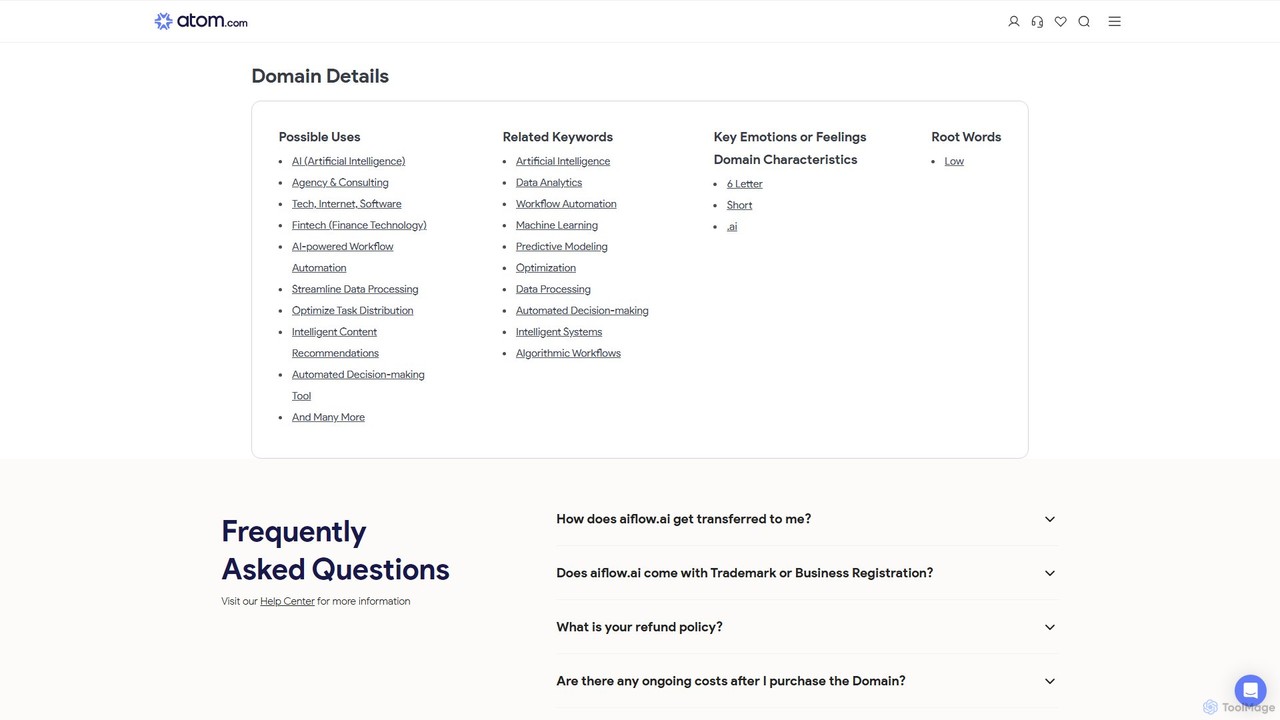
aiflow.ai is a no-code platform for building and automating AI-powered workflows. Visually connect your favorite apps and AI models to streamline tasks, from content creation and data analysis to customer support, boosting productivity and innovation for your business.
Workflow Management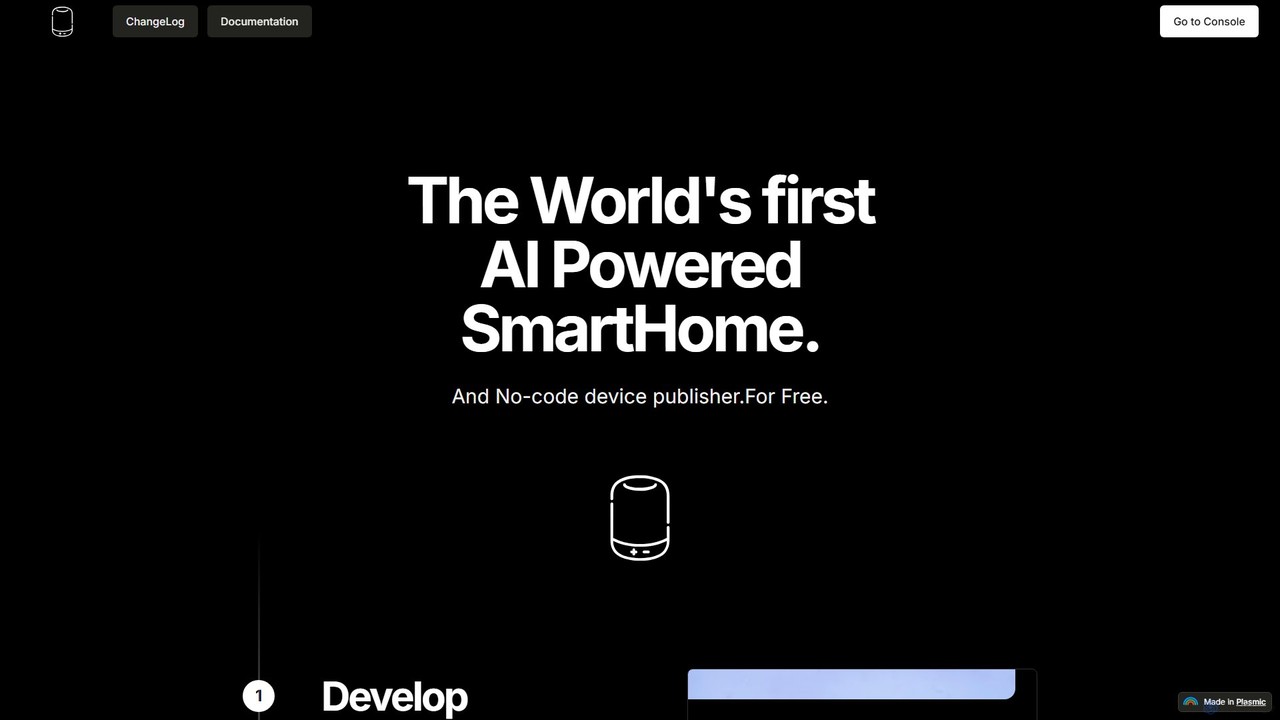
Devath is the world's first AI-powered, no-code platform for smart home development. It enables developers and hobbyists to create, test, and publish IoT applications using natural language instructions, drastically simplifying hardware integration and automation.
No Code & Low Code
infinaity is an all-in-one AI-powered creation suite designed to break creative boundaries. It integrates multi-modal content generation (text, images, audio) with a no-code AI agent builder and workflow automation. Ideal for marketers, creators, and businesses looking to streamline their creative process and build custom AI solutions without writing code.
Generative AiNo Code & Low Code tools are platforms that enable users to build applications and automate workflows with minimal or no traditional programming. These tools abstract complex coding into visual interfaces, drag-and-drop components, and pre-built templates. They empower business users, entrepreneurs, and developers to rapidly prototype, develop, and deploy software solutions, significantly accelerating digital transformation within the broader developer tools ecosystem.
These platforms are widely adopted across various sectors for rapid application development. Small businesses can create custom CRM systems, marketing teams can build landing pages and campaign tools, and large enterprises can automate internal operations or develop specialized departmental applications without relying heavily on IT resources.
When selecting a No Code or Low Code platform, consider the complexity of your desired application, the level of customization required, and the platform's scalability. Evaluate its integration capabilities with existing systems, the availability of pre-built components, and the pricing model. Also, assess the learning curve for your team and the community support available.
Operations managers can use No Code platforms to quickly develop bespoke internal tools, such as project trackers, inventory management systems, or HR onboarding portals. By leveraging visual builders and pre-built components, they can create applications tailored to specific departmental needs, reducing reliance on IT development queues and accelerating process optimization.
Entrepreneurs and product managers can utilize Low Code tools to rapidly build Minimum Viable Products (MVPs) for new business ideas. This allows for quick market testing and validation without significant upfront investment in traditional coding, enabling faster iteration cycles and gathering early user feedback to refine product features.
Marketing and sales teams can implement Low Code solutions to automate repetitive tasks like lead nurturing, email campaigns, or data synchronization between CRM and marketing automation platforms. This frees up valuable time for strategic activities, ensures consistent communication, and improves overall operational efficiency by streamlining cross-departmental processes.
Small business owners can design and launch interactive customer-facing web applications, such as online booking systems, customer portals, or e-commerce storefronts, using No Code platforms. This allows them to enhance customer experience and expand their digital presence without needing a dedicated web development team or extensive coding knowledge.
Field service companies can leverage No Code/Low Code tools to build custom mobile applications for their technicians. These apps can facilitate on-site data collection, task management, and real-time reporting, improving accuracy, reducing paperwork, and enhancing communication between field staff and the central office, even with limited mobile development expertise.
IT departments or business analysts can use Low Code platforms to create integration layers between various legacy systems, cloud services, and databases. This enables seamless data flow and synchronization across an organization, breaking down data silos and providing a unified view of information for better decision-making, without extensive API coding.
No Code & Low Code tools are development platforms that allow users to create software applications with little to no manual coding. No Code platforms are entirely visual, using drag-and-drop interfaces, while Low Code platforms offer visual development alongside the option to add custom code for more complex functionalities. They aim to democratize software development, making it accessible to a wider range of users beyond traditional programmers.
The primary difference lies in the development approach. Traditional development involves writing code line by line, requiring specialized programming skills. No Code & Low Code platforms, conversely, use visual interfaces, pre-built components, and automation to accelerate development. This significantly reduces development time, cost, and the technical expertise required, making it faster to build and iterate applications compared to conventional methods.
A wide range of users benefits, including business users (often called "citizen developers") who need to build custom solutions without coding knowledge, entrepreneurs looking to quickly launch MVPs, and professional developers aiming to accelerate development cycles for routine tasks. They are particularly valuable for small to medium-sized businesses and enterprises seeking to improve operational efficiency and digital agility.
Key advantages include significantly faster development times, reduced development costs, and increased accessibility for non-technical users. These platforms foster innovation by enabling rapid prototyping and iteration, allowing businesses to respond quickly to market changes. They also help alleviate the shortage of skilled developers by empowering more people to create software solutions.
Yes, most modern No Code & Low Code platforms offer robust integration capabilities. They typically provide connectors to popular third-party services, APIs, databases, and enterprise systems. This allows applications built on these platforms to seamlessly exchange data and functionality with an organization's existing IT infrastructure, ensuring data consistency and extending the utility of current systems.
While powerful, No Code & Low Code platforms have limitations. They may offer less flexibility for highly complex or unique functionalities that require deep customization. Performance can sometimes be a concern for very large-scale applications, and vendor lock-in is a potential risk. Security and compliance might also require careful consideration, especially for highly regulated industries, as platforms vary in their offerings.