


apifabric Overview
apifabric is a revolutionary AI-powered development platform designed to dramatically accelerate the creation of web applications. It functions as an intelligent API and frontend generator, capable of transforming natural language descriptions or existing database schemas into fully functional, production-ready code. By leveraging a sophisticated GPT backend, apifabric interprets your requirements and automatically builds the necessary components, bridging the gap between idea and implementation.
The platform is built on a robust and modern technology stack, ensuring scalability and maintainability. The backend is generated using Python with the ApiLogicServer and Safrs API frameworks, while the frontend can be scaffolded in either React-admin or Angular Ontimize. This flexibility allows development teams to work with their preferred technologies. The core philosophy of apifabric is to combine the speed of AI-driven generation with the power of human customization, as all generated components are open-source, giving developers full control to extend and modify the code as needed.
How to use apifabric
Using apifabric streamlines the development process into a few simple steps:
- Describe or Connect: Start by describing your application's data models, user roles, and core functionalities in plain English. The generative AI will interpret these descriptions to design the application structure. Alternatively, you can connect apifabric to an existing database (supporting SQLite, Postgres, MySQL, Oracle, SQL Server) and it will automatically reverse-engineer the schema to build the API.
- Define Business Logic: Go beyond simple CRUD operations by defining complex business logic using natural language. For example, you can specify rules like "When an order's status is updated to 'shipped', decrease the product's stock quantity by the order amount." The platform translates these rules into executable code.
- Generate Code: With a single command, apifabric generates the complete application stack. This includes a JSON:API compliant Python backend, a fully interactive frontend, and Docker configuration files for easy deployment.
- Customize and Extend: Download the generated open-source code. Since you have full access, you can integrate custom features, modify the UI, and fine-tune the business logic in your preferred IDE.
- Deploy: Use the provided Docker containers to deploy your application on-premise or in the cloud, ensuring a consistent and reliable environment.
Core Features of apifabric
- Generative AI Backend: Utilizes a GPT-powered engine to understand natural language prompts for application design.
- Database-First Generation: Introspects existing SQL database schemas to automatically create corresponding APIs and frontends.
- Natural Language Business Logic: A unique layer that allows developers to declare complex validation, derivation, and authorization rules using simple English sentences.
- Industry-Standard JSON:API: Generates APIs that adhere to the JSON:API specification, ensuring easy integration with any modern frontend framework.
- Frontend Scaffolding: Automatically creates a choice of a React-admin or Angular Ontimize frontend, complete with forms, lists, and data visualizations.
- Open-Source Components: Provides full ownership of the generated code, eliminating vendor lock-in and allowing for unlimited customization.
- Comprehensive Tech Stack: Built on proven technologies including Python, SQLAlchemy, Docker, and supports a wide range of SQL databases.
- Containerized Deployment: Includes Docker support out-of-the-box for simplified and scalable deployments.
Use Cases for apifabric
apifabric is ideal for a variety of development scenarios:
- Rapid Prototyping: Quickly build and demonstrate functional prototypes to stakeholders and investors.
- Internal Tool Development: Effortlessly create admin panels, dashboards, and data management tools for internal business operations.
- MVP (Minimum Viable Product) Creation: Accelerate the launch of new products by automating the development of core features.
- Legacy System Modernization: Create modern, secure REST APIs for older, legacy databases without altering the original system.
- Automating CRUD Applications: Eliminate the repetitive and time-consuming task of writing boilerplate code for data-centric applications.
Advantages of apifabric
The primary advantage of apifabric is its incredible speed, reducing development cycles from weeks or months to just hours or days. It democratizes application development, enabling not just senior developers but also junior developers and technical project managers to build robust applications. The combination of AI generation and open-source code offers the best of both worlds: rapid initial development and long-term flexibility. By automating boilerplate code, it allows developers to focus on high-value, unique features that differentiate their product.
Pricing and Plans
apifabric operates on a freemium model. The core components for generating applications are open-source and free to use. For enterprises and teams requiring more advanced support, customization, and integration, apifabric offers professional services. These paid services include custom backend and frontend development, business rule integration, on-premise GenAI setup, and security consulting. For detailed pricing and to discuss specific project needs, interested parties are encouraged to contact the sales team via the official website.
apifabric Alternatives
autocoder
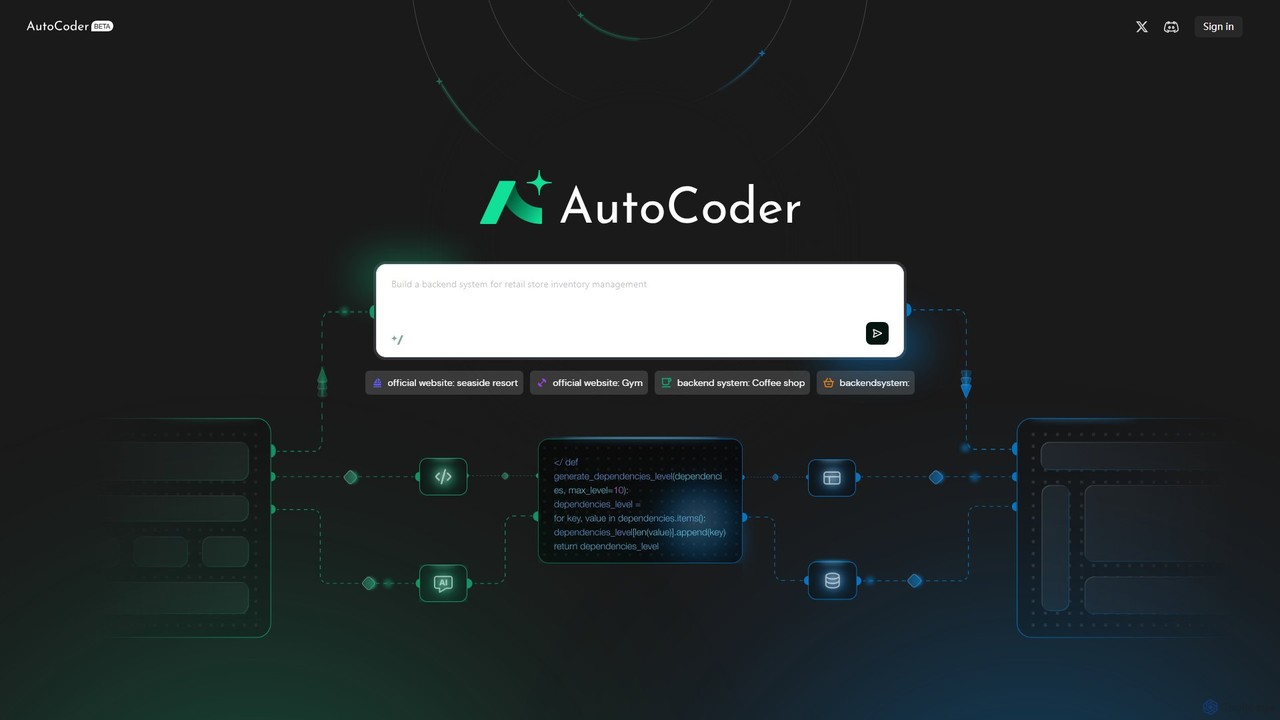
Autocoder is an AI-powered platform that transforms natural language prompts into high-quality, full-stack application code. Describe your website or backend system, and Autocoder generates the necessary frontend and backend components, accelerating development for everyone from entrepreneurs to experienced developers. Build prototypes, internal tools, or complete websites in minutes, not weeks.
Code Generation
getconduit
getconduit is an AI integration and workflow automation platform that simplifies connecting to various large language models (LLMs) and AI services. It provides a unified API and a no-code builder to create, manage, and scale AI-powered applications and workflows, reducing development complexity and costs.
Integration Platform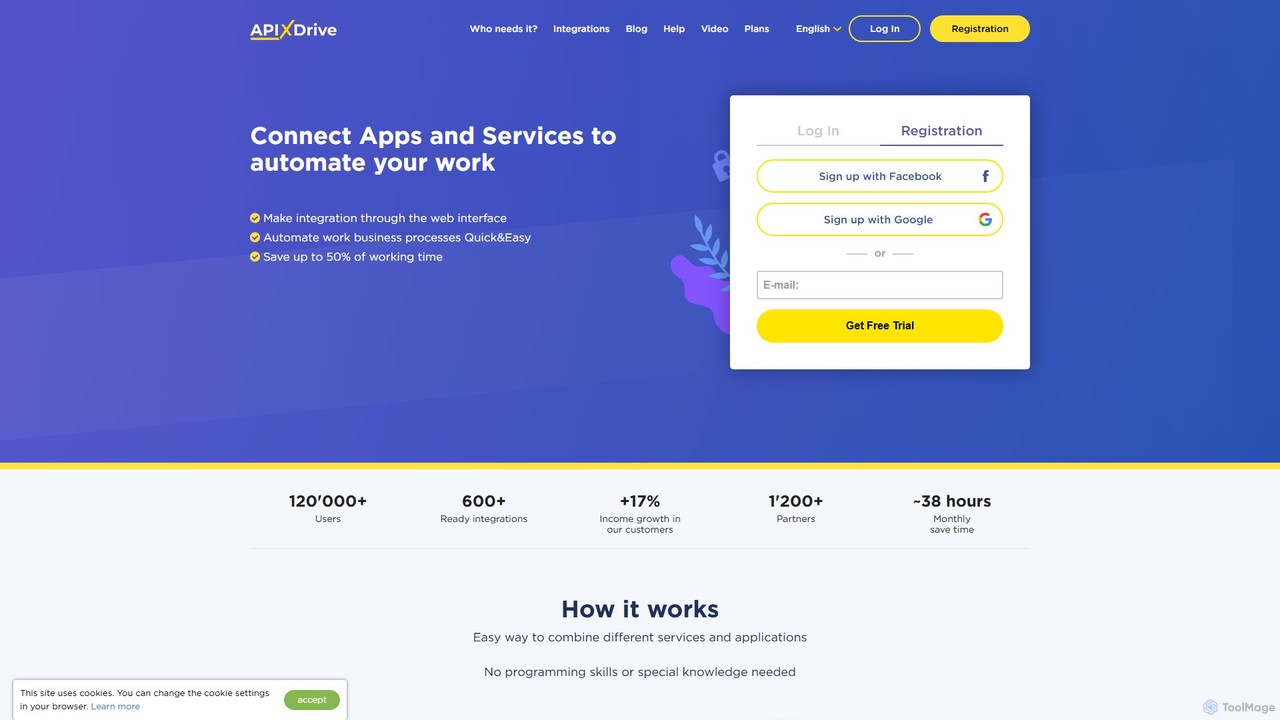
apix_drive
ApiX-Drive is a no-code integration platform that automates workflows by connecting over 600 apps and services. Easily link your CRM, marketing tools, e-commerce platforms, and AI applications like ChatGPT without any programming skills. Streamline data transfer, automate lead management, and save significant time.
Api Management
CodeFlying
CodeFlying is an AI-powered development platform that automatically generates software, mini-programs, and web applications from a single sentence. It empowers innovators and non-technical users to build and deploy functional apps using natural language, drastically reducing development time and complexity.
App Builder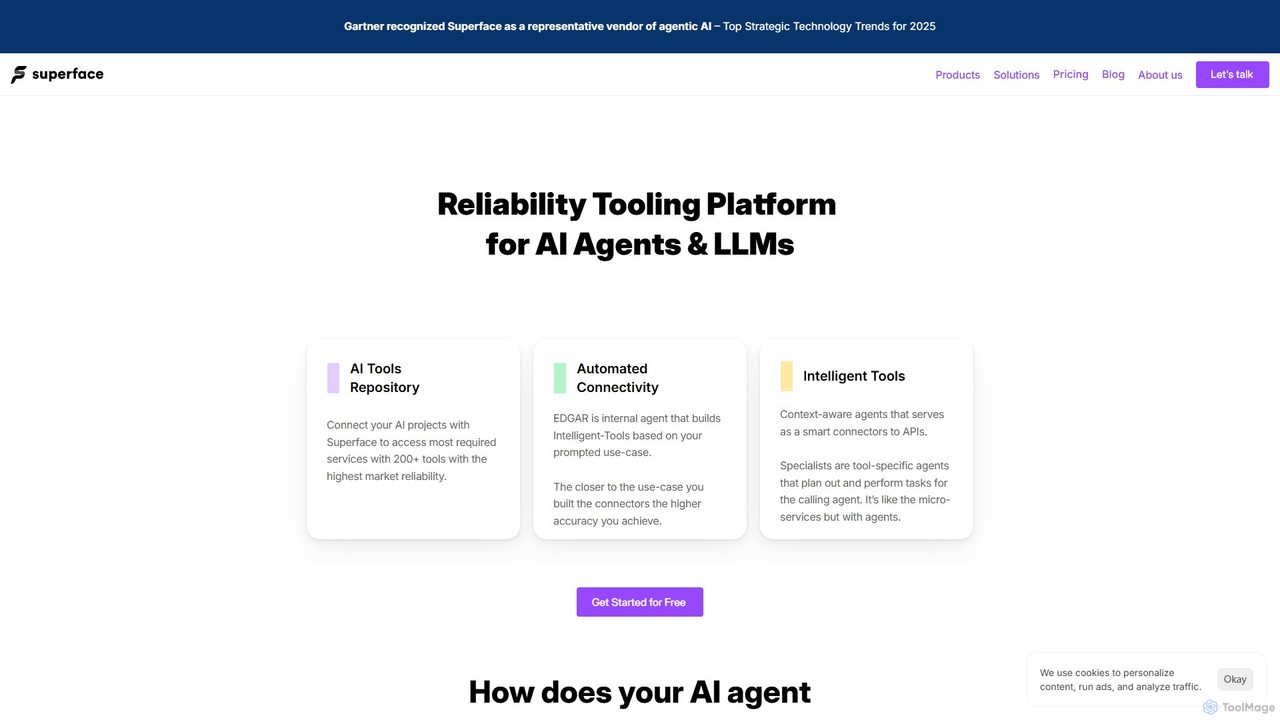
Superface
Superface is a tooling and reliability platform for AI agents, enabling them to connect to and interact with external APIs and enterprise systems with human-level accuracy. It provides a library of pre-built, reliable tools and automated builders to significantly improve task completion rates and reduce development time.
Api Managementapifabric Categories
apifabric Embed Widget
Copy this embed code to place the badge on your blog, article, or product site and send readers directly to this ToolMage detail page.

Related AI tools
autocoder
Autocoder is an AI-powered platform that transforms natural language prompts into high-quality, full-stack application code. Describe your website or backend system, and Autocoder generates the necessary frontend and backend components, accelerating development for everyone from entrepreneurs to experienced developers. Build prototypes, internal tools, or complete websites in minutes, not weeks.
Code Generation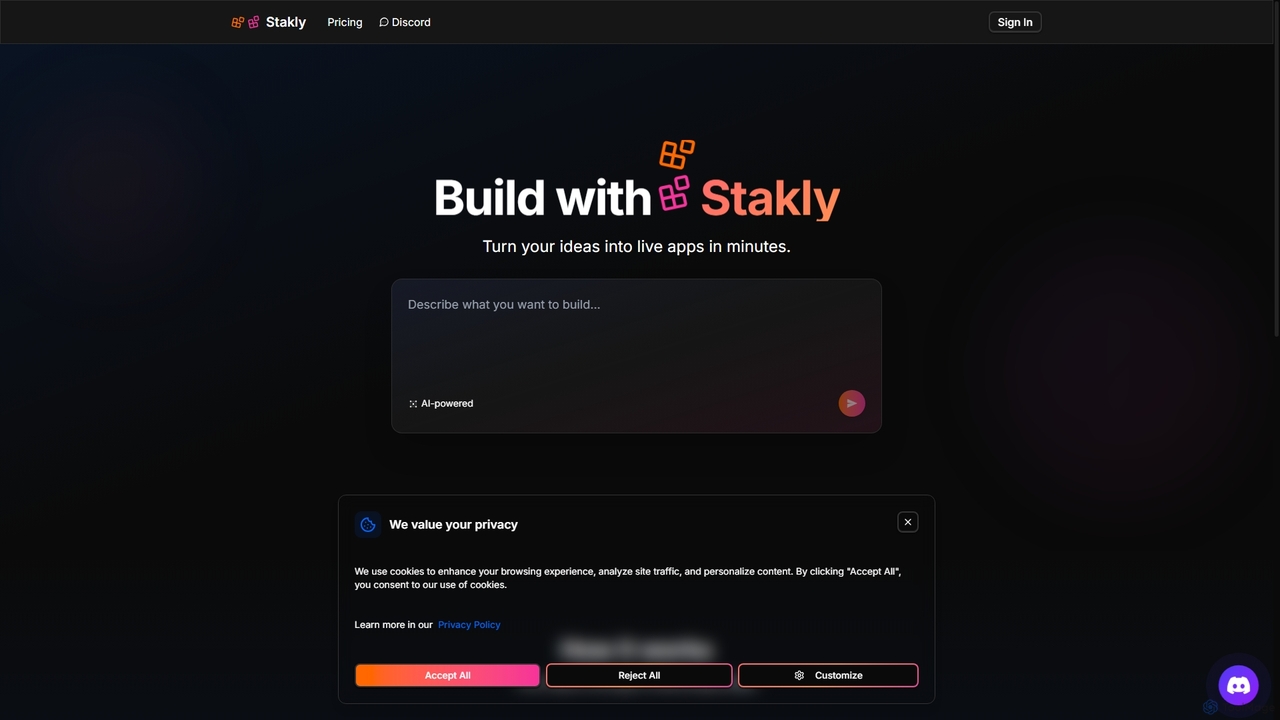
Stakly
Stakly is an AI-powered development platform that transforms natural language prompts into production-ready, full-stack web applications in minutes. Describe your idea, and the AI generates clean code, which you can deploy with one click or export to own completely. It supports modern frameworks like React, Next.js, and Python, making it ideal for rapid prototyping and development.
Code AssistantCodeFlying
CodeFlying is an AI-powered development platform that automatically generates software, mini-programs, and web applications from a single sentence. It empowers innovators and non-technical users to build and deploy functional apps using natural language, drastically reducing development time and complexity.
App Builder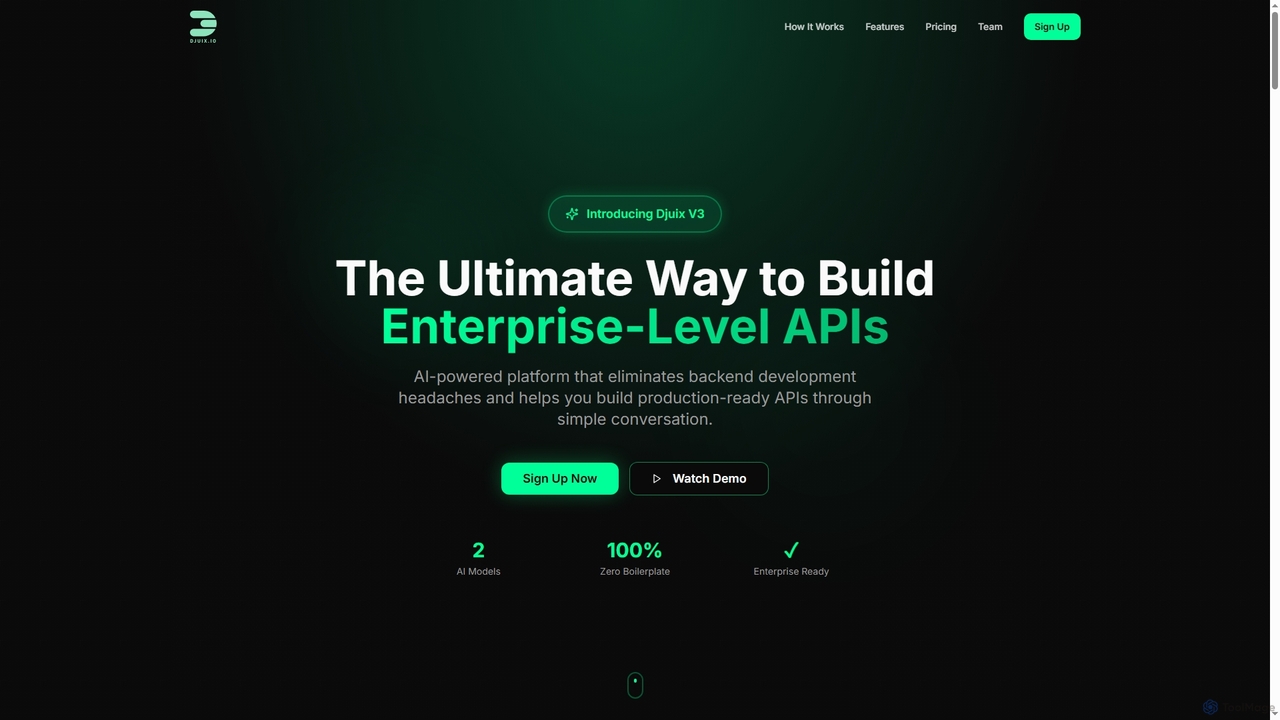
Djuix
Djuix is an AI-powered platform that enables users to build enterprise-level Django REST APIs through simple, natural language conversations. It automates backend development, eliminating boilerplate code and allowing for rapid prototyping and deployment with full code ownership.
Backend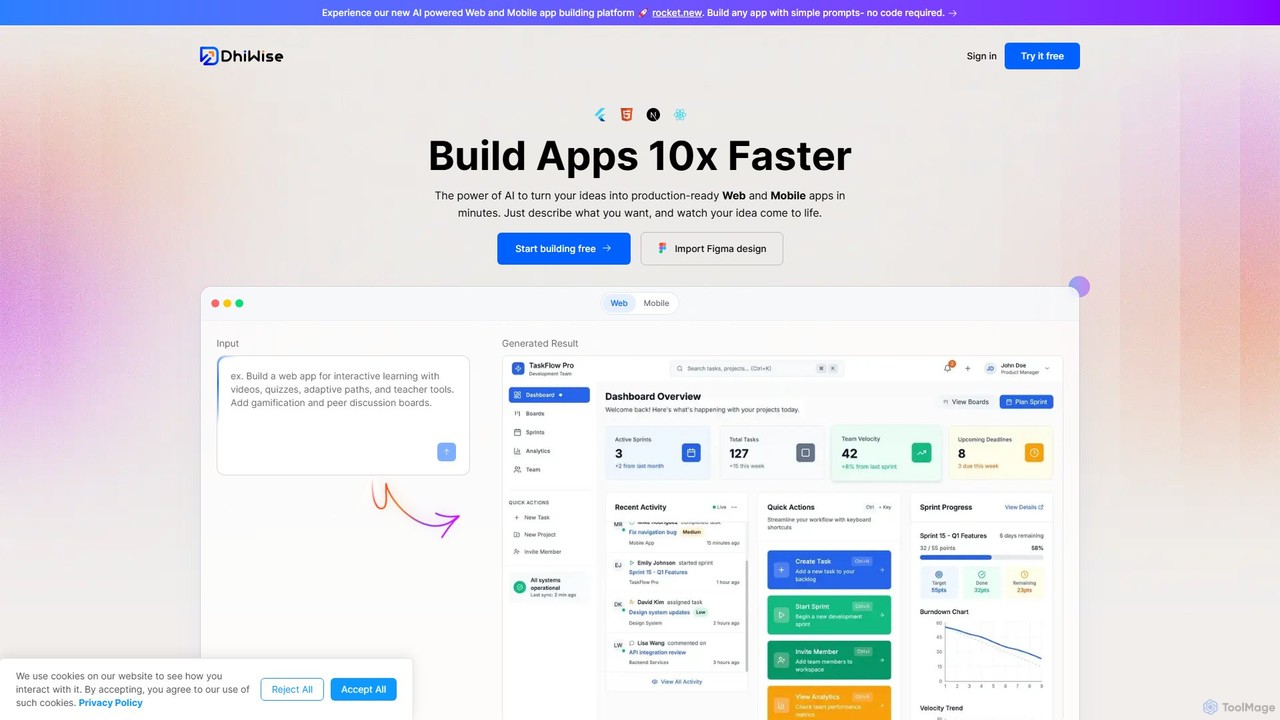
DhiWise
DhiWise is an AI-powered development platform that accelerates the creation of web and mobile applications. It transforms your ideas, natural language prompts, or Figma designs into high-quality, production-ready code in minutes. Supporting frameworks like Flutter and modern web technologies, DhiWise automates boilerplate tasks, enabling developers to build and deploy apps 10x faster.
Design To Code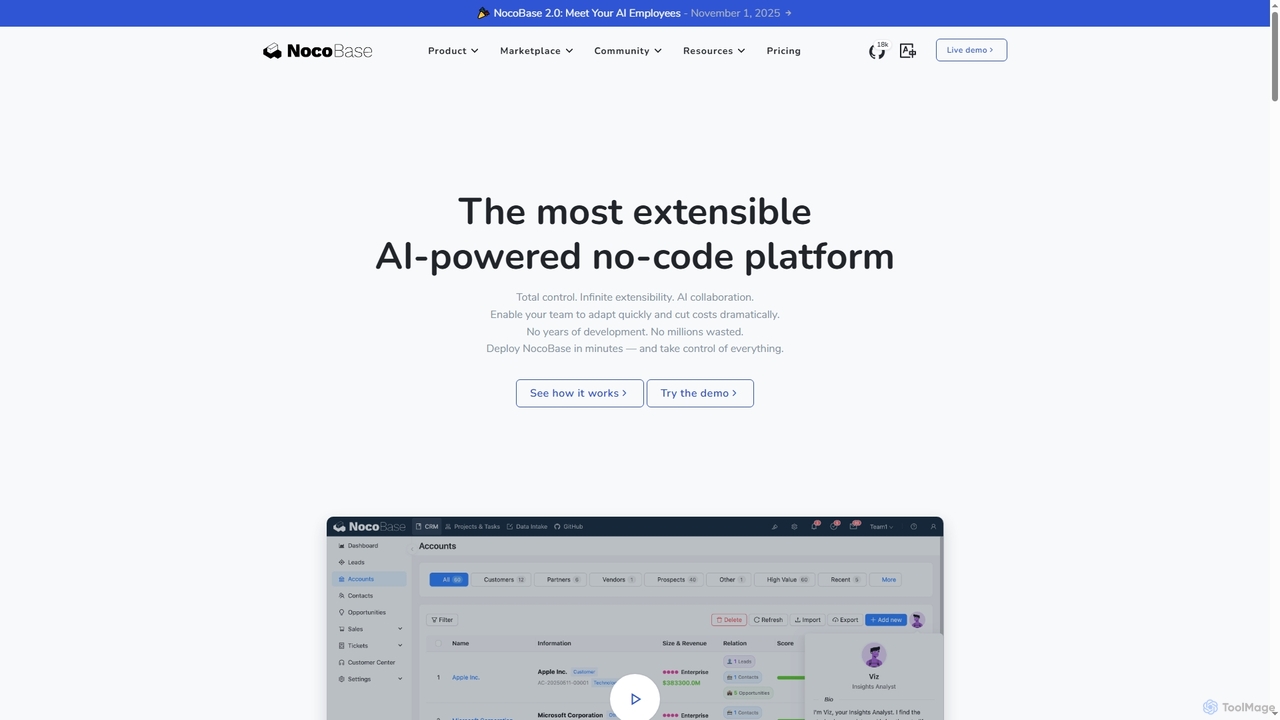
NocoBase
NocoBase is an open-source, self-hosted no-code and low-code development platform. It empowers users to build custom business applications like CRMs and internal tools with high flexibility, granular permissions, and automated workflows, ensuring data security through on-premises deployment.
Internal Tools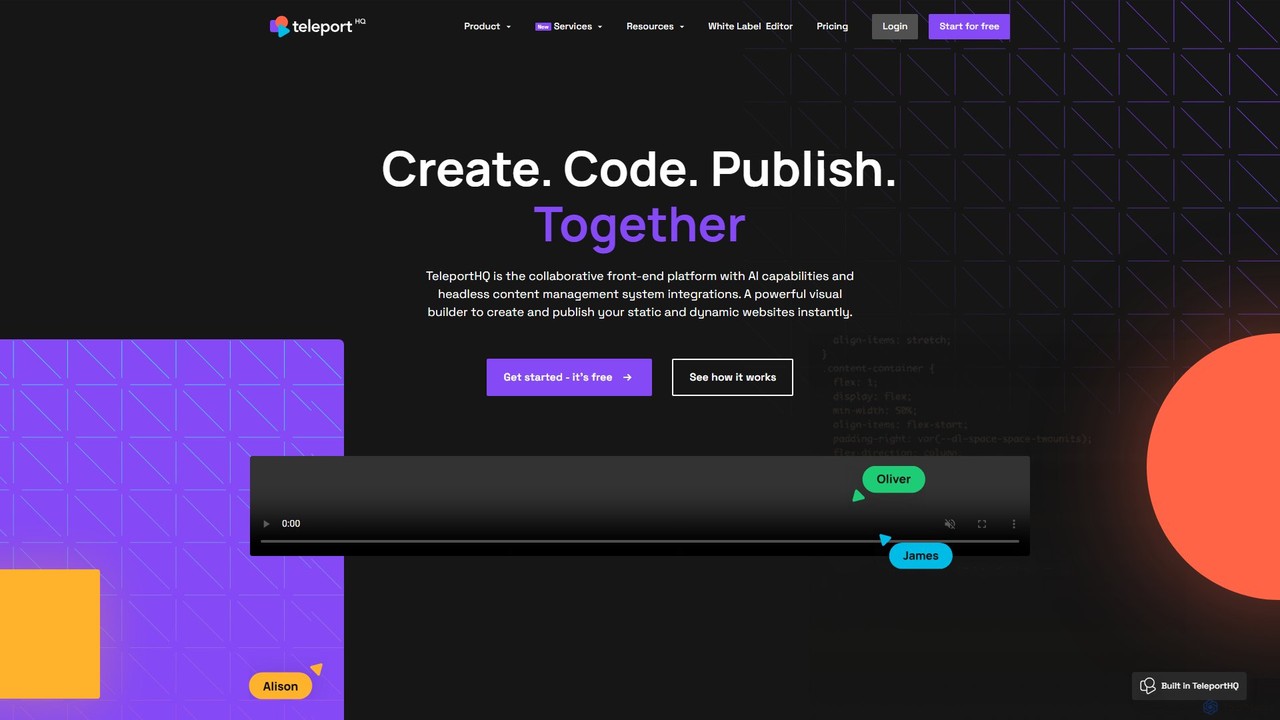
TeleportHQ
TeleportHQ is a collaborative low-code platform that streamlines front-end development. It features an AI website builder, Figma to code conversion, and real-time collaboration tools. Users can visually build responsive websites and UIs, generate clean code for multiple frameworks (React, Vue, etc.), and deploy seamlessly.
Ui Ux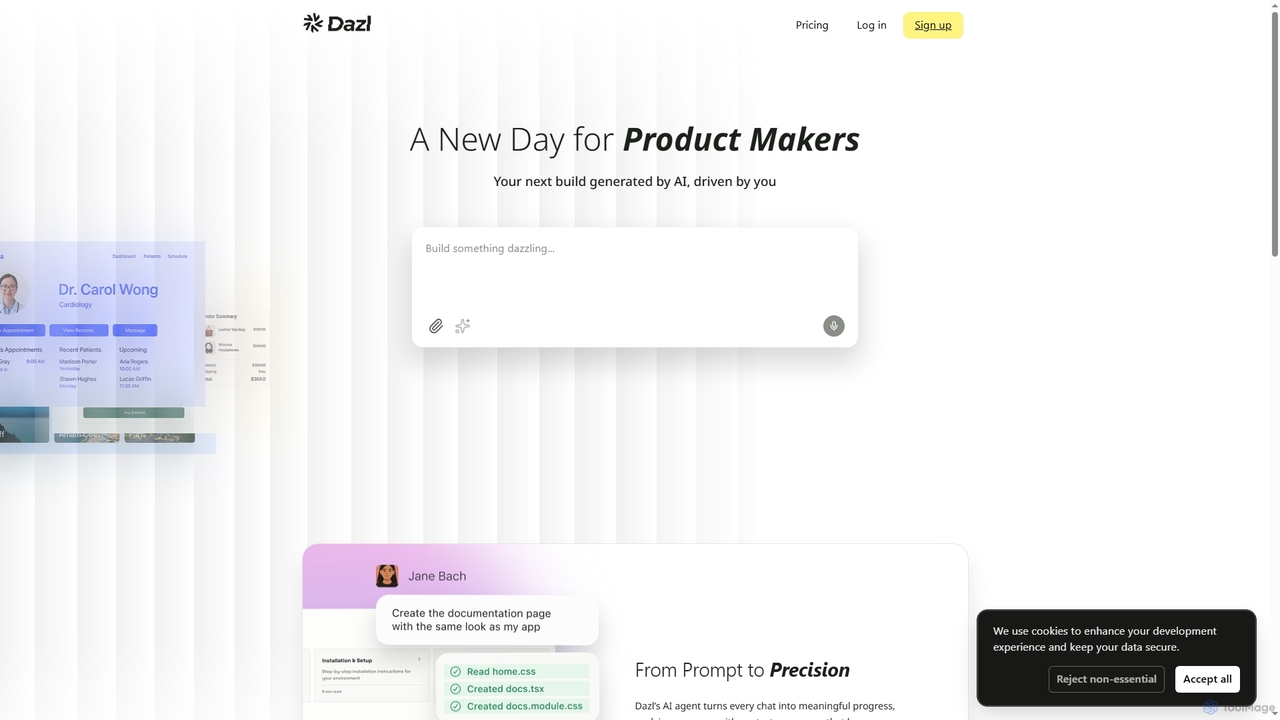
Dazl
Dazl is an AI-powered development platform that transforms chat prompts into functional applications. It features a hybrid interface combining a conversational AI agent with visual panels, allowing product makers to generate, inspect, and refine code, logic, and structure with full control and transparency.
Low Code No Code
Abstra
Abstra is a Python-native low-code platform that empowers developers to build interactive web applications, internal tools, and automated workflows with remarkable speed. By writing simple Python scripts, you can create forms, dashboards, and scheduled jobs, abstracting away the complexities of frontend development and deployment. It's the fastest way for Python developers to ship business applications.
Internal Tools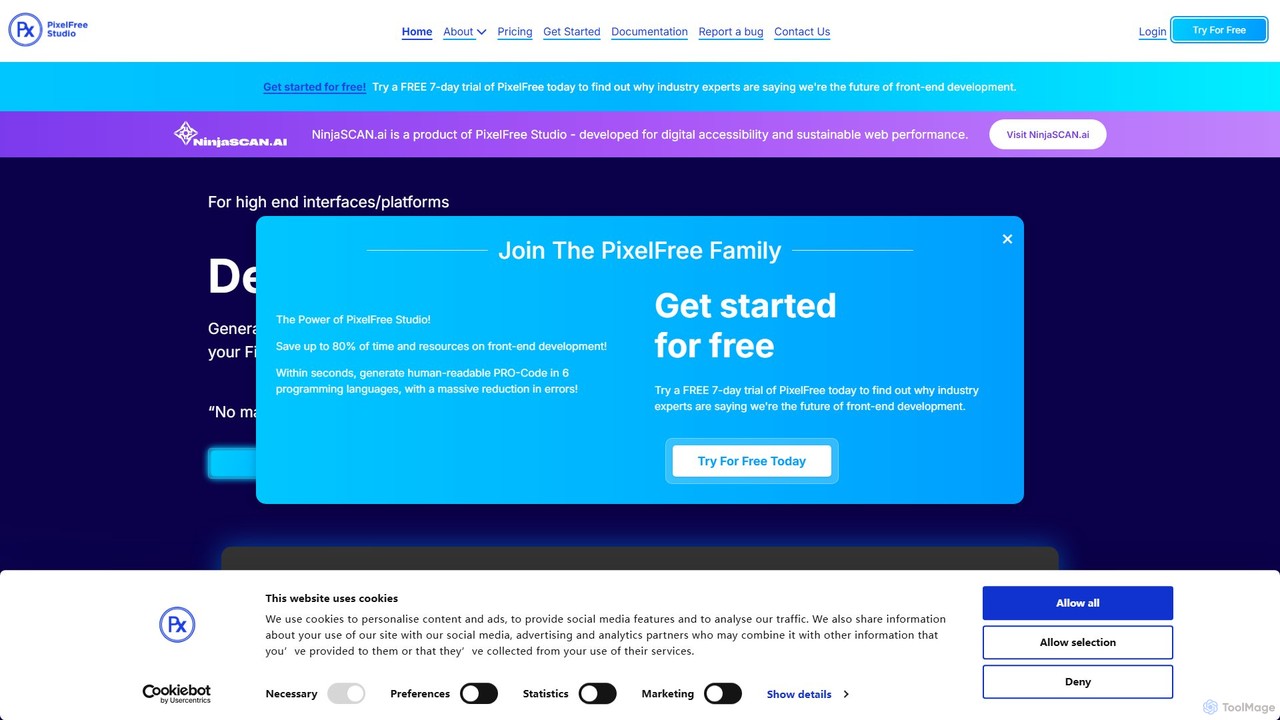
PixelFree Studio
PixelFree Studio is a low-code application builder that transforms UI designs into clean, production-ready code. It specializes in importing Figma designs and exporting them to multiple frameworks like React, Vue, Angular, and C#, streamlining the design-to-development workflow and accelerating app creation.
Design To Code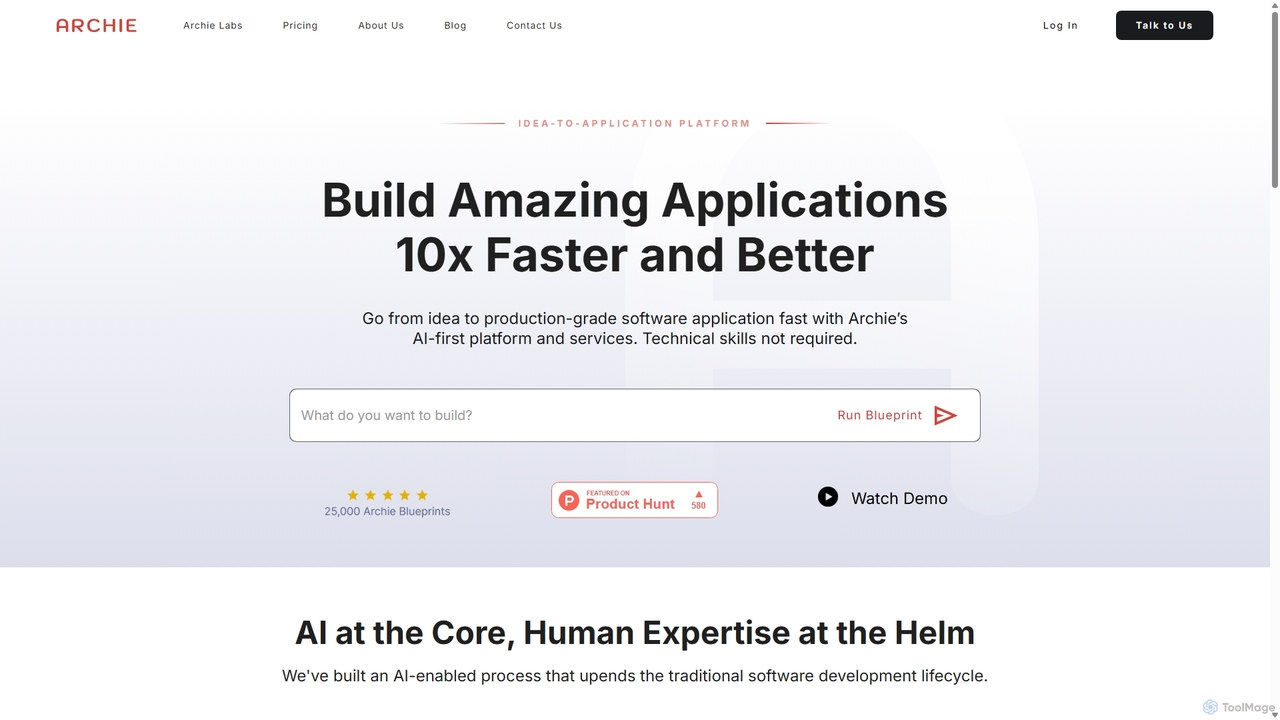
Archie Ai
Archie Ai is an AI-first platform that transforms ideas into production-grade software applications 10x faster. It combines AI-driven development with human expertise to automate the entire lifecycle, from ideation and planning to coding and deployment, making it accessible even for non-technical users.
Low Code No Code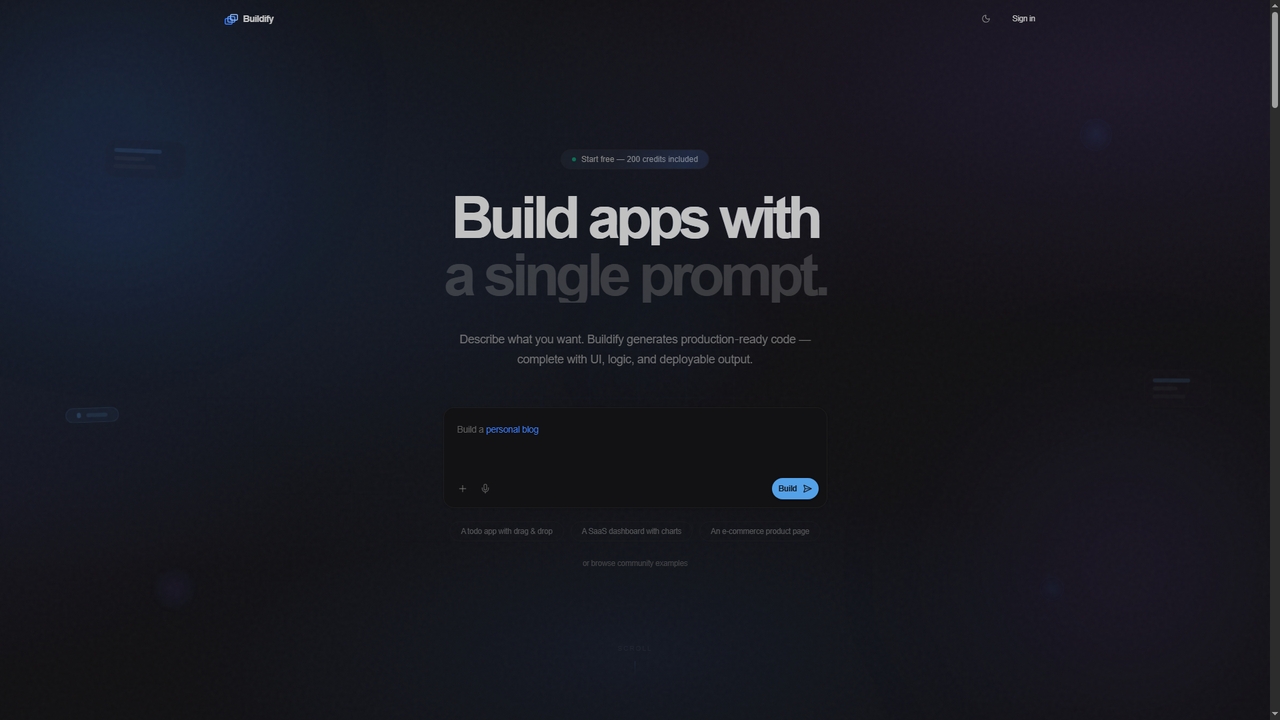
Buildify
Buildify is an AI-powered app builder that translates natural language prompts into production-ready, full-stack code. It enables developers and creators to quickly generate complete applications with UI, logic, and database components, then iterate through conversation.
Ui Design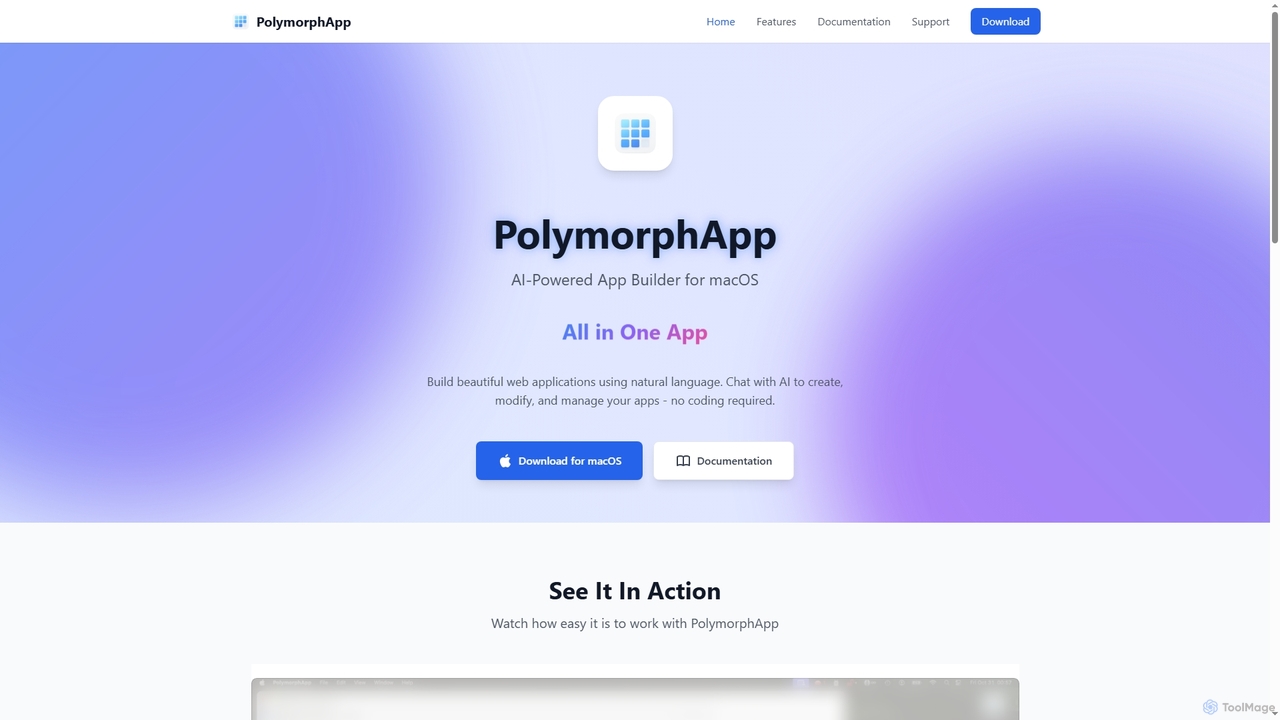
PolymorphApp
PolymorphApp is an AI-powered application builder for macOS that enables users to create web apps, Node.js backends, Python desktop GUIs, and CLI tools using natural language. No coding is required; simply chat with the AI to build, modify, and manage your projects.
Low Code No Code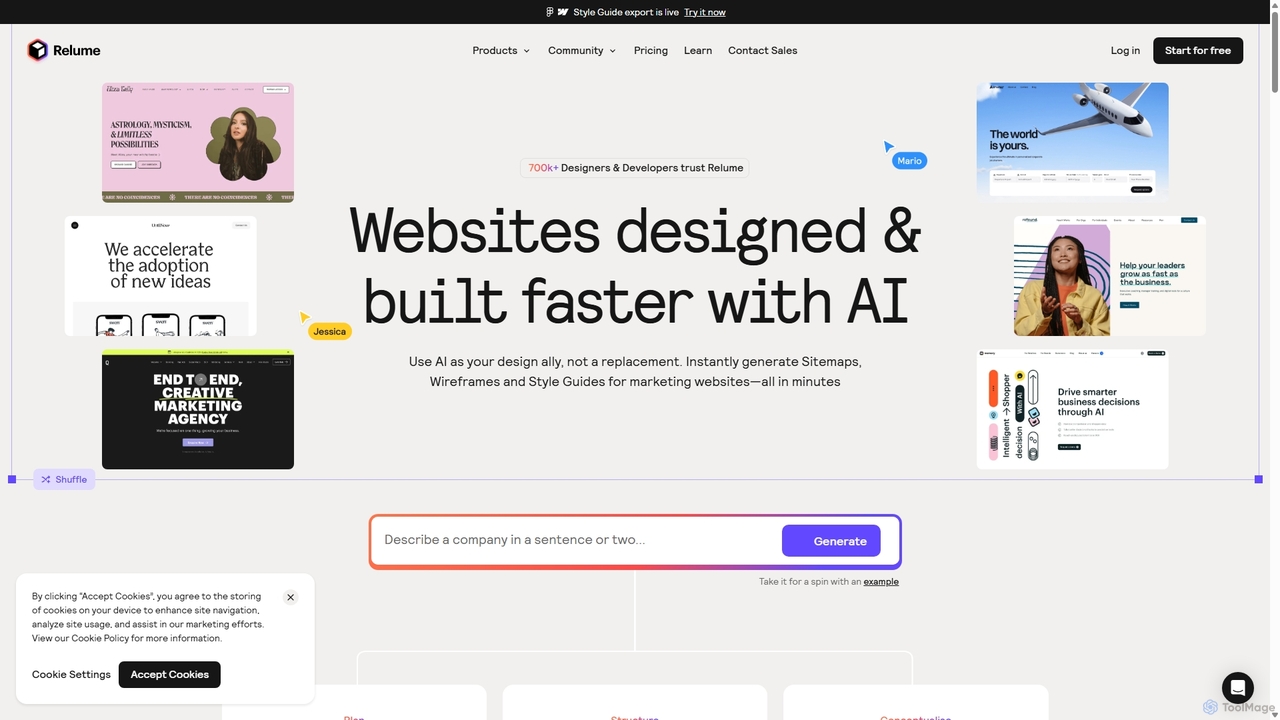
Relume
Relume is an AI-powered website builder that accelerates the design and development process. It enables users to generate sitemaps and wireframes from simple text prompts, create comprehensive style guides, and utilize a vast library of over 1000 components for Figma, Webflow, and React. It's designed to streamline workflows for designers, developers, and agencies, turning ideas into production-ready websites in a fraction of the time.
Website Builder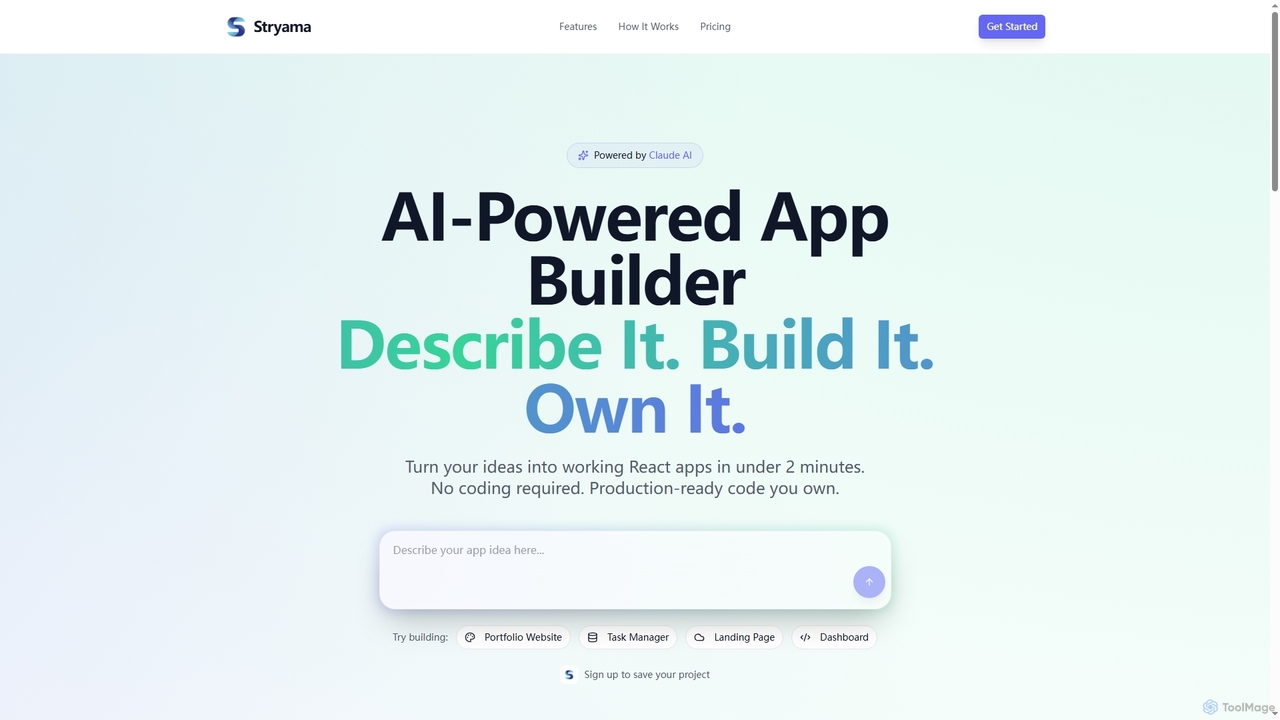
Stryama
Stryama is an AI-powered app builder that transforms your ideas into functional React applications in minutes, requiring no coding. It generates production-ready code that you fully own, enabling rapid development and deployment for various web projects.
App Development
apifabric Comments (0)
Sign in to comment.
Sign inNo comments yet.