


Band Overview
Band is an enterprise-grade interaction infrastructure built for the age of distributed AI agents. It provides a shared communication layer that allows heterogeneous AI agents—built with different frameworks, languages, and runtimes—to discover each other, delegate tasks, exchange context, and coordinate in real time. Band is designed to solve the fundamental challenges of multi-agent collaboration: loss of context across boundaries, authority verification, and lack of traceability. It functions as a two-layer architecture: a collaboration mesh for agent-to-agent communication and a control plane for governance, auditability, and policy enforcement. Band is framework-agnostic, cloud-agnostic, and built for production-scale deployments.
How to use Band
Band provides a shared interaction layer where you can connect your existing AI agents without writing custom glue code. Developers can publish agents from any framework (LangGraph, CrewAI, custom) into Band's mesh. Agents can then discover each other by name (e.g., @team/sales-copilot), chat, delegate tasks, and coordinate in shared rooms. The platform includes a built-in governance layer for setting authority boundaries, retention policies, and audit trails. Users can also browse and publish personal agents to create a social graph for AI agents. Band can be used either to orchestrate agents manually or let them coordinate autonomously.
Core Features of Band
- Multi-peer real-time collaboration between humans and AI agents in shared rooms
- Framework-agnostic mesh supporting agents built with LangGraph, CrewAI, and custom frameworks
- Built-in control plane for authority boundaries, governance, and full auditability
- Agent discovery and delegation via named handles
- Ability to publish personal agents and build an agent social graph
- Cloud-agnostic and distributed architecture
- Pre-built agents available for sales, devops, data mining, content, and more
- Translation bridge supporting 40+ languages (included with CrewAI agent)
Use Cases for Band
Band is ideal for organizations building multi-agent systems where agents need to collaborate across teams, clouds, and frameworks. Common use cases include: enterprise IT enabling and governing agent collaboration at scale, R&D teams building scalable agent architectures, developers integrating multiple AI tools without building point-to-point integrations, and AI enthusiasts who want to give their personal agents a social graph to interact with other agents and humans.
Advantages of Band
Band replaces brittle point-to-point protocols and ad-hoc integrations with a secure, standardized communication layer. It solves the collaboration problem that arises when agents are built with different frameworks (LangGraph, CrewAI, custom), each having its own delegation mechanism. Band preserves context across agent boundaries, verifies authority automatically, and provides full traceability for debugging cascading failures. Its two-layer architecture separates communication (mesh) from governance (control plane), enabling organizations to enforce policies without compromising flexibility.
Pricing and Plans
Band offers three pricing tiers as shown on the Band pricing page: a Free plan at $0/month (single user, up to 10 remote agents, 5 native agents, 50 active chat rooms, 10 participants per room, 24-hour data retention), a Pro plan at $17.99/month (single user, up to 40 AI agents, 40 native agents, 250 chat rooms, 15 participants per room, email support), and an Enterprise plan with custom pricing (multiple users/teams, unlimited external and native agents, custom chat room limits, custom retention policies, dedicated support, full platform API access).
Band FAQ
Band Alternatives
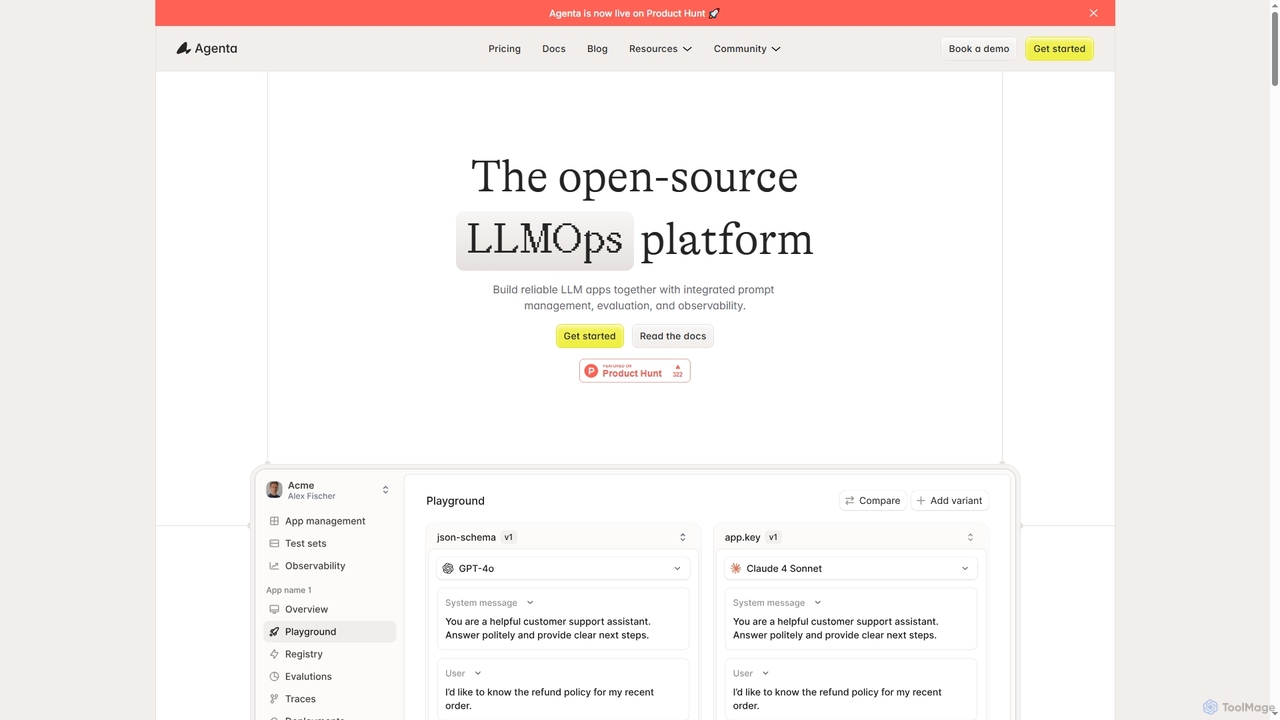
Agenta
Agenta is an open-source LLMOps platform designed for teams to build reliable LLM applications. It integrates prompt management, systematic evaluation, and observability into a single, collaborative workflow, helping developers, product managers, and domain experts move from scattered processes to structured development.
Debugging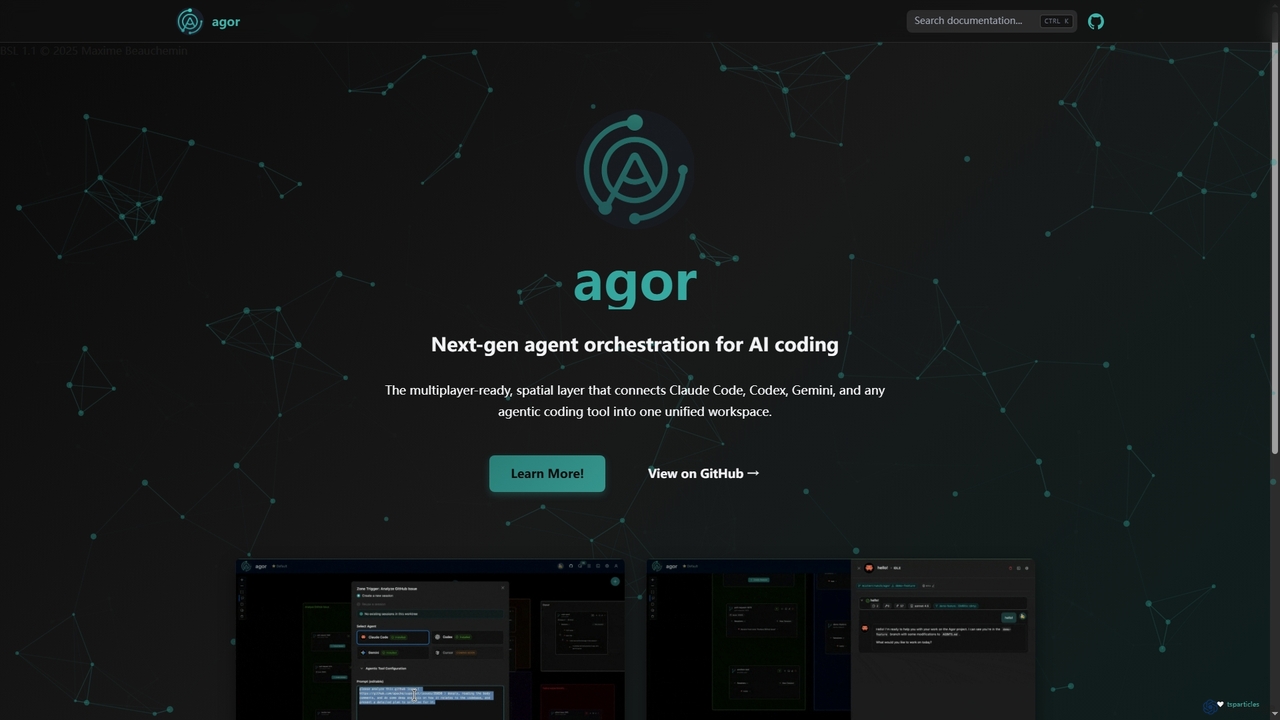
Agor
Agor is a next-generation agent orchestration platform for AI coding. It provides a multiplayer, spatial canvas that unifies coding agents like Claude Code, Codex, and Gemini into a single workspace. Teams can visualize, coordinate, and automate complex coding workflows in real-time, using isolated environments to enhance parallel development.
Ai Code Assistant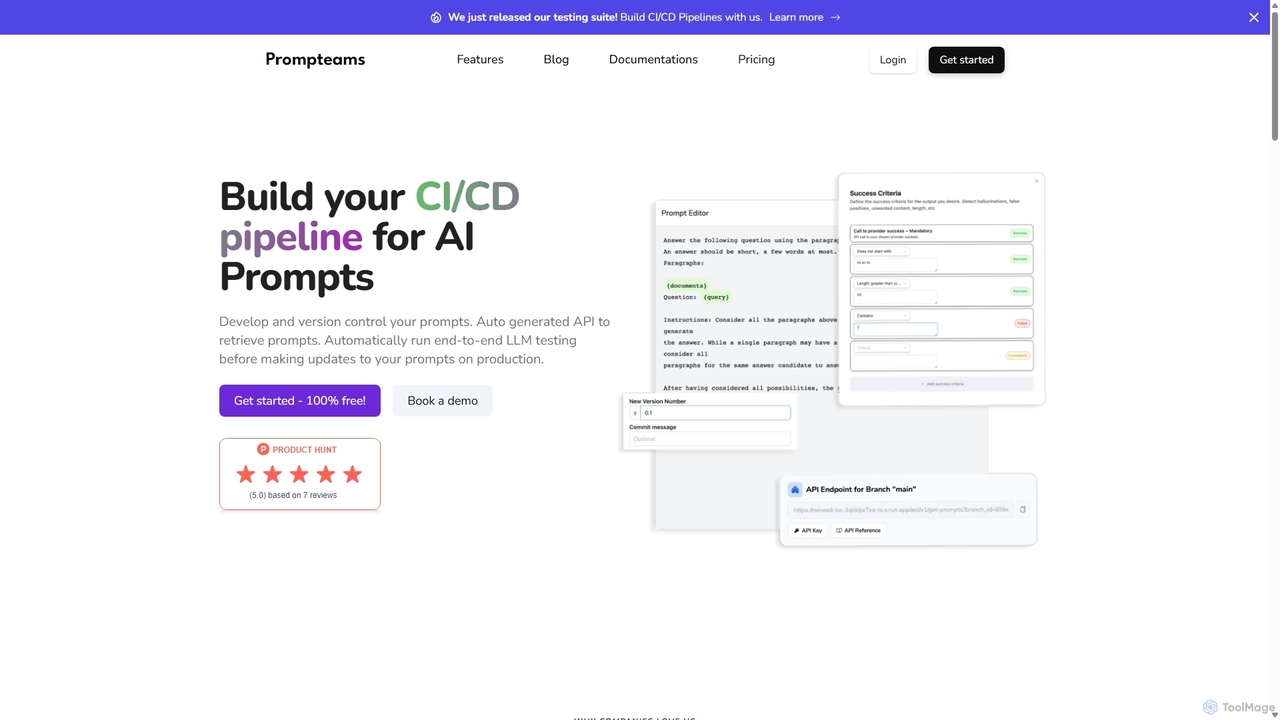
Prompteams
Prompteams is a comprehensive AI prompt management system designed for teams. It provides a Git-like workflow with versioning, branching, and commits to manage and iterate on LLM prompts. The platform features a robust testing suite for quality assurance, real-time APIs for instant deployment, and collaborative tools that bridge the gap between engineers and industry specialists. It's a one-stop solution for building a CI/CD pipeline for AI prompts, ensuring quality, consistency, and rapid development.
Model Management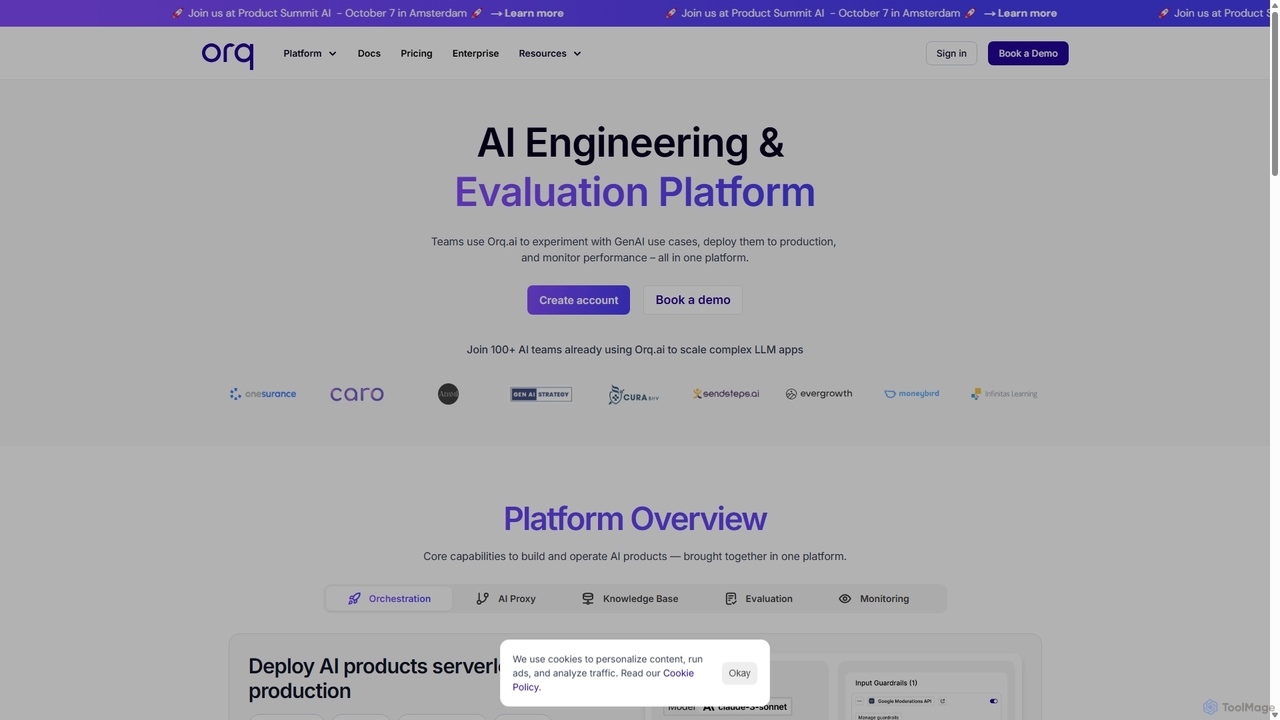
Orq.ai
Orq.ai is an end-to-end Generative AI Collaboration Platform for engineering and product teams. It enables users to experiment with GenAI use cases, deploy them to production, and monitor performance, all within a single, unified environment that supports the entire LLM application lifecycle.
Model Deployment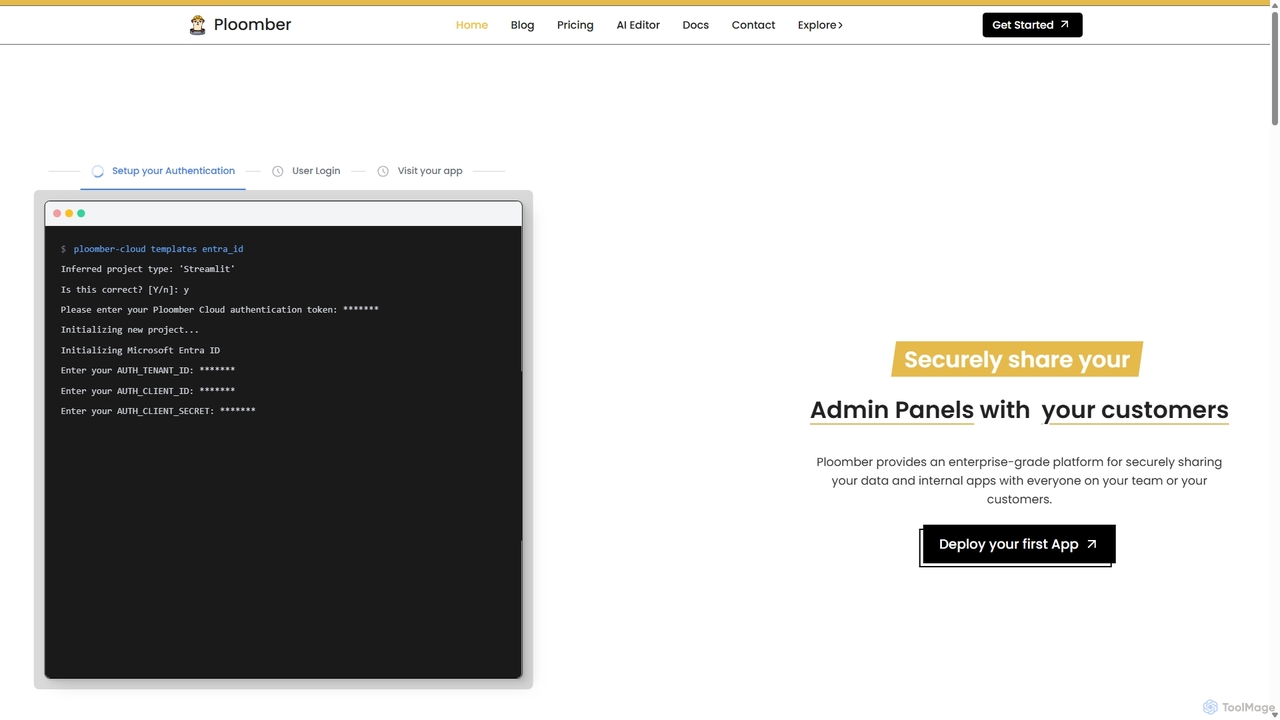
Ploomber
Ploomber is an enterprise-grade platform for deploying, managing, and scaling data applications. It simplifies the deployment of frameworks like Streamlit, Dash, and FastAPI, offering robust features such as automated DevOps, advanced security, auto-scaling, and flexible deployment options from cloud to on-premise, tailored for data science and AI teams.
Machine LearningBand Categories
Band Jobs
Band Embed Widget
Copy this embed code to place the badge on your blog, article, or product site and send readers directly to this ToolMage detail page.
Related AI tools
Plano
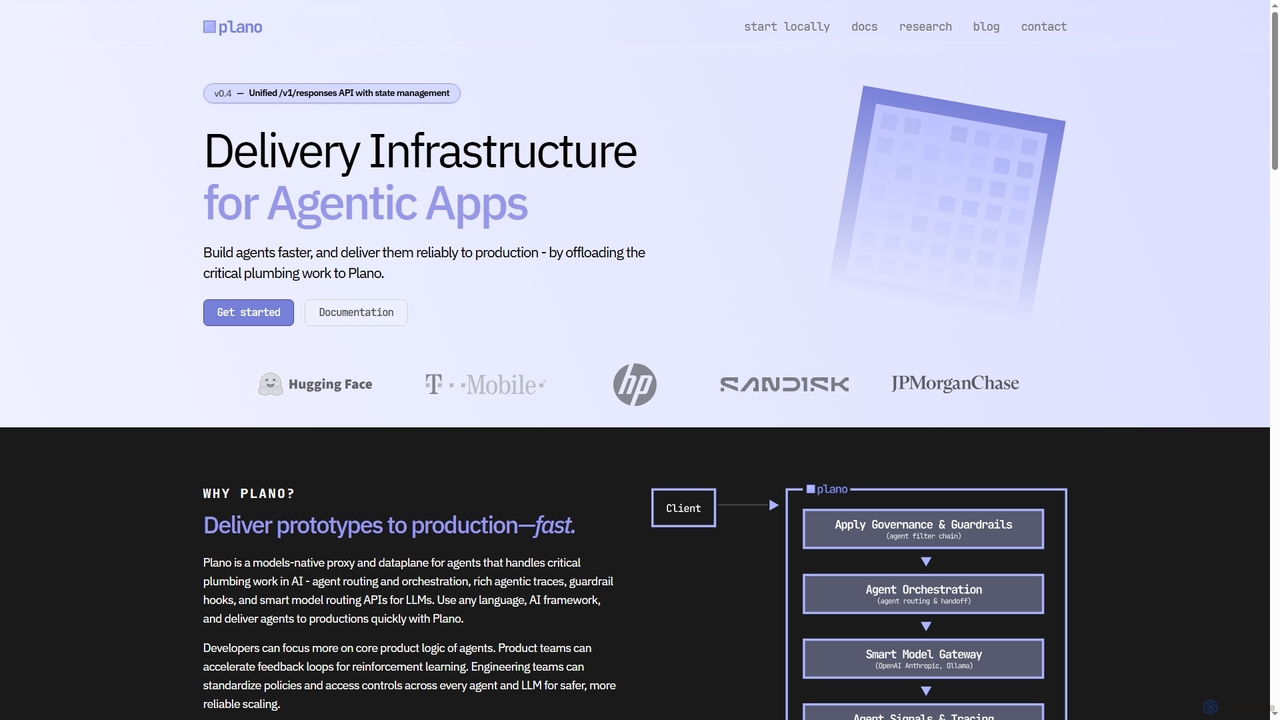
Plano is a models-native delivery infrastructure for agentic AI applications, offloading critical plumbing work such as agent routing, orchestration, rich observability, and guardrail hooks. It accelerates the development and reliable deployment of AI agents to production, allowing developers to focus on core product logic. Designed for speed and reliability, Plano simplifies complex AI infrastructure challenges.
Agent Orchestration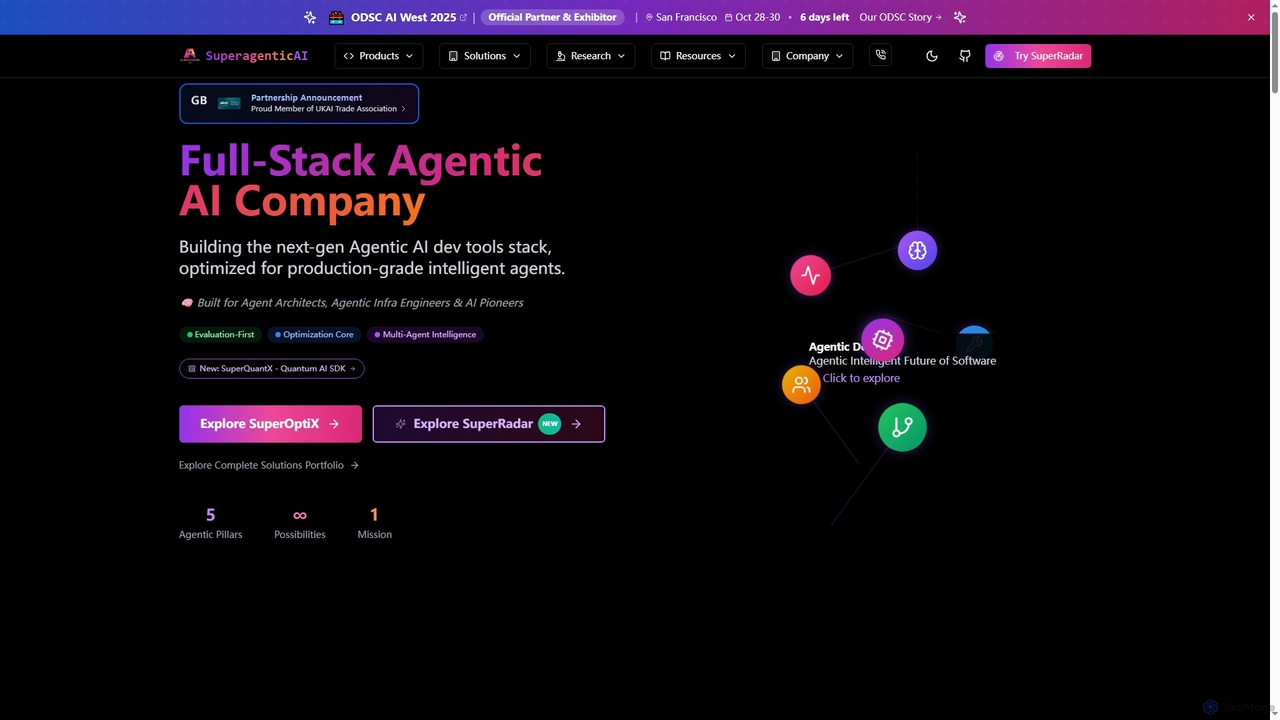
Superagentic
A full-stack development platform providing tools and frameworks for building, optimizing, and deploying production-grade agentic AI systems. It features SuperOptiX for agent engineering and SuperRadar for discovering AI tools.
Ai Agent DevelopmentAgor
Agor is a next-generation agent orchestration platform for AI coding. It provides a multiplayer, spatial canvas that unifies coding agents like Claude Code, Codex, and Gemini into a single workspace. Teams can visualize, coordinate, and automate complex coding workflows in real-time, using isolated environments to enhance parallel development.
Ai Code Assistant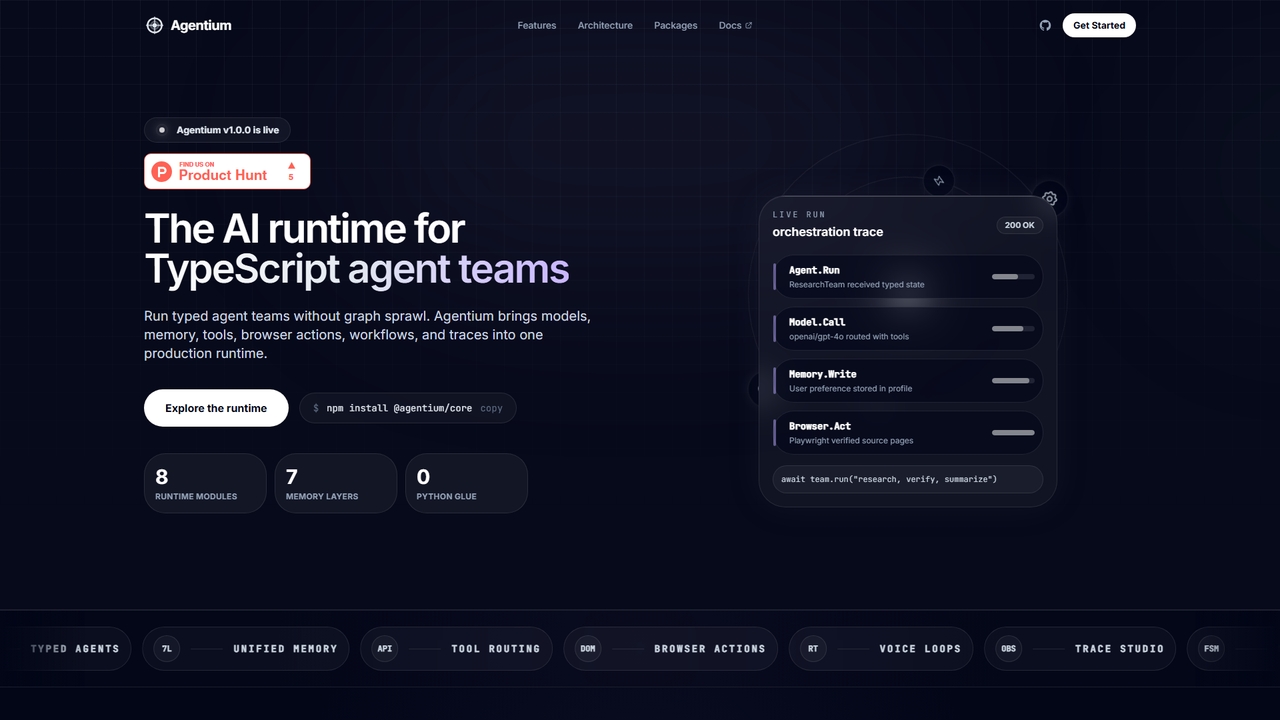
Agentium
Agentium is an AI runtime for TypeScript agent teams, providing a unified platform for orchestration, memory, tools, and observability to build sophisticated agent systems.
Machine LearningAgenta
Agenta is an open-source LLMOps platform designed for teams to build reliable LLM applications. It integrates prompt management, systematic evaluation, and observability into a single, collaborative workflow, helping developers, product managers, and domain experts move from scattered processes to structured development.
DebuggingPrompteams
Prompteams is a comprehensive AI prompt management system designed for teams. It provides a Git-like workflow with versioning, branching, and commits to manage and iterate on LLM prompts. The platform features a robust testing suite for quality assurance, real-time APIs for instant deployment, and collaborative tools that bridge the gap between engineers and industry specialists. It's a one-stop solution for building a CI/CD pipeline for AI prompts, ensuring quality, consistency, and rapid development.
Model ManagementOrq.ai
Orq.ai is an end-to-end Generative AI Collaboration Platform for engineering and product teams. It enables users to experiment with GenAI use cases, deploy them to production, and monitor performance, all within a single, unified environment that supports the entire LLM application lifecycle.
Model Deployment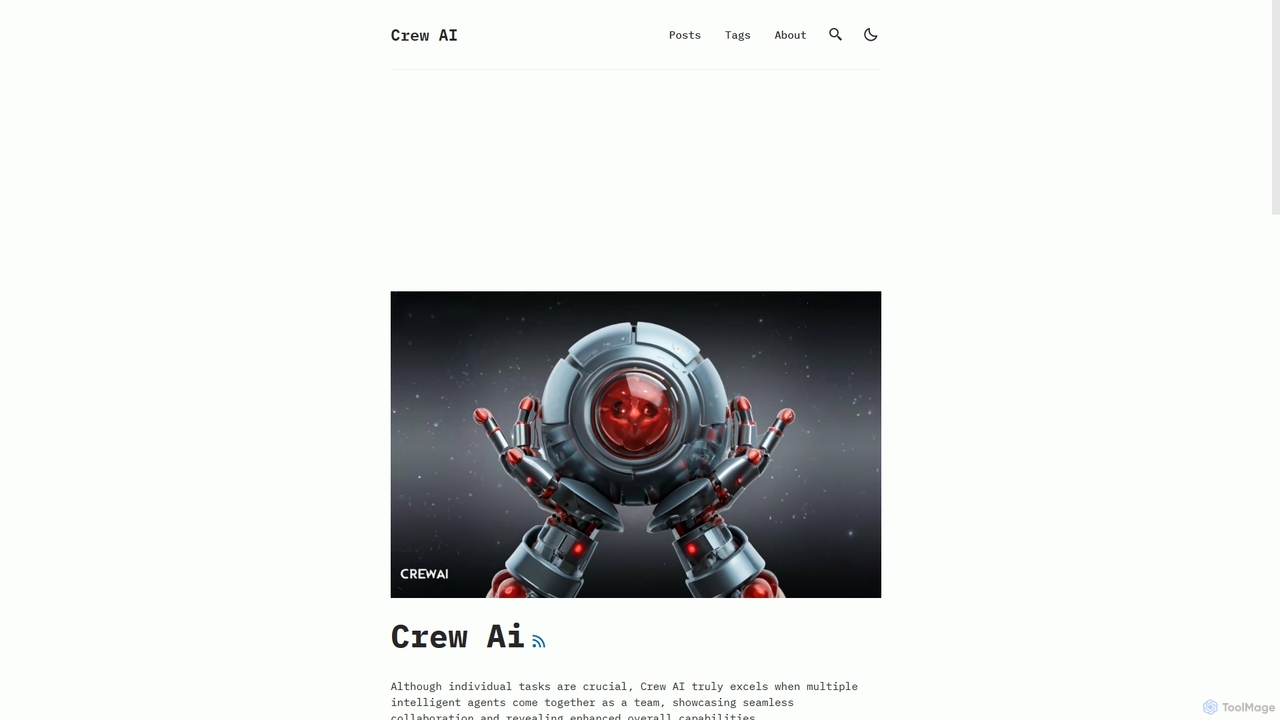
CrewAI
CrewAI is an advanced open-source framework for orchestrating role-playing, autonomous AI agents. By fostering collaborative intelligence, it enables agents with distinct roles and tools to work together seamlessly to solve complex tasks. This multi-agent system simplifies the development of sophisticated applications, from automated content creation to complex data analysis, by managing agent interactions, task delegation, and workflow processes.
Agent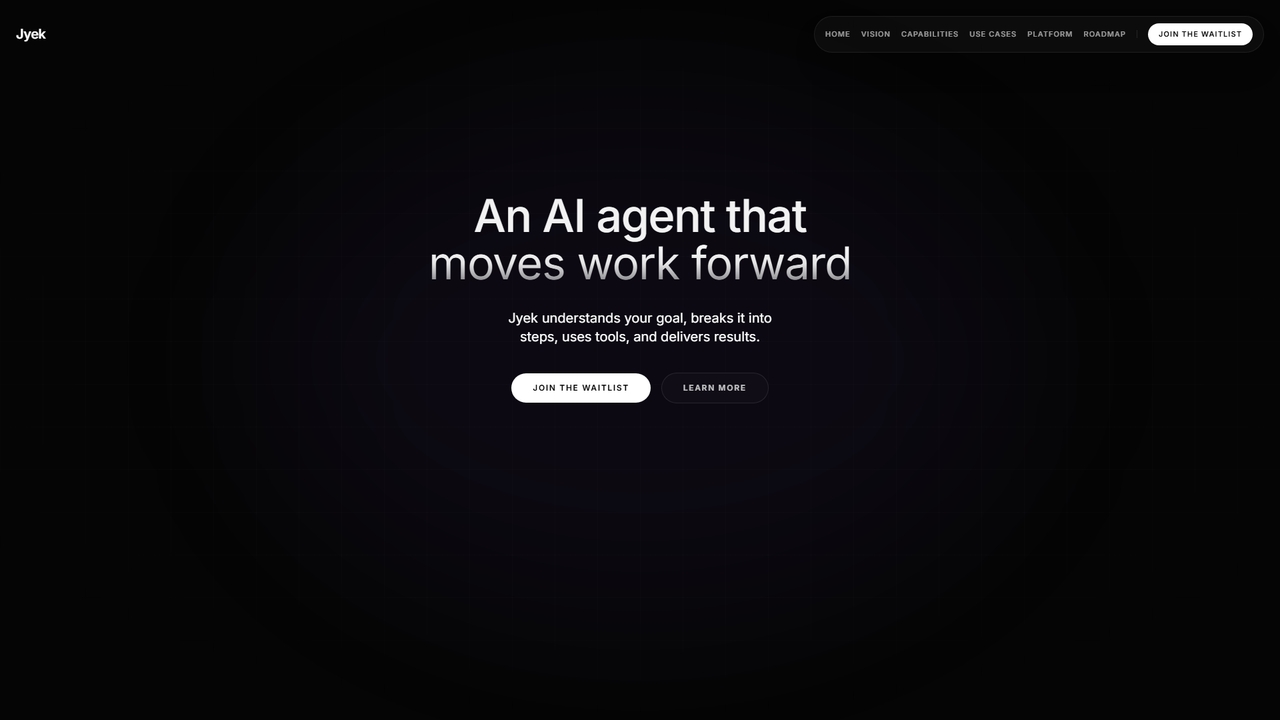
Jyek
Jyek is an AI agent platform that understands objectives, creates execution plans, uses tools, and delivers verifiable results for complex, multi-step tasks.
Automation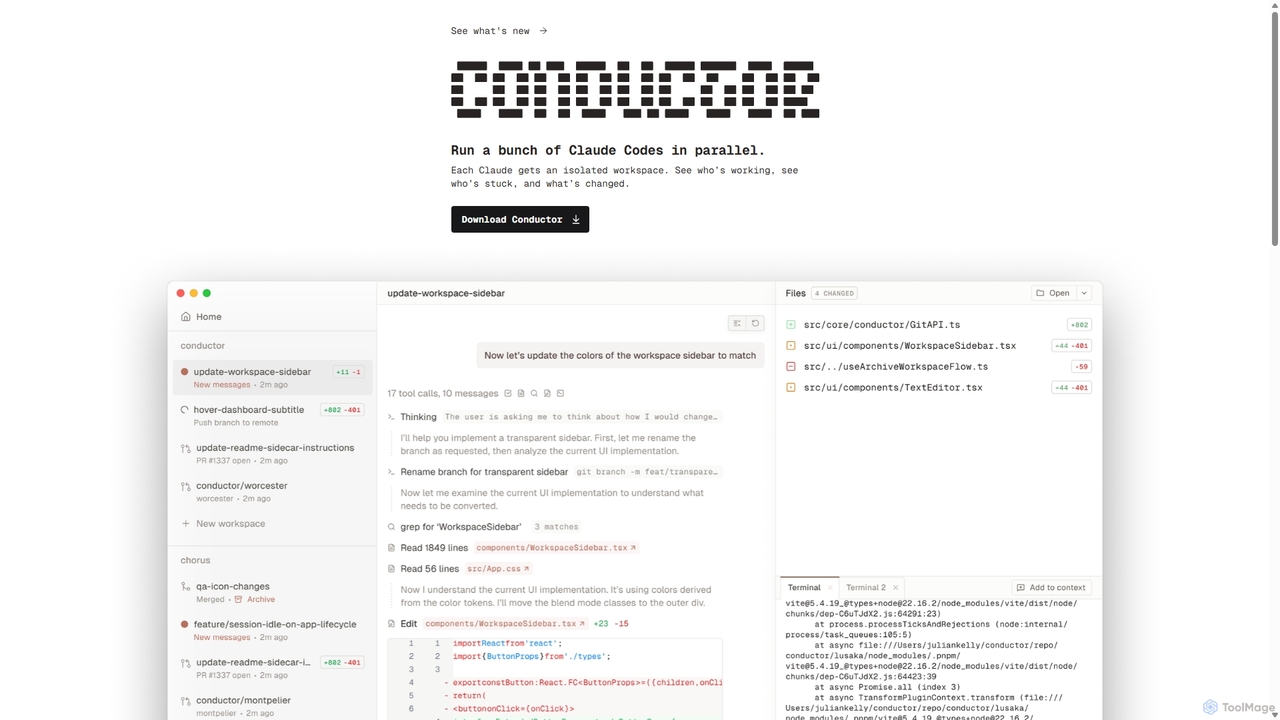
Conductor
A powerful Mac application for orchestrating multiple AI coding agents. Run parallel instances of Claude Code in isolated workspaces to accelerate software development, monitor progress, and review code through a beautiful, intuitive UI.
Code Assistant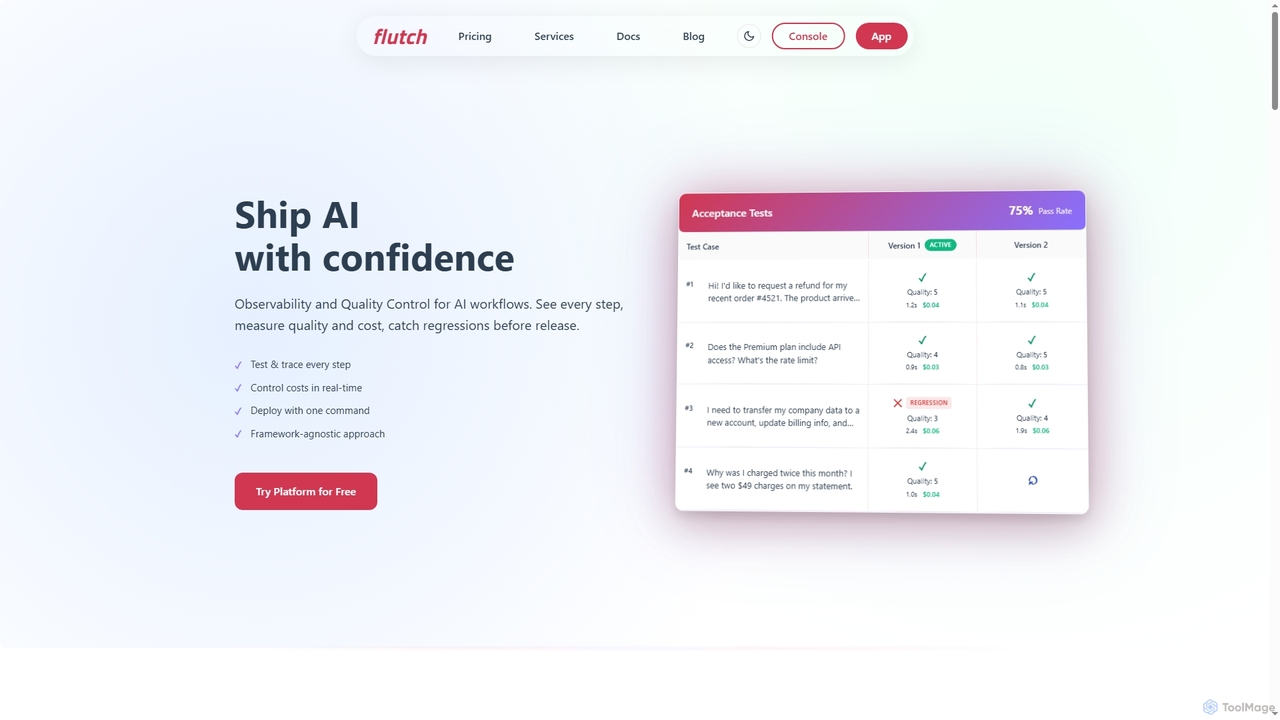
Flutch
Flutch is a comprehensive platform for developing, deploying, and managing custom AI agents with a strong focus on observability, quality control, and cost management. It empowers developers to build reliable AI workflows, test agents rigorously, monitor performance in real-time, and integrate seamlessly into existing systems, ensuring AI solutions are shipped with confidence and operate efficiently.
Agent Management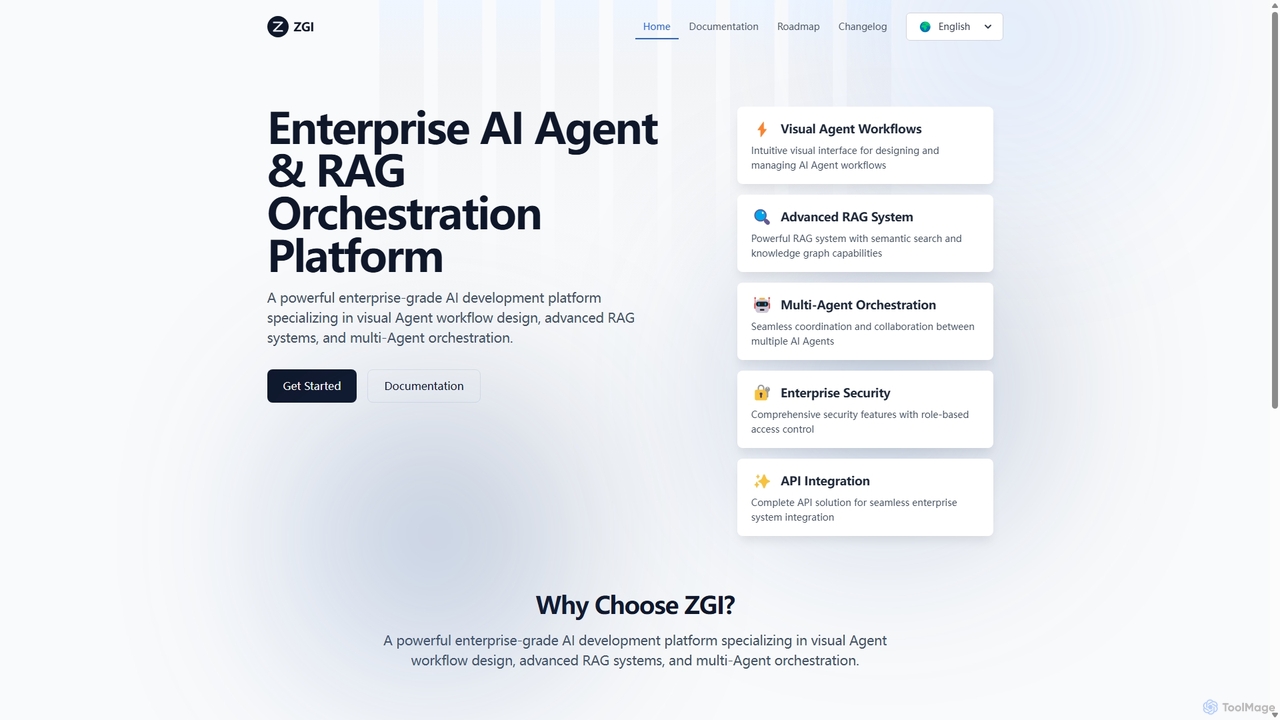
ZGI
ZGI is a powerful, enterprise-grade AI development platform specializing in visual AI Agent workflow design, advanced Retrieval-Augmented Generation (RAG) systems, and multi-agent orchestration. It combines a no-code/low-code visual builder with robust security and API integration, enabling businesses to rapidly deploy complex AI solutions. ZGI also offers a comprehensive learning ecosystem, including courses and mentorship, to empower developers and teams to master AI agent development and build their own innovative products.
Agent Builder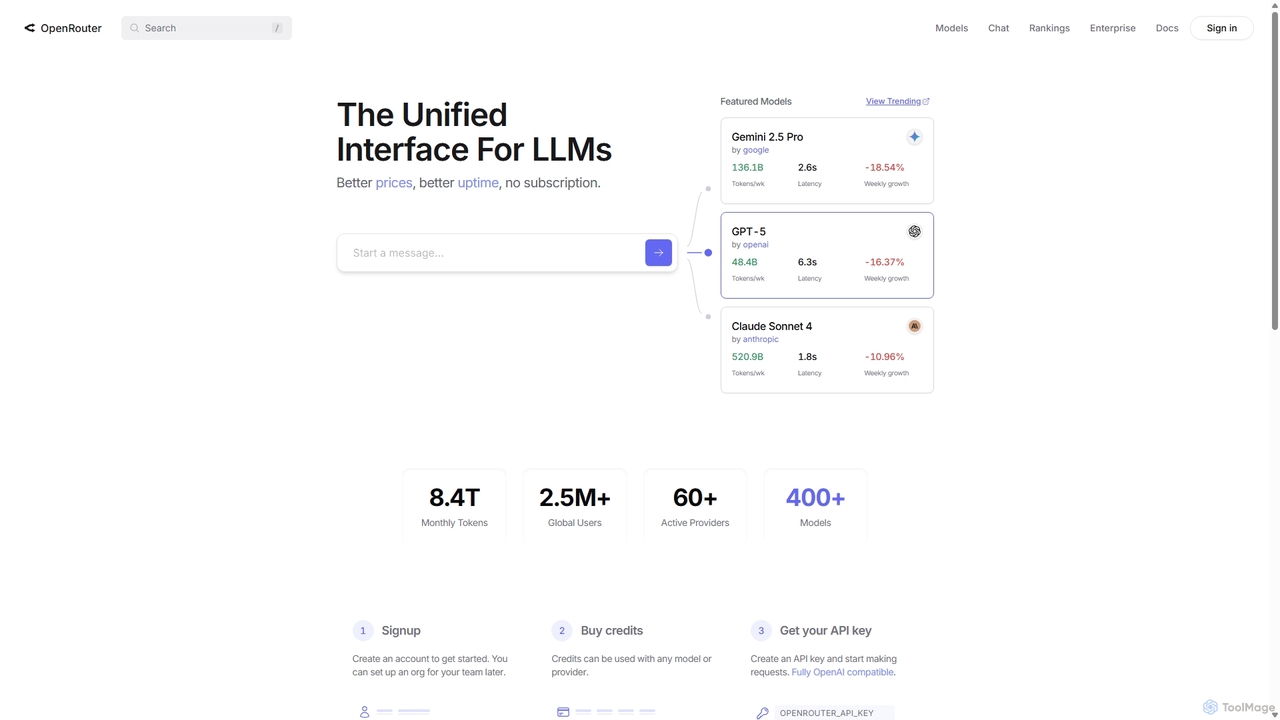
OpenRouter
OpenRouter is a unified API gateway for developers, providing access to over 400 AI models from 60+ providers like OpenAI, Google, and Anthropic. It simplifies development with a single API, offers competitive pay-as-you-go pricing, automatic failovers for high availability, and intelligent model routing to optimize cost and performance.
Model Deployment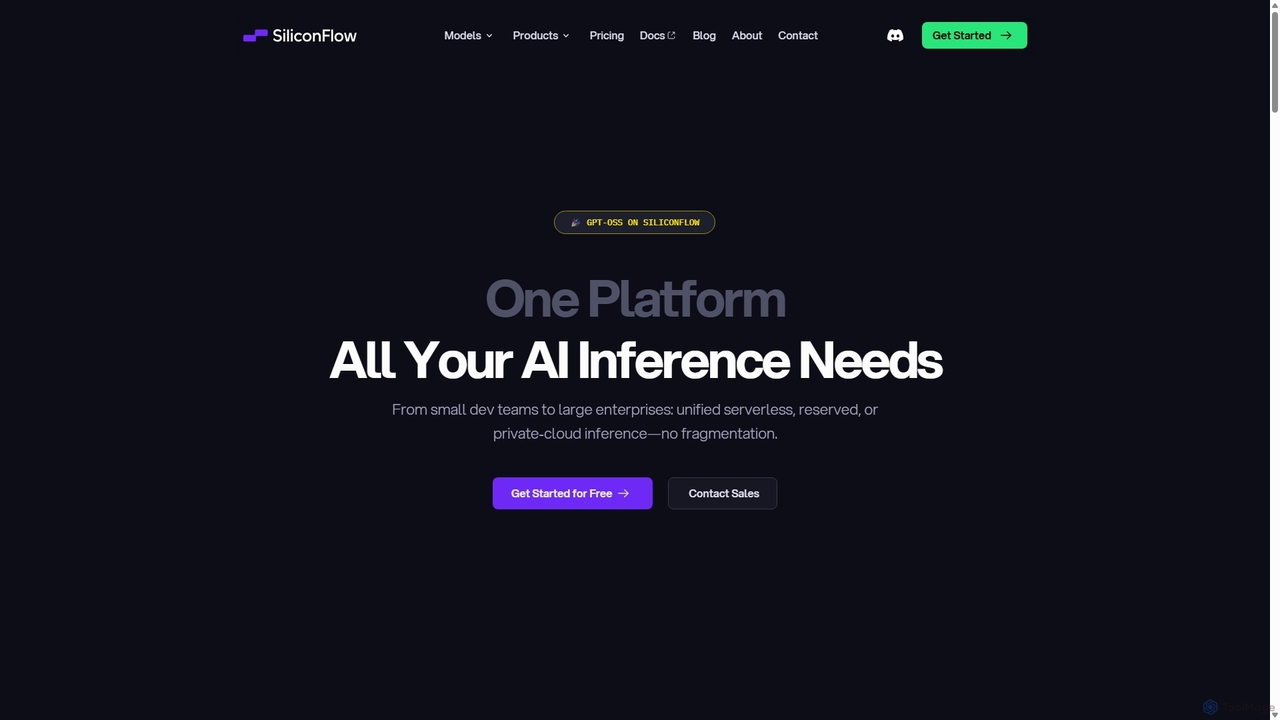
SiliconFlow
SiliconFlow is a unified AI infrastructure platform designed for high-performance inference of Large Language Models (LLMs) and multimodal models. It provides developers and enterprises with scalable, cost-effective, and flexible deployment options, including serverless APIs, reserved GPUs, and fine-tuning capabilities, all accessible through a single, OpenAI-compatible API.
Ai & Machine Learning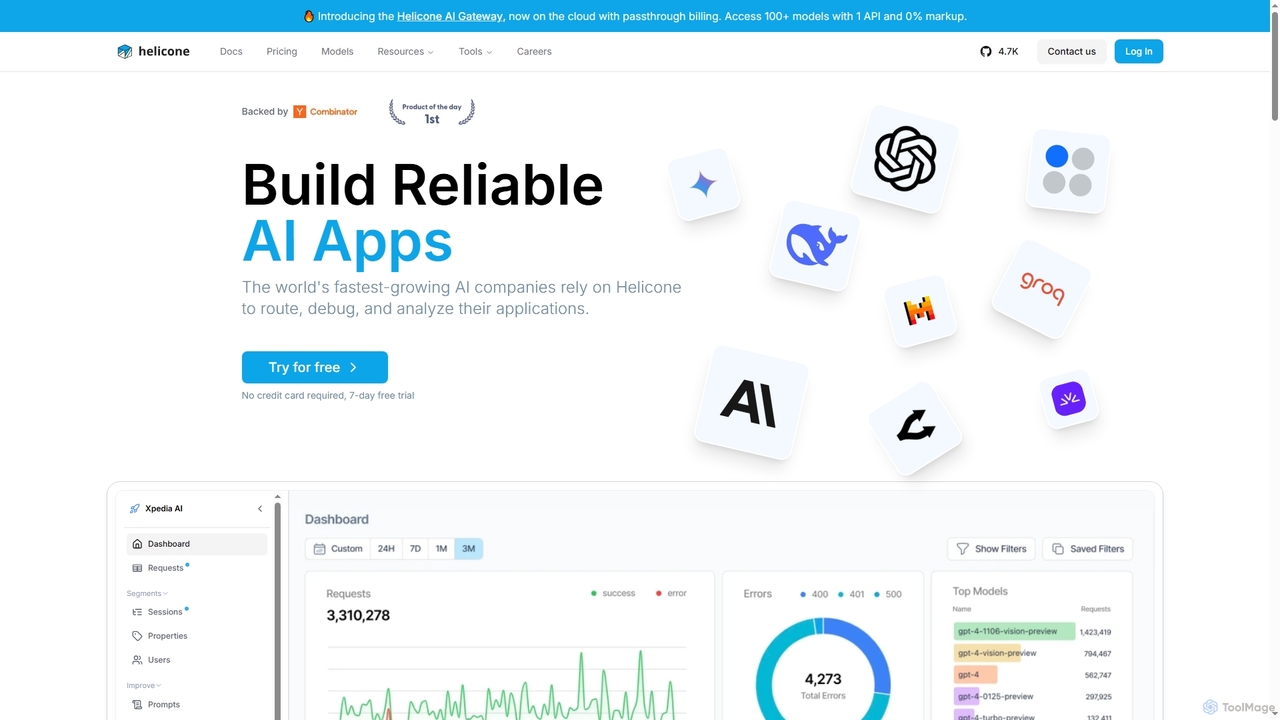
Helicone
Helicone is an open-source platform offering an AI Gateway and LLM Observability for developers. It helps build reliable AI applications by providing tools to route, monitor, debug, and analyze LLM usage. Key features include a unified API for 100+ models, intelligent caching, rate limiting, prompt management, and detailed performance analytics.
Api Management
Band Comments (0)
Sign in to comment.
Sign inNo comments yet.