3D Best in category 3 results Generative Art AI Tool

Popular AI tools in the Generative Art field of 3D include Brick Generator、Vree、Blender Copilot, etc., helping you quickly improve efficiency.

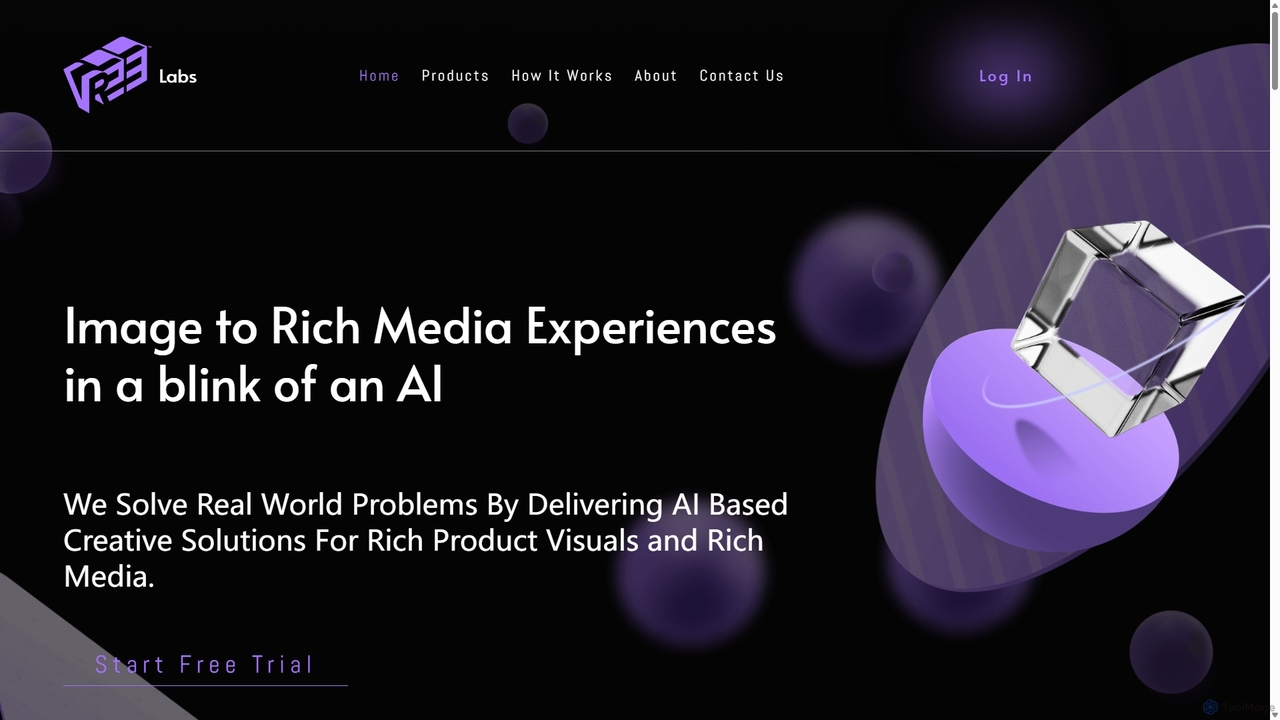
Vree

Vree

Vree is an AI-powered platform that transforms 2D product images into stunning 3D models, rich media ads, and …

2.7K
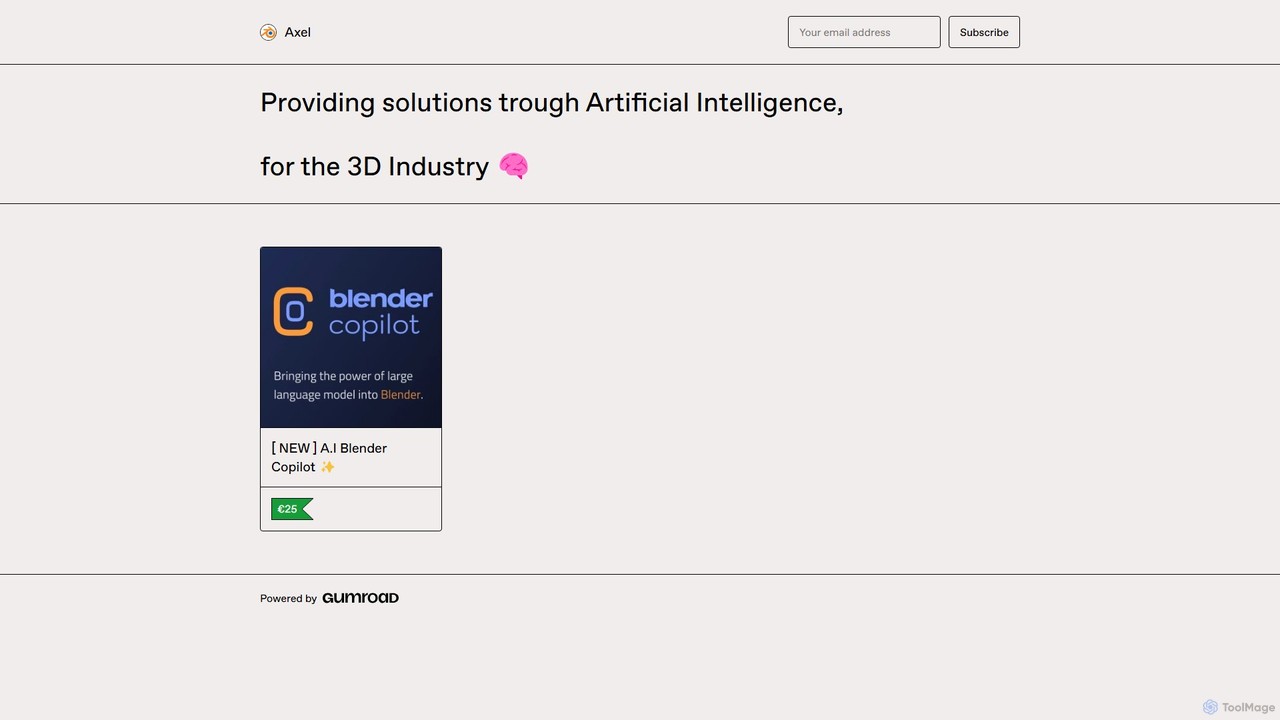
Blender Copilot

Blender Copilot

Blender Copilot is an AI-powered add-on for Blender that revolutionizes the 3D workflow. It acts as an intelligent …

2.6K
Free
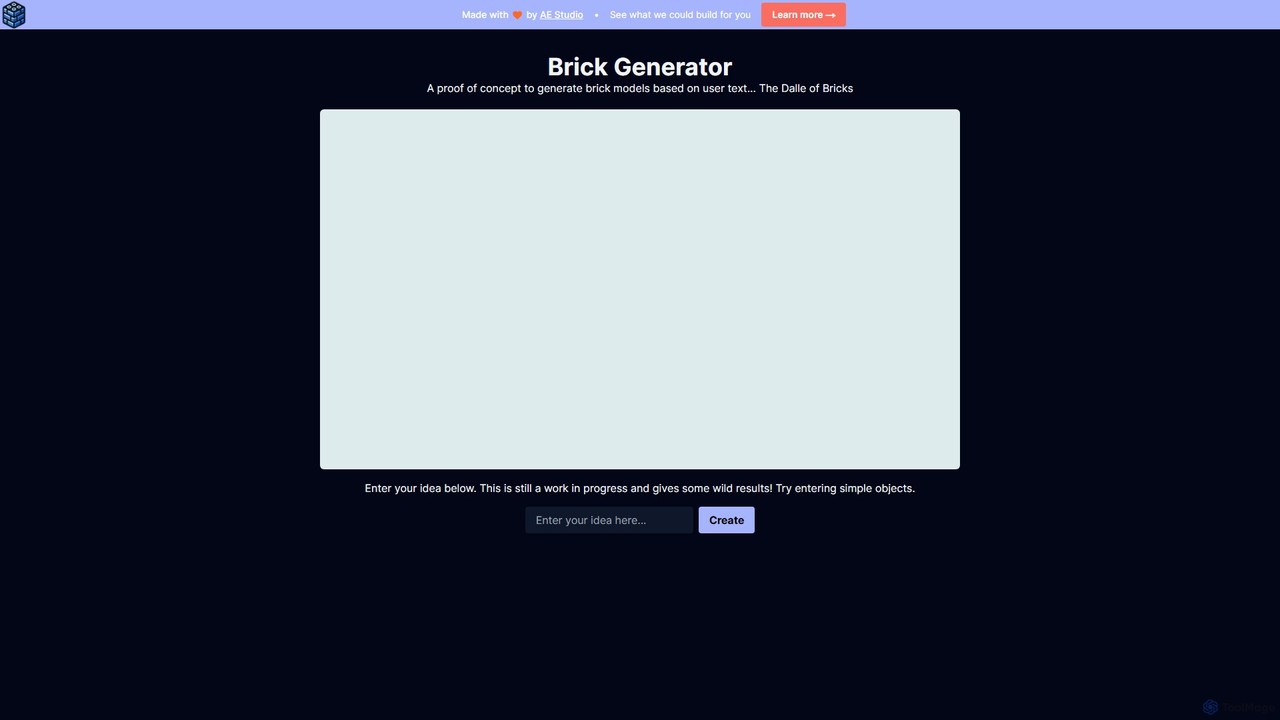
Brick Generator

Brick Generator

An AI-powered tool that transforms your text descriptions into 3D models made of digital building bricks. Simply type …

3.5K

About Generative Art

Generative Art is a category of AI-powered tools that create unique and often complex artistic outputs through autonomous algorithms and computational processes. These tools leverage artificial intelligence, machine learning, and rule-based systems to generate visual, audio, or interactive art forms, often exploring novel aesthetics and patterns. Within the broader realm of 3D, Generative Art tools enable artists and designers to explore infinite variations, automate intricate design tasks, and push the boundaries of creative expression, moving beyond traditional manual creation methods.

Core Features

  • Algorithmic Pattern Generation: Automatically creates intricate and evolving visual patterns based on predefined rules or learned styles.
  • Procedural Content Creation: Generates complex 3D models, textures, or environments from a set of parameters, rather than manual modeling.
  • Style Transfer & Blending: Applies the artistic style of one image or dataset to another, creating unique hybrid artworks.
  • Interactive Art Systems: Develops dynamic artworks that respond to user input, environmental data, or real-time changes.

Use Cases

Generative Art tools are utilized by digital artists, game developers, architects, and designers to produce unique visual assets and experiences. They are particularly valuable for creating abstract digital paintings, designing intricate architectural facades, or generating diverse character variations and environmental elements for virtual worlds.

How to Choose

When selecting a Generative Art tool, consider the level of artistic control desired, the types of output (2D images, 3D models, animations), compatibility with existing design workflows, and the complexity of the underlying algorithms. Evaluate the learning curve, community support, and the ability to customize or extend the generative processes.

Generative ArtUse Cases

1

Rapid Concept Art Exploration for Games

Game artists use generative tools to quickly produce hundreds of unique character designs, environment layouts, or prop variations, accelerating the initial ideation phase. This allows for diverse visual exploration before committing to specific assets, saving significant time in concept development.

2

Unique 3D Texture and Material Generation

3D artists and modelers leverage generative algorithms to create non-repeating, high-resolution textures and materials for digital assets, architectural visualizations, or virtual reality environments. This automates the creation of complex surfaces that would be time-consuming to design manually.

3

Algorithmic Fashion and Product Design

Designers apply generative art principles to create novel patterns, forms, and structural designs for virtual clothing, accessories, or industrial products. This enables the exploration of innovative aesthetics and functional variations that might not be conceived through traditional design methods.

4

Interactive Digital Art Installations

Artists develop dynamic, evolving artworks for galleries, museums, or public spaces that react to audience presence, sound, or environmental data. Generative tools facilitate the creation of complex, ever-changing visual or auditory experiences.

5

Architectural Parametric Design & Visualization

Architects and urban planners utilize generative systems to explore diverse structural configurations, facade patterns, or urban layouts based on specific constraints and aesthetic goals. This aids in optimizing designs and visualizing multiple possibilities efficiently.

6

Large-Scale NFT Collection Creation

Digital artists employ generative art software to produce thousands of unique digital collectibles (NFTs) from a set of base traits and algorithms. This automates the creation of distinct variations, allowing for the rapid deployment of extensive art collections.

Generative ArtFrequently Asked Questions