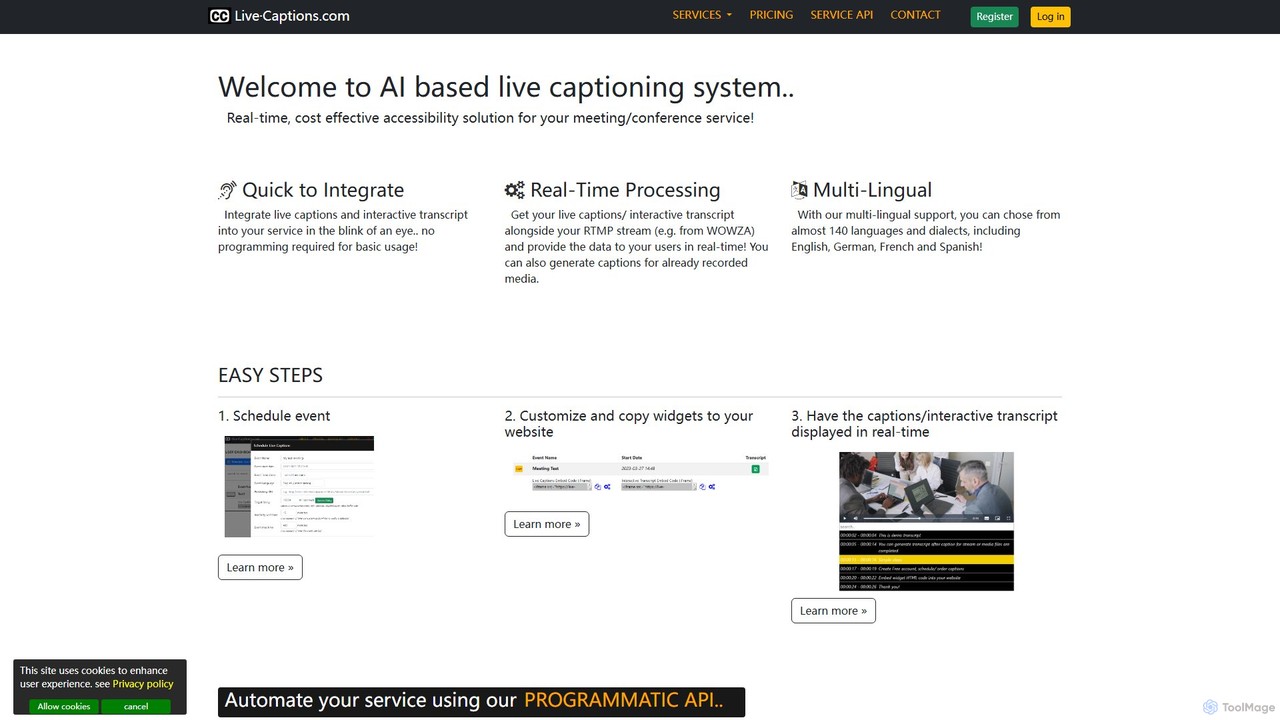
Inclusivity AI tools represent a crucial sub-category within the broader field of Accessibility, specifically engineered to ensure artificial intelligence systems are inherently fair, unbiased, and equitable for all individuals. These sophisticated tools leverage advanced machine learning and natural language processing algorithms to systematically detect, measure, and actively mitigate various forms of bias that can inadvertently creep into AI training data, model development, and subsequent outputs. Their paramount value lies in fostering truly ethical AI development and responsible deployment, actively preventing discrimination, and enabling the creation of digital products and services that genuinely serve a diverse global population. By addressing systemic fairness and representation, Inclusivity AI moves significantly beyond basic technical accessibility to tackle deeper societal challenges.
Core Features
- Bias Detection & Mitigation: Identifies and actively reduces unfair prejudices, such as gender, racial, or age bias, within AI training datasets and model predictions to ensure equitable outcomes.
- Fairness Metrics & Auditing: Provides quantifiable metrics and robust auditing frameworks to continuously monitor and evaluate equitable performance across various demographic and socio-economic groups.
- Representative Data Augmentation: Employs techniques to enhance and balance datasets, ensuring adequate and proportional inclusion of underrepresented populations to improve model generalization.
- Inclusive Language Generation: Integrates principles of neutral, respectful, and culturally sensitive communication, guiding AI in generating content that avoids stereotypes and promotes positive representation.
- Adaptive User Interfaces: Utilizes AI to dynamically adjust user interfaces and interaction patterns, catering to a wider spectrum of cognitive, linguistic, or physical needs beyond standard accessibility features.
Use Cases
These specialized tools are indispensable for organizations committed to developing and deploying responsible AI solutions. AI developers utilize them extensively to rigorously audit machine learning models for inherent biases before they are deployed into real-world applications, ensuring fairness from the outset. Human Resources departments leverage Inclusivity AI to scrutinize AI-powered resume screening and candidate assessment tools, guaranteeing equitable opportunities and preventing discriminatory hiring practices. Furthermore, content platforms employ these tools to ensure that moderation policies are applied consistently and fairly across diverse user-generated content, fostering a safe and inclusive online environment. They also play a critical role in guiding marketing and advertising teams to create campaigns that resonate broadly with diverse audiences without perpetuating harmful stereotypes or exclusionary messaging.
How to Choose
When evaluating and selecting Inclusivity AI tools, several critical factors should guide your decision. First, consider the specific types of biases the tool is designed to detect and mitigate, such as gender, racial, age, or cultural biases, and how well these align with your organizational needs. Assess its integration capabilities with your existing AI development pipelines and data governance frameworks to ensure seamless workflow adoption. Transparency of its fairness metrics and the interpretability of its bias detection mechanisms are also crucial for trust and accountability. Furthermore, evaluate the tool's ability to adapt to specific cultural, linguistic, or regional contexts, and its continuous monitoring features to ensure ongoing fairness, ethical compliance, and adaptability to evolving societal standards. Finally, consider the level of human oversight and intervention required or supported by the tool.