AI Communication tools are a specialized category of assistive technology designed to help individuals with speech, language, or hearing impairments express themselves and interact with others. Leveraging advanced technologies like Text-to-Speech (TTS), Speech-to-Text (STT), and Natural Language Processing (NLP), these tools convert text, symbols, or other inputs into audible speech or readable text. Their primary value lies in breaking down communication barriers, fostering independence, and enabling more meaningful social participation for users. Many tools offer high levels of personalization, allowing for custom vocabularies and even personalized synthetic voices.
Core Features
- Augmentative and Alternative Communication (AAC): Generates speech from symbols, photos, or text to support non-verbal users.
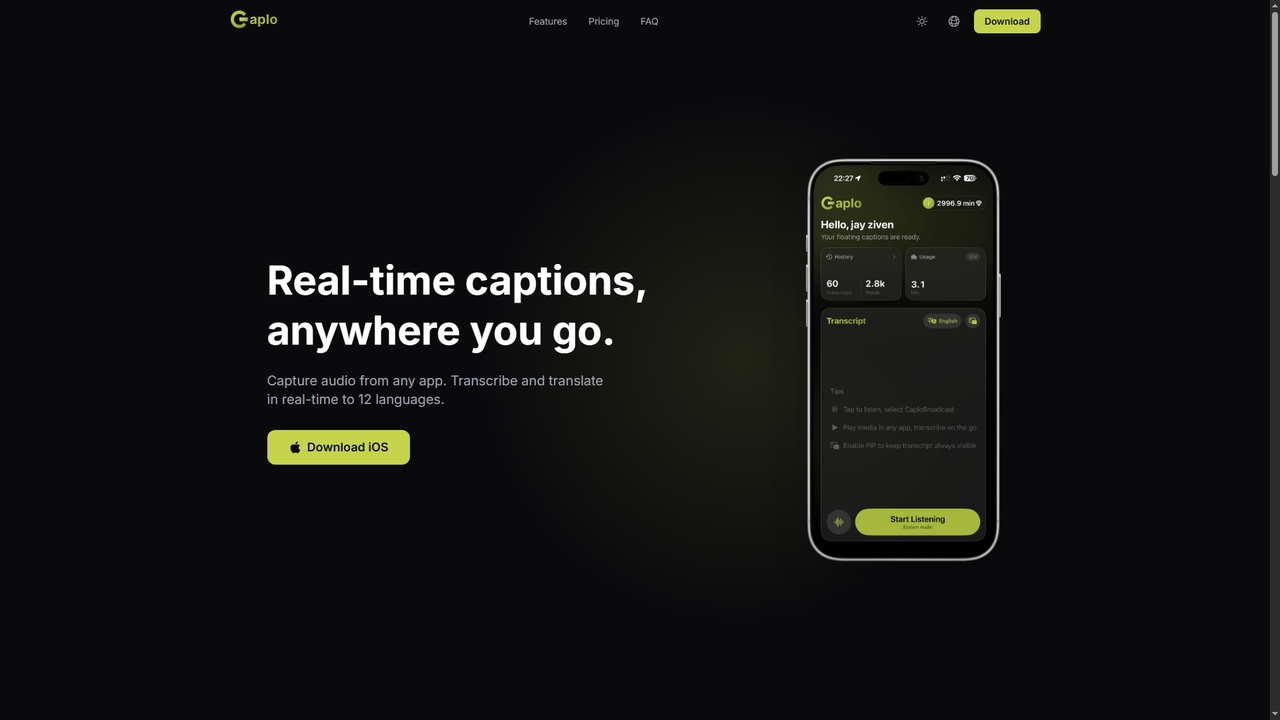
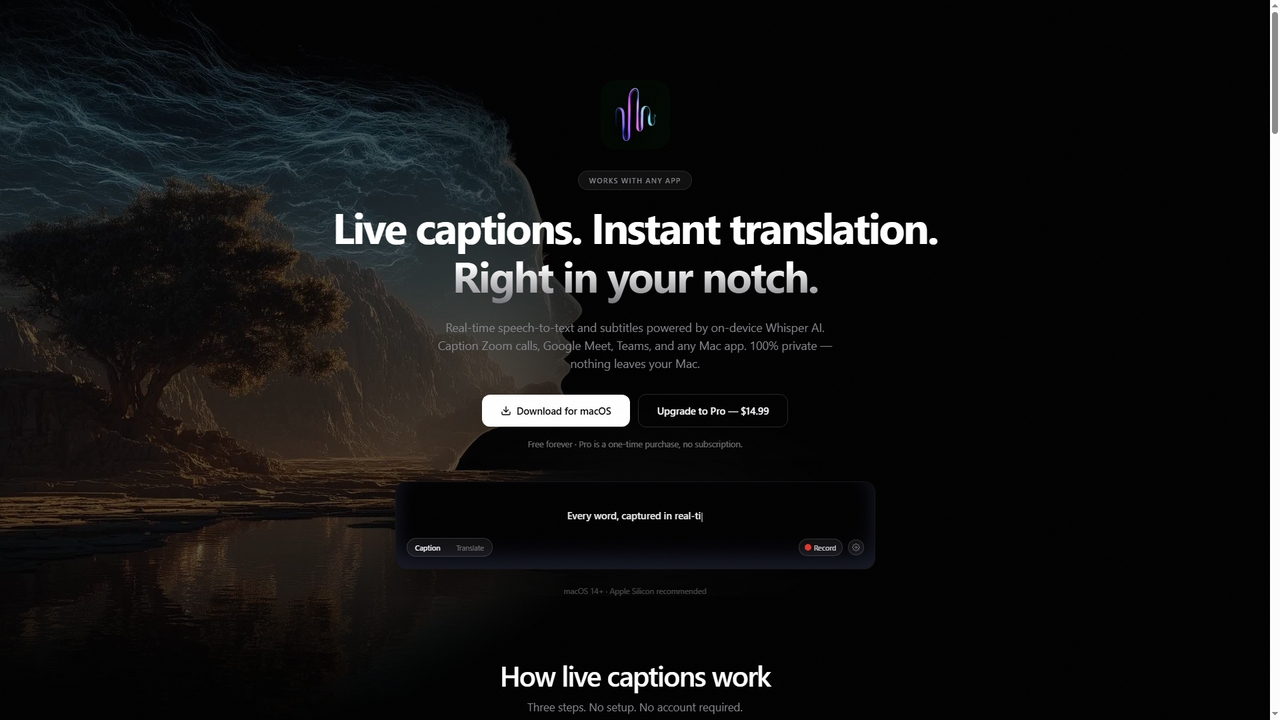
- Real-time Transcription: Converts spoken language into written text instantly for individuals with hearing loss.
- Text-to-Speech (TTS) with Personalization: Transforms written text into natural-sounding speech, with options to create a personalized voice.
- Predictive Text and Sentence Building: Suggests words and phrases based on context to speed up communication for users with motor or language difficulties.
- Sign Language Recognition/Translation: Interprets or generates sign language to bridge communication between deaf and hearing communities.
Use Cases
These tools are crucial in educational settings for students with communication disorders, in clinical environments for speech therapy, and for daily life for individuals with conditions like ALS, cerebral palsy, autism, or aphasia. They are used on dedicated devices, tablets, and smartphones to facilitate conversations, participate in classes, and interact in the workplace.
How to Choose
When selecting a tool, consider the user's specific communication needs (e.g., expressive vs. receptive), their physical and cognitive abilities, and the required input method (touch, eye-gaze, switch). Also evaluate the tool's vocabulary customization options, voice quality and personalization features, device compatibility, and integration with other assistive technologies.