
ToolMage
Sign in

Best 1 Live Translation AI tools for Accessibility

Popular Live Translation AI tools in Accessibility include Line 21 Live Captions, helping you work more efficiently.

Line 21 Live Captions
Paid

Line 21 Live Captions

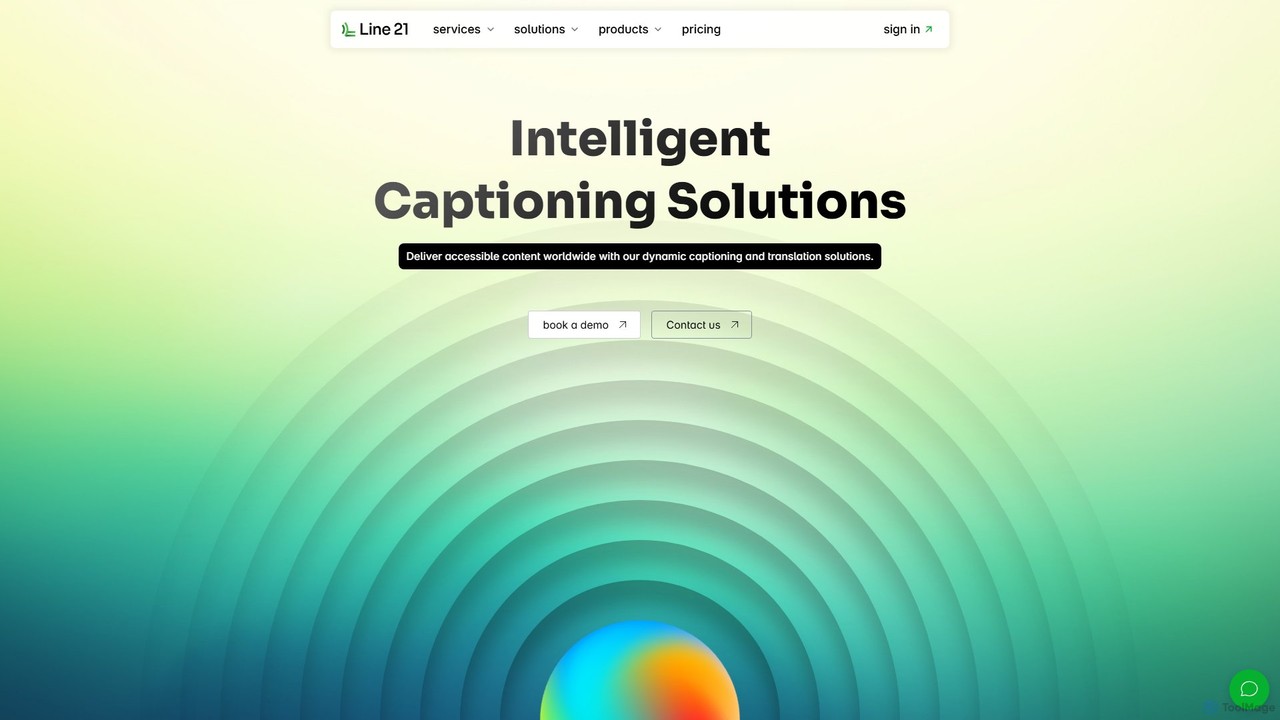
Line 21 is an intelligent captioning solution that combines professional human captioners with advanced AI technology. It offers real-time captioning, live translation in over 120 languages, AI-powered proofreading, and automatic speech recognition (ASR). Designed for live events, broadcasts, and meetings, it ensures fast, accurate, and accessible content delivery to global audiences across platforms like YouTube, Zoom, and Teams.

Live Translation
Visits 4.9KFavorites 136Likes 132

About Live Translation

Live Translation tools are AI-powered solutions designed to convert spoken or written language from one language into another in real-time. Leveraging advanced speech recognition, natural language processing, and machine translation technologies, these tools enable seamless cross-linguistic communication. They are invaluable for breaking down language barriers instantly, fostering global understanding, and significantly enhancing accessibility for diverse users in various settings.

Core Features

  • Real-time Speech-to-Text Translation: Instantly transcribes spoken words and translates them into text in a target language.
  • Multi-language Support: Offers translation capabilities across a wide array of languages, often with bidirectional support.
  • Speaker Identification: Differentiates between multiple speakers, attributing translated text to the correct individual.
  • Text-to-Speech Output: Converts translated text back into spoken audio, allowing for natural auditory comprehension.
  • Integration Capabilities: Seamlessly integrates with video conferencing platforms, communication apps, and live streaming services.

Use Cases

Live Translation tools are essential for professionals and individuals navigating multilingual environments. They facilitate communication in international business meetings, global customer support interactions, and live educational sessions. These tools ensure that language differences do not impede understanding or participation, making information accessible to a broader audience.

How to Choose

When selecting a Live Translation tool, prioritize accuracy and low latency to ensure smooth, natural conversations. Evaluate the breadth of supported languages and dialects, as well as its integration capabilities with your existing communication platforms. Consider privacy and security features, along with the tool's scalability and pricing model to match your specific needs.

Live Translation use cases

1

Facilitate International Business Meetings

Business professionals conducting meetings with global teams or clients can use live translation tools to ensure all participants understand discussions in real-time. This eliminates the need for human interpreters in many scenarios, saving time and resources while fostering clearer communication and faster decision-making across linguistic divides.

2

Enhance Global Customer Support

Customer service teams can leverage live translation to communicate with customers worldwide in their native languages, regardless of the agent's linguistic proficiency. This improves customer satisfaction, reduces response times, and allows businesses to provide consistent, high-quality support to a diverse global clientele, expanding market reach.

3

Provide Live Interpretation for Events

Organizers of international conferences, webinars, or live broadcasts can offer real-time translation to attendees. This makes content accessible to a multilingual audience, broadening participation and engagement. Participants can choose their preferred language for captions or audio, ensuring inclusivity and a richer experience for everyone.

4

Support Multilingual Education

Educators and students in diverse classrooms or online learning environments can utilize live translation to bridge language gaps. This allows non-native speakers to follow lectures, participate in discussions, and understand course materials in their preferred language, promoting equitable access to education and improving learning outcomes for all.

5

Assist Travelers and Tourists

Travelers can use live translation apps to communicate with locals, understand public announcements, or navigate foreign environments. This empowers them to interact more confidently, order food, ask for directions, and immerse themselves more deeply in local cultures, making travel experiences smoother and more enjoyable.

6

Improve Healthcare Consultations

Medical professionals can use live translation to communicate effectively with patients who speak different languages. This ensures accurate understanding of symptoms, diagnoses, and treatment plans, reducing miscommunication risks and improving patient care. It is particularly vital in emergency situations or for routine check-ups with diverse patient populations.

Live Translation FAQ

What are Live Translation tools?

Live Translation tools are AI-powered applications that instantly convert spoken or written language from one language to another. They utilize advanced technologies like speech recognition and natural language processing to provide real-time translations, enabling seamless communication across linguistic barriers in various interactive settings.

How do Live Translation tools enhance accessibility?

Live Translation tools significantly enhance accessibility by breaking down language barriers for individuals who speak different languages or have hearing impairments. They provide real-time captions or audio translations, allowing diverse users to participate fully in conversations, meetings, and events, ensuring information is universally understood.

How does Live Translation differ from traditional translation services?

Live Translation differs from traditional services by offering instant, AI-driven conversion of language in real-time, often for spoken interactions. Traditional translation typically involves human translators, is often text-based, and has a processing delay, focusing on accuracy and nuance for documents or pre-recorded content rather than immediate, dynamic communication.

What are the key features to look for in a Live Translation tool?

Key features include high translation accuracy and minimal latency for natural conversation flow. Look for broad multi-language support, reliable speaker identification, and seamless integration with your preferred communication platforms. Additionally, consider text-to-speech capabilities, robust privacy settings, and scalability options.

Who benefits most from using Live Translation tools?

Live Translation tools primarily benefit international businesses, global customer support teams, educators in multilingual classrooms, and individuals participating in cross-cultural events. They are also invaluable for travelers, healthcare providers, and anyone needing to communicate effectively across language barriers in dynamic, real-time scenarios.