Accessibility Best in category 2 results Web Accessibility AI Tool

Popular AI tools in the Web Accessibility field of Accessibility include Alttextgenerator、Imagedescriber, etc., helping you quickly improve efficiency.

Imagedescriber

Imagedescriber

Imagedescriber is an AI-powered tool that instantly generates detailed image descriptions, alt text, and captions in over 7 …

2.1K
Alttextgenerator

Alttextgenerator

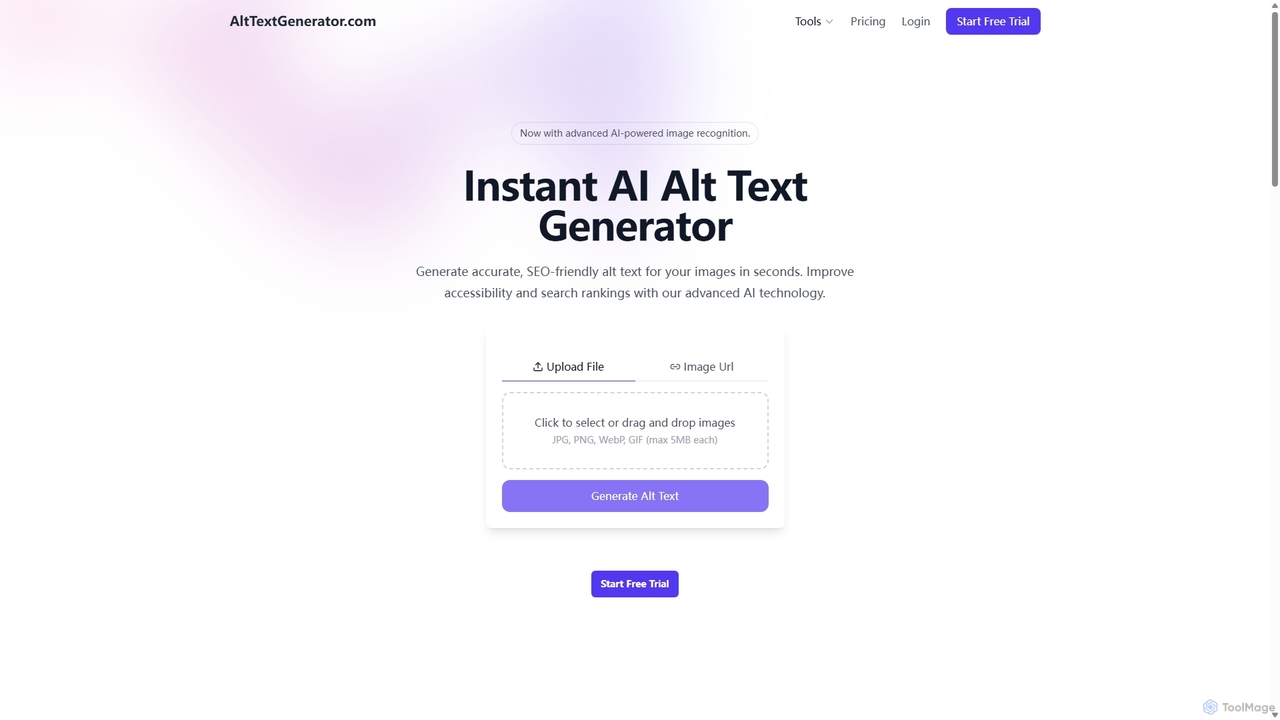
An AI-powered suite that instantly generates SEO-friendly alt text, detailed image descriptions, and creative prompts from images. It's …

3.0K

About Web Accessibility

Web Accessibility tools are AI-powered solutions designed to help create and maintain digital content that is usable by everyone, including individuals with disabilities. These tools leverage advanced algorithms to identify, analyze, and often automatically remediate accessibility barriers on websites, ensuring compliance with standards like WCAG. Their primary value lies in fostering inclusive online experiences, expanding audience reach, and mitigating legal risks associated with non-compliance.

Core Features

  • Automated Auditing: Scans websites for common accessibility issues like missing alt text, insufficient color contrast, and keyboard navigation problems.
  • Content Remediation: Provides suggestions or automatically adjusts elements such as image descriptions, heading structures, and form labels to improve accessibility.
  • User Experience Simulation: Simulates how users with various disabilities interact with a site, offering insights into potential usability challenges.
  • Compliance Reporting: Generates detailed reports on accessibility status, highlighting areas of non-compliance and suggesting corrective actions.

Applicable Scenarios

Web Accessibility tools are crucial for organizations aiming for digital inclusivity. Web developers and designers use them to integrate accessibility checks into their development workflows, ensuring new content is accessible from the outset. Marketing teams leverage these tools to expand their audience by making campaigns reachable to all. Legal and compliance officers utilize them to ensure adherence to accessibility laws and avoid potential lawsuits, particularly in sectors like government, education, and e-commerce.

How to Choose

When selecting a Web Accessibility tool, consider its compliance standards (e.g., WCAG 2.1 AA), the breadth of its auditing capabilities (automated vs. manual checks), and its integration with existing development or content management systems. Evaluate the accuracy of its remediation suggestions and the clarity of its reporting. Scalability for your website's size and the level of support offered are also important factors to ensure long-term effectiveness.

Web AccessibilityUse Cases

1

Automating Website Accessibility Audits

A web development agency uses an AI-powered Web Accessibility tool to automatically scan client websites for WCAG compliance issues. The tool identifies missing alt text, low contrast ratios, and keyboard navigation problems across hundreds of pages, generating a comprehensive report that guides developers in efficient remediation, saving hours of manual review.

2

Ensuring E-commerce Product Page Accessibility

An e-commerce manager employs a Web Accessibility solution to ensure all product images have descriptive alt text and product descriptions are readable by screen readers. The tool flags inaccessible elements, allowing the manager to quickly correct them, thereby making the online store usable for visually impaired customers and expanding potential sales.

3

Integrating Accessibility into CI/CD Pipelines

A software development team integrates a Web Accessibility tool into their continuous integration/continuous deployment (CI/CD) pipeline. Before each new release, the tool automatically runs accessibility checks on the staging environment, blocking deployments if critical accessibility violations are detected, thus embedding accessibility as a core quality gate.

4

Creating Accessible Educational Content

A university's e-learning department uses Web Accessibility tools to review and optimize online course materials, including PDFs, videos, and interactive modules. The tool helps ensure captions are accurate, documents are properly tagged for screen readers, and interactive elements are keyboard navigable, providing an equitable learning experience for all students.

5

Monitoring Ongoing Accessibility Compliance

A large corporation utilizes a Web Accessibility platform to continuously monitor its public-facing websites and internal portals for accessibility compliance. The tool provides real-time alerts for new accessibility issues introduced by content updates or code changes, allowing the IT team to proactively address problems and maintain a high level of accessibility.

6

Generating Accessibility Statements and Reports

A government agency uses a Web Accessibility tool to generate official accessibility statements and compliance reports required by law. The tool compiles data from regular audits, outlines the current accessibility status, lists any known issues, and details the agency's commitment to ongoing improvements, ensuring transparency and legal adherence.

Web AccessibilityFrequently Asked Questions