Ai Best in category 1 results Art Generator AI Tool

Popular AI tools in the Art Generator field of Ai include gaituya, etc., helping you quickly improve efficiency.

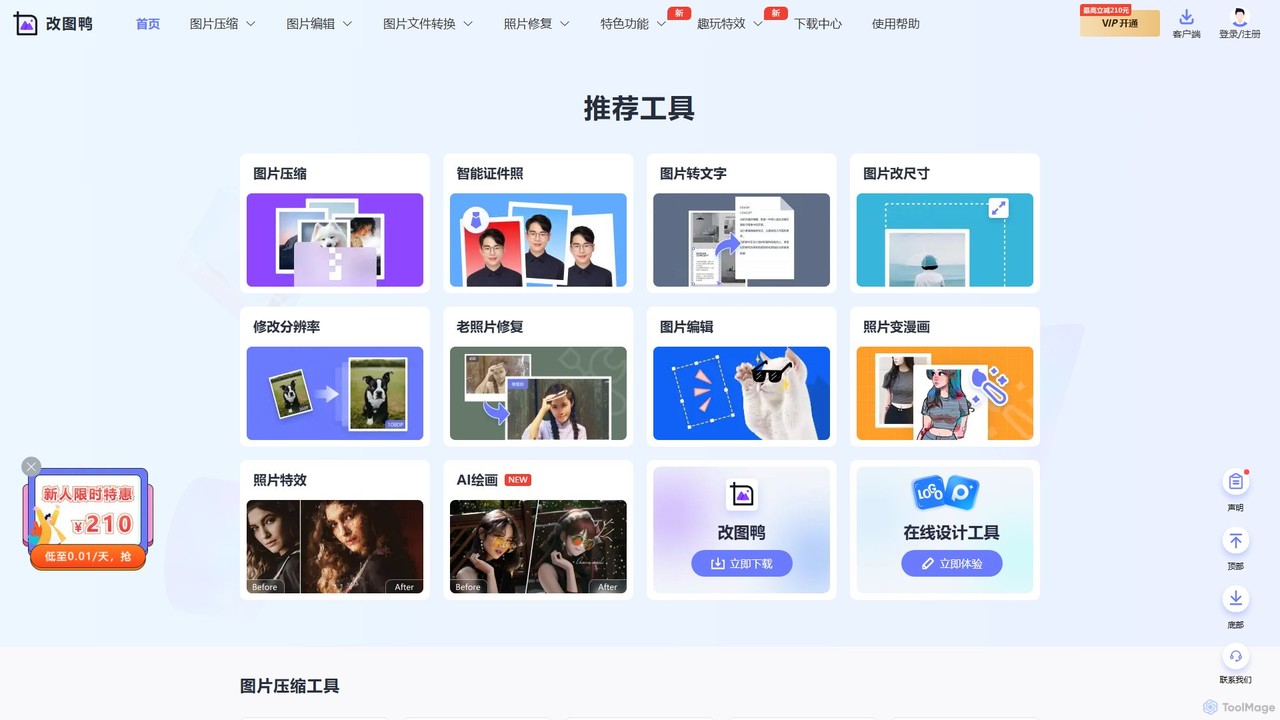
gaituya

gaituya

Gaituya is a comprehensive online image processing suite powered by AI. It offers a wide range of tools …

64.3K

About Art Generator

Art Generators are AI-powered tools that automatically create unique visual content from text prompts, images, or other inputs. These tools leverage advanced deep learning models, such as Generative Adversarial Networks (GANs) and Diffusion Models, to interpret creative instructions and synthesize novel artworks, illustrations, and designs. They empower users, from professional artists to hobbyists, to rapidly explore creative concepts, generate diverse visual assets, and overcome creative blocks, significantly accelerating the visual content creation process within the broader AI category.

Core Features

  • Text-to-Image Generation: Creates visuals from descriptive text prompts, allowing users to specify subjects, styles, and compositions.
  • Image-to-Image Transformation: Modifies existing images based on new prompts or style references, enabling artistic reinterpretations.
  • Style Transfer: Applies the artistic style of one image to the content of another, generating unique hybrid visuals.
  • Inpainting & Outpainting: Intelligently fills in missing parts of an image or extends its boundaries with contextually relevant content.
  • Customizable Styles & Models: Offers a wide array of artistic styles, from photorealistic to abstract, and allows fine-tuning of generation models.

Use Cases

Art Generators are invaluable for creative professionals and enthusiasts alike. Graphic designers can quickly prototype visual concepts for campaigns, while content creators can generate unique imagery for blogs and social media without relying on stock photos. Game developers utilize them for rapid concept art and texture generation, significantly speeding up the initial design phases.

How to Choose

When selecting an Art Generator, consider the desired output quality and resolution, the variety of artistic styles and models offered, and the level of control over the generation process (e.g., prompt engineering, parameter adjustments). Evaluate ease of use, community support, pricing models (subscription vs. pay-per-generation), and integration capabilities with existing creative workflows.

Art GeneratorUse Cases

1

Generating Concept Art for Game Development

Game artists and designers can input textual descriptions of characters, environments, or props, and Art Generators will produce multiple visual concepts in various styles. This accelerates the initial ideation phase, allowing teams to quickly iterate on designs, visualize different aesthetics, and refine their artistic direction before committing to detailed production, saving hundreds of hours in manual sketching.

2

Creating Unique Marketing Visuals for Campaigns

Marketing professionals and small business owners often need engaging visuals for social media, ads, and websites. Art Generators enable them to generate bespoke images tailored to specific campaign themes, brand aesthetics, and target audiences. By simply describing the desired visual, they can produce unique graphics that stand out from generic stock photos, enhancing brand identity and engagement.

3

Personalizing Digital Art and Illustrations

Individual artists and hobbyists use Art Generators to explore new creative avenues and personalize their digital artwork. They can experiment with different artistic styles, generate unique backgrounds, or create fantastical creatures and scenes that would be challenging or time-consuming to draw manually. This democratizes art creation, allowing anyone to bring their imaginative visions to life.

4

Visualizing Storyboards and Narrative Concepts

Filmmakers, animators, and writers can leverage Art Generators to quickly visualize scenes, characters, and settings for storyboards or narrative pitches. By inputting script excerpts or scene descriptions, they can generate visual representations that help convey mood, composition, and character interactions. This streamlines the pre-production process, making it easier to communicate ideas to teams and stakeholders.

5

Designing Fashion and Product Mockups

Fashion designers and product developers can use Art Generators to rapidly create visual mockups of new clothing lines, accessories, or product designs. By providing descriptions of materials, patterns, and styles, they can generate diverse design variations and visualize how products might look in different contexts. This aids in early-stage design iteration and presentation to clients or manufacturing partners.

6

Enhancing Architectural and Interior Design Presentations

Architects and interior designers can utilize Art Generators to create compelling visual renderings and mood boards for client presentations. They can input design specifications, material preferences, and desired atmospheres to generate realistic or stylized images of proposed spaces. This helps clients better visualize the final outcome, facilitating quicker feedback and design approval processes.

Art GeneratorFrequently Asked Questions