Ai Best in category 5 results Computer Vision AI Tool

Popular AI tools in the Computer Vision field of Ai include Imagga、Segments.ai、ibex_ai、trexlabel、Raman Labs, etc., helping you quickly improve efficiency.

Raman Labs

Raman Labs

Raman Labs provides a high-performance SDK with pre-trained machine learning modules for developers. It specializes in real-time computer …

2.3K
ibex_ai

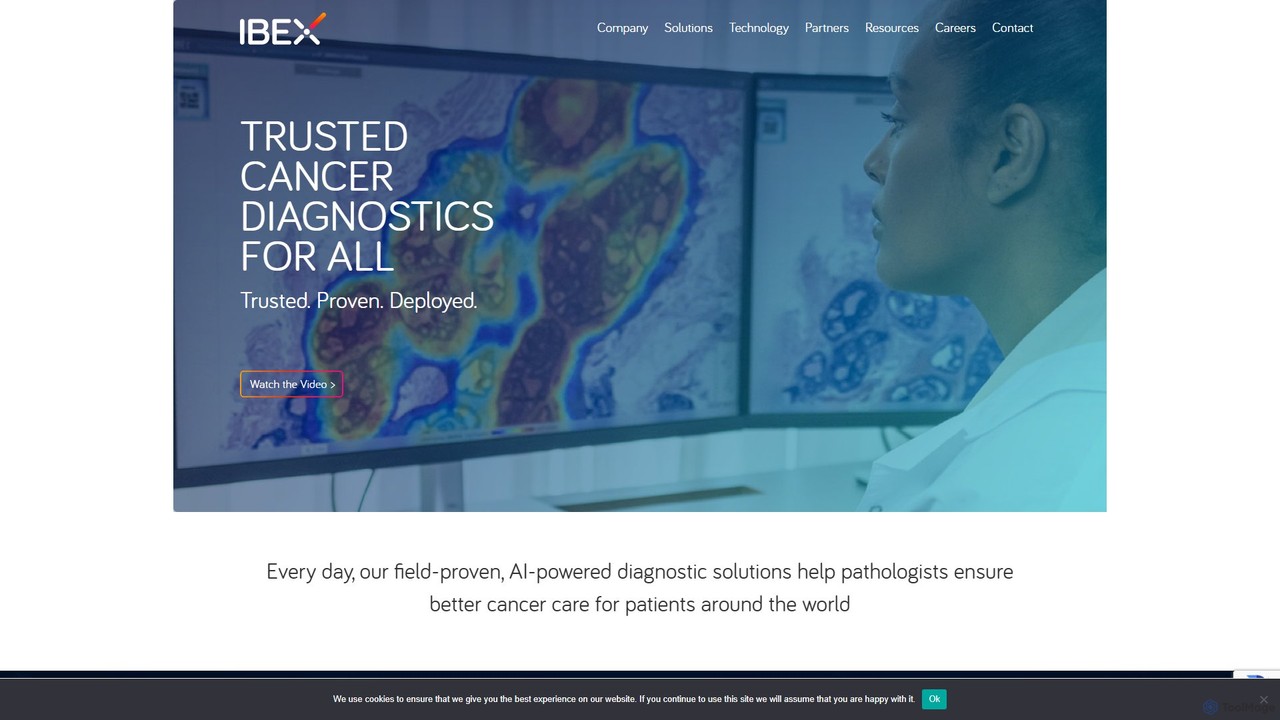
ibex_ai

Ibex is a leading AI-powered cancer diagnostics platform for pathology. It assists pathologists by improving the accuracy and …

20.6K
Segments.ai

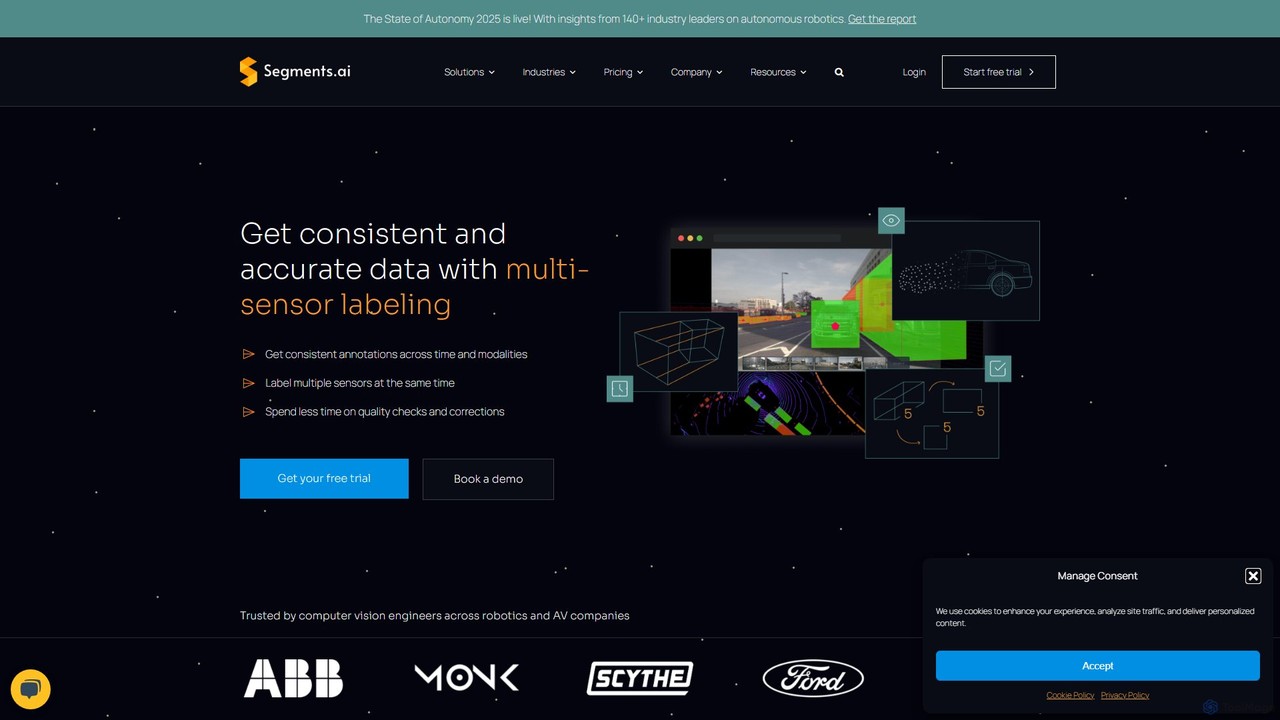
Segments.ai

Segments.ai is an advanced data labeling platform designed for multi-sensor data, specializing in robotics and autonomous vehicles. It …

30.0K
trexlabel

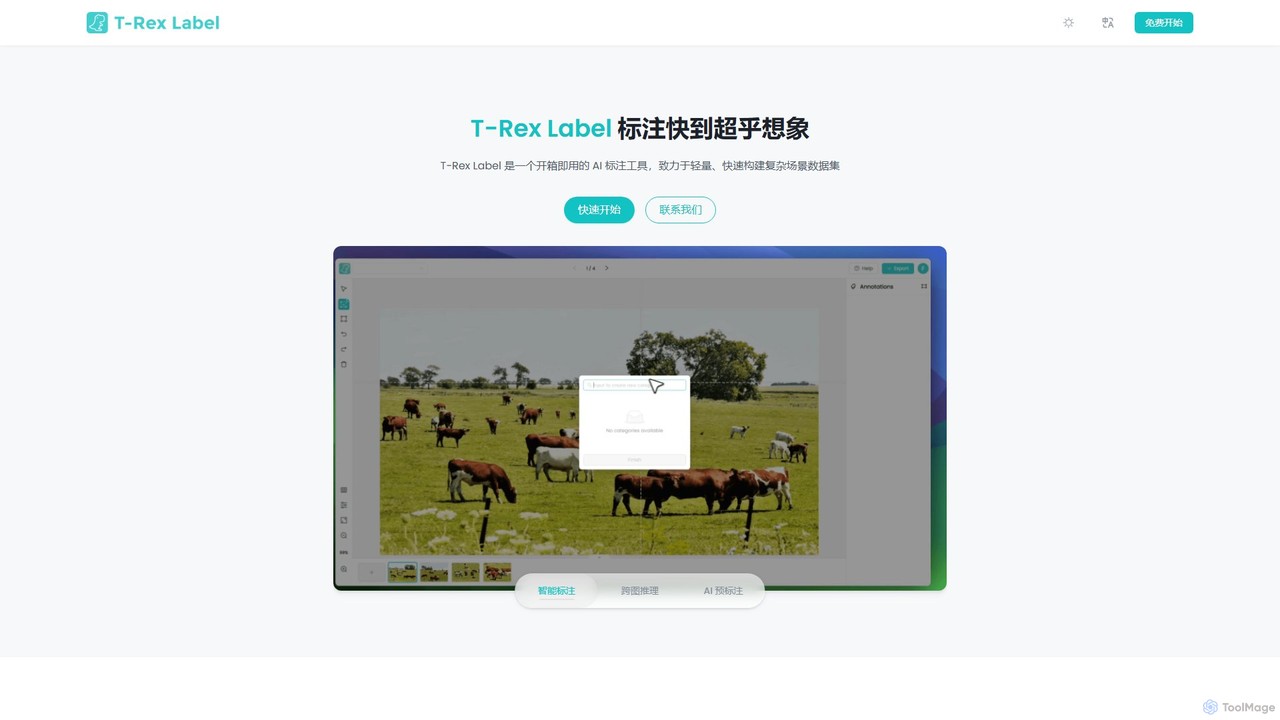
trexlabel

trexlabel is an out-of-the-box AI image annotation tool designed for rapid dataset creation. It leverages a zero-shot, open-set …

8.3K
Imagga

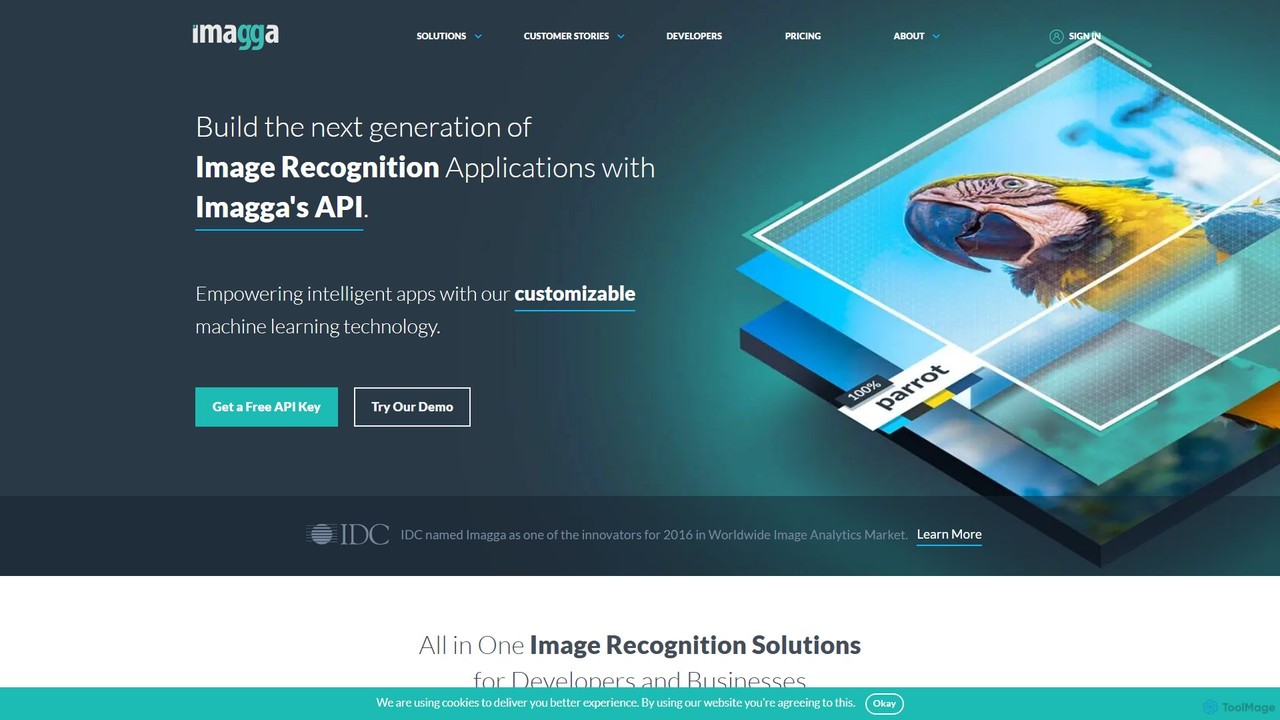
Imagga

Imagga offers a comprehensive suite of image recognition and computer vision AI tools via a powerful API. It …

68.9K

About Computer Vision

Computer Vision tools are AI-powered technologies that enable computers to interpret and understand visual information from images and videos. These tools leverage advanced algorithms, often based on deep learning and neural networks, to process, analyze, and make sense of visual data. They provide capabilities crucial for automating tasks, enhancing security, improving quality control, and extracting valuable insights from the visual world.

Core Features

  • Object Detection: Identifies and locates specific objects within an image or video frame.
  • Image Classification: Categorizes entire images into predefined classes based on their content.
  • Facial Recognition: Identifies or verifies individuals by analyzing unique facial features.
  • Semantic Segmentation: Divides an image into segments, assigning a class label to each pixel.
  • Optical Character Recognition (OCR): Extracts text from images, converting it into machine-readable format.

Use Cases

Computer Vision is widely adopted across various industries. In manufacturing, it automates quality inspection by detecting defects on assembly lines. For retail, it analyzes customer traffic patterns and product engagement. In healthcare, it assists in diagnosing diseases by analyzing medical scans. Its ability to process visual data at scale makes it indispensable for tasks requiring visual interpretation.

How to Choose

When selecting Computer Vision tools, consider the specific task requirements, such as the type of visual data (images, video, real-time), required accuracy, and processing speed. Evaluate integration capabilities with existing systems, scalability for future needs, and the level of technical expertise required for implementation. Data privacy and security features are also critical, especially for sensitive applications.


Computer VisionUse Cases

1

Automated Quality Inspection in Manufacturing

Manufacturing companies utilize Computer Vision to automatically detect defects on production lines. AI cameras capture images of products, and the vision system analyzes them in real-time to identify anomalies, scratches, or missing components. This significantly reduces manual inspection time, improves product consistency, and ensures higher quality control standards before products reach consumers.

2

Customer Behavior Analysis in Retail Stores

Retailers deploy Computer Vision systems to analyze customer movement and engagement within physical stores. These tools track foot traffic, identify popular product displays, measure dwell times, and understand demographic patterns (anonymously). This data helps optimize store layouts, personalize marketing efforts, and improve overall shopping experiences, leading to increased sales and operational efficiency.

3

Object Detection for Autonomous Vehicles

Autonomous vehicle developers rely heavily on Computer Vision for real-time environmental perception. Systems detect and classify objects like other vehicles, pedestrians, traffic signs, and lane markings from camera feeds. This critical information allows self-driving cars to navigate safely, make informed decisions, and react appropriately to dynamic road conditions, ensuring passenger safety.

4

Assisted Diagnosis in Medical Imaging

Healthcare professionals use Computer Vision to enhance the analysis of medical images such as X-rays, MRIs, and CT scans. AI algorithms can highlight subtle abnormalities, detect early signs of diseases like cancer or retinopathy, and quantify disease progression. This assists radiologists and clinicians in making more accurate and timely diagnoses, improving patient outcomes and reducing diagnostic errors.

5

Enhanced Security Surveillance and Access Control

Security teams implement Computer Vision for advanced surveillance and access control. Systems can perform facial recognition for authorized entry, detect unusual activities or unauthorized objects, and monitor large areas for potential threats. This automates security monitoring, provides real-time alerts, and significantly strengthens physical security measures in corporate buildings, public spaces, and residential areas.

6

Crop Health Monitoring in Agriculture

Farmers and agricultural businesses leverage Computer Vision, often via drone or satellite imagery, to monitor crop health and identify issues across large fields. AI analyzes images to detect signs of disease, pest infestations, nutrient deficiencies, or water stress. This enables precision agriculture, allowing targeted interventions, optimizing resource use (water, fertilizer), and maximizing crop yields efficiently.

Computer VisionFrequently Asked Questions