Ai Best in category 1 results Data Labeling AI Tool

Popular AI tools in the Data Labeling field of Ai include Batchcropper, etc., helping you quickly improve efficiency.

Free
Batchcropper

Batchcropper

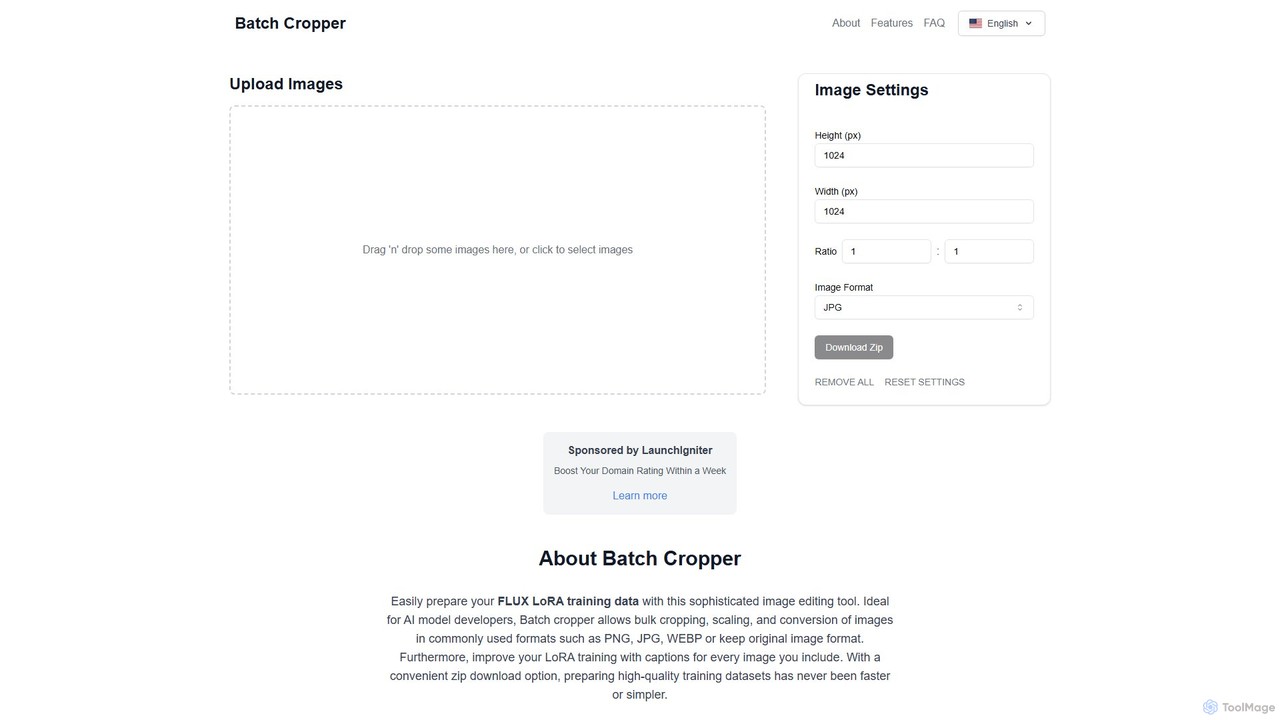
Batchcropper is a free online tool designed for AI developers and content creators to bulk crop, resize, and …

2.3K

About Data Labeling

Data Labeling tools are specialized platforms used to annotate raw data, such as images, text, audio, and video, to create high-quality training datasets for machine learning models. These tools provide an organized environment and specific functionalities to accurately add labels, tags, or metadata, which is a foundational step in the AI development lifecycle. They streamline the annotation process, enhance data consistency, and enable collaboration among teams of annotators. By transforming unstructured data into structured information, these platforms are essential for building and refining performant AI systems.

Core Features

  • Multi-Format Annotation: Provides diverse tools for labeling images (bounding boxes, polygons, segmentation), text (NER, classification), audio, and video frames.
  • Collaborative Workflows: Includes features for task assignment, team management, progress tracking, and consensus-based review to ensure label quality.
  • Quality Assurance (QA): Offers built-in mechanisms for reviewing annotations, tracking annotator performance, and identifying inconsistencies.
  • AI-Assisted Labeling: Utilizes machine learning models to pre-label data or suggest annotations, significantly accelerating the manual labeling process.
  • Customizable Export Formats: Allows exporting labeled datasets in various standard formats (e.g., COCO, YOLO, Pascal VOC) for seamless integration with ML frameworks.

Use Cases

Data Labeling tools are critical in industries developing computer vision and NLP models. For example, in the automotive sector, they are used to label road scenes for autonomous driving systems. In healthcare, they help annotate medical images to train diagnostic AI. E-commerce platforms use them to categorize products and improve recommendation engines.

How to Choose

When selecting a Data Labeling tool, consider the specific data types you work with (e.g., images, text, DICOM). Evaluate the sophistication and user-friendliness of its annotation toolset. Assess the robustness of its quality control and team collaboration features. Finally, consider its integration capabilities with your existing data storage and ML pipelines, as well as its pricing model.

Data LabelingUse Cases

1

Training Computer Vision for Autonomous Vehicles

A machine learning engineer at an automotive technology company is tasked with improving the object detection model for a self-driving car. Using a data labeling tool, their team of annotators systematically labels thousands of hours of road footage. They use bounding boxes to identify vehicles and pedestrians, polygons for lane markings, and semantic segmentation to differentiate between road, sidewalk, and sky. This meticulously labeled dataset is then used to train the AI to perceive and react to its environment accurately, directly enhancing vehicle safety.

2

Annotating Medical Images for AI Diagnostics

A data scientist in a medical research institute is developing an AI model to detect early-stage cancer from MRI scans. The process requires extreme precision. Using a specialized data labeling platform that supports DICOM files, radiologists and trained annotators carefully outline suspected tumors and anomalies using polygon and brush tools. The platform's review and consensus features are crucial for ensuring every annotation meets strict medical standards. The resulting high-fidelity dataset enables the training of a reliable diagnostic tool that can assist doctors in making faster, more accurate diagnoses.

3

Improving E-commerce Search with Product Tagging

An e-commerce data team aims to enhance their website's search relevance and recommendation engine. They use a data labeling tool to process millions of product images. A team of annotators applies specific tags and attributes to each image, such as 'long-sleeve', 'cotton', 'V-neck', or 'floral pattern' for clothing items. The tool's workflow management features allow them to distribute tasks efficiently and maintain consistent tagging rules. This structured data feeds directly into their machine learning models, resulting in a significantly improved customer experience with more accurate search results and personalized product suggestions.

4

Building a Chatbot with Intent Recognition

An NLP specialist is developing a customer service chatbot for a large enterprise. To train the bot to understand user queries, they need a labeled dataset of customer conversations. Using a text annotation tool, they highlight phrases and label them with corresponding intents (e.g., 'check_order_status', 'request_refund') and entities (e.g., 'order_number', 'product_name'). The tool's features for creating custom labeling schemas and collaborating with subject matter experts are vital. This process creates a robust dataset that enables the chatbot to accurately identify user intent and provide helpful, relevant responses, automating a significant portion of support inquiries.

5

Creating Datasets for Content Moderation AI

A social media platform's trust and safety team needs to build an AI to automatically detect and flag inappropriate content. This requires a large, diverse, and accurately labeled dataset. Using a data labeling platform that supports text, image, and video, annotators review content and classify it according to detailed guidelines (e.g., hate speech, graphic violence, spam). The platform's security features and ability to manage sensitive content are critical. The resulting dataset is used to train a content moderation model that can operate at scale, helping to keep the platform safe for its users.

6

Analyzing Agricultural Data from Drone Imagery

An agricultural technology company uses drones to monitor crop health across vast farmlands. To automate this analysis, they need to train a computer vision model. Data annotators use a labeling tool to process the drone imagery, applying semantic segmentation to identify different crop types, delineate field boundaries, and highlight areas affected by pests or drought. The tool's ability to handle large geospatial images and its specialized polygon annotation features are essential. This labeled data helps create an AI system that provides farmers with actionable insights, enabling precision agriculture and improving crop yields.

Data LabelingFrequently Asked Questions