Ai Tools Best in category 1 results Generator AI Tool

Popular AI tools in the Generator field of Ai Tools include Limbiks, etc., helping you quickly improve efficiency.

Limbiks

Limbiks

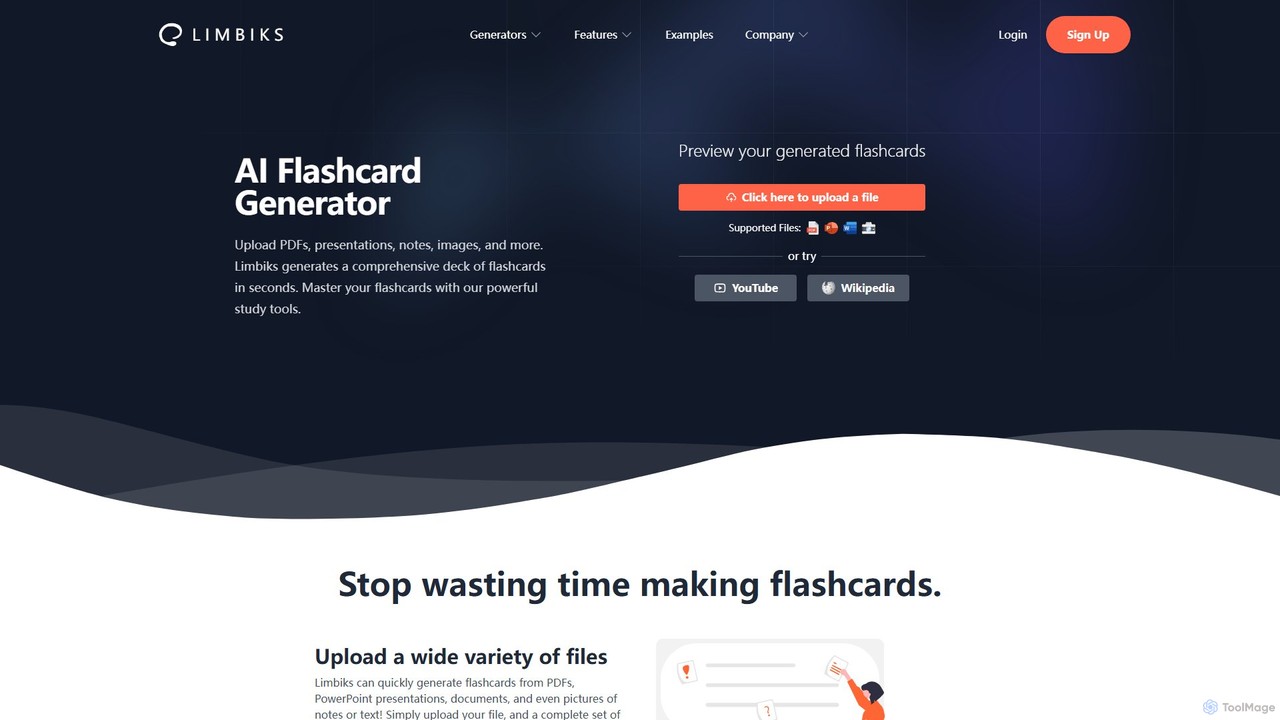
Limbiks is an AI-powered study platform that automatically generates flashcards, multiple-choice questions, practice tests, and personalized study guides …

29.3K

About Generator

AI Generators are a class of tools that use generative models to create new, original content or data from user prompts. These tools are typically powered by advanced neural networks like Transformers or Diffusion Models, enabling them to produce text, images, code, and audio. Their primary value lies in accelerating creative workflows, automating content production, and generating synthetic data for testing. AI Generators create content from scratch, distinguishing them from tools that merely edit existing assets.

Core Features

  • Multi-Modal Output: Capable of generating various content types, including text, images, audio, and code.
  • Prompt-Based Control: Users direct the creation process using natural language descriptions and parameters.
  • Style Customization: Offers options to adjust the style, tone, and specific attributes of the generated output.
  • API Access: Provides programmatic access to integrate generation capabilities into other applications and workflows.

Use Cases

AI Generators are widely used in marketing for creating ad copy and social media visuals, in software development for generating boilerplate code and unit tests, and in design for producing concept art and mockups. They also serve technical roles by creating synthetic data for training machine learning models without compromising user privacy.

How to Choose

When selecting an AI Generator, first identify your primary need—text, image, code, or another format. Evaluate the quality and coherence of the output and the level of control offered over the final result. For automation, check for robust API availability. Finally, compare pricing models, such as subscriptions or pay-per-use, to find one that aligns with your budget and usage volume.

GeneratorUse Cases

1

Automating Blog Post Drafts for Content Marketing

A content marketer needs to produce multiple high-quality blog posts weekly to drive traffic and engagement. Using an AI text generator, they input a target keyword, a brief outline, and a desired tone (e.g., professional, witty). The tool generates a structured draft, including an introduction, body paragraphs with subheadings, and a conclusion. This process reduces the initial research and writing time by over 60%, allowing the marketer to focus on refining the content, adding unique insights, and optimizing for SEO, ultimately increasing publishing frequency.

2

Creating Unique Visuals for Social Media Campaigns

A social media manager, lacking extensive design resources, needs to create compelling visuals for daily posts. They use an AI image generator with descriptive prompts like "a minimalist product shot of a skincare bottle on a marble surface with a soft morning light." The AI produces several high-resolution, royalty-free image options in seconds. This allows the manager to maintain a consistent and high-quality aesthetic for their brand's feed without relying on repetitive stock photos, which can lead to higher audience engagement.

3

Generating Synthetic Data for Software Testing

A Quality Assurance (QA) engineer needs a large, diverse dataset to test an application's performance under various conditions, but real user data is protected by privacy laws. Using a synthetic data generator, the engineer defines the schema and statistical properties of the required data (e.g., user profiles, transaction histories). The tool then generates millions of realistic but entirely artificial data records. This enables thorough, scalable testing of edge cases and load performance without any risk of exposing sensitive personal information.

4

Prototyping Game Assets and Concept Art

An indie game developer needs to quickly visualize characters, environments, and items during the early design phase. They use an AI image generator to create dozens of concept art variations based on simple descriptions, such as "elven archer in a dark forest, detailed armor, fantasy style." This allows the developer to rapidly iterate on the game's art style and character designs, saving significant time and cost compared to manually sketching each concept. The generated images serve as a strong foundation for final asset creation by human artists.

5

Composing Background Music for Videos and Podcasts

A video creator needs royalty-free background music that matches the mood of their content. Instead of searching through vast libraries of stock music, they use an AI music generator. They select parameters like genre (e.g., cinematic, lo-fi), mood (e.g., uplifting, suspenseful), and desired duration. The tool generates a unique, custom-length audio track in minutes. This provides a cost-effective and efficient way to enhance the production value of their content with perfectly fitting, original music, avoiding any copyright issues.

6

Generating Code Snippets and Functions for Development

A software developer is tasked with writing a common but tedious function, such as parsing a specific file format or making a complex API call. They describe the function's requirements in natural language to an AI code generator (e.g., "write a Python function that takes a URL and returns the JSON content"). The AI provides a functional, well-structured code snippet instantly. This accelerates the development process, reduces the chance of human error in boilerplate code, and allows the developer to focus on more complex, business-critical logic.

GeneratorFrequently Asked Questions