Ai Tools Best in category 1 results Language AI Tool

Popular AI tools in the Language field of Ai Tools include abistudio, etc., helping you quickly improve efficiency.

abistudio

abistudio

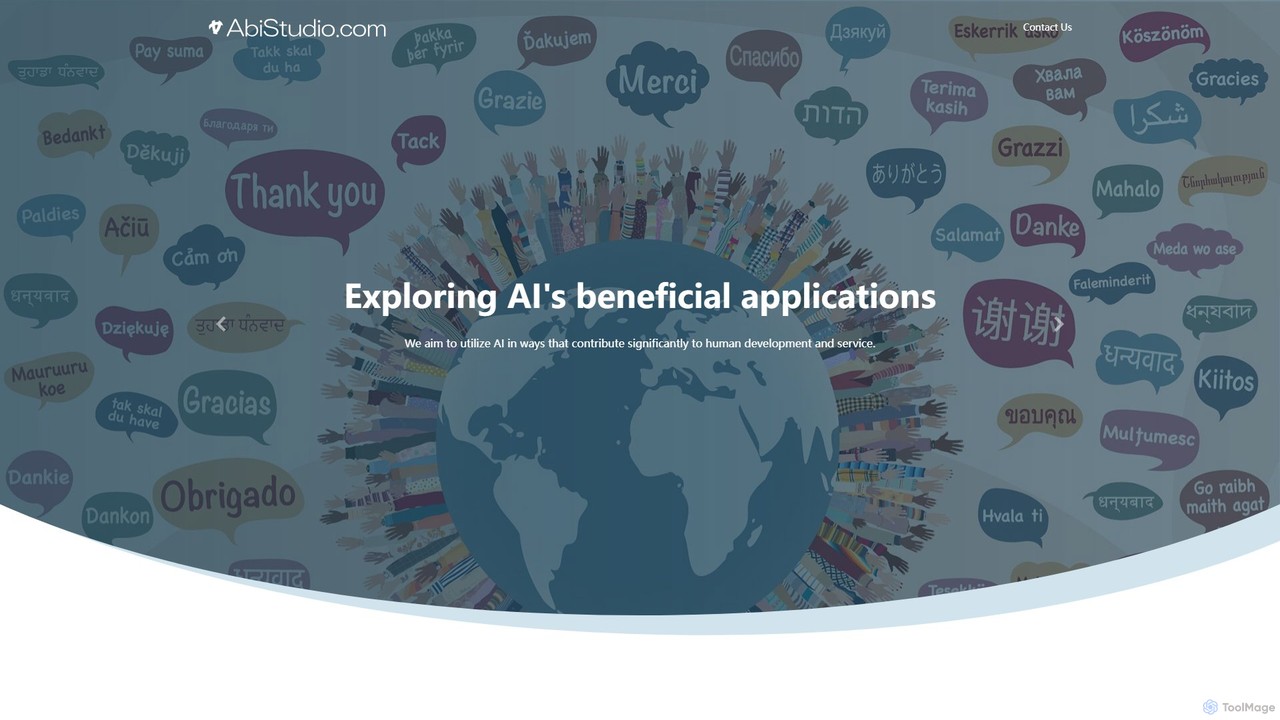
abistudio is an AI-powered communication platform designed to break down language barriers. It offers a suite of tools …

2.7K

About Language

AI Language tools are a class of software that leverages artificial intelligence to understand, generate, and manipulate human language. These tools are built upon advanced technologies like Natural Language Processing (NLP) and Large Language Models (LLMs), enabling them to process text with a high degree of contextual awareness. They are designed to break down communication barriers, enhance writing quality, and extract valuable insights from textual data. From real-time translation to sophisticated grammar correction, these tools offer powerful capabilities for a wide range of users.

Core Features

  • Machine Translation: Accurately translates text between multiple languages while preserving context and nuance.
  • Grammar & Style Correction: Identifies and corrects grammatical errors, spelling mistakes, and suggests stylistic improvements for clarity.
  • Text Generation & Paraphrasing: Creates original content from prompts or rephrases existing text to improve readability or avoid plagiarism.
  • Sentiment Analysis: Analyzes text to determine the underlying emotional tone, such as positive, negative, or neutral.
  • Text Summarization: Condenses long articles, reports, or documents into concise summaries highlighting key points.

Use Cases

AI Language tools are widely used by content creators, marketers, researchers, and global businesses. For instance, a marketing team can use them to localize advertising copy for different regions, while a legal professional can summarize lengthy contracts. They are also integral for developers building applications with multilingual support and for customer service teams offering real-time translation to international clients.

How to Choose

When selecting an AI Language tool, consider the specific task you need to perform, such as translation, proofreading, or content creation. Evaluate the accuracy and the number of languages supported. For business use, check for API availability for integration with existing workflows. Finally, compare pricing models and the tool's ability to understand industry-specific jargon and context.

LanguageUse Cases

1

Multilingual Customer Support

A customer support agent at a global e-commerce company uses an AI language tool integrated into their helpdesk software. When a customer from Japan sends a query in Japanese, the tool instantly translates it into English for the agent. The agent types their response in English, and the tool translates it back into natural-sounding Japanese for the customer. This process enables a single agent to support customers from multiple regions without needing to be a polyglot, reducing response times and improving customer satisfaction.

2

Academic Paper Proofreading

A university researcher is finalizing a manuscript for submission to a prestigious scientific journal. They use an advanced AI grammar and style checker to polish the paper. The tool goes beyond basic spell-checking, identifying complex grammatical errors, suggesting more concise phrasing, ensuring consistent use of terminology, and checking for adherence to a specific academic style guide (e.g., APA, MLA). This helps the researcher improve the clarity and professionalism of their work, increasing its chances of being accepted for publication.

3

Global Marketing Content Localization

A marketing team is launching a new product in Europe and Asia. Instead of a direct word-for-word translation of their English slogan, they use an AI language tool with cultural adaptation features. They input the original slogan and target countries. The AI provides several localized alternatives for each language, considering cultural nuances, idioms, and local humor. This ensures the marketing message resonates effectively with each target audience and avoids potentially awkward or inappropriate translations, leading to a more successful international campaign.

4

Legal Document Summarization

A paralegal at a law firm is faced with a 200-page case file that needs to be reviewed urgently. They upload the document to an AI text summarization tool. Within minutes, the tool generates a concise, one-page summary that highlights the key arguments, evidence, and legal precedents mentioned in the file. This allows the paralegal to quickly grasp the essence of the case and identify the most critical sections for a detailed manual review, saving hours of reading time and accelerating case preparation.

5

Social Media Sentiment Analysis

A brand manager for a consumer electronics company wants to understand public reaction to a new smartphone launch. They use an AI language tool to analyze thousands of tweets, Facebook comments, and product reviews. The tool automatically categorizes the sentiment of each post as positive, negative, or neutral and identifies recurring themes, such as praise for the camera quality or complaints about battery life. This provides the manager with immediate, data-driven feedback, allowing them to address issues proactively and refine their marketing strategy.

6

Language Learning Assistance

A student learning French uses an AI language tool as a personal tutor. When they write practice essays, the tool provides instant feedback, correcting grammatical mistakes and suggesting more natural-sounding phrases. They can also use its text-to-speech feature to hear the correct pronunciation of new vocabulary. For reading practice, they can input a French news article and get an instant translation of unfamiliar words or complex sentences. This interactive and on-demand support helps the student learn more efficiently than with traditional methods alone.

LanguageFrequently Asked Questions