ToolMage
Sign in

Best 29 Personalized Learning AI tools for Ai Tools

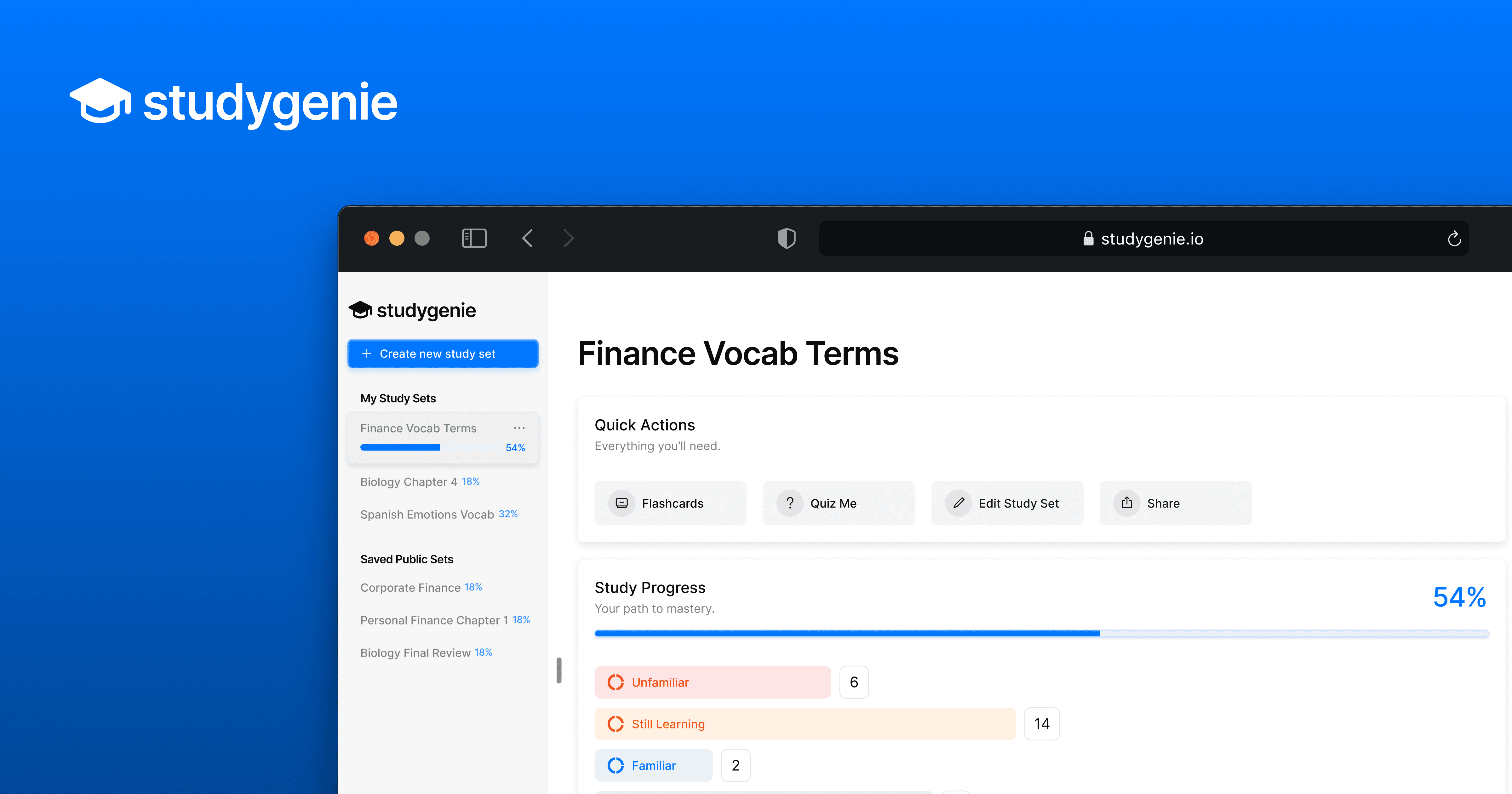
Popular Personalized Learning AI tools in Ai Tools include Quizlet, Achievable, Penseum, OmniSets, Studygenie, NoteKnight, LingoLeap, WorkbookPDF, LingoChampion, and FlexiCards, helping you work more efficiently.

Achievable
Paid

Achievable

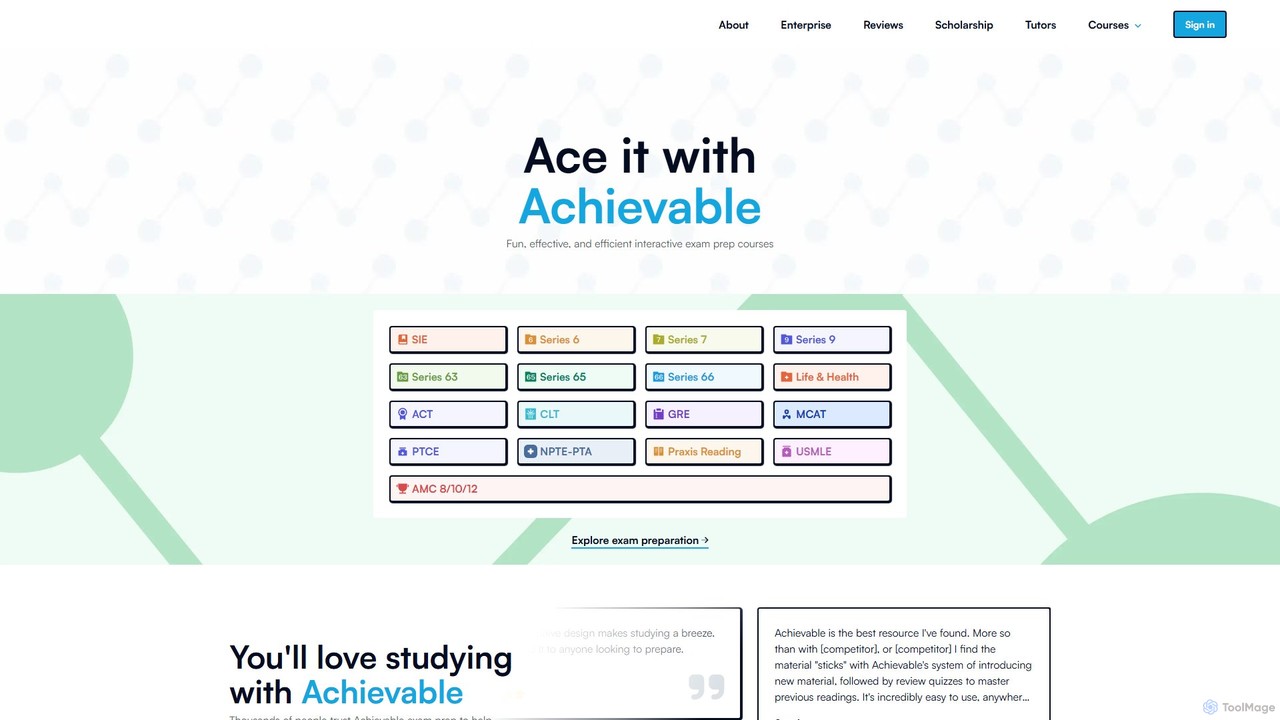
Achievable is an AI-powered exam preparation platform that uses adaptive learning and memory science to help students and professionals pass high-stakes exams. It offers personalized study plans, extensive practice questions, and expert-written content for exams like FINRA, GRE, MCAT, and more, boasting a 95%+ success rate.

Personalized Learning
Visits 742.4KFavorites 125Likes 126
theoriestudio
Freemium

theoriestudio

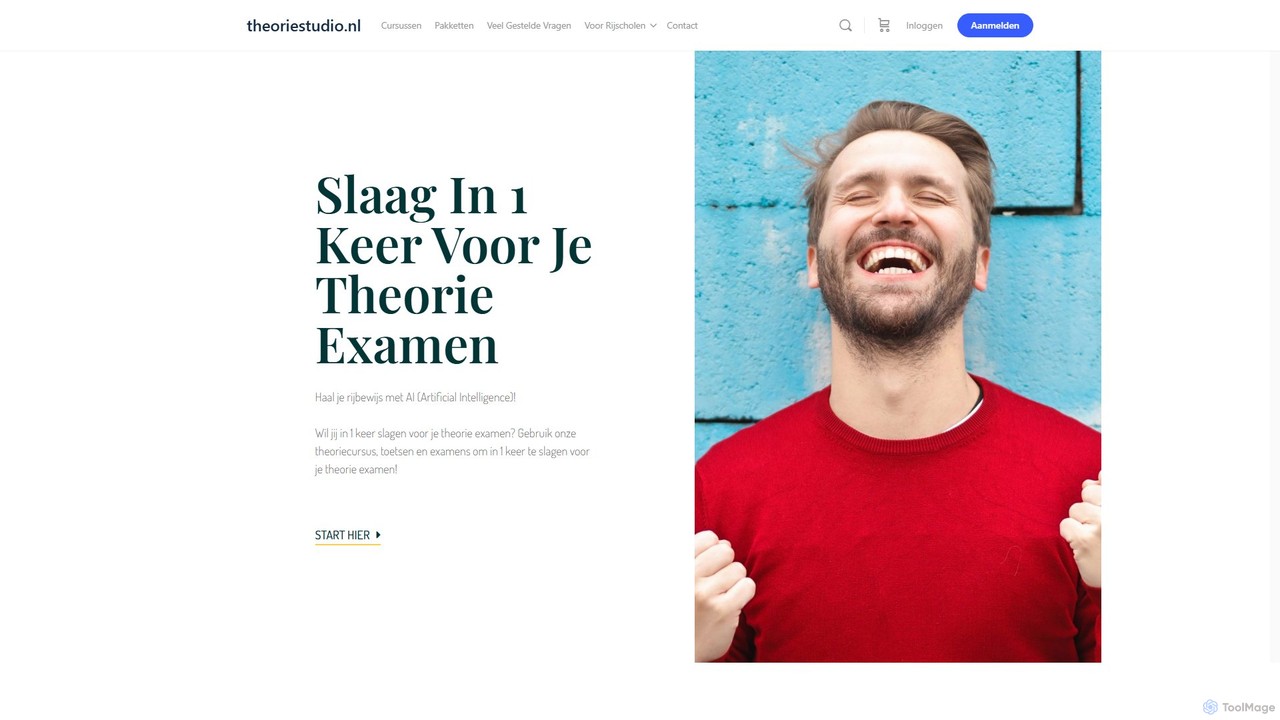
theoriestudio is an AI-powered online learning platform designed to help users in the Netherlands pass their driving theory exam on the first try. It offers a comprehensive digital course, realistic mock exams, over 2000 practice questions, and a personal progress tracker. Accessible on any device, it provides a structured, interactive, and efficient alternative to traditional study books.

Personalized Learning
Visits 5.7KFavorites 156Likes 183
Lingually AI
Freemium

Lingually AI

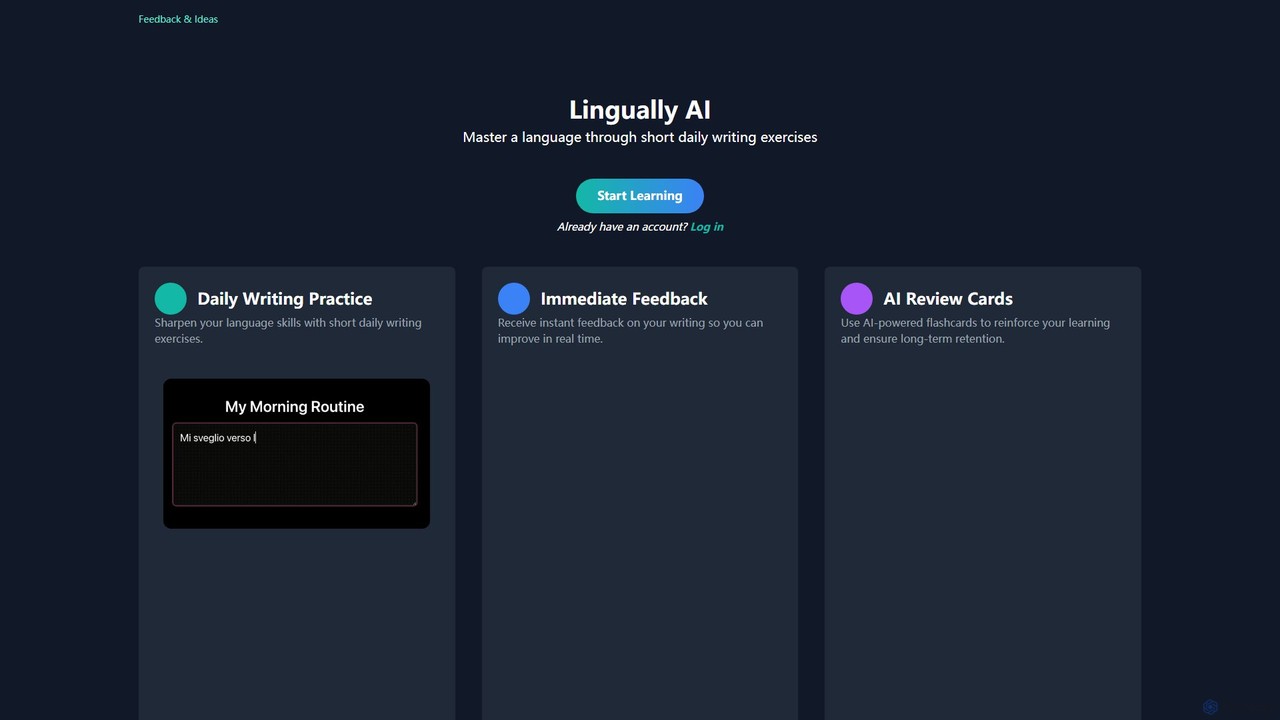
Lingually AI is an AI-powered language learning platform that helps you master a new language through short, daily writing exercises. Get instant feedback on your grammar, syntax, and vocabulary, and reinforce your learning with personalized AI-powered flashcards. It's a practical and effective way to improve your writing skills and build confidence in a foreign language.

Personalized Learning
Visits 6.4KFavorites 136Likes 122
Amy SAT Tutor
Freemium

Amy SAT Tutor

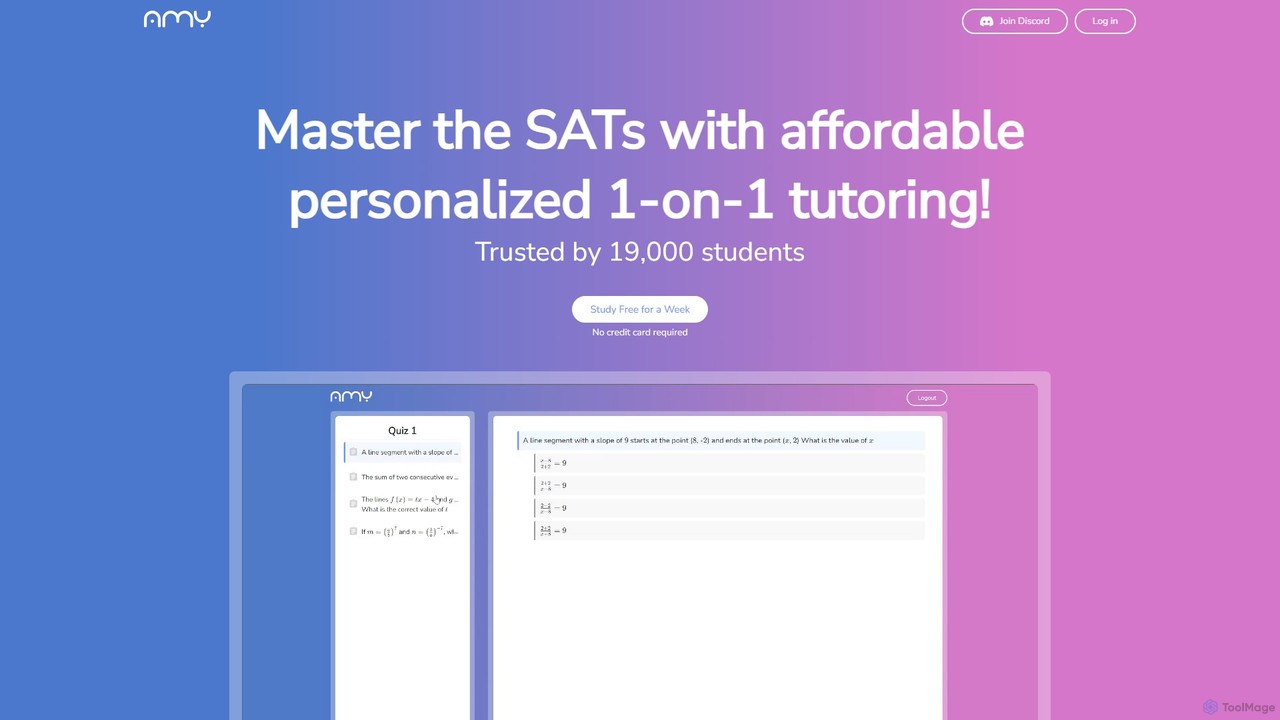
Amy SAT Tutor is an AI-powered personal tutor designed to help students master the SAT. It offers affordable, personalized 1-on-1 tutoring with adaptive learning technology. The platform provides customized study plans, instant feedback on practice questions, and detailed performance analytics to identify and strengthen weak areas, making SAT preparation efficient and accessible 24/7.

Personalized Learning
Visits 5.7KFavorites 147Likes 161
LingoLeap
Freemium

LingoLeap

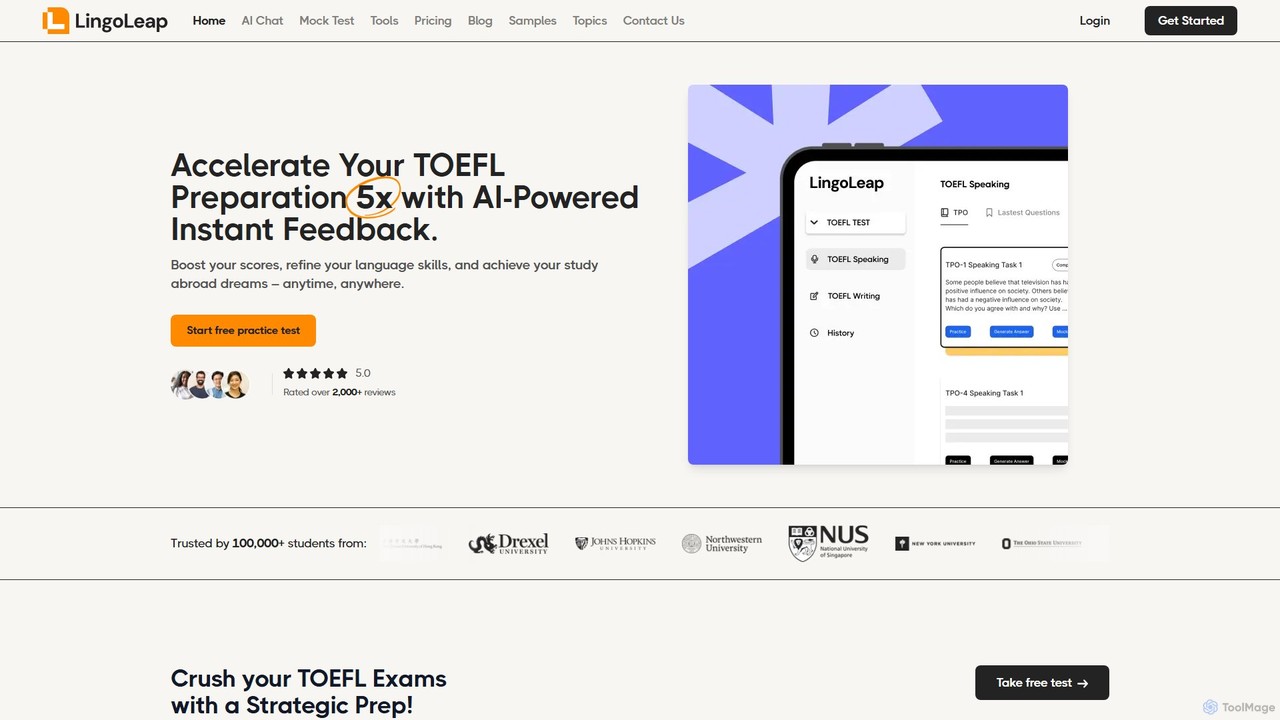
LingoLeap is an AI-powered preparation platform for TOEFL and IELTS exams. It offers instant, personalized feedback on all test sections, including speaking and writing. With over 1,000 practice questions, realistic mock tests, and AI-driven idea generation, it helps students accelerate their learning, improve their scores, and achieve their study abroad goals efficiently.

Personalized Learning
Visits 33.3KFavorites 129Likes 139

About Personalized Learning

Personalized Learning tools are AI applications that adapt educational content and pacing to the unique needs of each individual learner. These platforms analyze user performance data in real-time to identify knowledge gaps and strengths, creating a dynamic learning journey. The primary value is to move beyond a one-size-fits-all model, making education more efficient, engaging, and effective for students of all levels. They achieve this by delivering targeted resources and adjusting difficulty on the fly.

Core Features

  • Adaptive Pacing: Automatically adjusts the speed and sequence of lessons based on a learner's mastery of concepts.
  • Customized Content Curation: Recommends specific articles, videos, and practice problems tailored to individual learning styles and weaknesses.
  • Real-time Feedback: Provides immediate, targeted feedback on answers and tasks, guiding learners toward the correct understanding.
  • Learning Path Generation: Creates unique, optimized curricula for each user based on their starting knowledge and end goals.
  • Performance Analytics: Offers detailed dashboards for learners and educators to track progress, time spent, and areas needing improvement.

Use Cases

These tools are widely used across the education and corporate sectors. In K-12 and higher education, they serve as digital tutors, helping students master subjects like math and science at their own pace. In corporate training, they are used to onboard new employees and upskill existing teams, ensuring training is relevant to each individual's role and skill level.

How to Choose

When selecting a Personalized Learning tool, first consider its subject matter coverage and pedagogical approach. Evaluate its ability to integrate with existing Learning Management Systems (LMS). Data privacy and security are critical, so verify compliance with standards like GDPR or FERPA. Finally, assess the quality of its analytics and reporting features for both learners and administrators.

Featured tool rankings

Personalized Learning use cases

1

Adaptive Math Tutoring for K-12 Students

A middle school math teacher uses a personalized learning platform to support a diverse classroom. The AI assesses each student's understanding of algebra concepts. For students who are struggling, the system automatically provides foundational review exercises and video tutorials explaining the core principles. For advanced students, it offers more complex word problems and challenges to keep them engaged. The teacher can monitor a central dashboard to see real-time progress for every student, allowing for targeted, in-person intervention where it's needed most.

2

Personalized Corporate Compliance Training

A large financial institution deploys an AI learning tool for mandatory annual compliance training. Instead of a uniform module for all, the system first gives employees a pre-assessment. An investment banker who scores high on anti-money laundering (AML) topics can skip those sections and focus on new data privacy regulations. A new hire in the marketing department receives a more comprehensive path covering all topics from scratch. This approach respects employees' time, increases engagement, and ensures a higher level of true comprehension across the organization, while providing auditable completion records.

3

Accelerated Language Learning for Travelers

An individual planning a trip to Japan uses an AI-powered language app for self-study. The app identifies that the user quickly masters basic greetings but struggles with grammar related to particles. The platform then dynamically adjusts the learning path to include more interactive exercises, quizzes, and sentence-building drills focused specifically on particle usage. It also curates short video clips from Japanese media that highlight correct usage in context. This targeted approach helps the learner overcome their specific bottleneck much faster than a linear, pre-defined course would allow.

4

Customized Exam Preparation for University Students

A university student preparing for a final exam in biology uses a personalized study tool. The platform aggregates content from their course textbook, lecture notes, and past exams. After an initial diagnostic quiz, the AI identifies the student's weak areas, such as cellular respiration and genetics. It then generates a custom study plan with flashcards, practice questions, and summary notes focused on these topics. As the student improves, the system introduces new, more challenging questions, ensuring their study time is spent efficiently on material they haven't yet mastered, rather than repeatedly reviewing concepts they already know well.

5

Employee Skill Development for Career Growth

An IT professional wants to transition into a data science role within their company. They use the company's personalized learning platform, which maps their current skills against the required competencies for a data scientist. The AI generates a learning path that prioritizes Python programming, statistical analysis, and machine learning fundamentals. It suggests a mix of internal workshops, external online courses, and hands-on projects. The platform tracks their progress, providing both the employee and their manager with clear visibility into their development, facilitating conversations about future roles and opportunities.

6

Creating Accessible Learning for Special Needs Education

An educator working with students with learning disabilities uses a personalized learning tool to create more accessible materials. The platform can adapt content presentation based on individual needs. For a student with dyslexia, it can change fonts to be more readable and use text-to-speech functionality. For a student with ADHD, it can break down long lessons into shorter, more manageable micro-learning modules with frequent check-ins. The AI helps the educator manage a diverse range of needs efficiently, ensuring each student receives instruction in a format that is most conducive to their learning.

Personalized Learning FAQ

What are AI-powered Personalized Learning tools?

AI-powered Personalized Learning tools are software applications that use artificial intelligence to tailor educational experiences to each student's individual abilities, pace, and learning style. Instead of a static curriculum, these tools dynamically adjust content, difficulty, and feedback in real-time based on the learner's performance. Their main goal is to optimize learning efficiency and effectiveness by focusing on a student's specific knowledge gaps and strengths.

How do I choose the right Personalized Learning platform?

Choosing the right platform involves several key considerations. First, ensure it covers the necessary subject matter and aligns with your educational philosophy. Next, evaluate its technical aspects:

  • Integration: Does it integrate with your existing Learning Management System (LMS) or other essential tools?
  • Data Security: How does it handle sensitive student data? Look for compliance with regulations like FERPA or GDPR.
  • Analytics: Does it provide clear, actionable insights for both educators and learners?
  • User Experience: Is the interface intuitive and engaging for the target age group or user base?

Finally, consider the pricing model and the level of customer support provided.

How does AI-driven Personalized Learning differ from a standard online course?

A standard online course typically presents a linear, one-size-fits-all curriculum to all learners. Everyone watches the same videos and completes the same assignments in the same order. In contrast, an AI-driven personalized learning platform is dynamic. It constantly assesses a learner's interactions and performance to create a unique path for them. It might re-order modules, suggest supplemental materials for weak areas, or allow advanced learners to test out of topics they already know, making the learning process more efficient and tailored to the individual.

Who benefits most from using Personalized Learning tools?

A wide range of individuals and organizations can benefit. Key groups include:

  • K-12 Students: Receive individualized attention that can be difficult to achieve in a large classroom, helping both struggling and advanced learners.
  • Higher Education Students: Can study more efficiently for exams and master complex subjects by focusing on their specific weak points.
  • Corporate Employees: Engage in more relevant and efficient training, from onboarding to continuous professional development.
  • Educators and Trainers: Gain deep insights into learner progress, allowing them to provide more targeted support and optimize their teaching strategies.
  • Self-Directed Learners: Acquire new skills faster by following a learning path optimized for their background and goals.
Is student data safe with Personalized Learning platforms?

Data security is a critical concern for any educational technology. Reputable personalized learning platforms invest heavily in security measures to protect sensitive student information. When evaluating a tool, look for clear privacy policies and compliance with established data protection regulations, such as:

  • GDPR (General Data Protection Regulation) in Europe.
  • FERPA (Family Educational Rights and Privacy Act) in the United States.
  • COPPA (Children's Online Privacy Protection Act) for users under 13.

Always verify a platform's security credentials and data handling practices before implementation, especially in an institutional setting.