Ai Tools Best in category 3 results Personalized Recommendations AI Tool

Popular AI tools in the Personalized Recommendations field of Ai Tools include Hullo、microwedding.sg、sclof, etc., helping you quickly improve efficiency.

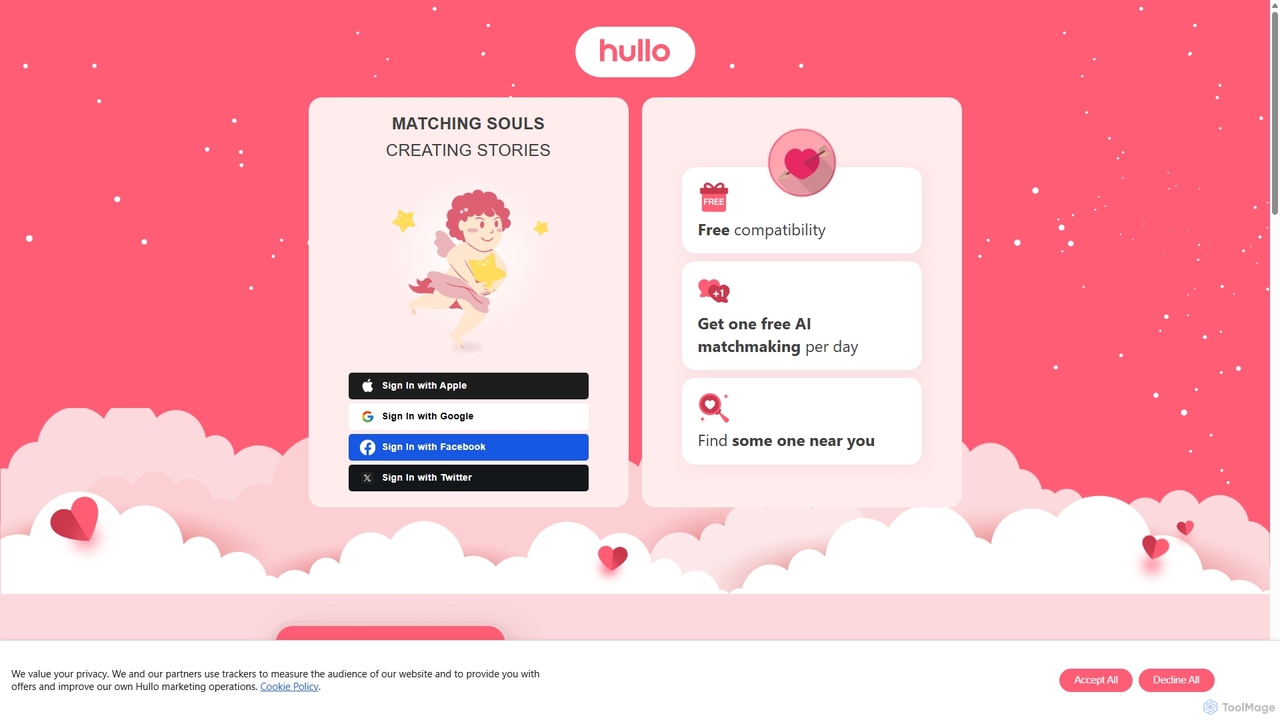
Hullo

Hullo

Hullo is an AI-powered dating app designed to foster meaningful connections. Using a smart matchmaking algorithm, it analyzes …

53.6K
microwedding.sg

microwedding.sg

An AI-powered platform dedicated to simplifying the planning of micro weddings in Singapore. It offers intelligent venue and …

3.0K
Free
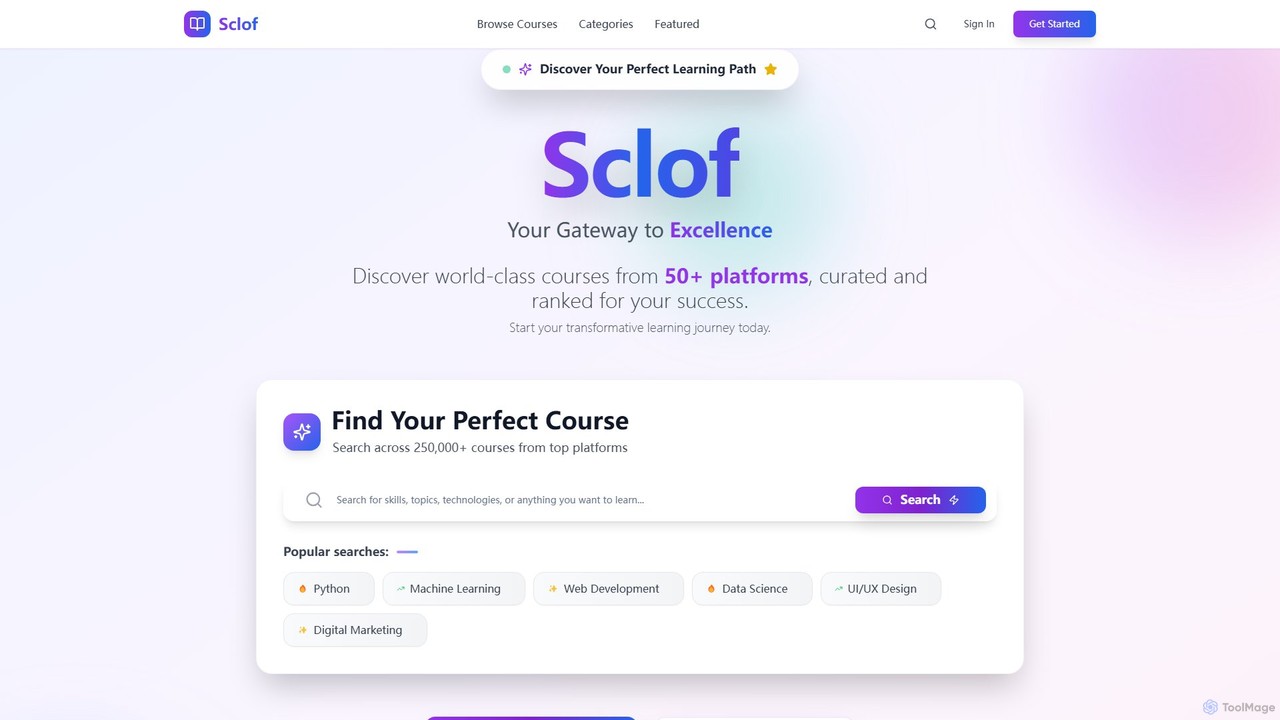
sclof

sclof

sclof is an AI-powered course discovery platform that aggregates over 250,000 online courses from more than 50 top …

2.9K

About Personalized Recommendations

Personalized Recommendations are AI-powered tools designed to suggest relevant items, content, or services to individual users based on their past behavior, preferences, and contextual data. These tools leverage advanced machine learning algorithms, including collaborative filtering, content-based filtering, and deep learning, to analyze vast datasets and predict user interests. Their primary value lies in enhancing user experience, driving engagement, and increasing conversion rates across various digital platforms by delivering highly tailored suggestions.

Core Features

  • User Profiling: Automatically builds detailed user profiles from interaction history, demographics, and explicit preferences.
  • Content/Item Filtering: Analyzes characteristics of items or content to match them with user profiles and preferences.
  • Collaborative Filtering: Identifies patterns in user behavior to recommend items liked by similar users.
  • Real-time Adaptation: Adjusts recommendations instantly based on new user interactions and evolving trends.
  • Explainable AI (XAI): Provides insights into why a particular recommendation was made, building user trust.

Use Cases

Personalized recommendation tools are indispensable across industries. E-commerce platforms use them to suggest products, increasing average order value. Media streaming services recommend movies or music, boosting viewer engagement. News aggregators tailor content feeds, ensuring users see relevant articles. These tools are also vital in education for customized learning paths and in healthcare for personalized treatment suggestions.

How to Choose

When selecting a personalized recommendations AI tool, evaluate its data integration capabilities with your existing systems, the sophistication and flexibility of its underlying algorithms, and its ability to provide real-time recommendations. Consider scalability to handle growing user bases and data volumes, customization options for branding and business rules, and the level of support for A/B testing and performance analytics to optimize recommendation strategies.

Personalized RecommendationsUse Cases

1

Enhance E-commerce Product Discovery

An online retailer utilizes a personalized recommendation engine to suggest products to shoppers. Based on a user's browsing history, past purchases, and items viewed by similar customers, the AI dynamically displays relevant products on the homepage, product pages, and in shopping cart recommendations. This leads to increased average order value and improved customer satisfaction by simplifying the discovery of desired items.

2

Boost Content Platform Engagement

A streaming service or news aggregator employs personalized recommendations to keep users engaged. The AI analyzes viewing habits, reading preferences, and interaction data to curate a unique feed of movies, articles, or music for each user. This tailored content delivery significantly extends session duration and encourages repeat visits, reducing churn by ensuring users always find something relevant to consume.

3

Optimize Personalized Marketing Campaigns

Marketing teams leverage AI recommendation tools to create highly targeted campaigns. By segmenting customers based on their predicted interests and purchasing likelihood, the AI helps craft personalized email offers, push notifications, or ad creatives. This precision marketing approach results in higher click-through rates, better conversion rates, and a more efficient allocation of marketing spend.

4

Customize E-learning Paths and Resources

Educational platforms integrate personalized recommendation systems to adapt learning experiences. The AI assesses a student's progress, learning style, and areas of difficulty to suggest relevant courses, supplementary materials, or practice exercises. This individualized approach helps students master concepts more effectively, improves completion rates, and makes learning more engaging and efficient.

5

Personalize Customer Service Interactions

Customer support centers use personalized recommendations to enhance service quality. When a customer contacts support, the AI can instantly suggest relevant knowledge base articles, troubleshooting steps, or even product upgrades based on the customer's profile, purchase history, and previous support interactions. This enables faster resolution times and a more proactive, tailored support experience.

6

Facilitate Financial Product Matching

Financial institutions deploy personalized recommendation engines to match clients with suitable banking products or investment opportunities. By analyzing a client's financial history, risk tolerance, life stage, and stated goals, the AI can recommend personalized loan options, investment portfolios, or insurance policies. This helps clients make informed decisions and strengthens their relationship with the institution.

Personalized RecommendationsFrequently Asked Questions