Ai Tools Best in category 3 results Recommendation Engine AI Tool

Popular AI tools in the Recommendation Engine field of Ai Tools include Animood、Movikas、Gift Wizard, etc., helping you quickly improve efficiency.

Free
Movikas

Movikas

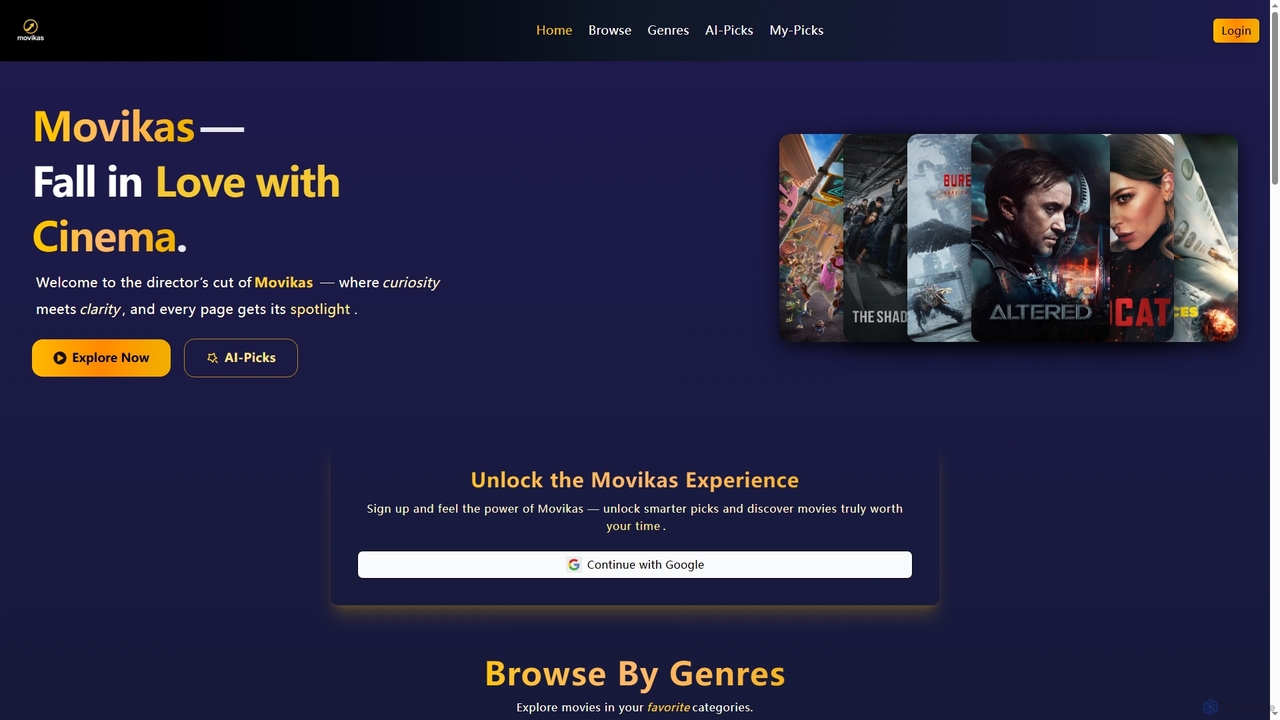
Movikas is an AI-powered movie recommendation platform designed to help cinema lovers discover films truly worth their time. …

2.6K
Free
Animood

Animood

Animood is an AI-powered anime recommendation engine that suggests shows based on your current mood. Simply select how …

2.8K
Free
Gift Wizard

Gift Wizard

Gift Wizard is a free, AI-powered gift suggestion tool that helps you find the perfect present for any …

2.6K

About Recommendation Engine

A Recommendation Engine is a class of AI tools that predicts user preferences to suggest relevant items like products, content, or services. These systems analyze vast amounts of data, including user behavior, item attributes, and past interactions, using algorithms such as collaborative filtering and content-based filtering. The primary value of a recommendation engine is to deliver a personalized experience, which significantly increases user engagement, conversion rates, and customer loyalty. They are a cornerstone of modern digital platforms, helping users discover new and relevant items from extensive catalogs.

Core Features

  • Personalized Suggestions: Generates unique recommendations for each user based on their individual profile and behavior.
  • User Behavior Analysis: Tracks and interprets user actions like clicks, views, purchases, and ratings to refine predictions.
  • Item Similarity Matching: Identifies and suggests items that share attributes with those a user has previously shown interest in.
  • Predictive Analytics: Utilizes machine learning models to forecast a user's future interests and potential purchases.
  • Real-time Adaptation: Dynamically updates recommendations based on a user's current actions within a single session.

Use Cases

Recommendation engines are widely used across various industries. In e-commerce, they power 'recommended for you' and 'customers also bought' sections. Streaming services like Netflix and Spotify rely on them to curate personalized libraries of movies and music. News aggregators and social media platforms also use them to create customized content feeds for each user.

How to Choose

When selecting a recommendation engine, consider the type and volume of your data, as different algorithms have different requirements. Evaluate the scalability of the solution to ensure it can handle growth in users and items. Assess its integration capabilities with your existing platforms and the level of customization it offers. Finally, consider the performance metrics and analytics provided to measure its impact on your business goals.

Recommendation EngineUse Cases

1

Enhancing E-commerce Sales with Product Suggestions

An e-commerce manager uses a recommendation engine to automatically display personalized product carousels like 'Recommended for You' and 'Frequently Bought Together'. The engine analyzes a user's browsing history, past purchases, and items in their cart to suggest highly relevant products. This strategy helps increase the average order value by encouraging cross-sells and upsells, and improves the customer experience by making product discovery easier, leading to higher conversion rates.

2

Curating Personalized Content for Streaming Platforms

A content strategist for a video or music streaming service implements a recommendation engine to personalize the user's home screen. By analyzing viewing history, ratings, genres liked, and even the time of day, the engine curates rows of relevant movies, shows, or playlists. This keeps users engaged for longer periods, reduces churn by consistently offering fresh and appealing content, and strengthens user loyalty to the platform.

3

Delivering a Personalized News Feed

A digital publisher or news aggregator uses a recommendation engine to combat information overload. The system tracks which articles a user reads, which topics they follow, and how much time they spend on certain content. Based on this data, it constructs a unique news feed for each user, prioritizing stories that align with their interests. This leads to increased daily site visits, longer session durations, and higher ad revenue due to more engaged readership.

4

Suggesting Relevant Connections on Social Networks

A professional networking platform uses a recommendation engine to power its 'People You May Know' feature. The algorithm analyzes a user's profile, including their industry, company, skills, and existing connections. It then identifies and suggests other professionals with whom they share commonalities, such as a shared alma mater, previous workplace, or overlapping professional networks. This facilitates valuable network growth and increases user activity on the platform.

5

Automating Targeted Email Marketing Campaigns

A marketing automation specialist integrates a recommendation engine with their email service provider. Instead of sending generic newsletters, the engine dynamically populates email templates with products or articles tailored to each recipient's past behavior, such as abandoned carts or frequently viewed categories. This level of personalization makes marketing messages far more relevant, leading to significantly higher open rates, click-through rates, and ultimately, more conversions from email campaigns.

6

Recommending In-App Features or Services

A product manager for a SaaS application or mobile app uses a recommendation engine to drive feature adoption and upsells. The engine analyzes user interaction patterns within the app to identify which users might benefit from advanced features or a higher subscription tier. It then triggers contextual in-app messages or tooltips suggesting these features. This proactive guidance helps users discover more value in the product, increasing user satisfaction and the likelihood of converting to a paid plan.

Recommendation EngineFrequently Asked Questions