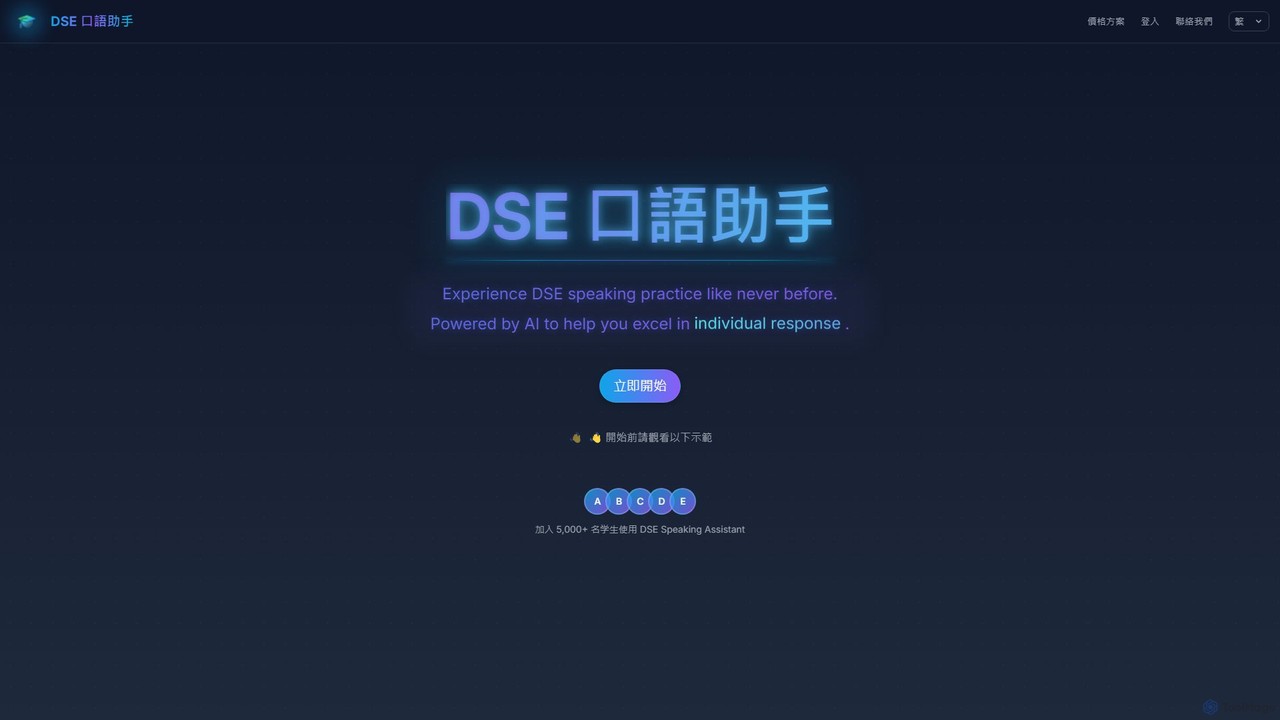
Speech Generation tools are AI-powered applications that convert written text into natural-sounding human speech. Leveraging advanced text-to-speech (TTS) technology and deep learning models, these tools synthesize highly realistic voices with customizable tones, emotions, and accents. They provide a scalable and efficient solution for creating audio content across various platforms and applications, significantly reducing the need for human voice actors in many scenarios.
Core Features
- Realistic Voice Synthesis: Generates human-like speech with natural intonation, rhythm, and pronunciation.
- Multi-language Support: Offers a wide range of languages and regional accents to cater to global audiences.
- Emotion & Style Customization: Allows users to adjust the emotional tone (e.g., happy, sad, angry) and speaking style (e.g., formal, casual) of the generated voice.
- Voice Cloning & Customization: Enables the creation of unique, branded voices or cloning existing voices from audio samples.
- SSML Integration: Supports Speech Synthesis Markup Language for fine-grained control over pronunciation, pauses, and emphasis.
Use Cases
Content creators, marketers, and educators utilize speech generation tools to transform text into engaging audio. This includes creating voiceovers for videos, narrating e-learning modules, producing audio versions of articles, and developing interactive voice responses for customer service systems. The technology streamlines audio content production, making it accessible and cost-effective for diverse applications.
How to Choose
When selecting a speech generation tool, consider the naturalness and quality of the voices, the breadth of language and accent options, and the level of emotional and stylistic customization available. Evaluate the pricing model (per character, subscription), API integration capabilities for your existing workflows, and the ease of use of the platform. Additionally, assess if voice cloning or custom voice features are essential for your branding needs.