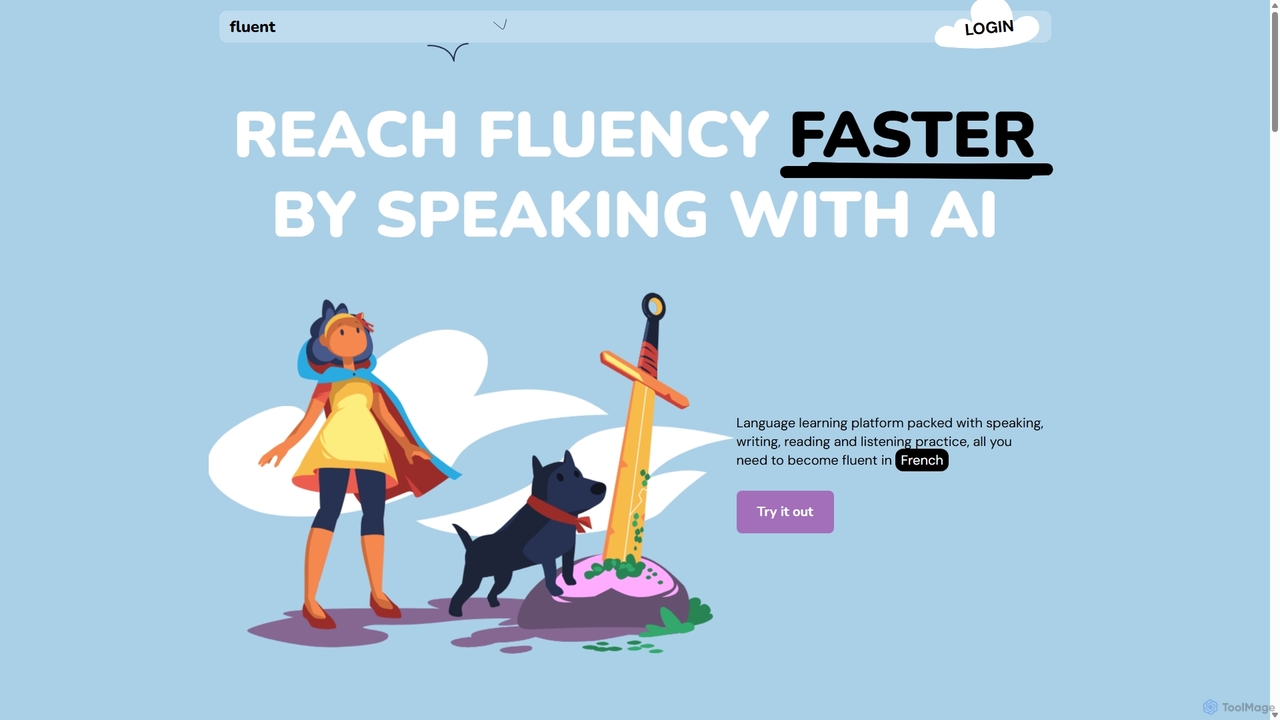
AI Tutor tools are a category of artificial intelligence applications designed to provide personalized, interactive, and adaptive learning experiences. Leveraging advanced natural language processing (NLP), machine learning, and sometimes generative AI, these tools act as virtual mentors, offering tailored guidance, explanations, and practice opportunities. They aim to enhance understanding, improve academic performance, and facilitate skill acquisition across various subjects and disciplines, making education more accessible and efficient for learners of all ages.
Core Features
- Personalized Learning Paths: Dynamically adapts content and pace based on individual learner's progress, strengths, and weaknesses.
- Interactive Explanations: Provides clear, step-by-step explanations for complex concepts, often with examples and analogies.
- Real-time Feedback & Correction: Offers immediate feedback on assignments, practice questions, and language exercises, highlighting errors and suggesting improvements.
- Customizable Quizzes & Practice: Generates practice questions and quizzes tailored to specific topics or learning objectives, aiding in exam preparation.
- Multi-modal Learning: Supports learning through text, audio, and sometimes visual content, catering to different learning styles.
Use Cases
AI Tutor tools are invaluable for students seeking supplementary academic support, professionals looking to upskill, and individuals pursuing self-paced learning. They can be used for homework assistance, language acquisition, test preparation, or mastering new technical skills. For instance, a high school student struggling with calculus can receive detailed, interactive problem-solving guidance, while a professional can use an AI tutor to learn a new programming language through guided projects and instant code review.
How to Choose
When selecting an AI Tutor tool, consider its subject matter expertise and depth, ensuring it covers your specific learning needs. Evaluate its interactivity and feedback mechanisms – look for tools that offer more than just answers, providing explanations and adaptive challenges. Check for user-friendliness and accessibility across devices. Finally, assess its pricing model and whether it offers a free trial to test its effectiveness before committing.