Ai Best in category 1 results Virtual Assistant AI Tool

Popular AI tools in the Virtual Assistant field of Ai include OpenPhone, etc., helping you quickly improve efficiency.

OpenPhone

OpenPhone

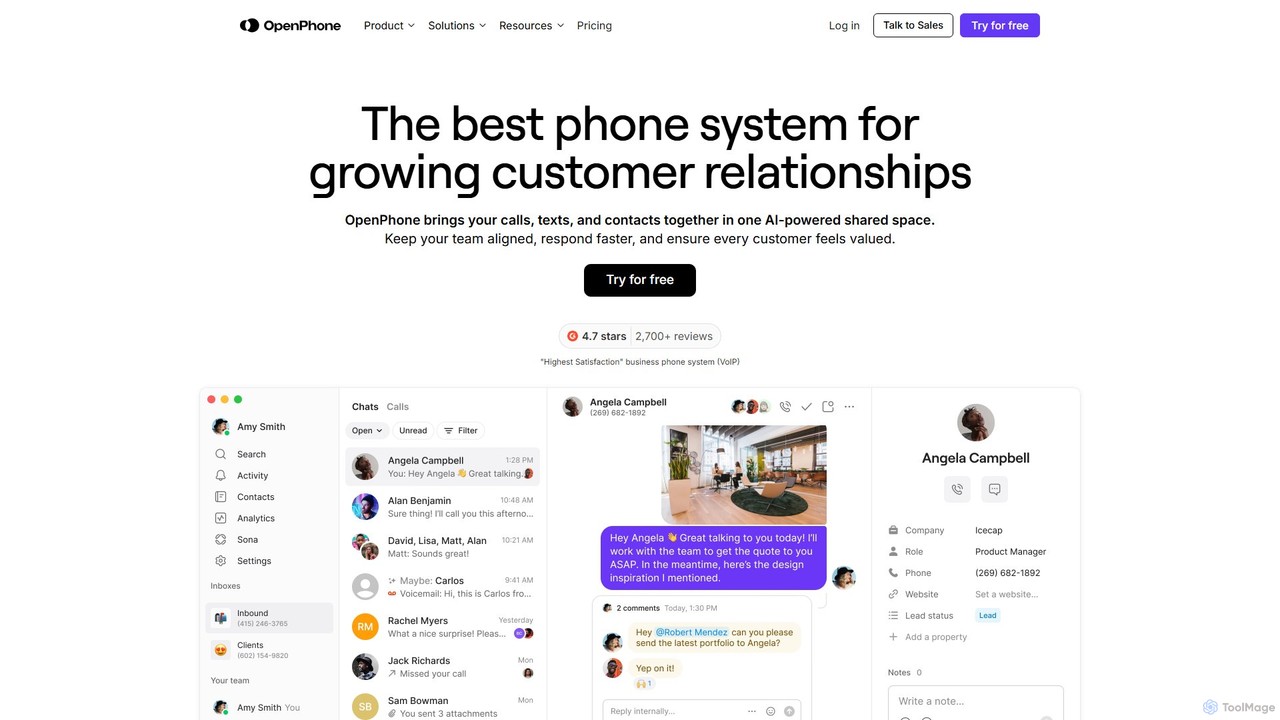
OpenPhone is an AI-powered business phone system for startups and small businesses. It combines calls, texts, and contacts …

242.0K

About Virtual Assistant

Virtual Assistants are AI-powered tools designed to automate and streamline various tasks, acting as intelligent digital companions. Leveraging advanced natural language processing (NLP) and machine learning, they can understand commands, process information, and execute actions across multiple platforms. These tools significantly enhance productivity and efficiency for individuals and businesses by handling routine operations, allowing users to focus on more strategic work. They represent a specialized segment within the broader field of artificial intelligence, focusing on interactive, task-oriented support.

Core Features

  • Task Automation: Automatically handles repetitive administrative duties like data entry, report generation, and workflow triggers.
  • Scheduling & Reminders: Manages calendars, sets appointments, sends meeting invitations, and provides timely reminders for tasks and events.
  • Information Retrieval: Quickly searches, aggregates, and presents relevant data from various sources based on user queries.
  • Communication Management: Drafts emails, responds to routine inquiries, filters messages, and manages notifications across communication channels.
  • Personalized Interaction: Learns user preferences and habits over time to offer more tailored suggestions and proactive support.

Applicable Scenarios

Virtual Assistants are invaluable in diverse settings, from individual professionals seeking to optimize their daily routines to large enterprises aiming to scale their operational efficiency. They are widely adopted in administrative support, customer service automation, and project management, where they can handle repetitive tasks, manage schedules, and provide quick access to information, freeing up human resources for more complex problem-solving and creative endeavors.

How to Choose

Selecting the right Virtual Assistant requires evaluating its natural language understanding (NLU) capabilities for accurate command interpretation, its integration potential with existing software ecosystems (CRM, project management tools, email clients), and the level of customization offered for specific workflows. Additionally, consider data security protocols, scalability to meet future demands, and the clarity of its pricing model to ensure it aligns with your operational needs and budget.

Virtual AssistantUse Cases

1

Automate Email Triage and Response

For professionals overwhelmed by email, a virtual assistant can automatically categorize incoming messages, flag urgent ones, draft standard replies to common inquiries, and archive newsletters. This frees up significant time, ensuring critical communications are addressed promptly while reducing inbox clutter and mental load.

2

Streamline Meeting Scheduling Across Time Zones

Project managers or team leads often spend hours coordinating meeting times. A virtual assistant can access team calendars, propose optimal slots considering different time zones, send out invitations, and follow up with attendees. This eliminates back-and-forth emails, ensuring efficient scheduling and higher meeting attendance rates.

3

Provide First-Line Customer Support

Businesses can deploy virtual assistants to handle initial customer inquiries on websites or messaging platforms. The assistant can answer frequently asked questions, guide users to relevant resources, troubleshoot common issues, and escalate complex cases to human agents, significantly improving response times and customer satisfaction.

4

Aggregate Market Research Data

Marketing analysts or business strategists need to gather vast amounts of information. A virtual assistant can monitor news sources, social media, and industry reports, extracting key trends, competitor activities, and consumer sentiment. This provides timely, consolidated insights, accelerating market analysis and strategic decision-making.

5

Enhance Personal Productivity and Task Management

Individuals can leverage virtual assistants to manage daily to-do lists, set reminders for personal and professional tasks, organize digital files, and even book appointments. By offloading routine organizational burdens, users can maintain focus on high-priority activities, reducing stress and improving overall personal efficiency.

6

Assist with HR Onboarding and Employee FAQs

HR departments can utilize virtual assistants to guide new hires through the onboarding process, providing information on company policies, benefits, and IT setup. The assistant can also serve as an instant resource for existing employees, answering common HR-related questions, thus reducing the workload on HR staff and ensuring consistent information delivery.

Virtual AssistantFrequently Asked Questions