ToolMage
Sign in

Best 43 Business Intelligence AI tools for Analytics

Popular Business Intelligence AI tools in Analytics include recos.studio, Survicate, Peec AI, DevRev, Visible, MagicBrief, Velaris, Boostly, Segwise, and LinearB, helping you work more efficiently.

Ascend AI
Paid

Ascend AI

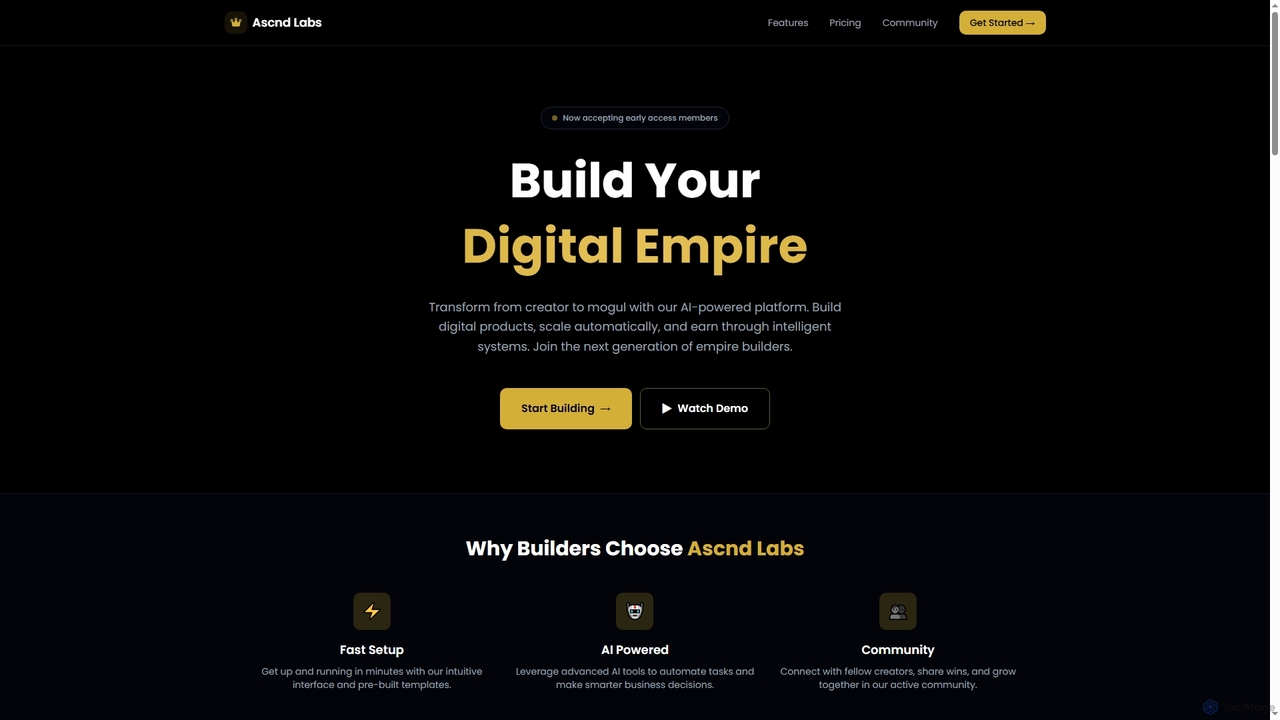
Ascend AI is an AI-powered platform for creators and entrepreneurs to build, launch, and scale digital products and businesses without coding. It automates tasks, optimizes marketing, and facilitates affiliate network management, helping users transform ideas into a digital empire efficiently.

3D
Visits 5.6KFavorites 36Likes 24
ProdigiDesk

ProdigiDesk

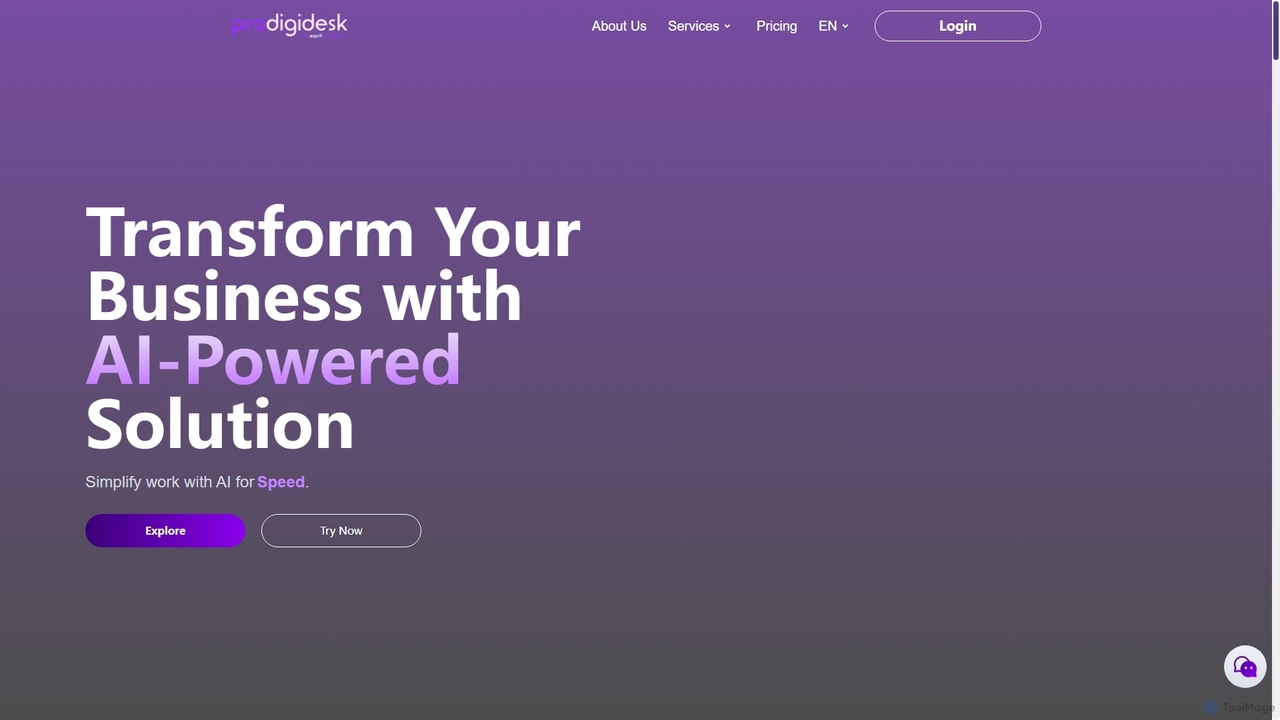
ProdigiDesk is an AI-driven solution designed to empower businesses by streamlining operations, enhancing productivity, and providing intelligent insights. It aims to transform how companies manage their daily tasks and strategic decisions through advanced artificial intelligence.

Virtual Assistant
Visits 5.4KFavorites 102Likes 77
Reviewsblender
Freemium

Reviewsblender

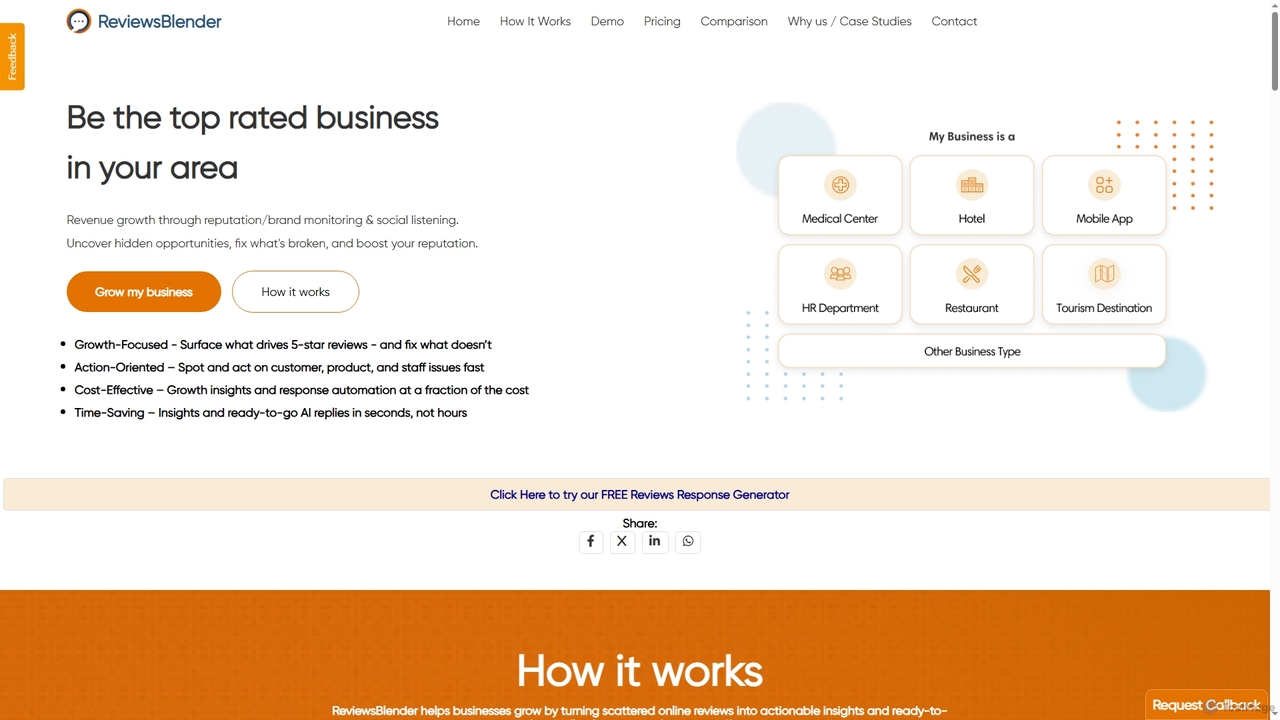
Reviewsblender is an AI-powered reputation management tool that aggregates online reviews from multiple platforms. It provides weekly actionable insights through sentiment analysis and translation, helping businesses improve ratings and customer satisfaction with AI-generated review responses delivered directly via email.

Business Intelligence
Visits 5.5KFavorites 125Likes 123
Brozcal
Paid

Brozcal

Brozcal is an AI-powered phone receptionist that ensures 24/7 business availability, intelligent lead qualification, and automated call handling. It captures every lead, qualifies prospects, and routes urgent matters instantly, helping businesses boost revenue and never miss a call.

Business Intelligence
Visits 5.3KFavorites 125Likes 158
Wisfr
Paid

Wisfr

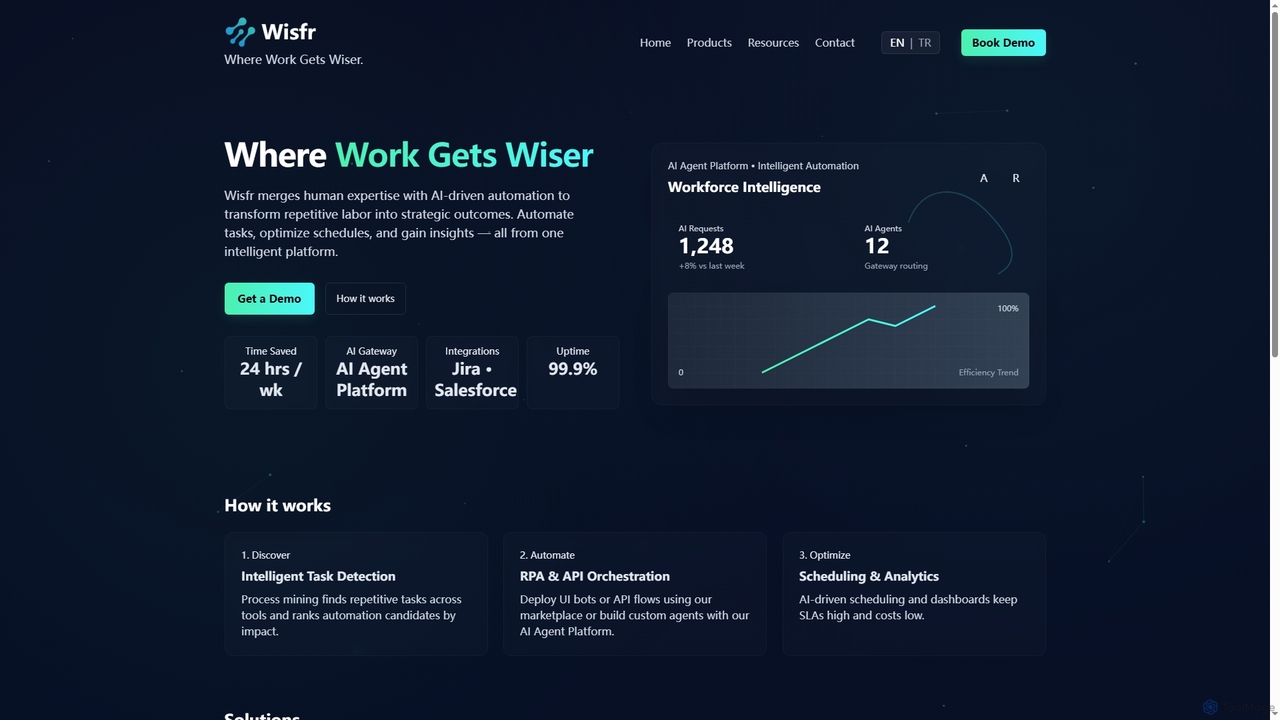
Wisfr is an AI Agent Platform that merges human expertise with AI-driven automation to transform repetitive tasks into strategic outcomes. It helps businesses automate workflows, optimize schedules, and gain actionable insights from a single intelligent platform.

Business Intelligence
Visits 5.6KFavorites 116Likes 118
Amplafide
Paid

Amplafide

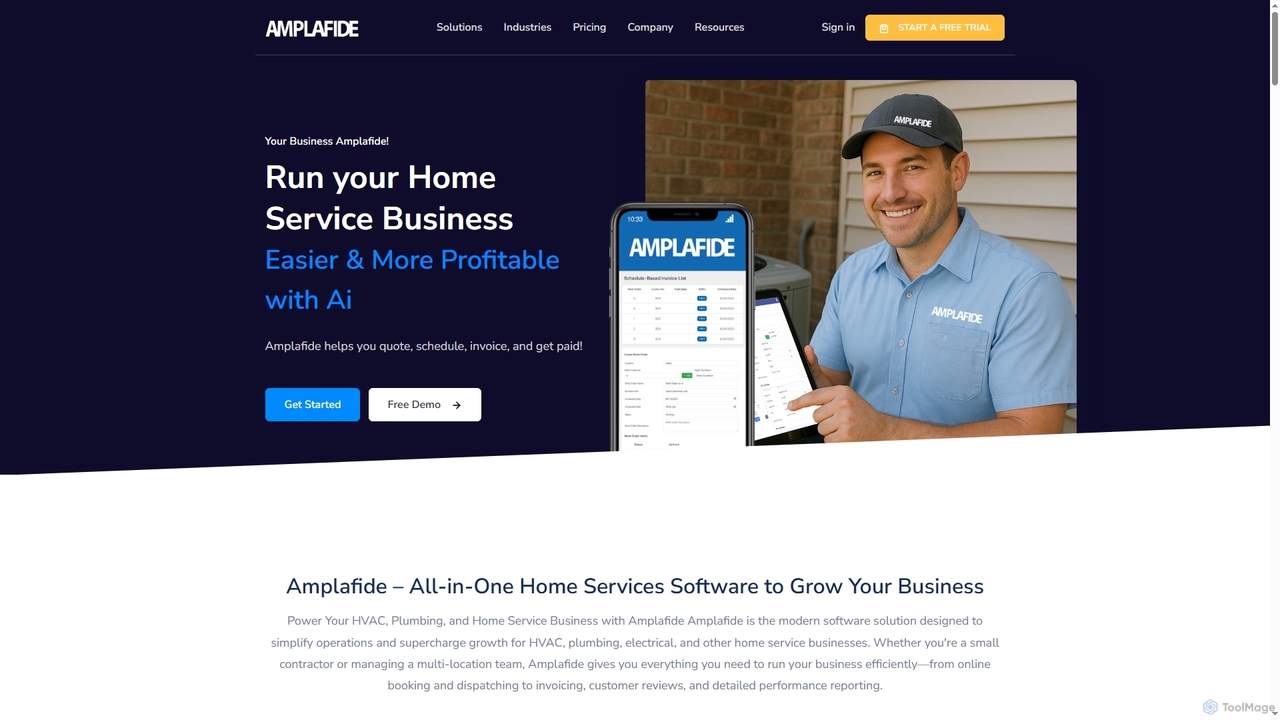
Amplafide is an all-in-one AI-integrated SaaS platform designed for home service professionals. It streamlines operations like scheduling, dispatching, invoicing, customer relationship management, and job costing for trades such as HVAC, plumbing, and electrical. The platform aims to boost efficiency, customer satisfaction, and profitability for growing service companies.

3D
Visits 5.4KFavorites 108Likes 116
FollowKit
Freemium

FollowKit

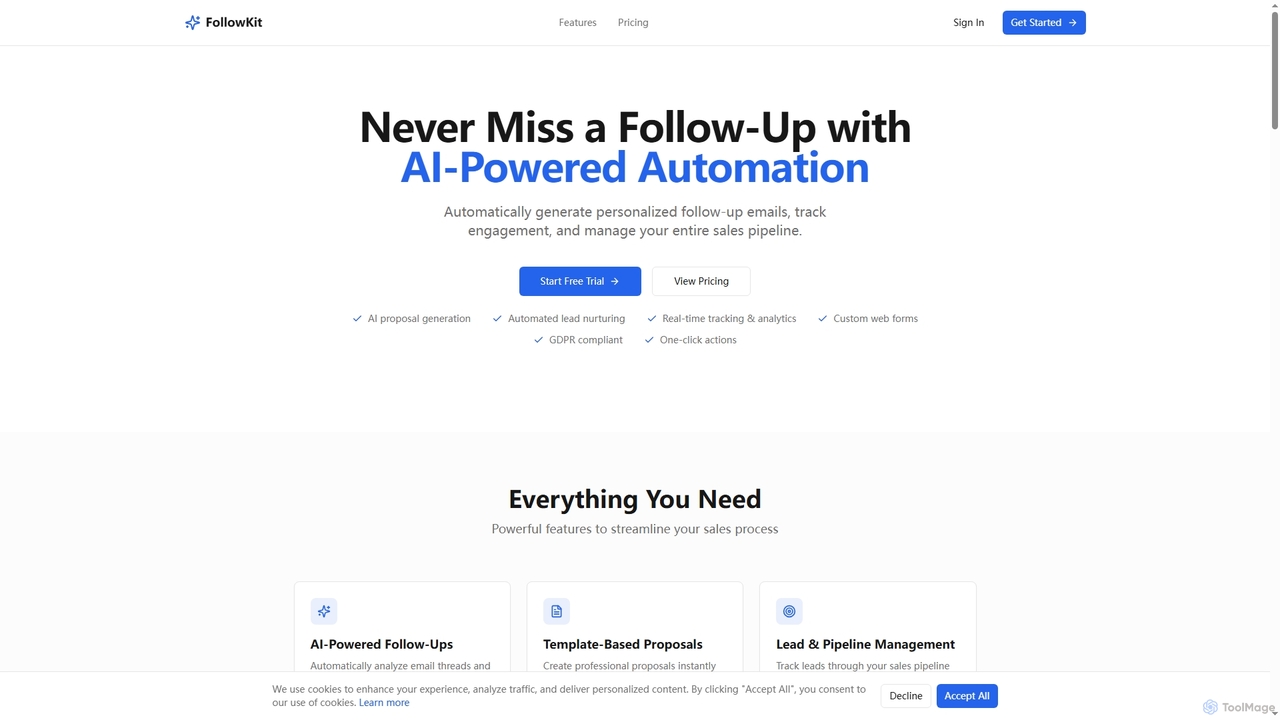
FollowKit is an AI-powered sales automation platform designed to streamline the sales process by automating personalized follow-up emails, generating professional proposals, and managing the entire sales pipeline. It helps sales professionals track engagement, nurture leads, and close more deals efficiently.

Business Intelligence
Visits 5.9KFavorites 124Likes 143
Typo
Freemium

Typo

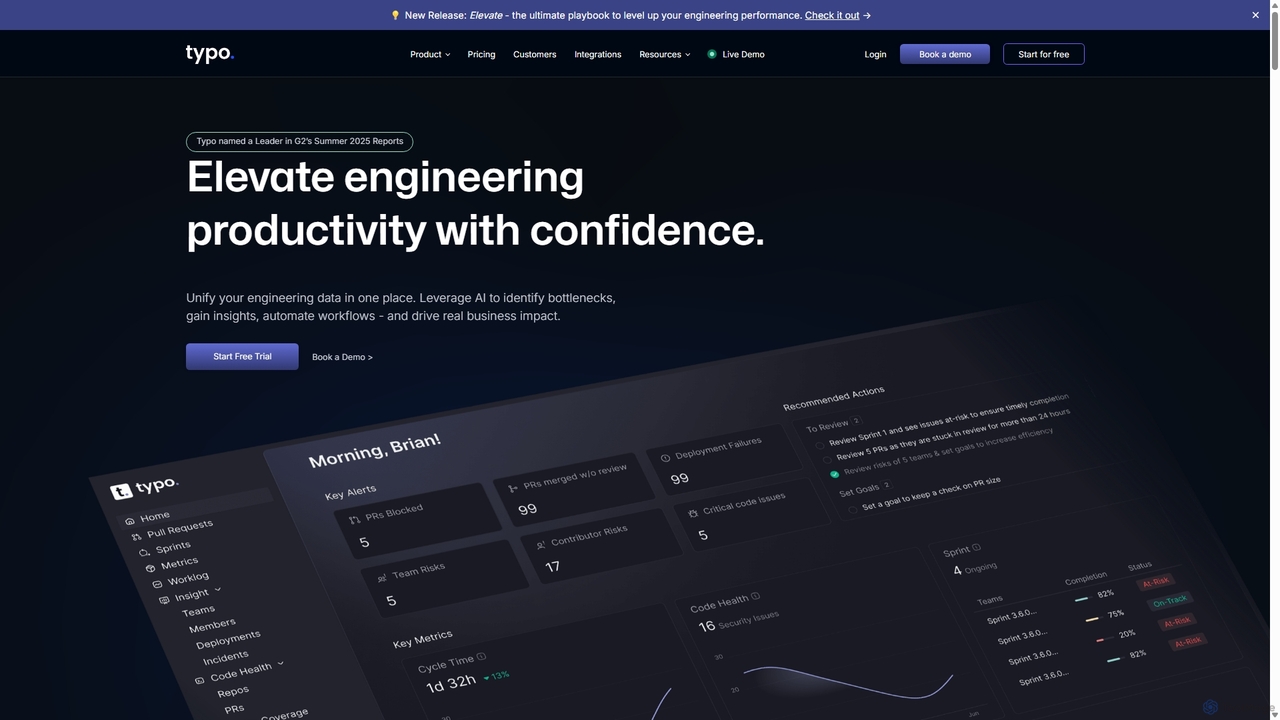
Typo is an AI-powered engineering intelligence platform designed to enhance software delivery and developer productivity. It centralizes data from across the SDLC, providing engineering leaders with actionable insights through DORA metrics, cycle time analysis, and DevEx surveys. With features like AI code reviews and burnout alerts, Typo helps teams identify bottlenecks, improve workflows, and build a high-performing, data-driven engineering culture.

Business Intelligence
Visits 12.7KFavorites 152Likes 155
Waydev
Paid

Waydev

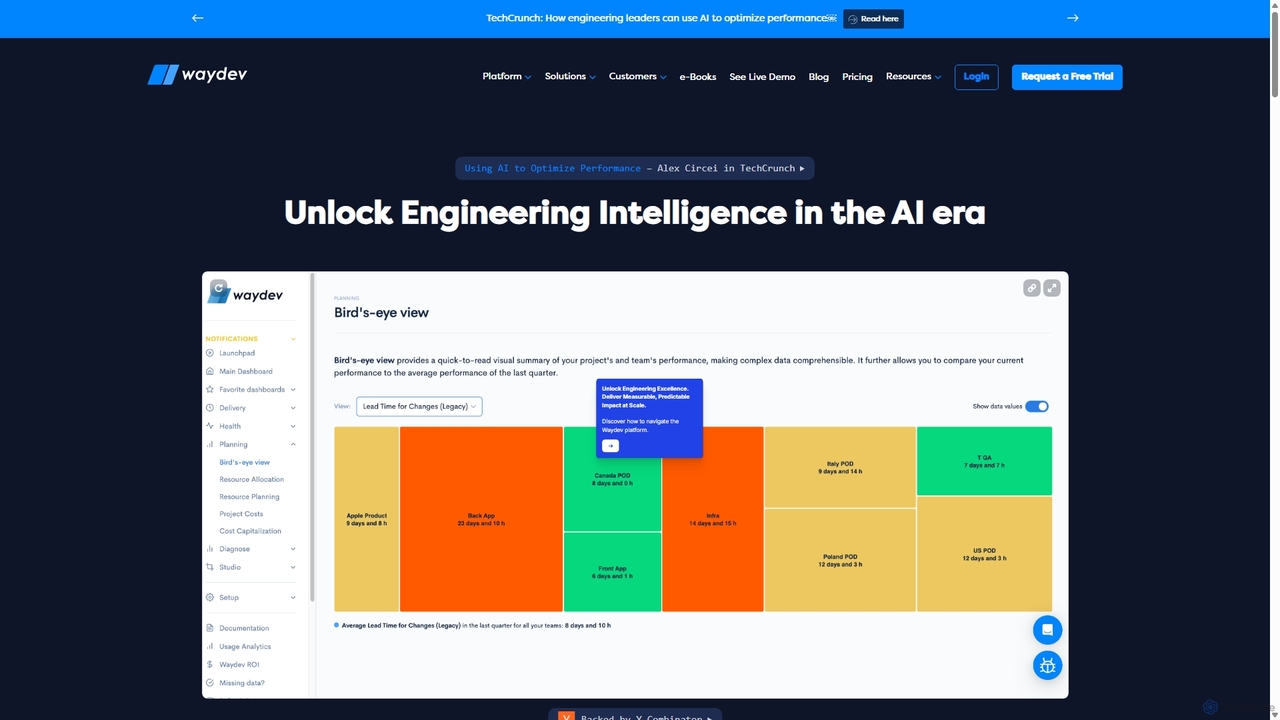
Waydev is an AI-powered engineering intelligence platform that provides visibility into software development processes. It analyzes data from Git, CI/CD, and project management tools to deliver insights based on DORA and SPACE frameworks, helping teams optimize productivity, accelerate delivery, and align engineering work with business goals.

Business Intelligence
Visits 45.5KFavorites 131Likes 131
Culture Counter
Freemium

Culture Counter

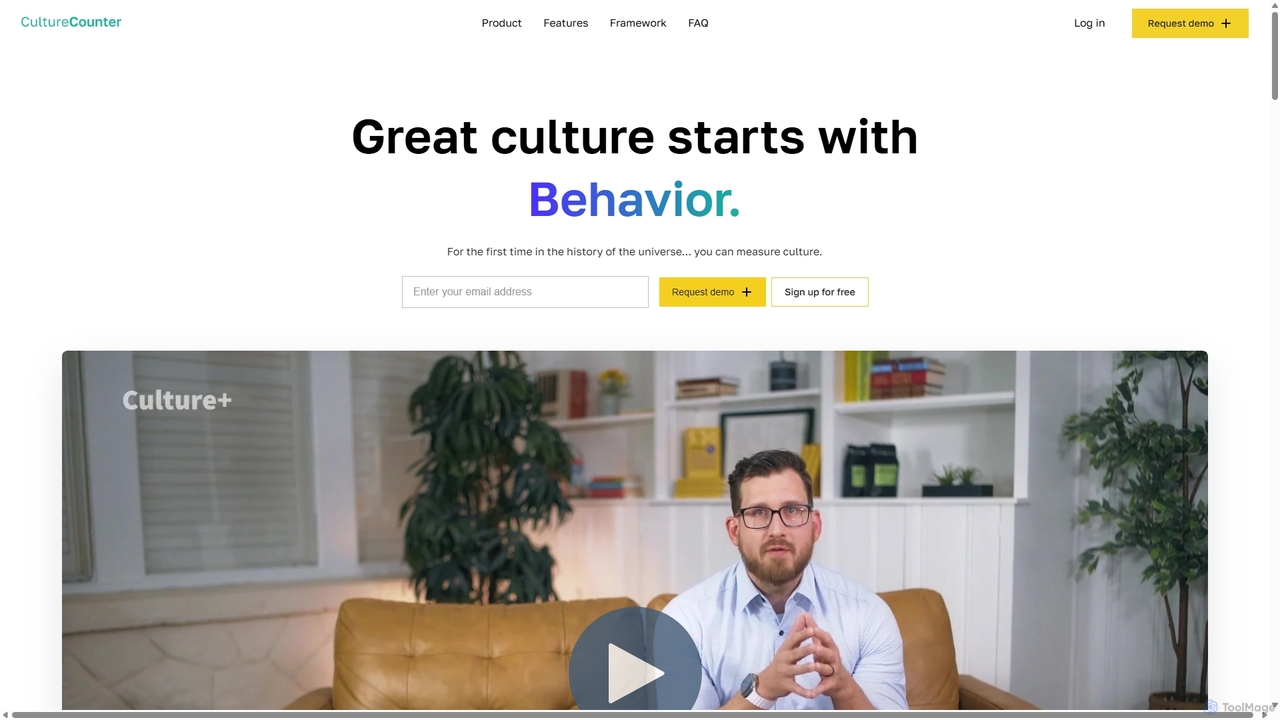
Culture Counter is a platform designed to measure and improve organizational culture. Based on the scientifically-backed 'Love as a Business Strategy' framework, it uses anonymous employee surveys to provide quantifiable data and actionable insights, helping leaders build high-performing, positive work environments.

Business Intelligence
Visits 5.5KFavorites 138Likes 120
Tenderd

Tenderd

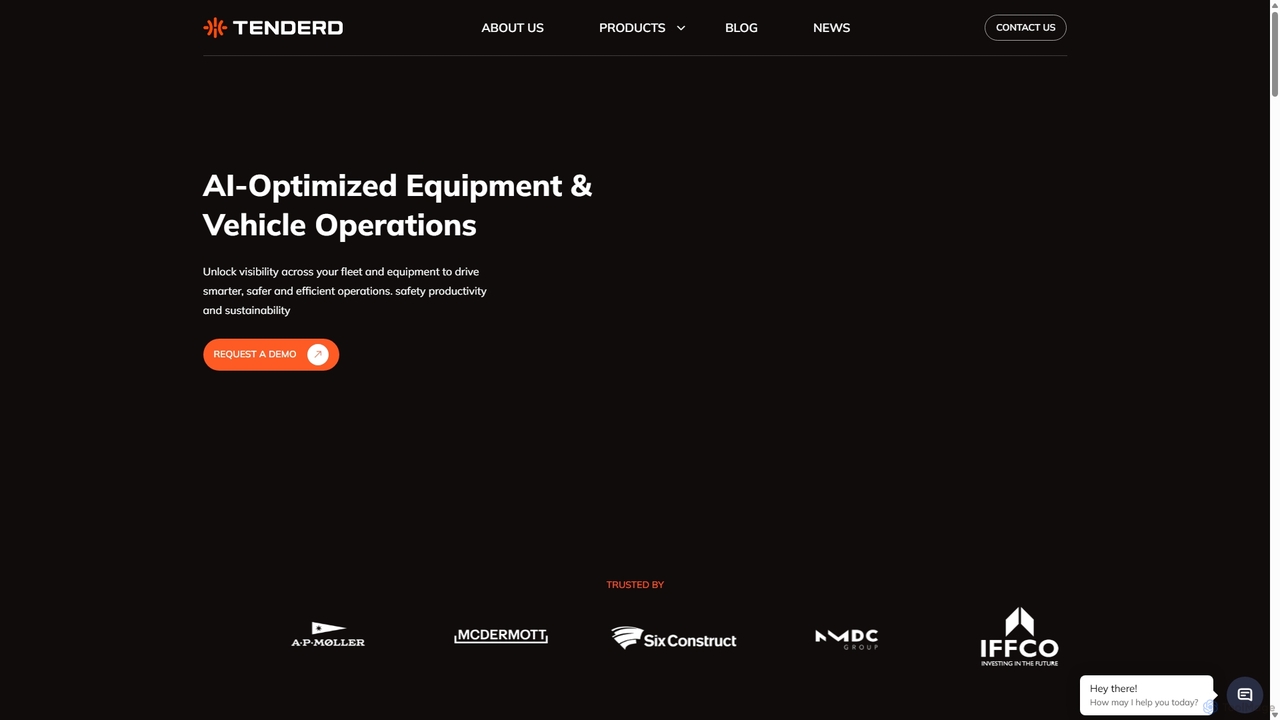
Tenderd is an AI-powered platform for heavy equipment and fleet management. It provides total operational visibility, helping industries like construction, logistics, and energy optimize productivity, enhance safety, and improve sustainability. It uses real-time data and advanced analytics to reduce costs, cut emissions, and streamline workflows.

Business Intelligence
Visits 7KFavorites 140Likes 134
Cheers
Paid

Cheers

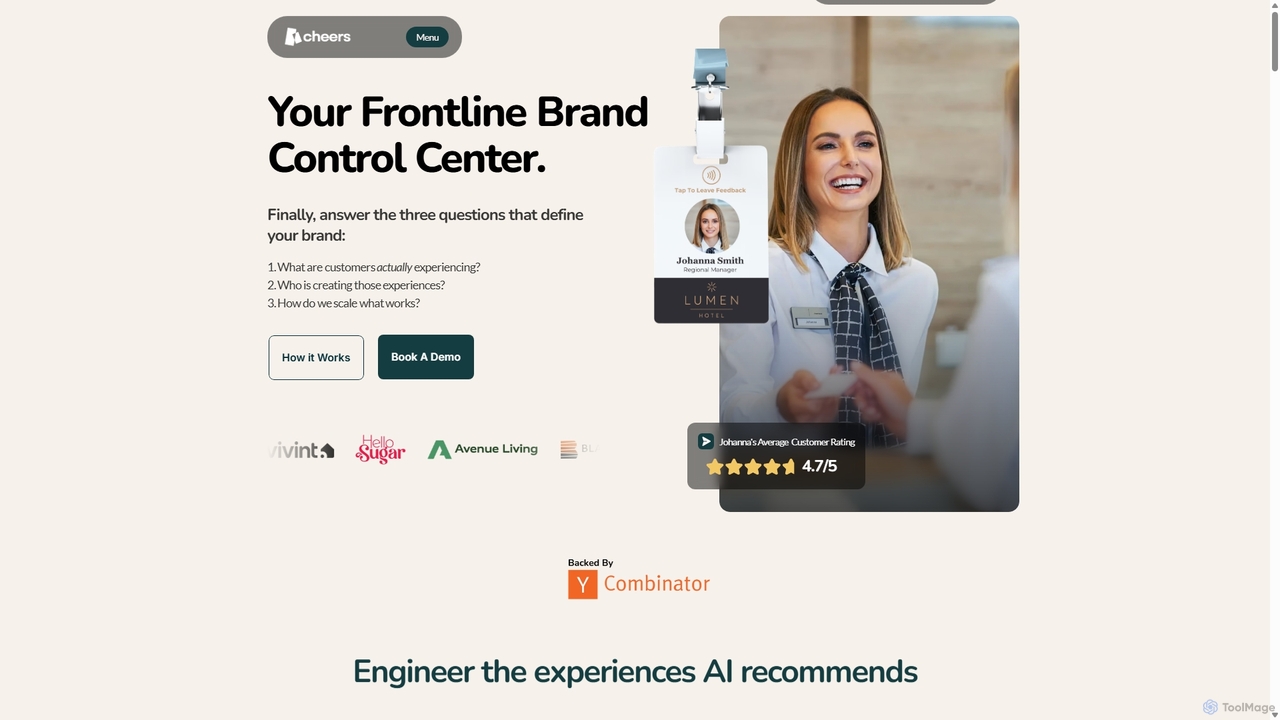
Cheers is an AI-powered Frontline Brand Control Center that connects customer feedback directly to individual employees using NFC technology. It helps businesses manage online reputation, motivate staff with real-time recognition, and gain actionable insights to improve customer experience.

Business Intelligence
Visits 6KFavorites 152Likes 164
Percept Insight
Freemium

Percept Insight

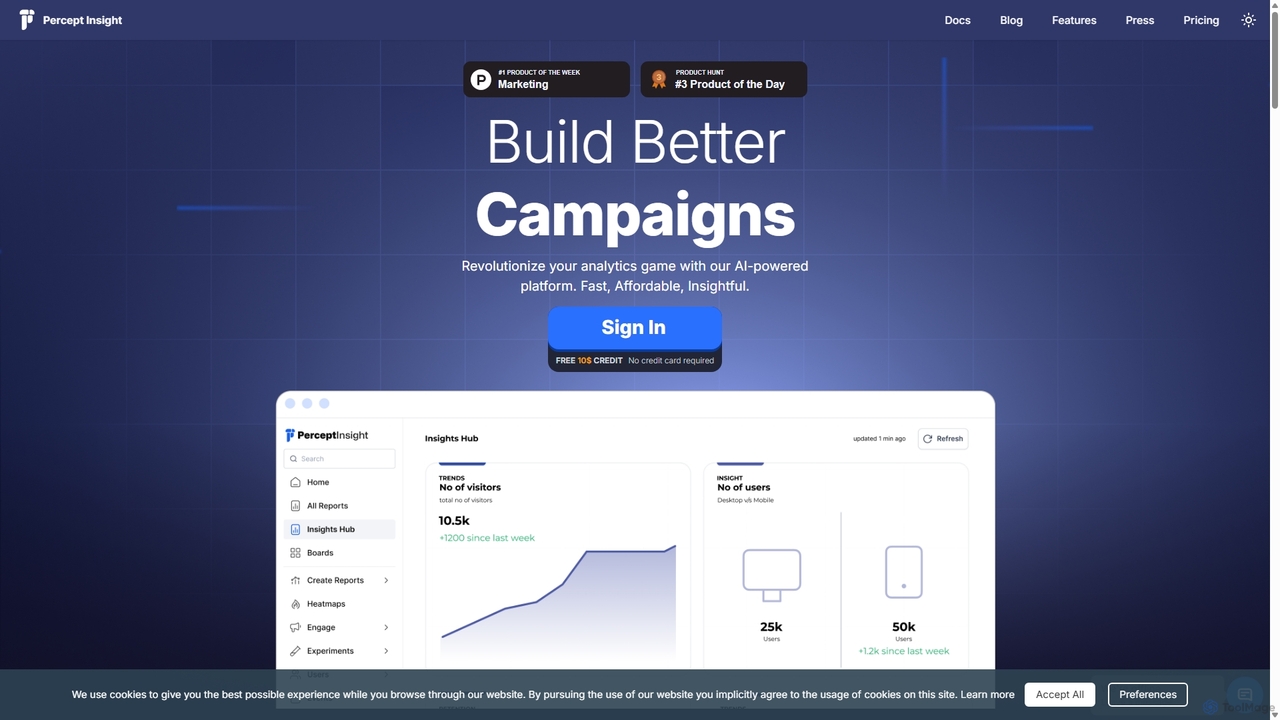
Percept Insight is an AI-powered, all-in-one analytics and engagement platform for product managers and marketers. It provides deep, real-time insights into user behavior, funnels, and cohorts, enabling data-driven decisions. The platform combines powerful analytics with multi-channel engagement tools (WhatsApp, SMS, email) to improve user retention and conversions, all with a cost-effective, pay-as-you-use pricing model.

Business Intelligence
Visits 6.5KFavorites 107Likes 105
Survicate
Freemium

Survicate

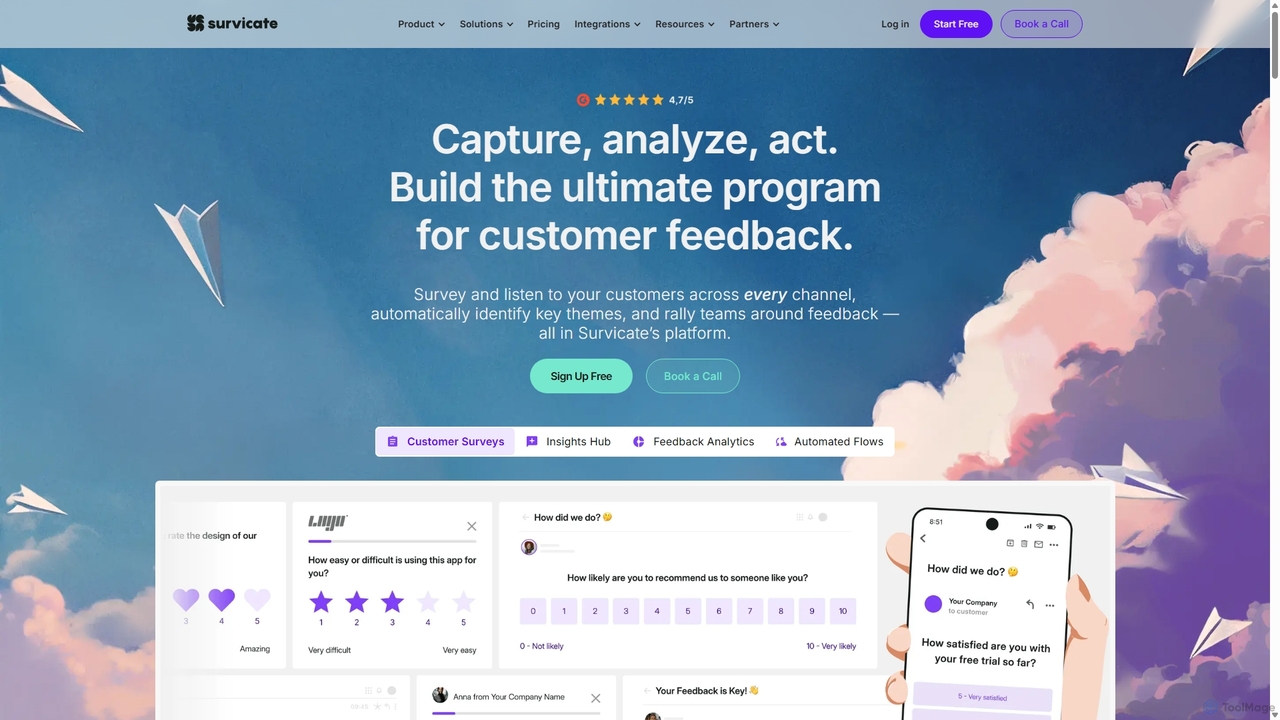
Survicate is an all-in-one customer feedback platform that helps businesses capture, analyze, and act on user insights. It enables the creation of multi-channel surveys (web, email, in-app) and uses AI to automatically analyze text responses, identify key themes, and provide actionable intelligence. With extensive integrations and customizable dashboards, Survicate streamlines the entire feedback loop, from collection to action.

Business Intelligence
Visits 479.7KFavorites 130Likes 121
Adadot
Paid

Adadot

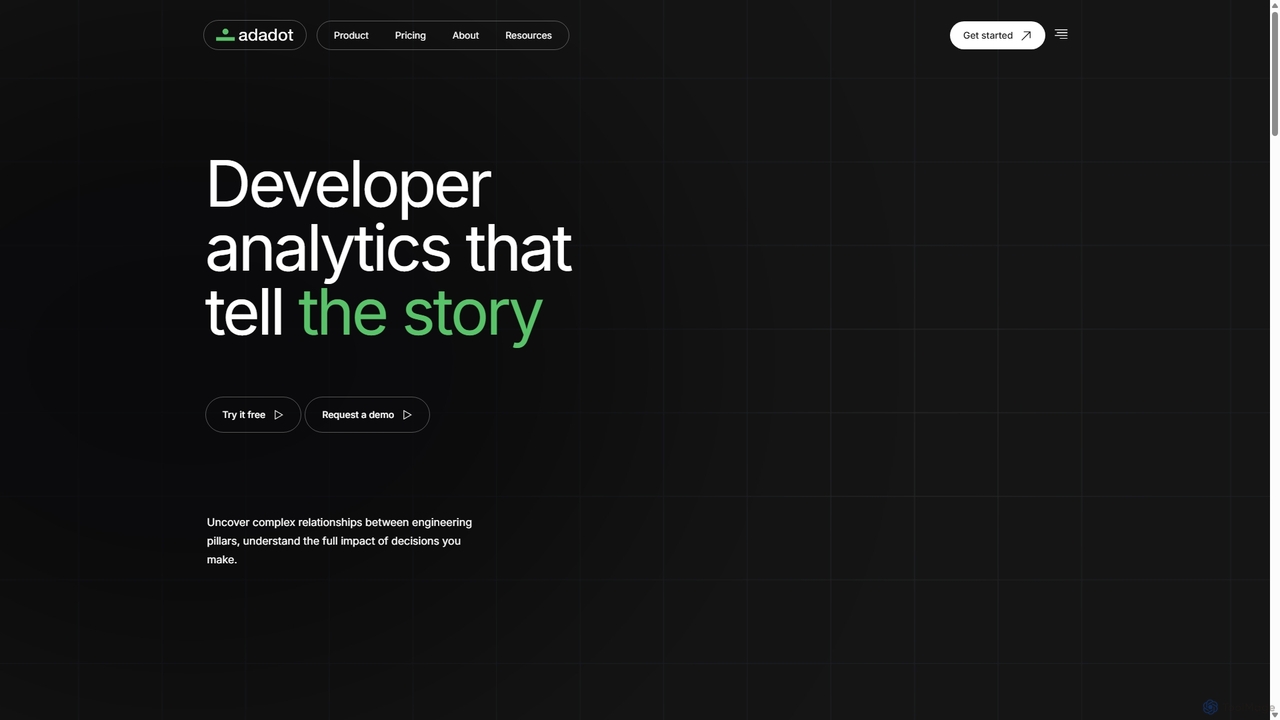
Adadot is an AI-powered engineering intelligence platform that analyzes productivity and wellbeing for software development teams. By integrating with tools like Git and Slack, it provides deep, actionable insights into workflow, collaboration health, and developer experience. It helps leaders optimize processes, prevent burnout, and make data-driven decisions, while empowering developers with a personal 'fitness tracker' for their work.

Business Intelligence
Visits 6.9KFavorites 120Likes 109
PropelData
Freemium

PropelData

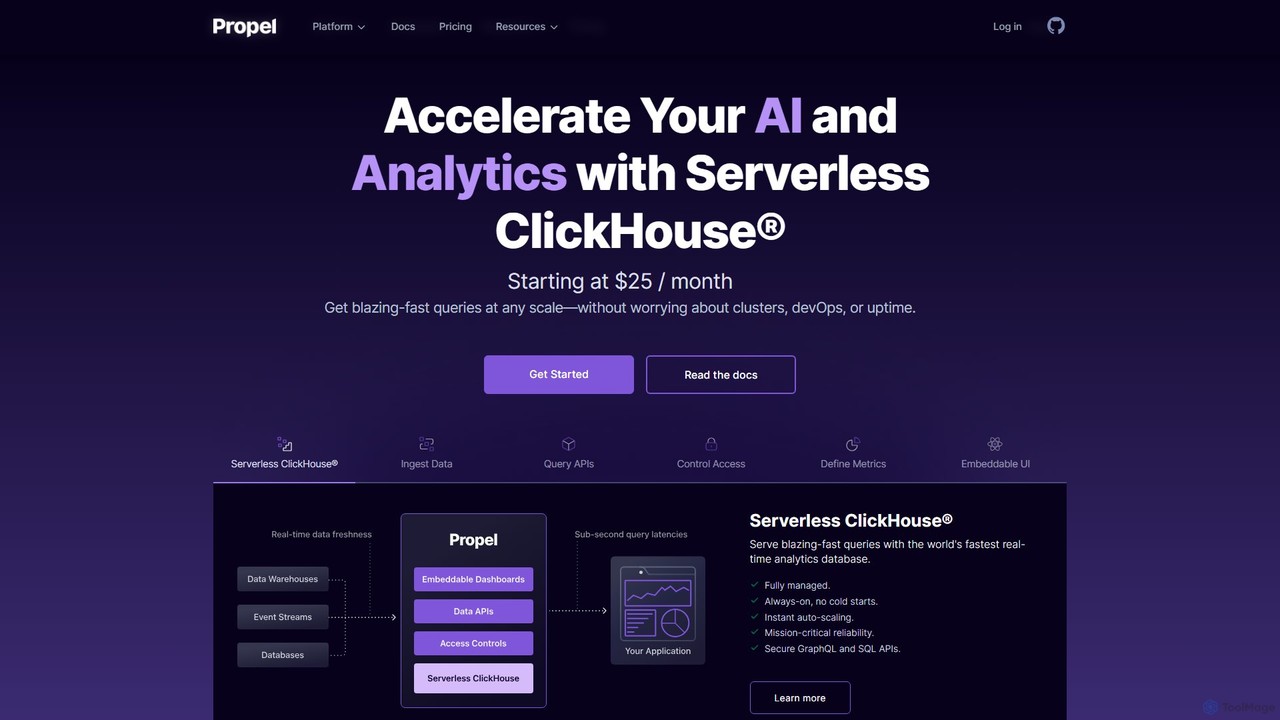
PropelData is a serverless data platform for developers, built on ClickHouse, designed to accelerate the creation of AI and analytics applications. It provides a complete toolkit, including data ingestion, real-time transformations, and secure APIs, enabling developers to build fast, scalable, and native-looking customer-facing analytics dashboards and features directly into their products without managing complex data infrastructure.

Business Intelligence
Visits 9.2KFavorites 100Likes 118
Delineate
Freemium

Delineate

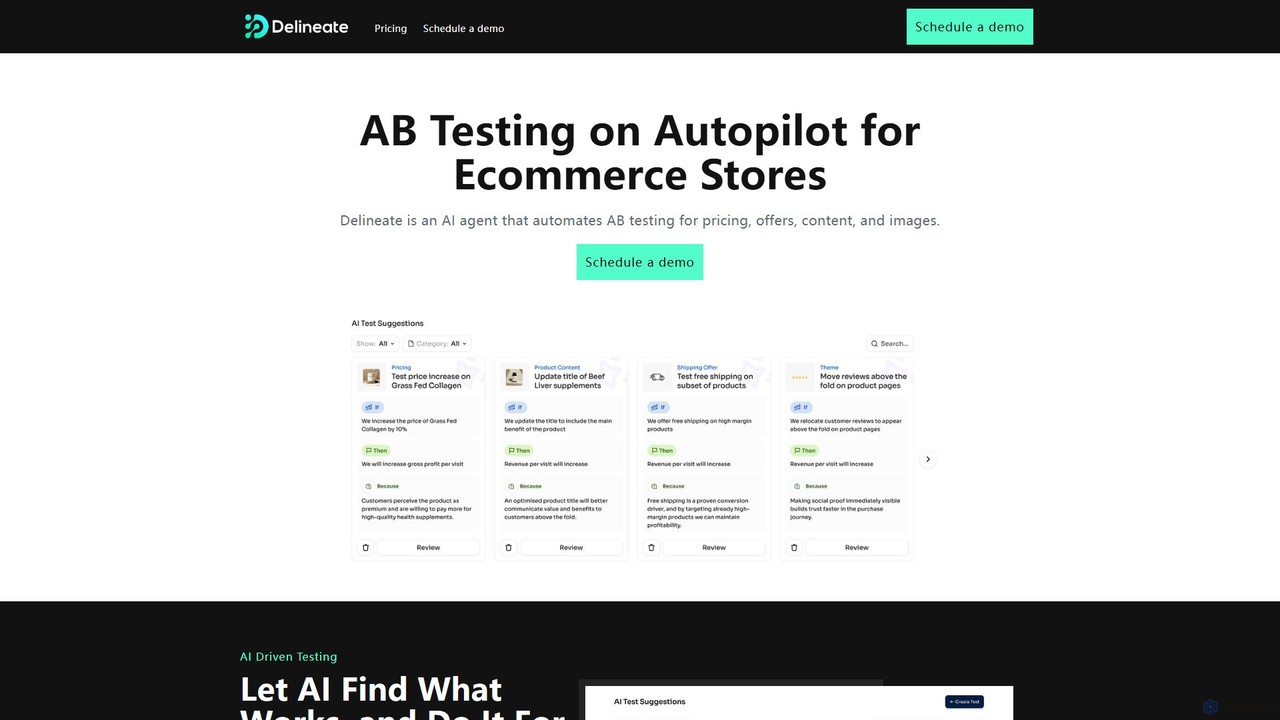
Delineate is an AI-powered agent for e-commerce stores that automates A/B testing for pricing, content, and images. It provides deep profit and LTV analytics to help businesses optimize for conversion rates, revenue, and overall profitability on autopilot.

Business Intelligence
Visits 5.5KFavorites 115Likes 107
Peec AI
Freemium

Peec AI

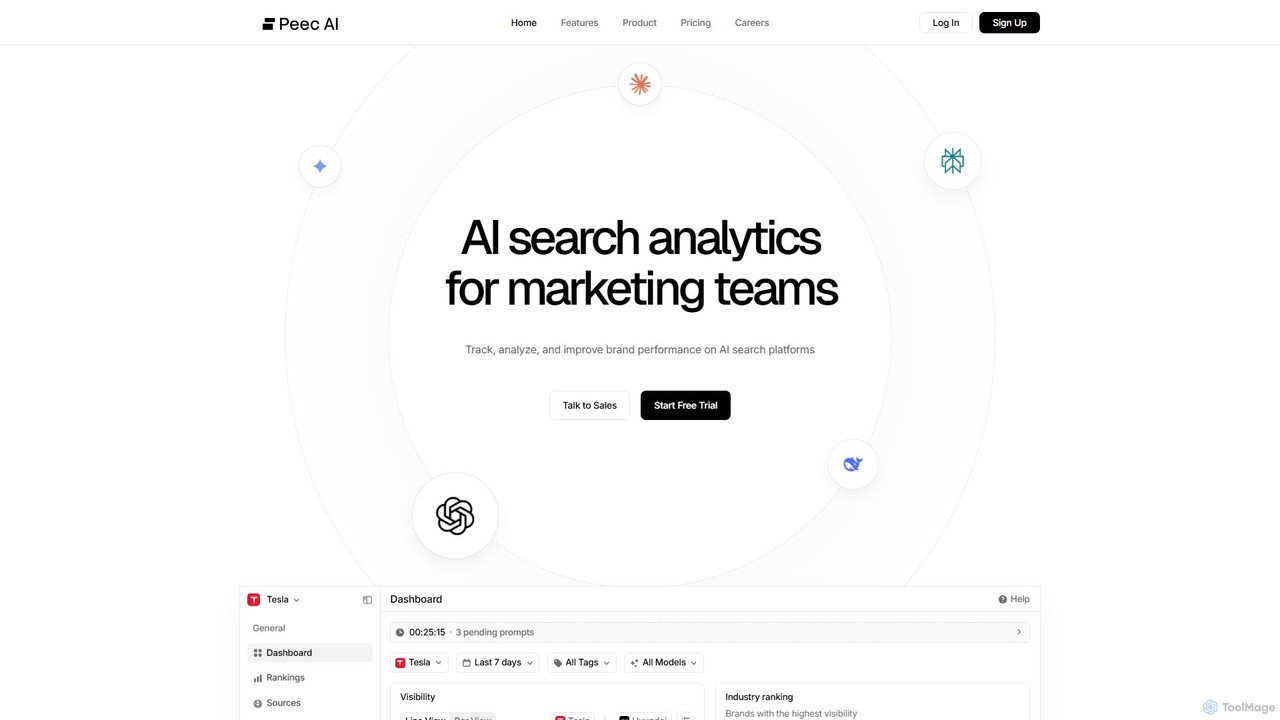
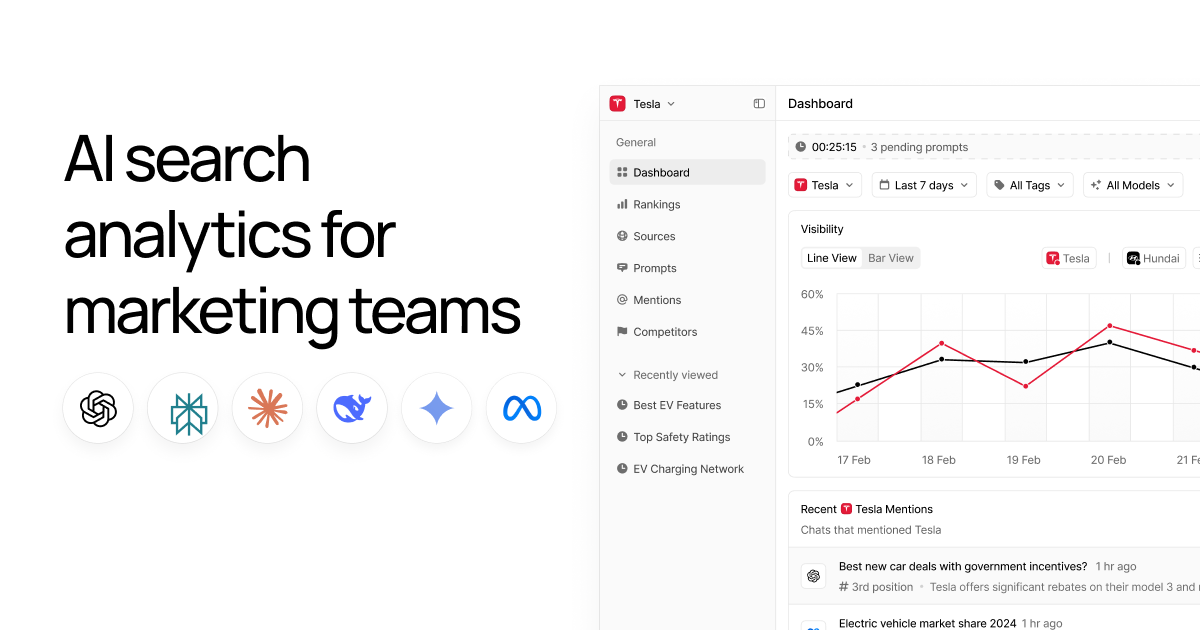
Peec AI is an AI search analytics platform for marketing teams. It tracks, analyzes, and improves brand visibility on generative AI search engines like ChatGPT and Perplexity, providing insights into competitor performance, brand mentions, and source attribution to master the new era of search.

Business Intelligence
Visits 278.1KFavorites 158Likes 133
uniqin.ai
Freemium

uniqin.ai

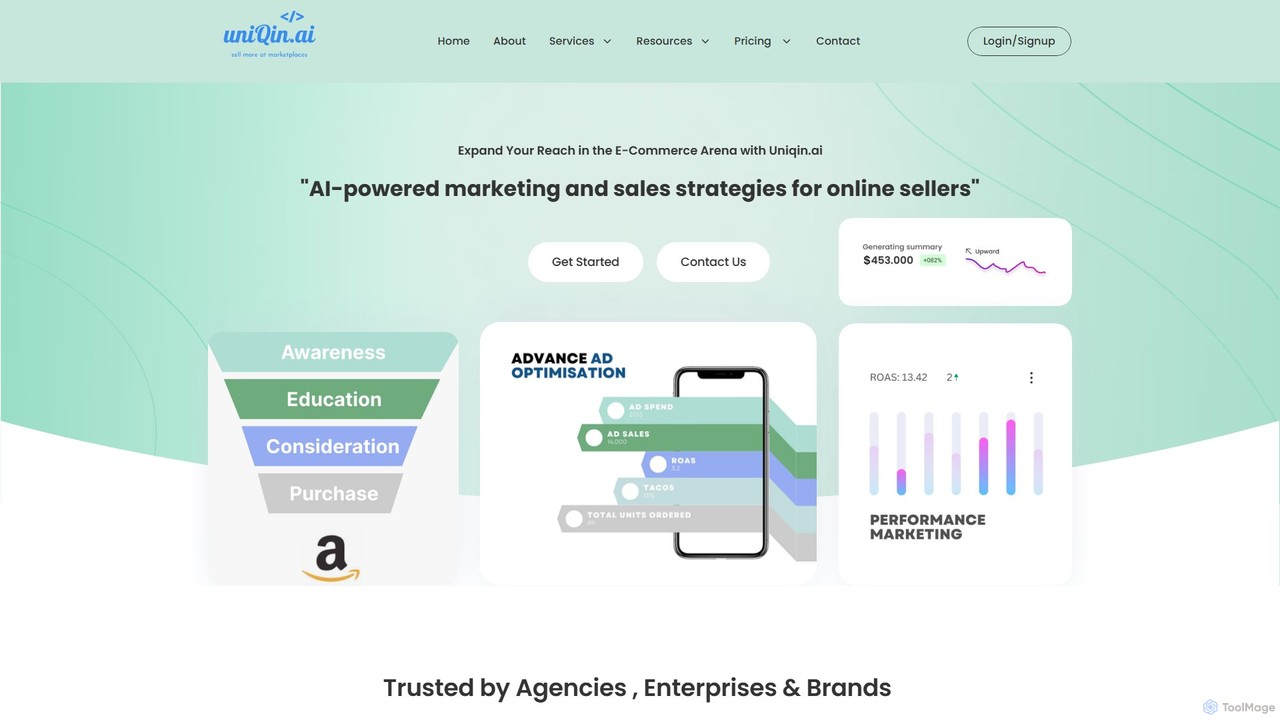
uniqin.ai is an AI-powered platform designed for e-commerce sellers, particularly on Amazon, to optimize marketing and sales strategies. It offers advanced analytics, Amazon Ads optimization, dynamic pricing, and listing enhancements. By providing real-time insights and automated reporting via WhatsApp and email, uniqin.ai helps businesses increase revenue, improve efficiency, and make data-driven decisions to scale their online growth.

Business Intelligence
Visits 6.2KFavorites 133Likes 139
Stepsize AI
Paid

Stepsize AI

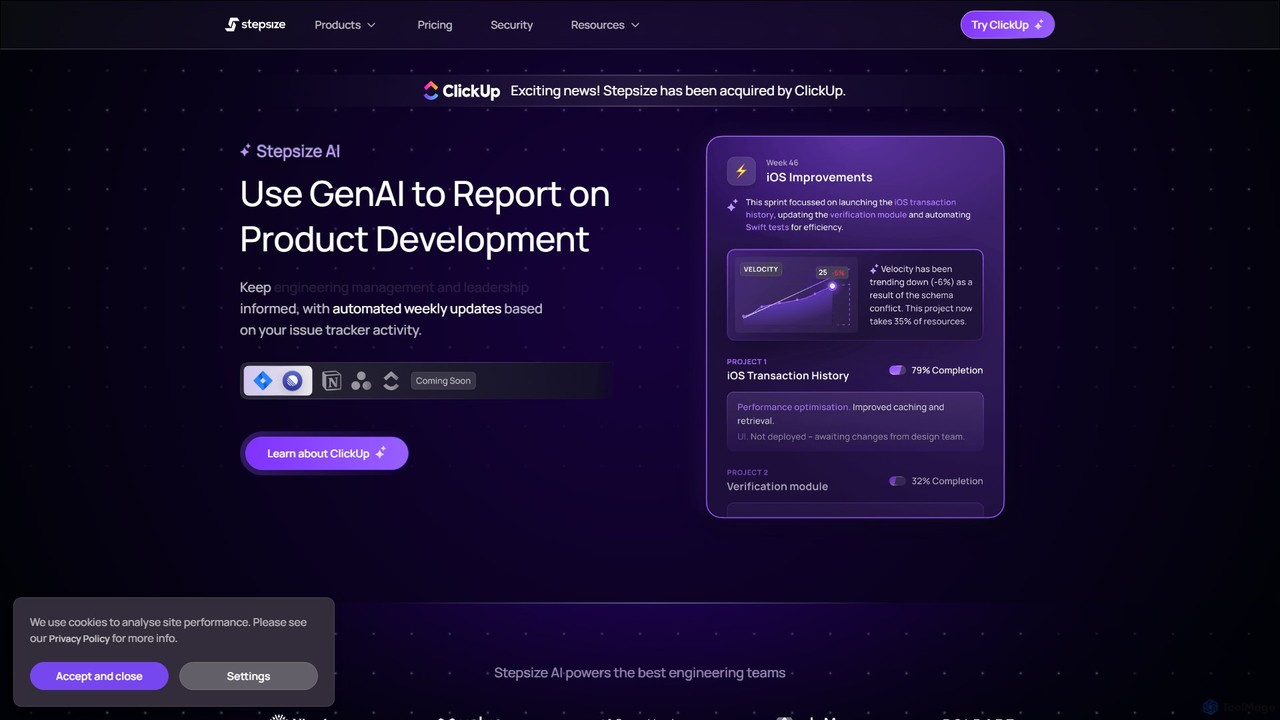
Stepsize AI is an intelligent reporting tool for software development teams. It integrates with Jira and Linear to automatically generate dashboards and weekly progress reports. Using AI, it provides metrics with plain-language commentary, identifies project themes, and surfaces delivery risks, eliminating manual reporting and keeping teams aligned.

Business Intelligence
Visits 9.7KFavorites 137Likes 159
Recibo
Paid

Recibo

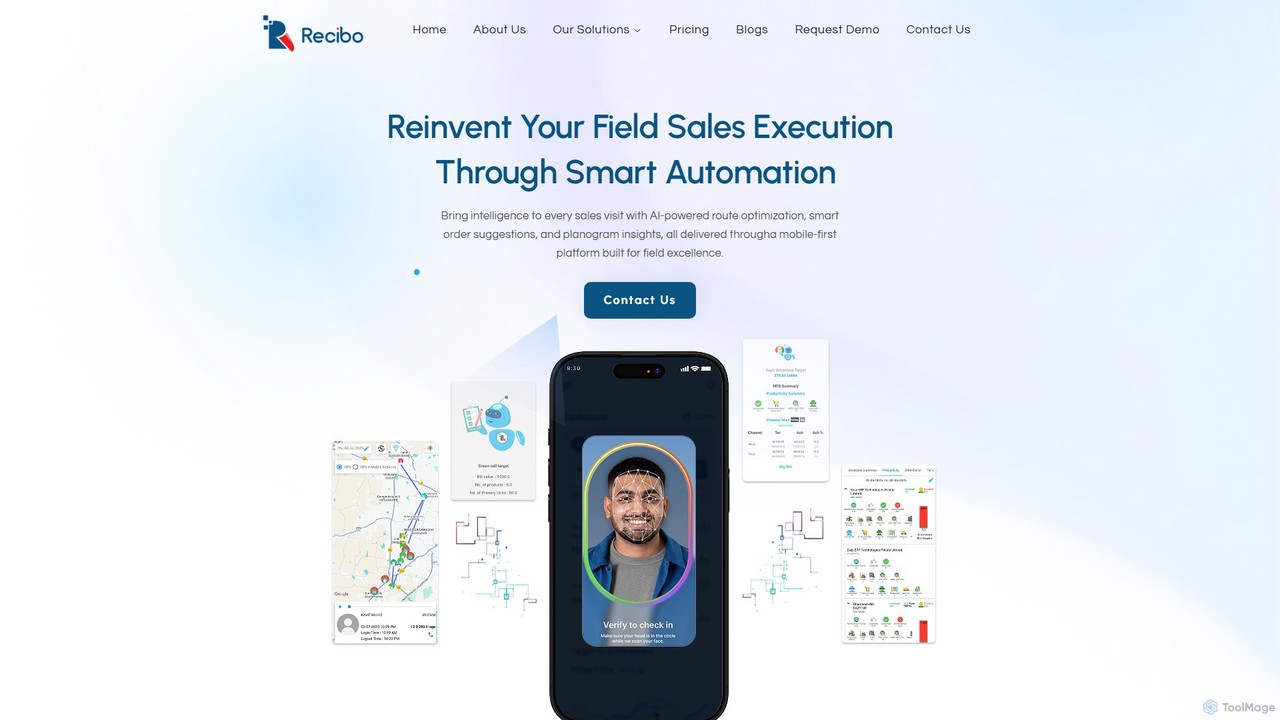
Recibo is an AI-powered sales automation platform designed to revolutionize field sales execution. It offers intelligent tools like route optimization, smart order suggestions, and planogram insights through a mobile-first interface. The platform provides real-time visibility and data-driven decision-making to enhance productivity and sales performance for field teams.

Business Intelligence
Visits 6.7KFavorites 119Likes 121
Akira
Paid

Akira

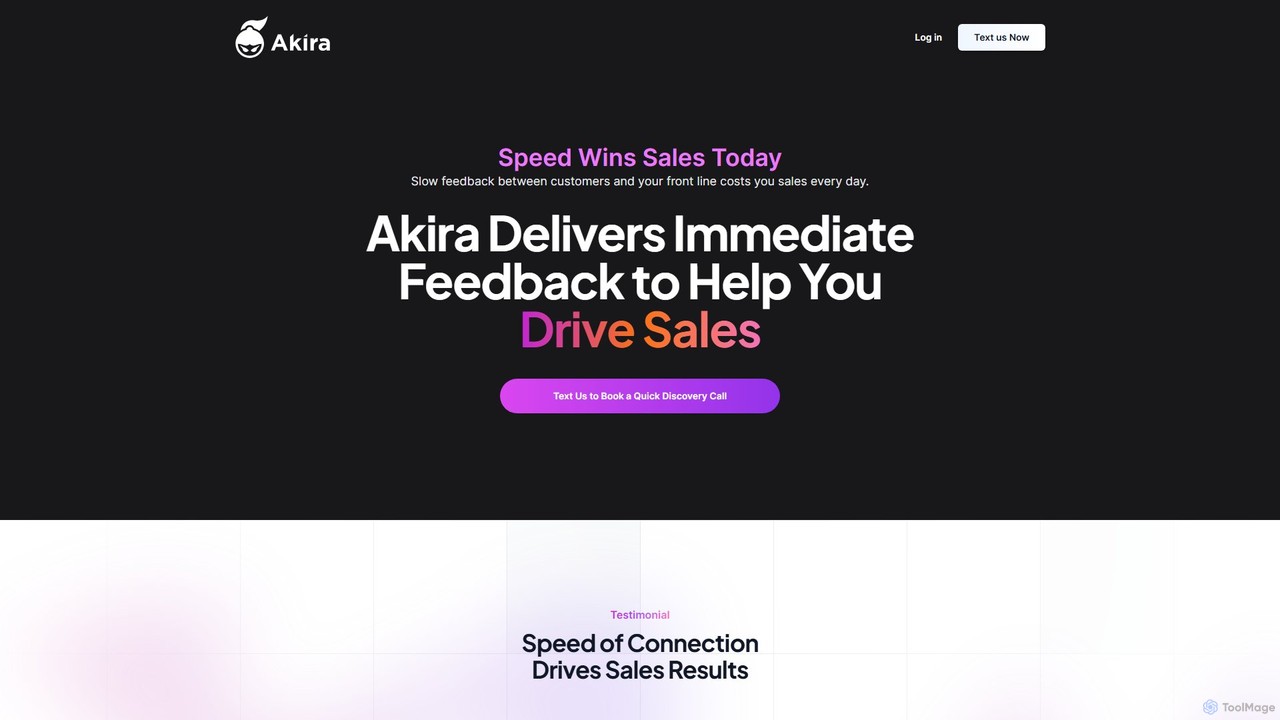
Akira is an AI-powered customer experience and reputation management platform. It enables businesses to capture instant customer feedback via QR codes, centralize reviews from all channels, and use AI analytics to gain actionable insights. This helps improve service, increase customer loyalty, and drive sales.

Business Intelligence
Visits 5.4KFavorites 140Likes 145
Git Digest
Paid

Git Digest

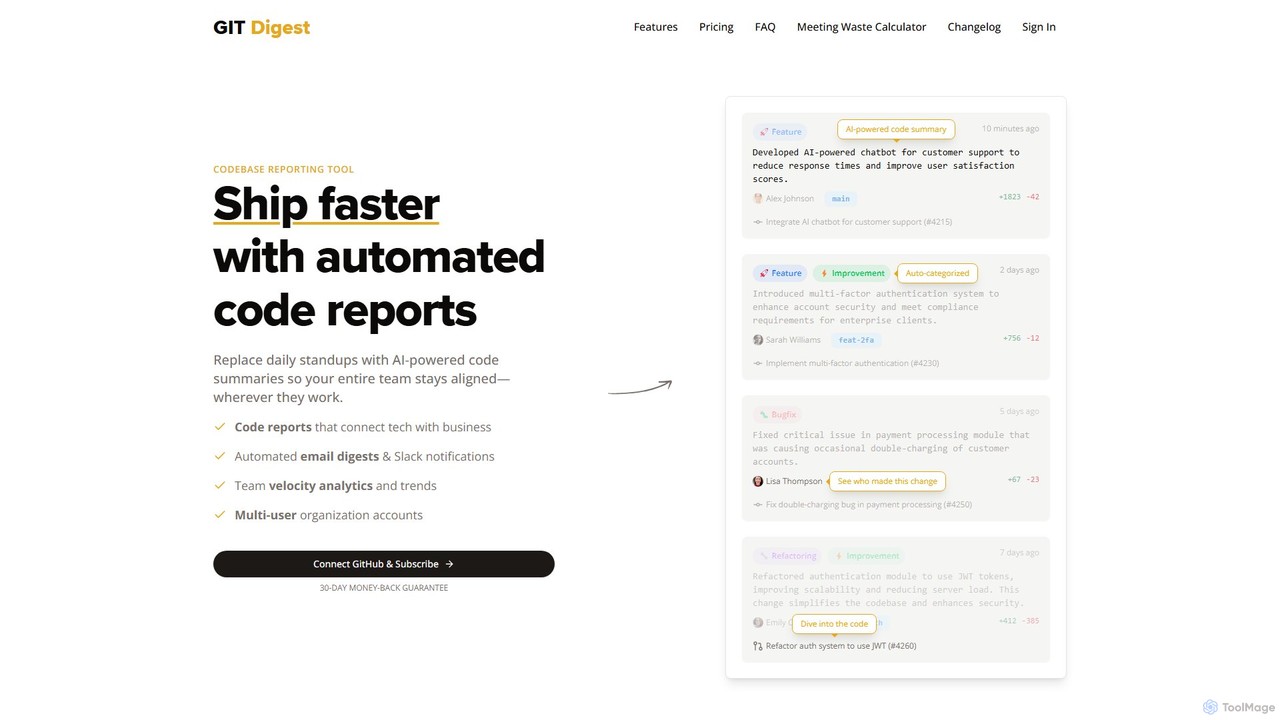
Git Digest is an AI-powered codebase reporting tool that automates daily standups. It analyzes GitHub commits and generates clear, concise summaries delivered via email or Slack, helping development teams stay aligned, save time, and ship faster. It also provides team velocity analytics and bridges the gap between technical and business stakeholders.

Business Intelligence
Visits 6KFavorites 111Likes 114
DevRev
Freemium

DevRev

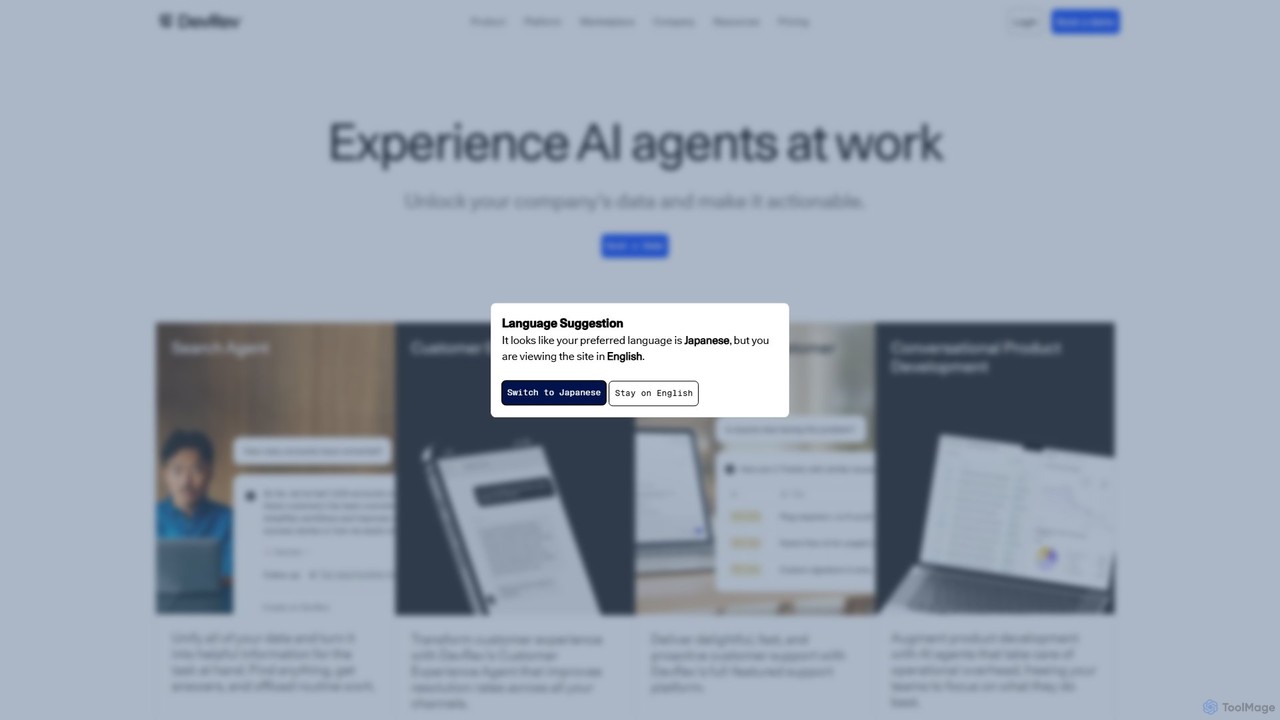
DevRev is an AI-native platform designed to bring developers closer to customers. It unifies customer support, product development, and user data into a single conversational interface, leveraging AI agents to automate workflows, provide real-time insights, and enhance customer relationships for product-led growth.

Business Intelligence
Visits 259.7KFavorites 130Likes 130

About Business Intelligence

Business Intelligence (BI) tools are a class of AI-powered applications designed to transform raw business data into actionable insights for strategic decision-making. They leverage AI algorithms to automate data collection, analysis, visualization, and reporting from various sources. The primary value of these tools is to provide a clear, consolidated view of business performance, enabling organizations to identify trends, track key performance indicators (KPIs), and uncover opportunities. As a specialized area within Analytics, BI focuses specifically on historical and current data to improve business operations.

Core Features

  • Interactive Dashboards: Create dynamic and customizable visualizations like charts and maps for intuitive data exploration.
  • Automated Reporting: Schedule and automatically generate regular reports on key business metrics, saving significant manual effort.
  • Natural Language Query (NLQ): Ask questions about your data in plain language (e.g., "show me last quarter's sales by region") and get instant answers.
  • Data Integration: Connect and consolidate data from multiple sources such as databases, CRM systems, and cloud applications into a single source of truth.
  • Predictive Forecasting: Utilize machine learning models to analyze historical data and forecast future trends, sales, or demand.

Use Cases

Business Intelligence tools are widely used across departments like sales, marketing, finance, and operations. For instance, a sales manager can use a BI dashboard to monitor team performance in real-time, while a marketing team can analyze campaign ROI. They are essential for executives seeking a high-level overview of company health and for business analysts performing deep-dive analyses to support strategic initiatives.

How to Choose

When selecting a BI tool, first consider its data source connectivity to ensure it integrates with your existing systems (e.g., Salesforce, SQL databases, Google Analytics). Evaluate the balance between ease of use for non-technical users and the advanced analytical power required by data professionals. Assess the sophistication of its AI features, such as the accuracy of predictive forecasts and the flexibility of its Natural Language Query capabilities. Finally, consider scalability to handle growing data volumes and the total cost of ownership.

Featured tool rankings

Business Intelligence use cases

1

Real-Time Sales Performance Monitoring

A sales director for a national retail chain uses a Business Intelligence tool to track daily sales performance across all stores. By connecting the tool to their point-of-sale (POS) and inventory systems, they can view a live dashboard showing key metrics like revenue, units sold, and average transaction value. The director can filter data by region, store, or product category to identify top-performing areas and underperforming products instantly. This allows for quick strategic adjustments, such as reallocating stock to high-demand stores or launching targeted promotions for slow-moving items, directly improving sales outcomes.

2

Marketing Campaign ROI Analysis

A digital marketing manager needs to justify their budget by demonstrating the return on investment (ROI) of various campaigns. They use a BI tool to integrate data from Google Ads, Facebook Ads, and their company's CRM. The tool creates a unified dashboard that visualizes ad spend, clicks, conversions, and customer lifetime value (LTV) for each campaign. By using the tool's analytical features, the manager can identify which channels and ad creatives generate the highest quality leads at the lowest cost. This data-driven approach allows them to optimize ad spend by reallocating budget to the most effective campaigns, thereby maximizing marketing ROI.

3

Financial Health and Forecasting

The Chief Financial Officer (CFO) of a mid-sized tech company uses a BI platform to get a consolidated view of the company's financial health. The tool connects to their accounting software, payroll system, and sales CRM. The CFO can analyze revenue trends, monitor operating expenses, and track cash flow in near real-time. More importantly, they use the tool's AI-powered forecasting feature to project future revenue and expenses based on historical data and sales pipeline information. This enables more accurate financial planning, helps in securing investor confidence, and allows the company to proactively manage its budget and resources.

4

Optimizing Supply Chain and Inventory

An operations manager for an e-commerce company is responsible for maintaining optimal inventory levels. They use a BI tool to analyze historical sales data, website traffic, and seasonality. The tool's predictive analytics models forecast demand for different products, allowing the manager to make informed purchasing decisions. They can also create dashboards to monitor key supply chain metrics like order fulfillment times and shipping costs. By identifying bottlenecks and predicting demand, the company can reduce storage costs, avoid stockouts of popular items, and ensure a smoother delivery process for customers.

5

Analyzing Customer Behavior and Segmentation

A product manager at a SaaS company wants to understand how users interact with their software to reduce churn and improve features. They use a BI tool to combine product usage data with customer subscription information from their billing system. Through interactive dashboards, they can segment users based on activity levels, feature adoption, and subscription plans. The tool helps identify patterns, such as which features are most used by high-value customers or at what point inactive users tend to cancel their subscriptions. These insights directly inform the product roadmap and guide targeted customer engagement campaigns to increase retention.

6

Executive-Level Business Overview

The CEO of a growing startup needs a quick, high-level overview of the entire business without digging through multiple reports. A BI tool provides a consolidated executive dashboard that pulls key metrics from sales, marketing, finance, and product departments. With a single glance, the CEO can see monthly recurring revenue (MRR), customer acquisition cost (CAC), churn rate, and product engagement scores. The tool can also be configured to send automated alerts for significant anomalies, such as a sudden drop in user sign-ups. This enables the leadership team to stay informed, make faster, data-backed decisions, and effectively communicate the company's performance to the board and investors.

Business Intelligence FAQ

What are AI-powered Business Intelligence (BI) tools?

AI-powered Business Intelligence (BI) tools are software applications that help organizations analyze business data and present it in an understandable format. Unlike traditional BI, they use artificial intelligence to automate complex tasks. Key AI features include Natural Language Query (NLQ), which lets you ask questions in plain English, predictive analytics to forecast future trends, and automated insights that highlight important patterns or anomalies in your data without manual searching. Their main purpose is to make data-driven decision-making faster, more accurate, and accessible to more people within a company, not just data experts.

How do I choose the right BI tool for my business?

Choosing the right BI tool depends on your specific needs. Consider these factors:

  • Data Sources: Ensure the tool can easily connect to all your data sources (e.g., databases, cloud apps like Salesforce, spreadsheets).
  • User Skill Level: Who will use it? Choose a tool with a simple drag-and-drop interface for business users, or one with advanced coding capabilities for data analysts.
  • Key Features: Do you need powerful predictive forecasting, real-time dashboards, or strong natural language query capabilities? Prioritize tools that excel in the features you need most.
  • Scalability and Cost: Select a tool that can grow with your data volume and user base. Evaluate the pricing model (per-user, per-usage) to ensure it fits your budget long-term.
What's the difference between Business Intelligence and Data Analytics?

Business Intelligence (BI) is best understood as a specific type of Data Analytics. BI primarily focuses on descriptive analytics—what happened in the past and what is happening now—using historical and current data to inform business decisions. It often presents findings in dashboards and reports. Data Analytics is a broader field that includes BI but also extends to predictive analytics (what is likely to happen) and prescriptive analytics (what action to take). While BI answers questions about business performance, Data Analytics can tackle a wider range of questions across various domains, not just business operations.

Who typically uses Business Intelligence tools?

BI tools are used by a wide range of professionals across an organization. Executives and managers use high-level dashboards to monitor company health and track KPIs. Sales and marketing teams use them to analyze performance and customer behavior. Financial analysts rely on them for budgeting, forecasting, and reporting. Operations teams use BI to optimize supply chains and internal processes. With modern, user-friendly interfaces, even non-technical staff can use BI tools to explore data relevant to their roles, promoting a data-driven culture throughout the company.

What are the key benefits of using a BI tool?

The primary benefit of a BI tool is enabling faster, more informed decision-making. Other key advantages include:

  • A Single Source of Truth: Consolidates data from various systems, ensuring everyone works with the same, consistent information.
  • Improved Operational Efficiency: Helps identify bottlenecks, inefficiencies, and areas for improvement in business processes.
  • Enhanced Customer Understanding: Provides insights into customer behavior, preferences, and trends, allowing for better service and targeted marketing.
  • Accurate Performance Tracking: Allows teams and individuals to track their performance against goals and KPIs in real-time.