ToolMage
Sign in

Best 1 Sample Library AI tools for Audio

Popular Sample Library AI tools in Audio include Co-producer, helping you work more efficiently.

Co-producer
Freemium

Co-producer

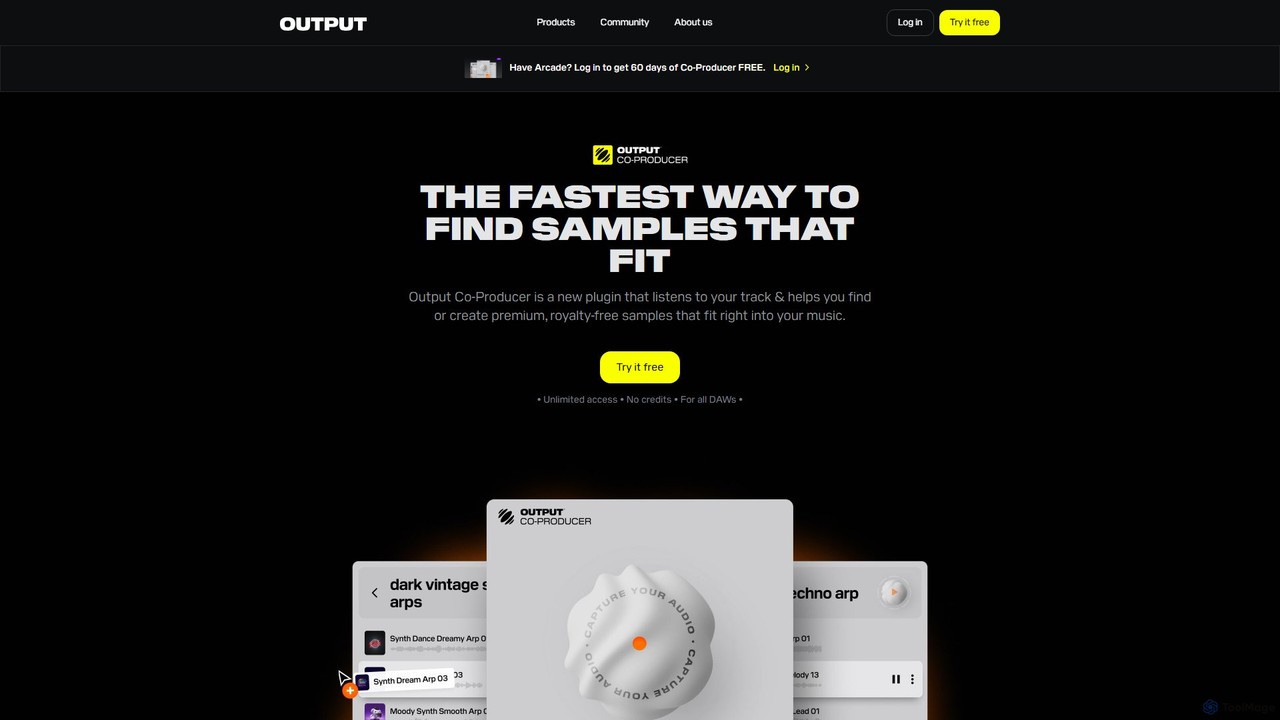
Co-producer by Output is an AI-powered sample finder that revolutionizes music production. It intelligently analyzes your existing track, audio files, or text prompts to suggest perfectly fitting loops and one-shots from Output's extensive library. This streamlines the creative process, helping producers find the right sounds in seconds, overcome creative blocks, and finish tracks faster.

Music Production
Visits 392.1KFavorites 134Likes 132

About Sample Library

Sample Libraries are curated collections of pre-recorded audio snippets, loops, and one-shot sounds, serving as essential resources for audio production. These tools provide a vast array of high-quality, often royalty-free, sound assets that can be seamlessly integrated into various creative projects. They enable creators to quickly access diverse sonic elements, from instrumental phrases and vocal samples to atmospheric textures and sound effects, significantly streamlining the sound design and music composition process within the broader Audio category.

Core Features

  • Extensive Sound Collections: Offers a wide variety of genres, instruments, and sound effects.
  • High-Quality Audio Formats: Provides professional-grade WAV, AIFF, or other lossless audio files.
  • Royalty-Free Licensing: Allows commercial use of sounds without additional fees or complex clearances.
  • Advanced Search & Tagging: Utilizes metadata and sometimes AI to quickly find specific sounds.
  • DAW Integration: Compatible with popular Digital Audio Workstations for a smooth workflow.

Use Cases

Music producers leverage sample libraries to build tracks, create beats, and add unique textures to their compositions. Sound designers use them for film, video games, and podcasts to craft immersive auditory experiences. Content creators also find them invaluable for adding professional audio elements to their videos and social media posts.

How to Choose

When selecting a sample library, consider the diversity and quality of its sound collection, ensuring it aligns with your creative needs. Evaluate the licensing terms to confirm royalty-free usage for commercial projects. Assess the search and filtering capabilities for efficient sound discovery, and check for compatibility with your existing Digital Audio Workstation (DAW) and workflow.

Sample Library use cases

1

Music Production & Beat Making

Music producers utilize sample libraries to quickly find drum loops, basslines, synth melodies, and vocal chops. This allows for rapid prototyping of tracks, experimentation with different genres, and adding unique sonic signatures to their compositions, significantly accelerating the creative process.

2

Podcast & Broadcast Sound Design

Podcasters and broadcasters select intro/outro music, transition effects, and background ambiance from sample libraries. This helps in creating a professional and engaging listening experience, ensuring consistent audio branding and enhancing narrative elements without needing to compose original scores.

3

Video Game Audio Development

Game audio designers source a vast array of sound effects for character actions, environmental ambiance, UI interactions, and cinematic sequences. Sample libraries provide ready-to-use assets that save development time and ensure a rich, immersive audio landscape for players.

4

Film & Video Post-Production

Video editors and filmmakers integrate atmospheric sounds, foley effects, and musical scores from sample libraries into their visual content. This enhances storytelling, builds tension, and adds emotional depth, allowing for high-quality audio production even with limited time or budget.

5

Content Creation for Social Media

Social media influencers and marketers use short, catchy audio clips, sound effects, and background music from sample libraries for their reels, stories, and advertisements. This helps in grabbing audience attention, setting the right mood, and making content more shareable and engaging.

6

Educational & Presentation Materials

Educators and presenters incorporate sound clips for interactive lessons, background music for presentations, or specific audio cues to highlight information. Sample libraries offer a convenient way to enrich learning materials and make presentations more dynamic and memorable.

Sample Library FAQ

What are Sample Libraries?

Sample Libraries are organized collections of pre-recorded audio files, including loops, one-shots, and musical phrases, designed for use in music production, sound design, and various multimedia projects. They provide creators with ready-to-use sonic building blocks, often categorized by genre, instrument, or mood, to accelerate the creative process and add professional-quality audio to their work.

How do Sample Libraries differ from traditional instrument plugins?

Sample Libraries primarily offer pre-recorded audio snippets that you arrange and manipulate, acting as a resource of raw sound material. Traditional instrument plugins, on the other hand, are software instruments that generate sound in real-time based on MIDI input, allowing for dynamic performance and extensive sound synthesis. While both are used in audio production, sample libraries provide foundational sounds, whereas plugins offer playable virtual instruments.

What types of sounds can I find in a Sample Library?

Sample Libraries contain an incredibly diverse range of sounds. You can typically find drum loops, percussion hits, basslines, synth melodies, guitar riffs, vocal chops, orchestral elements, atmospheric pads, and a wide variety of sound effects (SFX) like impacts, risers, foley, and environmental sounds. Many libraries specialize in specific genres, instruments, or moods.

Are Sample Library sounds royalty-free?

Many popular sample libraries offer royalty-free sounds, meaning once you purchase or subscribe to the library, you can use the sounds in your commercial and non-commercial projects without paying additional royalties per use. However, it's crucial to always check the specific licensing terms of each library, as some may have restrictions or require attribution.

How can AI enhance Sample Libraries?

AI can significantly enhance sample libraries by improving search and discovery through intelligent tagging and semantic analysis, allowing users to find sounds based on mood, genre, or sonic characteristics rather than just keywords. AI can also assist in generating variations of existing samples, suggesting complementary sounds, or even creating entirely new, unique audio snippets based on user input, streamlining the creative workflow.