Audio Best in category 1 results Vocal Processing AI Tool

Popular AI tools in the Vocal Processing field of Audio include audiomuse, etc., helping you quickly improve efficiency.

audiomuse

audiomuse

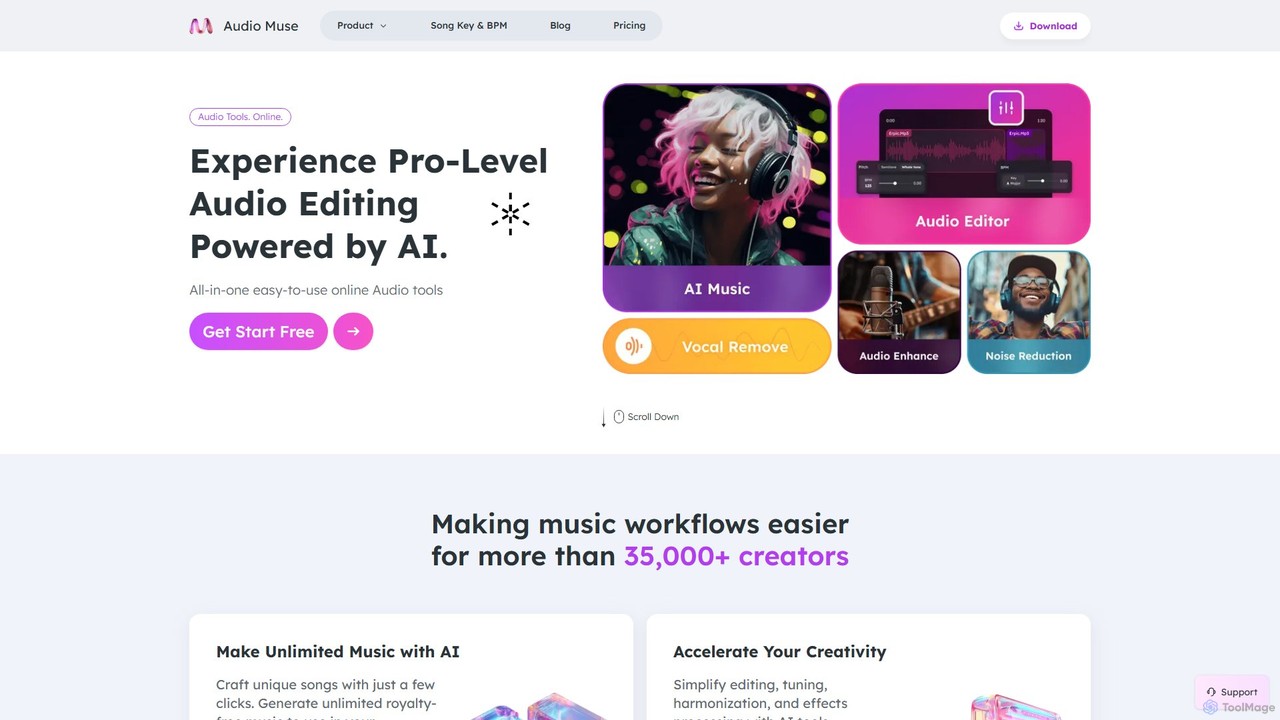
audiomuse is an all-in-one, AI-powered online audio toolkit designed for creators, musicians, and podcasters. It offers a comprehensive …

18.7K

About Vocal Processing

Vocal Processing tools are AI-powered solutions designed to enhance, modify, and refine human voice recordings. These tools leverage advanced machine learning algorithms to analyze vocal characteristics, enabling precise adjustments for clarity, tone, pitch, and effects. They are invaluable for musicians, podcasters, content creators, and filmmakers seeking to achieve professional-grade vocal tracks and improve overall audio quality.

Core Features

  • Noise Reduction: Intelligently identifies and removes unwanted background noise from vocal recordings.
  • Pitch Correction: Automatically or manually adjusts vocal pitch to correct inaccuracies and achieve perfect intonation.
  • Vocal Synthesis & Cloning: Generates realistic human voices from text or replicates specific vocal styles.
  • De-Essing & De-Plosive: Eliminates harsh 's' sounds (sibilance) and disruptive 'p'/'b' sounds (plosives).
  • Vocal Separation: Isolates vocal tracks from mixed audio, allowing independent processing or remixing.

Applicable Scenarios

Musicians and producers utilize these tools for perfecting lead vocals, backing harmonies, and ad-libs in studio recordings. Podcasters and broadcasters employ them to clean up dialogue, remove ambient noise, and ensure consistent vocal levels across episodes. Video editors and filmmakers use vocal processing to enhance voiceovers, synchronize dialogue, and improve speech intelligibility in various media projects.

How to Choose

When selecting a vocal processing tool, consider its core functionalities, such as noise reduction effectiveness and pitch correction accuracy, to match your specific needs. Evaluate its integration capabilities with your existing digital audio workstation (DAW) or video editing software. Assess the user interface for ease of use and the availability of advanced controls. Finally, compare pricing models, including subscription plans or one-time purchases, against your budget and required feature set.

Vocal ProcessingUse Cases

1

Refining Studio Vocals for Music Production

Music producers and vocalists use AI vocal processing to achieve pristine lead vocals. This involves applying precise pitch correction to ensure perfect harmony, removing subtle background hums or mic clicks with noise reduction, and de-essing to smooth out sibilant sounds. The goal is to deliver a polished, radio-ready vocal performance that stands out in a mix.

2

Cleaning Up Podcast Audio for Clarity

Podcasters and audio journalists frequently record in less-than-ideal environments. Vocal processing tools help remove distracting room echo, fan noise, or street sounds from interview recordings. They also normalize vocal levels across different speakers and segments, ensuring a consistent and comfortable listening experience for the audience.

3

Generating Realistic Voiceovers for Video Content

Video creators and marketers leverage AI vocal synthesis to produce high-quality voiceovers without needing a human narrator. By inputting text, they can generate natural-sounding speech in various voices, languages, and emotional tones. This is particularly useful for explainer videos, advertisements, and e-learning modules, saving time and production costs.

4

Isolating Vocals for Remixes and Karaoke Tracks

DJs, remix artists, and karaoke enthusiasts use vocal separation tools to extract acapella tracks from existing songs. This allows them to create unique remixes, mashups, or instrumental versions for practice. The AI precisely identifies and isolates the vocal frequencies, leaving a clean instrumental or vocal track for creative manipulation.

5

Enhancing Dialogue in Film and Television Post-Production

Film and TV sound engineers employ vocal processing to improve dialogue clarity and consistency. This includes reducing on-set background noise, correcting minor pitch discrepancies in spoken lines, and ensuring dialogue volume matches scene requirements. The aim is to make every word intelligible and emotionally impactful for the audience.

6

Customizing Voice Assistants and AI Avatars

Developers and designers create unique vocal identities for AI assistants, virtual characters, and interactive applications. Using vocal cloning and synthesis, they can design custom voices that align with a brand's personality or a character's persona. This enhances user engagement and provides a more personalized interactive experience.

Vocal ProcessingFrequently Asked Questions