TrustCommons
TrustCommons is a decentralized community platform combining social networking, digital asset trading, idea streaming, and AI-assisted collaboration within a trust-based ecosystem.
Decentralized FinanceVisits 7.1KFavorites 34Likes 30
Popular Blockchain AI tools include Lightchain, Story, Monid, HeLa Labs, Shinkai, GULF-EL, Openfabric, Cortex Labs, THINK, and TrustCommons, helping you work more efficiently.
TrustCommons is a decentralized community platform combining social networking, digital asset trading, idea streaming, and AI-assisted collaboration within a trust-based ecosystem.
Decentralized Finance
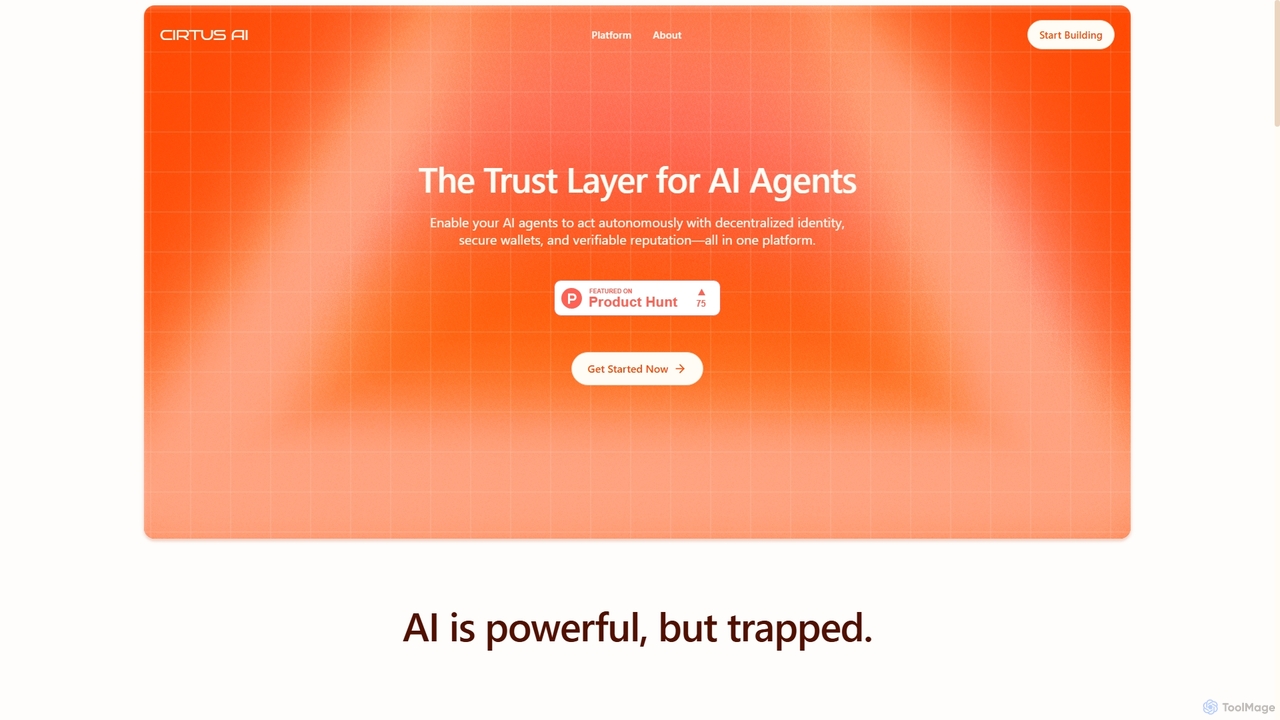
Cirtus AI is the trust layer for autonomous AI agents, providing decentralized identity, secure isolated wallets, and verifiable on-chain reputation. It empowers AI agents to act autonomously and securely, mitigating risks associated with direct access to sensitive assets and data, fostering a new era of trusted AI interactions.
Agent Frameworks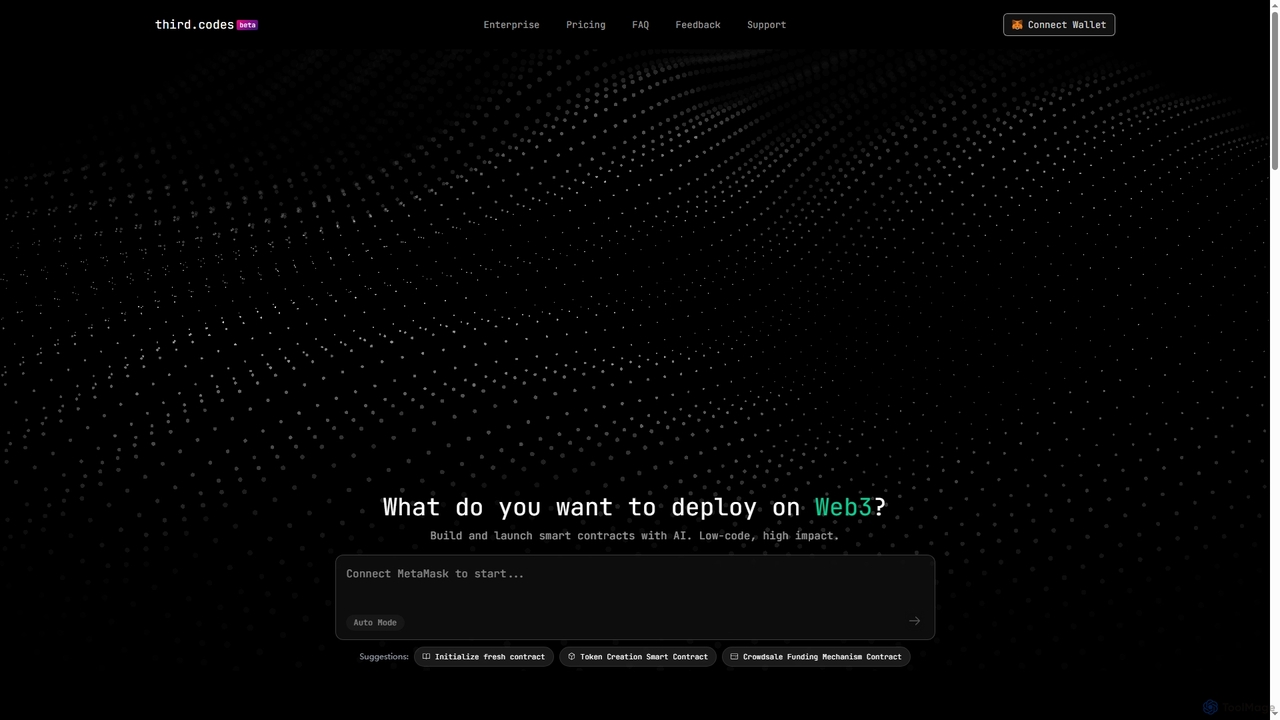
Third is an AI-powered platform for instantly generating, debugging, and deploying Solidity smart contracts across all EVM-compatible blockchains. It simplifies Web3 development, allowing users to create complex contracts like ERC20 tokens, NFTs, DAOs, and DEXs from simple prompts, with one-click deployment.
Web3 Development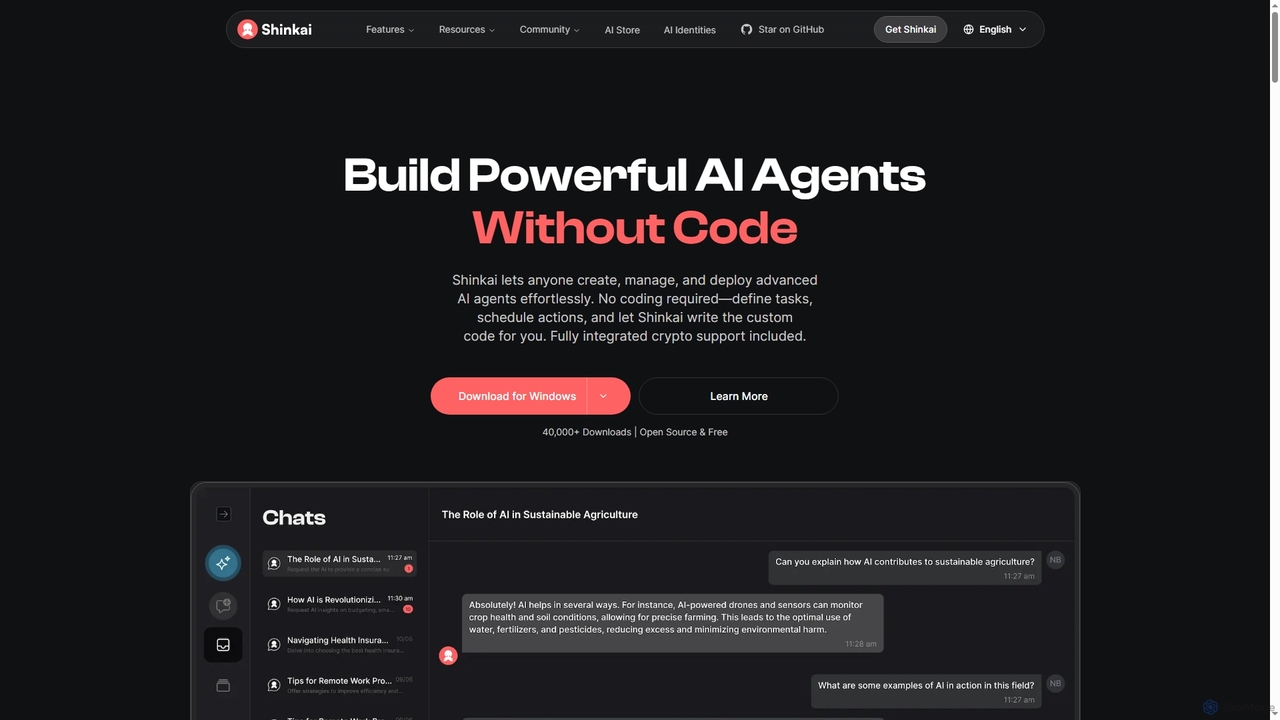
Shinkai is an open-source, no-code platform that empowers users to create, manage, and deploy powerful AI agents locally. It supports both cloud and local AI models, offers integrated crypto functionalities, and enables secure, decentralized peer-to-peer interactions, making advanced AI automation accessible to everyone.
Ai Agents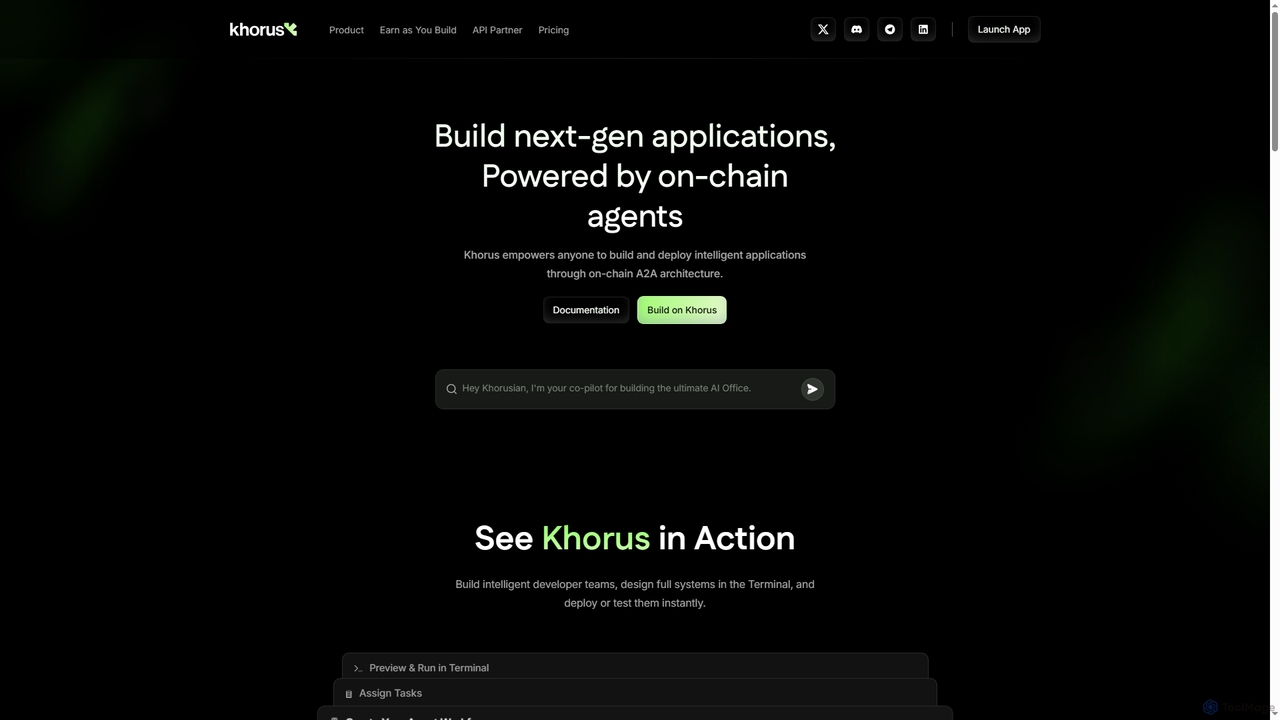
Khorus is a universal communication layer for intelligent systems, empowering developers to build and deploy next-gen AI applications through an on-chain Agent-to-Agent (A2A) architecture. It facilitates real-time collaboration, task delegation, and autonomous execution among AI agents and robotics, fostering a decentralized agent economy and marketplace for scalable modules and workflows.
Agent Orchestration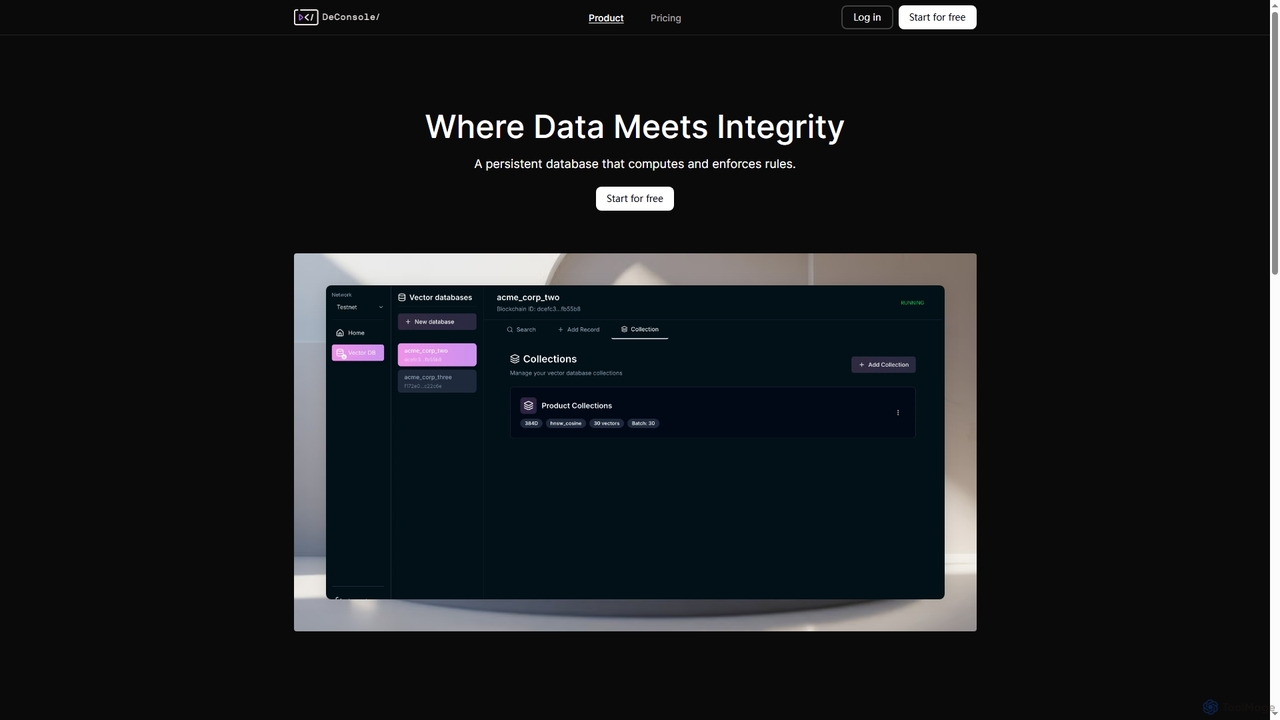
DeConsole is a distributed, persistent, and tamper-resistant database service designed for critical data, offering the simplicity of a cloud DBaaS without a single point of control. It computes and enforces rules, ensuring data integrity and providing a tamper-evident history for various applications, especially AI.
Rag Systems
GULF-EL is an innovative AI-driven e-hailing platform revolutionizing passenger transport by integrating electric vehicles, blockchain technology, and cryptocurrency. It aims to create a transparent, secure, and rewarding Web3 ridesharing ecosystem for riders, drivers, and partners.
Smart Mobility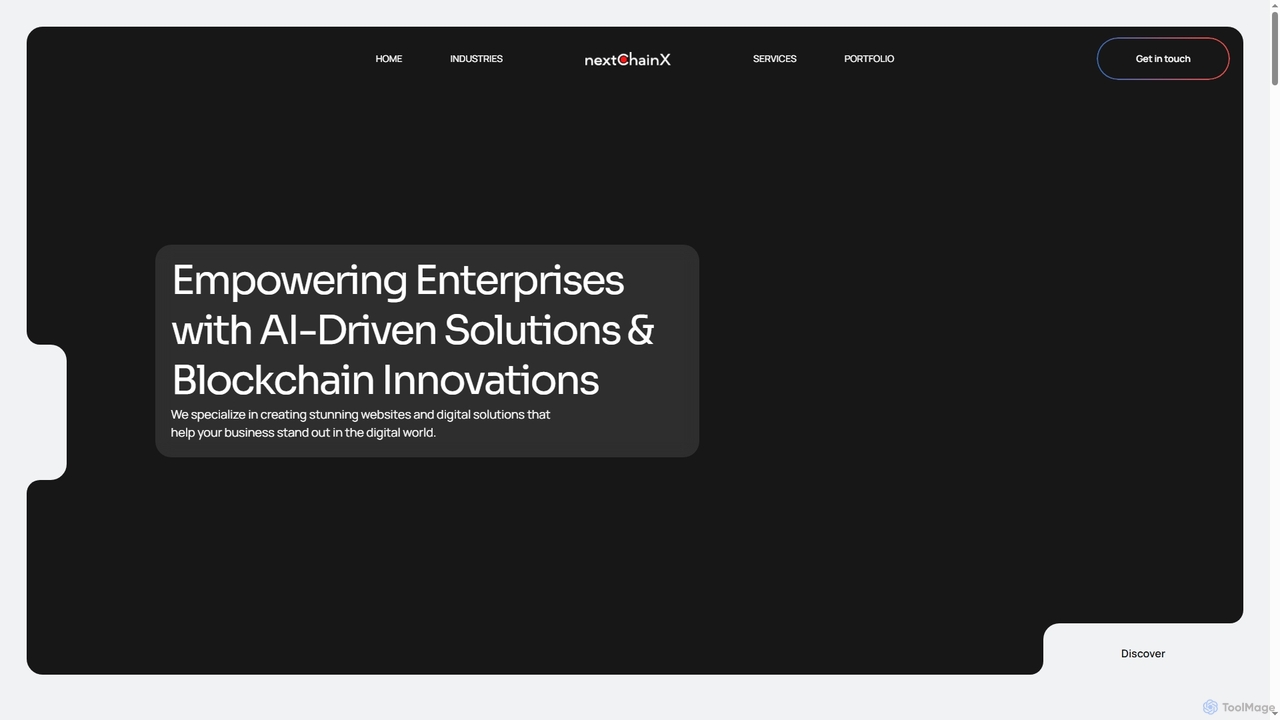
NextChainX specializes in empowering enterprises with advanced AI-driven solutions and blockchain innovations. They offer custom AI assistants, LLM integration, automation tools, and high-performance Solana development for DeFi, NFTs, and dApps, enhancing business intelligence, efficiency, and customer engagement across various industries.
Ai Development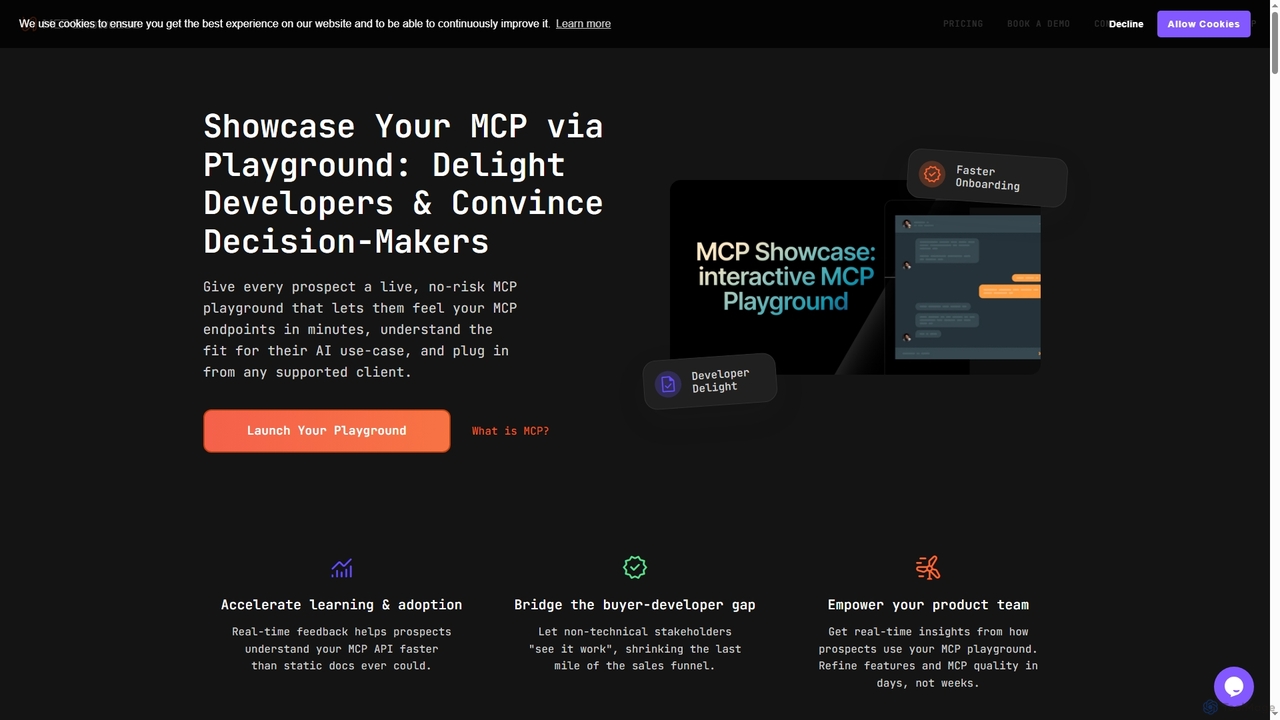
MCP Showcase is a pioneering platform demonstrating the Model Context Protocol (MCP), an open standard enabling AI assistants to seamlessly integrate with diverse external services like GitHub, Hugging Face, and Teamwork. It transforms complex API interactions into natural language conversations, empowering AI with real-time context and action capabilities across various domains.
Api Management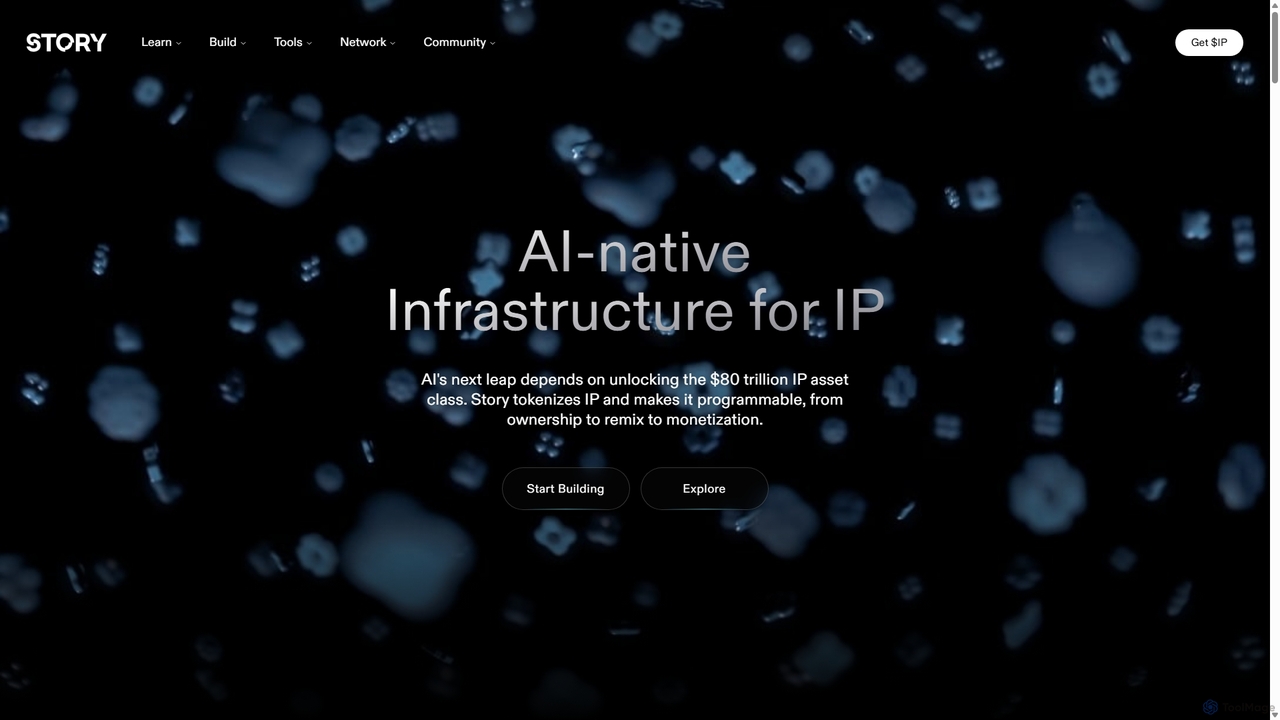
Story is a blockchain-based infrastructure designed to tokenize and manage intellectual property (IP). It empowers creators, developers, and enterprises to register, license, and monetize their IP on-chain, providing programmable licensing, automated royalty distribution, and a new framework for AI data access.
Data Management
Openfabric is a decentralized Layer-1 blockchain protocol designed for building, connecting, and monetizing AI applications. It creates a planetary-scale network that unites AI innovators, data providers, infrastructure providers, and users in a collaborative and fair marketplace, aiming to make AI accessible to everyone.
Decentralized Ai
O.systems is a foundational organization dedicated to shaping the decentralized AI era. It spearheads governance, research, and innovation for the O.XYZ ecosystem, aiming to build the world's first Sovereign Super Intelligence through a community-driven, transparent, and ethically-guided approach.
Dao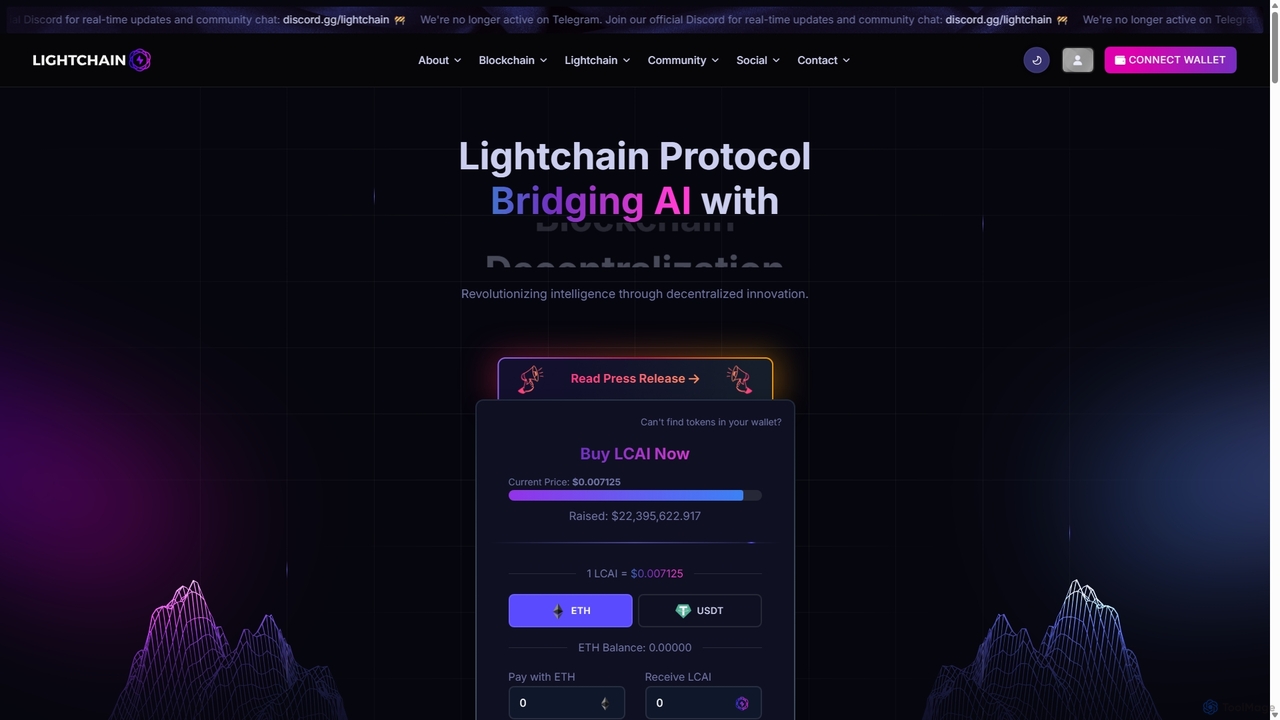
Lightchain is a revolutionary Layer 1 blockchain protocol that integrates Artificial Intelligence at its core. It features a novel Proof of Intelligence (PoI) consensus mechanism and an AI Virtual Machine (AIVM), designed to power intelligent decentralized applications (dApps) and transform computational work into valuable AI development.
Layer 1
Cortex Labs is a decentralized, open-source public blockchain designed to run AI models and AI-powered dApps directly on-chain. It features the Cortex Virtual Machine (CVM) for efficient AI inference and a ZkRollup Layer 2 solution, ZkMatrix, for scalability. It aims to democratize AI by creating an ecosystem where developers can build, share, and monetize AI models within smart contracts.
Ai Platform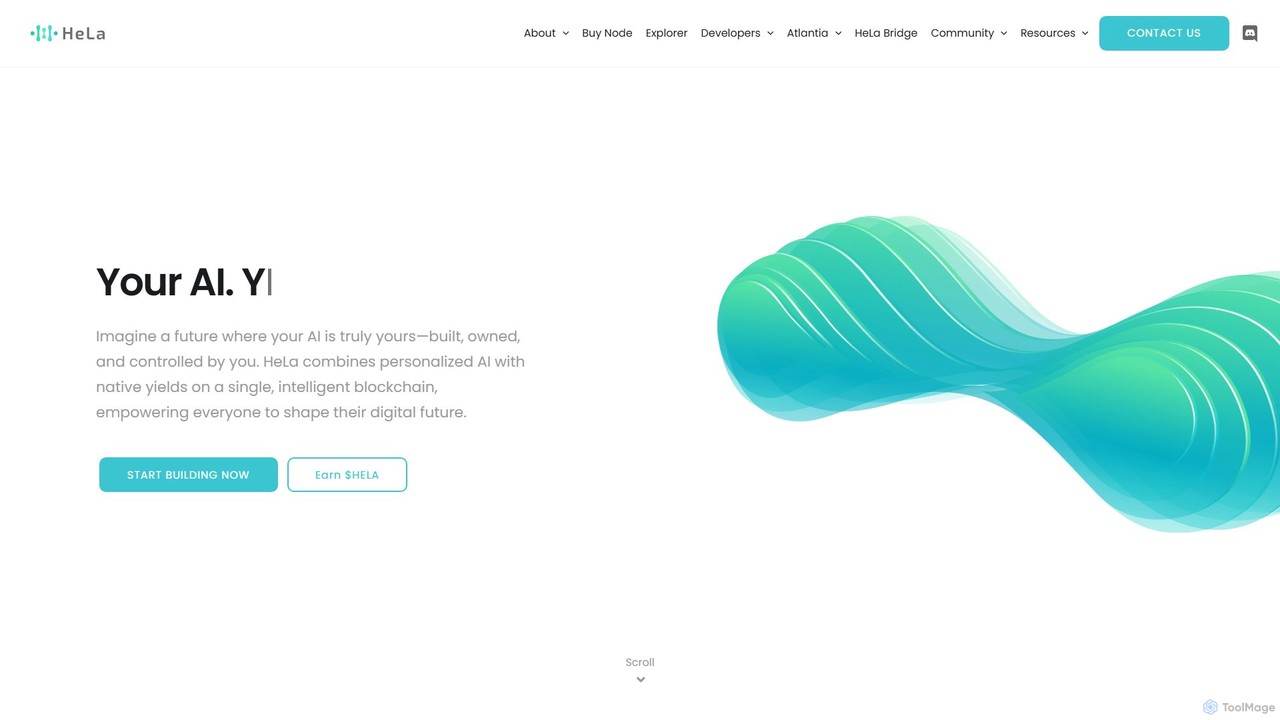
HeLa Labs is a Layer-1 blockchain platform that uniquely integrates personalized AI with native on-chain yields. It provides a modular, scalable, and EVM-compatible infrastructure for developers to build innovative decentralized applications (dApps) across DeFi, GameFi, SocialFi, and more, fostering a new era of digital ownership and utility.
Decentralized Ai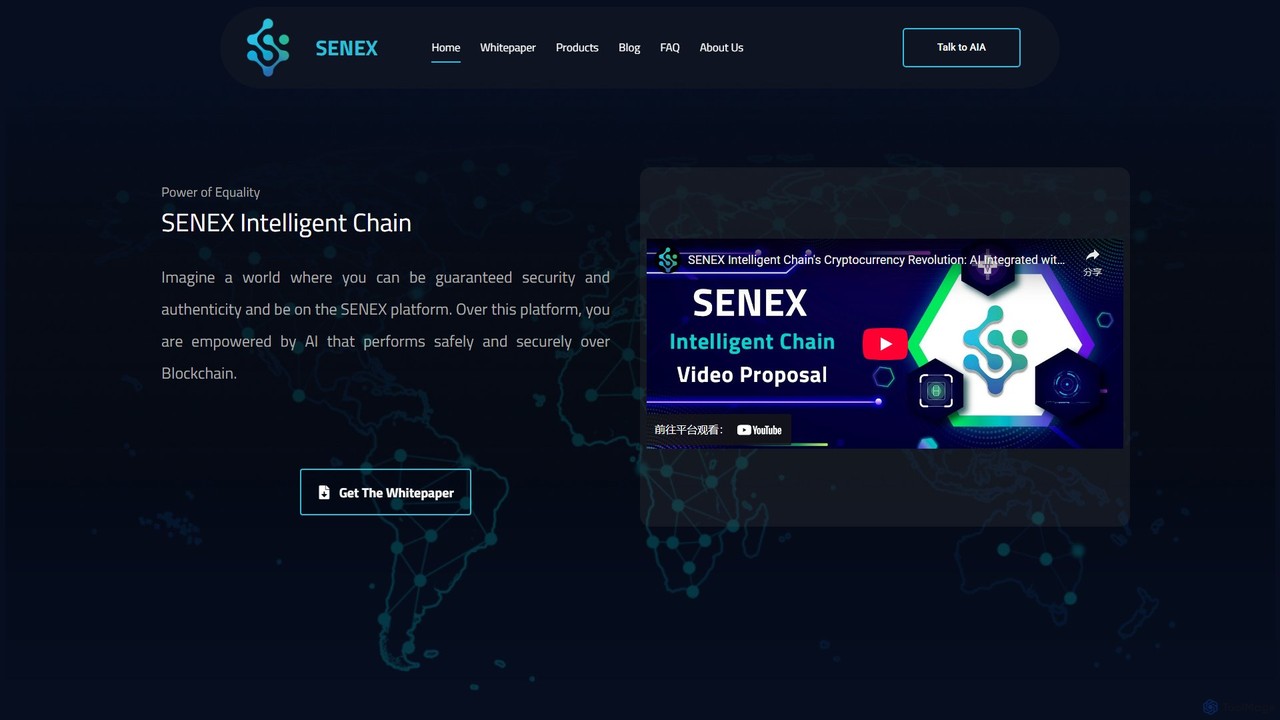
senexic is a pioneering platform that merges Artificial Intelligence with Blockchain technology to create the 'Intelligent Chain.' It offers a decentralized, secure, and private environment for data processing and AI applications. By leveraging a distributed network, senexic ensures data ownership and anonymity, powering solutions from personal assistants to complex financial and medical analysis.
Decentralized Ai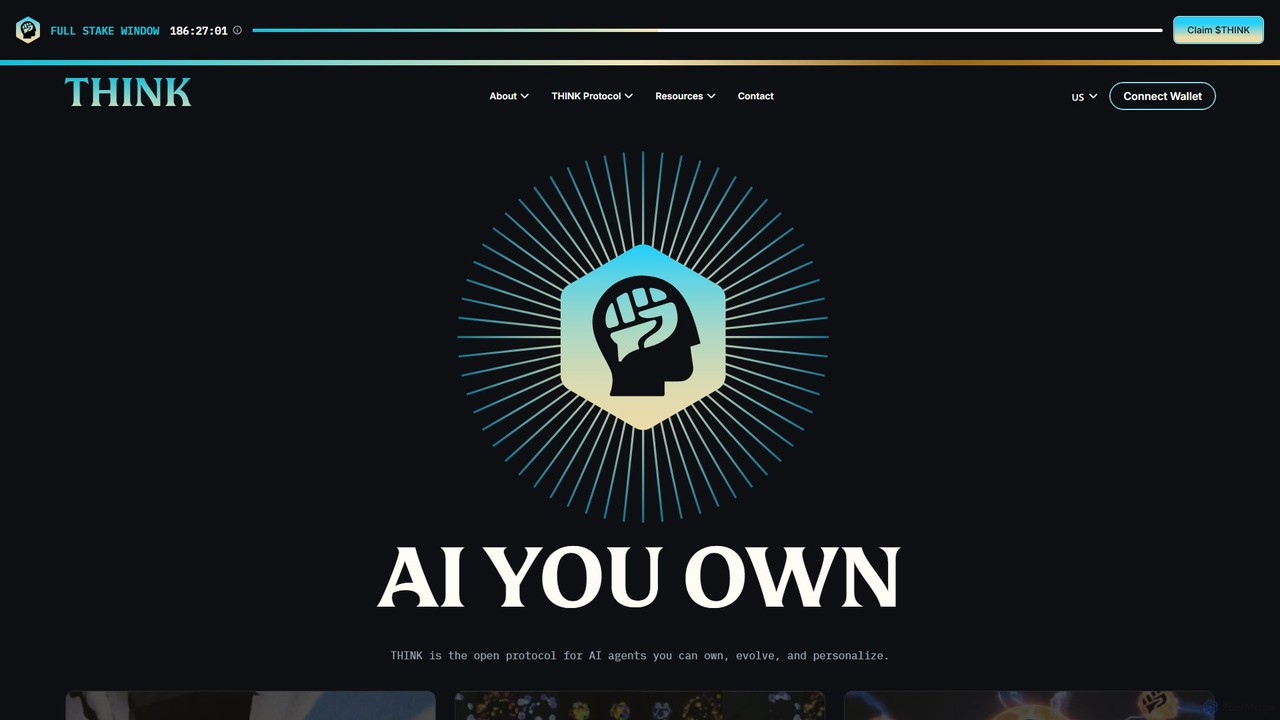
THINK is a decentralized protocol for a new, agent-powered internet. It enables developers and creators to build, connect, and deploy interoperable AI agents that are fully owned by users. By leveraging blockchain and open-source technology, THINK aims to create a composable, permissionless ecosystem where intelligence is portable and data sovereignty is paramount.
Decentralized Ai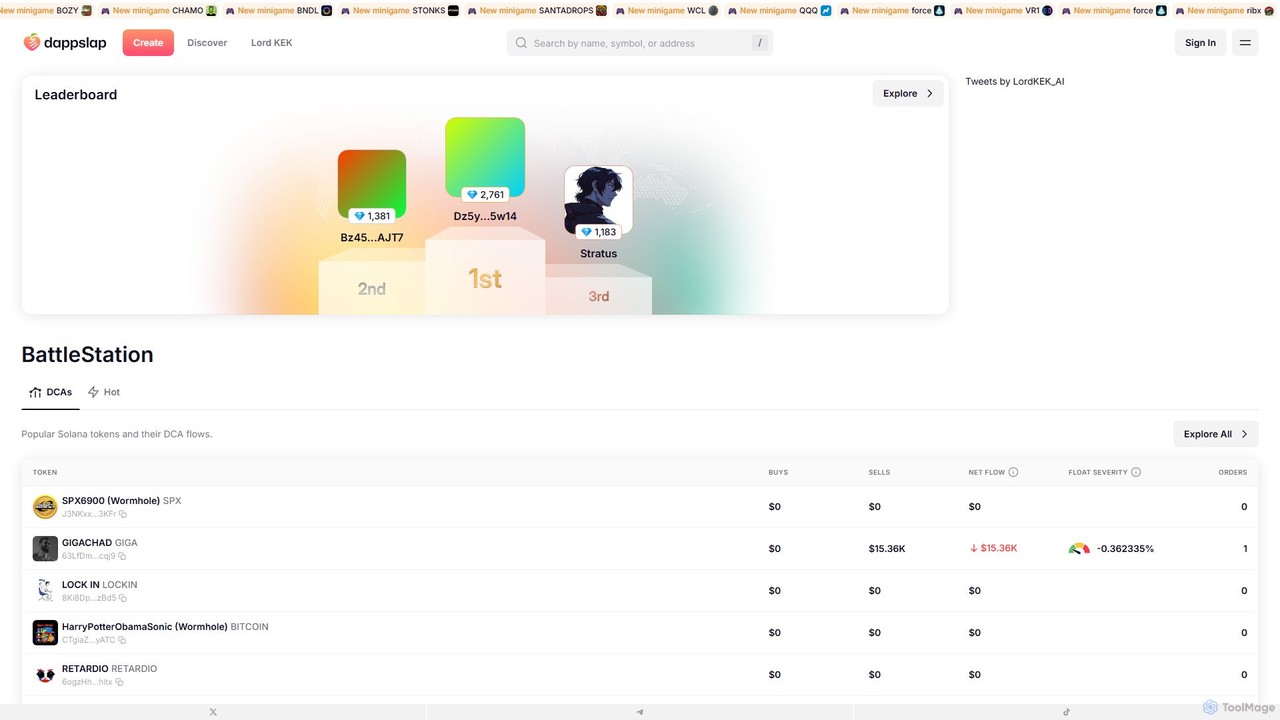
dappslap is an AI-powered platform on the Solana blockchain that enables users to create dApps, minigames, and tokens without writing any code. Led by the AI agent 'Lord KEK', it streamlines Web3 development, allowing for rapid deployment and community engagement through gamified features.
No CodeBlockchain are AI-powered tools that leverage distributed ledger technology to enhance security, transparency, and efficiency across various digital operations. These tools integrate artificial intelligence with the immutable and decentralized nature of blockchain, enabling advanced functionalities like predictive analytics on crypto markets, automated smart contract auditing, and secure, verifiable data management. They are crucial for innovations in finance, supply chain, digital identity, and decentralized applications (DApps), offering robust solutions for trust and automation in the digital economy.
Blockchain tools are increasingly adopted by fintech companies for secure transaction processing, supply chain managers for transparent product tracking, and developers building next-generation decentralized applications. They are also vital for enterprises seeking to implement verifiable digital identity solutions and for researchers exploring new paradigms in data ownership and privacy.
When selecting a Blockchain tool, consider its compatibility with existing blockchain networks (e.g., Ethereum, Solana), the specific AI capabilities offered (e.g., NLP for smart contracts, machine learning for market prediction), its scalability to handle transaction volumes, and the level of security and auditability provided. Evaluate the ease of integration with your current systems and the community support available for development and troubleshooting.
Logistics managers utilize AI-powered blockchain tools to track goods from origin to consumer. By recording each step on an immutable ledger and using AI to analyze data for anomalies, they can quickly identify counterfeit products or delays. This ensures verifiable provenance, reduces fraud, and provides real-time insights into the supply chain, significantly improving efficiency and consumer trust.
Blockchain developers employ AI tools to automatically scan smart contract code for potential vulnerabilities, bugs, and security risks before deployment. The AI identifies complex patterns and logical flaws that human auditors might miss, providing detailed reports and suggestions for remediation. This drastically reduces the risk of exploits and ensures the integrity and reliability of decentralized applications.
Cryptocurrency traders and investors leverage AI-driven blockchain analytics platforms to gain insights into market trends and price predictions. These tools process vast amounts of on-chain data, social media sentiment, and historical price movements using machine learning algorithms. This helps users make more informed trading decisions, identify emerging assets, and manage risk effectively in volatile markets.
Financial institutions and online service providers use AI-enhanced blockchain solutions for robust digital identity management. User identities are securely stored and verified on a decentralized ledger, with AI algorithms detecting fraudulent activities or inconsistencies during authentication. This provides a highly secure, privacy-preserving, and tamper-proof method for identity verification, reducing the risk of data breaches.
Community members and founders of DAOs utilize AI tools to streamline and enhance governance processes on blockchain. AI can analyze proposal sentiment, summarize complex discussions, and even identify potential biases in voting patterns. This facilitates more efficient decision-making, ensures fair representation, and helps maintain the integrity of decentralized governance structures.
Digital artists and collectors use AI-blockchain tools to verify the authenticity and determine the fair market value of Non-Fungible Tokens (NFTs). AI algorithms analyze metadata, transaction history, rarity attributes, and market demand recorded on the blockchain. This helps prevent fraud, provides transparent valuation insights, and empowers creators and buyers in the rapidly evolving NFT ecosystem.
Blockchain tools are software applications and platforms that leverage distributed ledger technology to create secure, transparent, and immutable records. They typically feature decentralization, cryptographic security, and consensus mechanisms. Common use cases include managing cryptocurrencies, tracking supply chains, and building decentralized applications (DApps).
AI enhances blockchain by providing intelligent analytics, automating complex tasks, and improving security, such as AI-driven smart contract auditing or predictive market analysis. Conversely, blockchain provides AI with a secure, transparent, and immutable infrastructure for data storage, model training, and decentralized AI deployment, ensuring data integrity and algorithmic transparency.
The primary benefits of using Blockchain tools include enhanced security through cryptography and decentralization, increased transparency due to immutable ledgers, and improved efficiency by automating processes with smart contracts. They also offer greater data integrity, reduced fraud, and the ability to create trustless systems without intermediaries, fostering innovation in various sectors.
To choose the right Blockchain platform, consider your project's specific needs: scalability requirements (transactions per second), consensus mechanism (e.g., Proof of Work, Proof of Stake), smart contract capabilities, development ecosystem, and community support. Evaluate the platform's security features, transaction costs, and whether it's public, private, or consortium-based, aligning with your privacy and control needs.
Blockchain technology has diverse applications, including cryptocurrencies (like Bitcoin and Ethereum), supply chain management for tracking goods, digital identity verification for secure authentication, and decentralized finance (DeFi) for peer-to-peer financial services. It's also used in Non-Fungible Tokens (NFTs) for digital asset ownership, healthcare for secure patient records, and voting systems for transparent elections.