ToolMage
Sign in

Best 89 Talent Management AI tools for Business

Popular Talent Management AI tools in Business include Lever, micro1, Wellfound, Kalibrr, Hirevue, Kula, Braintrust, PyjamaHR, TalentRecruit, and Ribbon, helping you work more efficiently.

Panna
Paid

Panna

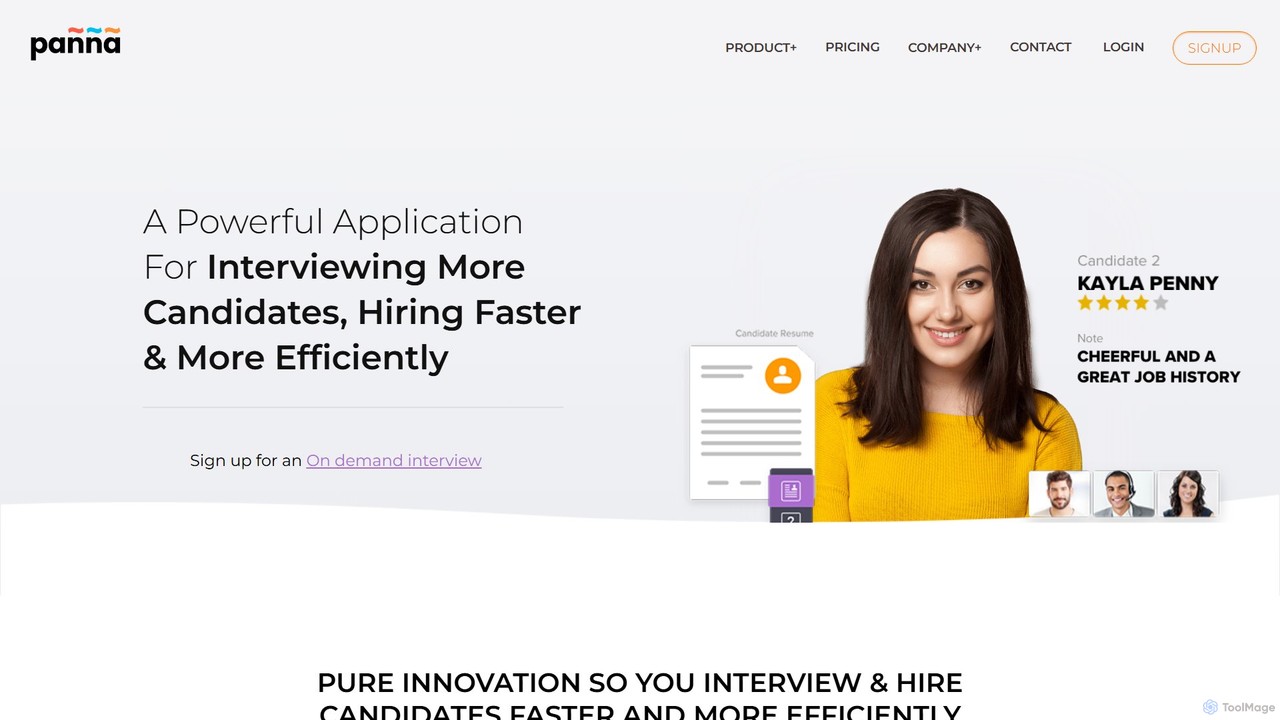
Panna is an AI-powered video interviewing platform designed to streamline the recruitment process. It helps recruiters screen more candidates, identify top talent, and reduce time-to-hire through live and on-demand interviews, AI-driven scoring, and authenticity checks.

Talent Management
Visits 16.2KFavorites 128Likes 121
peppypick

peppypick

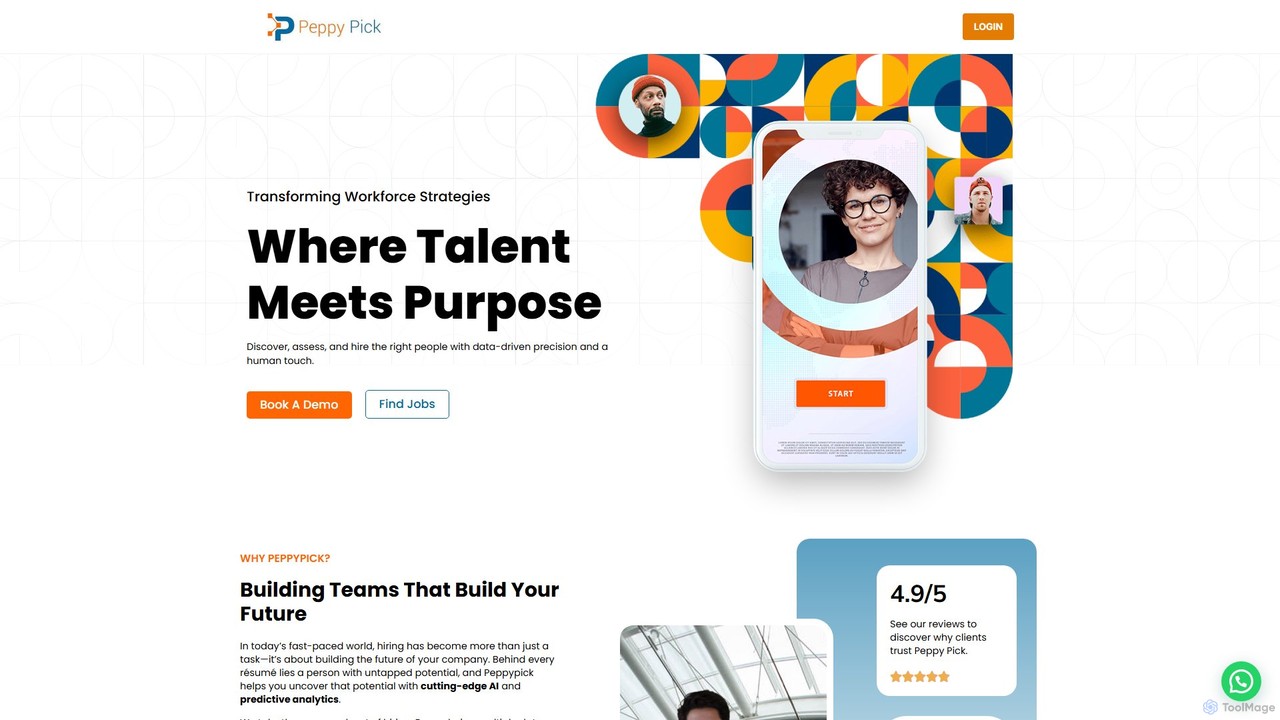
Peppy Pick is an AI-powered "Interview as a Service" platform designed to streamline the entire hiring process. It leverages predictive analytics and LLMs for video and resume analysis, provides instant candidate scorecards, and offers end-to-end interview management to help companies hire the right talent faster, reduce bias, and build high-performing, culturally-aligned teams.

Talent Management
Visits 6KFavorites 119Likes 120
Intrvuz
Paid

Intrvuz

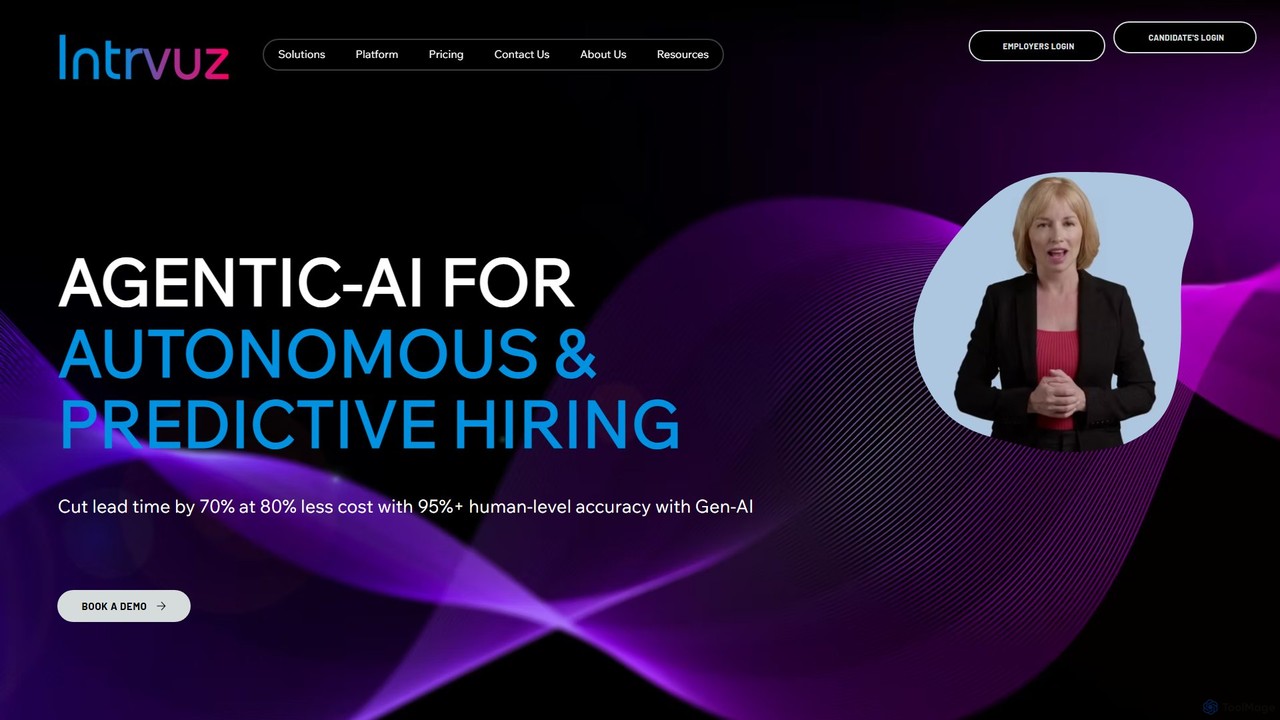
Intrvuz is an agentic-AI platform for autonomous hiring, using a virtual AI interviewer to streamline recruitment. It automates CV screening, conducts bot interviews in 57 languages, and provides psychometric assessments to reduce hiring time by 70% and costs by 80%.

Talent Management
Visits 7.2KFavorites 148Likes 141
Zeko AI
Freemium

Zeko AI

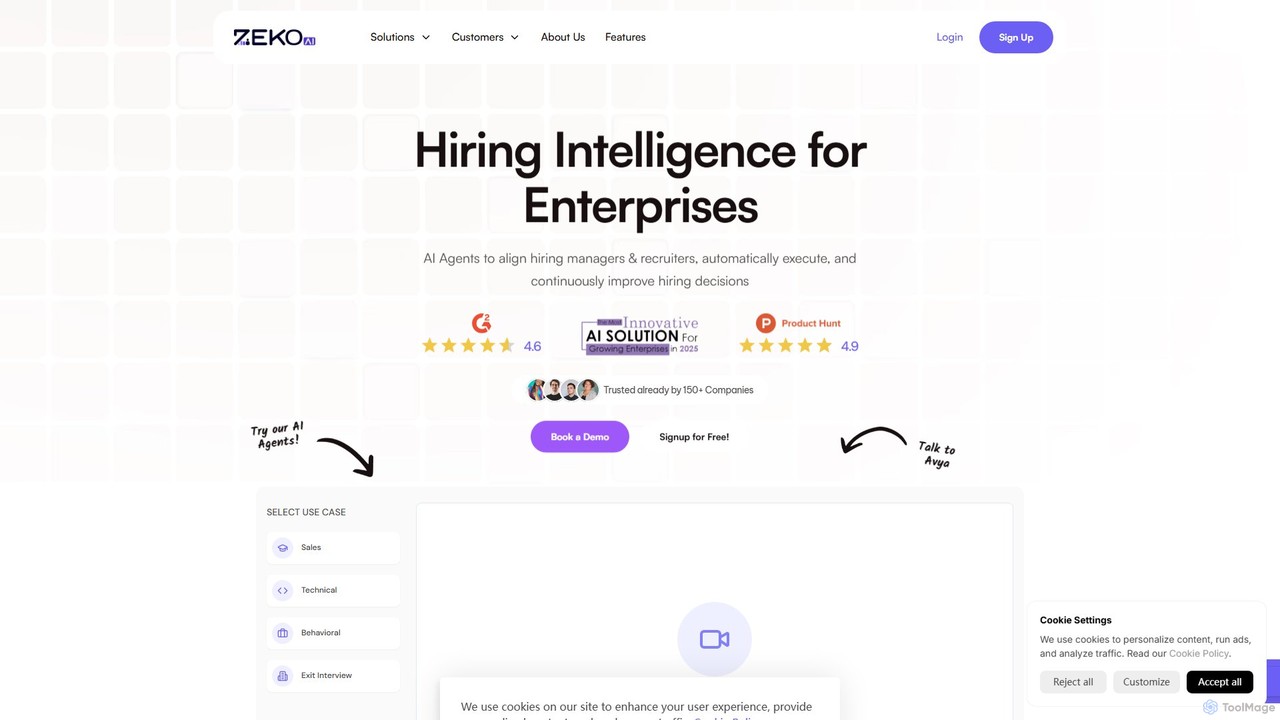
Zeko AI is an enterprise-grade hiring intelligence platform that uses AI agents to automate and optimize the entire recruitment lifecycle. It aligns hiring managers and recruiters, automates tasks like screening and interviews, and provides data-driven insights to ensure smarter, faster, and more precise hiring decisions.

Talent Management
Visits 28.9KFavorites 138Likes 108
SortResume
Freemium

SortResume

SortResume is a leading AI hiring assistant powered by ChatGPT, designed to automate resume screening and scoring. It helps recruiters and businesses transform their hiring process, reducing review time from hours to minutes, eliminating bias, and quickly identifying top candidates from a large pool of applicants.

Talent Management
Visits 7.8KFavorites 133Likes 130
elastyc
Freemium

elastyc

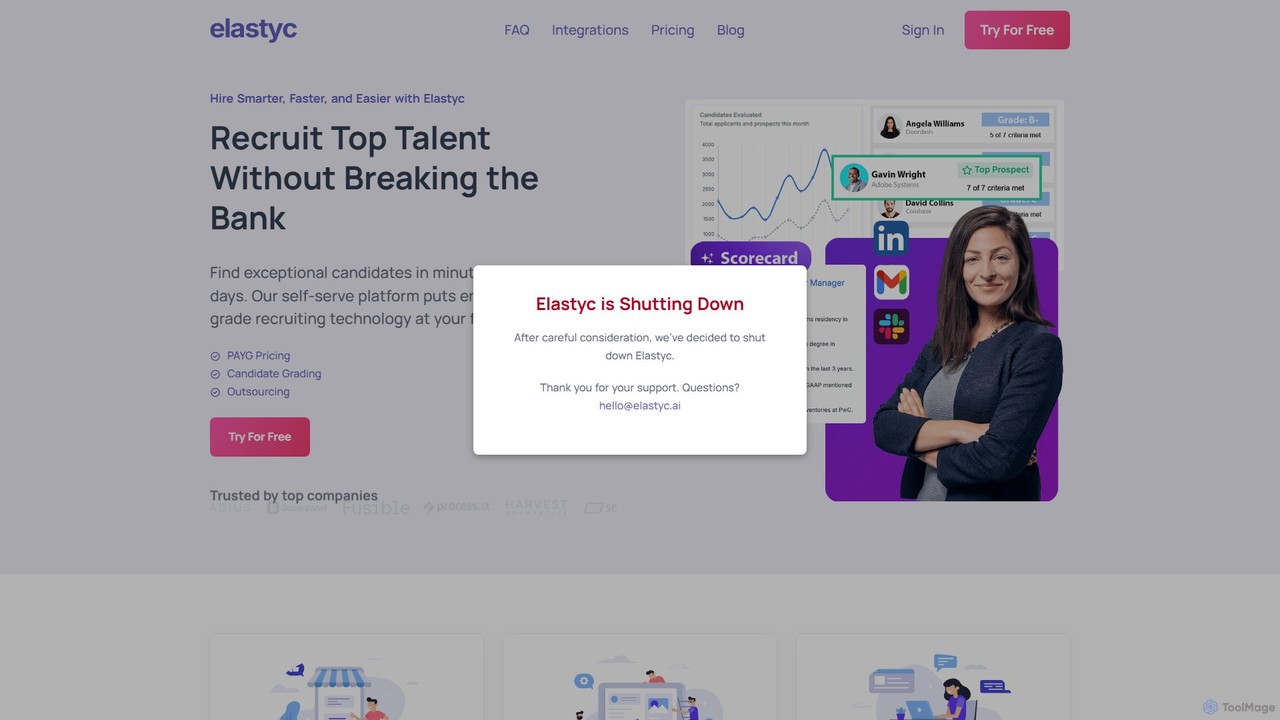
Elastyc is an AI-powered recruiting platform designed to make hiring smarter, faster, and more cost-effective. It offers enterprise-grade tools like automated applicant grading, candidate sourcing, and seamless ATS integration. With a flexible pay-as-you-go model, it's ideal for small businesses, talent teams, and staffing agencies looking to streamline their recruitment process and find top talent without expensive subscriptions.

Talent Management
Visits 6KFavorites 133Likes 150
Braintrust
Paid

Braintrust

Braintrust is an AI-powered recruiting platform that transforms hiring with its AIR (AI-Interviewer & Rater) tool. It automates candidate screening through conversational video interviews, providing detailed, unbiased scorecards to help companies identify and hire top talent faster, reduce costs, and eliminate bias from the process.

Talent Management
Visits 407.8KFavorites 119Likes 125
Celential.ai
Freemium

Celential.ai

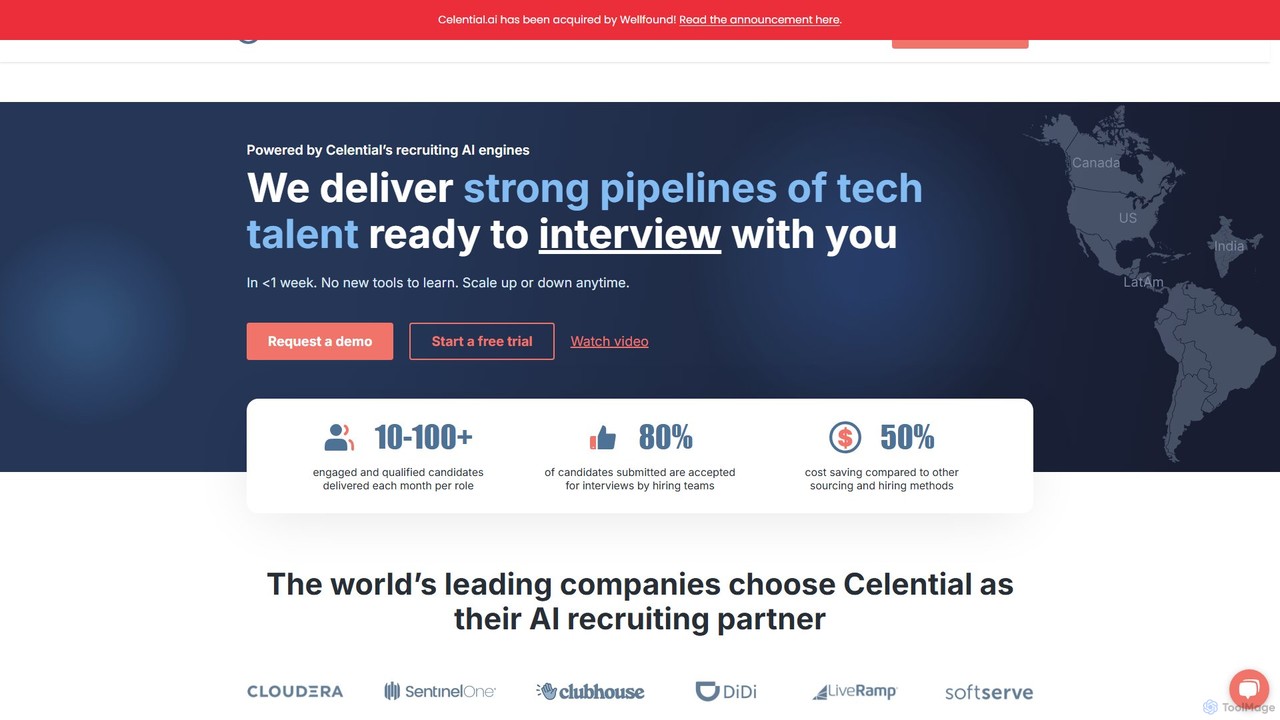
Celential.ai is an AI-powered recruiting platform that automates the sourcing and engagement of top-tier, passive candidates for technical and sales roles. It delivers a pipeline of qualified, interview-ready talent in under a week, significantly reducing hiring time and costs while improving candidate quality and diversity.

Talent Management
Visits 8.7KFavorites 120Likes 131
Pitch N Hire
Paid

Pitch N Hire

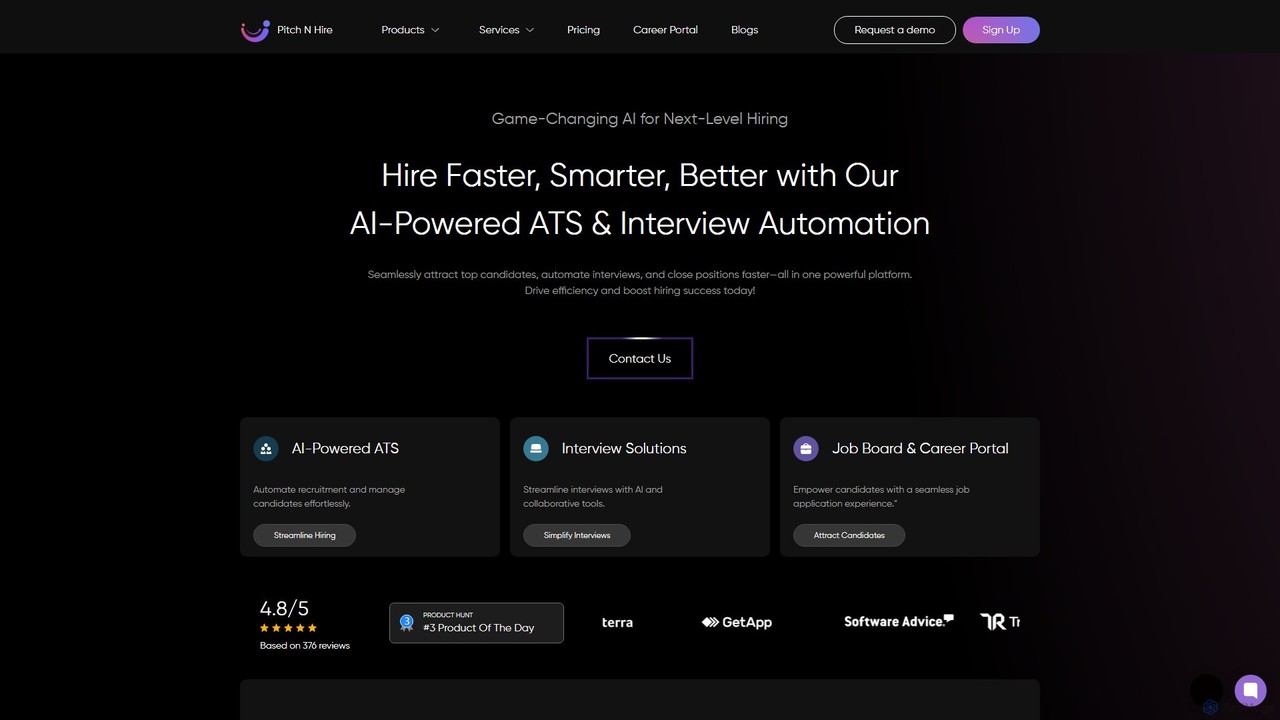
Pitch N Hire is an all-in-one, AI-powered hiring platform designed to streamline the entire recruitment process. It combines an Applicant Tracking System (ATS) with advanced interview and assessment automation, enabling businesses to attract, assess, and hire top talent faster and more efficiently. The platform uses AI to reduce bias, automate screening, and provide data-driven insights for smarter hiring decisions.

Talent Management
Visits 100.9KFavorites 175Likes 160
elevatus
Paid

elevatus

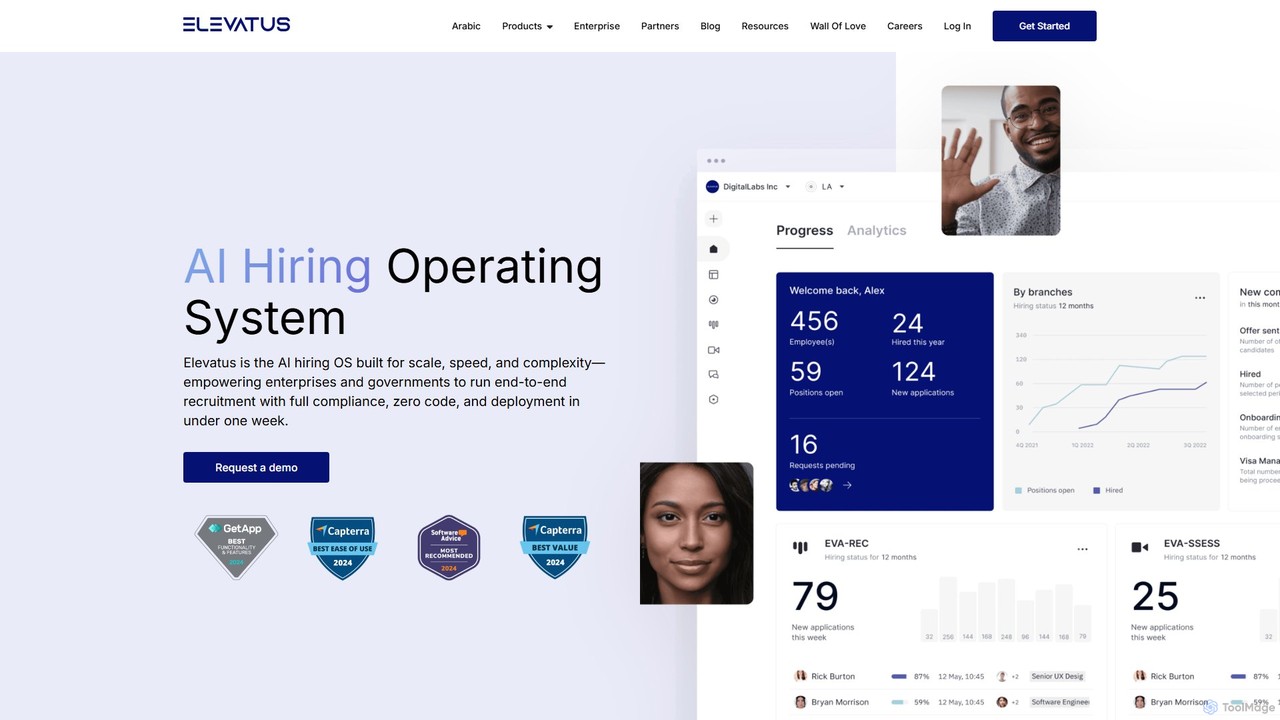
Elevatus is an award-winning AI Hiring Operating System designed for enterprises and governments. It automates the end-to-end recruitment process, from sourcing and video assessments to onboarding, using a scalable, no-code platform. It aims to enhance hiring speed, efficiency, and compliance while promoting diversity.

Talent Management
Visits 126.9KFavorites 141Likes 140
ProMatch
Freemium

ProMatch

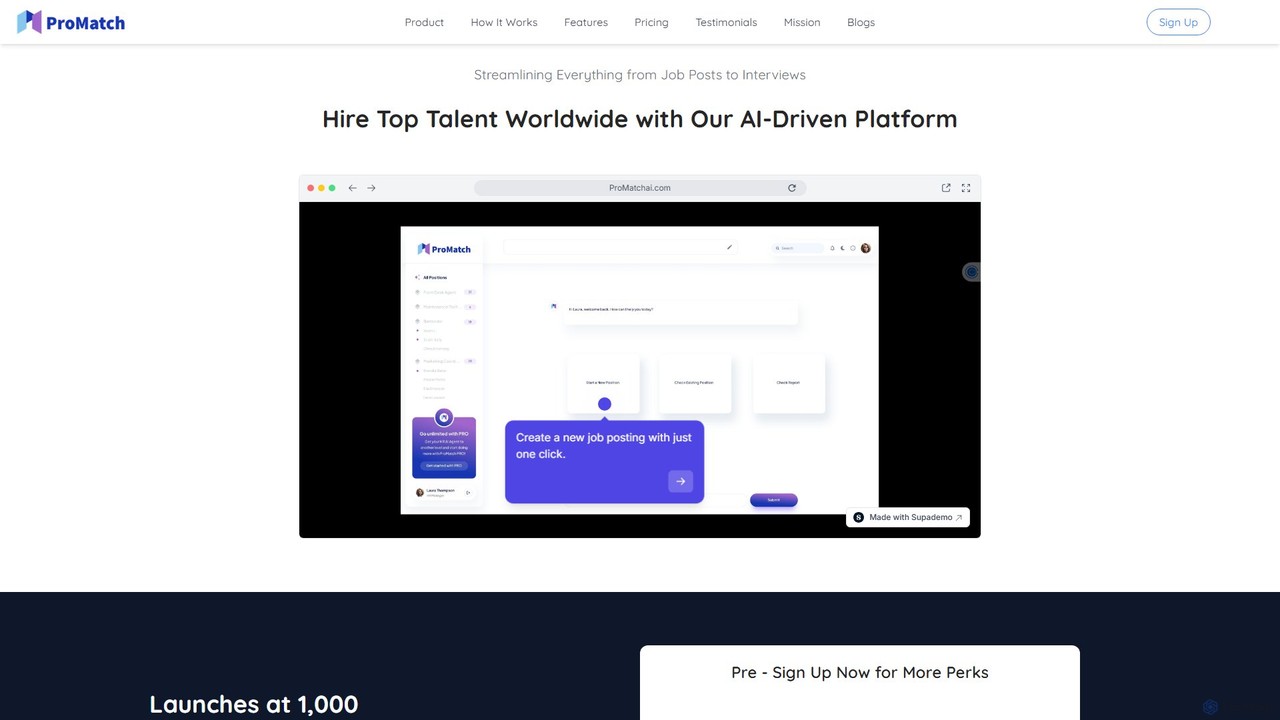
ProMatch is an AI-driven talent sourcing and hiring platform designed to streamline the entire recruitment process. From automatically generating compelling job posts and integrating with major hiring platforms to ranking candidates with AI and conducting automated interviews, ProMatch helps companies save time, reduce costs, and hire top talent globally. Its intuitive chat-based interface simplifies recruitment, making it accessible even for users without technical expertise.

Talent Management
Visits 6KFavorites 119Likes 113
Apriora
Paid

Apriora

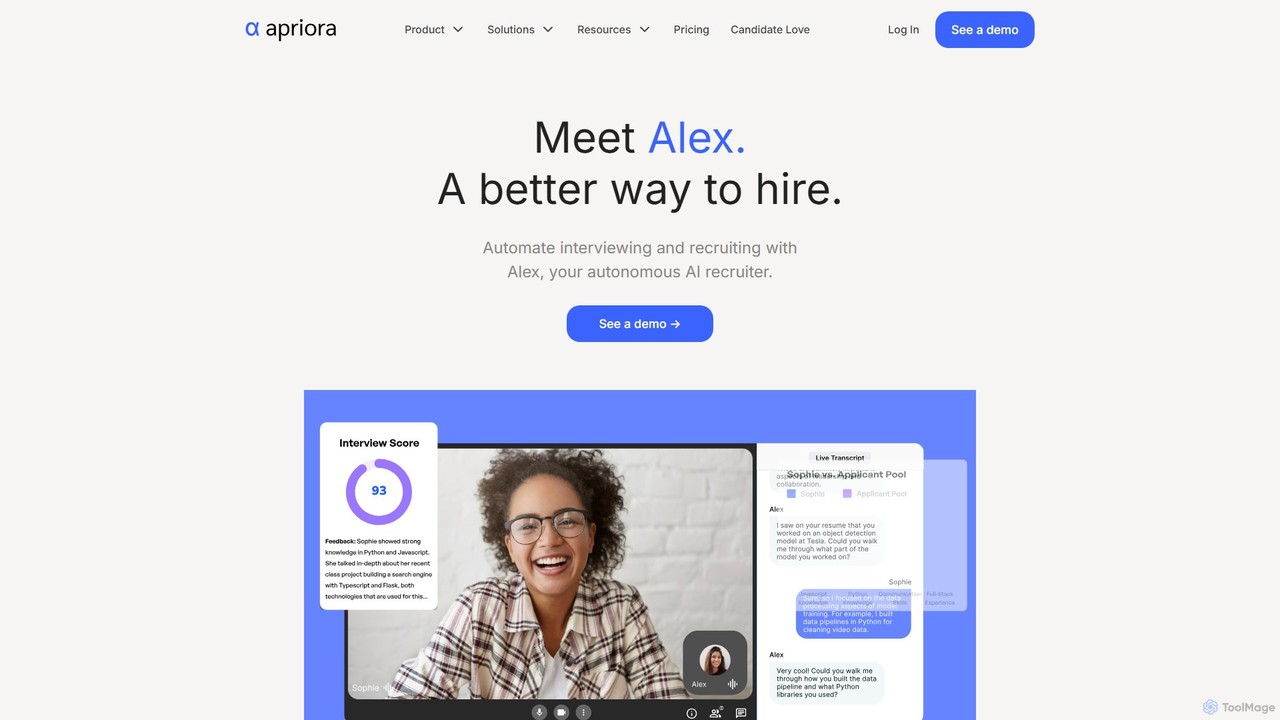
Apriora is an AI-powered recruiting platform featuring 'Alex,' an autonomous AI recruiter. It automates candidate screening through live, two-way phone and video interviews, available 24/7. Apriora streamlines top-of-funnel hiring, increases recruiter productivity, and provides in-depth, data-driven insights to help companies hire higher-quality candidates faster.

Talent Management
Visits 6KFavorites 134Likes 141
PyjamaHR
Freemium

PyjamaHR

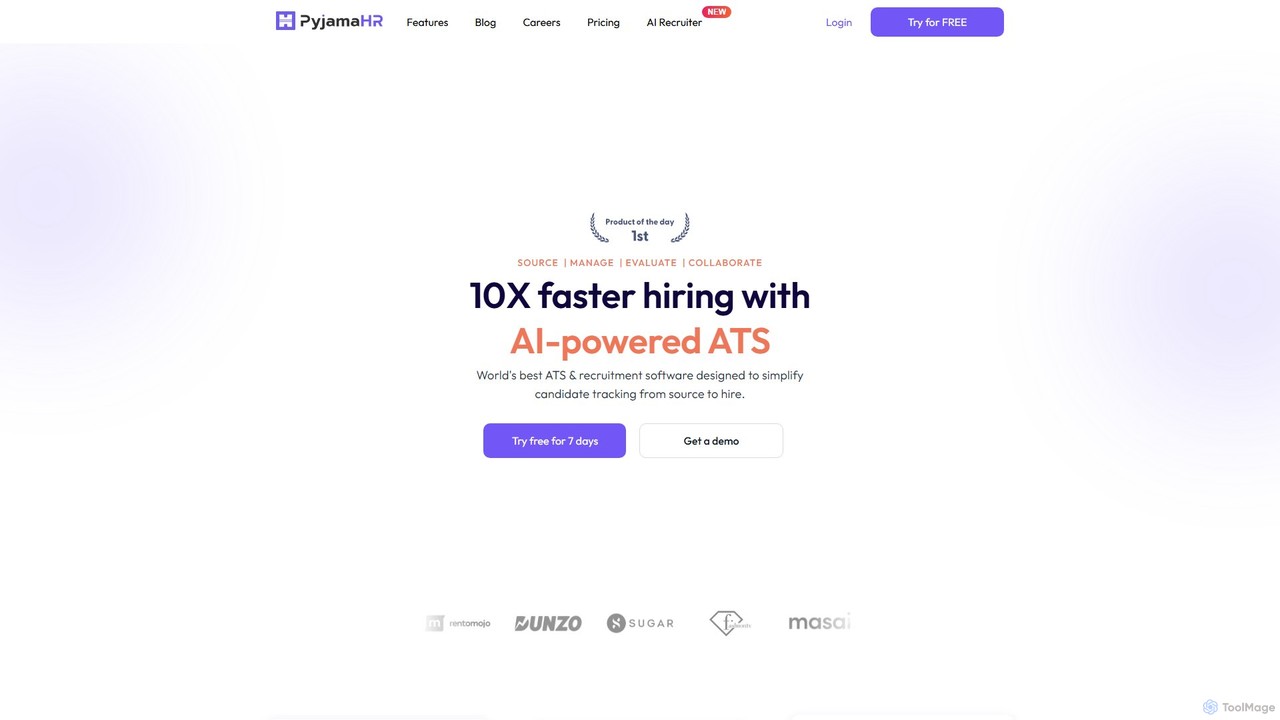
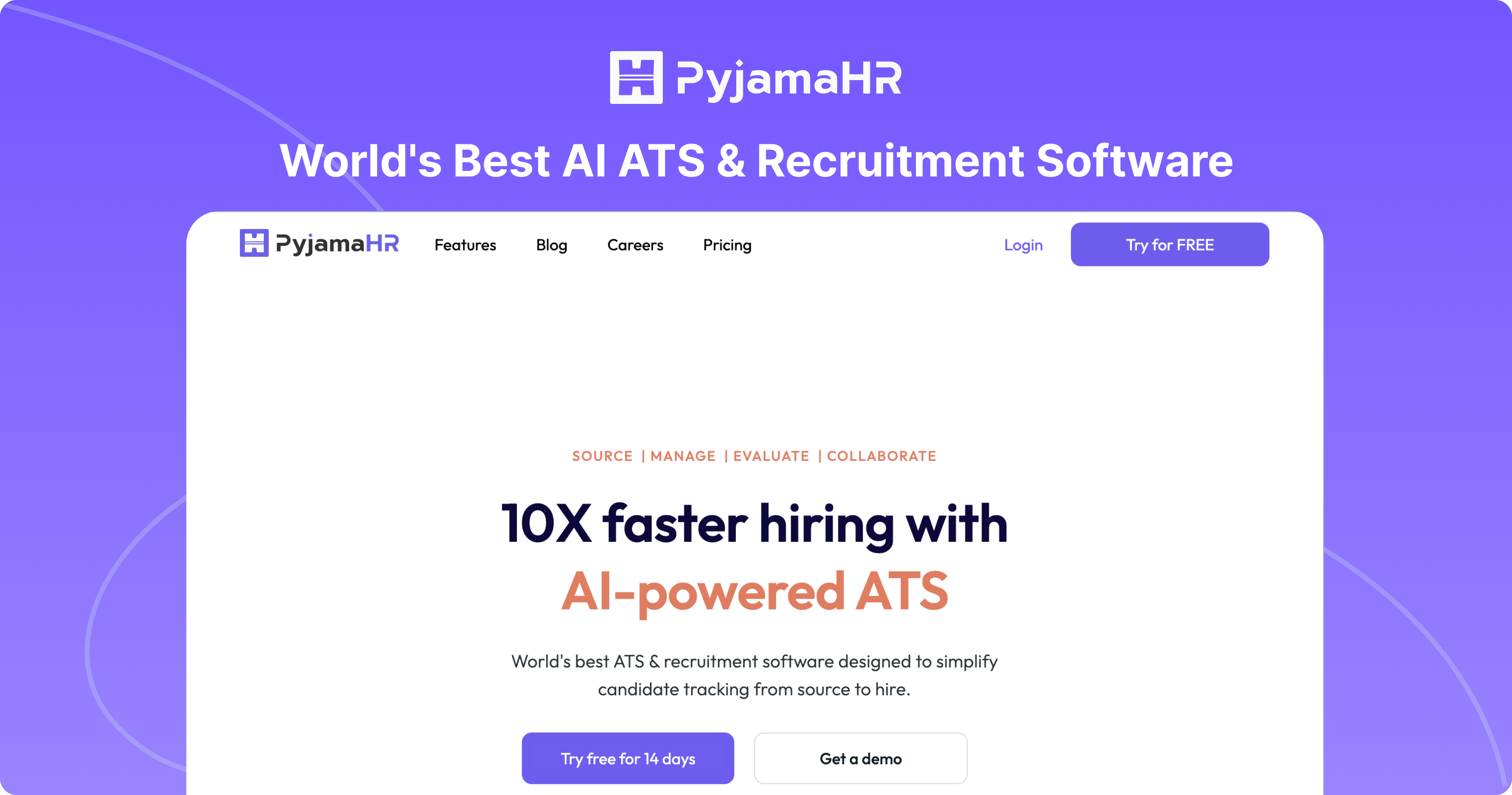
PyjamaHR is an AI-powered Applicant Tracking System (ATS) and recruitment software designed to accelerate hiring by 10x. It streamlines the entire process from sourcing to hiring with features like an AI Recruiter for automated interviews, comprehensive candidate management, skill assessments, and seamless collaboration tools. Trusted by over 4,700 businesses, it offers a scalable, secure, and integrated solution for companies of all sizes.

Talent Management
Visits 356.7KFavorites 171Likes 158
VanillaHR
Freemium

VanillaHR

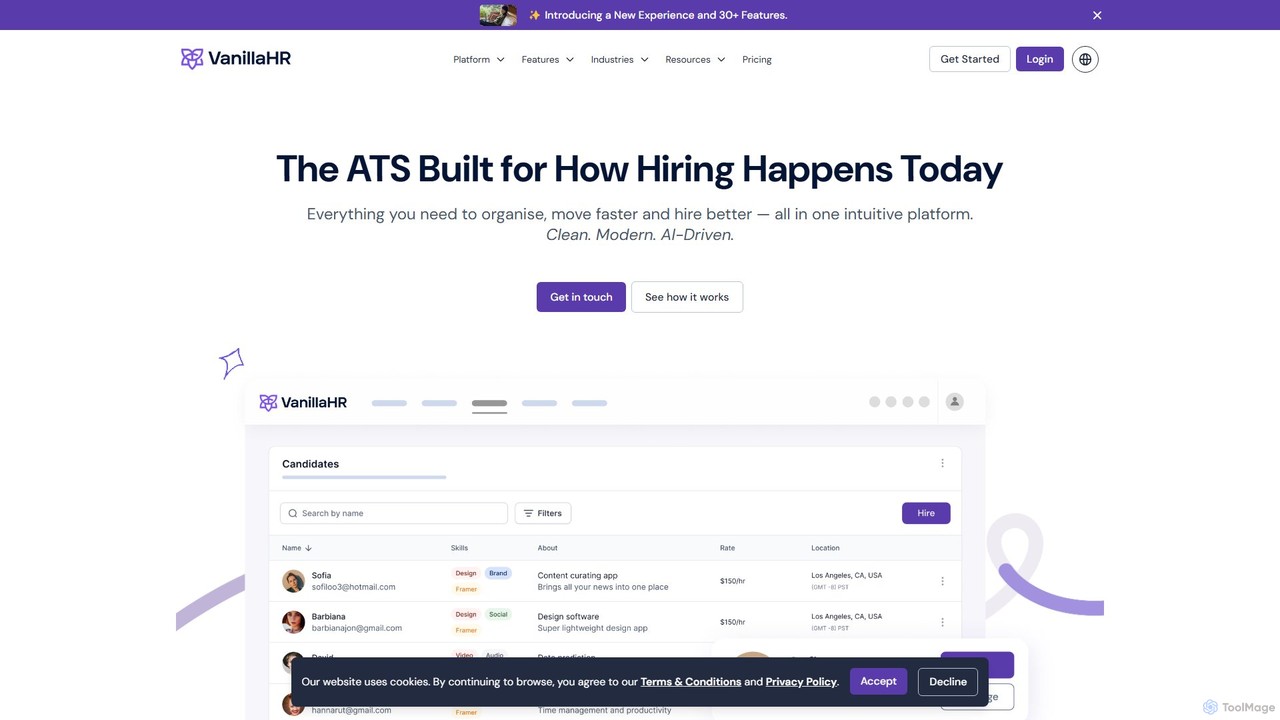
VanillaHR is an AI-powered recruiting and HR software featuring a next-generation Applicant Tracking System (ATS). It's designed to streamline the entire hiring process, from automated job posting and AI-driven resume screening to building custom career pages and managing candidate pipelines. The platform helps businesses of all sizes organize, move faster, and hire better talent by automating repetitive tasks and providing data-driven insights.

Talent Management
Visits 7.3KFavorites 131Likes 149
Wayfaster
Paid

Wayfaster

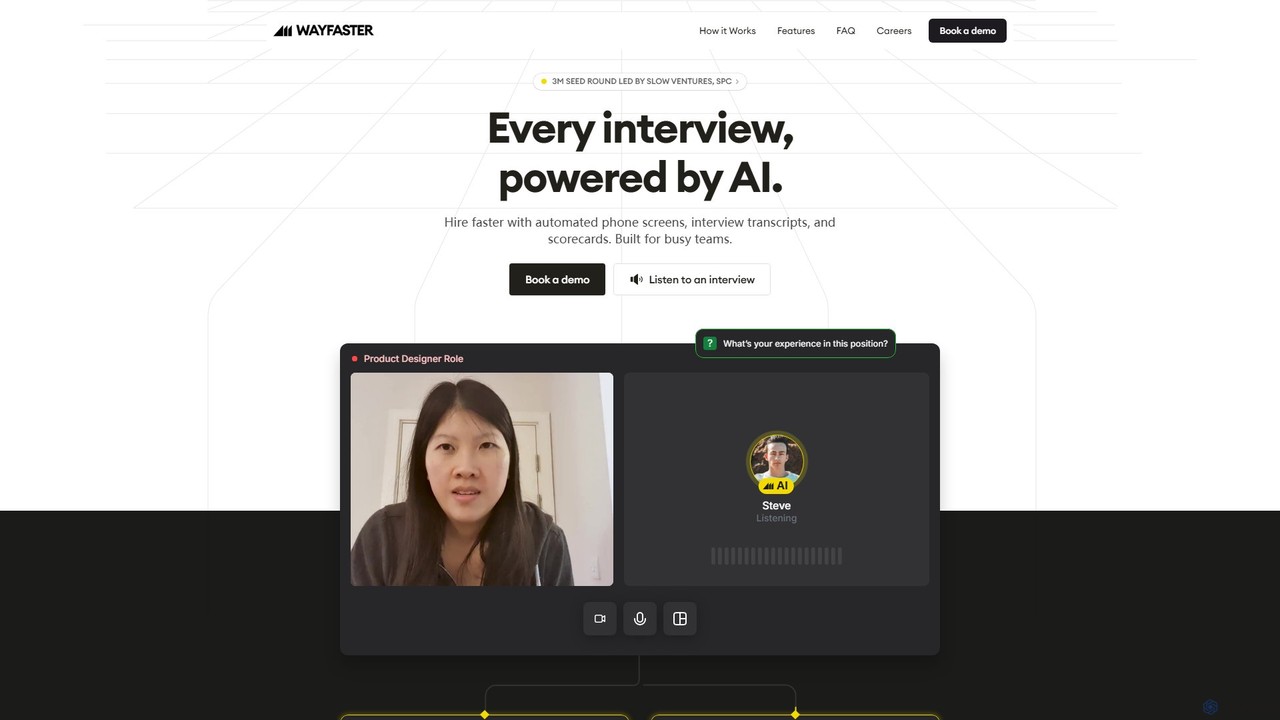
Wayfaster is an AI-powered hiring platform that automates initial candidate screening. It conducts AI-driven phone interviews, generates transcripts, and provides detailed scorecards to help recruiters identify top talent faster. By leveraging AI to ask role-specific questions and analyze responses, Wayfaster saves significant time and resources for busy hiring teams, ensuring a fair, standardized, and efficient evaluation of all applicants.

Talent Management
Visits 6KFavorites 151Likes 144
JobxRecruiter
Freemium

JobxRecruiter

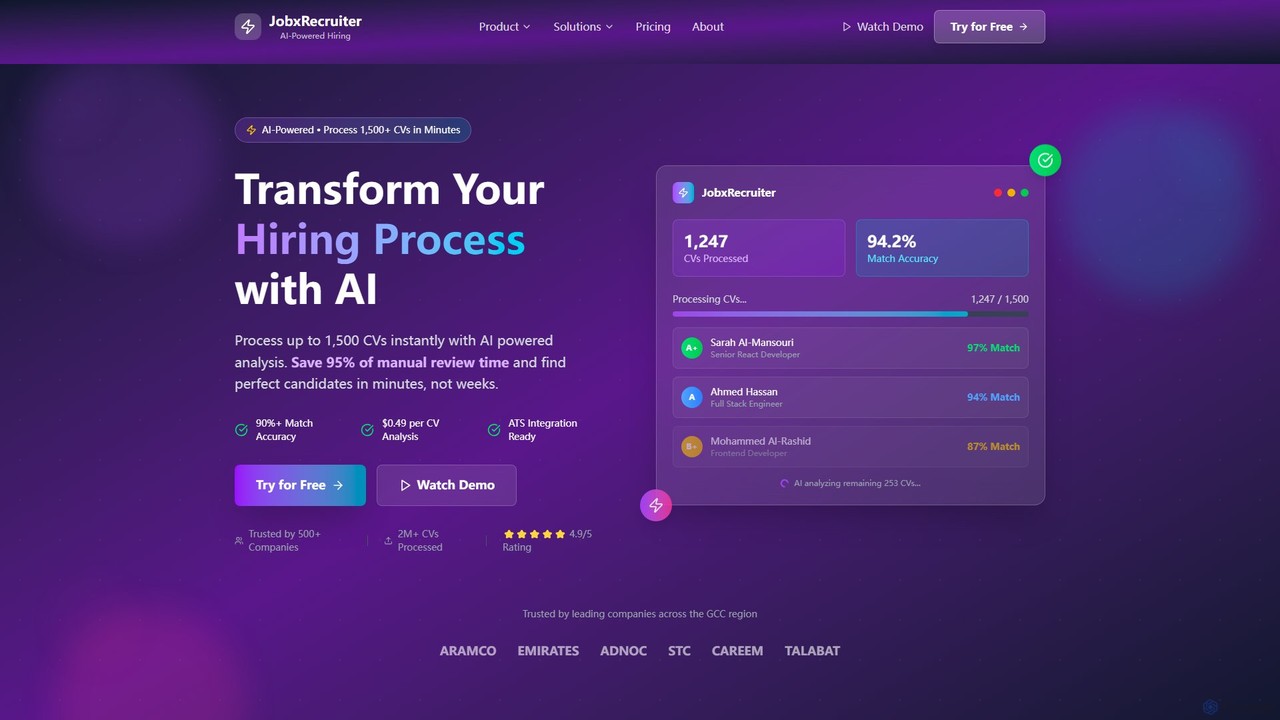
JobxRecruiter is an AI-powered recruitment platform that automates CV screening. It can process over 1,500 CVs in minutes, achieving over 94% match accuracy. The tool saves up to 95% of manual review time, reduces hiring costs, and seamlessly integrates with over 70 ATS and HR systems. It supports multiple languages, including Arabic and English, making it ideal for global talent acquisition.

Talent Management
Visits 5.9KFavorites 132Likes 126
hiringtool
Freemium

hiringtool

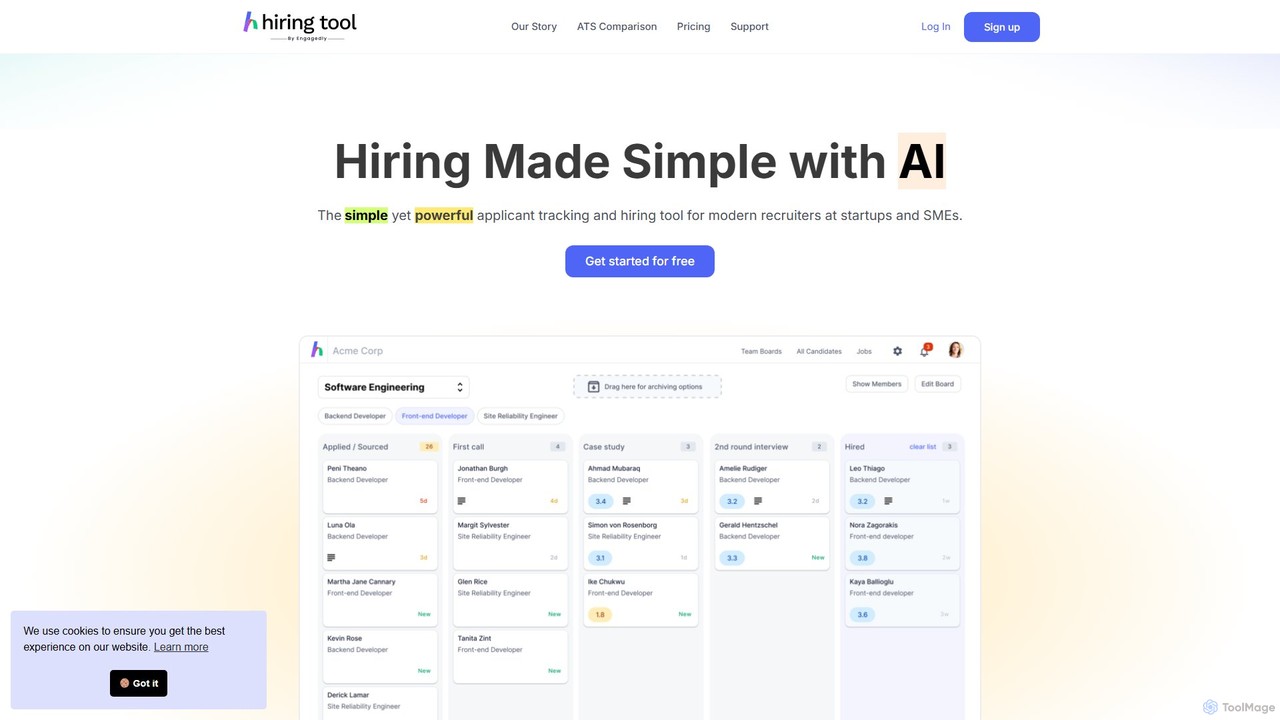
hiringtool is an AI-powered Applicant Tracking System (ATS) designed for startups and SMEs. It simplifies the hiring process with features like AI candidate scoring, personalized career portals, and intuitive pipeline management. The platform aims to eliminate clutter and complex workflows, allowing recruiters to focus on finding the best talent quickly and efficiently. It's built by HR professionals to be fast, intuitive, and effective.

Talent Management
Visits 6KFavorites 134Likes 136
onewayinterview
Freemium

onewayinterview

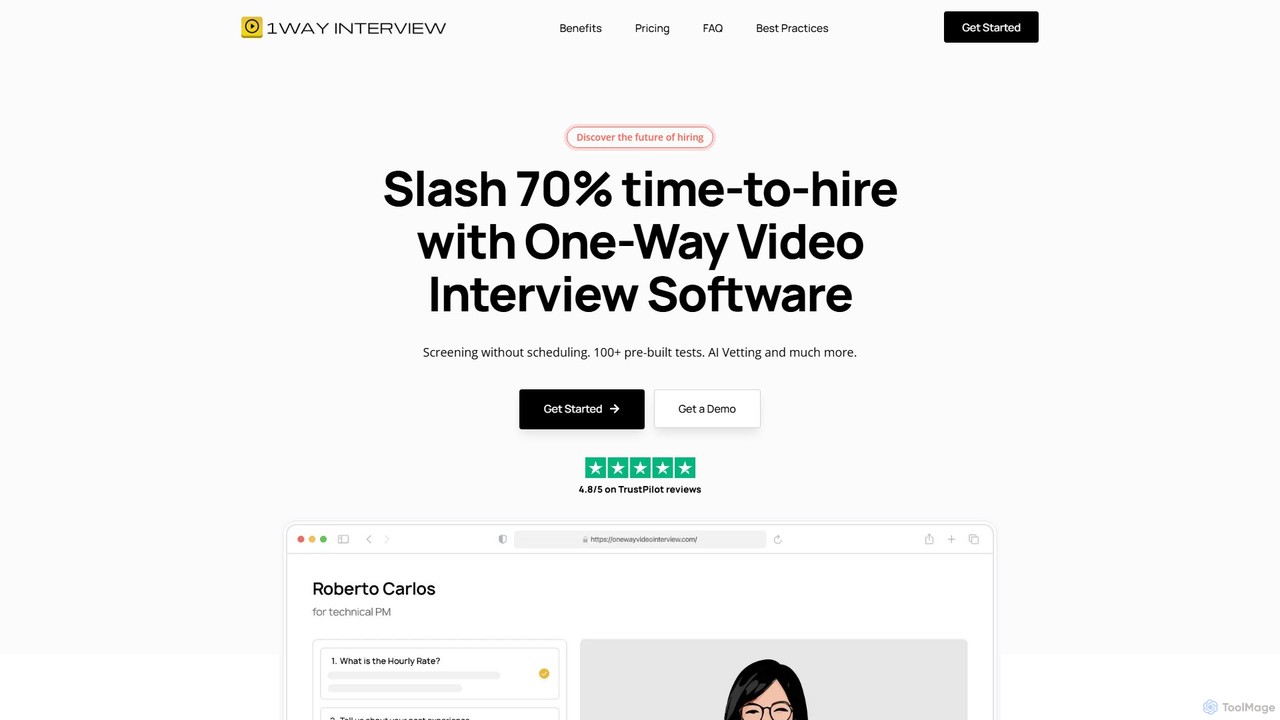
onewayinterview is an AI-powered video interview platform that streamlines the recruitment process. It enables recruiters to conduct asynchronous interviews, allowing candidates to record responses at their convenience. The platform uses AI to analyze video submissions for key metrics, providing data-driven insights to help identify the best talent efficiently and without bias.

Talent Management
Visits 16.5KFavorites 141Likes 123
ShortlistIQ
Freemium

ShortlistIQ

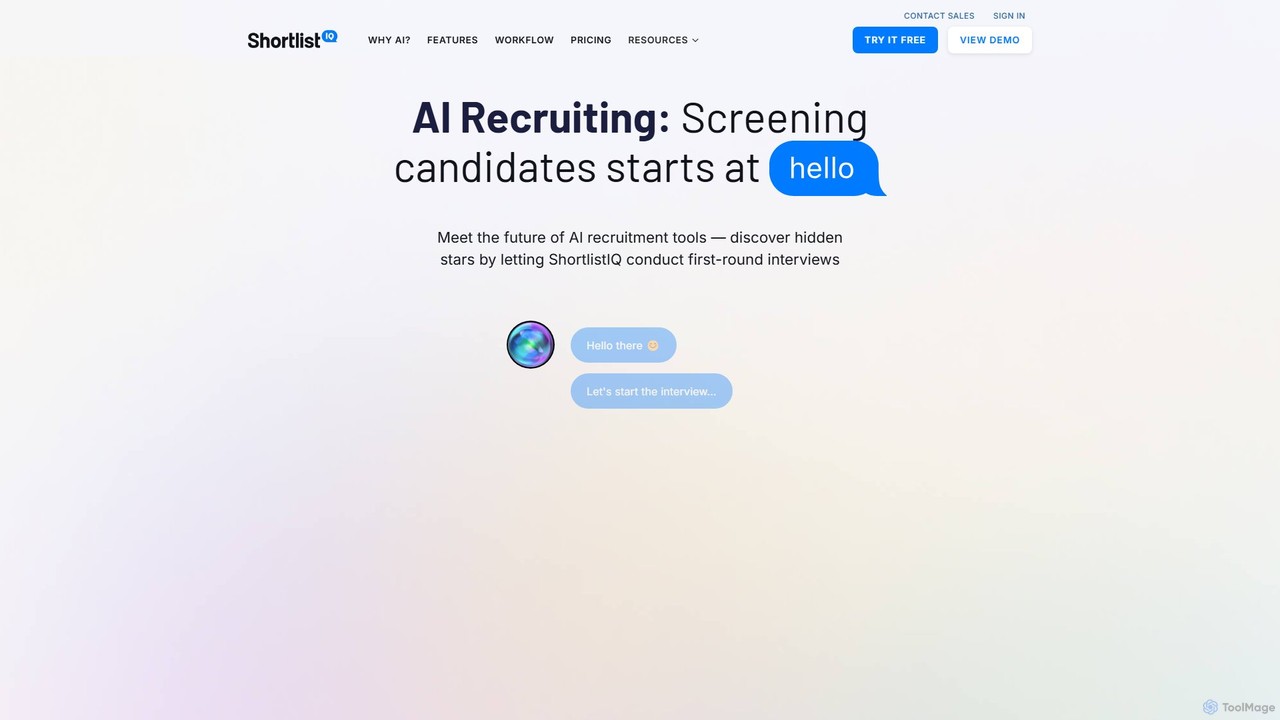
ShortlistIQ is an AI-powered recruitment platform that automates first-round interviews. By using a customizable, conversational AI assistant, it screens candidates through human-like chat interactions, providing detailed scoring reports with pros and cons. This saves HR teams over 80% of their screening time, reduces bias, and helps identify top talent faster, ensuring every applicant receives a fair and engaging experience.

Talent Management
Visits 8.2KFavorites 78Likes 75
sqeed
Paid

sqeed

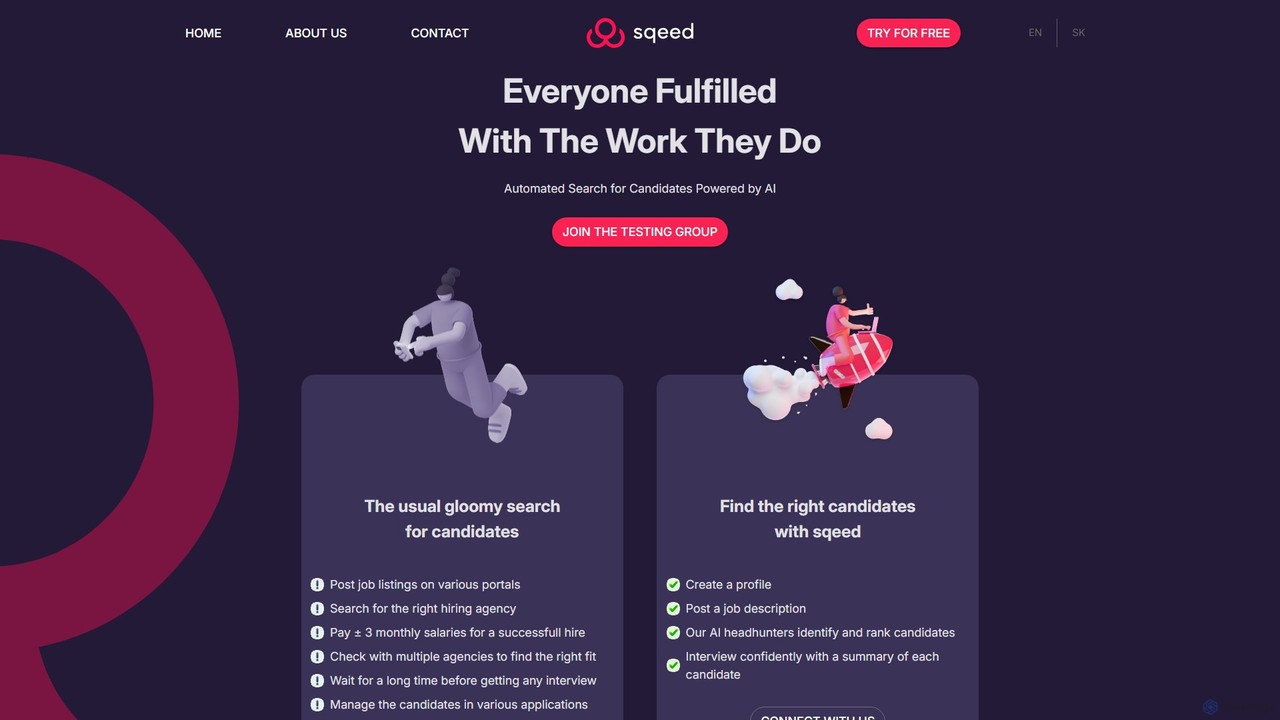
sqeed is an AI-powered headhunting platform that automates the search for qualified job candidates. It replaces expensive and slow traditional recruitment methods by using AI to identify, screen, and rank top talent. Companies simply post a job description, and sqeed delivers a prioritized list of interested, pre-vetted candidates ready for interviews, complete with concise summaries. This streamlines the hiring process, saving significant time and cost.

Talent Management
Visits 5.9KFavorites 143Likes 156
Whoz
Paid

Whoz

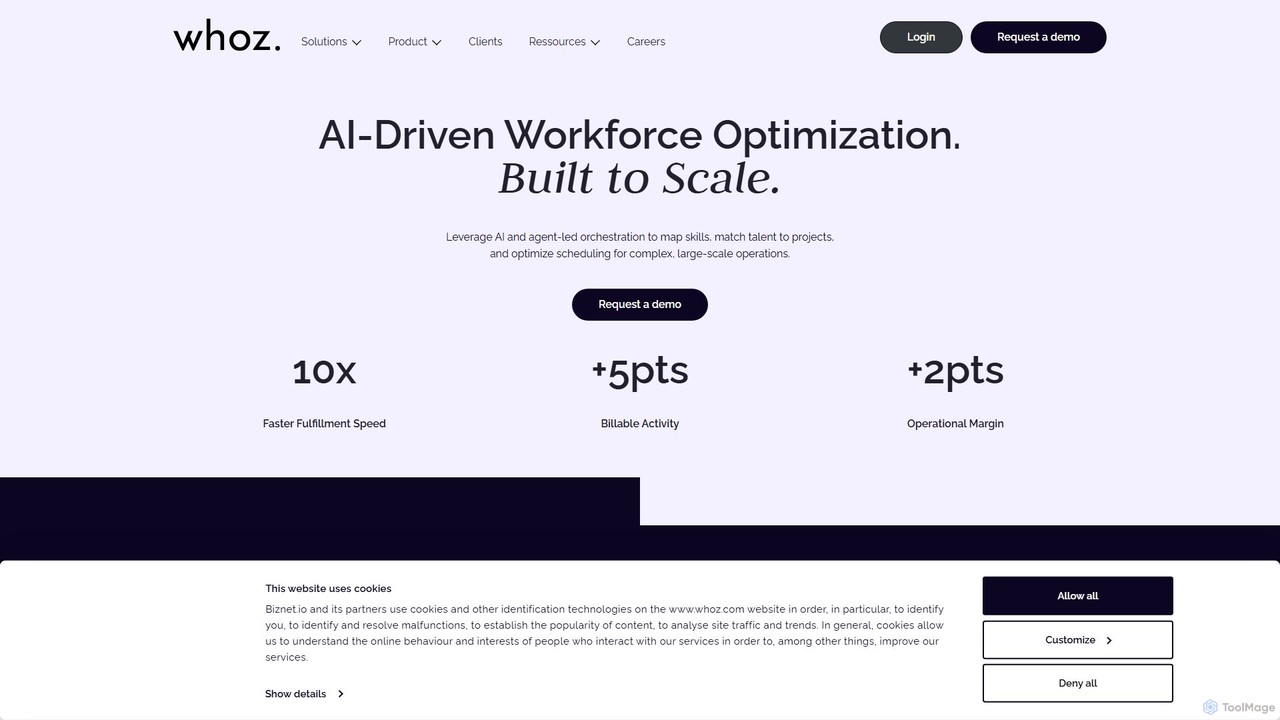
Whoz is an AI-powered workforce optimization and skills management platform designed for professional services, consulting, and IT companies. It helps businesses intelligently staff projects, manage talent, and forecast resource needs to improve efficiency and profitability.

Human Resources
Visits 126.6KFavorites 110Likes 115
CV Ranker AI
Freemium

CV Ranker AI

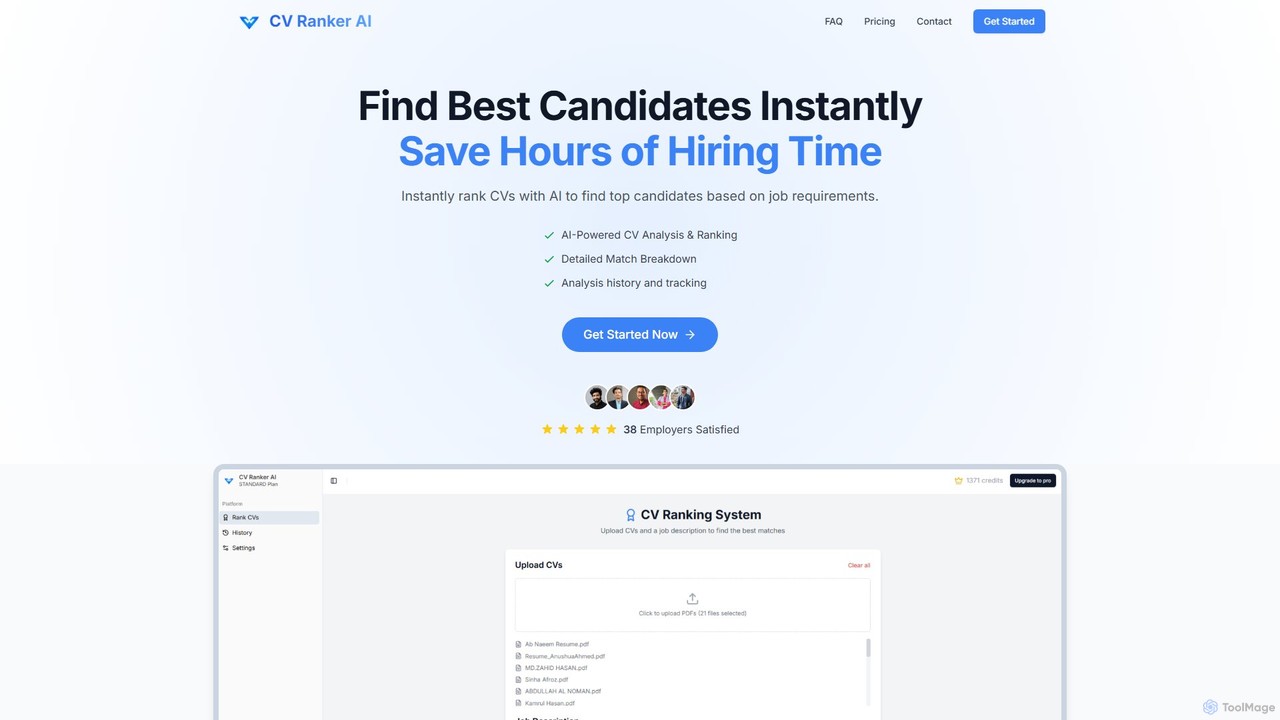
CV Ranker AI is an intelligent recruitment tool that automates resume screening. It instantly analyzes and ranks candidate CVs against job descriptions, providing detailed match breakdowns and percentage scores to help recruiters and hiring managers efficiently identify top talent and save hours of manual work.

Talent Management
Visits 5.9KFavorites 128Likes 150
Brainner
Paid

Brainner

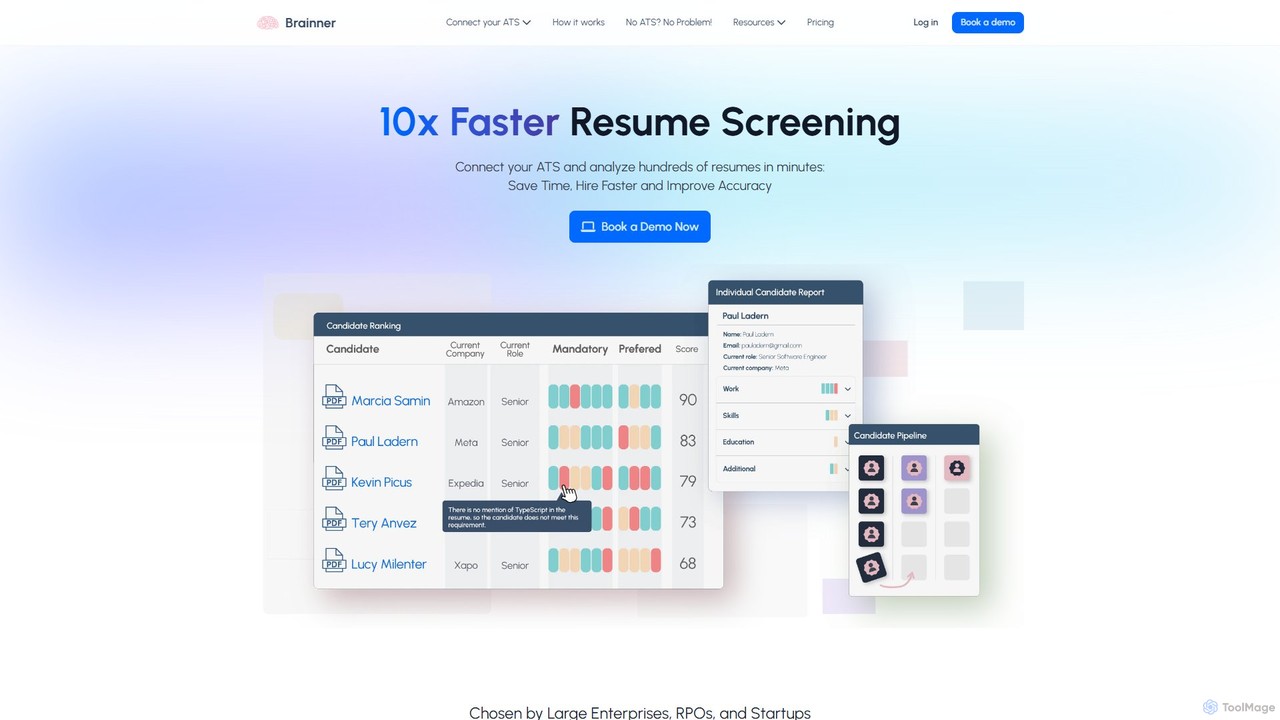
Brainner is an AI-powered recruiting software that automates resume screening to make hiring 10x faster. By integrating seamlessly with your Applicant Tracking System (ATS), it analyzes hundreds of resumes in minutes, ranks candidates based on customized criteria, and eliminates up to 90% of manual review tasks. This allows recruiters to save time, reduce costs, and focus on engaging with the most qualified talent, improving overall hiring accuracy and efficiency.

Talent Management
Visits 14.6KFavorites 115Likes 106
tarta
Paid

tarta

Tarta is an AI-powered technical recruiting platform designed to help companies source, engage, and hire top tech talent. It automates the sourcing process by scanning numerous data sources to find qualified candidates, enriching their profiles, and enabling personalized outreach at scale.

Talent Management
Visits 5.9KFavorites 134Likes 126

About Talent Management

AI Talent Management tools are a specialized category of business software that uses artificial intelligence to streamline and optimize the entire employee lifecycle. They leverage machine learning algorithms for tasks like predictive hiring, personalized learning path recommendations, and performance analysis. These tools help HR departments and managers make data-driven decisions, improve employee engagement, and identify high-potential individuals. By automating administrative tasks and providing deep insights, they enable a more strategic approach to developing and retaining talent.

Core Features

  • Predictive Hiring: Analyzes candidate data to forecast job success and cultural fit.
  • Personalized Learning & Development: Recommends tailored training and career paths based on skills gaps and goals.
  • Performance Management Automation: Continuously tracks performance metrics and facilitates real-time feedback.
  • Employee Engagement Analysis: Uses sentiment analysis on surveys and communications to gauge morale.
  • Intelligent Succession Planning: Identifies and nurtures potential leaders based on performance and potential data.

Use Cases

These tools are primarily used by HR departments, team leaders, and senior management in mid-to-large enterprises. For example, a tech company can use them to identify skill gaps for upskilling its engineering team, while a retail chain might use them to predict employee turnover and implement targeted retention strategies.

How to Choose

When selecting an AI Talent Management tool, consider its integration capabilities with your existing HRIS and ATS. Evaluate the depth of its analytics and predictive features. Assess the user experience for both employees and managers, and ensure the platform is scalable to grow with your organization.

Featured tool rankings

Talent Management use cases

1

Automate High-Volume Candidate Screening

An HR team at a rapidly expanding technology company is tasked with hiring 50 new software engineers. They receive over 3,000 applications, making manual review impossible. Using an AI Talent Management tool, they automate the initial screening process. The AI analyzes resumes, cover letters, and online profiles to score and rank candidates based on required technical skills, experience level, and cultural fit indicators. This reduces the screening time by over 90%, allowing recruiters to focus on interviewing the top 5% of qualified candidates.

2

Automating Candidate Screening and Shortlisting

For HR recruiters facing hundreds of applications for a single position, AI talent management tools can be transformative. Instead of manually reviewing each resume, the recruiter uses the AI platform to automatically parse and analyze applications. The system scores candidates against predefined job requirements, skills, and experience, even predicting their potential for success in the role. This process reduces initial screening time by over 70%, allowing recruiters to focus their efforts on engaging with the most qualified, high-potential candidates identified by the AI.

3

Creating Personalized Employee Development Plans

An L&D (Learning & Development) manager needs to create effective training programs for a diverse workforce. Using an AI talent management platform, the manager can move beyond one-size-fits-all training. The AI analyzes each employee's performance data, stated career goals, and skill assessments from the system. Based on this, it generates a unique development plan, recommending specific online courses, internal mentorship opportunities, and relevant projects. This personalized approach significantly increases training relevance and employee engagement, directly addressing both individual aspirations and organizational skill gaps.

4

Identify Future Leaders with Succession Planning

A global retail corporation needs to build a strong leadership pipeline. The Head of People & Culture uses an AI platform to analyze performance data, 360-degree feedback, and project contributions from thousands of employees. The tool identifies high-potential individuals who consistently exceed expectations and demonstrate leadership competencies. It then suggests personalized development tracks, including mentorship pairings and leadership training, to prepare them for future executive roles, ensuring business continuity.

5

Identifying High-Potential Employees for Succession

Senior leadership needs to build a strong pipeline of future leaders. An AI talent management tool assists by moving beyond subjective opinions. The platform aggregates and analyzes objective data points for each employee, including performance review scores, completion of challenging projects, 360-degree feedback, and learning agility. The AI then identifies a pool of high-potential (HiPo) employees who consistently demonstrate leadership qualities. This provides a data-backed foundation for succession planning, reducing bias and ensuring the most capable individuals are nurtured for future roles.

6

Proactively Reduce Employee Turnover

A large customer service center is experiencing high employee attrition. The operations manager uses an AI Talent Management tool's predictive analytics feature. The system analyzes patterns in attendance, performance metrics, and sentiment data from employee surveys to identify individuals with a high probability of leaving within the next six months. This enables managers to conduct proactive "stay interviews," address concerns, and offer new opportunities, ultimately reducing turnover by 15% in the first year.

7

Personalize Employee Learning and Development

A financial services firm wants to upskill its workforce to adapt to new fintech trends. The Learning & Development (L&D) department employs an AI tool that maps current employee skills against future business needs. The platform automatically identifies individual skill gaps and recommends personalized learning paths, curating content from internal resources and external platforms like Coursera or LinkedIn Learning. This targeted approach increases training engagement and ensures development investments are aligned with strategic goals.

8

Predicting and Reducing Employee Turnover

An HR analyst is tasked with reducing costly employee attrition. They use the AI talent management platform's predictive turnover module. The AI model analyzes historical and real-time data, such as employee tenure, compensation history, manager changes, engagement survey scores, and even communication patterns. It then generates a risk score for each employee, flagging those who are most likely to leave. This allows HR and managers to proactively intervene with targeted retention strategies, like career development discussions or compensation adjustments, before a valuable employee decides to resign.

9

Optimize Internal Talent Mobility

An engineering firm needs to staff a critical new project with existing employees to save on hiring costs. An HR Business Partner uses the AI talent marketplace feature within their management platform. They input the project's required skills, such as specific programming languages and project management experience. The AI scans the profiles of all current employees, identifying the best internal candidates and highlighting their relevant experience. This facilitates quick team formation and promotes career growth within the company.

10

Conducting Unbiased Performance Reviews

A team manager preparing for annual reviews wants to avoid recency bias and subjective judgments. The AI talent management tool provides a holistic view by aggregating data throughout the year. It pulls in goal achievement metrics from the project management system, positive feedback from colleagues via a recognition channel, and sentiment analysis from team communications. The AI generates a data-driven summary for the manager, highlighting key achievements and areas for development based on continuous, objective evidence. This leads to fairer, more constructive performance conversations focused on facts rather than feelings.

11

Measure Post-Merger Employee Sentiment

After acquiring a smaller company, a large corporation needs to gauge the morale and integration level of the newly combined workforce. The change management team uses an AI tool to conduct anonymous pulse surveys and analyze sentiment in aggregated communication data (e.g., from dedicated Slack channels). The AI identifies key themes and concerns, such as confusion about new processes or cultural clashes, providing leadership with actionable insights to improve communication and support a smoother integration.

12

Analyzing Employee Engagement and Sentiment

An HR manager wants to understand the true morale of the organization beyond simple survey scores. They use an AI tool that applies Natural Language Processing (NLP) to analyze qualitative feedback. The system processes thousands of anonymous comments from annual engagement surveys, exit interviews, and internal communication channels. It identifies recurring themes (e.g., 'work-life balance', 'career growth'), gauges the sentiment (positive, negative, neutral) associated with each theme, and presents the findings in a visual dashboard. This provides actionable insights into what truly drives or hinders employee satisfaction, enabling targeted cultural improvements.

Talent Management FAQ

What are AI Talent Management tools?

AI Talent Management tools are software platforms that apply artificial intelligence and machine learning to optimize the entire employee lifecycle. They go beyond simple data storage, using predictive analytics to help organizations make smarter decisions in recruiting, performance management, employee development, and succession planning. Key features often include automated candidate screening, performance forecasting, and personalized learning recommendations to enhance workforce productivity and engagement.

What are AI Talent Management tools?

AI Talent Management tools are software platforms that use artificial intelligence to optimize the entire employee lifecycle, from hiring to retirement. Unlike traditional HR software that just stores data, these tools analyze it to provide predictive insights. Key features often include AI-powered candidate screening, personalized employee development paths, performance analysis, and turnover prediction. They help businesses make smarter, data-driven decisions about their workforce.

How to choose the right AI Talent Management tool?

To choose the right tool, focus on these key factors:

  • Integration: Ensure it seamlessly connects with your existing systems like HRIS (Human Resource Information System) and ATS (Applicant Tracking System).
  • Functionality: Does it cover the specific stages of the talent lifecycle you need to improve, such as recruiting, performance, or learning?
  • Analytics Depth: Evaluate the quality of its predictive insights and reporting. Can it answer your most critical talent questions?
  • User Experience: The tool should be intuitive for all users, including employees, managers, and HR administrators.
How do I choose the right AI Talent Management tool?

To choose the right tool, first assess your specific needs: are you focused on recruiting, retention, or overall development? Consider these factors:

  • Integration: Ensure it seamlessly connects with your existing Human Resource Information System (HRIS), Applicant Tracking System (ATS), and payroll software.
  • Functionality: Decide if you need a comprehensive suite or a best-of-breed solution for a specific function like learning or performance.
  • Data Analytics: Evaluate the depth of its predictive capabilities and the clarity of its dashboards and reports.
  • User Experience: The platform should be intuitive for both HR professionals and employees to use.
What's the difference between an AI Talent Management platform and a traditional HRIS?

A traditional Human Resource Information System (HRIS) is primarily a system of record. Its main job is to store and manage employee data like payroll, benefits, and contact information. An AI Talent Management platform, on the other hand, is a system of intelligence. It uses the data from an HRIS (and other sources) to provide predictive insights, automate complex decisions like candidate matching, and personalize employee experiences like learning recommendations. In short, an HRIS manages data, while an AI Talent Management platform uses that data to optimize talent strategy.

What is the difference between AI Talent Management and a traditional HRIS?

The primary difference lies in their core purpose. A traditional Human Resource Information System (HRIS) is a "system of record," designed to store and manage employee data like payroll, benefits, and personal information. In contrast, an AI Talent Management platform is a "system of intelligence." It uses the data stored in an HRIS and other sources to analyze trends, predict future outcomes (like employee turnover), and recommend strategic actions, actively helping to shape workforce strategy rather than just documenting it.

What are the key functions of an AI Talent Management platform?

Most AI Talent Management platforms offer a suite of integrated functions to manage human capital. Core functions typically include: AI-powered recruiting to find and screen candidates; performance management with predictive analytics to identify top performers and flight risks; personalized learning and development (L&D) to close skill gaps; intelligent succession planning to build leadership pipelines; and employee engagement tools that use sentiment analysis to measure workforce morale.

Who benefits most from using AI Talent Management tools?

While the entire organization benefits, the primary users and beneficiaries are:

  • HR Departments: They gain efficiency through automation of tasks like screening and can focus on strategic initiatives like workforce planning and culture development.
  • Team Managers: They receive data-driven insights to make better hiring decisions, conduct fairer performance reviews, and effectively develop their team members.
  • Senior Leadership: They get a clear, analytical view of organizational health, talent pipelines, and potential turnover risks, enabling better strategic planning.
  • Employees: They benefit from personalized development opportunities, fairer evaluations, and a more engaging work experience.
Who should use AI Talent Management tools?

AI Talent Management tools are most beneficial for medium to large organizations that view their workforce as a strategic asset. The primary users are HR leaders, talent acquisition specialists, L&D managers, and business unit leaders. These tools empower them to move from reactive, administrative HR tasks to proactive, data-driven talent strategies that directly support business objectives, such as improving innovation, reducing costs associated with turnover, and building a more agile workforce.

Can AI Talent Management tools reduce bias in hiring and promotions?

Yes, when implemented correctly, they can significantly reduce unconscious bias. AI models can be trained to focus on objective criteria like skills, experience, and performance data, while ignoring demographic information that can lead to bias (e.g., name, age, gender). For hiring, this means screening candidates based purely on their qualifications. For promotions, it means identifying high-potential employees based on their actual contributions and demonstrated capabilities, leading to a more meritocratic and diverse leadership pipeline.