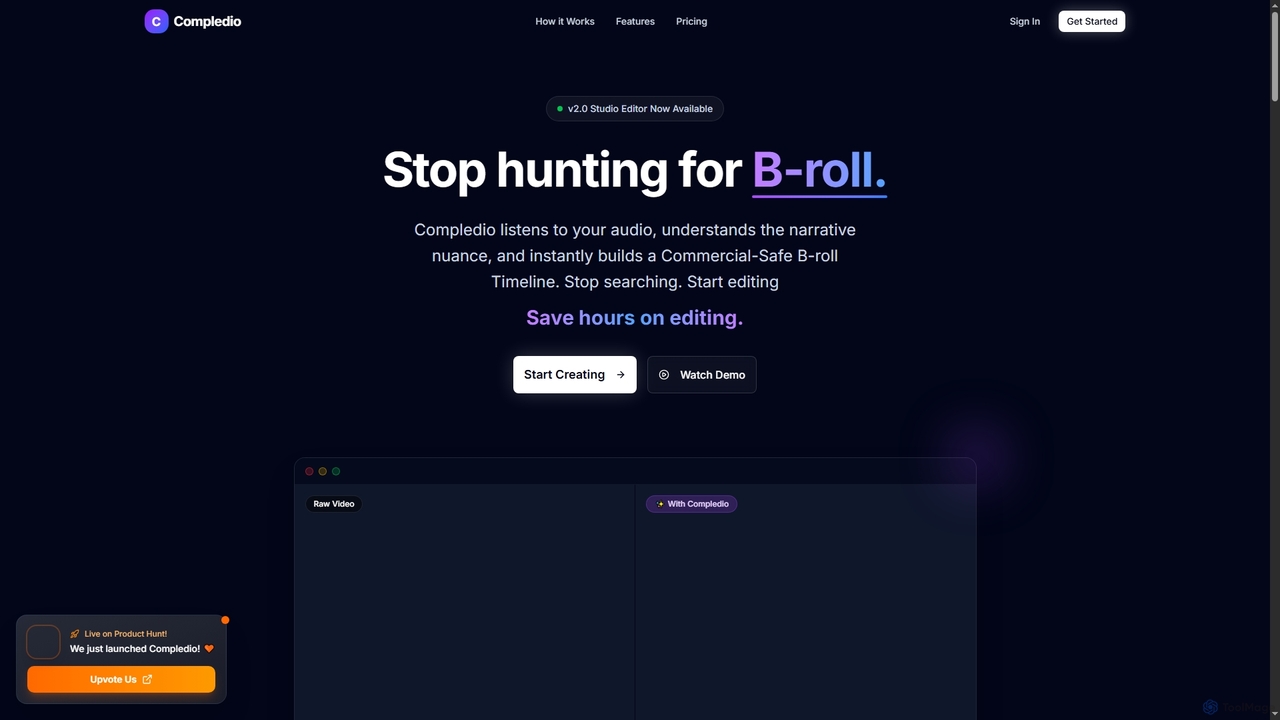
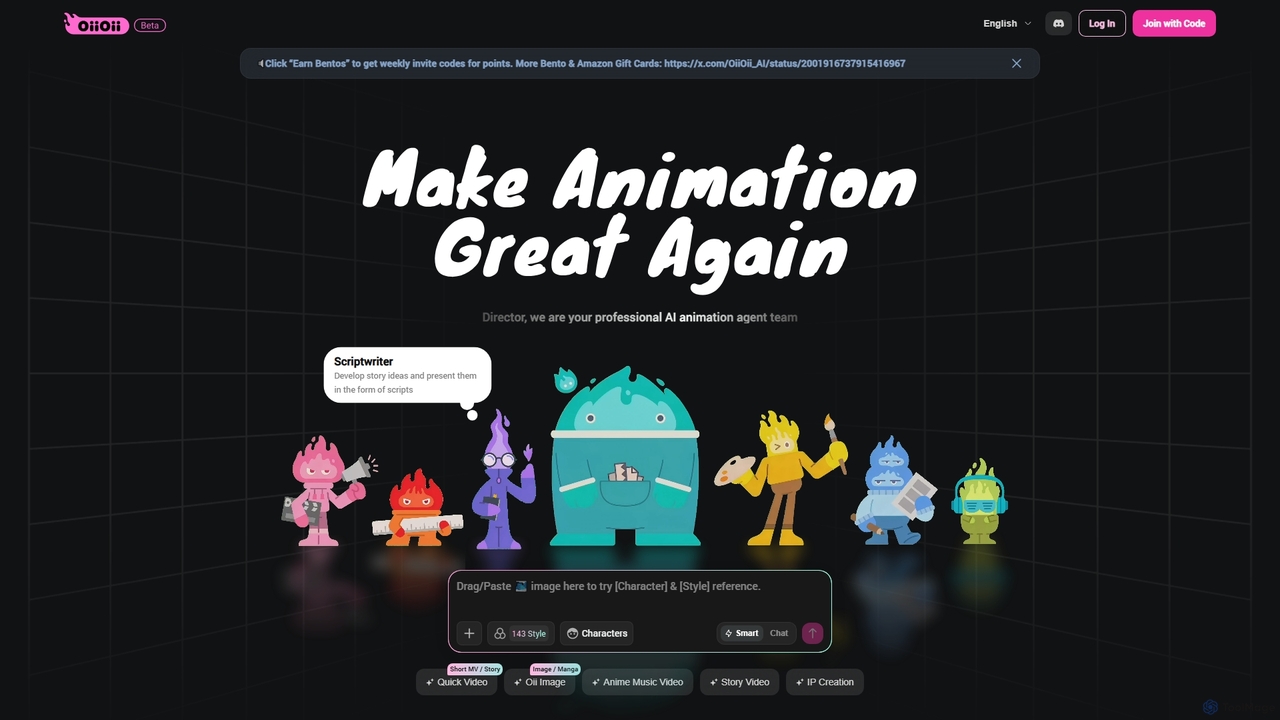
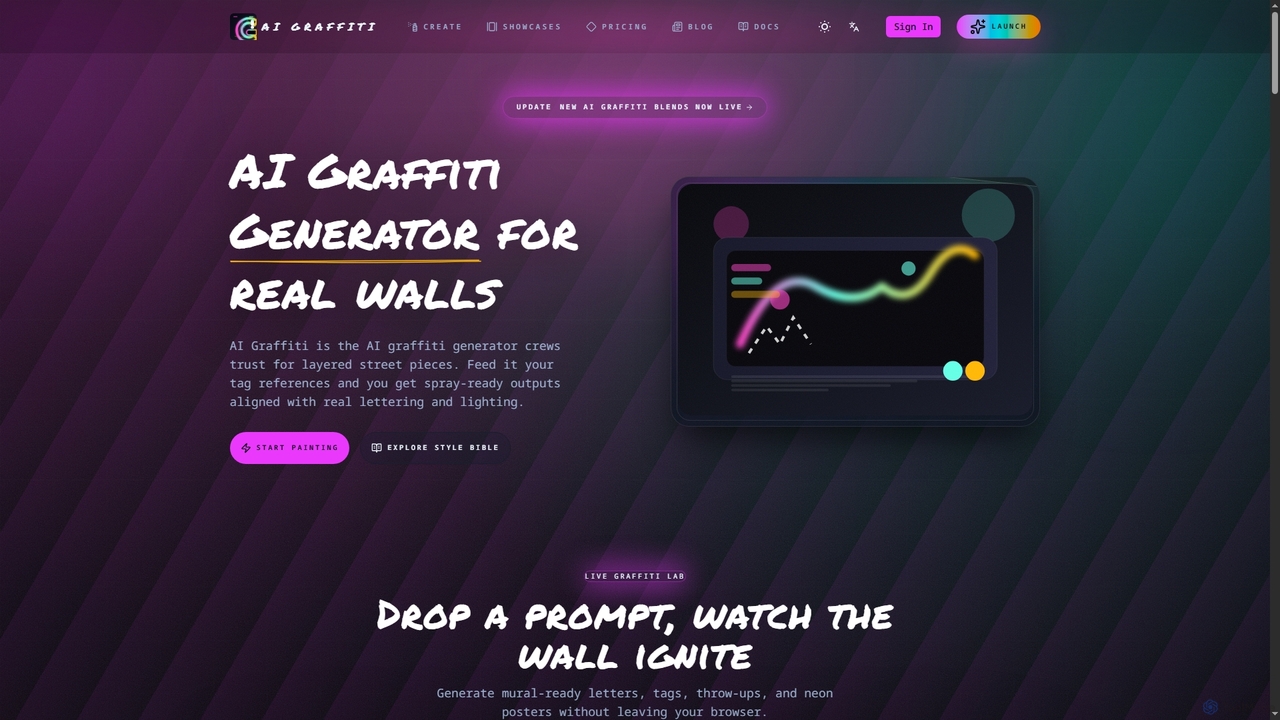
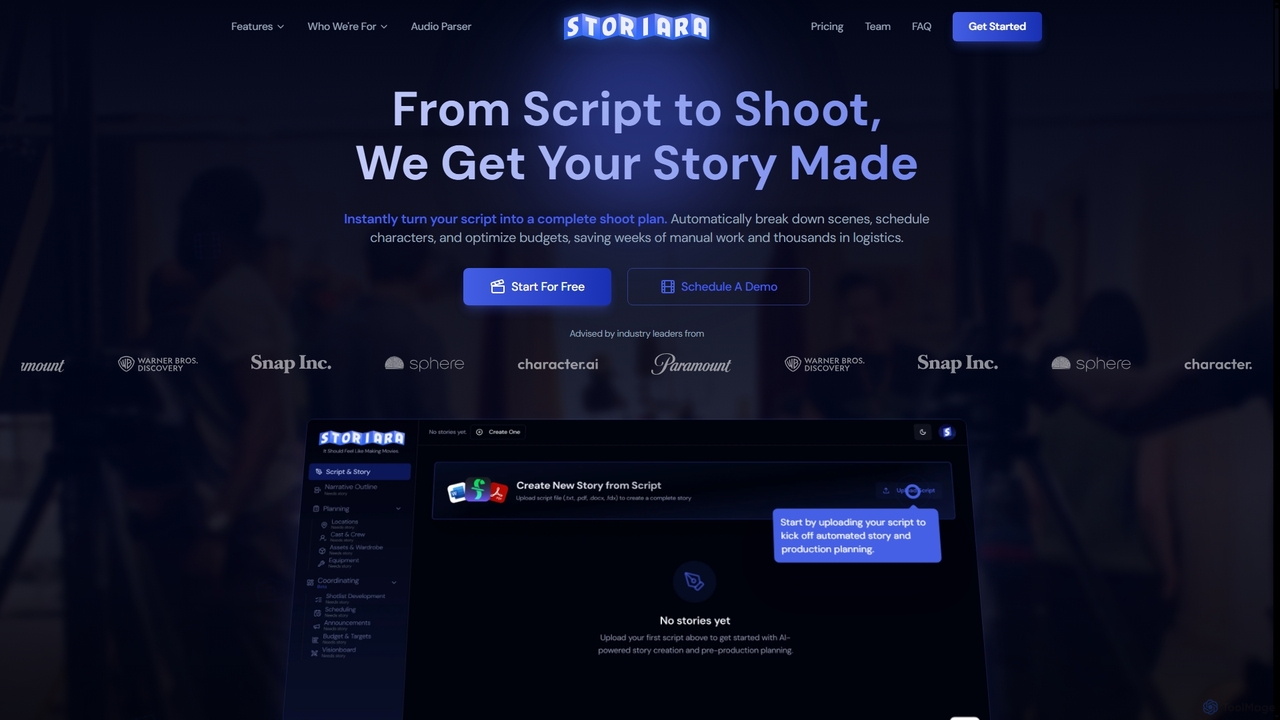
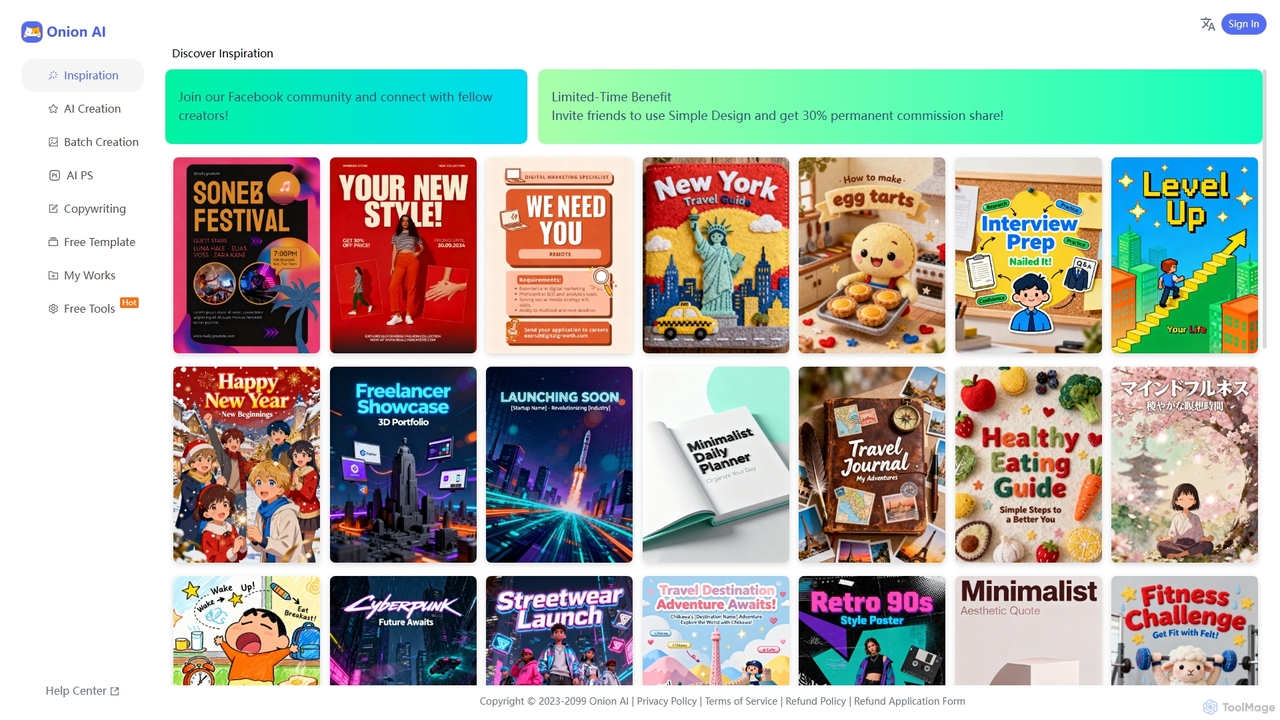
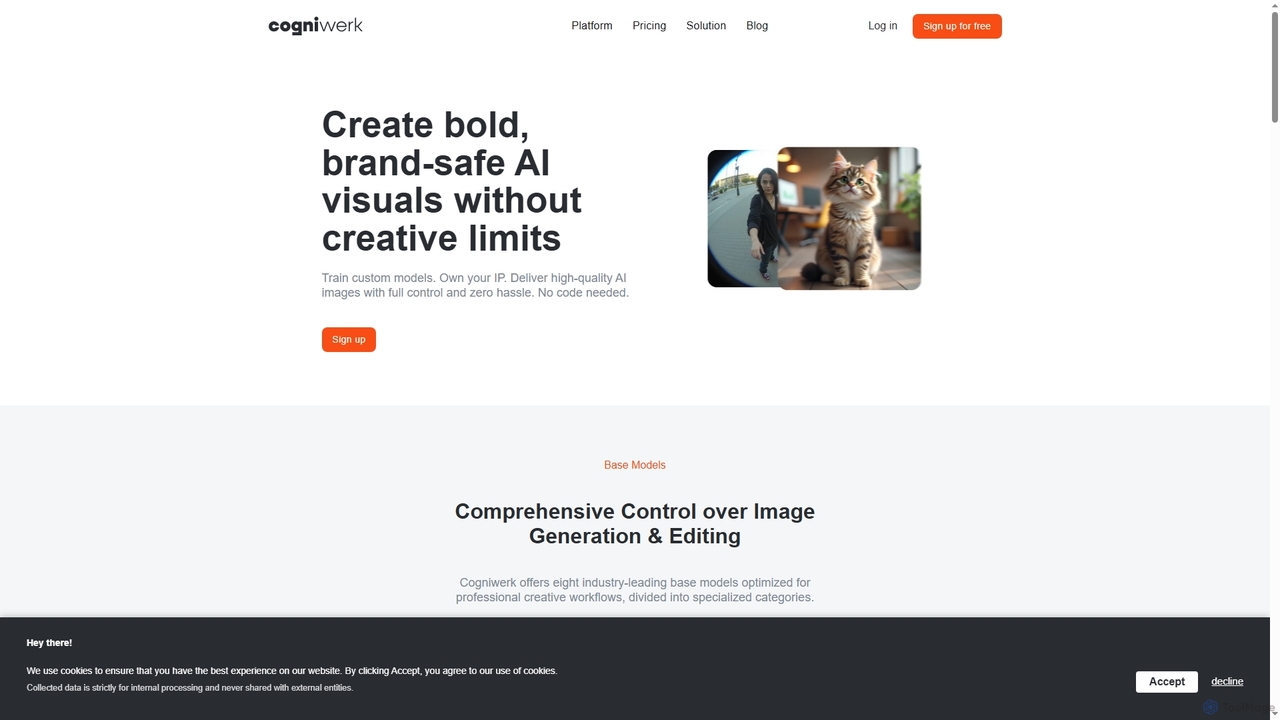
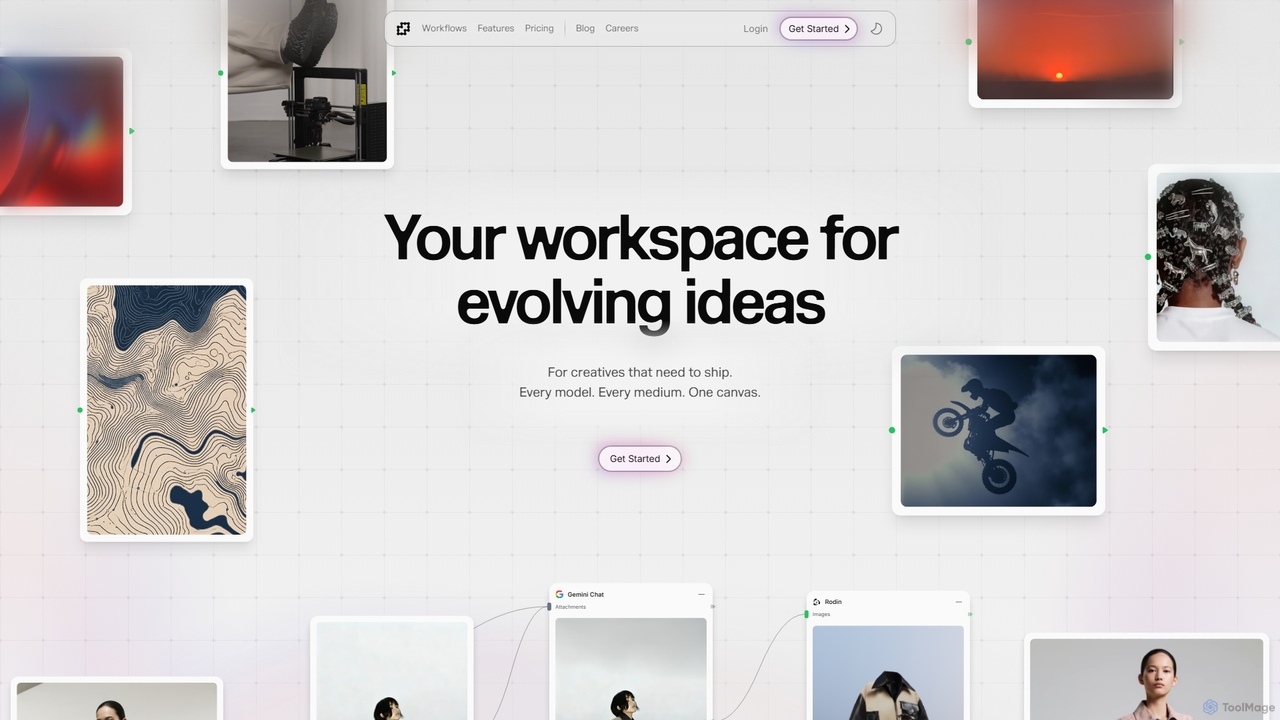
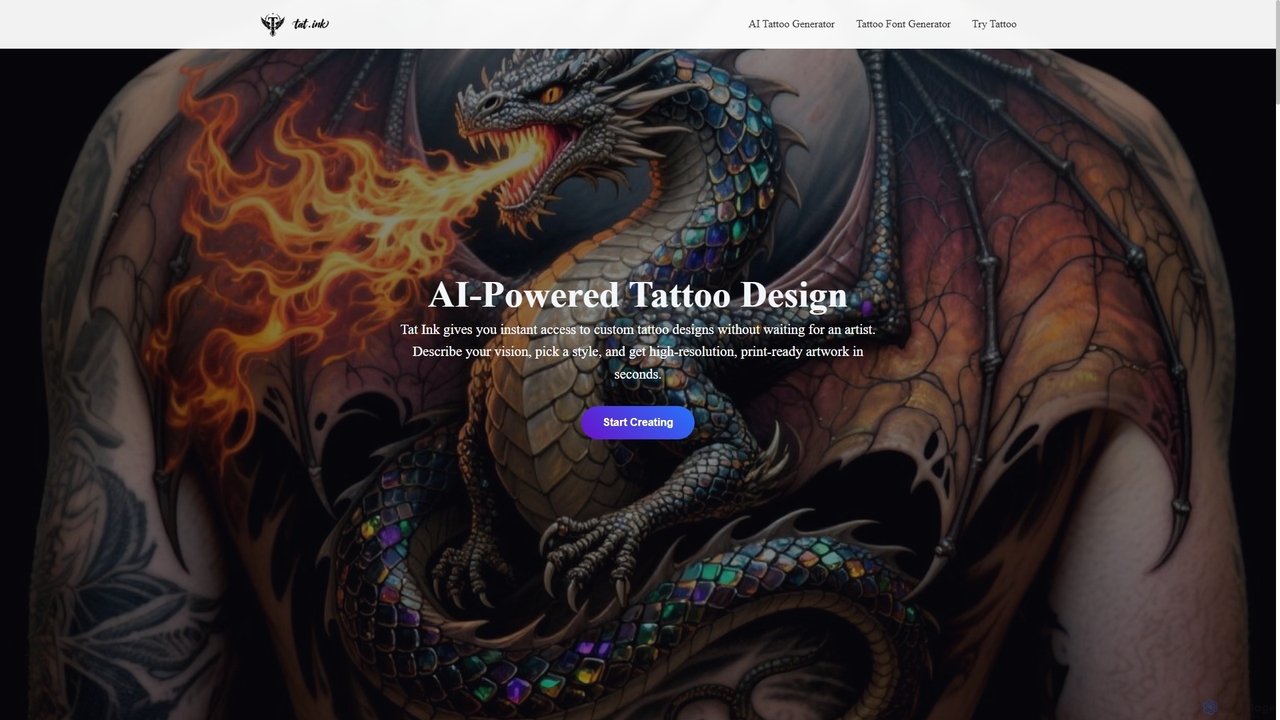
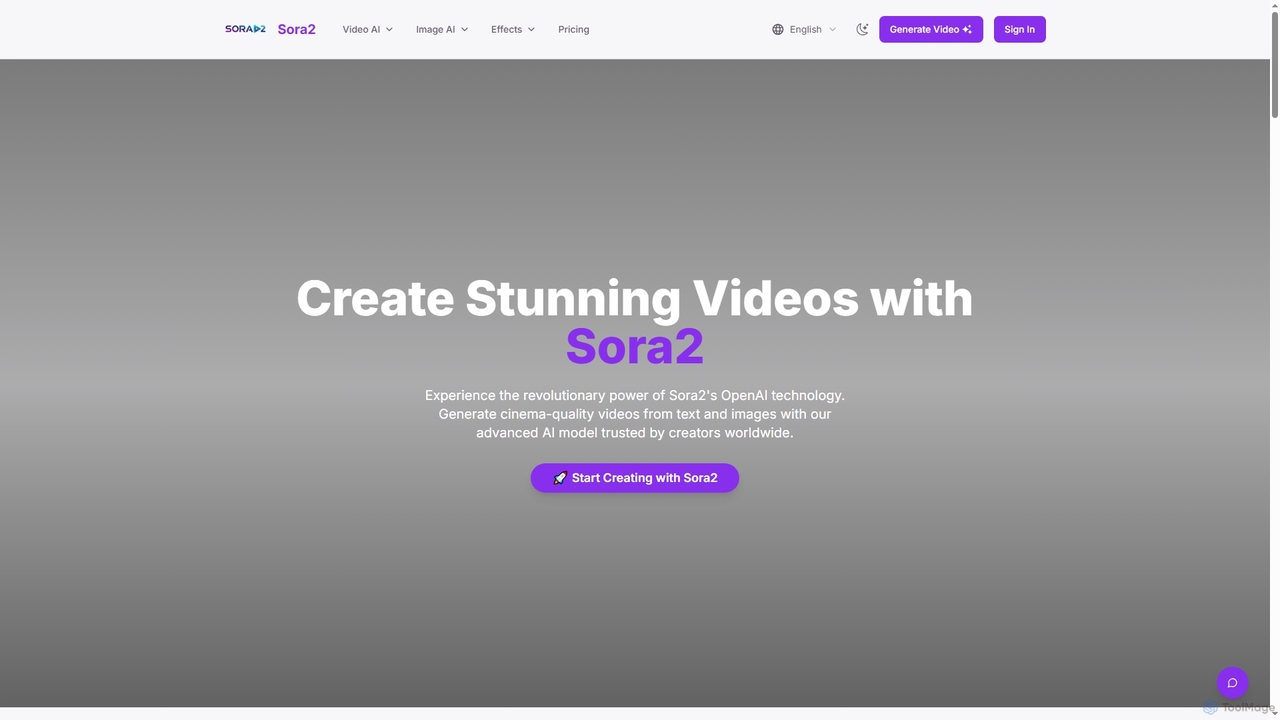
Creative Assistant tools are AI-powered applications designed to enhance and automate various aspects of creative work. These tools leverage machine learning, natural language processing, and computer vision to generate, refine, and optimize creative outputs. They assist professionals in fields like design, writing, marketing, and multimedia production by accelerating idea generation, content creation, and iterative processes. Ultimately, Creative Assistants help overcome creative blocks, personalize content at scale, and maintain brand consistency efficiently.
Core Features
- Content Generation: Automatically creates text, images, audio, or video based on user prompts and specifications.
- Idea Brainstorming: Suggests concepts, themes, or variations to spark creativity and overcome creative blocks.
- Style & Tone Adaptation: Adjusts content to match specific brand guidelines, target audience preferences, or desired emotional tones.
- Creative Optimization: Analyzes and refines existing content for better engagement, performance, or aesthetic appeal.
- Workflow Automation: Automates repetitive creative tasks, such as resizing images, drafting initial content, or generating multiple design variations.
Applicable Scenarios
Creative Assistant tools are widely adopted across various industries and roles. Marketing and advertising teams use them to generate diverse ad copy, social media posts, and campaign visuals. Content creators, including writers and bloggers, leverage these tools for drafting articles, brainstorming ideas, and refining their narratives. Designers and multimedia professionals utilize them for creating graphic elements, illustrations, music, and video edits, streamlining their production workflows.
How to Choose
When selecting a Creative Assistant, consider the specific creative task you need help with, such as writing, image generation, or video editing. Evaluate its integration capabilities with your existing creative software and platforms. Assess the level of customization and control it offers over the AI-generated outputs. Finally, compare the output quality, pricing models, and user reviews to ensure it aligns with your workflow and quality expectations.