ToolMage
Sign in

Best 27 Crm AI tools

Popular Crm AI tools include Salesforce, HubSpot, Breeze Copilot, Recruit CRM, Affinity, Sybill, Salesmate, OptimumHQ, tupelosmb, and Dench, helping you work more efficiently.

Edward.ai
Paid

Edward.ai

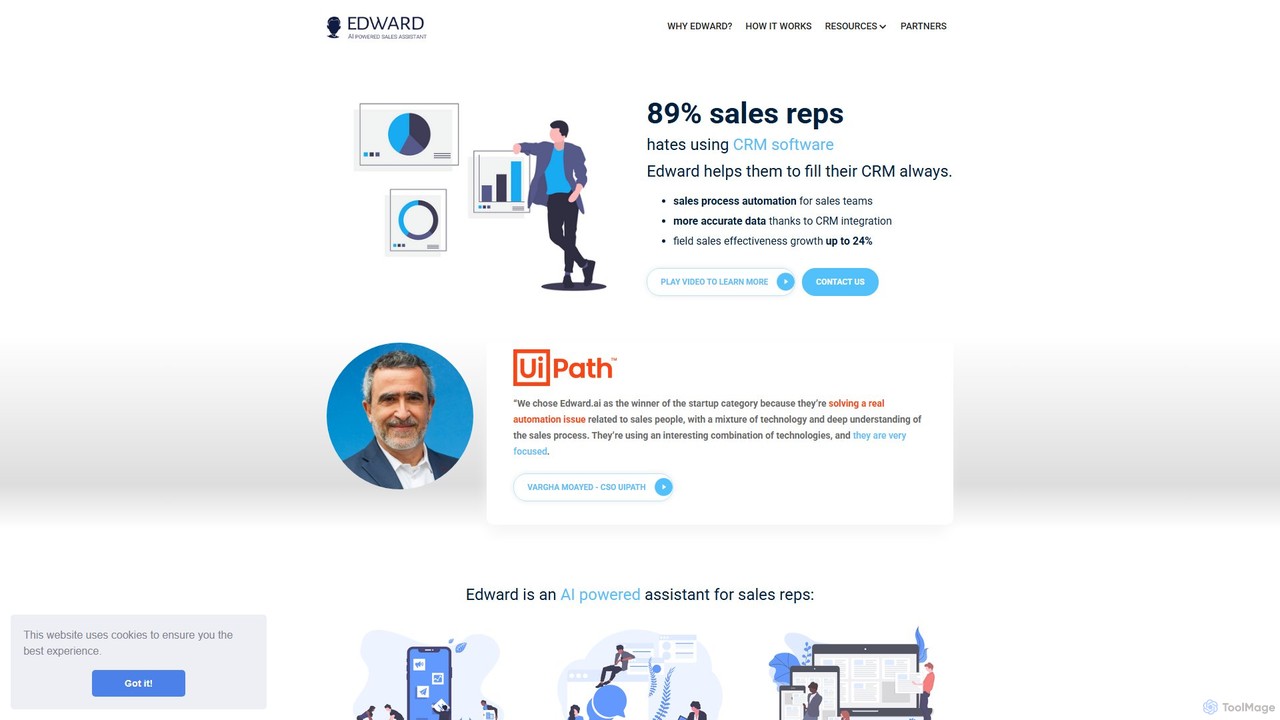
Edward.ai is an AI-powered sales assistant designed for sales representatives and their managers. It automates lead distribution, manages follow-ups, and provides automatic reporting by integrating with your phone, email, calendar, and CRM. This intelligent assistant streamlines sales workflows, boosts team effectiveness, and turns tedious data entry into a simple, interactive conversation.

Lead Management
Visits 6.6KFavorites 129Likes 141
IMT Care
Freemium

IMT Care

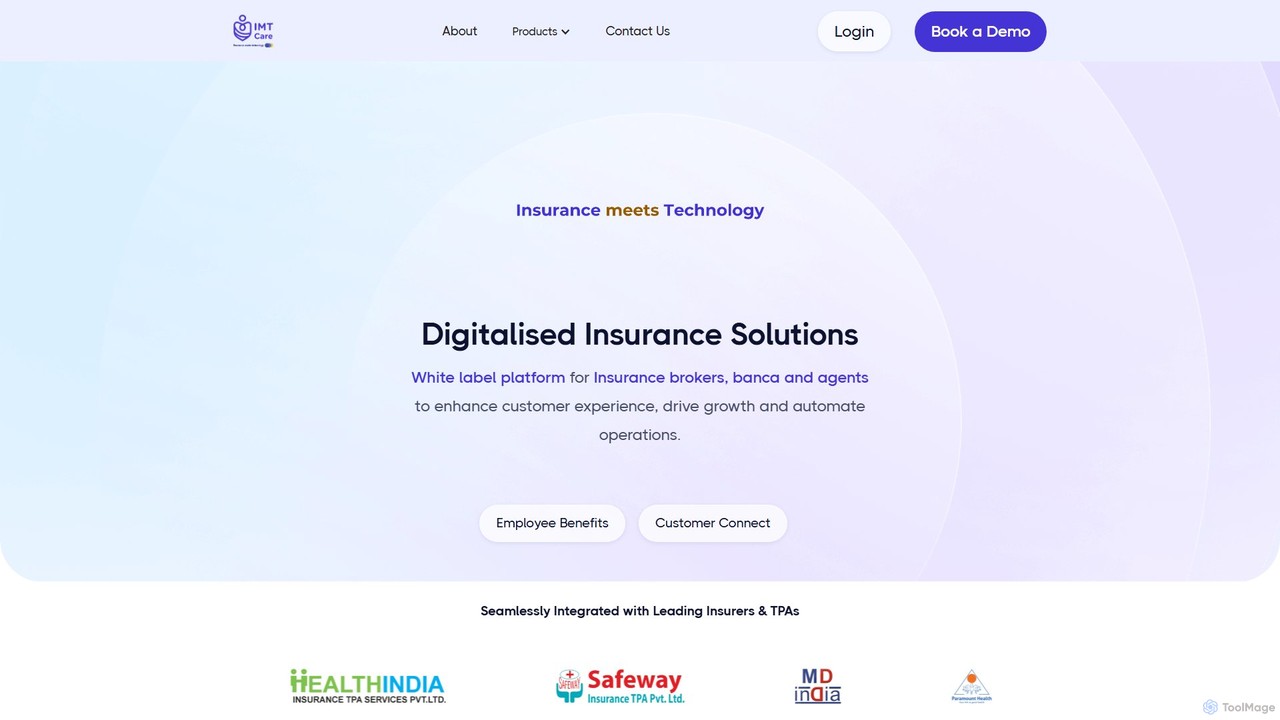
IMT Care is a white-label Insurtech platform designed to empower insurance intermediaries. It provides digital solutions, including an Employee Benefits Platform and a Customer Connect App, to automate operations, enhance customer engagement, and drive business growth through AI-powered insights and comprehensive policy management.

Customer Management
Visits 17.1KFavorites 153Likes 157
Recruit CRM
Freemium

Recruit CRM

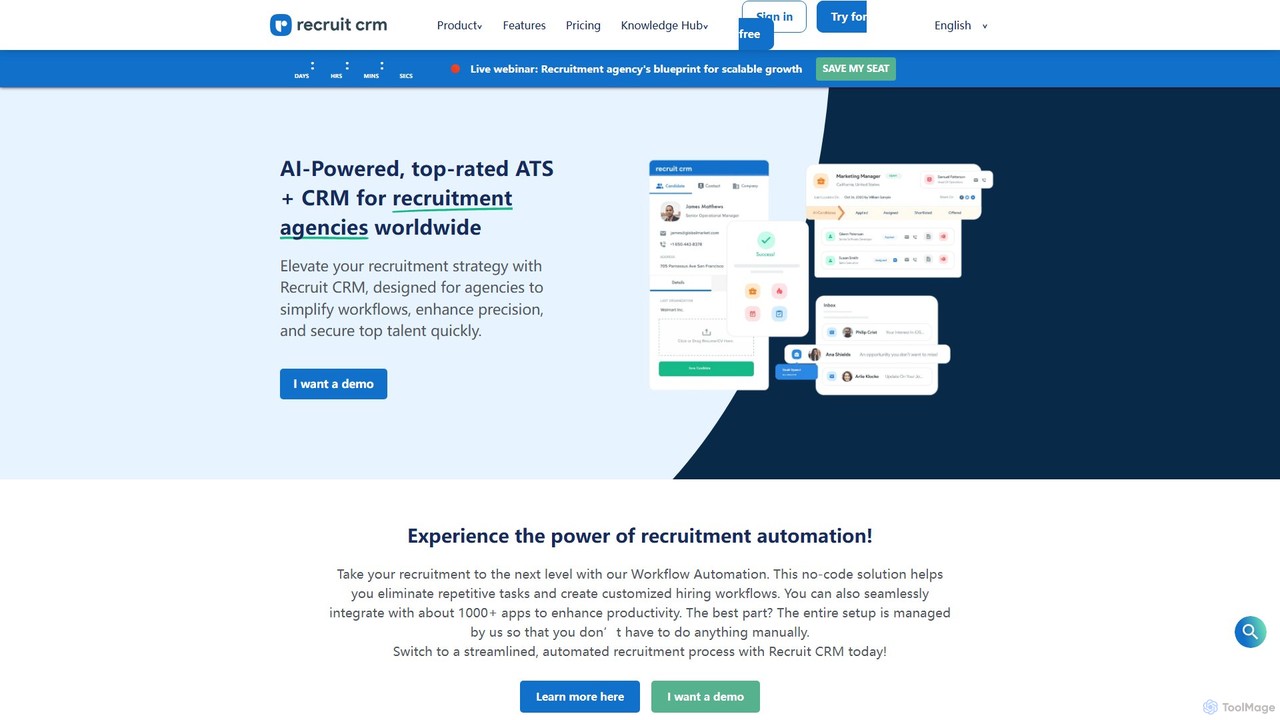
Recruit CRM is an AI-powered, all-in-one Applicant Tracking System (ATS) and CRM designed for recruitment and executive search firms. It automates repetitive tasks, streamlines workflows, and uses AI for precise resume parsing and candidate matching. With features like a Chrome sourcing extension, workflow automation, and GPT integration, it helps agencies source, engage, and place top talent faster and more efficiently.

Sales
Visits 1MFavorites 148Likes 137

About Crm

CRM (Customer Relationship Management) are AI-powered tools that enhance how businesses manage and analyze customer interactions and data throughout the customer lifecycle. These tools leverage artificial intelligence to automate tasks, personalize communications, and provide predictive insights, transforming traditional CRM functions. They aim to improve customer service relationships, assist in customer retention, and drive sales growth by understanding customer behavior more deeply.

Core Features

  • Automated Lead Scoring: AI analyzes lead data to predict conversion likelihood, prioritizing high-value prospects.
  • Personalized Customer Journeys: AI tailors marketing messages, product recommendations, and service interactions based on individual customer behavior and preferences.
  • Predictive Analytics: Forecasts sales trends, identifies potential churn risks, and suggests optimal next actions for sales and service teams.
  • Intelligent Chatbots & Virtual Assistants: Provides instant customer support, answers FAQs, and guides users through processes, freeing up human agents.
  • Sentiment Analysis: Analyzes customer feedback from various channels to gauge sentiment, helping businesses understand satisfaction levels and address issues proactively.

Use Cases

AI-powered CRM tools are indispensable for sales teams seeking to optimize their pipeline, marketing departments aiming for hyper-personalized campaigns, and customer service centers striving for efficient and proactive support. They are widely adopted across industries like e-commerce, finance, healthcare, and SaaS to streamline operations and build stronger customer relationships.

How to Choose

When selecting an AI CRM tool, consider its integration capabilities with existing systems, the depth of its AI features (e.g., predictive analytics, natural language processing), scalability to match business growth, and user-friendliness for your team. Evaluate the vendor's data security practices and customer support, and compare pricing models to ensure it aligns with your budget and specific business needs.

Featured tool rankings

Crm use cases

1

Automated Lead Qualification and Prioritization

Sales teams can leverage AI CRM to automatically score and prioritize incoming leads. By analyzing data points like website activity, email engagement, and demographic information, the AI identifies leads with the highest conversion potential. This allows sales representatives to focus their efforts on the most promising prospects, significantly reducing time spent on unqualified leads and improving overall sales efficiency by up to 30%.

2

Personalized Marketing Campaign Automation

Marketing professionals can use AI CRM to create highly personalized campaigns. The AI segments customers based on their past purchases, browsing history, and engagement patterns, then automatically delivers tailored content, product recommendations, and offers. This level of personalization can lead to a significant increase in conversion rates and customer loyalty, often boosting campaign ROI by 20-40% compared to generic campaigns.

3

Predictive Customer Churn Prevention

Customer success teams can proactively prevent churn using AI CRM. The AI analyzes customer usage patterns, support ticket history, and sentiment data to identify customers at risk of leaving. It then triggers automated alerts or suggests specific retention strategies, such as offering personalized discounts or proactive outreach from a dedicated account manager, potentially reducing churn rates by 15-25%.

4

Automated Customer Service with AI Chatbots

Businesses can deploy AI-powered chatbots within their CRM system to handle a large volume of routine customer inquiries 24/7. These chatbots can answer FAQs, guide customers through troubleshooting steps, and even process simple transactions, significantly reducing the workload on human support agents. This leads to faster response times, improved customer satisfaction, and a reduction in support costs by up to 40%.

5

Optimizing Sales Funnel with AI-driven Insights

Sales managers can utilize AI CRM to gain deep insights into their sales funnel performance. The AI analyzes historical sales data, identifies bottlenecks, and predicts future sales outcomes. It can suggest optimal strategies for moving leads through the pipeline, such as the best time to contact a prospect or the most effective messaging, leading to a more efficient sales process and an increase in closed deals by 10-20%.

6

Enhanced Customer Feedback Analysis and Action

Product development and customer experience teams can leverage AI CRM to analyze vast amounts of customer feedback from surveys, social media, and support interactions. The AI uses natural language processing to identify common themes, sentiment, and emerging issues, providing actionable insights. This enables businesses to quickly address pain points, prioritize product improvements, and tailor services, leading to higher customer satisfaction and loyalty.

Crm FAQ

What are AI CRM tools?

AI CRM tools are customer relationship management systems enhanced with artificial intelligence capabilities. They leverage AI to automate tasks, analyze vast amounts of customer data, personalize interactions, and provide predictive insights. These tools go beyond traditional CRM by offering intelligent automation for sales, marketing, and customer service, helping businesses understand and engage with customers more effectively.

How do AI CRM tools benefit businesses?

AI CRM tools offer numerous benefits, including improved operational efficiency through task automation, enhanced customer satisfaction via personalized experiences, and increased sales and revenue from predictive analytics. They help businesses gain deeper insights into customer behavior, optimize marketing campaigns, streamline sales processes, and provide more proactive and efficient customer support, ultimately leading to stronger customer relationships and competitive advantage.

What are the key AI capabilities in modern CRM systems?

Modern AI CRM systems integrate several key AI capabilities. These include natural language processing (NLP) for understanding customer queries and sentiment, machine learning (ML) for predictive analytics like lead scoring and churn prediction, and automation for routine tasks such as email responses and data entry. Additionally, AI can power intelligent chatbots, provide personalized recommendations, and optimize marketing campaign delivery.

How to choose the right AI CRM tool for your business?

Choosing the right AI CRM tool involves evaluating several factors. First, assess your specific business needs and goals, such as sales growth, customer retention, or service efficiency. Consider the tool's AI capabilities (e.g., predictive analytics, NLP), its integration with your existing tech stack, scalability for future growth, and user-friendliness. Also, compare pricing models, vendor support, and data security features to ensure it aligns with your budget and compliance requirements.

Can AI CRM tools integrate with existing business systems?

Yes, most modern AI CRM tools are designed with robust integration capabilities. They can seamlessly connect with various existing business systems such as ERP (Enterprise Resource Planning), marketing automation platforms, customer service desks, and communication tools (e.g., email, social media). This integration ensures a unified view of customer data across all touchpoints, enabling a more cohesive and efficient customer experience and operational workflow.