Data Management Best in category 3 results Knowledge Management AI Tool

Popular AI tools in the Knowledge Management field of Data Management include XMOX、Notability、Vectense, etc., helping you quickly improve efficiency.

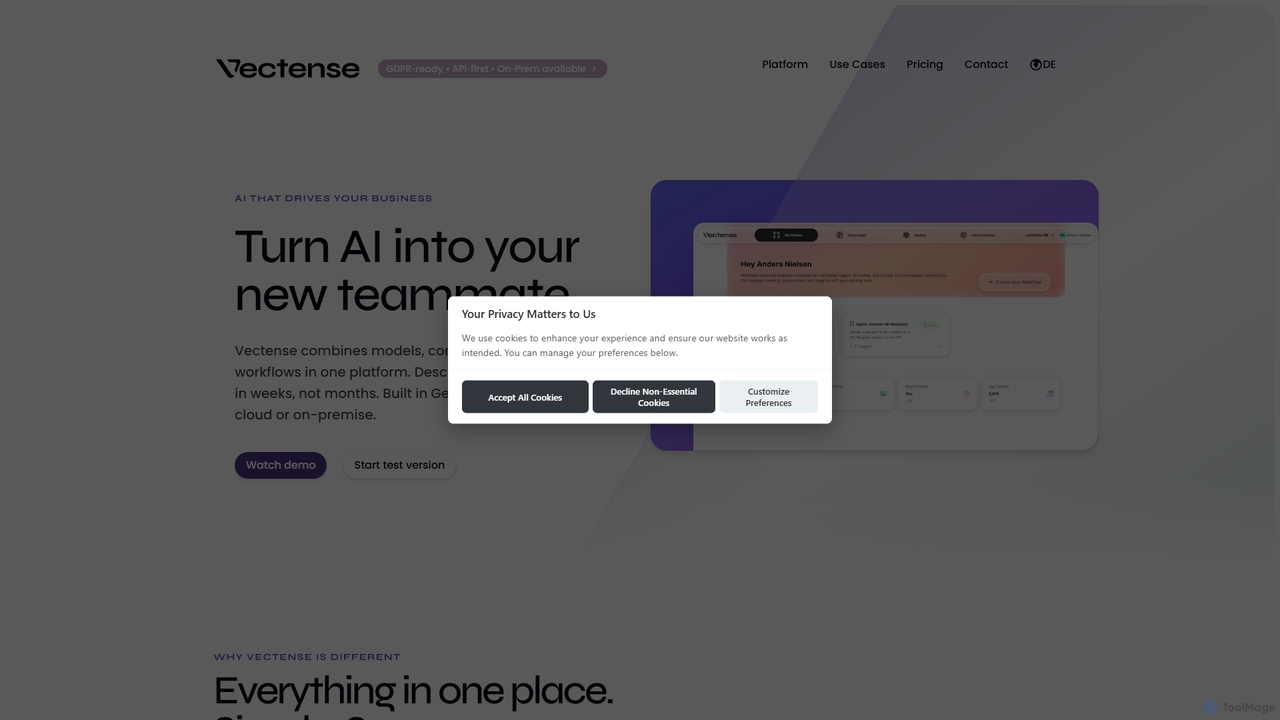
Vectense

Vectense

Vectense is an all-in-one AI platform designed to boost business efficiency by automating workflows. It combines AI models, …

2.3K
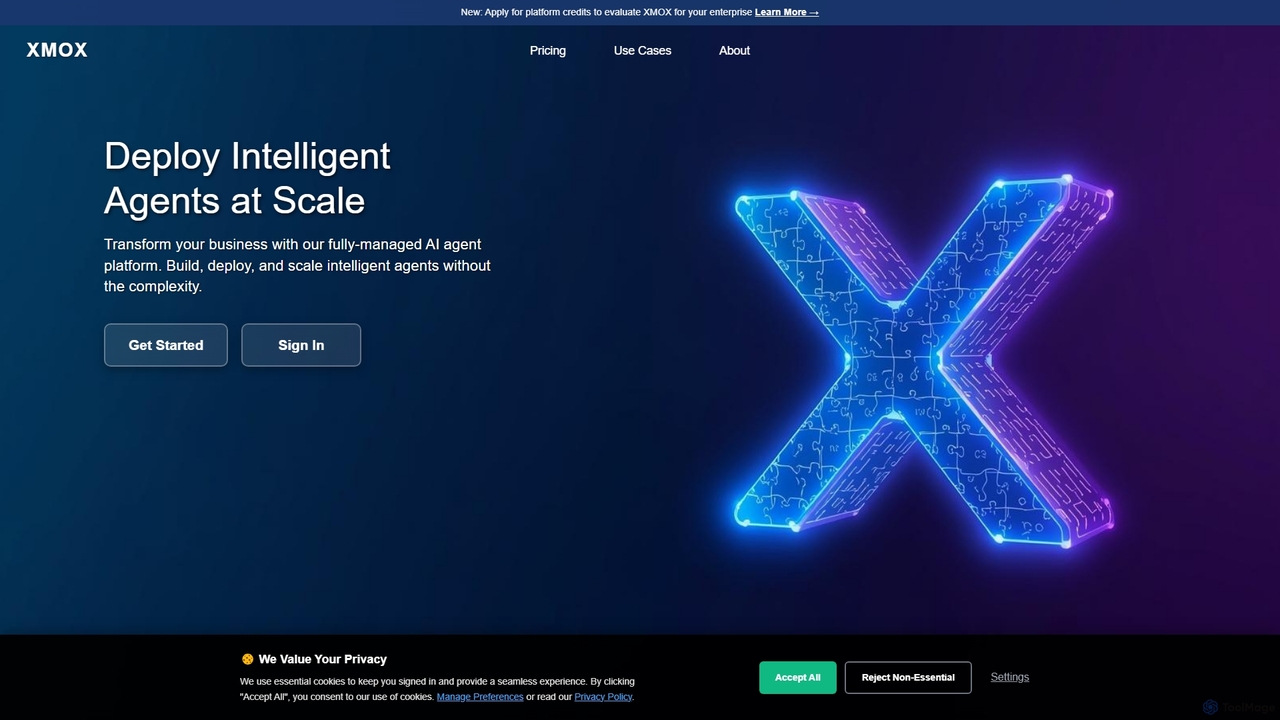
XMOX

XMOX

XMOX is a leading managed AI agents platform that provides enterprise-grade infrastructure and services for deploying, scaling, and …

2.4K
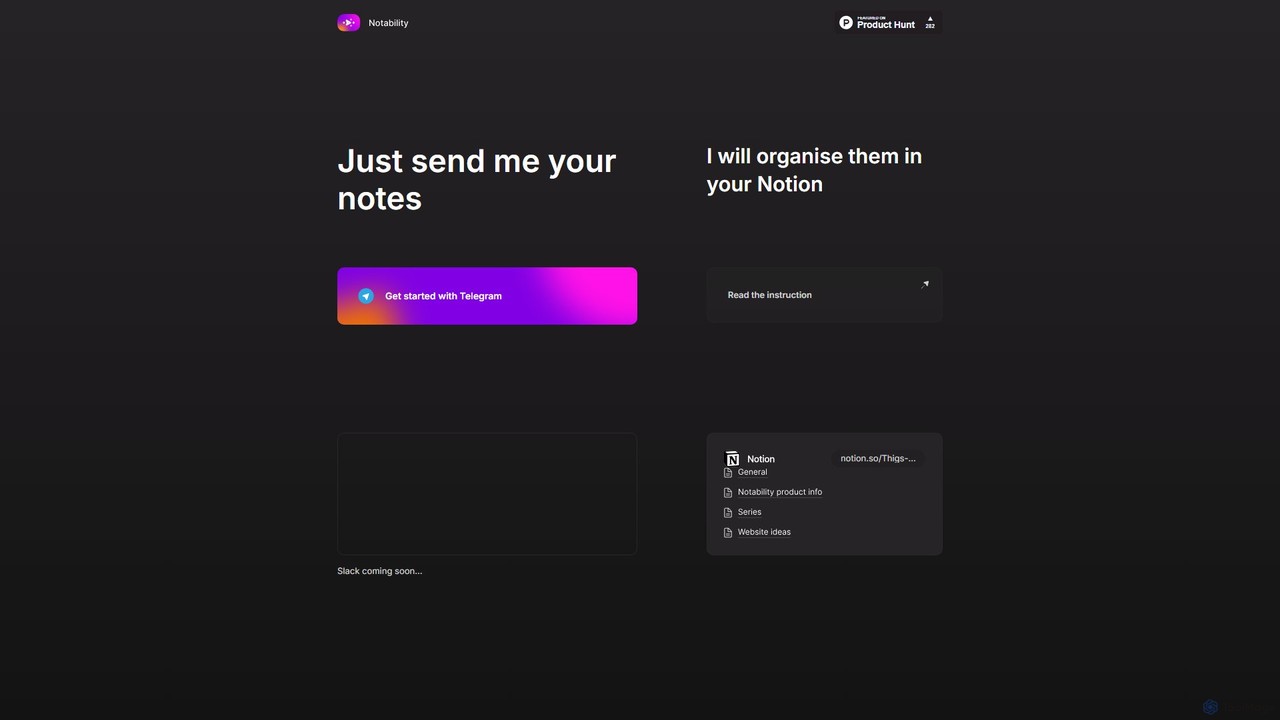
Notability

Notability

Notability is an AI-powered assistant that streamlines your workflow by automatically organizing notes from Telegram directly into your …

2.4K

About Knowledge Management

Knowledge Management tools are a class of AI-powered platforms designed to capture, organize, and retrieve an organization's collective information. These systems use Natural Language Processing (NLP) and machine learning to understand the context and relationships within unstructured data like documents, emails, and conversations. They transform scattered information into a centralized, searchable, and intelligent knowledge base, enabling teams to find answers, discover insights, and make informed decisions quickly. This approach goes beyond simple file storage by creating a dynamic network of interconnected knowledge.

Core Features

  • Semantic Search: Enables users to search using concepts and natural language questions, not just keywords, to find more relevant results.
  • Knowledge Graph Creation: Automatically maps relationships between documents, topics, people, and projects to reveal hidden connections.
  • Automated Content Tagging: Uses AI to analyze and categorize new information, ensuring the knowledge base remains organized and up-to-date.
  • Q&A and Expert Finding: Provides direct answers synthesized from internal documents or identifies subject matter experts within the organization.
  • Content Summarization: Generates concise summaries of long reports, meeting transcripts, or articles to accelerate information consumption.

Use Cases

These tools are widely used in large enterprises, consulting firms, and technology companies where institutional knowledge is a critical asset. They are essential for customer support teams needing quick access to solutions, R&D departments centralizing research findings, and remote-first companies aiming to bridge information gaps between distributed teams.

How to Choose

When selecting a Knowledge Management tool, consider its integration capabilities with existing platforms like Slack, Microsoft Teams, and Google Drive. Evaluate the accuracy and relevance of its semantic search engine. Assess its security protocols for handling sensitive data, the user-friendliness of its interface, and its ability to scale as your organization's knowledge grows.

Knowledge ManagementUse Cases

1

Building an Intelligent Internal Knowledge Base

An HR manager at a growing tech company needs to centralize all company policies, onboarding materials, and IT support guides. Instead of using a static folder system, they implement an AI Knowledge Management tool. The tool automatically ingests documents from Google Drive and Confluence, categorizes them, and builds a knowledge graph. When a new employee asks, 'What is the company's vacation policy?', the system provides a direct answer by synthesizing information from the HR handbook, rather than just linking to the document. This reduces repetitive questions to the HR team by over 60%.

2

Empowering Customer Support Agents

A customer support team for a complex software product struggles with long resolution times. They adopt an AI Knowledge Management system that integrates with their ticketing system (Zendesk) and internal chat (Slack). When a new ticket arrives, the system automatically surfaces relevant troubleshooting guides, past tickets with similar issues, and technical documentation. An agent can ask, 'How to fix error code 503 for enterprise clients?' and get a step-by-step guide instantly. This reduces the average ticket resolution time by 40% and improves agent onboarding speed.

3

Accelerating R&D and Innovation

A pharmaceutical research team needs to analyze decades of internal research papers, clinical trial data, and patents to avoid duplicating work and discover new connections. They use an AI Knowledge Management tool to create a unified knowledge graph of all their scientific data. A researcher can now ask complex questions like, 'What compounds have we tested that target protein XYZ and showed low toxicity?' The system cross-references thousands of documents to provide a synthesized report, highlighting promising research avenues and identifying internal experts on the topic, accelerating the drug discovery process.

4

Creating a Dynamic Sales Playbook

A sales team in a B2B SaaS company needs quick access to the latest case studies, competitor intelligence, and product feature updates. They connect their AI Knowledge Management tool to Salesforce, Slack, and their marketing content repository. When a salesperson is preparing for a call with a prospect in the finance industry, they can search for 'case studies for banks in Europe'. The system instantly pulls the most relevant content, including a summary of key results. It can also proactively notify them in Slack when a new competitor analysis is published, ensuring the entire team is always equipped with the most current information.

5

Streamlining Legal and Compliance Workflows

A corporate legal department manages thousands of contracts, regulatory filings, and internal policies. Finding specific clauses or precedents is time-consuming and prone to error. By implementing an AI Knowledge Management platform, they can perform semantic searches across their entire document library. A paralegal can ask, 'Show me all contracts with non-compete clauses signed in the last 2 years' and receive a precise list of documents with the relevant sections highlighted. This reduces legal research time by up to 75% and helps ensure consistent compliance across the organization.

6

Capturing Expertise in a Consulting Firm

A global management consulting firm's primary asset is the collective expertise of its consultants. To prevent knowledge loss when employees leave and to leverage past project learnings, they deploy an AI Knowledge Management system. The system analyzes project reports, client presentations, and internal discussion channels. When starting a new project on 'supply chain optimization in retail', a consultant can search for this topic. The system not only provides relevant past project documents but also identifies and ranks the top 5 internal experts on the subject based on their contributions, facilitating knowledge sharing and collaboration.

Knowledge ManagementFrequently Asked Questions