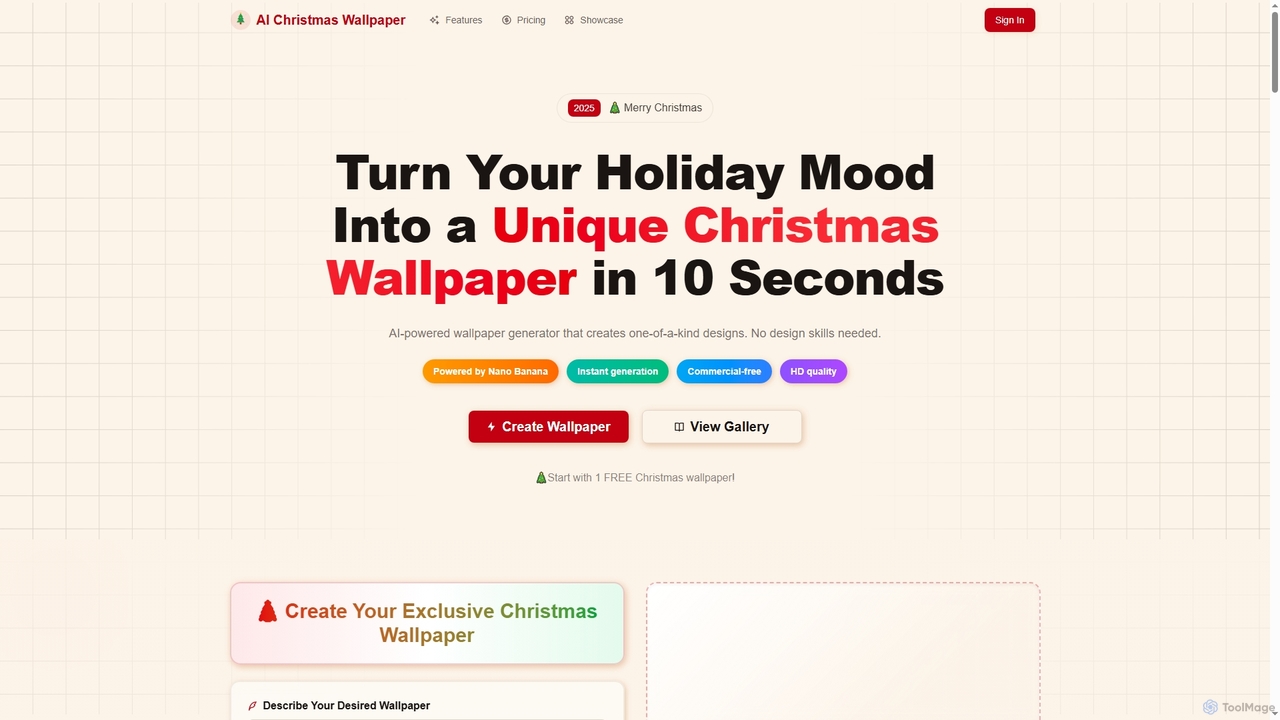
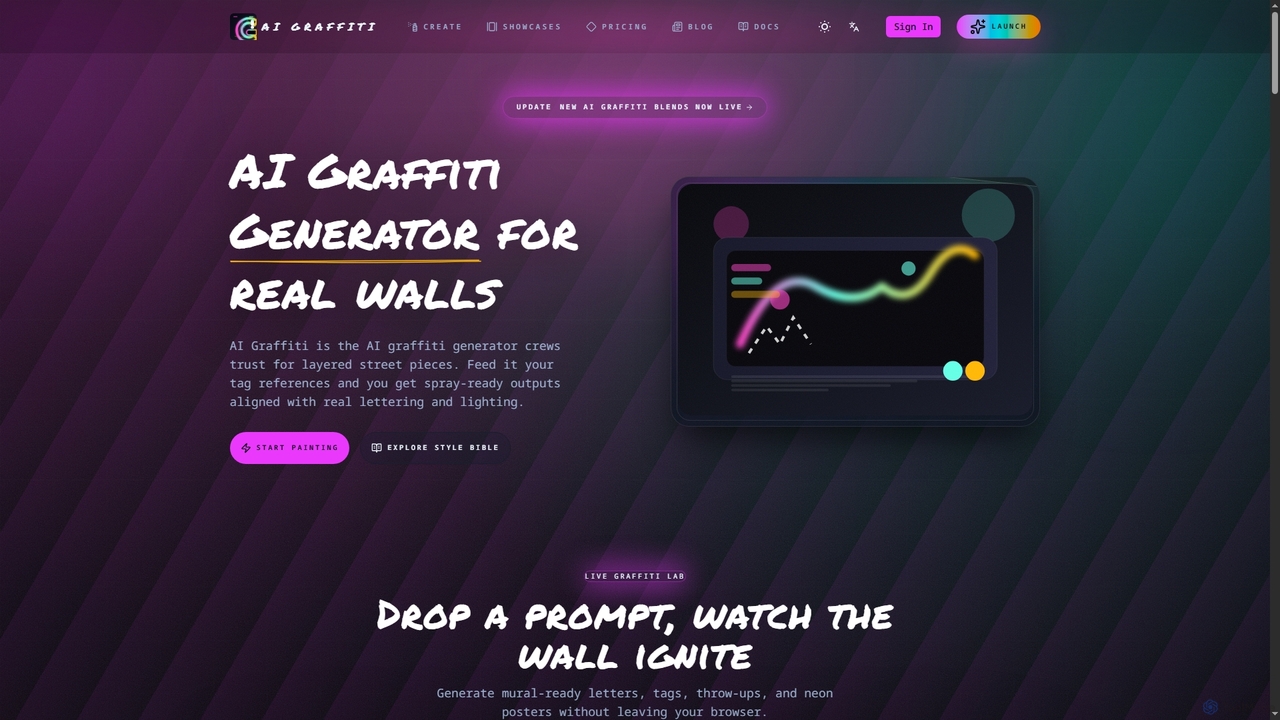
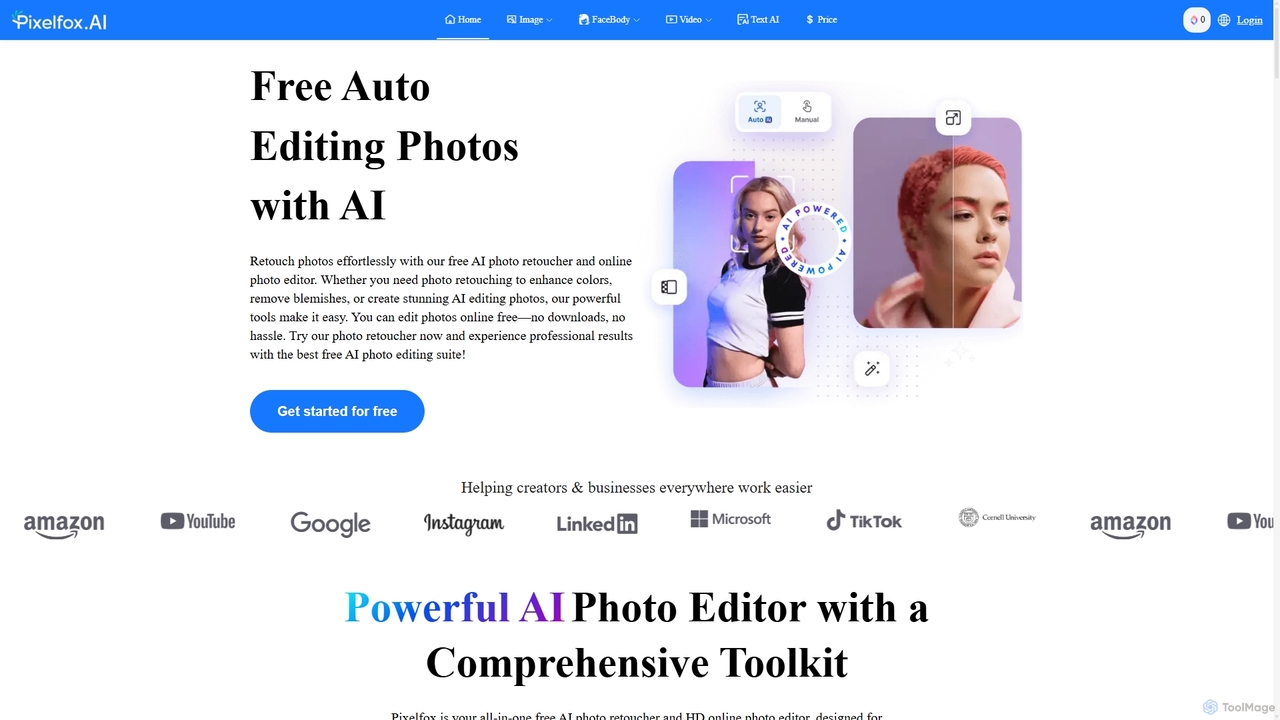
Generative Art tools are AI-powered applications that create novel and unique artistic content, such as images, music, or text, from user-defined parameters or algorithms. These tools leverage advanced machine learning models like GANs and diffusion models to interpret inputs and generate diverse outputs. They empower artists, designers, and creators to explore new aesthetics, automate creative processes, and produce a vast array of unique digital assets. Generative Art represents a significant evolution within the broader Design category, shifting focus from manual manipulation to algorithmic creation.
Core Features
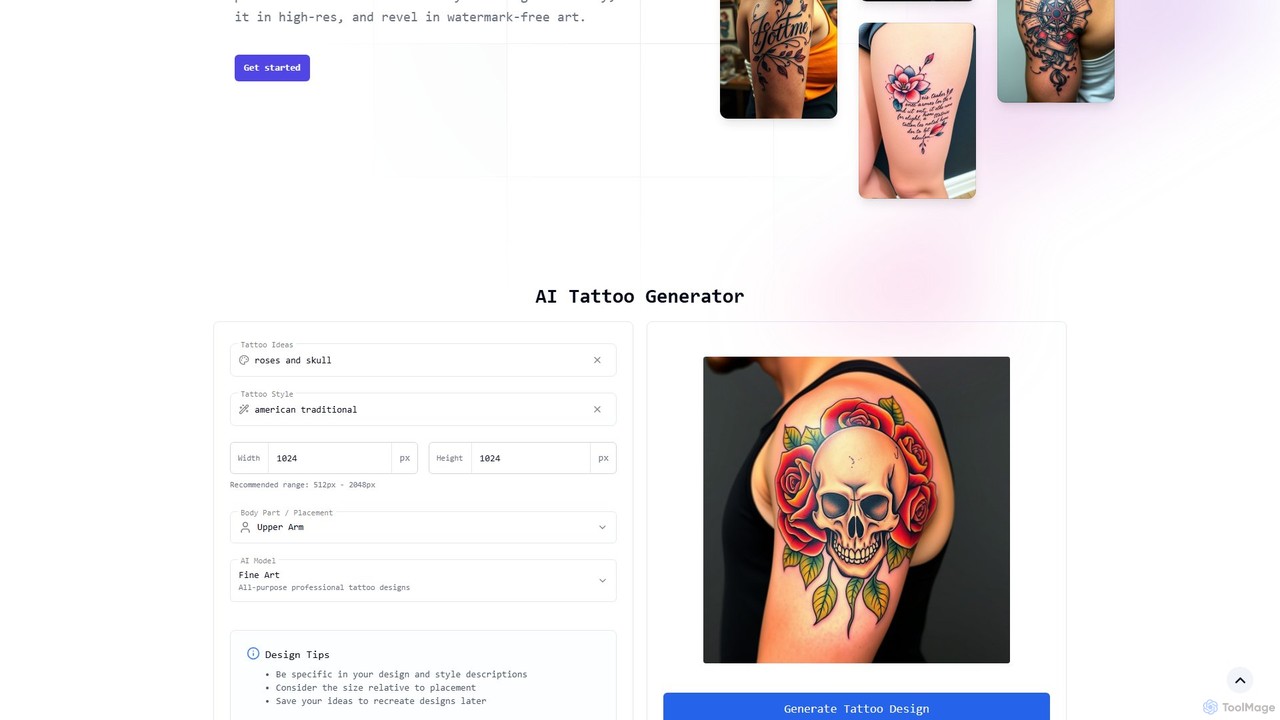
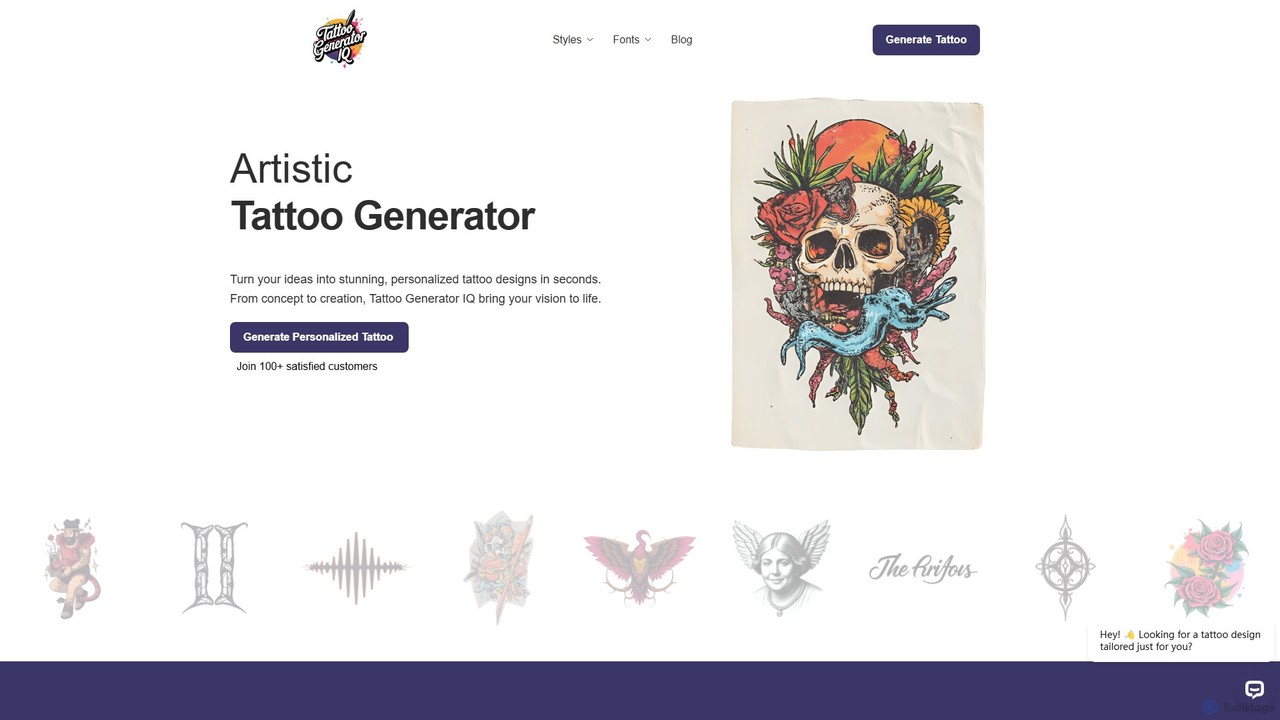
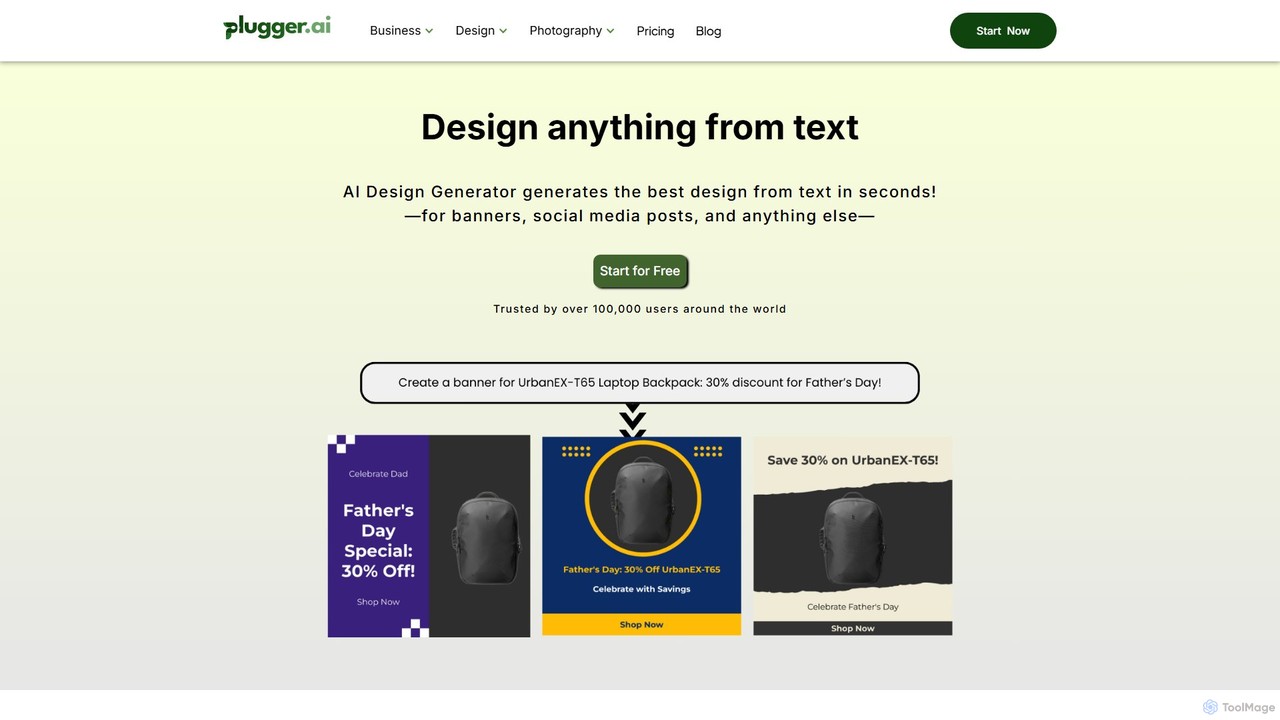
- Text-to-Image Generation: Transforms textual descriptions into visual artworks, allowing users to describe their vision and see it realized.
- Style Transfer: Applies the artistic style of one image to the content of another, creating unique hybrid visuals.
- Parameter-Based Variation: Generates multiple iterations of an artwork by adjusting specific parameters, enabling rapid exploration of creative possibilities.
- 3D Asset Creation: Produces unique 3D models, textures, or environments from simple prompts or sketches, accelerating design workflows.
- Algorithmic Composition: Generates original musical pieces or soundscapes based on genre, mood, or instrumental inputs.
Use Cases
Generative Art tools are utilized across various creative industries, from individual digital artists seeking new forms of expression to large studios streamlining concept development. They are particularly valuable for rapid prototyping, exploring diverse visual styles, and creating unique, scalable content. These tools allow users to transcend traditional artistic limitations, fostering innovation in design and media production.
How to Choose
Selecting a Generative Art tool involves considering several factors: the type of content you wish to generate (e.g., images, music, 3D models), the level of control and customization offered, the quality and resolution of the output, and the underlying AI model's capabilities. Evaluate the user interface for ease of use, assess the community support and available tutorials, and compare pricing models, including subscription costs or credit-based systems, to find a tool that aligns with your creative goals and budget.