ToolMage
Sign in

Best 36 Generative Art AI tools for Design

Popular Generative Art AI tools in Design include Lovart, Customuse, Pi, Morphic, Imgkits, Claid.ai, Predis.ai, Phygital+, Cloudairy, and 360 Zhitou, helping you work more efficiently.

Lovart
Freemium

Lovart

Lovart is the world's first AI Design Agent that automates the entire design process. From a single idea, Lovart can plan, explore, and create a wide range of assets including images, videos, 3D models, and complete brand identities. It uses an interactive ChatCanvas for seamless human-AI co-creation, making professional design accessible to everyone, regardless of skill level.

Generative Art
Visits 3.8MFavorites 135Likes 152
autoretouch
Paid

autoretouch

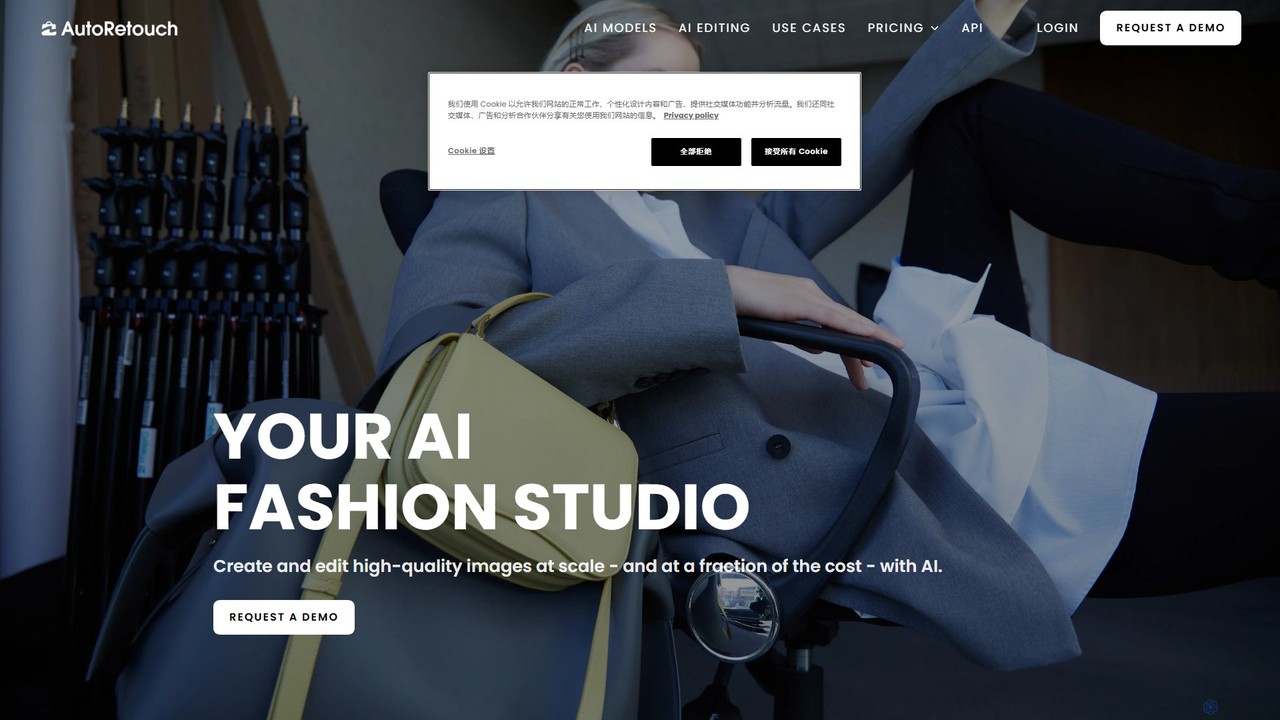
AutoRetouch is an AI-powered platform designed for the fashion industry to automate and scale visual content production. It offers AI model generation to replace traditional photoshoots and a comprehensive suite of AI editing tools to ensure brand consistency, reduce costs, and accelerate time-to-market for e-commerce and marketing visuals.

Generative Art
Visits 6.1KFavorites 112Likes 121
Imgkits
Freemium

Imgkits

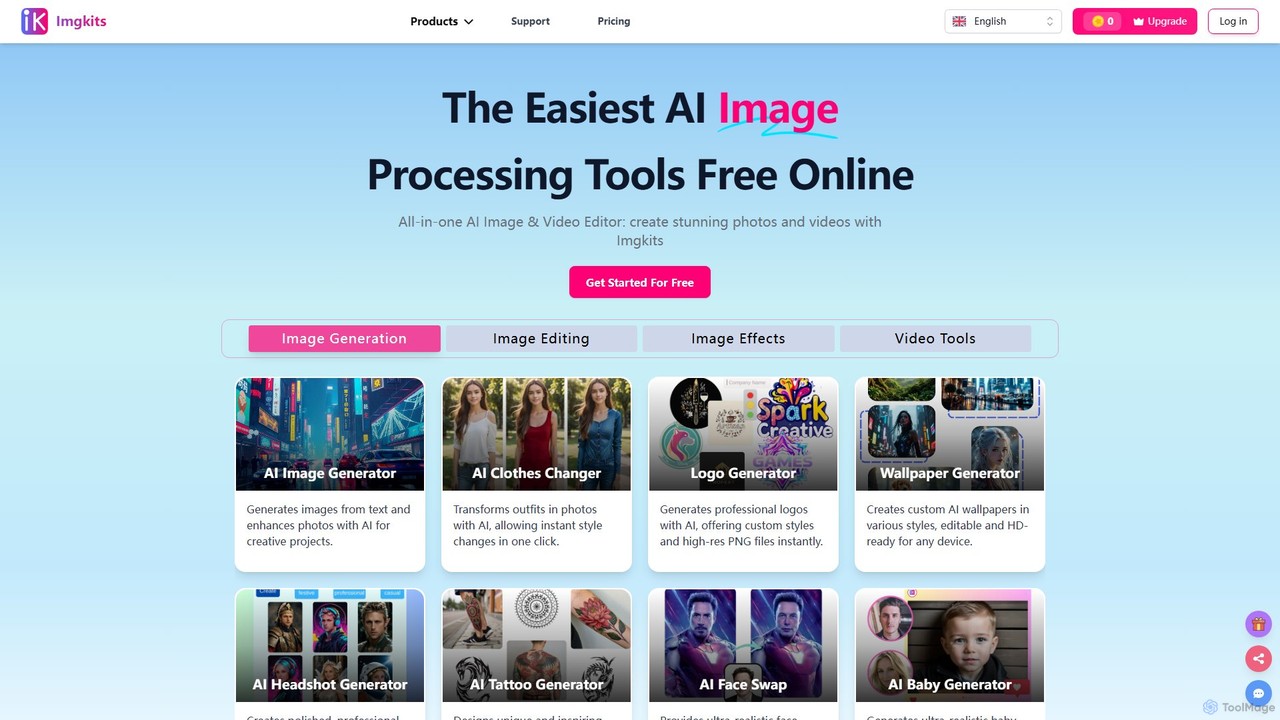
Imgkits is a comprehensive, AI-powered online platform for image and video editing. It offers a wide array of tools, including AI image generation, background removal, photo restoration, object removal, and video creation from text or images. Designed for ease of use, it allows users to create stunning visuals for professional or personal projects without requiring any technical expertise.

Generative Art
Visits 332.1KFavorites 119Likes 125
Morphic
Freemium

Morphic

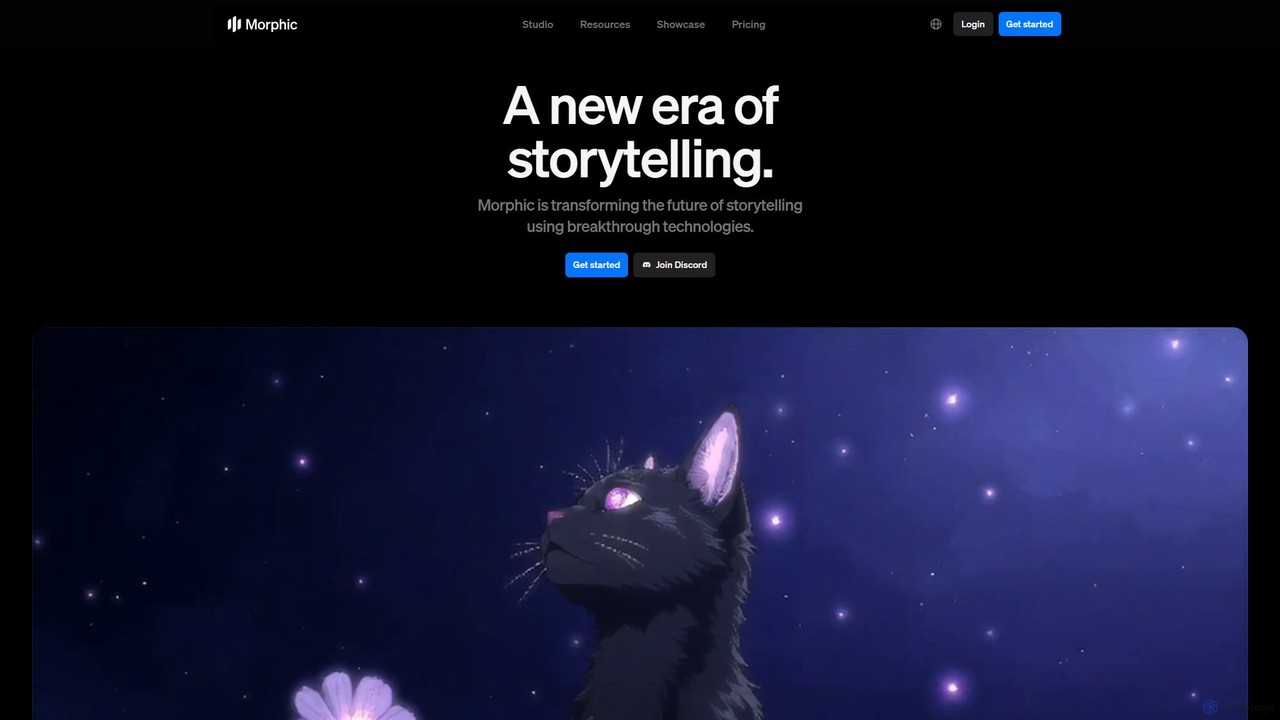
Morphic is an AI-powered video creation studio designed for filmmakers, animators, and game designers. It provides an end-to-end platform to transform ideas into cinematic stories with features like consistent character generation, advanced camera controls, and a collaborative editing canvas. Turn your vision into high-quality animated content efficiently.

Generative Art
Visits 492.9KFavorites 125Likes 120
Predis.ai
Freemium

Predis.ai

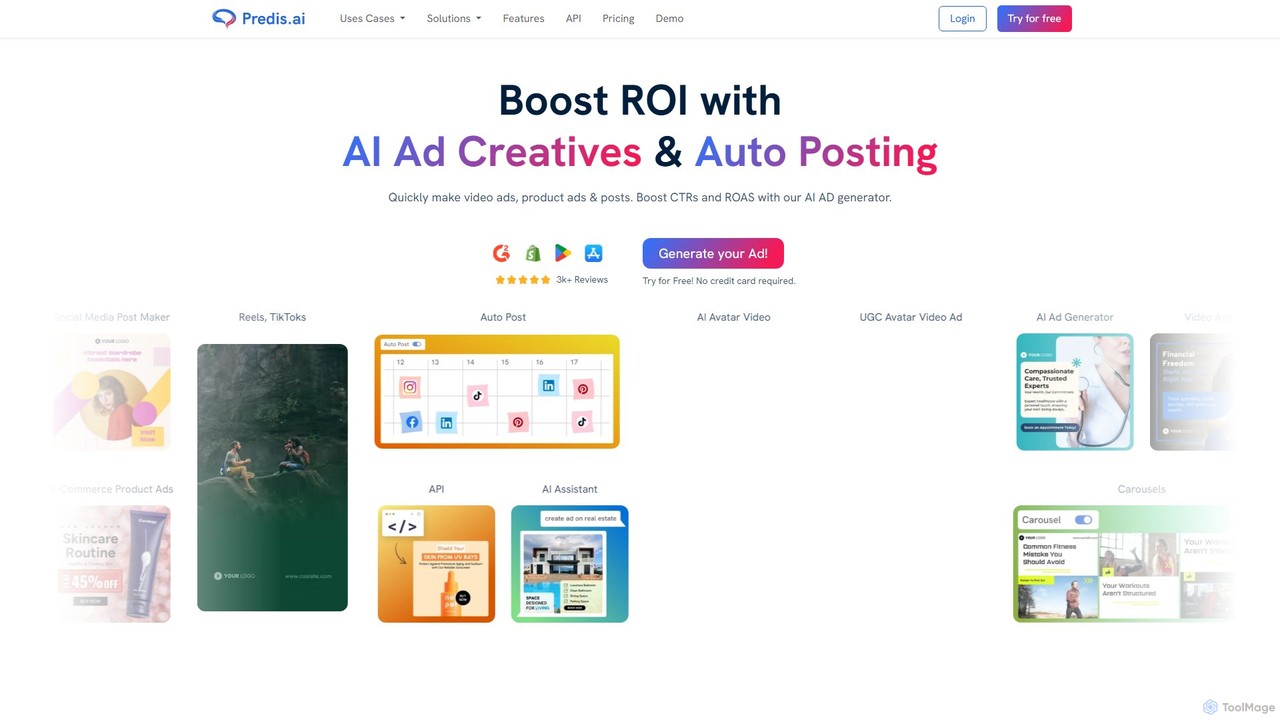
Predis.ai is an AI-powered social media marketing tool that automates content creation, from video ads and Reels to carousels and single-image posts. It helps businesses, agencies, and e-commerce stores generate, schedule, and publish engaging content in seconds, complete with captions and hashtags. It also offers competitor analysis to refine your social media strategy.

Generative Art
Visits 313.8KFavorites 133Likes 139
Customuse
Freemium

Customuse

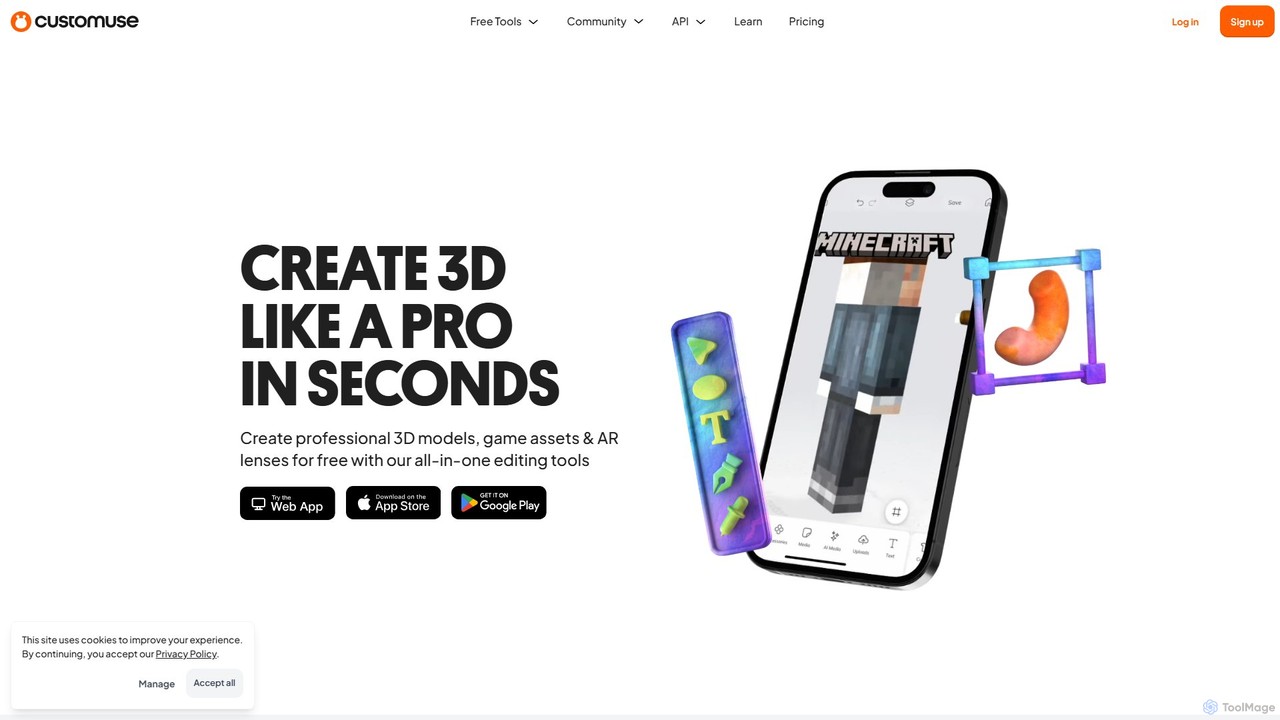
Customuse is an all-in-one AI-powered design studio for creating professional 3D models, game assets, and AR filters. It simplifies 3D creation for platforms like Roblox, Minecraft, Zepeto, Snapchat, and TikTok, using an intuitive editor, extensive templates, and powerful AI tools. Available on both desktop and mobile, it empowers creators of all skill levels to design, monetize, and share their digital creations effortlessly.

Modeling
Visits 532.2KFavorites 113Likes 119
Ink Studio AI
Freemium

Ink Studio AI

Ink Studio AI is an advanced AI-powered tattoo generator that transforms your ideas into unique, high-quality tattoo designs in minutes. It offers multiple styles, a photo-to-tattoo converter, and a virtual try-on feature, making it easy to visualize and perfect your ideal tattoo before consulting an artist.

Tattoo Design
Visits 61.8KFavorites 104Likes 102
Fotographer.ai
Freemium

Fotographer.ai

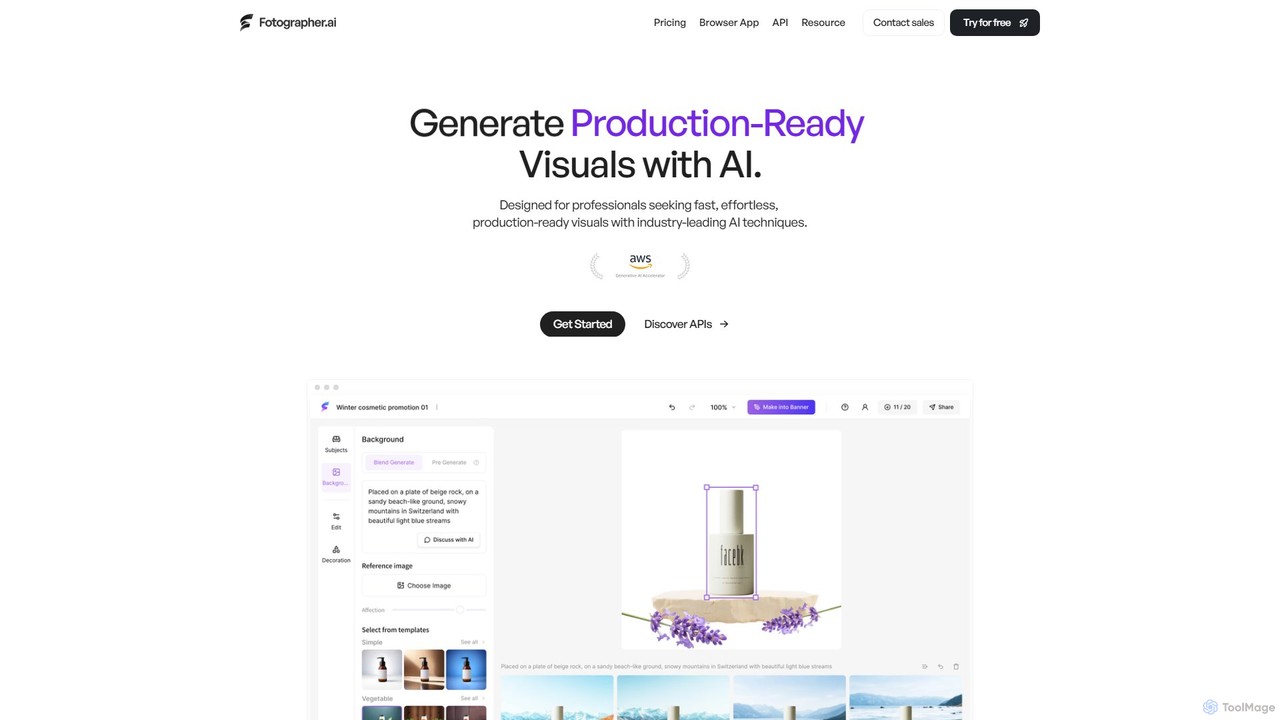
Fotographer.ai is an all-in-one AI creative suite designed for professionals to generate production-ready visuals. It specializes in product photography, offering tools for AI background generation, relighting, virtual try-on, and high-consistency image generation from a single input. It's built to streamline creative workflows for e-commerce, marketing, and branding.

Generative Art
Visits 14.5KFavorites 143Likes 150
TattoosAI
Freemium

TattoosAI

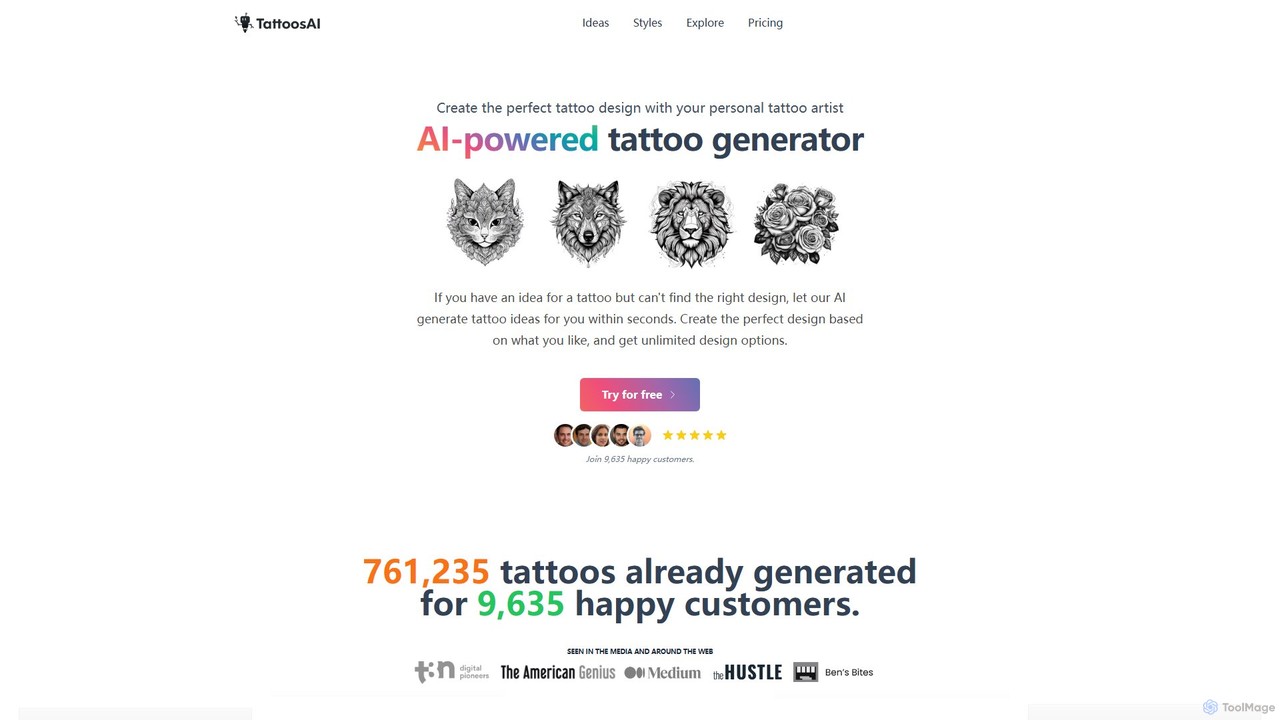
TattoosAI is an AI-powered tattoo generator that transforms your ideas into unique, custom tattoo designs in seconds. Describe your concept, choose from over 18 distinct styles, and receive unlimited design options. It's your personal digital tattoo artist, perfect for finding inspiration, visualizing ideas, and creating a one-of-a-kind piece before you get inked.

Tattoo Design
Visits 84.3KFavorites 115Likes 105
scene
Freemium

scene

scene is an intelligent AI-powered website builder that enables users to create professional, fully-functional websites in minutes. By leveraging artificial intelligence, it automates the design, content creation, and optimization processes, making web development accessible to everyone, regardless of their technical skills.

Generative Art
Visits 10.3KFavorites 164Likes 169
inkgen
Freemium

inkgen

inkgen is an AI-powered tattoo generator that transforms your text descriptions into unique, custom tattoo designs. Instantly visualize your ideas in various styles, from minimalist to traditional. Perfect for individuals seeking inspiration and artists looking for a creative boost.

Tattoo Design
Visits 37.4KFavorites 161Likes 165
Mocky AI
Freemium

Mocky AI

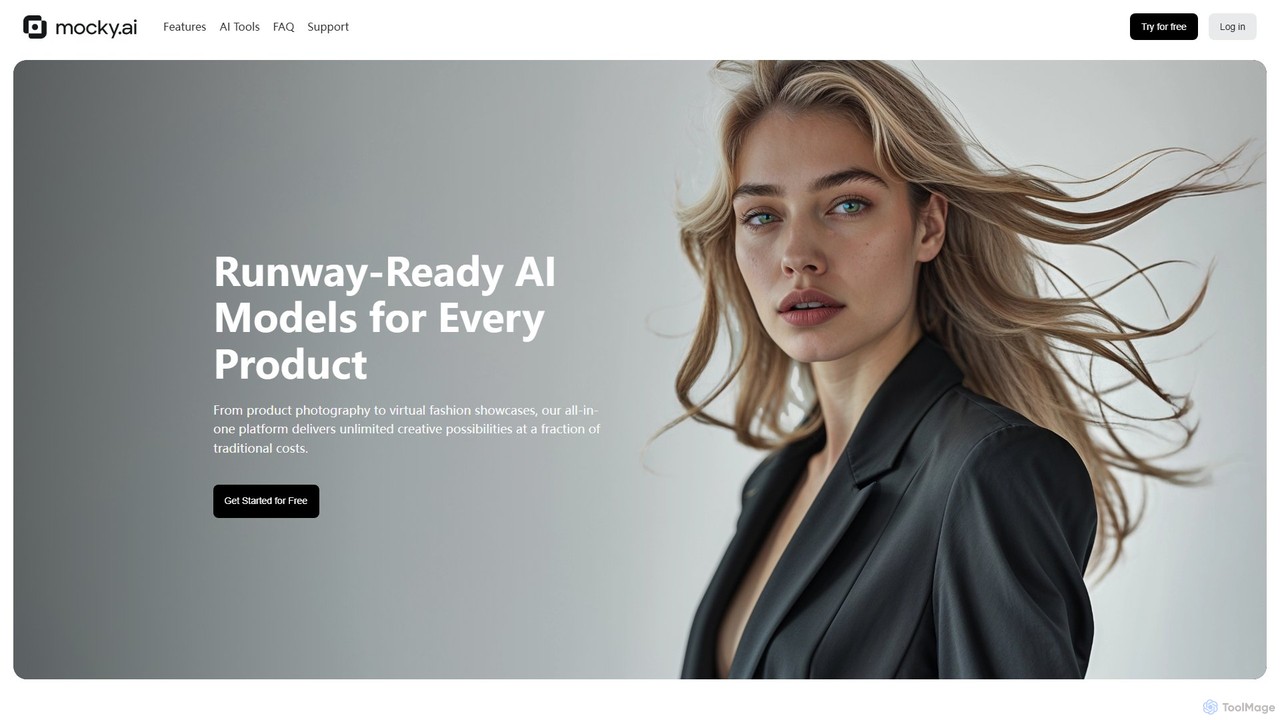
Mocky AI is an all-in-one platform that revolutionizes product photography using AI. Instantly generate professional, studio-quality images by placing your products on a diverse range of hyper-realistic AI models. It offers a complete suite of editing tools, including background removal, object removal, and AI video creation, enabling e-commerce brands to create stunning visuals affordably and efficiently without the need for traditional photoshoots.

Generative Art
Visits 18KFavorites 137Likes 144

About Generative Art

Generative Art tools are AI-powered applications that create novel and unique artistic content, such as images, music, or text, from user-defined parameters or algorithms. These tools leverage advanced machine learning models like GANs and diffusion models to interpret inputs and generate diverse outputs. They empower artists, designers, and creators to explore new aesthetics, automate creative processes, and produce a vast array of unique digital assets. Generative Art represents a significant evolution within the broader Design category, shifting focus from manual manipulation to algorithmic creation.

Core Features

  • Text-to-Image Generation: Transforms textual descriptions into visual artworks, allowing users to describe their vision and see it realized.
  • Style Transfer: Applies the artistic style of one image to the content of another, creating unique hybrid visuals.
  • Parameter-Based Variation: Generates multiple iterations of an artwork by adjusting specific parameters, enabling rapid exploration of creative possibilities.
  • 3D Asset Creation: Produces unique 3D models, textures, or environments from simple prompts or sketches, accelerating design workflows.
  • Algorithmic Composition: Generates original musical pieces or soundscapes based on genre, mood, or instrumental inputs.

Use Cases

Generative Art tools are utilized across various creative industries, from individual digital artists seeking new forms of expression to large studios streamlining concept development. They are particularly valuable for rapid prototyping, exploring diverse visual styles, and creating unique, scalable content. These tools allow users to transcend traditional artistic limitations, fostering innovation in design and media production.

How to Choose

Selecting a Generative Art tool involves considering several factors: the type of content you wish to generate (e.g., images, music, 3D models), the level of control and customization offered, the quality and resolution of the output, and the underlying AI model's capabilities. Evaluate the user interface for ease of use, assess the community support and available tutorials, and compare pricing models, including subscription costs or credit-based systems, to find a tool that aligns with your creative goals and budget.

Featured tool rankings

Generative Art use cases

1

Generate Concept Art for Game Development

Game artists and designers can use Generative Art tools to rapidly create a multitude of character designs, environment concepts, or prop variations. By inputting textual descriptions or rough sketches, they can generate hundreds of unique visual ideas in minutes, significantly accelerating the initial ideation phase and providing a rich pool of options for further refinement, saving weeks of manual drawing time.

2

Create Unique Digital Artworks for Portfolios

Digital artists and illustrators can leverage Generative Art tools to produce distinctive and original pieces for their portfolios or online galleries. Instead of starting from a blank canvas, they can guide AI models with prompts, styles, and parameters to generate complex compositions, abstract patterns, or surreal landscapes. This allows for experimentation with new aesthetics and the creation of a diverse body of work that stands out.

3

Design Marketing Campaign Visuals

Marketing professionals and advertisers can use Generative Art tools to quickly produce a wide array of visual assets for campaigns. From social media graphics to banner ads, these tools can generate multiple creative variations based on brand guidelines, target audience, and desired mood. This enables rapid A/B testing, personalized content delivery, and ensures a fresh, engaging visual presence across all marketing channels without extensive manual design effort.

4

Generate Unique Illustrations for Content Creation

Content creators, bloggers, and publishers can utilize Generative Art tools to produce custom illustrations, header images, or visual metaphors for their articles and posts. Instead of relying on stock photos or hiring illustrators for every piece, they can generate unique visuals that perfectly match their content's theme and tone. This ensures originality, enhances reader engagement, and significantly reduces the time and cost associated with acquiring visual assets.

5

Explore Fashion Design Concepts and Patterns

Fashion designers and textile artists can utilize Generative Art tools to rapidly explore new design concepts, fabric patterns, and garment silhouettes. By inputting themes, colors, or material properties, they can generate countless unique patterns, textures, or even virtual garment prototypes. This accelerates the ideation phase, allows for quick visualization of diverse styles, and helps identify innovative design elements before physical production, saving significant resources.

6

Generate Architectural Visualization Elements

Architects and architectural visualizers can employ Generative Art tools to create unique textures, landscape elements, or interior design concepts for their renderings. Instead of relying on repetitive asset libraries, they can generate bespoke materials, foliage, or furniture designs that add originality and realism to their visualizations. This enhances the aesthetic appeal of presentations and allows for greater creative freedom in conceptualizing spaces.

Generative Art FAQ

What are Generative Art tools?

Generative Art tools are AI-powered applications that create new and unique artistic content, such as images, music, or text, based on algorithms and user inputs. They leverage advanced machine learning models like GANs and diffusion models to produce diverse outputs. These tools empower creators to explore new aesthetics and automate parts of the creative process, offering a blend of algorithmic precision and artistic expression.

How to choose the right Generative Art tool?

When selecting a Generative Art tool, consider the specific type of content you want to create (e.g., images, music, 3D models) and the level of creative control you desire. Evaluate the quality and resolution of the generated outputs, the ease of use of its interface, and the underlying AI model's capabilities. Also, compare pricing structures, community support, and integration options with other design software to ensure it fits your workflow and budget.

What is the difference between Generative Art and traditional digital art tools?

Generative Art tools primarily focus on *creating* new content autonomously or semi-autonomously through algorithms, often with minimal direct manipulation. Traditional digital art tools, like Photoshop or Illustrator, focus on *editing*, *manipulating*, or *drawing* existing or user-created elements with precise manual control. Generative tools excel at exploration and producing diverse variations from prompts, while traditional tools offer granular control over every pixel or vector point.

What types of content can Generative Art tools create?

Generative Art tools are highly versatile and can create a wide range of content. This includes diverse visual art forms such as abstract images, realistic photos, concept art, illustrations, and textures. Beyond visuals, some advanced tools can also generate original music compositions, soundscapes, written text, poetry, or even 3D models and animations. The specific output depends on the tool's underlying AI model and its intended purpose.

Who uses Generative Art tools?

Generative Art tools are used by a diverse range of individuals and professionals. This includes digital artists and illustrators seeking new creative avenues, game developers and concept artists for rapid ideation, marketing professionals creating unique campaign visuals, and content creators needing custom imagery. Fashion designers, architects, musicians, and even researchers also leverage these tools to explore innovative designs, compositions, and data visualizations, pushing the boundaries of their respective fields.

Are Generative Art tools easy to learn for beginners?

The ease of learning Generative Art tools varies significantly depending on the specific tool and its complexity. Many modern tools are designed with user-friendly interfaces, offering intuitive text-to-image prompts and preset styles, making them accessible for beginners to start creating quickly. However, mastering advanced features, understanding parameters, or fine-tuning AI models for specific artistic visions often requires more time, experimentation, and a deeper understanding of the underlying technology and artistic principles.