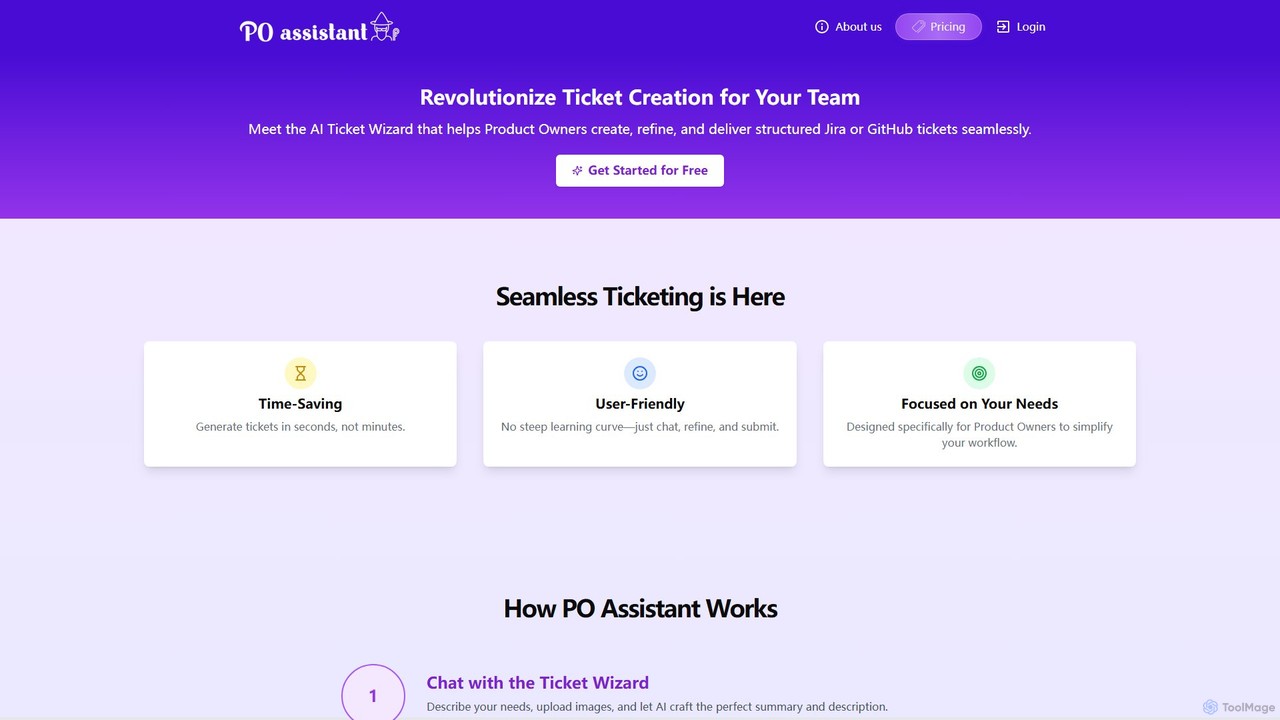
AI-powered Issue Tracking tools are a specialized category of developer tools that use artificial intelligence to automate the management, prioritization, and resolution of software bugs and tasks. These systems leverage machine learning and natural language processing (NLP) to analyze bug reports, user feedback, and code commits, automatically identifying duplicates, suggesting assignees, and predicting issue severity. This intelligent automation helps development teams reduce manual triage time, focus on critical issues first, and accelerate the entire development lifecycle. They transform a reactive bug list into a proactive, data-driven workflow.
Core Features
- Automated Triage & Prioritization: Uses AI to analyze new issues and automatically assign priority, labels, and the most relevant developer.
- Duplicate Issue Detection: Scans new and existing reports to identify and merge duplicate issues, cleaning up the backlog.
- Root Cause Analysis Suggestion: Analyzes code changes and error logs related to an issue to suggest potential root causes.
- Sentiment Analysis: Processes user feedback from various channels to gauge issue impact and user frustration levels.
- Predictive Analytics: Forecasts potential future bugs based on code complexity and change history, enabling proactive quality assurance.
Use Cases
These tools are primarily used by software development teams, QA engineers, and product managers within agile environments. They are particularly effective in large-scale projects with high volumes of incoming issues from users, automated testing, or internal teams. IT support and operations teams also use them to manage technical incidents and service requests more efficiently.
How to Choose
When selecting an AI Issue Tracking tool, consider its integration capabilities with your existing toolchain (e.g., GitHub, GitLab, Slack, Jira). Evaluate the accuracy and customizability of its AI models for tasks like prioritization and duplicate detection. Also, assess the user interface for clarity and ease of use, and consider the pricing model based on your team size and issue volume.