Developer Tools Best in category 3 results Sql AI Tool

Popular AI tools in the Sql field of Developer Tools include Formula Bot、GPTExcel、neuralformula, etc., helping you quickly improve efficiency.

neuralformula

neuralformula

NeuralFormula is an AI-powered assistant that instantly translates natural language into complex spreadsheet formulas, SQL queries, and Regex. …

2.3K
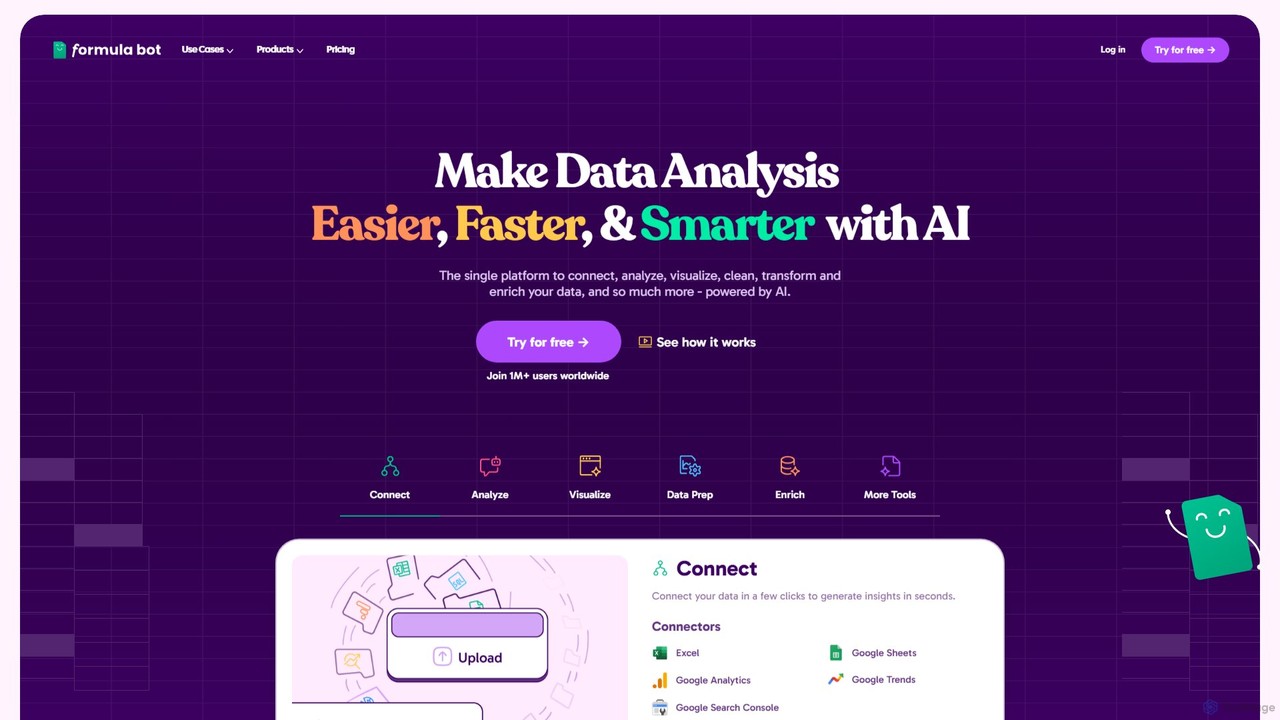
Formula Bot

Formula Bot

Formula Bot is an AI-powered data analysis platform that simplifies working with spreadsheets and data. It allows users …

290.9K
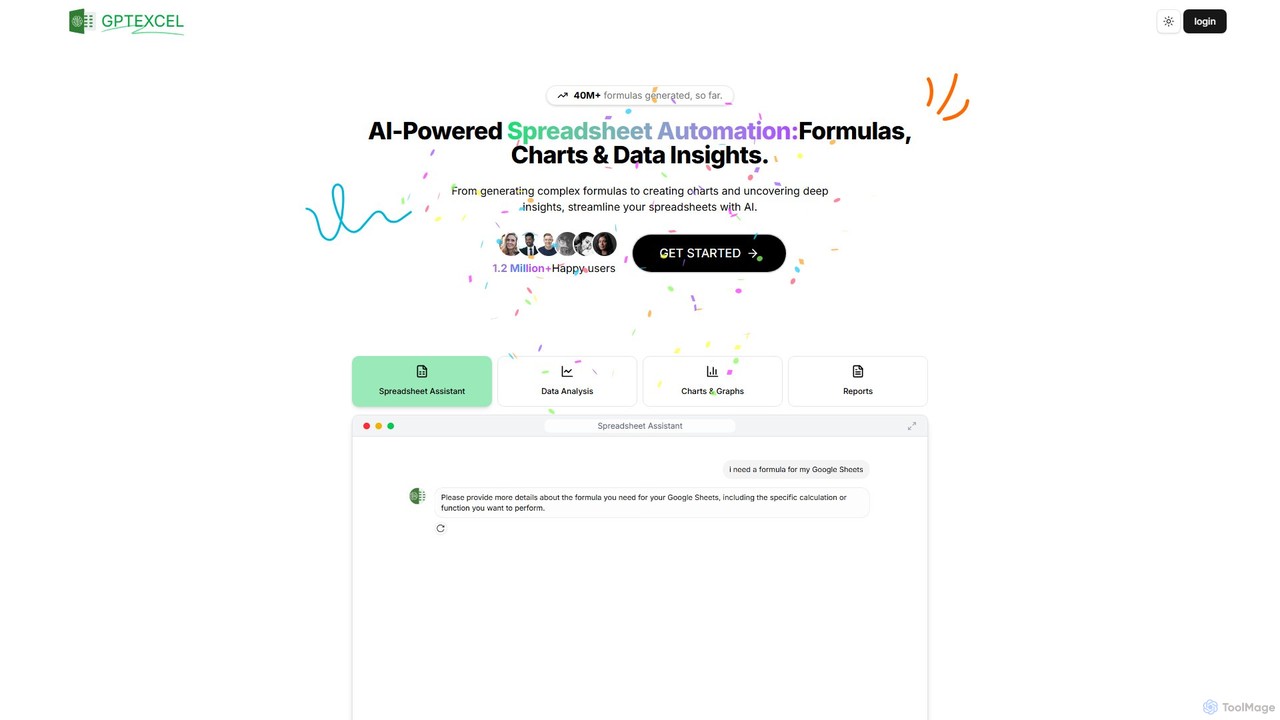
GPTExcel

GPTExcel

GPTExcel is an AI-powered assistant that revolutionizes spreadsheet workflows. It generates complex formulas, automation scripts (VBA, Apps Script), …

277.9K

About Sql

SQL (Structured Query Language) is a specialized programming language designed for managing and manipulating relational databases. It serves as the standard interface for interacting with database systems, enabling users to define, query, update, and control data. Essential for developers, data analysts, and database administrators, SQL facilitates efficient data retrieval, robust data management, and the maintenance of data integrity across various applications.

Core Features

  • Data Querying (SELECT): Retrieves specific data based on defined criteria from one or more database tables.
  • Data Manipulation (INSERT, UPDATE, DELETE): Adds new records, modifies existing data, or removes records from tables.
  • Data Definition (CREATE, ALTER, DROP): Defines, modifies, or deletes database objects like tables, views, and indexes.
  • Data Control (GRANT, REVOKE): Manages user permissions and access rights to database objects and operations.
  • Transaction Management: Ensures data consistency and integrity through atomic, consistent, isolated, and durable (ACID) operations.

Applicable Scenarios

SQL is fundamental in backend development for web and mobile applications, where it manages user data, product catalogs, and transactional information. Data analysts extensively use SQL for extracting, transforming, and loading data into data warehouses for business intelligence and reporting. Database administrators rely on SQL for system maintenance, performance tuning, and security management of relational databases.

How to Choose

When selecting SQL tools or learning resources, consider compatibility with your target Relational Database Management System (RDBMS) like MySQL, PostgreSQL, or SQL Server. Evaluate the tool's feature set for advanced querying, indexing, and security capabilities. Assess its performance optimization features, such as query profiling and execution plan analysis. Finally, check its integration capabilities with your existing development environments and business intelligence platforms.


SqlUse Cases

1

Database Schema Design and Creation

Backend developers and database architects utilize SQL's Data Definition Language (DDL) to meticulously design and create the foundational structure of new databases. This involves defining tables, specifying data types for columns, establishing primary and foreign keys for relationships, and setting constraints to ensure data integrity. This process is crucial for building robust and scalable data storage solutions for applications.

2

Data Retrieval for Business Intelligence

Data analysts and business intelligence professionals frequently employ complex SQL queries to extract, filter, and aggregate vast amounts of data from operational databases. They craft queries to generate reports, populate dashboards, and identify key business trends, transforming raw data into actionable insights. This enables informed decision-making across various departments, from sales to marketing.

3

Application Backend Development

Software developers integrate SQL queries directly into their application's backend code (e.g., using ORMs or raw SQL) to manage persistent data. This includes storing user profiles, handling product inventories, processing orders, and retrieving dynamic content for web and mobile applications. SQL acts as the bridge between the application logic and the underlying data storage, ensuring seamless data flow.

4

Database Administration and Maintenance

Database administrators (DBAs) leverage SQL extensively for the ongoing management and maintenance of database systems. Their tasks include granting and revoking user permissions, performing regular backups and restores, monitoring database performance, and optimizing slow-running queries. SQL commands are essential for ensuring database security, availability, and optimal operational efficiency.

5

Data Migration and Transformation

Data engineers use SQL as a primary tool for Extract, Transform, Load (ETL) processes, especially when migrating data between different systems or preparing it for analytical purposes. They write SQL scripts to clean, reshape, and combine data from various sources, ensuring consistency and accuracy before loading it into data warehouses or new databases. This is vital for data consolidation projects.

6

Ad-hoc Data Analysis and Exploration

Researchers, data scientists, and even technically proficient business users employ SQL for spontaneous, on-demand data exploration. They write quick queries to investigate specific hypotheses, validate data points, or gain immediate insights into datasets without needing to build formal reports or dashboards. This flexibility allows for rapid iteration and discovery in data-driven investigations.

SqlFrequently Asked Questions