Development Best in category 3 results Hosting AI Tool

Popular AI tools in the Hosting field of Development include Replit、PageSection、Editor.do, etc., helping you quickly improve efficiency.

Replit

Replit

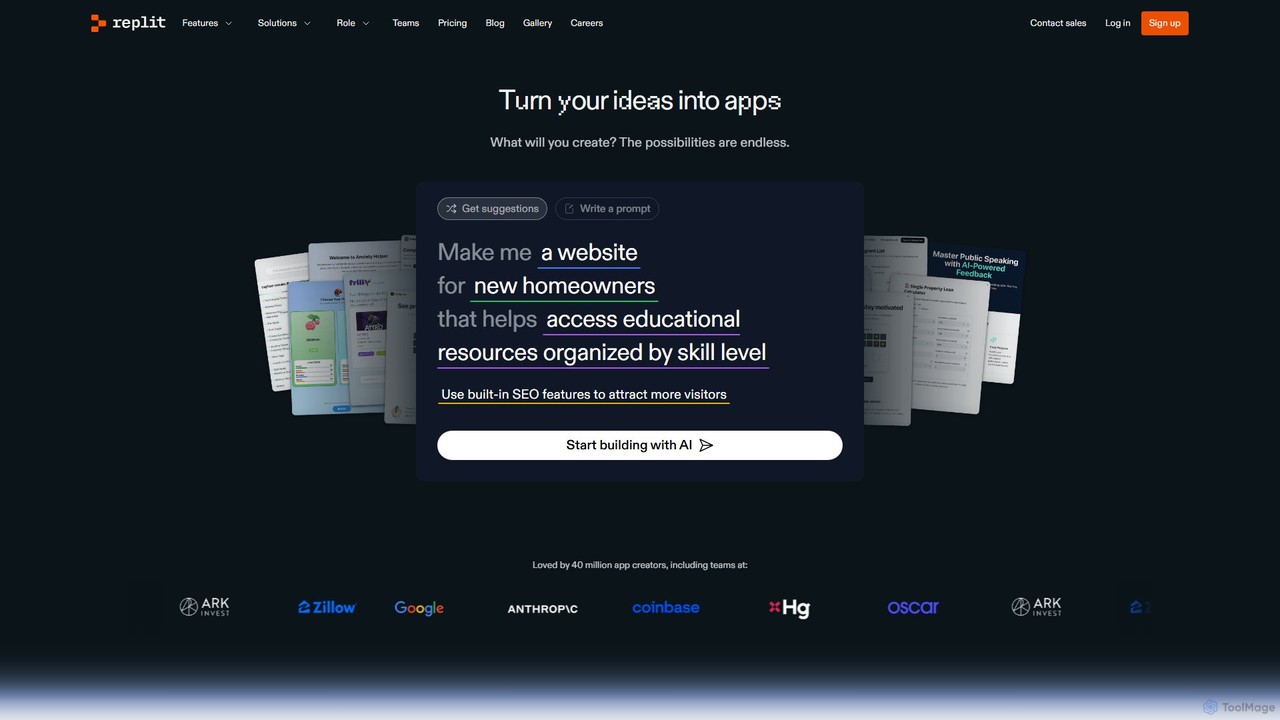
Replit is an AI-powered, collaborative, in-browser Integrated Development Environment (IDE) that allows users to build, deploy, and host …

12.2M
PageSection

PageSection

PageSection is a versatile web toolkit offering an online HTML editor, a library of editable templates (Tailwind, Bootstrap), …

11.0K
Editor.do

Editor.do

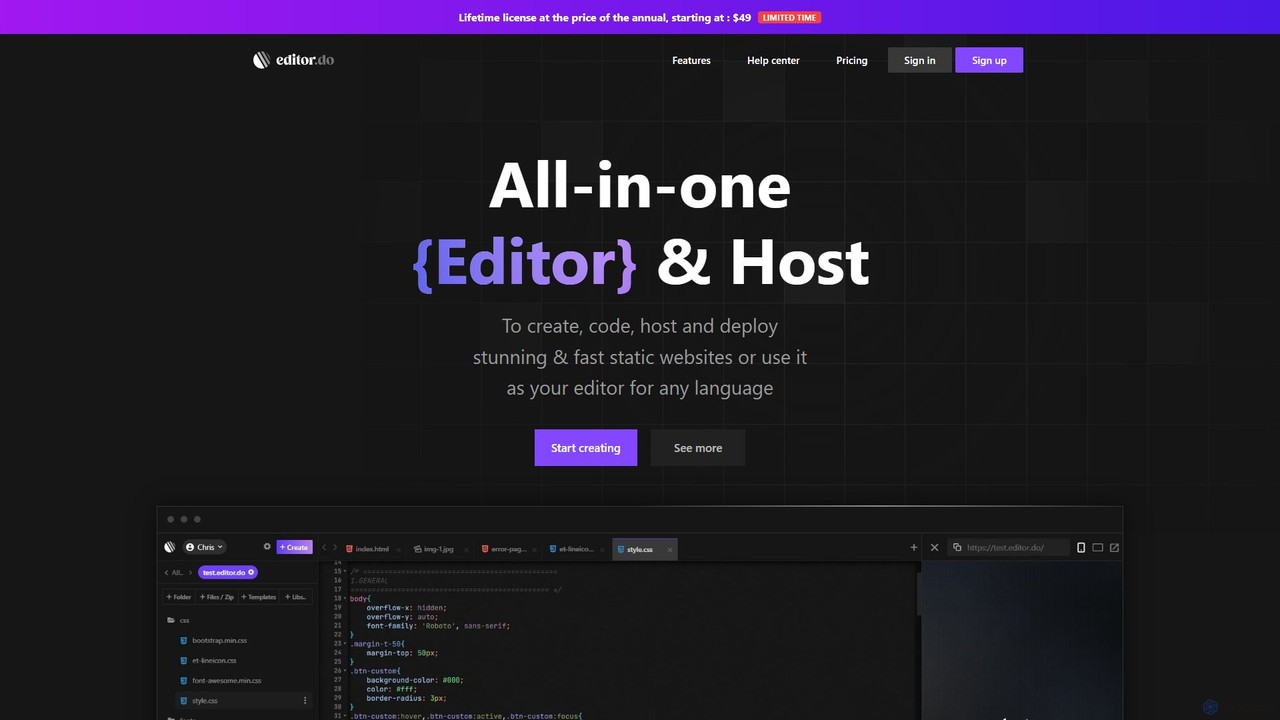
Editor.do is an all-in-one, browser-based platform for building and hosting static websites. It combines a powerful code editor …

3.4K

About Hosting

AI Hosting platforms are specialized cloud services designed to deploy, manage, and scale machine learning models. These platforms provide the necessary infrastructure, such as GPU access and auto-scaling environments, to run computationally intensive AI applications efficiently. They bridge the gap between model development and real-world application, enabling developers to serve their models as robust, low-latency APIs. This specialized hosting is crucial for making AI features accessible, reliable, and cost-effective at scale.

Core Features

  • GPU Acceleration: Provides on-demand access to powerful GPUs (like NVIDIA A100/H100) essential for fast model inference.
  • Scalable Inference Endpoints: Automatically adjusts computing resources based on API traffic to handle fluctuating demand without manual intervention.
  • Simplified Model Deployment: Enables deploying models from repositories or local files into production-ready APIs with minimal configuration.
  • MLOps Integration: Offers tools for model versioning, performance monitoring, and logging to streamline the machine learning lifecycle.
  • Serverless Architectures: Features pay-per-use pricing models, including scaling to zero, which optimizes costs for applications with intermittent traffic.

Use Cases

AI Hosting is primarily used by developers and MLOps engineers to productionize machine learning models. Common scenarios include deploying large language models (LLMs) for chatbot services, hosting computer vision models for image analysis APIs, or serving recommendation engines for e-commerce platforms. Startups and enterprises use these platforms to accelerate time-to-market for AI-powered products without managing complex infrastructure.

How to Choose

When selecting an AI Hosting provider, evaluate the available GPU types and their performance. Compare pricing models, such as pay-as-you-go versus dedicated instances, to match your budget and traffic patterns. Ensure the platform supports your required machine learning frameworks (e.g., PyTorch, TensorFlow). Also, consider the ease of deployment, scalability options, and the quality of monitoring and logging tools provided.

HostingUse Cases

1

Deploying a Scalable LLM Chatbot API

A startup developer needs to launch a customer service chatbot powered by a custom-tuned Large Language Model (LLM). Using an AI Hosting platform, they can upload their model and instantly generate a secure, scalable API endpoint. The platform's auto-scaling feature manages traffic spikes during peak hours, ensuring consistent response times for users. The serverless pricing model means they only pay for the compute time used, significantly reducing infrastructure costs compared to maintaining a dedicated server.

2

Hosting a Real-time Image Generation Service

A creative agency wants to provide its design team with an internal tool for generating images using a Stable Diffusion model. They use an AI Hosting service to deploy the model on a GPU-powered instance. This provides the necessary computational power for fast image generation, allowing designers to iterate on concepts quickly. The platform handles the complexities of the environment setup and dependency management, so the agency's tech team can focus on building the user interface for the tool rather than managing backend infrastructure.

3

Serving a Low-latency Recommendation Engine

An e-commerce platform needs to serve personalized product recommendations to millions of users with minimal delay. Their data science team builds a recommendation model but requires a high-performance hosting solution. They choose an AI Hosting provider optimized for low-latency inference. The provider's global infrastructure ensures that the model is served from a location close to the user, reducing network latency. This results in a seamless user experience where recommendations appear instantly, boosting engagement and sales.

4

Rapid Prototyping of AI Features

An MLOps engineer is tasked with evaluating several different versions of a sentiment analysis model. Instead of setting up multiple local environments, they use an AI Hosting platform to quickly deploy each model version as a separate API endpoint. The platform's dashboard allows them to easily compare the performance, latency, and cost of each version under simulated load. This accelerates the development cycle, enabling the team to select the most efficient model for production in days instead of weeks.

5

Providing a Secure Financial Fraud Detection API

A fintech company develops a machine learning model to detect fraudulent transactions in real-time. To integrate this model into their existing banking software, they use a secure AI Hosting platform. The platform provides robust security features, including data encryption and private networking, ensuring that sensitive financial data is protected. By hosting the model as a private API, their internal applications can securely send transaction data for analysis and receive a risk score instantly, enhancing their fraud prevention capabilities without compromising security.

6

Automating Content Moderation with a Vision API

A social media platform needs to automatically moderate user-uploaded images to detect and flag inappropriate content. Their AI team trains a computer vision model for this task. They deploy it using an AI Hosting service that can handle high volumes of API requests. The platform's auto-scaling ensures that moderation capacity increases during peak upload times and scales down during quieter periods to save costs. This automated system allows the platform to maintain community standards efficiently and at a scale that would be impossible with manual moderation alone.

HostingFrequently Asked Questions