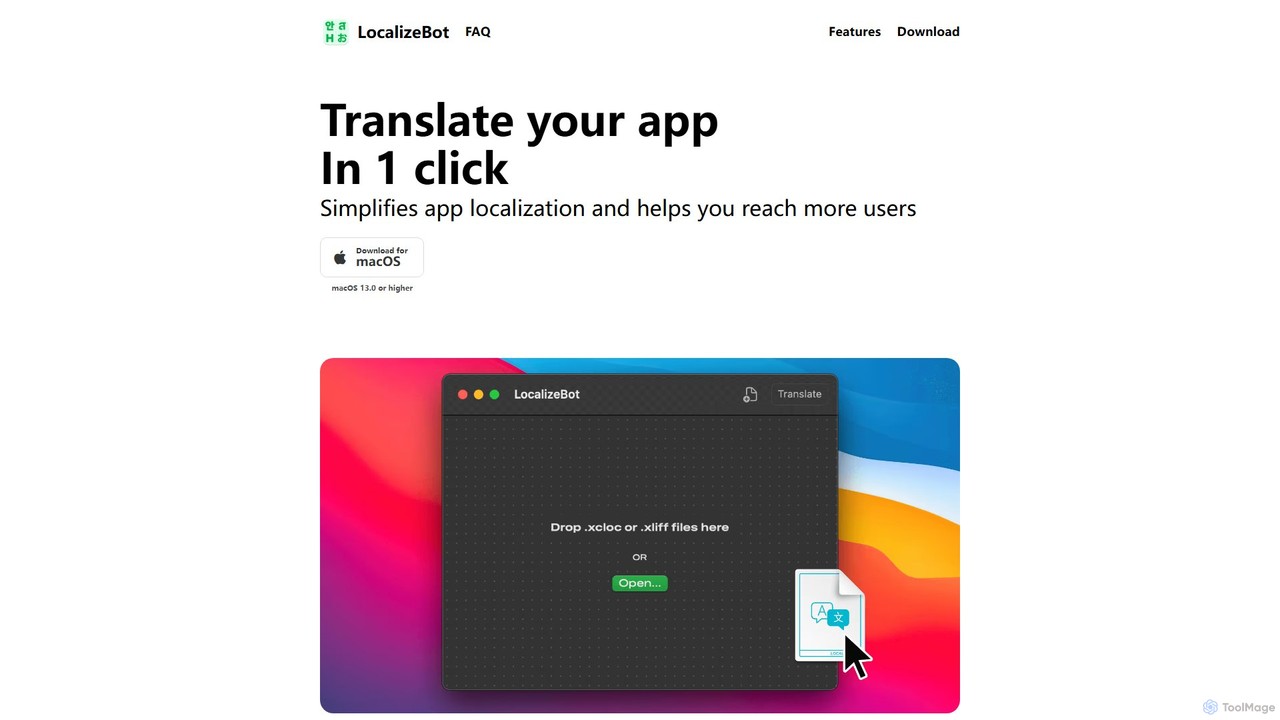
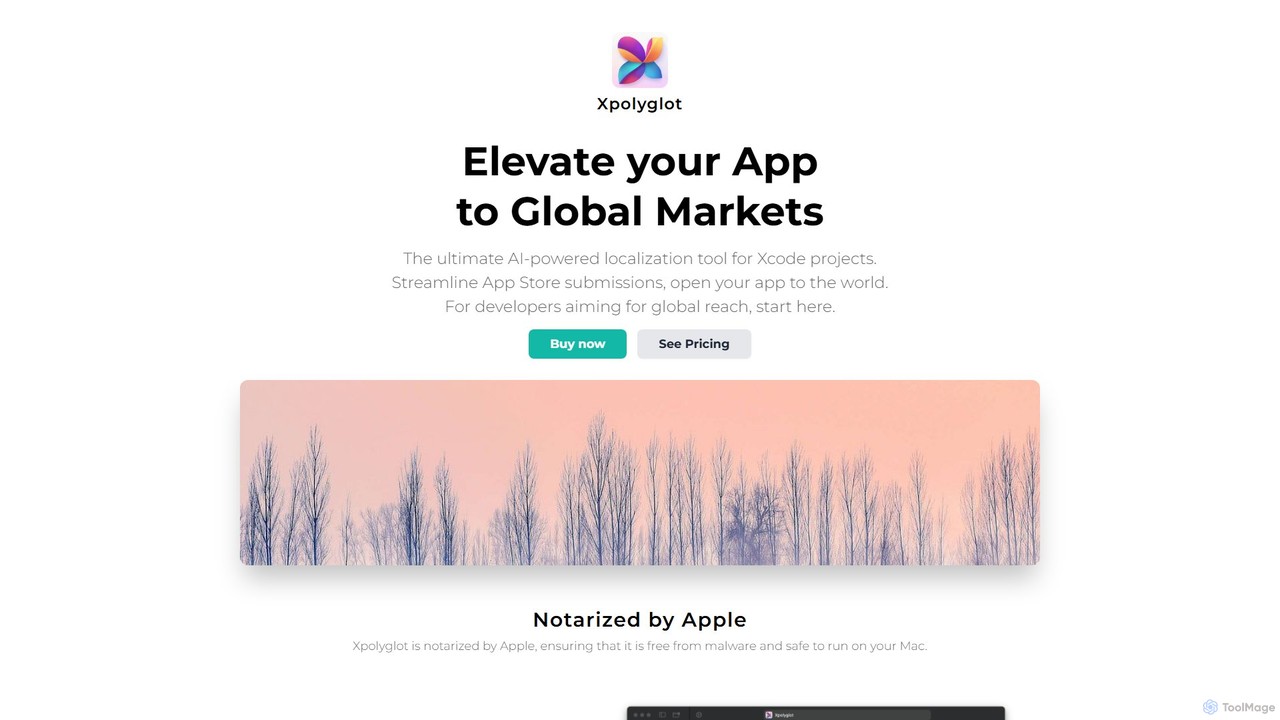
AI Localization tools are specialized platforms that leverage artificial intelligence to adapt digital content, software, and products for specific global markets. These tools utilize advanced natural language processing (NLP) and machine learning algorithms to automate and enhance translation, cultural adaptation, and technical adjustments. By streamlining the localization workflow, they enable businesses to efficiently reach diverse audiences, ensuring cultural relevance and linguistic accuracy across various regions. This integration into development processes is crucial for global product success.
Core Features
- AI-Powered Machine Translation: Provides automated translation with contextual understanding, often with customizable engines.
- Terminology Management: Ensures consistent use of brand-specific terms and industry jargon across all localized content.
- Translation Memory (TM) Integration: Reuses previously translated segments to maintain consistency and reduce translation costs and time.
- Cultural Adaptation Suggestions: Identifies and suggests changes for cultural appropriateness, including dates, currencies, and imagery.
- Automated Quality Assurance (QA): Performs linguistic and stylistic checks to ensure accuracy, consistency, and adherence to style guides.
Applicable Scenarios
AI Localization tools are indispensable for organizations aiming for global reach. They are widely used in global software deployment, adapting user interfaces, documentation, and support content for multiple languages. E-commerce internationalization benefits from localizing product descriptions, marketing materials, and checkout processes for various countries. Additionally, multilingual content creation for marketing campaigns, blog posts, and social media is significantly accelerated.
How to Choose
When selecting an AI Localization tool, consider its language support and translation quality for your target markets. Evaluate its integration capabilities with your existing development tools, CMS, and CAT tools for seamless workflows. Assess the level of customization and training options available for AI models to align with your specific terminology and brand voice. Finally, examine the scalability and pricing models to ensure it meets your content volume and budget requirements.