Development Best in category 4 results Localization AI Tool

Popular AI tools in the Localization field of Development include String Catalog、PO-File、LocalizeBot、xpolyglot, etc., helping you quickly improve efficiency.

PO-File

PO-File

PO-File is an AI-powered online translation tool specifically designed for PO and POT files, streamlining software localization for …

1.8K
LocalizeBot

LocalizeBot

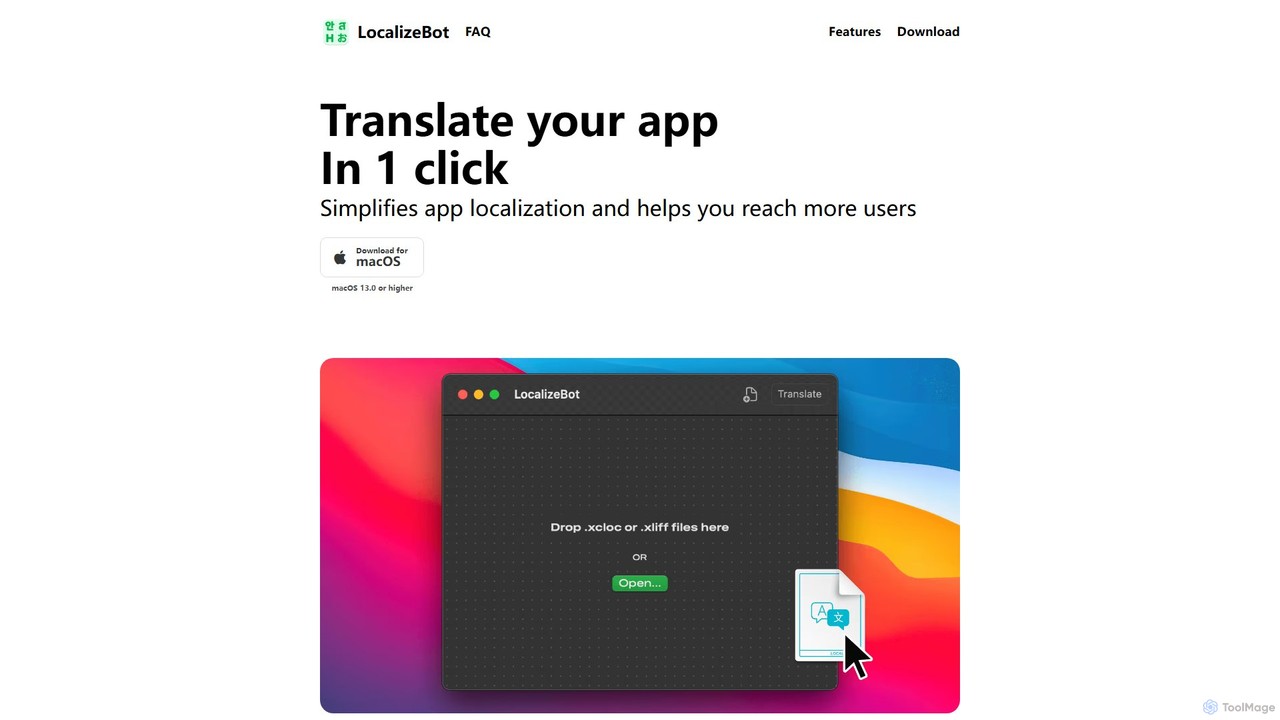
LocalizeBot is a dedicated macOS application that simplifies app localization for developers. With one-click AI-powered translation, it seamlessly …

1.8K
xpolyglot

xpolyglot

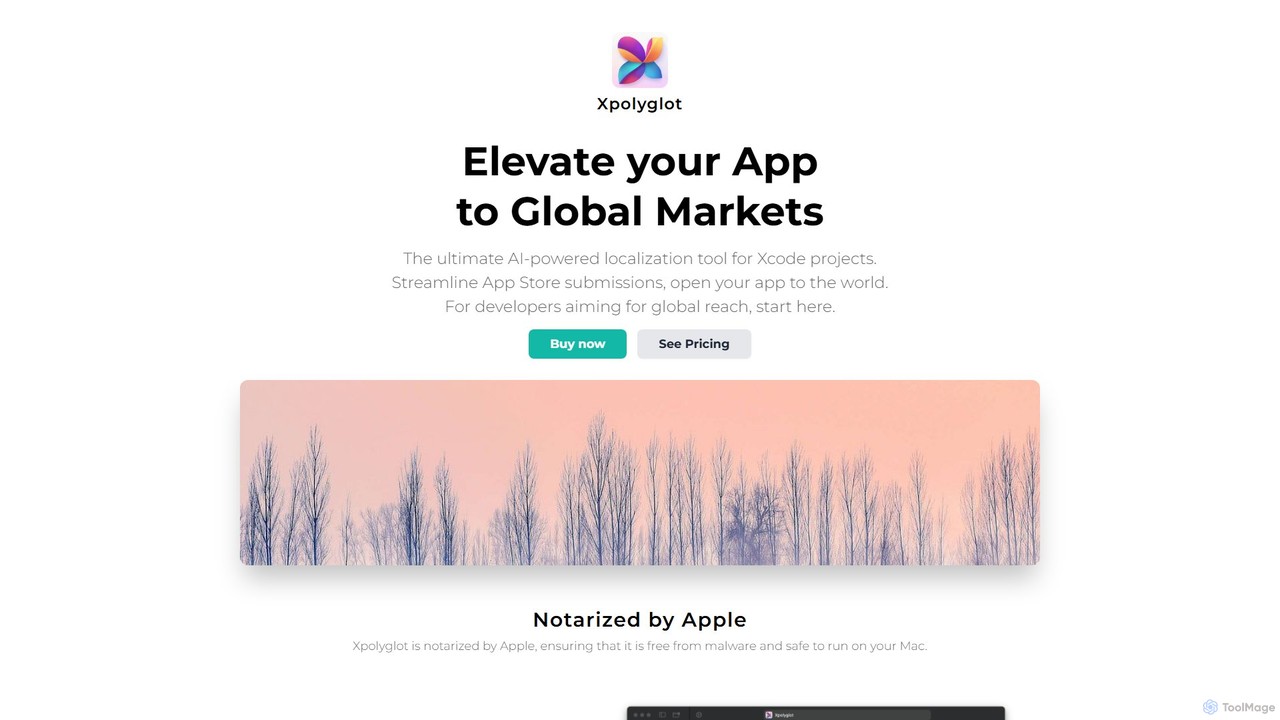
xpolyglot is an AI-powered localization tool for macOS, designed for developers using Xcode. It streamlines the translation of …

1.8K
String Catalog

String Catalog

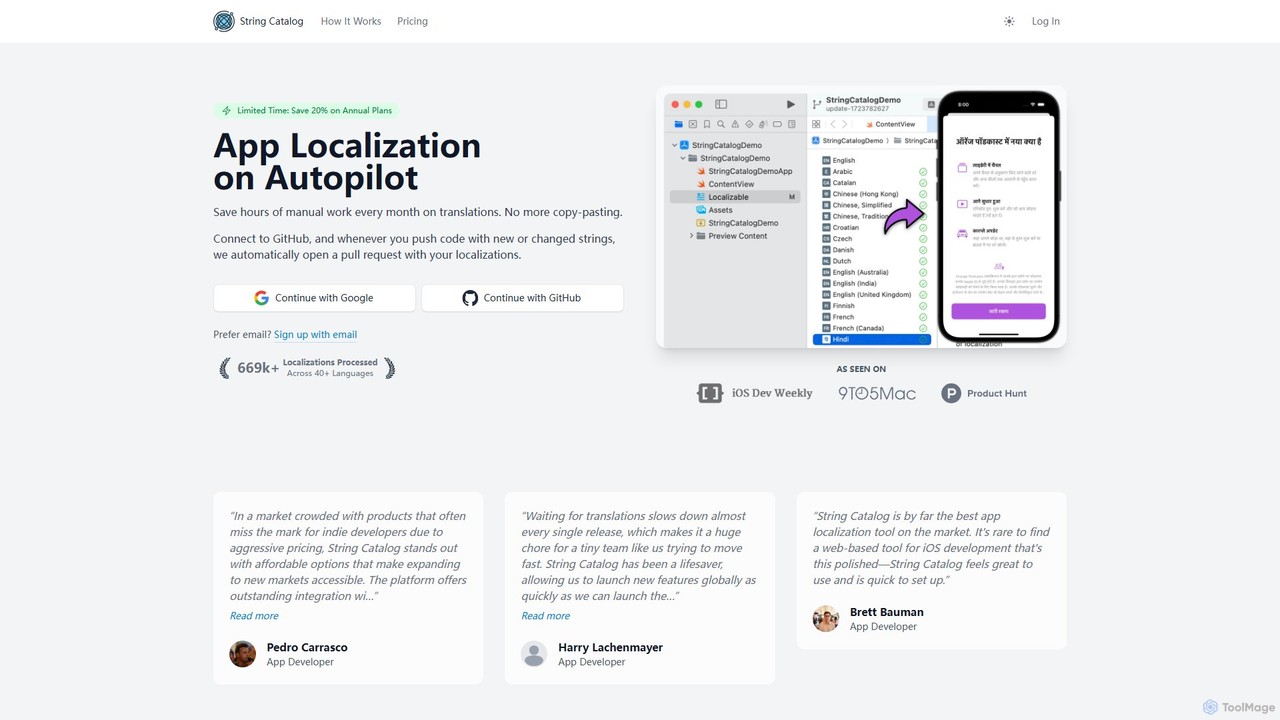
An AI-powered platform that automates iOS and Android app localization. Connect your GitHub repository, and String Catalog will …

2.6K

About Localization

AI Localization tools are specialized platforms that leverage artificial intelligence to adapt digital content, software, and products for specific global markets. These tools utilize advanced natural language processing (NLP) and machine learning algorithms to automate and enhance translation, cultural adaptation, and technical adjustments. By streamlining the localization workflow, they enable businesses to efficiently reach diverse audiences, ensuring cultural relevance and linguistic accuracy across various regions. This integration into development processes is crucial for global product success.

Core Features

  • AI-Powered Machine Translation: Provides automated translation with contextual understanding, often with customizable engines.
  • Terminology Management: Ensures consistent use of brand-specific terms and industry jargon across all localized content.
  • Translation Memory (TM) Integration: Reuses previously translated segments to maintain consistency and reduce translation costs and time.
  • Cultural Adaptation Suggestions: Identifies and suggests changes for cultural appropriateness, including dates, currencies, and imagery.
  • Automated Quality Assurance (QA): Performs linguistic and stylistic checks to ensure accuracy, consistency, and adherence to style guides.

Applicable Scenarios

AI Localization tools are indispensable for organizations aiming for global reach. They are widely used in global software deployment, adapting user interfaces, documentation, and support content for multiple languages. E-commerce internationalization benefits from localizing product descriptions, marketing materials, and checkout processes for various countries. Additionally, multilingual content creation for marketing campaigns, blog posts, and social media is significantly accelerated.

How to Choose

When selecting an AI Localization tool, consider its language support and translation quality for your target markets. Evaluate its integration capabilities with your existing development tools, CMS, and CAT tools for seamless workflows. Assess the level of customization and training options available for AI models to align with your specific terminology and brand voice. Finally, examine the scalability and pricing models to ensure it meets your content volume and budget requirements.

LocalizationUse Cases

1

Automating Software UI Localization for Global Launches

A software development team uses AI localization tools to automatically translate and adapt their application's user interface (UI) strings, error messages, and help documentation into multiple target languages. The AI identifies placeholders, manages terminology, and integrates directly with their version control system, significantly reducing the manual effort and time required to prepare for a new market launch, ensuring a consistent user experience worldwide.

2

Culturally Adapting E-commerce Product Listings

An international e-commerce manager needs to launch thousands of new products across several European and Asian markets. AI localization tools are employed to not only translate product titles and descriptions but also to suggest cultural nuances for imagery, pricing formats, and promotional messaging. This ensures that product listings resonate with local consumers, driving higher conversion rates and reducing the risk of cultural missteps.

3

Globalizing Digital Marketing Campaigns with AI

A marketing team is launching a new product globally and needs to translate their website, social media posts, and email campaigns into five languages. AI localization tools provide initial machine translations, which are then refined by human linguists within the platform. The tools also analyze cultural context to ensure slogans and calls-to-action are impactful and appropriate for each region, accelerating campaign deployment and maintaining brand consistency.

4

Streamlining Multilingual Customer Support Documentation

A global tech company maintains an extensive knowledge base and FAQ section for its customers. AI localization tools are used to automatically translate new articles and update existing ones across all supported languages. The system leverages translation memory to ensure consistency with previous translations and flags any new terminology for review, drastically reducing the time it takes to make support content available globally and improving customer satisfaction.

5

Automating Video Subtitle and Transcript Localization

A content creator or media company produces educational videos for a global audience. AI localization tools automatically transcribe the audio, translate the transcript into multiple languages, and generate synchronized subtitles. The tools can also identify cultural references that might need adaptation, ensuring that the video content is accessible and engaging for viewers worldwide without extensive manual editing.

6

Ensuring Compliance in Multilingual Legal Documents

A legal department for a multinational corporation needs to localize contracts, terms of service, and privacy policies for various jurisdictions. While human review is critical, AI localization tools provide a robust first pass, ensuring consistent terminology, identifying key legal phrases, and flagging potential compliance issues across different languages. This significantly speeds up the initial translation and review process, reducing legal risks and operational costs.

LocalizationFrequently Asked Questions