Development Best in category 3 results Planning AI Tool

Popular AI tools in the Planning field of Development include Text to Flowchart、Digital Emperor、Flux AI, etc., helping you quickly improve efficiency.

Digital Emperor

Digital Emperor

Digital Emperor is an AI-powered suite that instantly generates professional app design specifications. Simply describe your app idea, …

3.5K
Flux AI

Flux AI

Flux AI is an intelligent collaborative whiteboard that transforms text prompts into complex diagrams. It empowers teams to …

3.5K
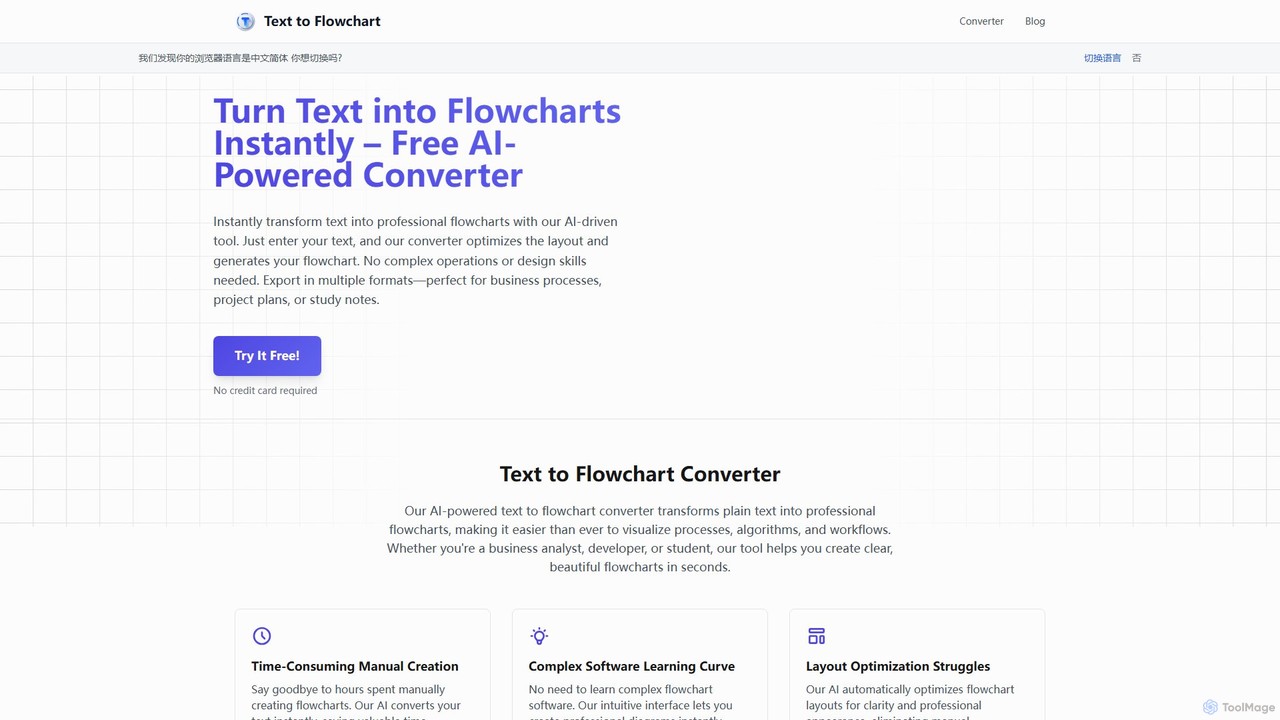
Text to Flowchart

Text to Flowchart

An AI-powered tool that instantly transforms plain text descriptions into professional, well-structured flowcharts and diagrams. Ideal for developers, …

3.6K

About Planning

AI Planning tools are specialized solutions designed to automate and optimize various stages of project and task management within the development lifecycle. These tools leverage artificial intelligence to analyze data, predict outcomes, and generate strategic plans, enhancing efficiency and decision-making. They provide intelligent assistance for resource allocation, timeline creation, and risk assessment, ensuring projects stay on track and objectives are met with greater precision.

Core Features

  • Automated Task Breakdown: Automatically decomposes large projects into manageable tasks and subtasks.
  • Intelligent Resource Allocation: Optimizes the assignment of team members and resources based on skills, availability, and project requirements.
  • Predictive Timeline Generation: Uses historical data and AI models to create realistic project schedules and identify potential bottlenecks.
  • Risk Identification & Mitigation: Proactively identifies potential project risks and suggests strategies to minimize their impact.
  • Progress Tracking & Reporting: Monitors project advancement in real-time and generates comprehensive performance reports.

Use Cases

AI Planning tools are crucial for development teams, product managers, and project leads. They streamline the initial phase of software development, agile sprint planning, and long-term strategic roadmapping. For instance, a software development team can use these tools to plan the next sprint, allocating tasks to developers based on their expertise and predicting completion times.

How to Choose

When selecting an AI Planning tool, consider its integration capabilities with existing development platforms (e.g., Jira, GitHub), the level of automation offered for task management, and its predictive accuracy. Evaluate the tool's ability to adapt to agile methodologies, its user interface for ease of use, and the scalability of its features to accommodate growing project complexities.


PlanningUse Cases

1

Streamlining Agile Sprint Planning

For agile development teams, AI planning tools can analyze backlog items, estimate story points, and suggest optimal task distributions for upcoming sprints. This helps product owners and scrum masters create balanced workloads, identify dependencies, and predict sprint completion with higher accuracy, reducing manual planning time and improving team velocity.

2

Optimizing Software Release Roadmaps

Product managers can leverage AI planning to develop long-term software release roadmaps. The tools analyze market trends, user feedback, and development capacity to prioritize features, forecast development timelines, and identify potential resource constraints, ensuring strategic alignment and efficient product evolution.

3

Automated Resource Allocation for Development Projects

Project managers often struggle with assigning the right developers to the right tasks. AI planning tools can analyze developer skills, availability, and project requirements to automatically suggest optimal resource allocations, minimizing idle time, preventing burnout, and ensuring critical tasks are handled by the most suitable team members.

4

Predictive Risk Assessment in Project Execution

During complex software development, identifying and mitigating risks is paramount. AI planning tools continuously monitor project progress, analyze deviations from the plan, and use predictive analytics to flag potential delays, budget overruns, or technical challenges, allowing teams to take corrective actions proactively.

5

Generating Detailed Project Workflows

For new development initiatives, creating a detailed workflow from scratch can be time-consuming. AI planning tools can generate comprehensive project workflows, breaking down high-level objectives into granular tasks, defining dependencies, and suggesting optimal sequences, providing a clear roadmap for execution.

6

Enhancing Cross-functional Team Collaboration Planning

In projects involving multiple departments (e.g., development, QA, marketing), coordinating tasks and timelines is complex. AI planning tools can visualize inter-departmental dependencies, highlight potential bottlenecks, and facilitate synchronized planning, ensuring all teams are aligned and contribute effectively towards shared goals.

PlanningFrequently Asked Questions