Business Best in category 18 results Process Management AI Tool

Popular AI tools in the Process Management field of Business include Pipefy、Process Street、Cflow、checklist.gg、runautomat、Pneumatic、Qlerify、DeepOpinion、splotch、Tekst, etc., helping you quickly improve efficiency.

SpecSnap

SpecSnap

SpecSnap is an AI-powered tool that transforms screen recordings of any workflow into comprehensive process documentation. It automatically …

2.7K
Flow

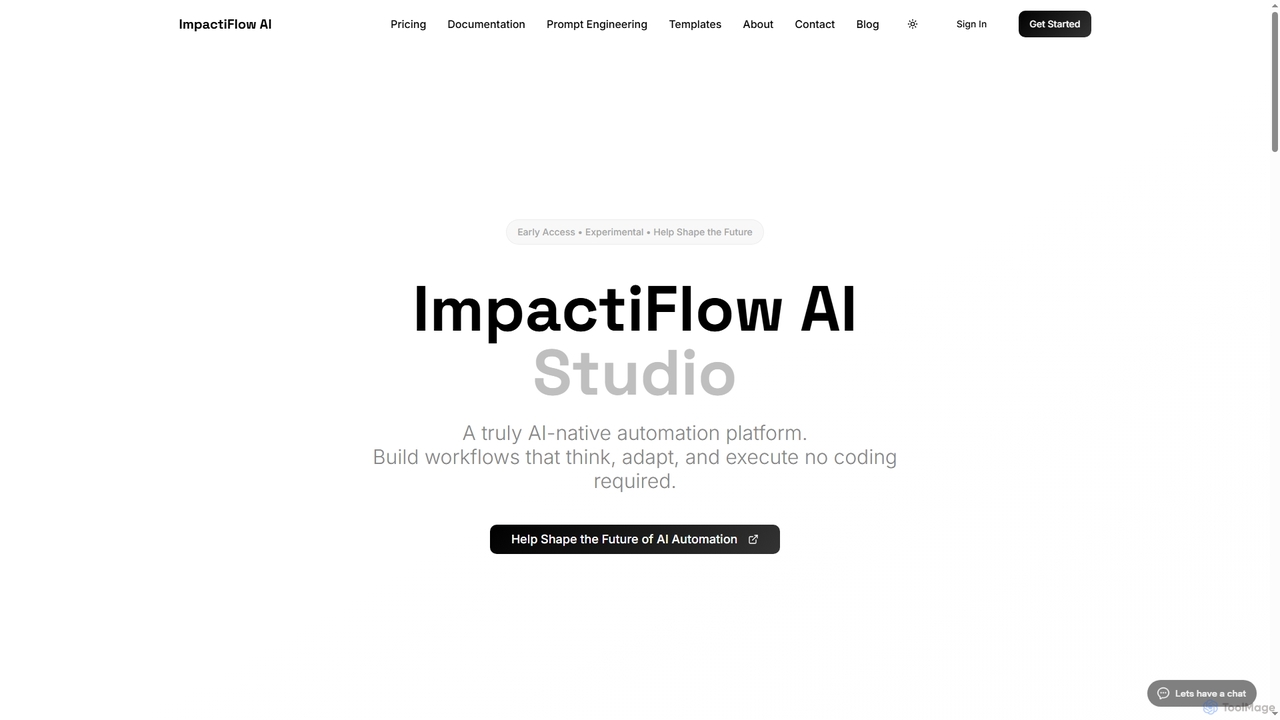
Flow

Flow is an AI-native, agentic automation platform designed to build intelligent workflows that think, adapt, and execute without …

2.8K
Process Street

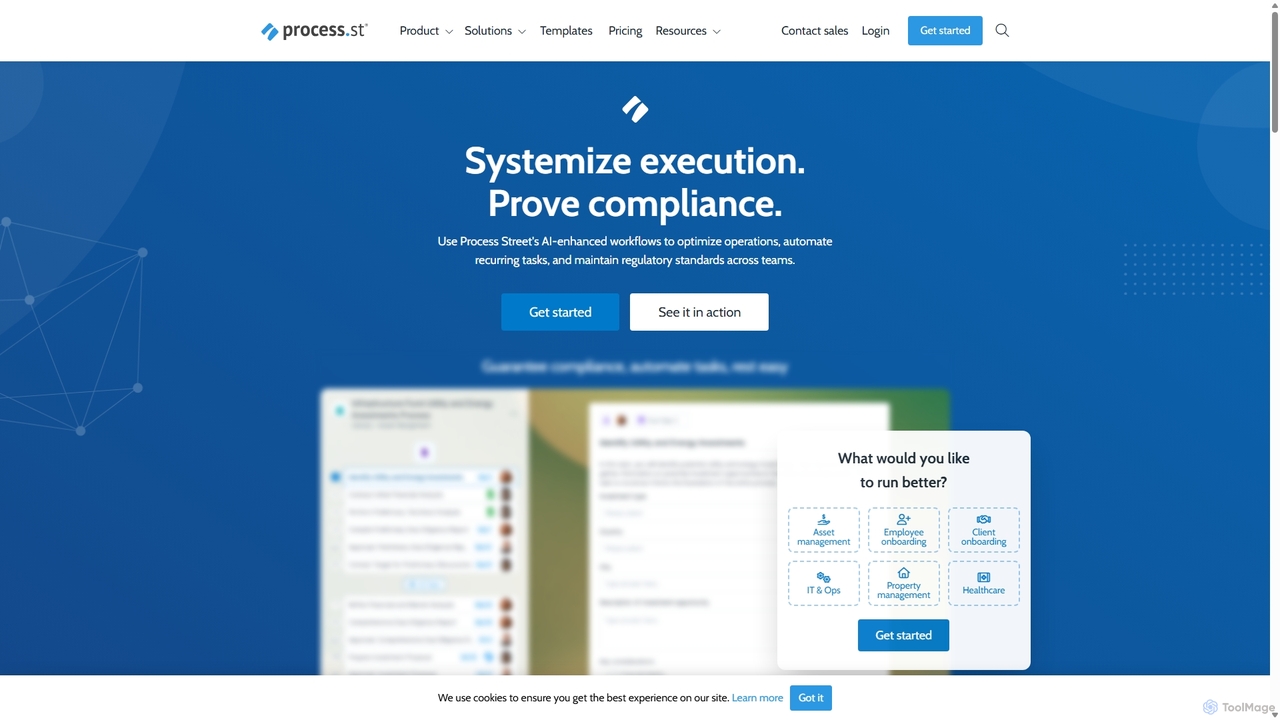
Process Street

Process Street is an AI-enhanced compliance and operations platform designed to help teams systemize execution and prove compliance. …

259.4K
Tekst

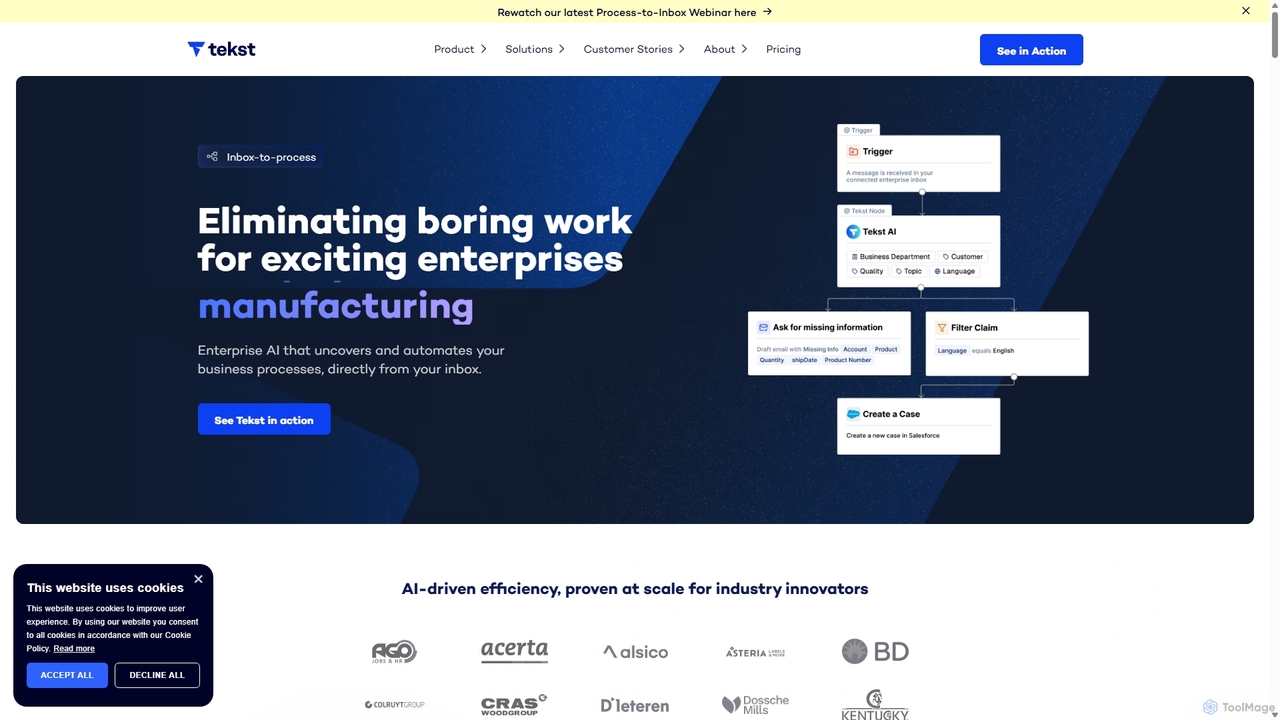
Tekst

Tekst is an enterprise AI platform that automates complex business workflows by transforming unstructured communications like emails and …

3.1K
Free
DiagramGPT

DiagramGPT

DiagramGPT is an AI-powered tool that transforms natural language text prompts into various diagrams. By leveraging GPT technology …

2.7K
DeepOpinion

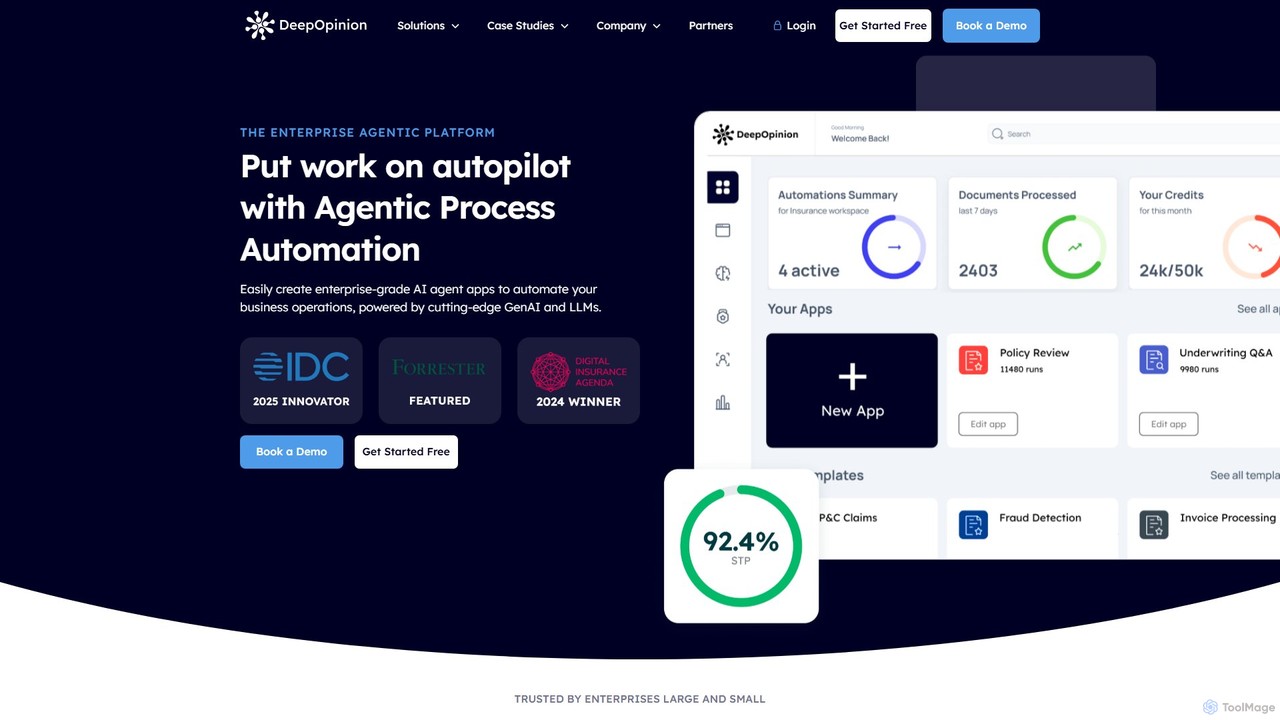
DeepOpinion

DeepOpinion is an enterprise-grade Agentic Process Automation (APA) platform that uses Generative AI and LLMs to automate complex …

11.2K
ai_flowchart

ai_flowchart

ai_flowchart is an AI-powered tool that transforms natural language descriptions into professional flowcharts and diagrams instantly. Leveraging advanced …

2.7K
Cflow

Cflow

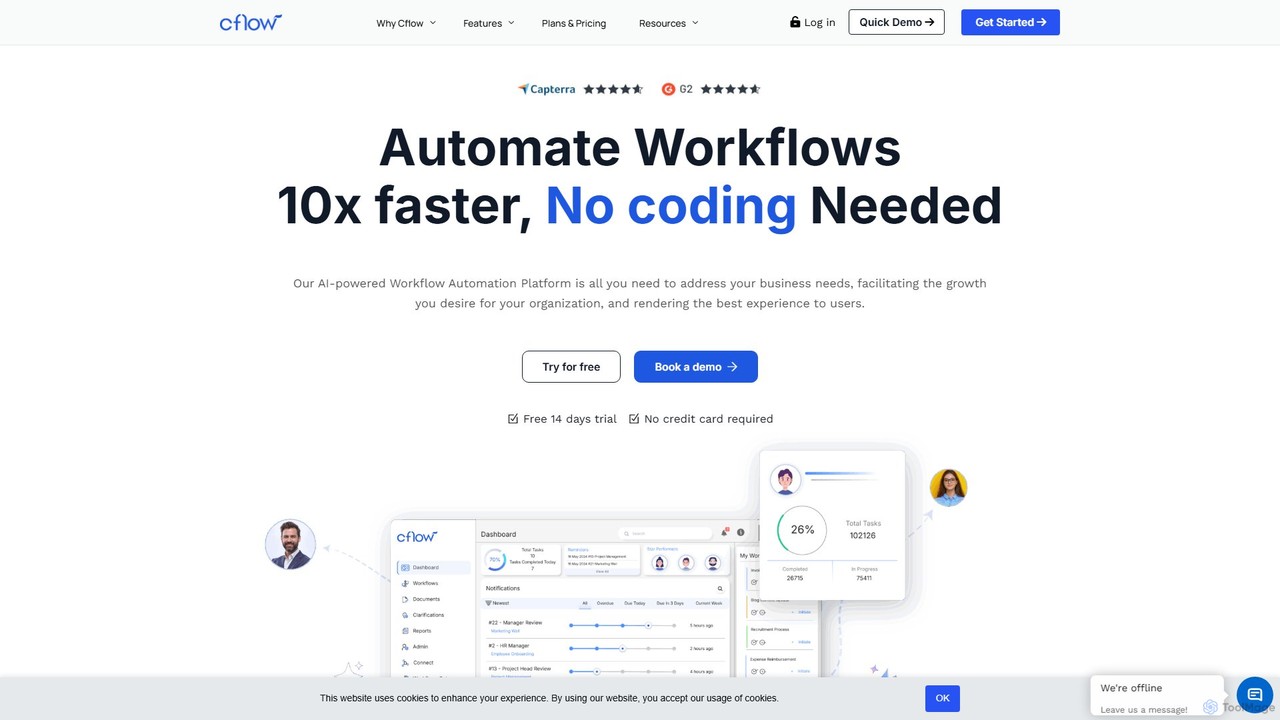
Cflow is an AI-powered, no-code platform for workflow automation and business process management (BPM). It enables businesses to …

45.5K
checklist.gg

checklist.gg

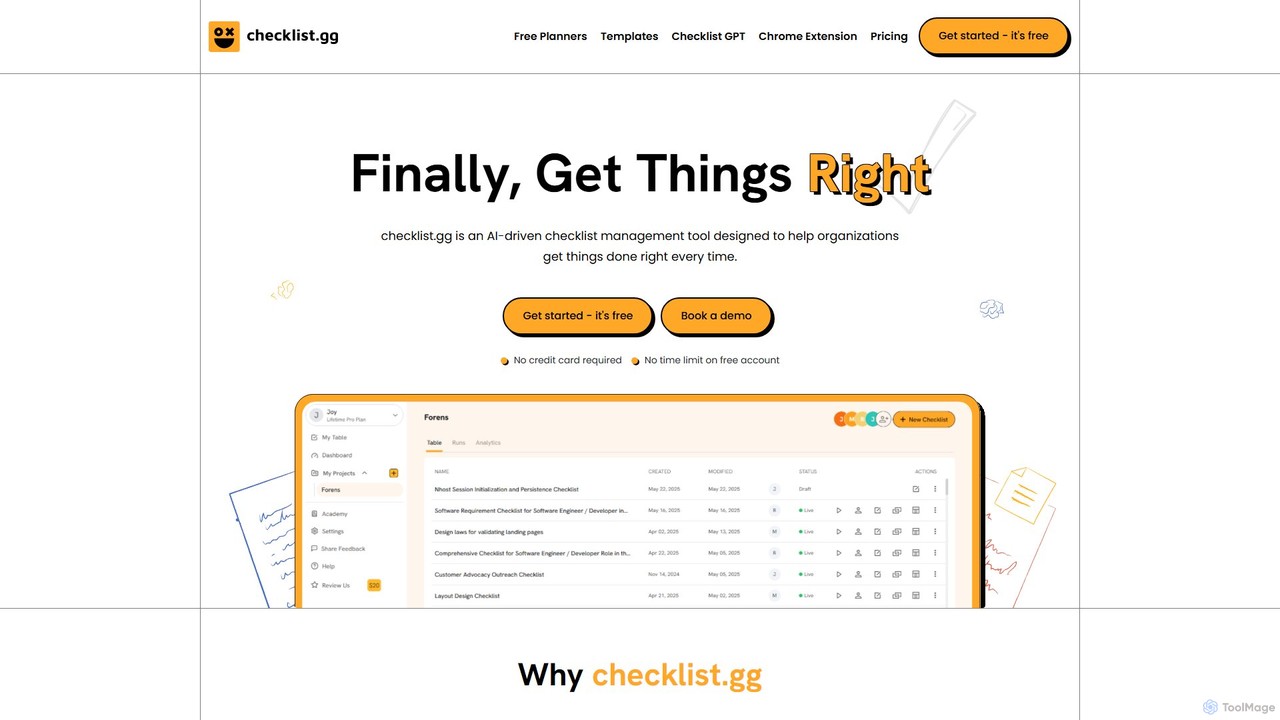
checklist.gg is an AI-driven checklist management tool that helps teams and organizations create, manage, and automate checklists, processes, …

15.8K
Qlerify

Qlerify

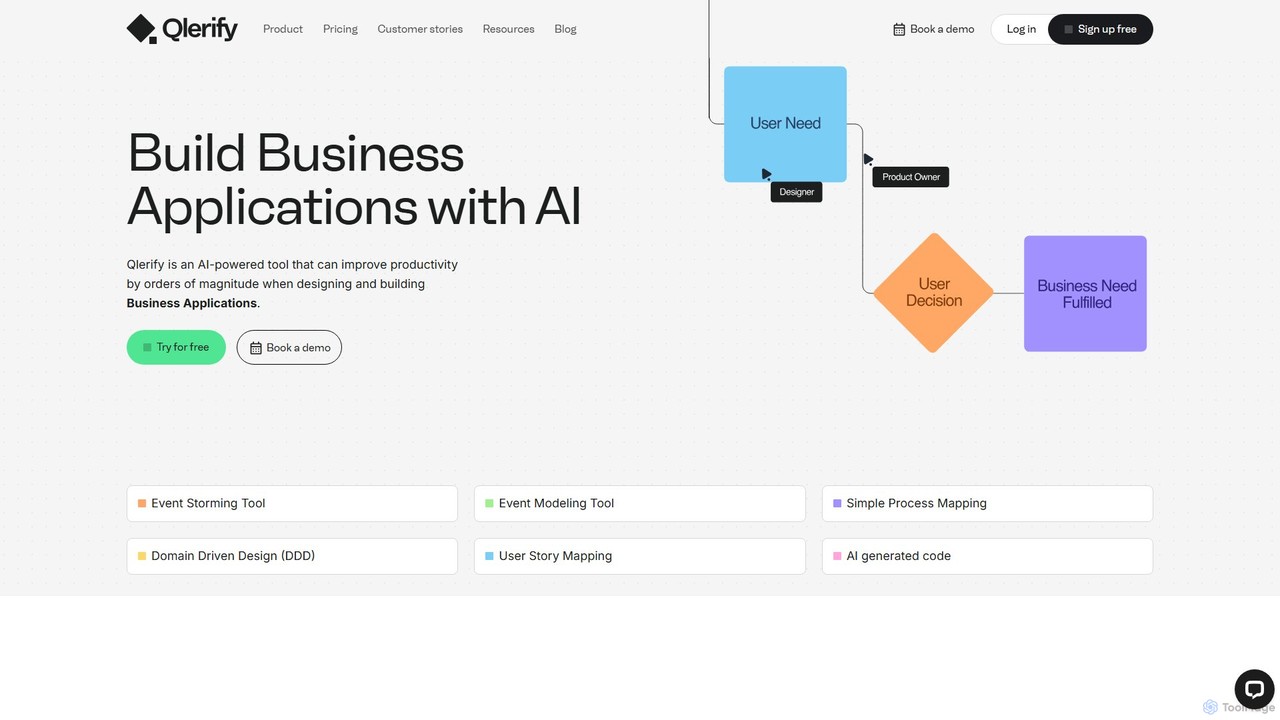
Qlerify is an AI-powered software modeling platform designed to bridge the gap between business and IT. It uses …

11.2K
Pneumatic

Pneumatic

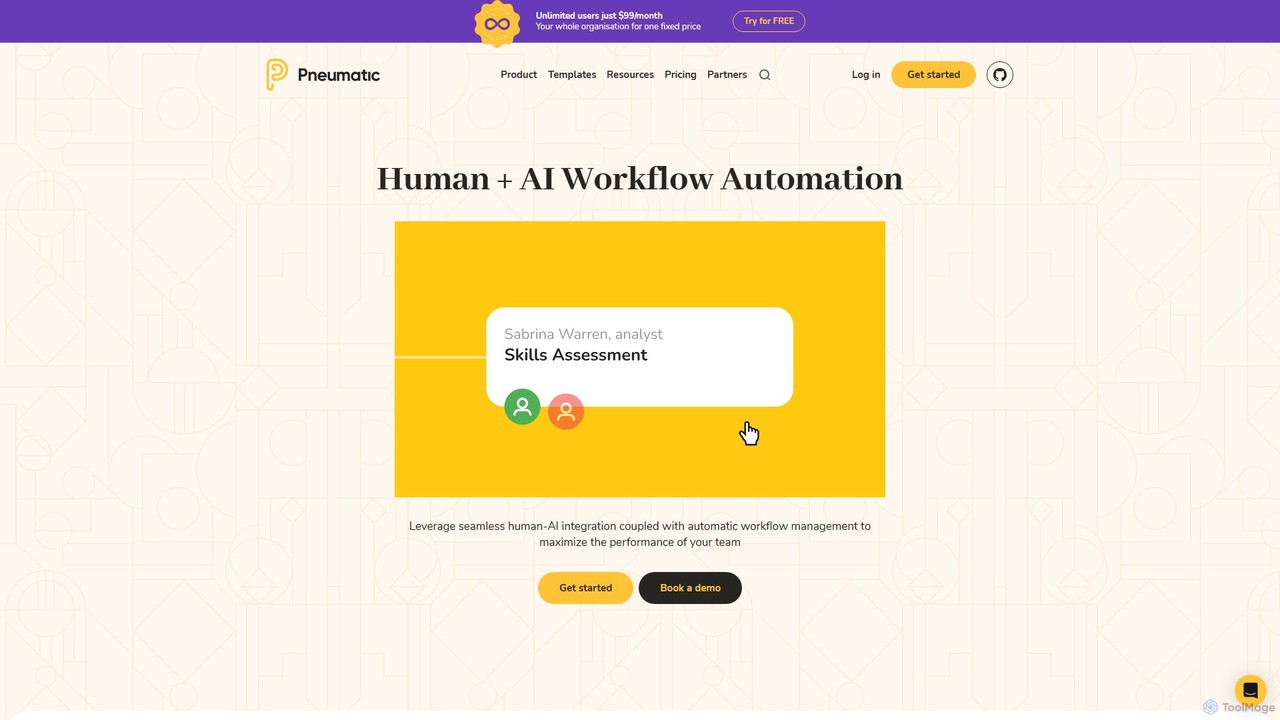
Pneumatic is an open-source workflow management platform that combines human and AI automation. It helps teams build, manage, …

14.6K
runautomat

runautomat

runautomat is an AI-driven platform that simplifies business process automation. It allows users to create robust Robotic Process …

15.6K
Pipefy

Pipefy

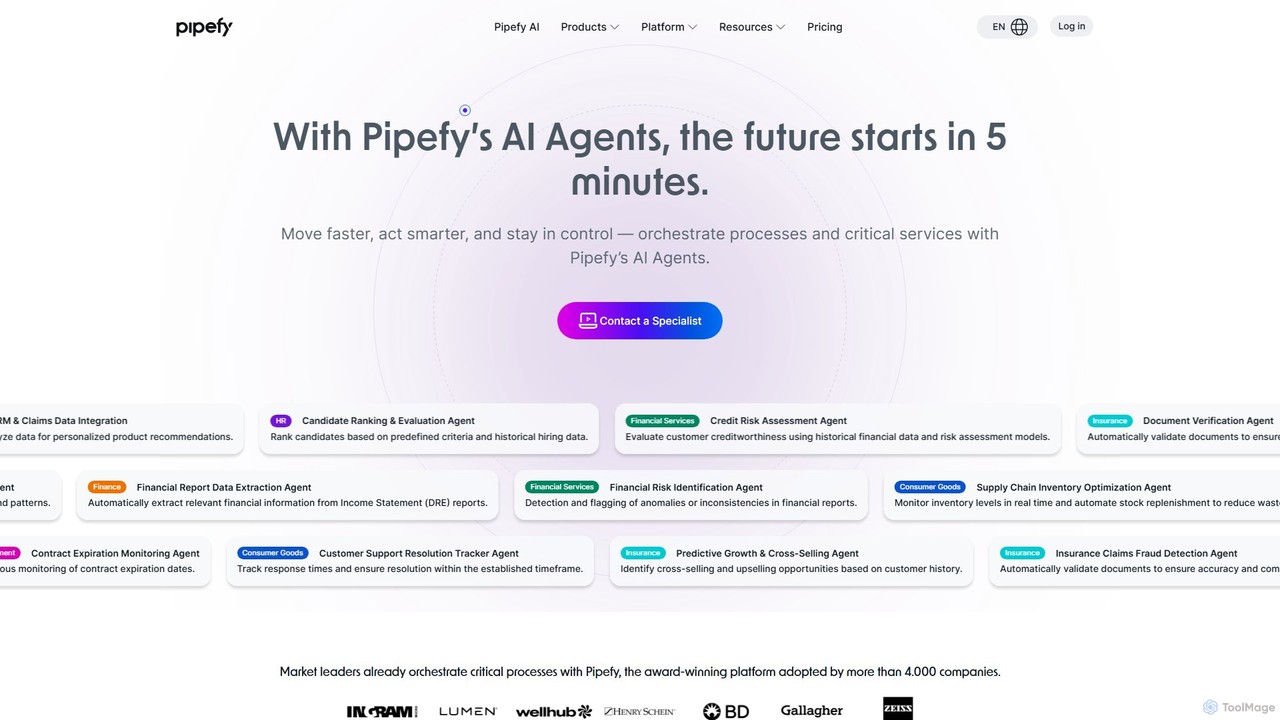
Pipefy is an AI-driven, low-code process automation platform that empowers teams to build, manage, and scale workflows without …

2.5M
atccloud

atccloud

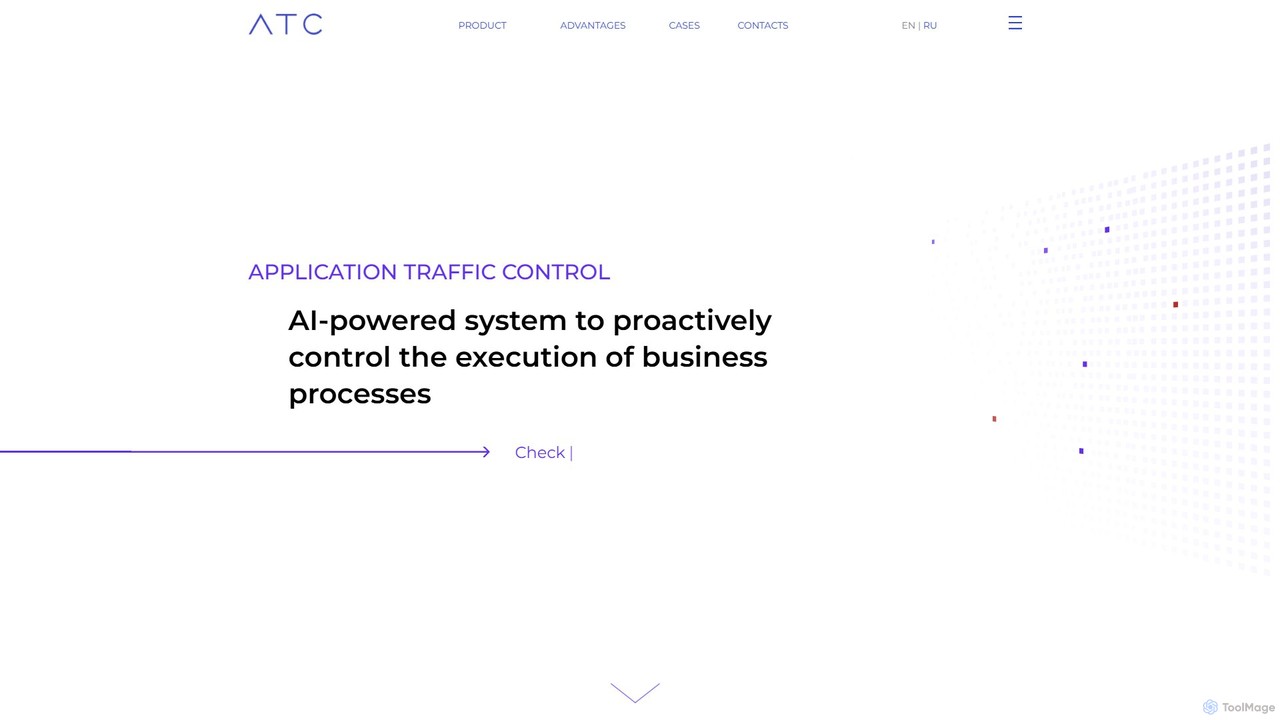
atccloud (Application Traffic Control) is an AI-powered system for large enterprises to proactively monitor, control, and optimize business …

2.6K
splotch

splotch

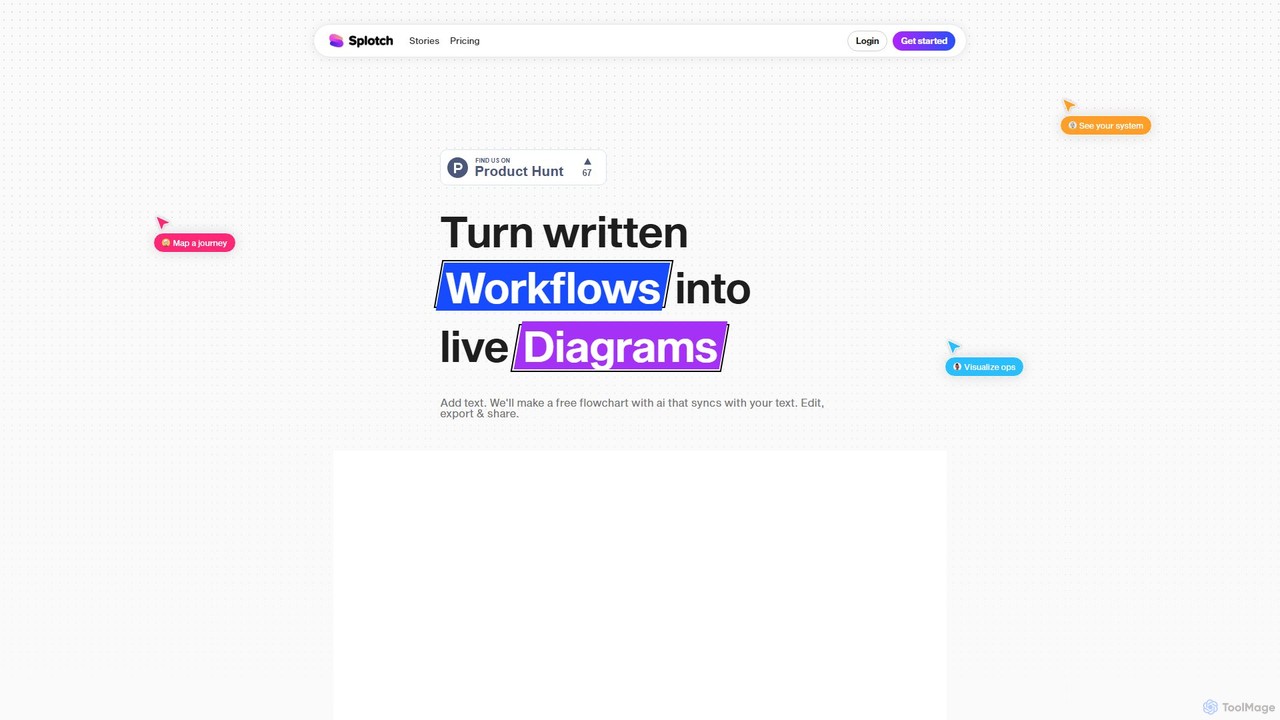
splotch is an AI-powered diagramming tool that automatically converts written text, processes, and workflows into clear, editable flowcharts …

6.2K
Process.app

Process.app

Process.app is an AI-powered business process management (BPM) and workflow automation platform. It enables teams to design, execute, …

2.6K
Flowchartmaker

Flowchartmaker

An AI-powered tool that instantly creates professional flowcharts from simple text descriptions. It features interactive editing via a …

2.8K
Text to Flowchart

Text to Flowchart

An AI-powered tool that instantly transforms plain text descriptions into professional, well-structured flowcharts and diagrams. Ideal for developers, …

2.8K

About Process Management

AI Process Management tools are a class of software designed to discover, analyze, automate, and optimize business workflows using artificial intelligence. These tools leverage technologies like process mining, machine learning, and robotic process automation (RPA) to map out existing processes, identify bottlenecks, and predict future performance. Their primary value lies in transforming complex, repetitive business operations into efficient, data-driven, and automated systems, leading to increased productivity and reduced operational risks.

Core Features

  • Process Mining & Discovery: Automatically visualizes real-world business processes based on data from IT systems, revealing inefficiencies and deviations.
  • Intelligent Workflow Automation: Uses AI to route tasks, make decisions, and trigger actions across different applications and teams.
  • Predictive Analytics: Forecasts potential bottlenecks, delays, or compliance issues before they occur, enabling proactive intervention.
  • Task & Case Management: Organizes and tracks all activities related to a specific process, ensuring accountability and transparency.
  • Performance Monitoring: Provides real-time dashboards and analytics on key process indicators (KPIs) to measure efficiency and impact.

Use Cases

These tools are widely used in industries like finance for loan application processing, manufacturing for supply chain optimization, and healthcare for patient onboarding. Key users include operations managers, business analysts, and IT leaders who are responsible for improving operational efficiency and ensuring process compliance across the organization.

How to Choose

When selecting an AI Process Management tool, consider its integration capabilities with your existing systems (e.g., ERP, CRM). Evaluate the sophistication of its AI features, such as process mining accuracy and predictive analytics. Assess the platform's scalability to handle growing process complexity and data volume, and consider whether a low-code/no-code interface is suitable for your team's technical skills.

Process ManagementUse Cases

1

Automating Financial Approval Workflows

A finance department manager uses an AI Process Management tool to streamline invoice processing. The system automatically extracts data from incoming invoices, matches it against purchase orders in the ERP, and routes it for approval based on predefined rules (e.g., amount, department). The AI flags any discrepancies or potential fraud for human review, reducing manual data entry by over 90% and accelerating payment cycles.

2

Optimizing Supply Chain Logistics

An operations manager in a manufacturing company employs a process mining tool to analyze the entire order-to-delivery cycle. The AI visualizes the actual process flow, identifying hidden bottlenecks and non-compliant steps that were not visible in standard reports. Based on these insights, the manager redesigns the workflow, leading to a 15% reduction in average delivery time and improved customer satisfaction.

3

Streamlining Customer Onboarding

A SaaS company's customer success team uses a process management platform to automate new client onboarding. When a new customer signs up, the system automatically triggers a series of actions: creating a user account, sending a welcome email sequence, assigning a dedicated success manager, and scheduling a kick-off call. This ensures a consistent and timely onboarding experience for every customer, reducing manual coordination and improving initial user engagement.

4

Enhancing IT Service Management (ITSM)

An IT department uses an AI-powered process tool to manage support tickets. The system automatically categorizes incoming tickets based on their content, assigns them to the appropriate technician by analyzing skill sets and current workload, and suggests potential solutions from a knowledge base. This intelligent routing and suggestion capability reduces ticket resolution time by 30% and frees up senior technicians to focus on more complex issues.

5

Ensuring Healthcare Compliance

A hospital administrator implements a process management system to monitor patient discharge procedures. The system provides a digital checklist for staff, ensuring all required steps—from medication reconciliation to scheduling follow-up appointments—are completed in the correct order. The AI monitors the process in real-time, flagging any deviations or delays that could lead to non-compliance with healthcare regulations, thereby reducing administrative errors and improving patient safety.

6

Automating HR Recruitment Workflows

An HR manager uses a process automation tool to manage the entire hiring lifecycle. The workflow is triggered when a new job requisition is approved. The tool automatically posts the job on multiple career sites, screens incoming resumes using AI to match keywords, schedules interviews with qualified candidates, and sends automated status updates. This centralizes the process, provides visibility to hiring managers, and creates a better candidate experience.

Process ManagementFrequently Asked Questions