Ecommerce Best in category 11 results Digital Products AI Tool

Popular AI tools in the Digital Products field of Ecommerce include Gumroad、WarriorPlus、CopeCart、Pixpa、The Leap、Typedream、zaap、Pushbio、PassiveCraft、WallaFan, etc., helping you quickly improve efficiency.

Heenok

Heenok

Heenok is a creator-first platform championing free speech, enabling content creators to monetize their passion through diverse channels …

2.9K
The Leap

The Leap

The Leap is a free, AI-powered, all-in-one link-in-bio store designed for creators. It enables you to build a …

61.5K
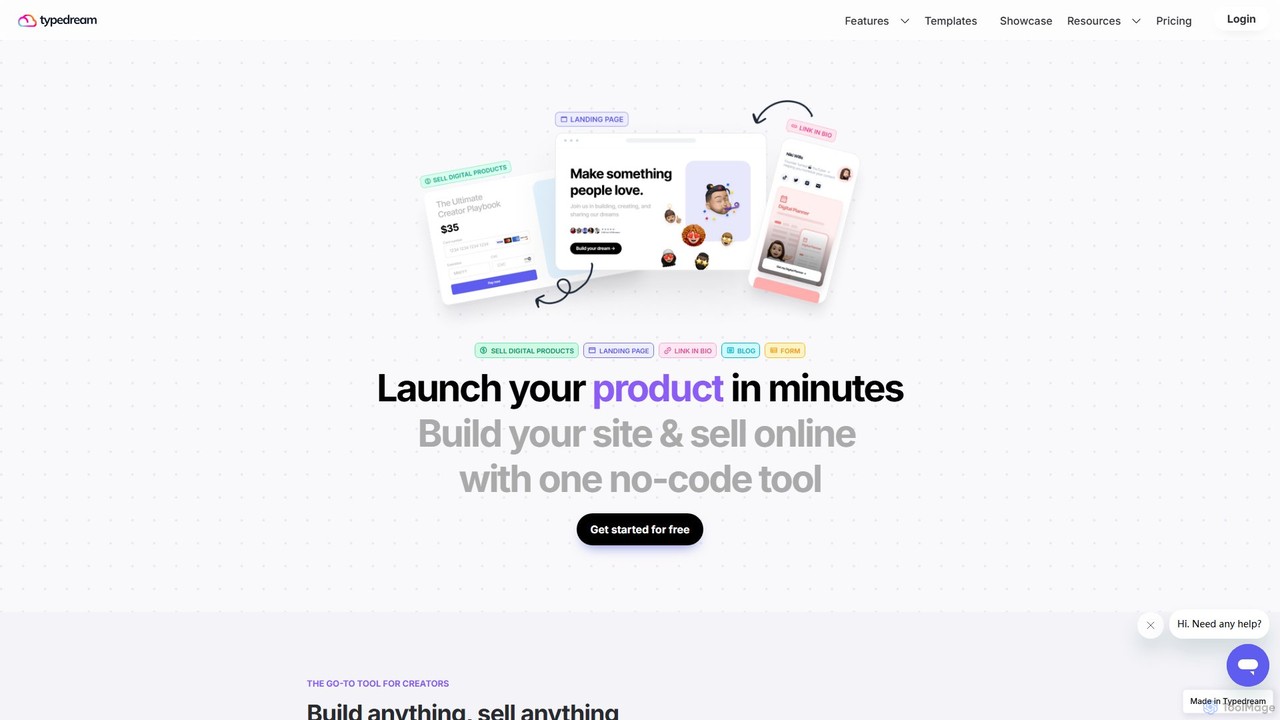
Typedream

Typedream

Typedream is an AI-powered, no-code website builder designed for creators and entrepreneurs. It allows you to easily build …

37.8K
Pixpa

Pixpa

Pixpa is an all-in-one, no-code website builder designed for creative professionals. It enables photographers, artists, and designers to …

204.5K
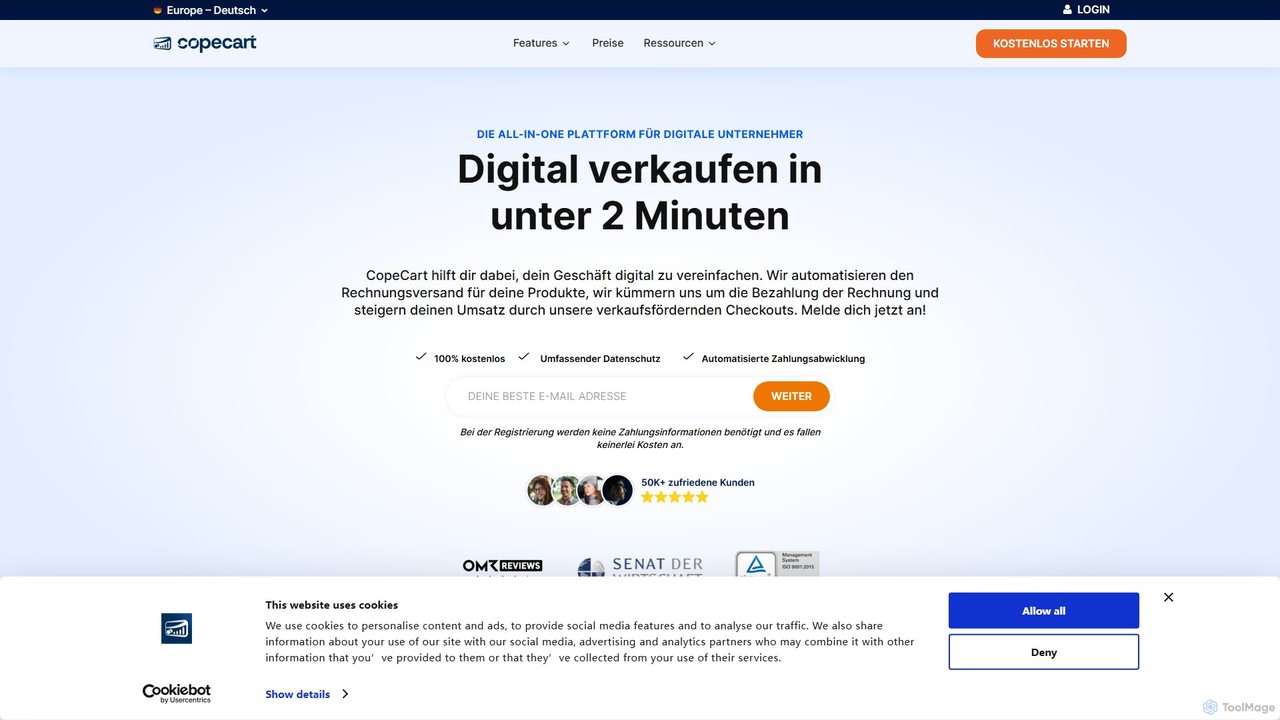
CopeCart

CopeCart

CopeCart is an all-in-one, AI-enhanced digital sales platform designed for creators, coaches, and entrepreneurs. It simplifies the process …

361.6K
WarriorPlus

WarriorPlus

WarriorPlus is a leading digital product marketplace and affiliate marketing platform. It specializes in connecting creators of software, …

591.1K
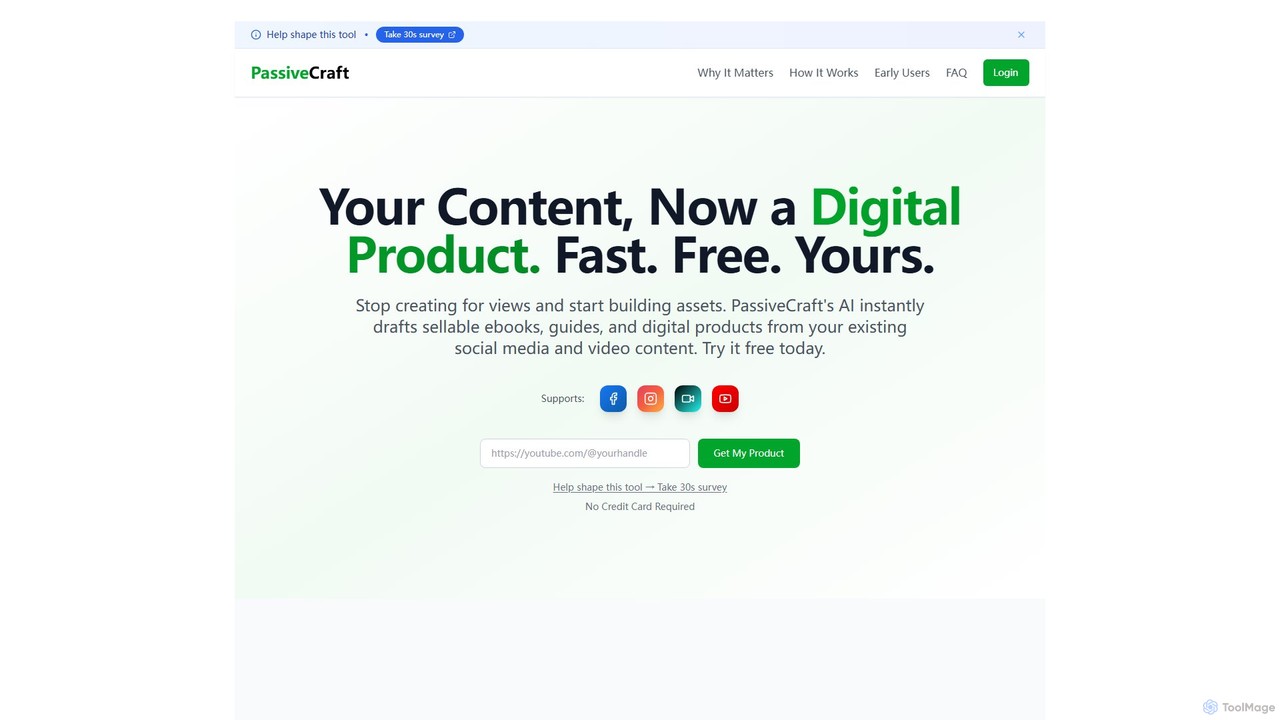
PassiveCraft

PassiveCraft

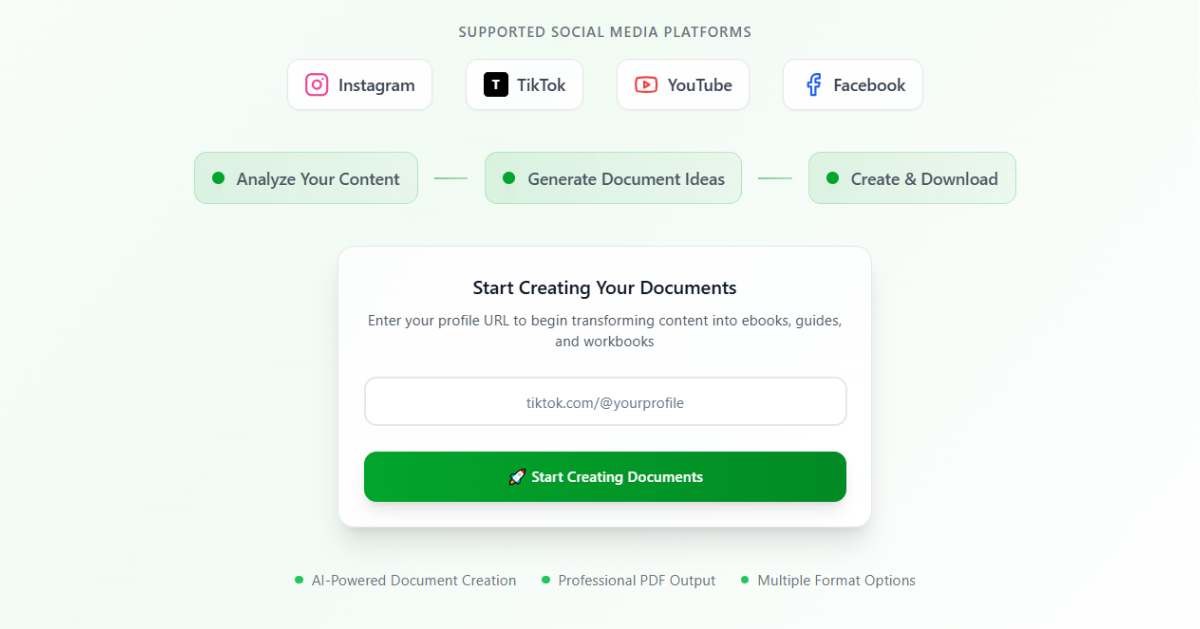
PassiveCraft is an AI-powered tool that transforms your existing social media content into profitable digital products like ebooks, …

3.0K
WallaFan

WallaFan

WallaFan is an all-in-one, commission-free platform for creators to monetize content, sell products, and engage with fans. It …

2.9K
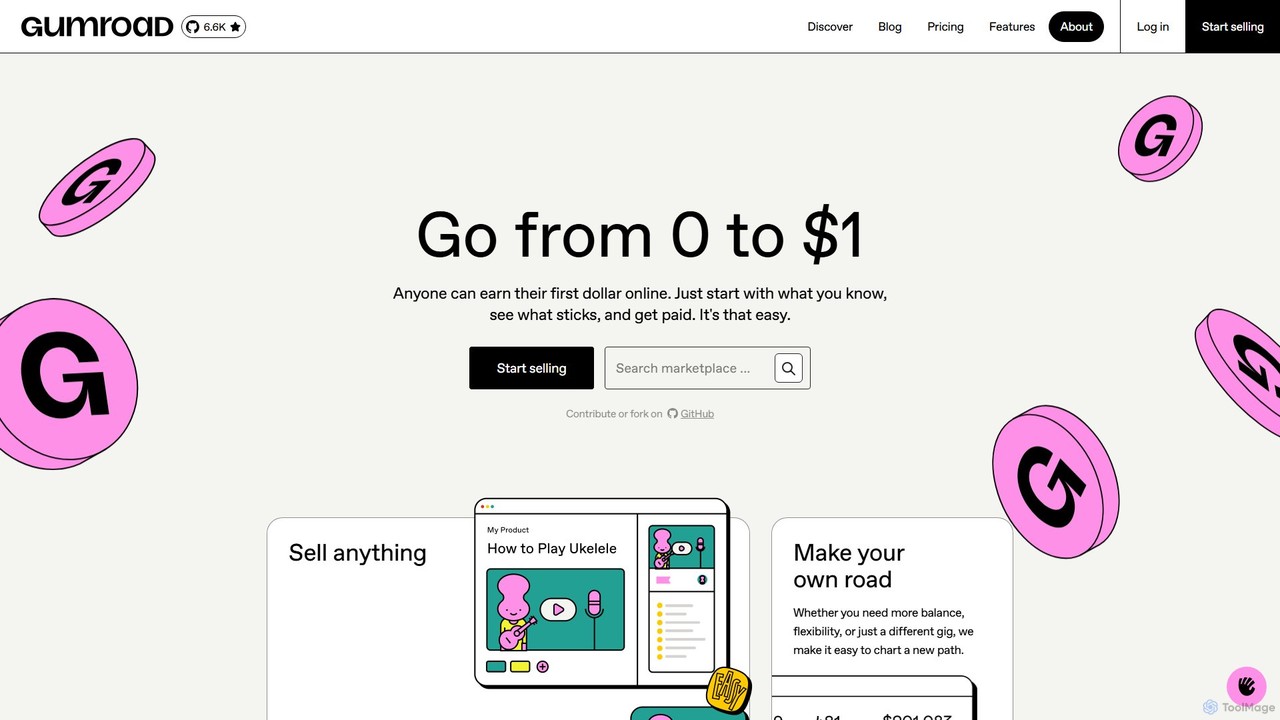
Gumroad

Gumroad

Gumroad is an e-commerce platform designed for creators to sell digital products, memberships, and subscriptions directly to their …

17.8M
zaap

zaap

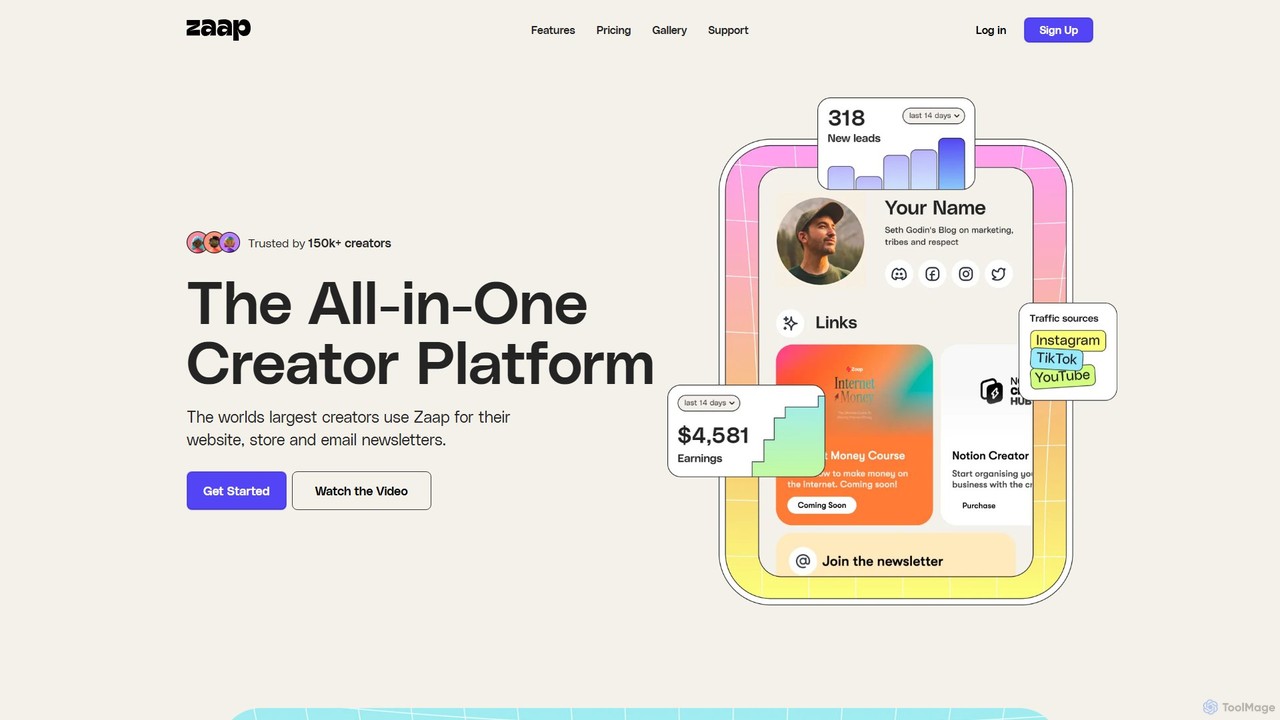
Zaap is an all-in-one platform for creators, combining a "link-in-bio" page, an online store, and email marketing tools. …

20.0K
Pushbio

Pushbio

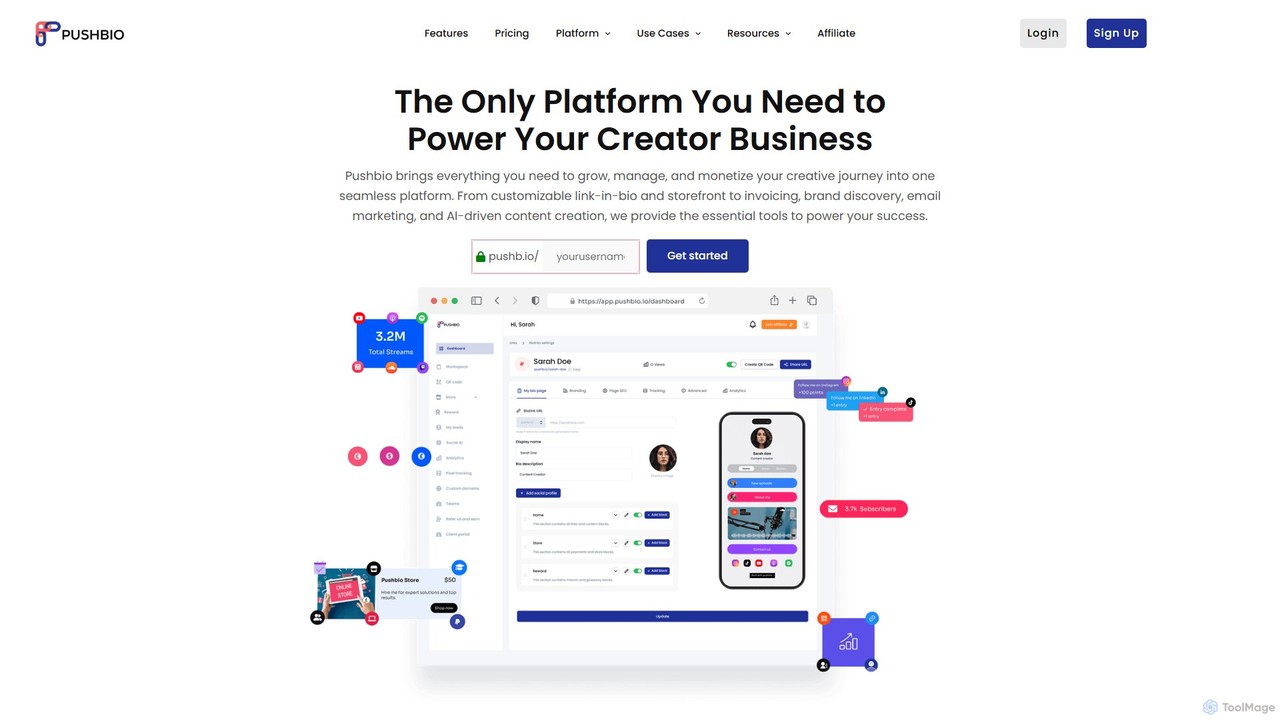
Pushbio is an all-in-one platform for creators, transforming the standard "link in bio" into a powerful business and …

17.9K

About Digital Products

AI Digital Products tools are a specialized category of ecommerce software for creating, managing, and selling intangible goods. These platforms leverage generative AI to produce content for ebooks, online courses, templates, and software from simple user inputs. They streamline the entire lifecycle from ideation to delivery, enabling creators and businesses to launch digital offerings without the complexities of physical inventory. This focus on automated creation and instant fulfillment distinguishes them within the broader ecommerce landscape.

Core Features

  • AI Content Generation: Automatically writes text for ebooks, scripts for video courses, or code snippets for software.
  • Curriculum & Product Structuring: Intelligently outlines modules, lessons, or feature sets for courses and digital tools.
  • Automated Asset Creation: Generates marketing copy, landing pages, and cover designs to support product launches.
  • Access & Licensing Management: Controls user permissions, manages subscriptions, and handles digital rights for sold products.
  • Market & Pricing Analysis: Suggests optimal pricing strategies by analyzing comparable products and market demand.

Use Cases

These tools are ideal for individual creators, educators, consultants, and small businesses aiming to monetize their knowledge and skills. They are used to build and sell online courses, publish ebooks, offer paid newsletters, distribute design templates, or launch niche software applications. The primary goal is to create scalable revenue streams from intellectual property.

How to Choose

When selecting an AI Digital Product tool, first consider the specific product type you intend to create (e.g., text, video, software). Evaluate the quality and flexibility of the AI content generation. Check for essential integrations with payment gateways like Stripe or PayPal, and ensure the platform includes robust marketing and sales features. Finally, assess the user interface and technical requirements to match your skill level.

Digital ProductsUse Cases

1

Create and Launch an Online Course

An industry expert wants to monetize their knowledge by creating an online course. They use an AI digital product tool to structure the entire curriculum, breaking down a complex topic into digestible modules and lessons. The AI then helps generate video scripts for each lesson, creates quiz questions to test comprehension, and designs a compelling landing page with persuasive sales copy. This process reduces the course creation time from months to weeks, allowing the expert to focus on recording content rather than on administrative and marketing tasks.

2

Generate and Sell an Ebook

A writer aims to publish a series of niche ebooks. Using an AI tool, they input a topic and target audience. The AI generates several potential book titles, a detailed chapter outline, and even drafts the content for each section. The writer then edits and refines the AI-generated text to add their unique voice. The same platform can also be used to design a professional-looking cover and format the ebook for different platforms like Kindle and Apple Books, automating much of the tedious production process.

3

Automate a Paid Newsletter Business

A market analyst runs a paid weekly newsletter. To save time, they use an AI tool to curate relevant news, summarize complex reports, and draft initial analysis. The AI helps generate multiple subject line variations for A/B testing to improve open rates. The platform also manages the subscription paywall, handles new sign-ups, and automates the distribution of the newsletter to paid subscribers each week, creating a semi-passive income stream with minimal operational overhead.

4

Develop and Sell Digital Templates

A graphic designer wants to sell digital templates for social media posts. They use an AI tool to generate hundreds of design variations based on a few core styles and color palettes. The AI can create templates for different platforms (Instagram Stories, Pinterest Pins, etc.) automatically. The designer then curates the best designs, packages them into themed bundles, and uses the platform's integrated storefront to sell and deliver the template files to customers instantly upon purchase.

5

Launch a Niche SaaS Micro-Tool

A developer has an idea for a small, niche Software-as-a-Service (SaaS) tool. They use an AI platform to generate boilerplate code for common features like user authentication and billing integration, significantly speeding up development. The AI also helps write the marketing copy for the landing page and drafts technical documentation for users. This allows a solo developer to build and launch a functional digital product much faster than traditional methods, handling both development and go-to-market tasks within one ecosystem.

6

Create and Sell Digital Art or Music

An artist or musician uses a generative AI tool to create unique digital assets. For example, they might generate a collection of abstract background images or a series of royalty-free music tracks for content creators. They then use a digital product platform to set up a simple storefront. The platform handles the secure delivery of the digital files after purchase and can manage different licensing options (e.g., personal use vs. commercial use), allowing the creator to easily sell their AI-assisted creations to a global audience.

Digital ProductsFrequently Asked Questions